
In November 2025, Basker and I spent seven days exploring Kerala with a small group of friends. It was part of a bigger journey through South India, Sri Lanka (read about Sri Lanka here), and on to Malaysia, with a brief stop in Phuket, Thailand. The Kerala leg quickly became one of the highlights.
Kerala was easy to travel through and it never felt rushed. We moved from the cool tea hills to the quiet backwaters, with a good mix of nature, history, and everyday life along the way. The days were warm, the scenery constantly changing, and there was always something new to see without it ever feeling too busy.
The state also impressed us with how well it seemed to be run. Its communist-influenced government prioritises education, healthcare, and social welfare. You notice it in everyday life — clean towns, good roads, and a sense of calm throughout the streets. This focus on social equity and services makes travelling here an absolute pleasure.
Periyar & Thekkady
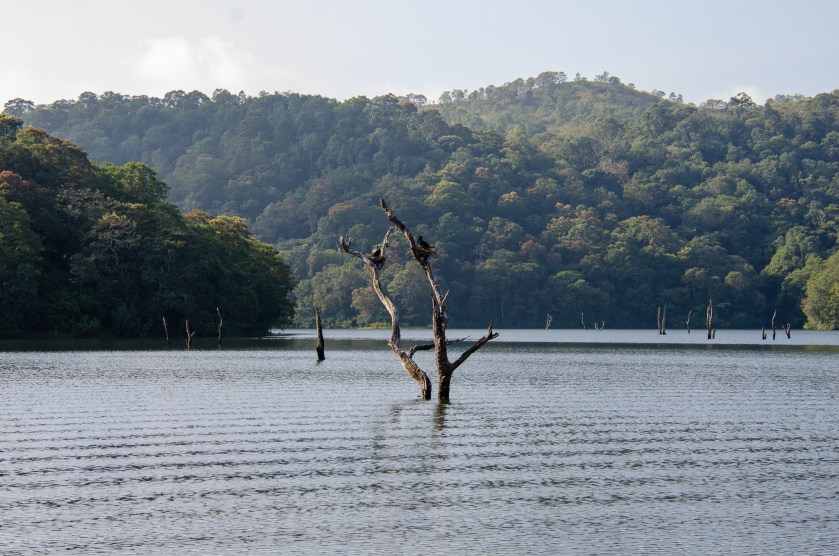
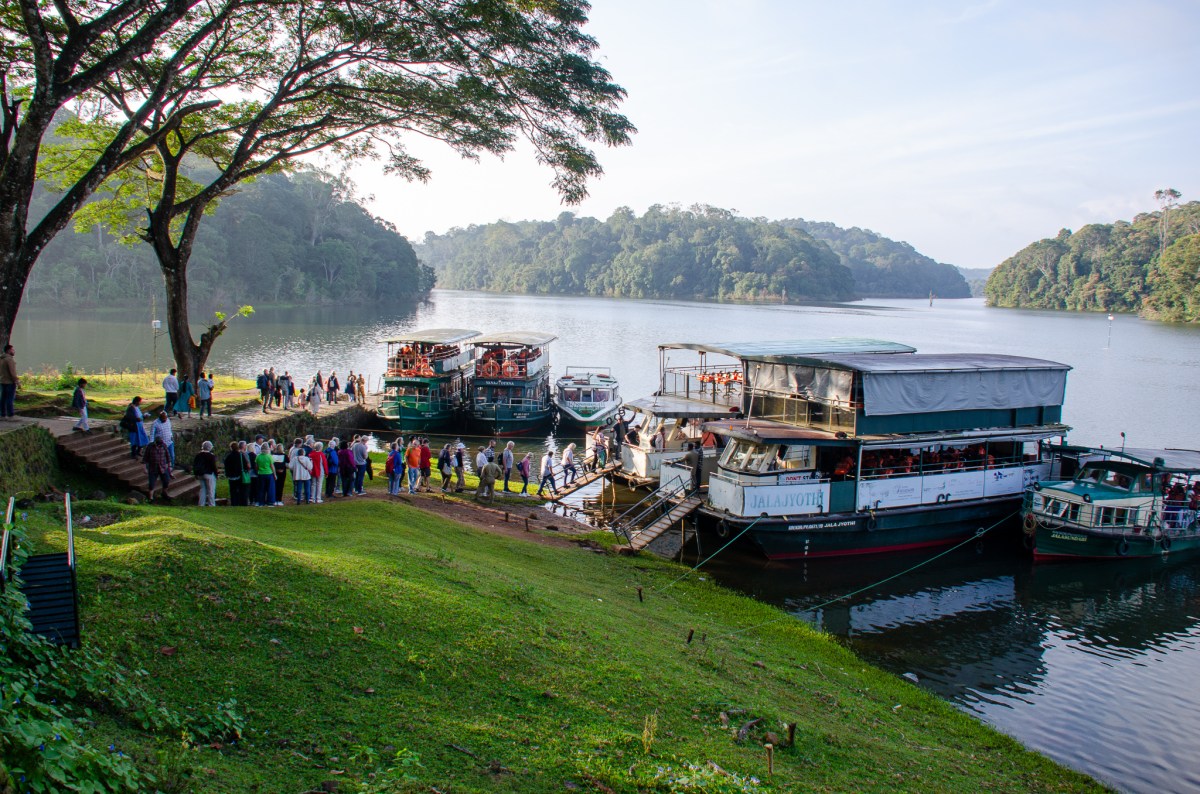
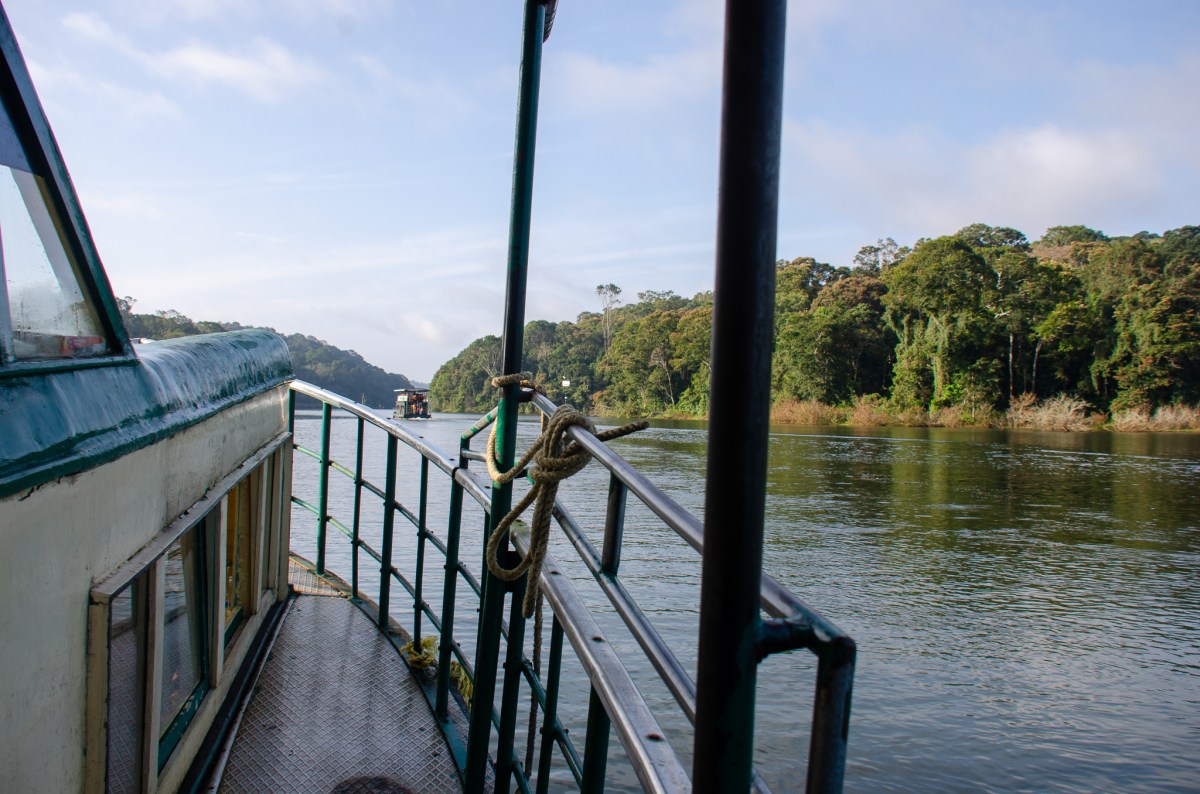
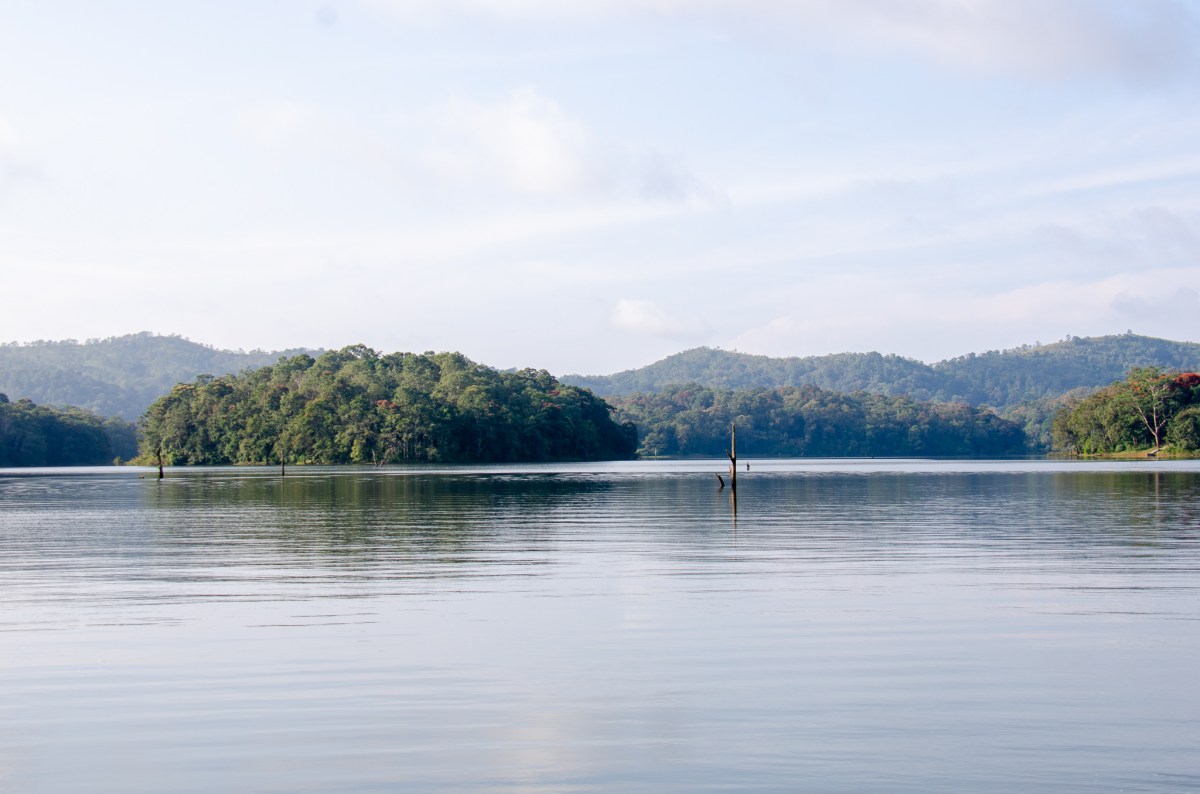
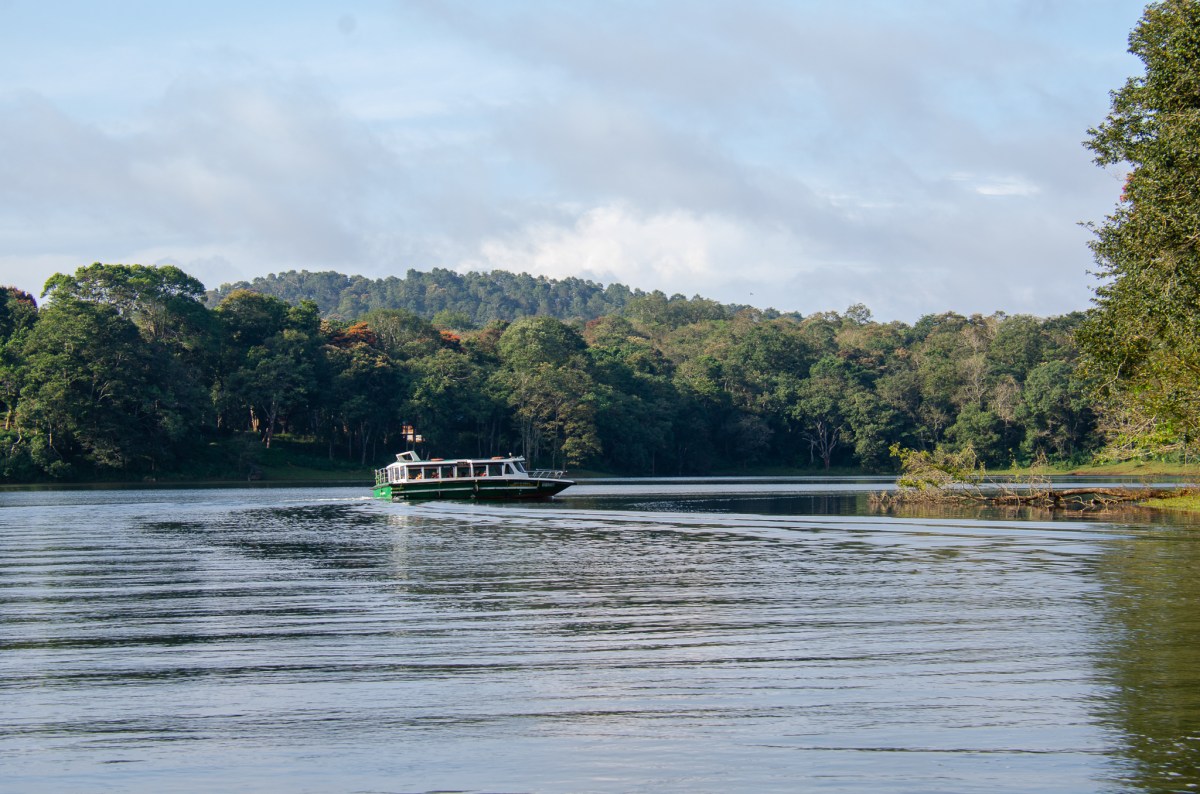
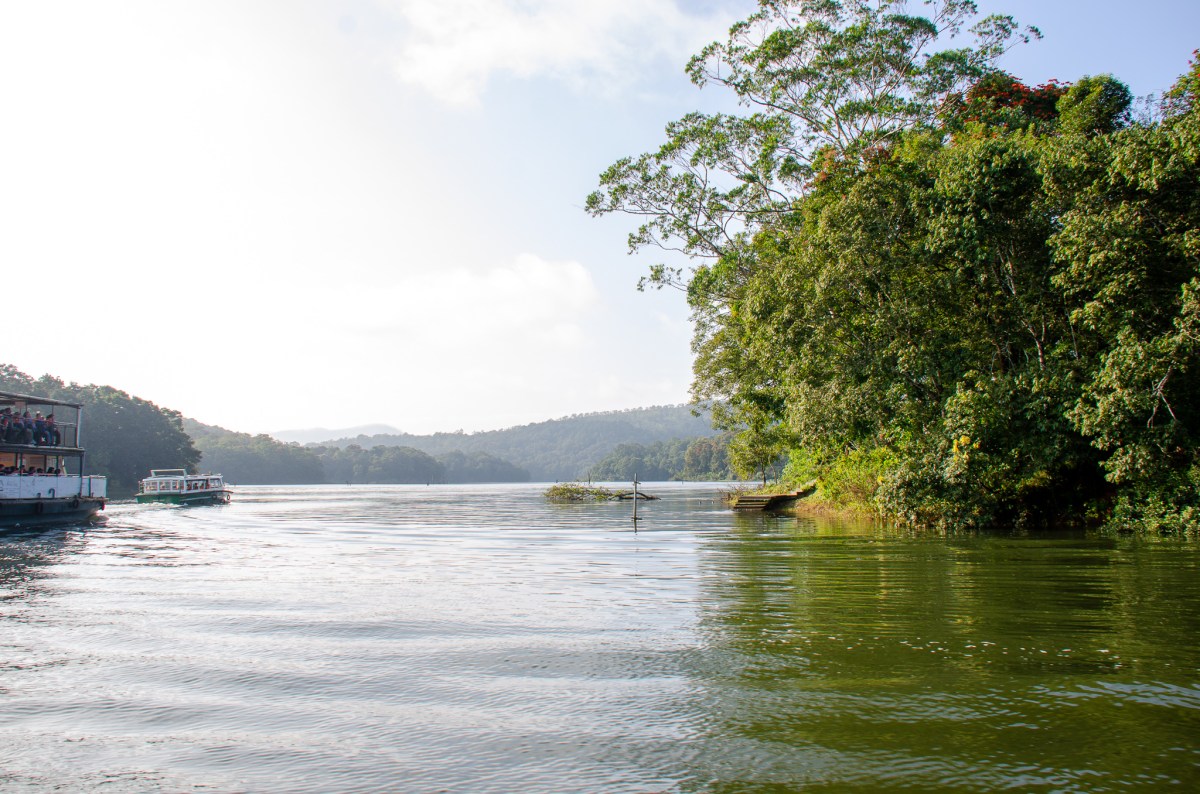
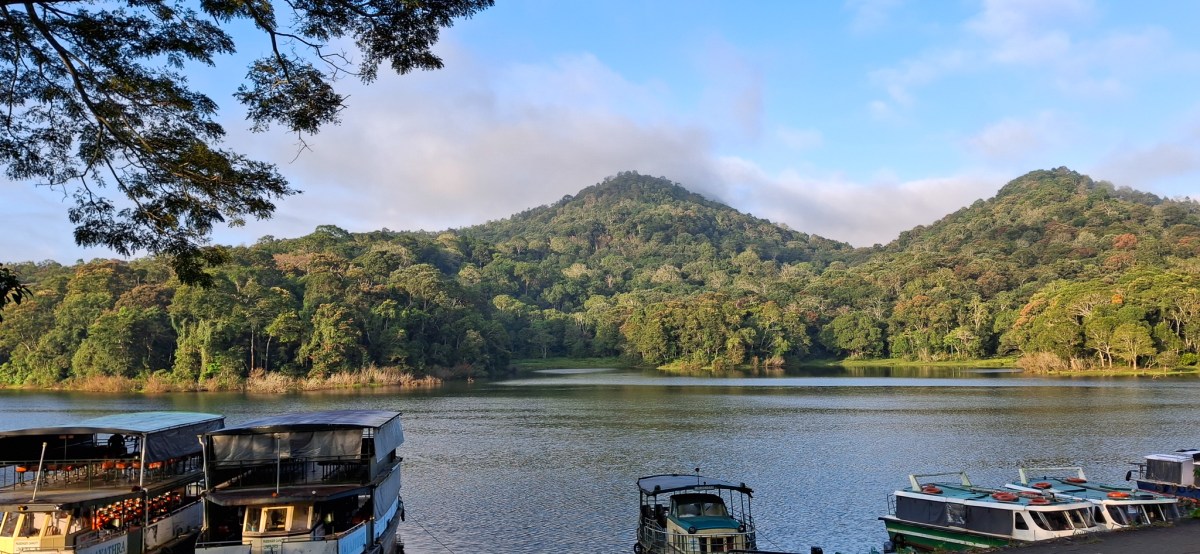
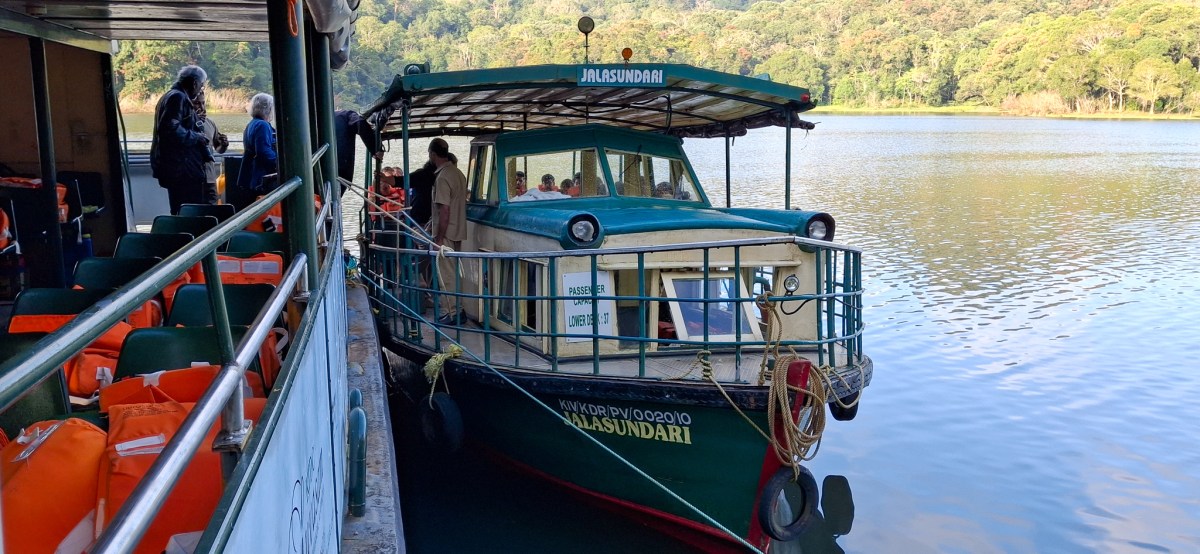
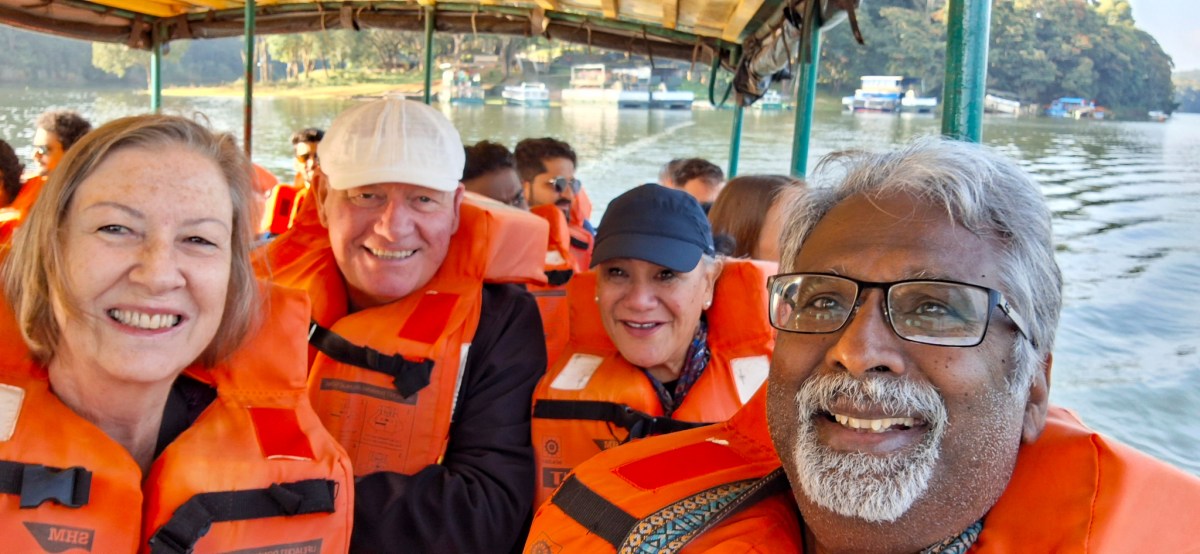
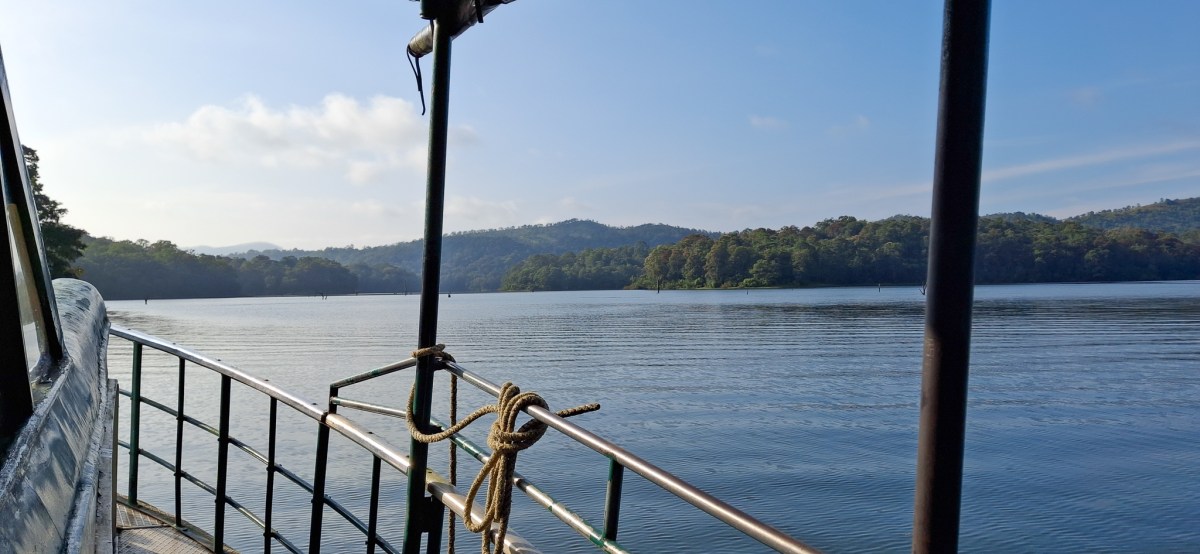
Wildlife & Cruise: Periyar is a lovely spot if you enjoy nature. The Periyar Wildlife Sanctuary, part of Project Tiger, is home to elephants, deer, and many different birds. We went out early one morning on a boat cruise across Lake Periyar. It was calm and quiet, just gently moving across the water while the mist lifted from the hills.
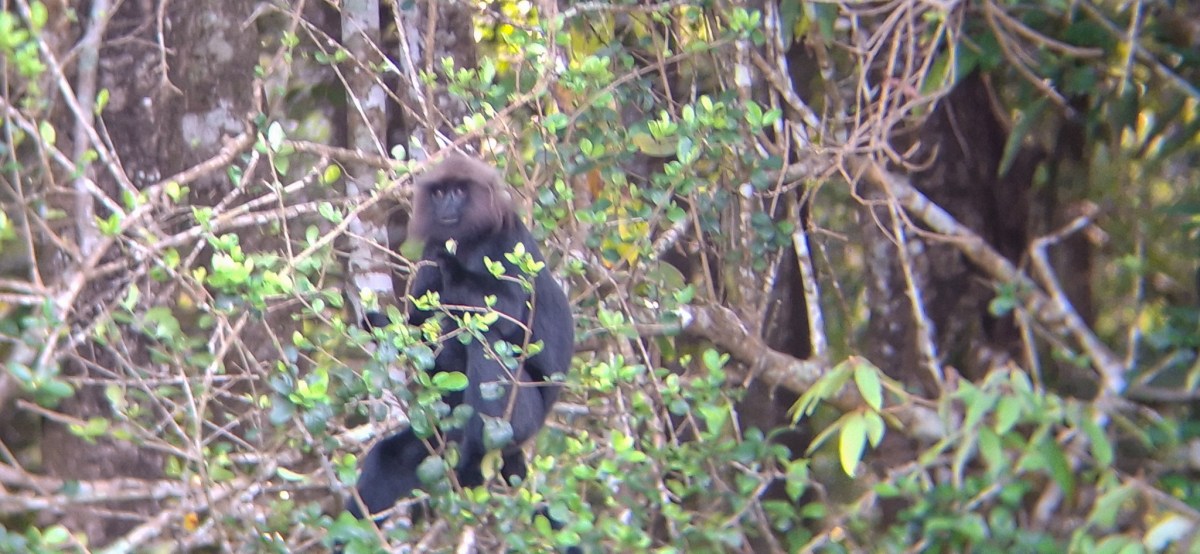
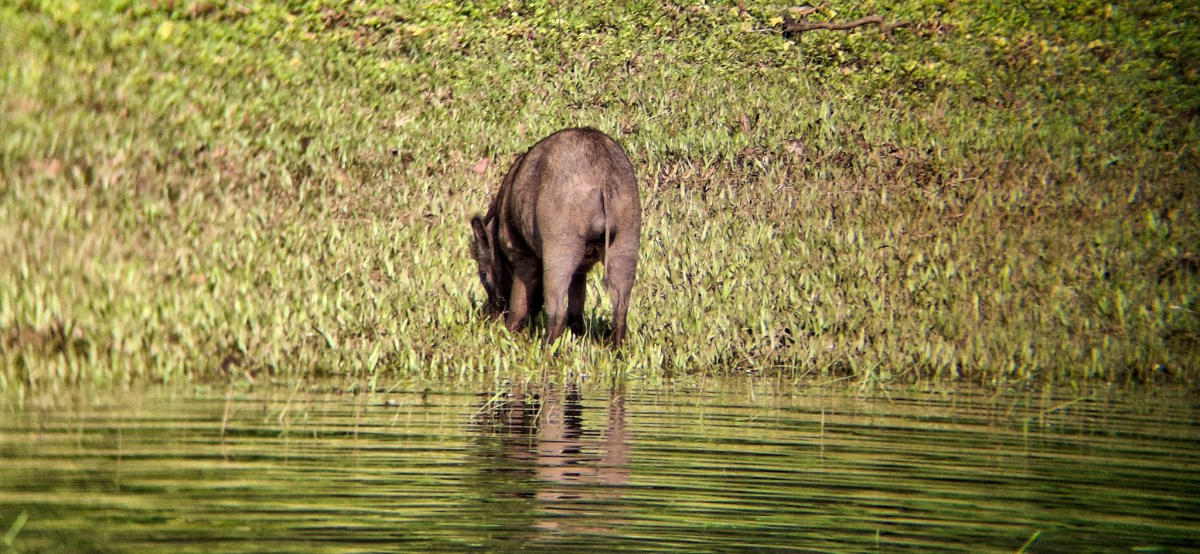
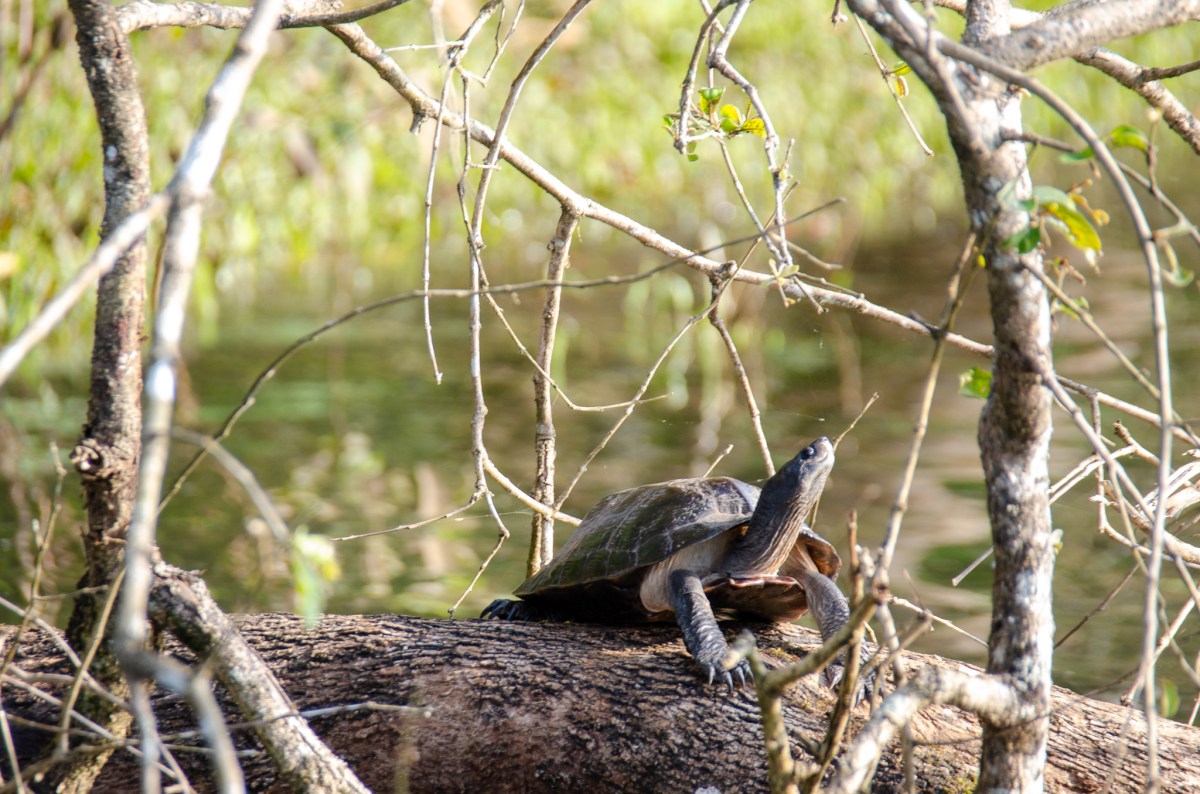
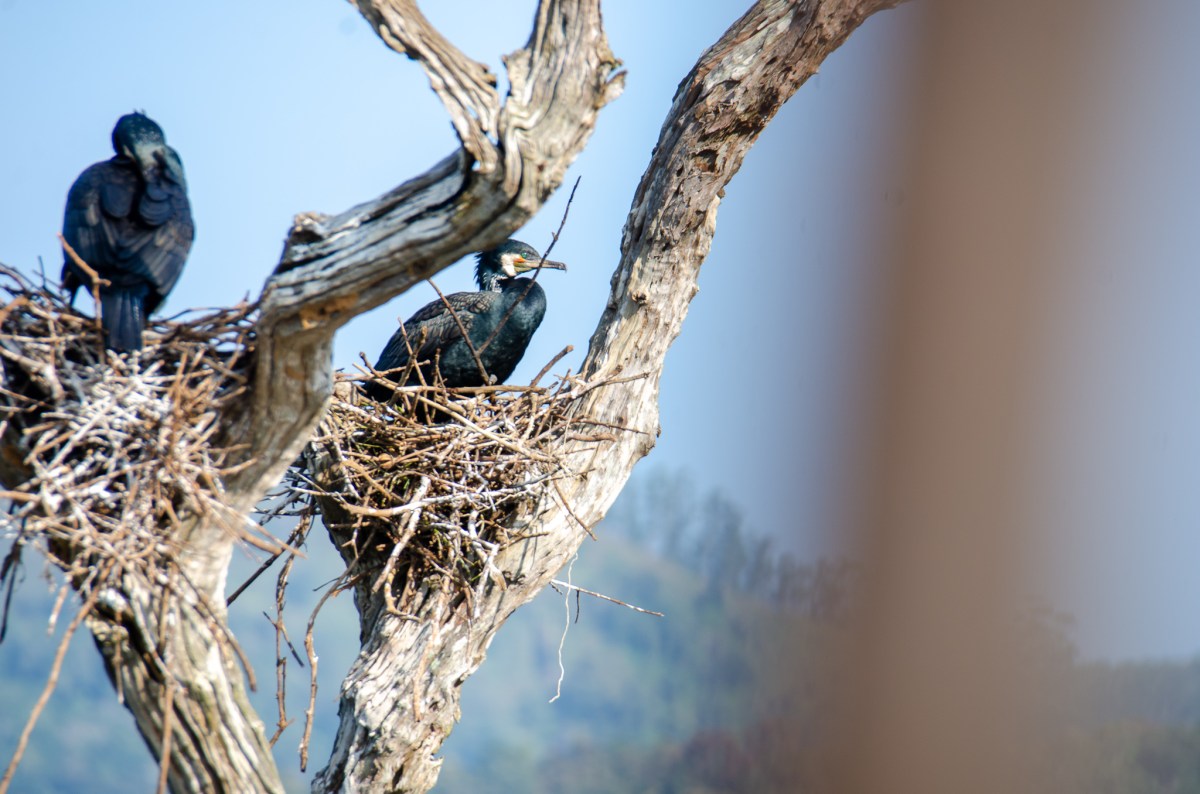
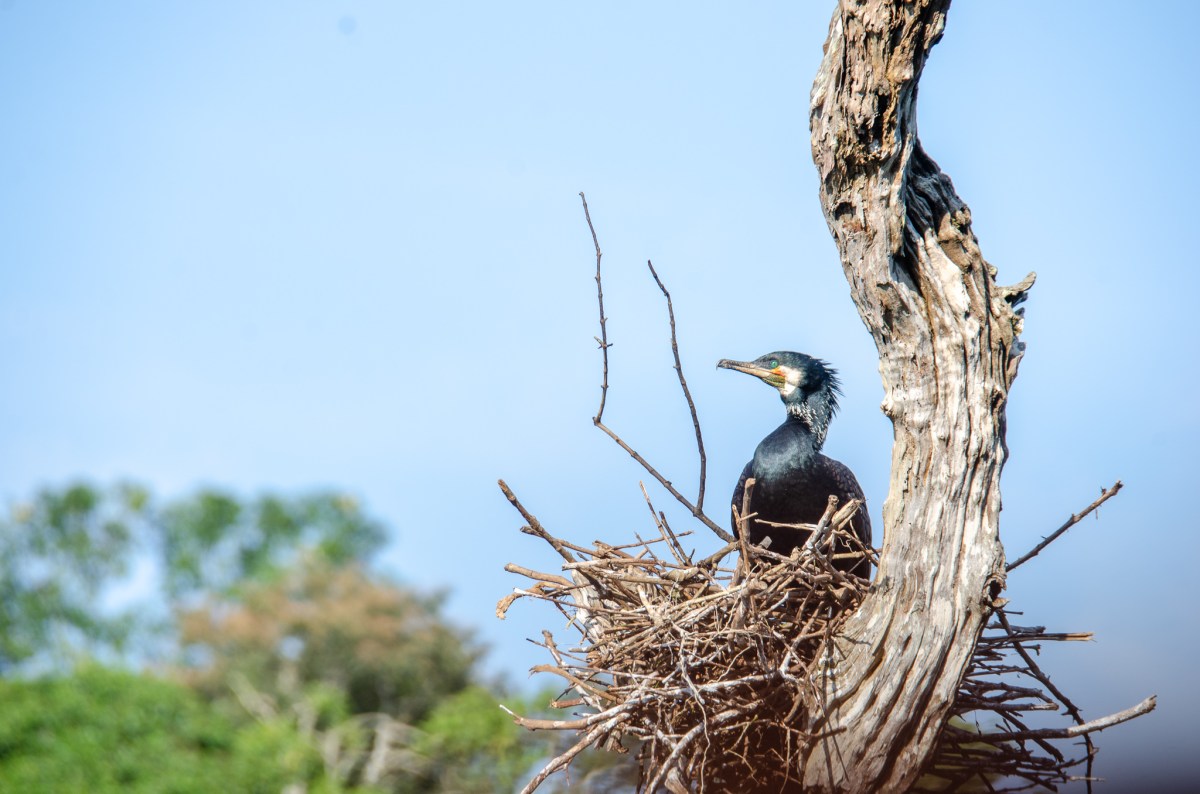
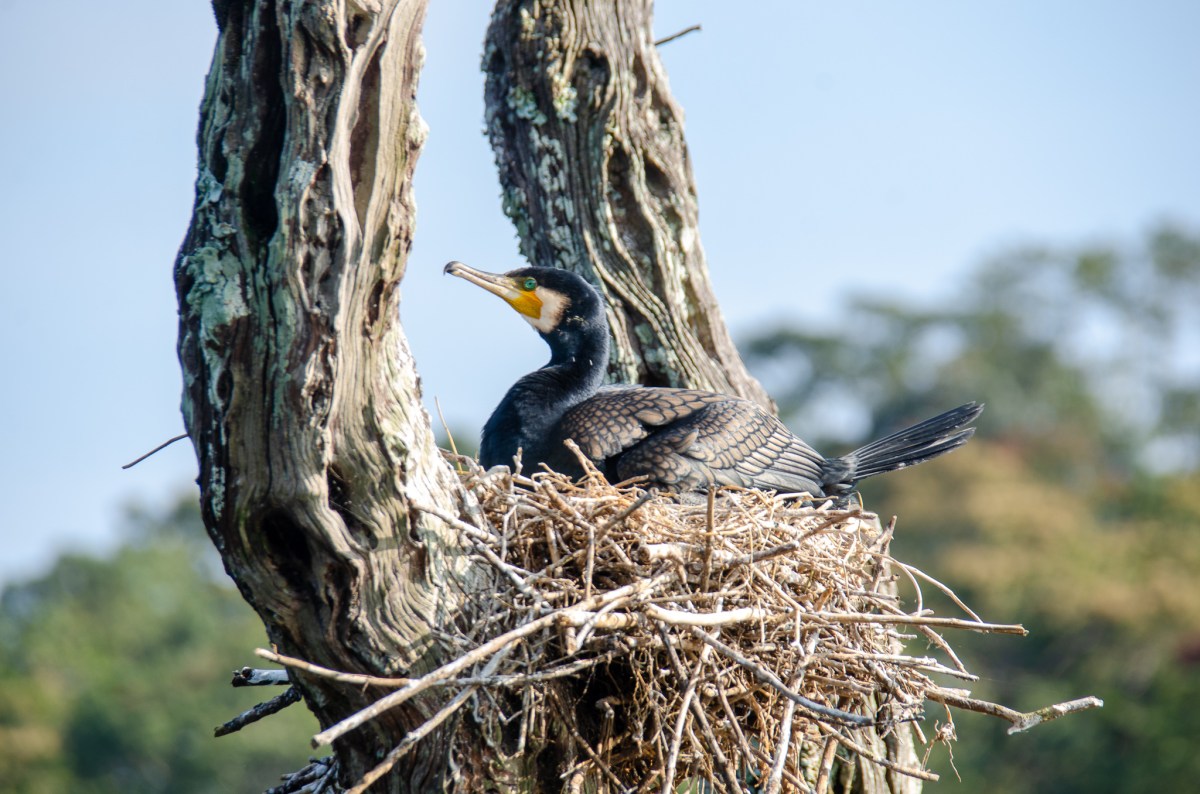
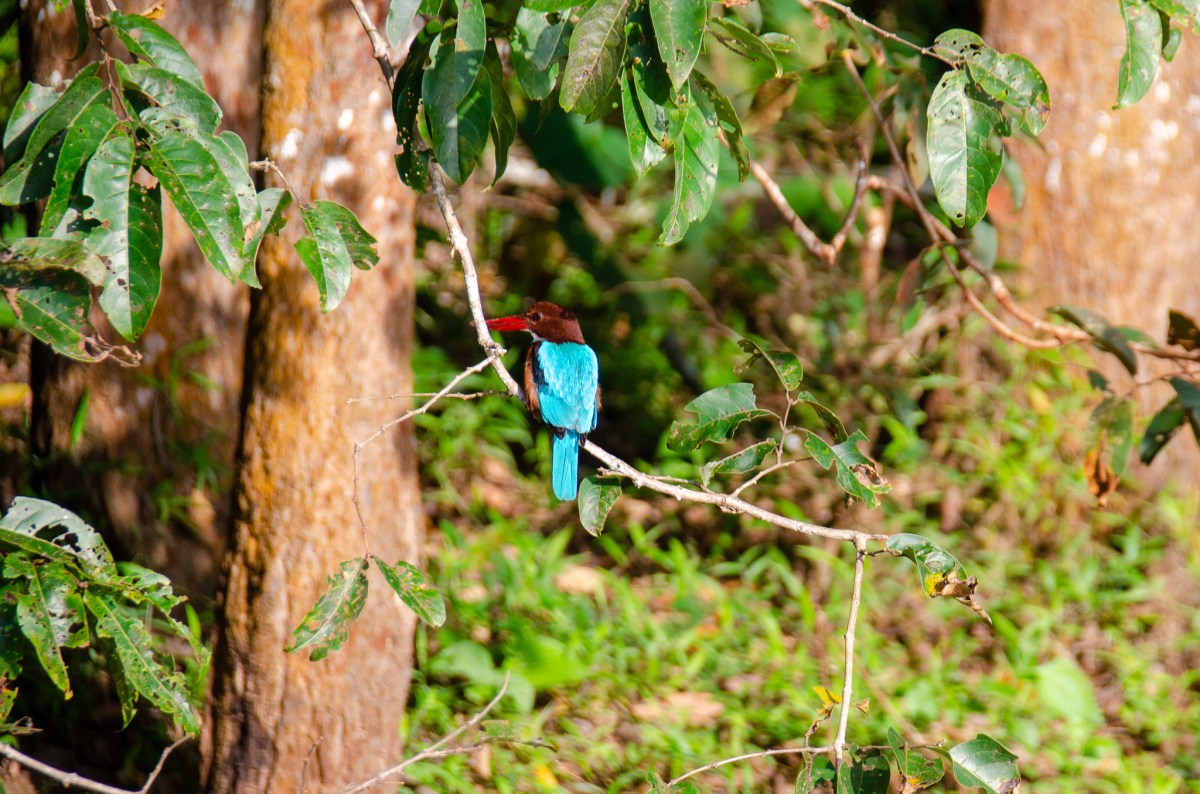
We didn’t see any elephants on our cruise, although they do come down to the lake. Still, there was plenty to see — kingfishers, smaller birds, hornbills, monkeys, wild boar, and even a few bison in the distance.
One of the funniest moments was watching the wildlife guides hold our phone cameras up to their binoculars to take close-up photos. It actually worked very well, and the photos turned out better than we expected. A nice little memory from the day.
Munnar
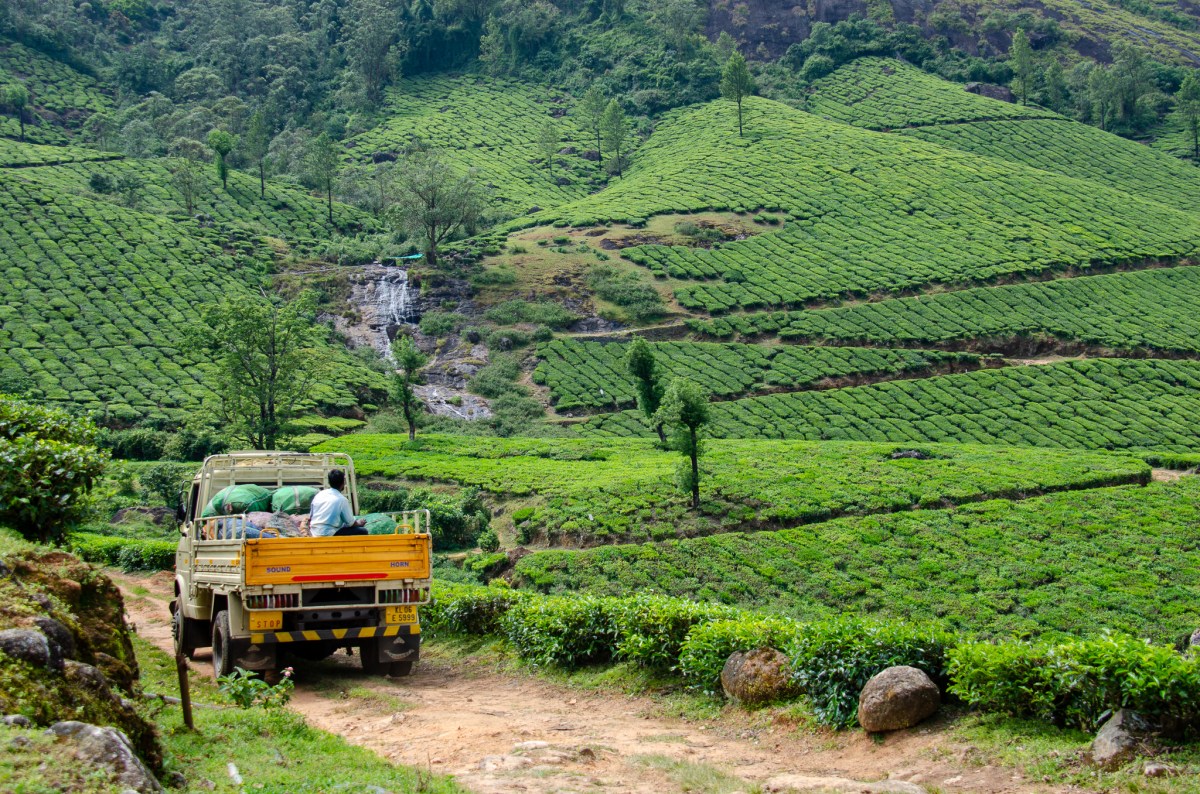
After the cruise, we set off for Munnar, driving through thick forest and miles of greenery. The scenery was lovely, with tea plantations everywhere and small villages tucked into the hills. I have to admit, I’m not great on winding roads, so I found the drive a bit long. What I thought would be three hours turned into closer to five.
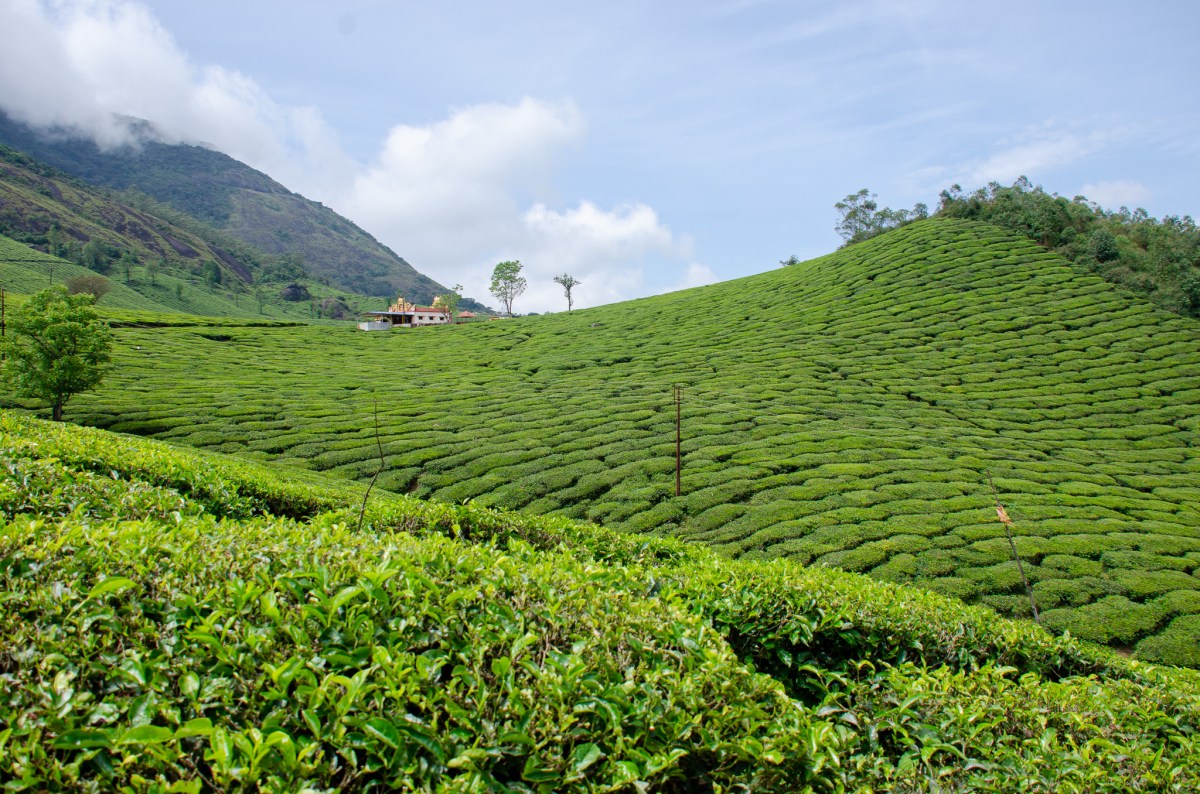
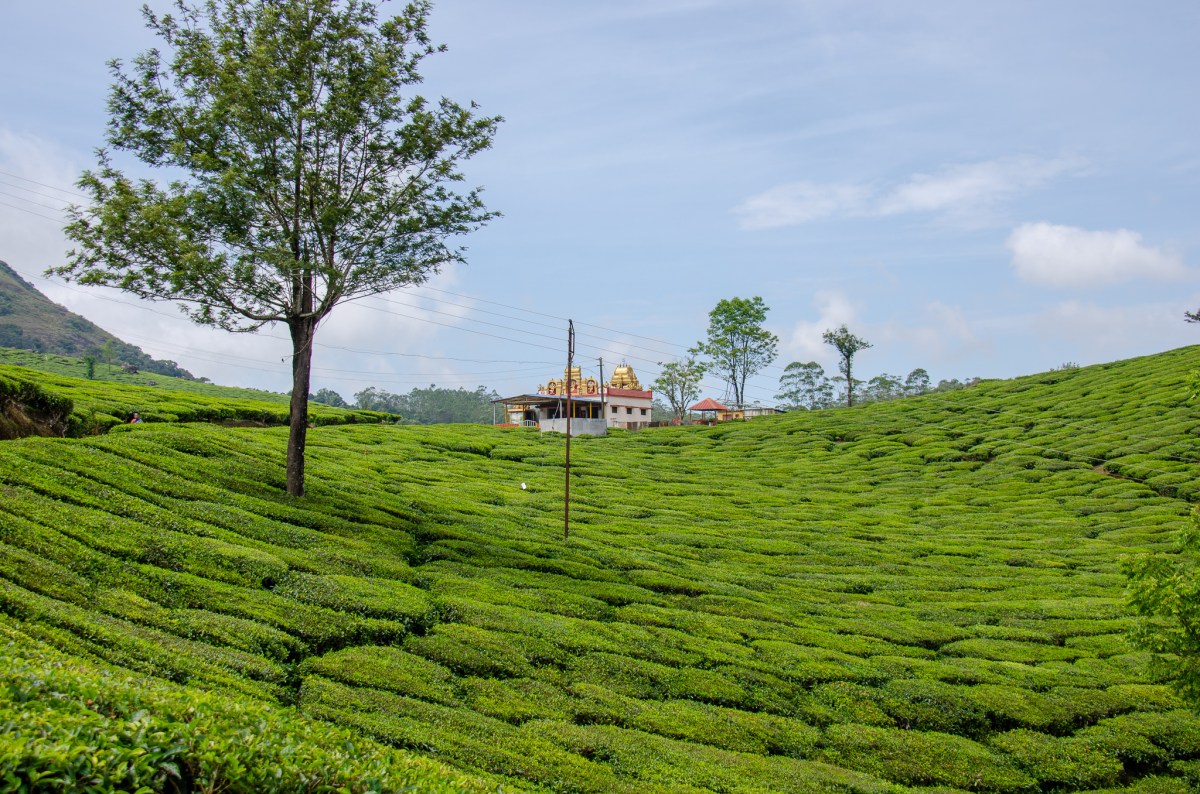
Munnar sits high in the hills where three mountain ranges meet. It was once a summer retreat for the British, and you can see why — cooler air, rolling tea gardens, and beautiful views all around.
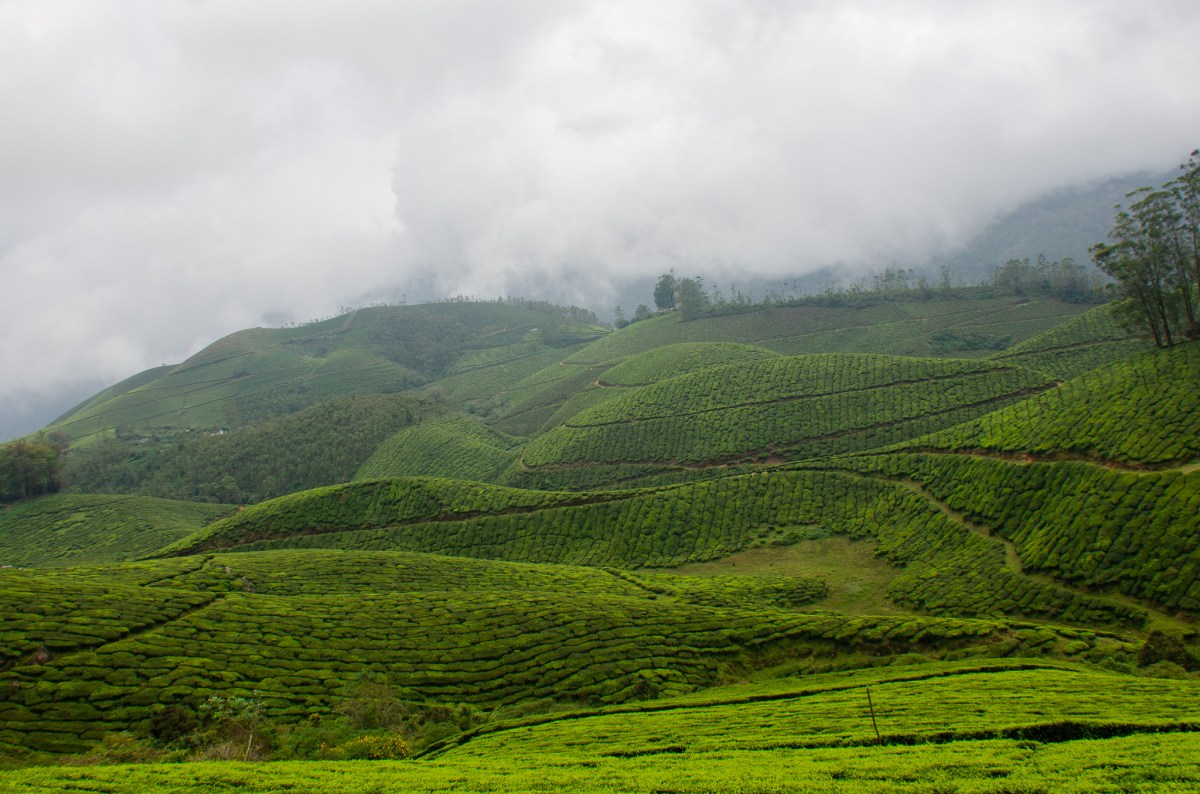
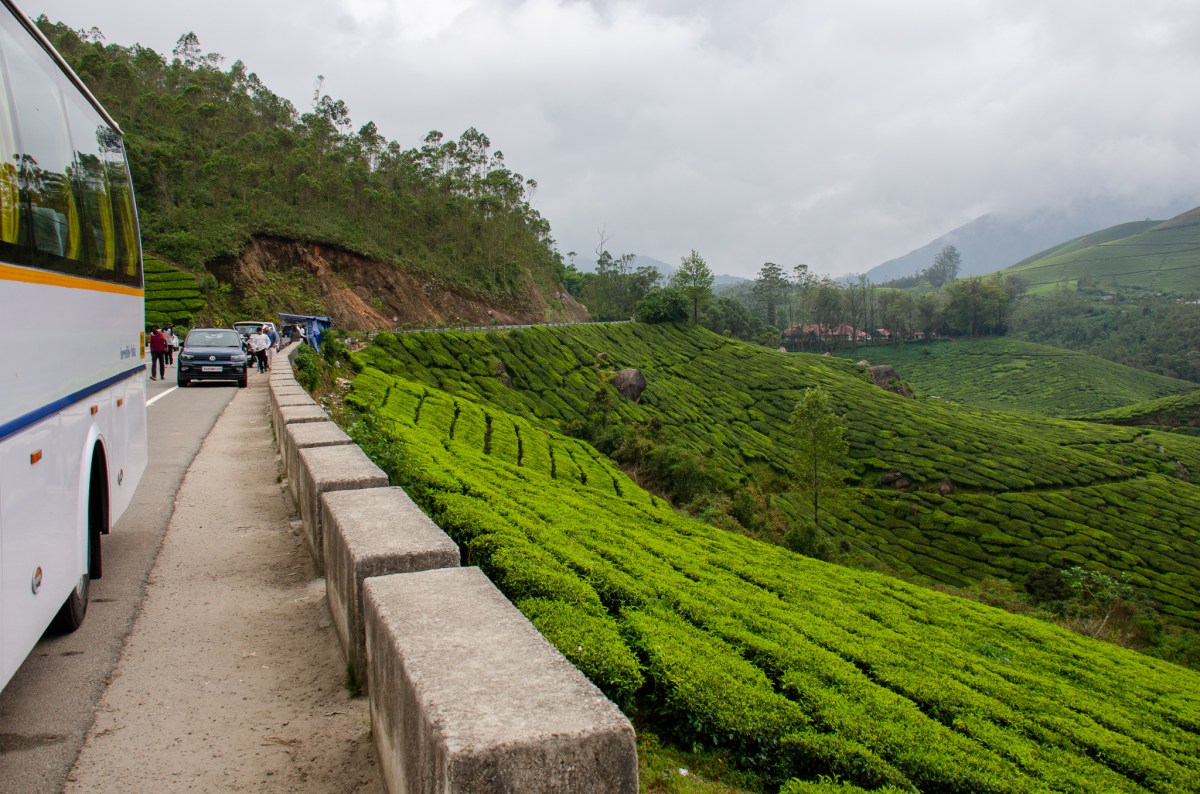
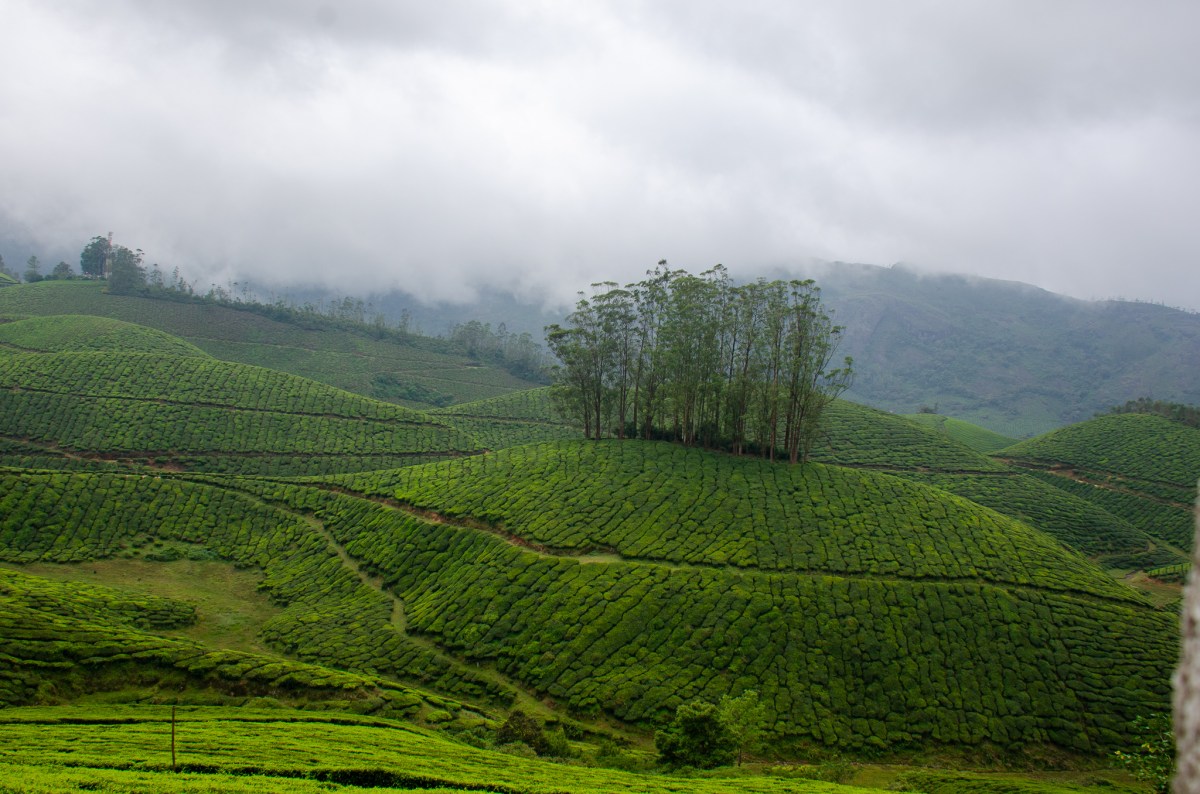
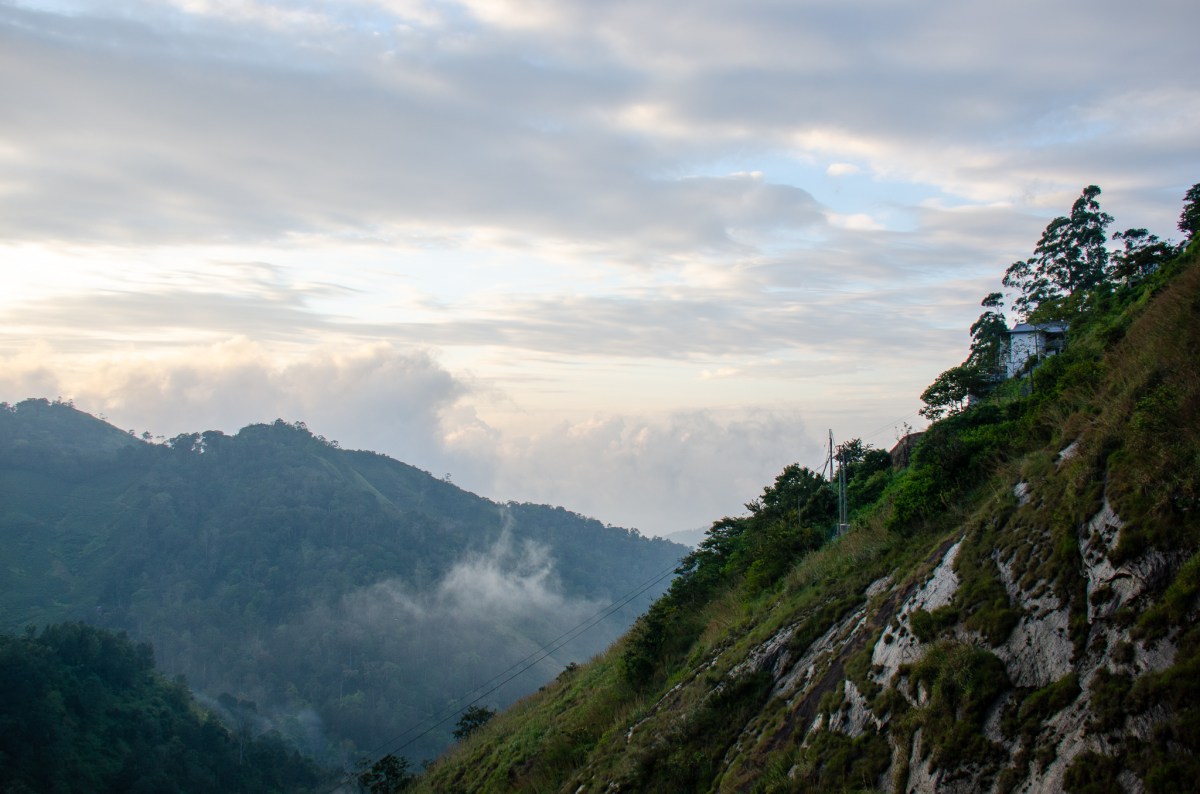
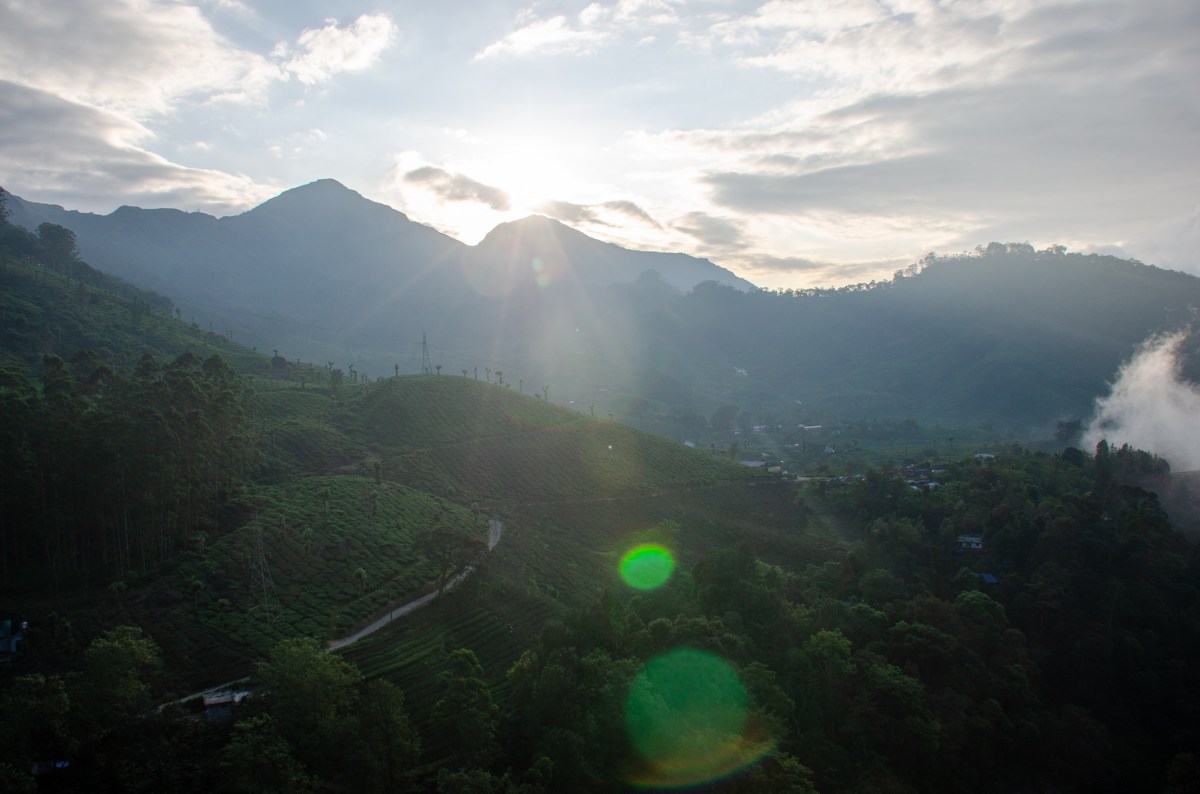
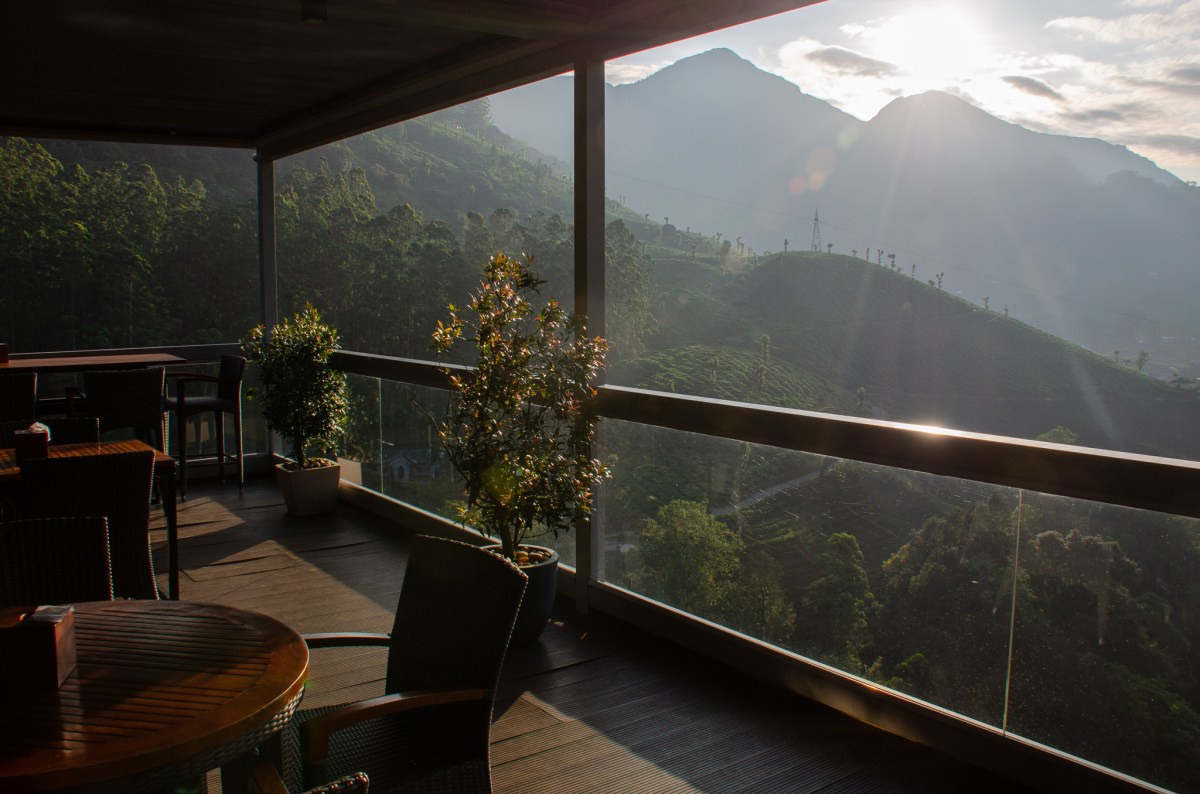
in Munnar, Kerala.
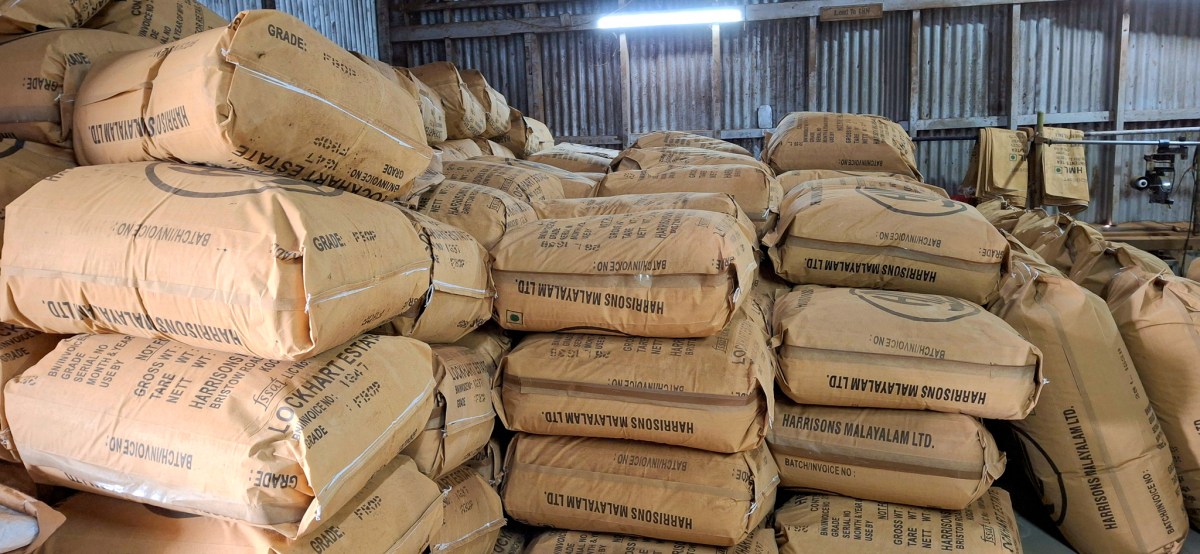
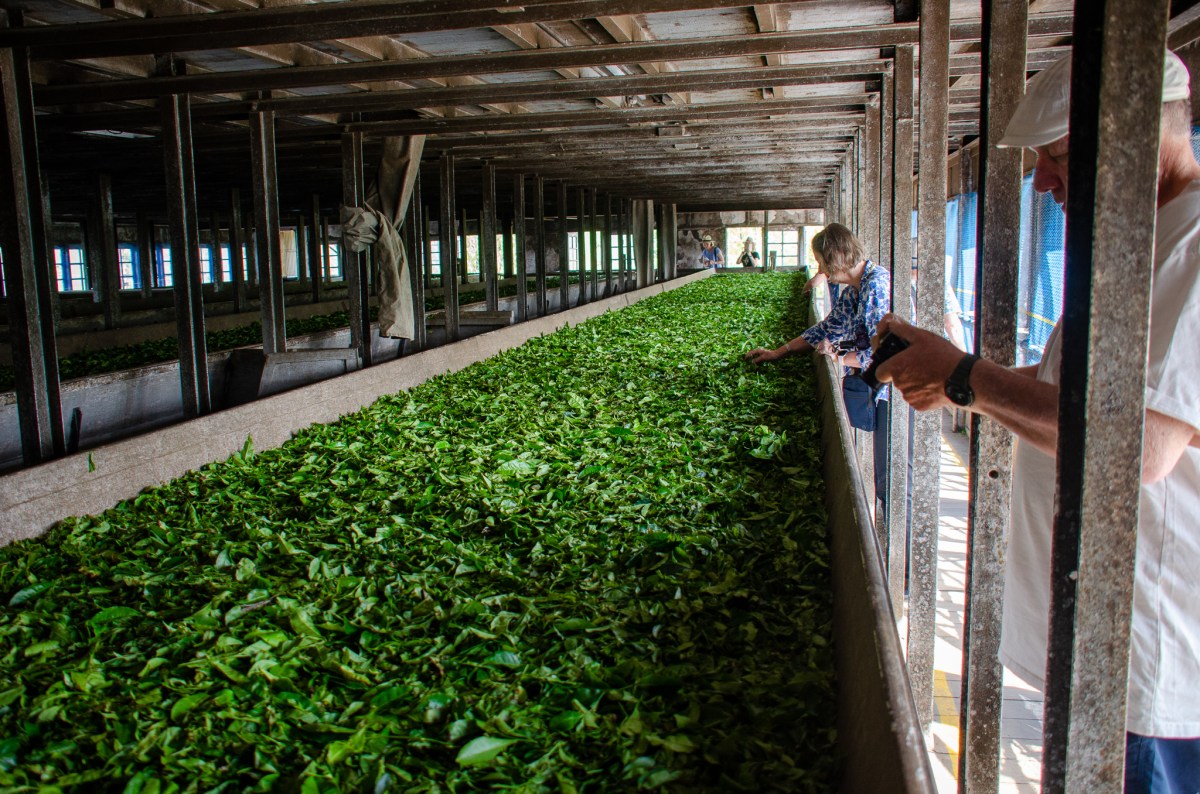
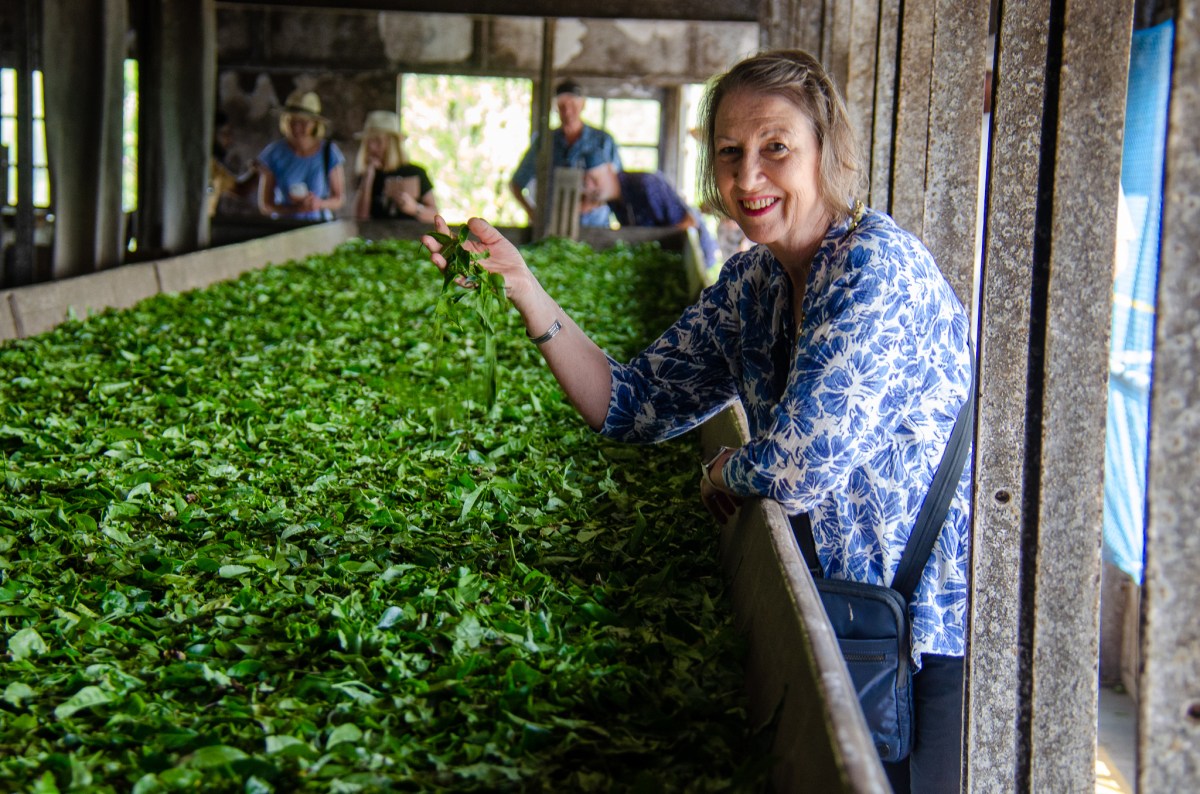
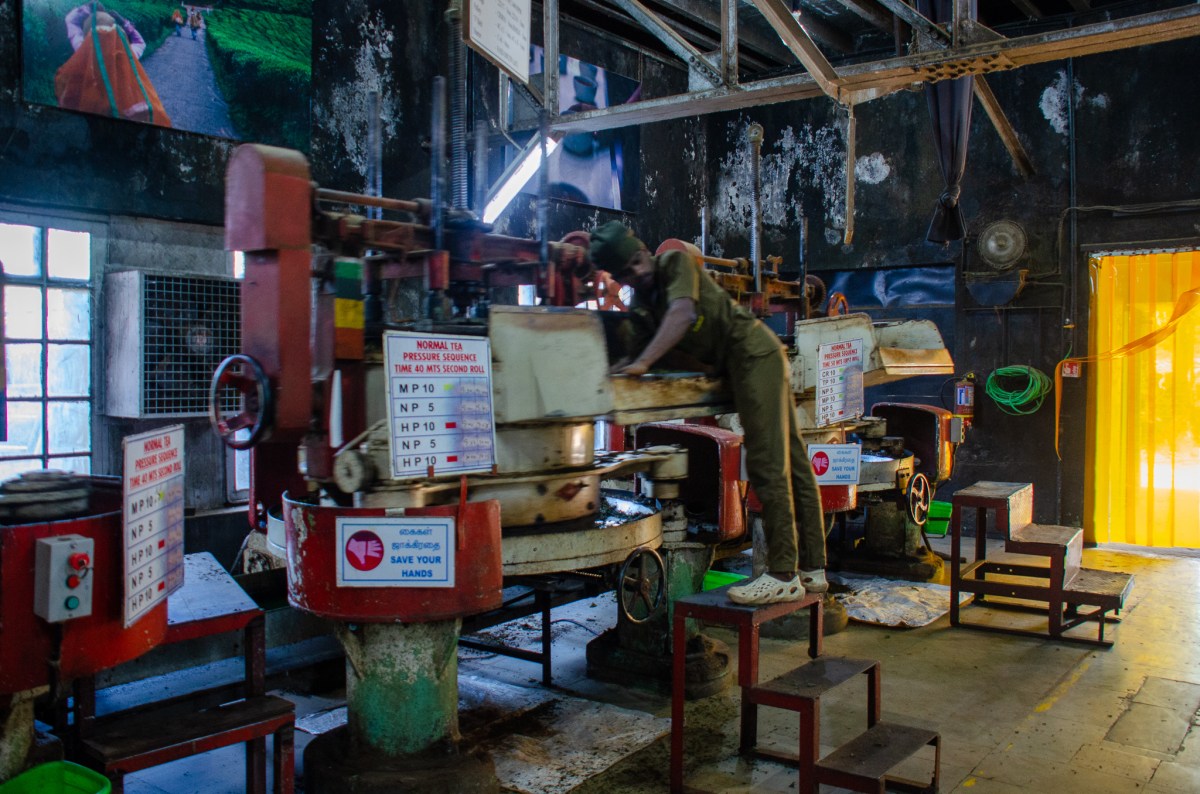
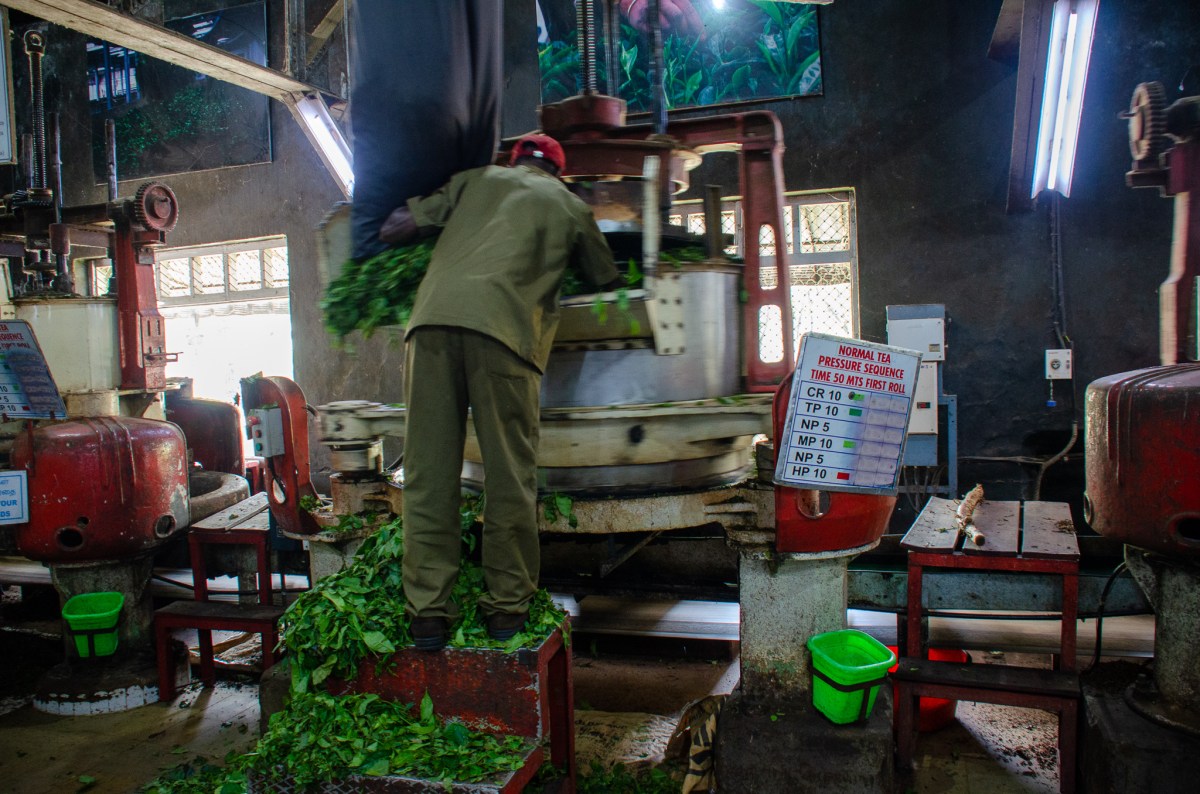
Lockhart Tea Factory: Visiting the Lockhart Tea Factory after a great night’s sleep at the Blanket Hotel, high in the hills, was a highlight. We watched the tea-making process, from drying and rolling through to sorting and packing, and it was interesting to see how it all comes together. It gave us a real appreciation for the work behind a simple cup of tea.
Afterwards, we enjoyed a cup of freshly brewed tea, sitting there with the misty hills all around us. A lovely moment to just sit and take it all in.
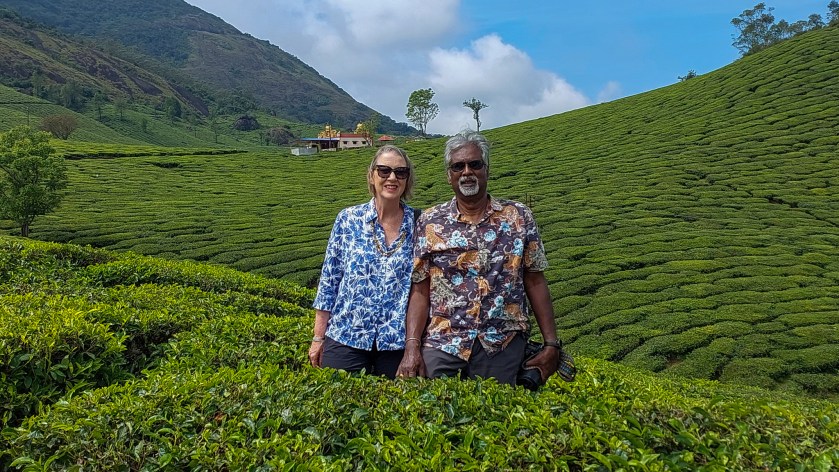
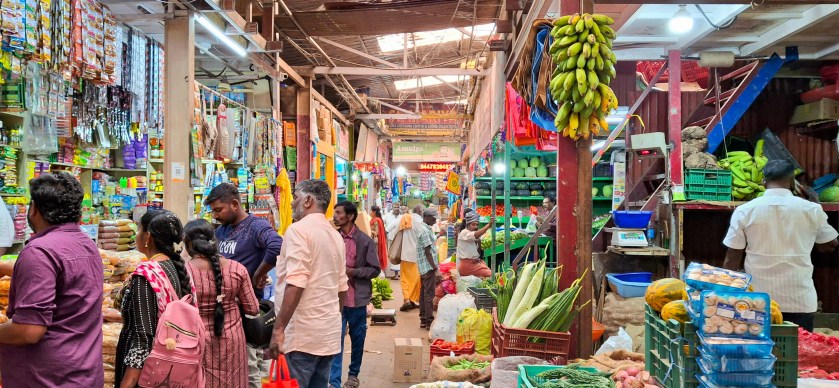
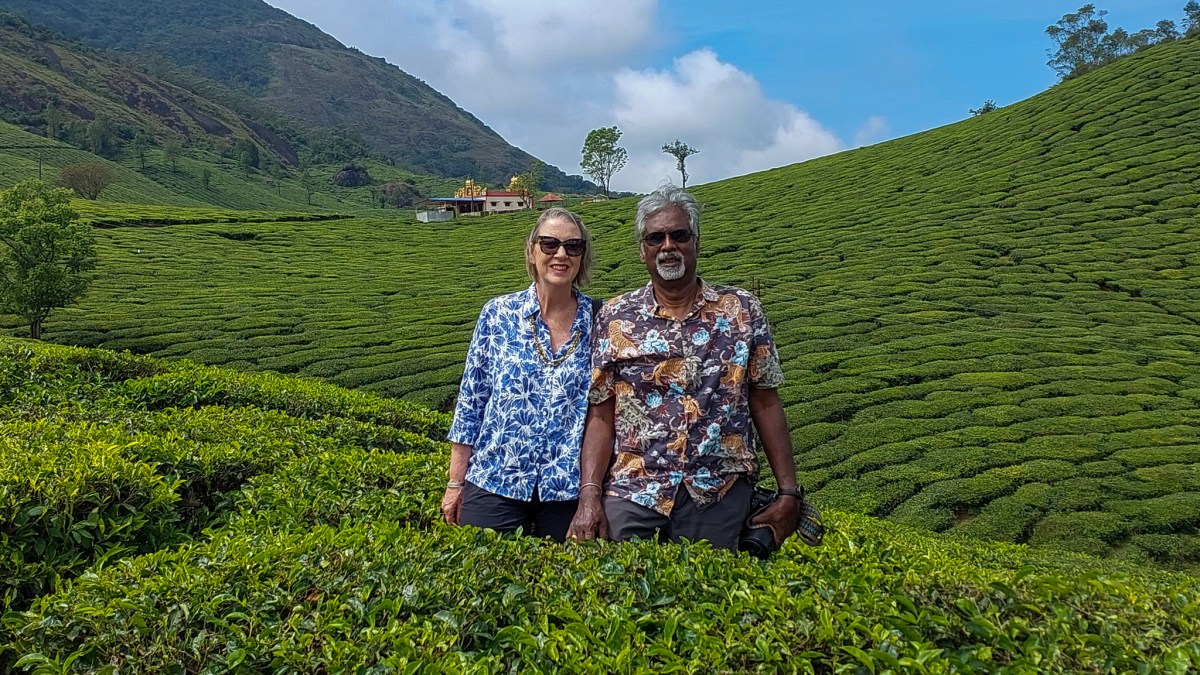
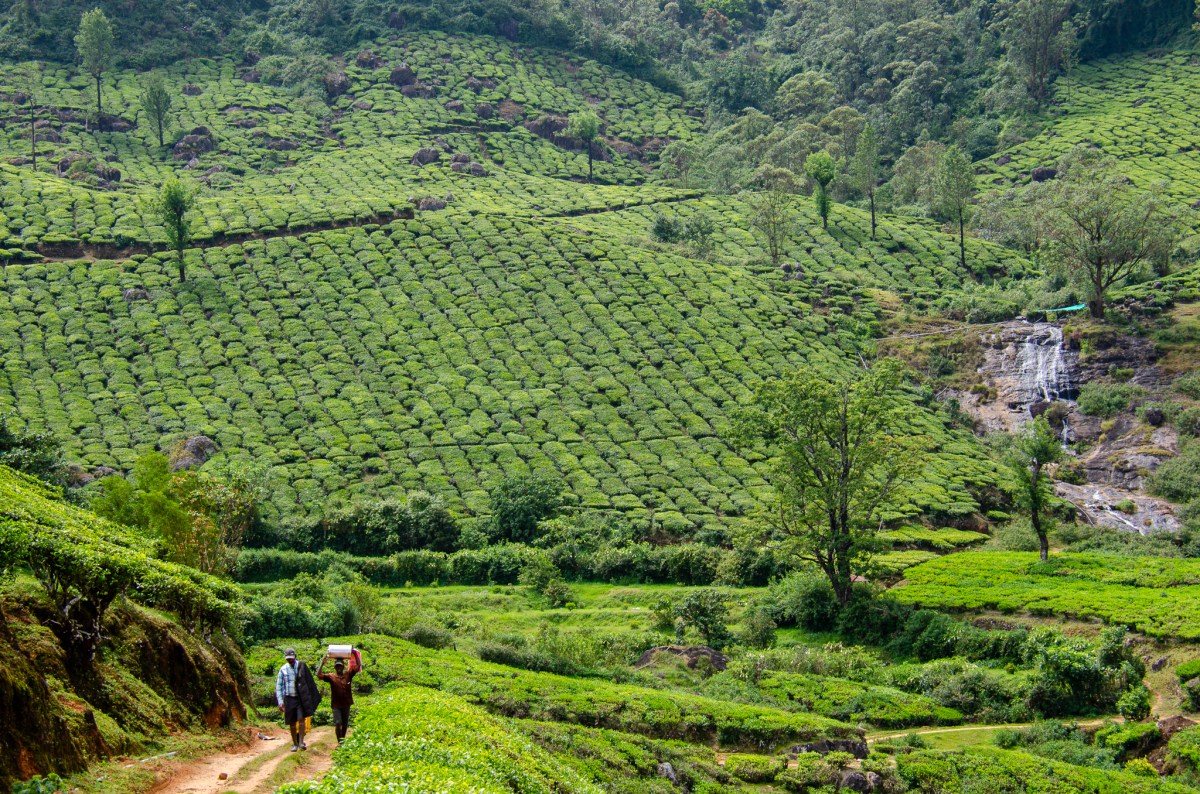
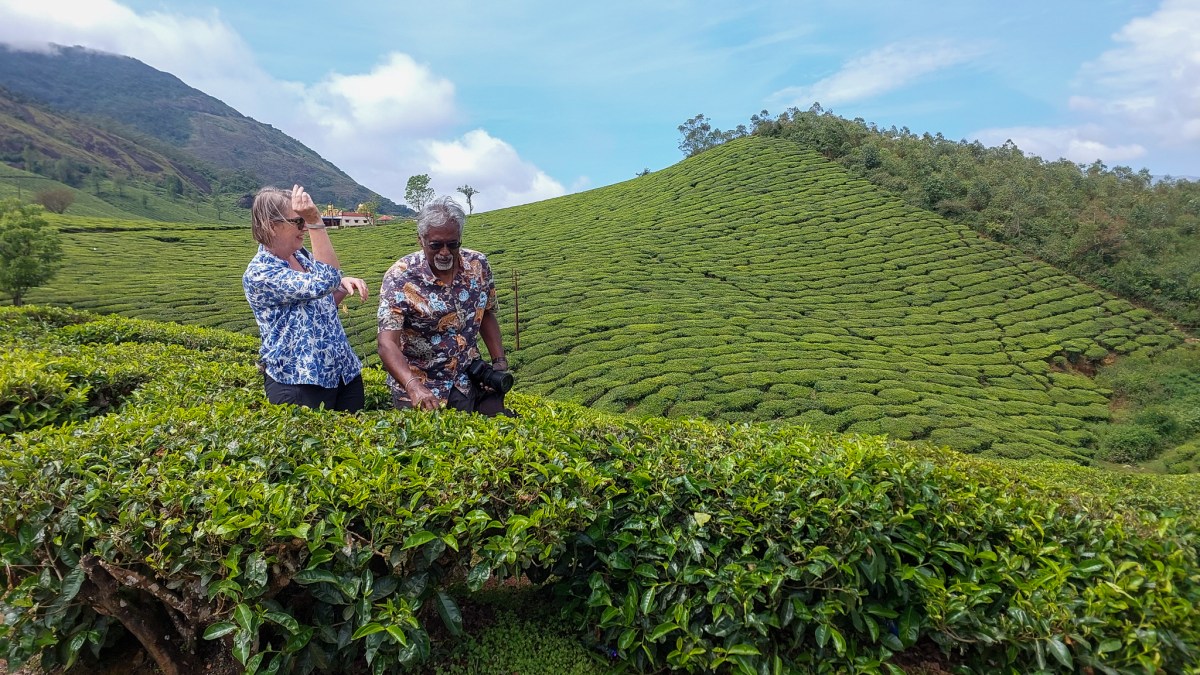
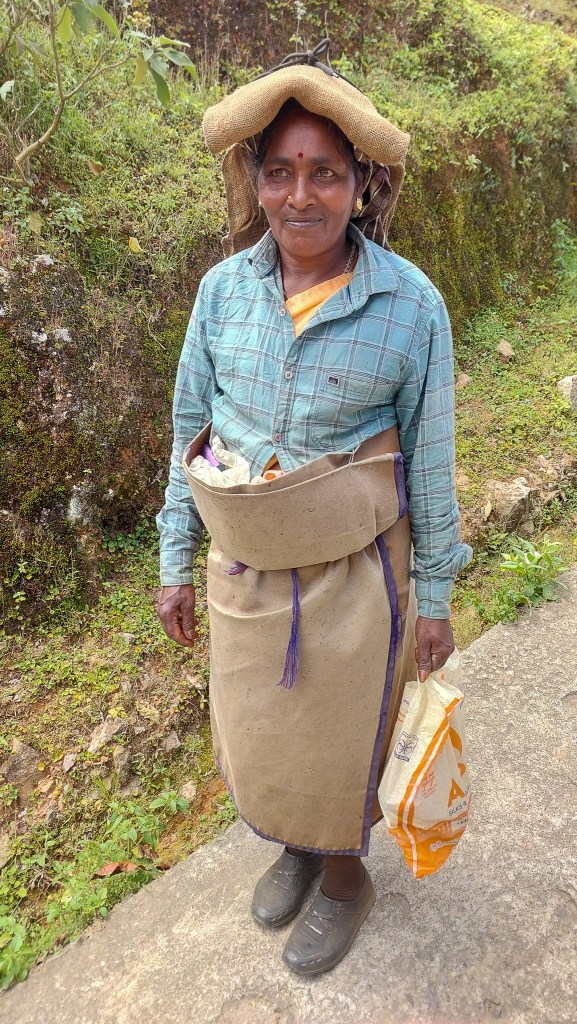
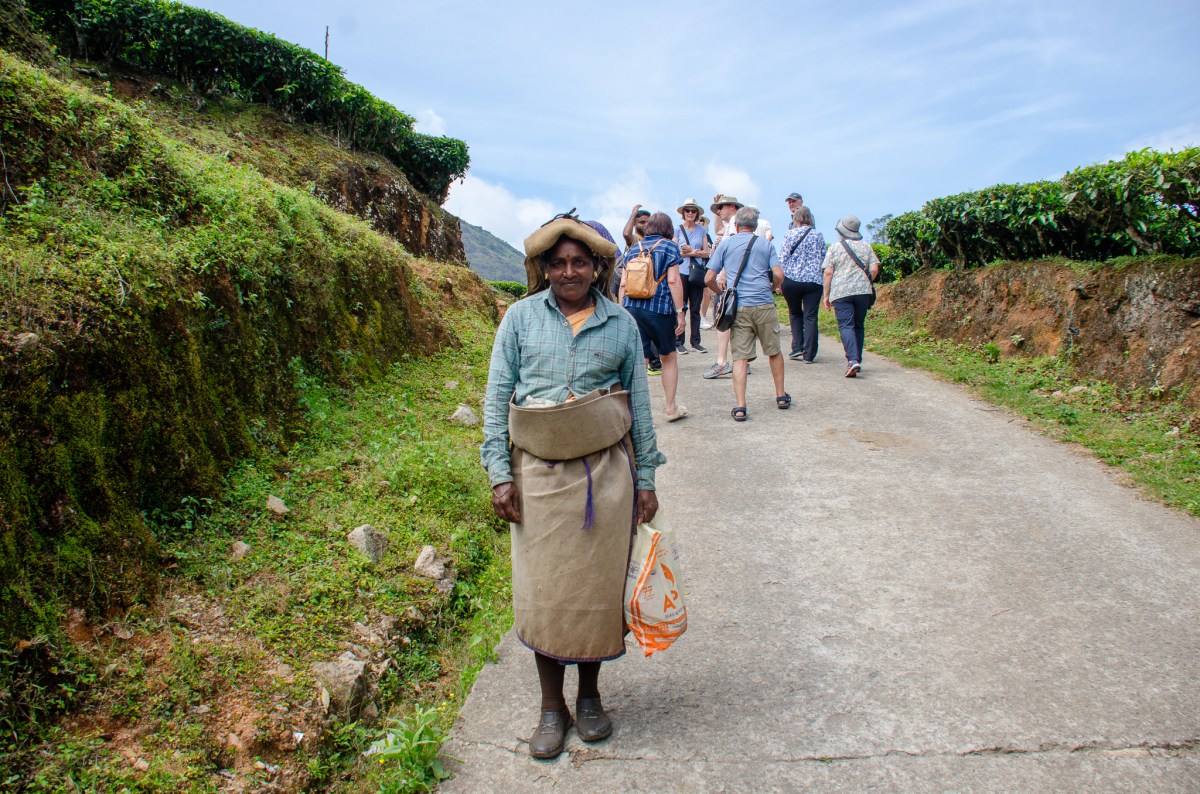
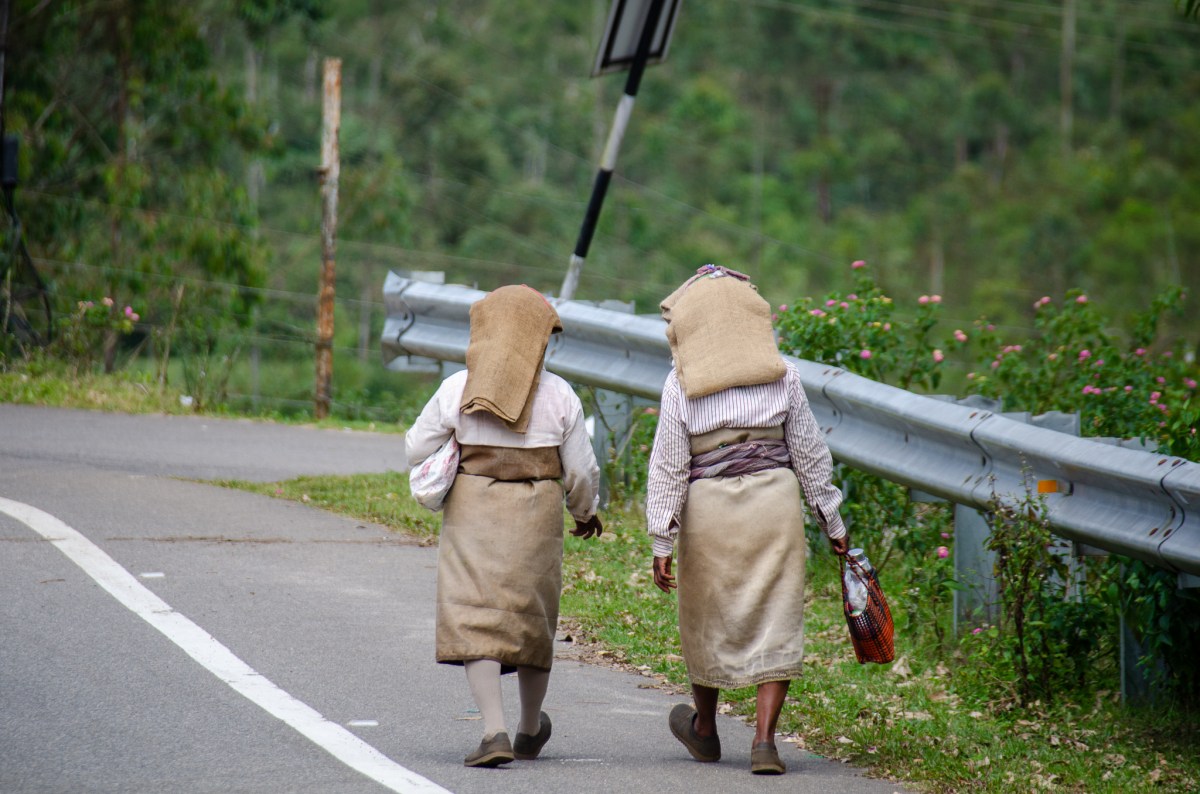
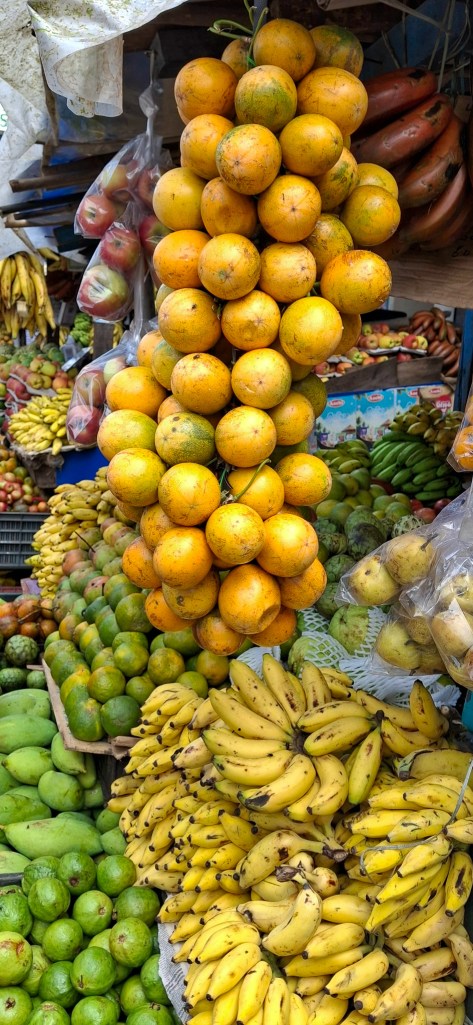
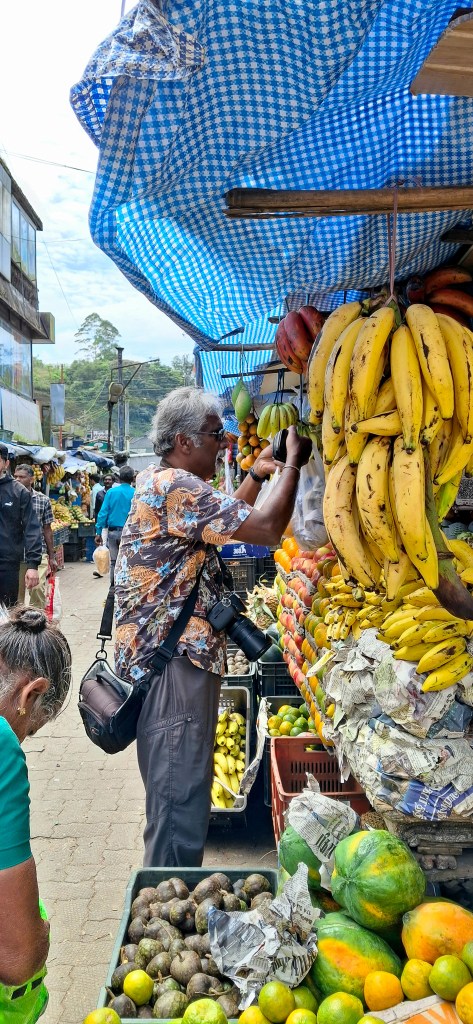
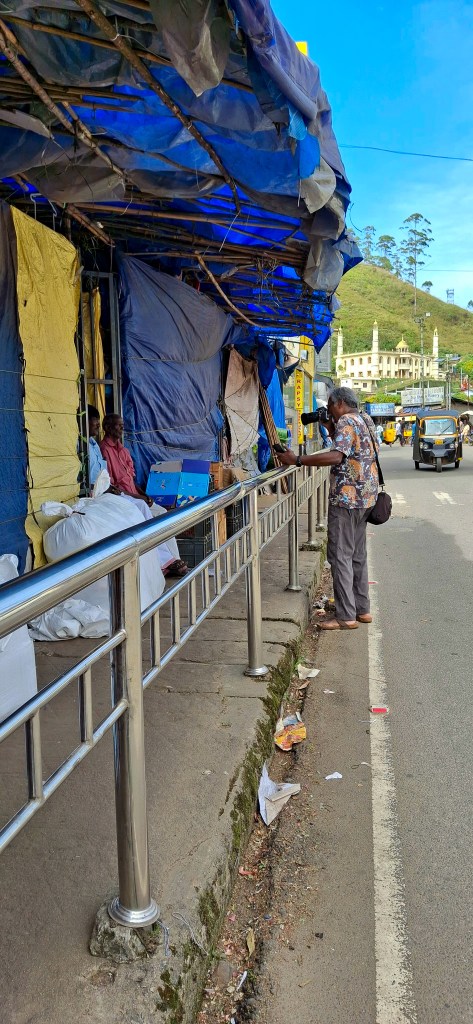
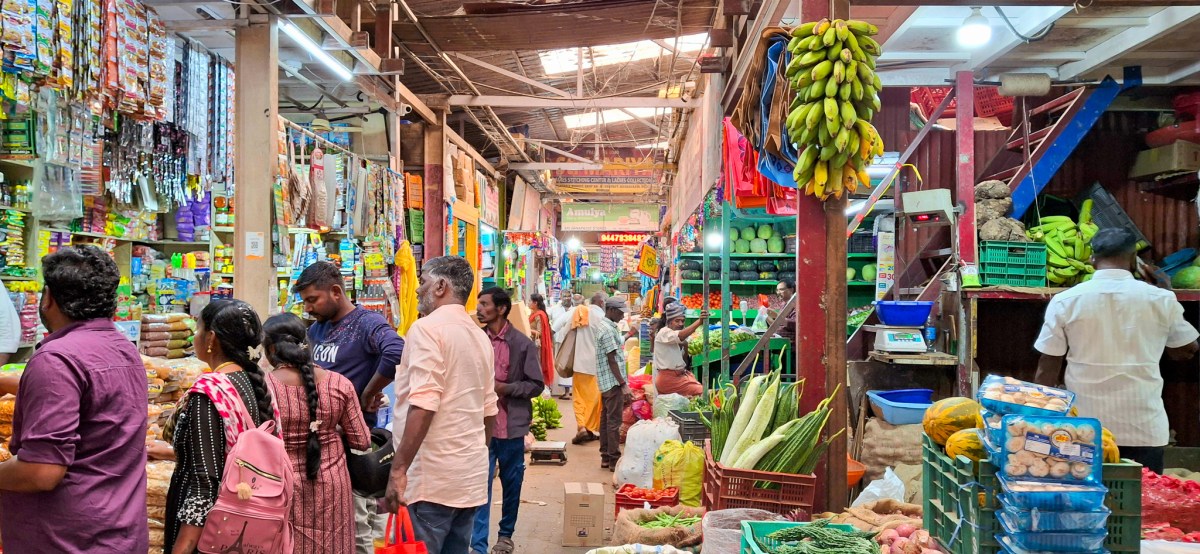
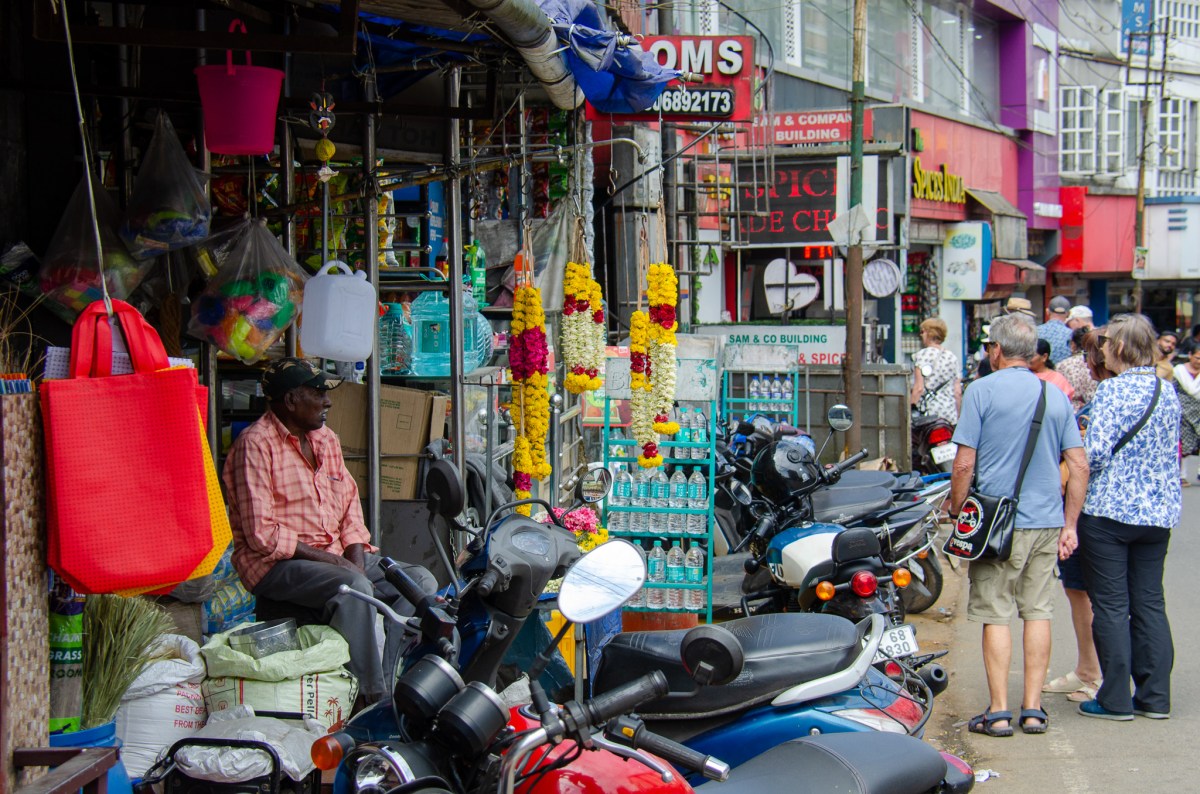
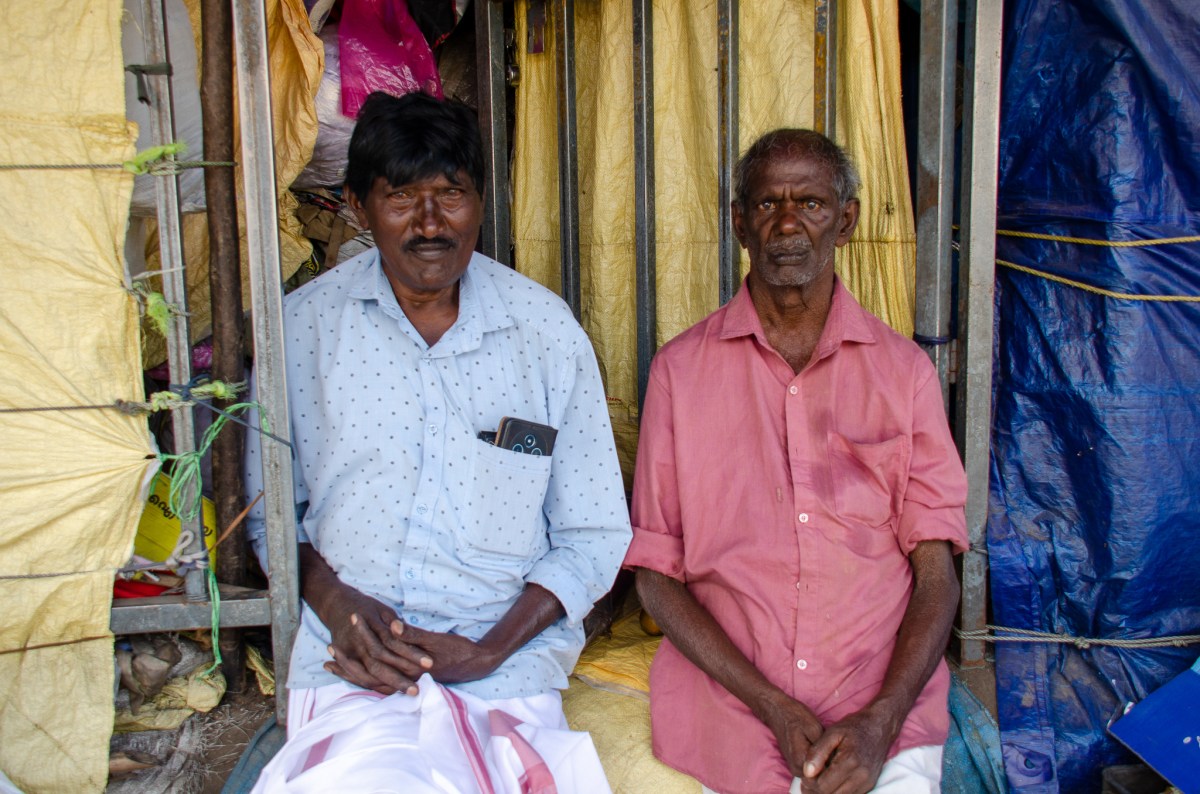
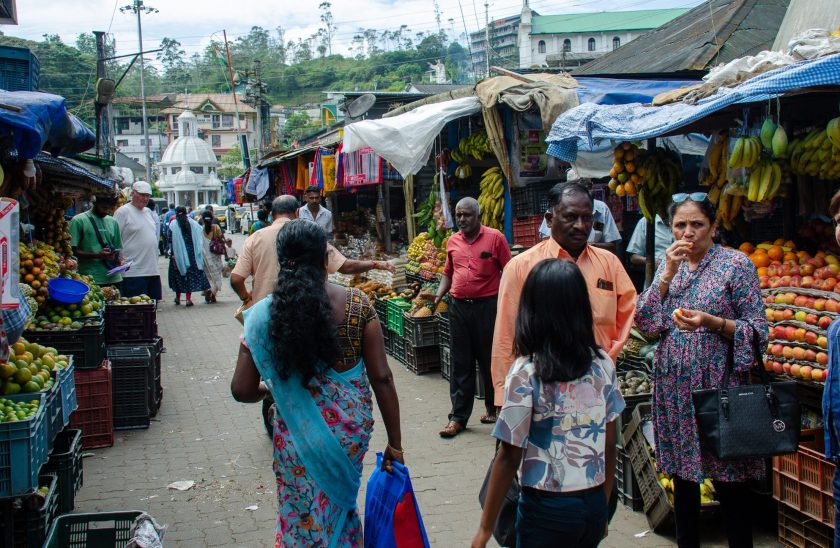
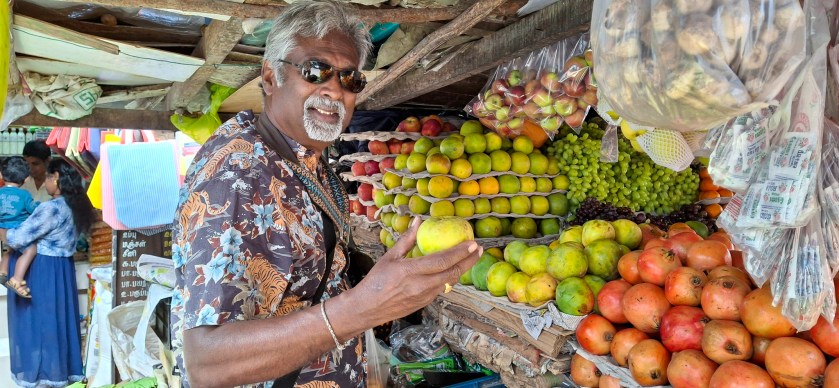
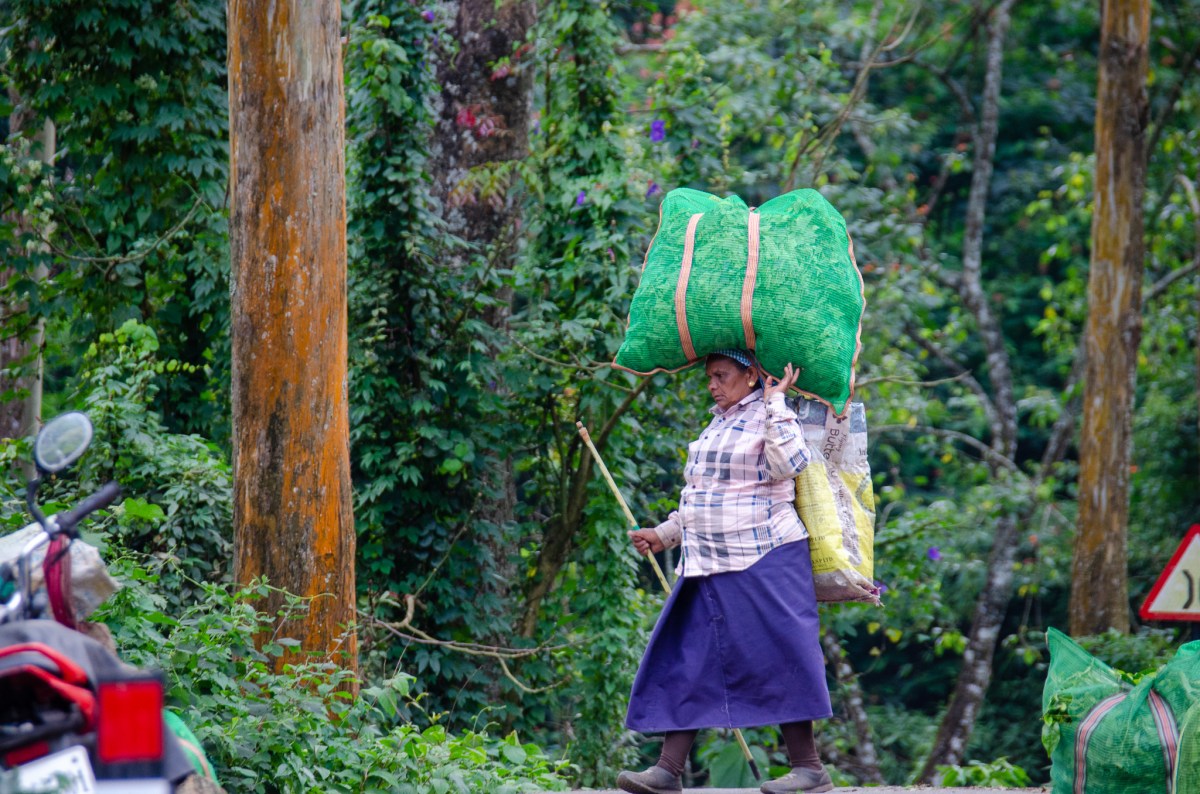
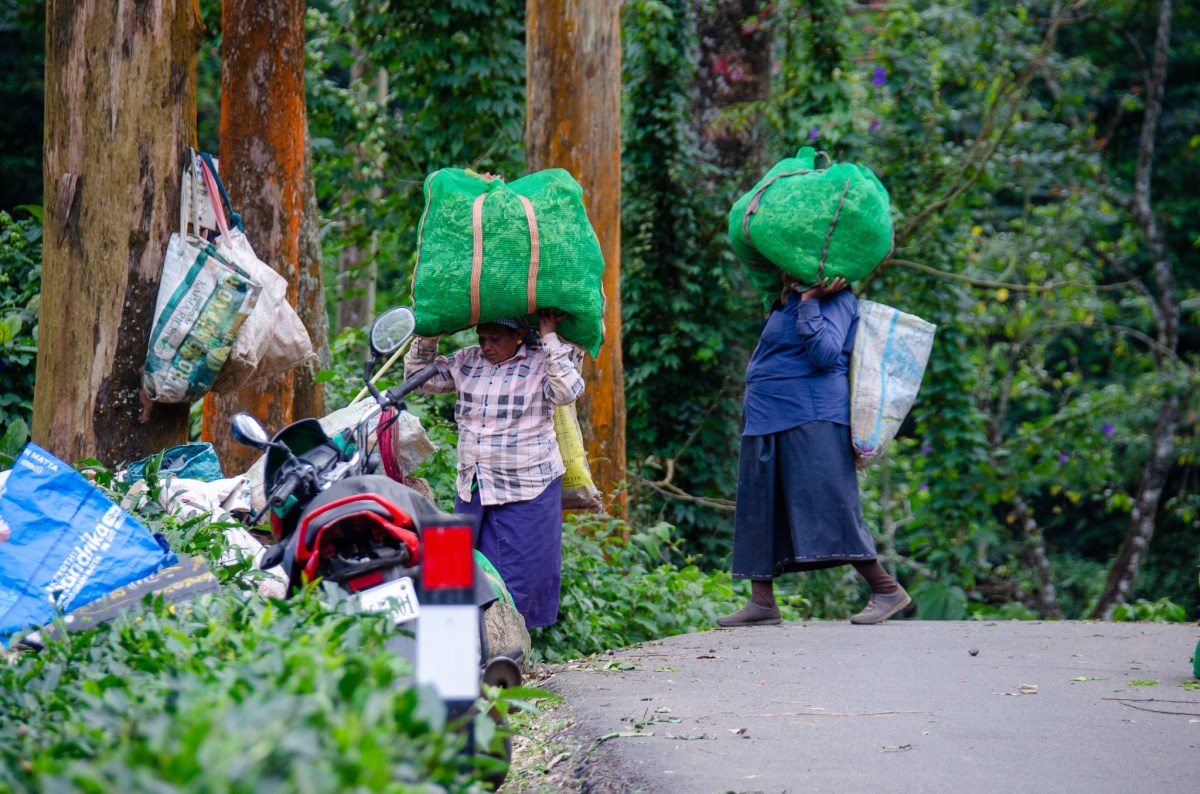
We then went for a walk through the tea plantations. The air was cool, and the rows of green bushes seemed to go on forever. We had a nice chat with a lady tea picker on her way home from work, still in all her protective gear. On the way back to the hotel, we stopped at a small village market, had a look around, and picked up some fruit and a bit of chocolate for those of us with a sweet tooth.
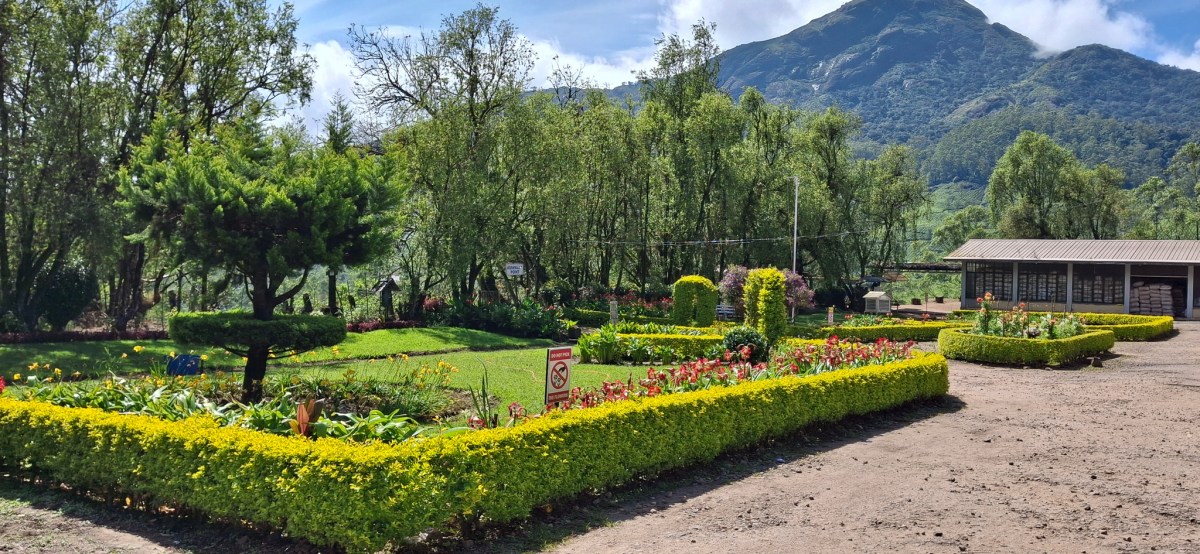
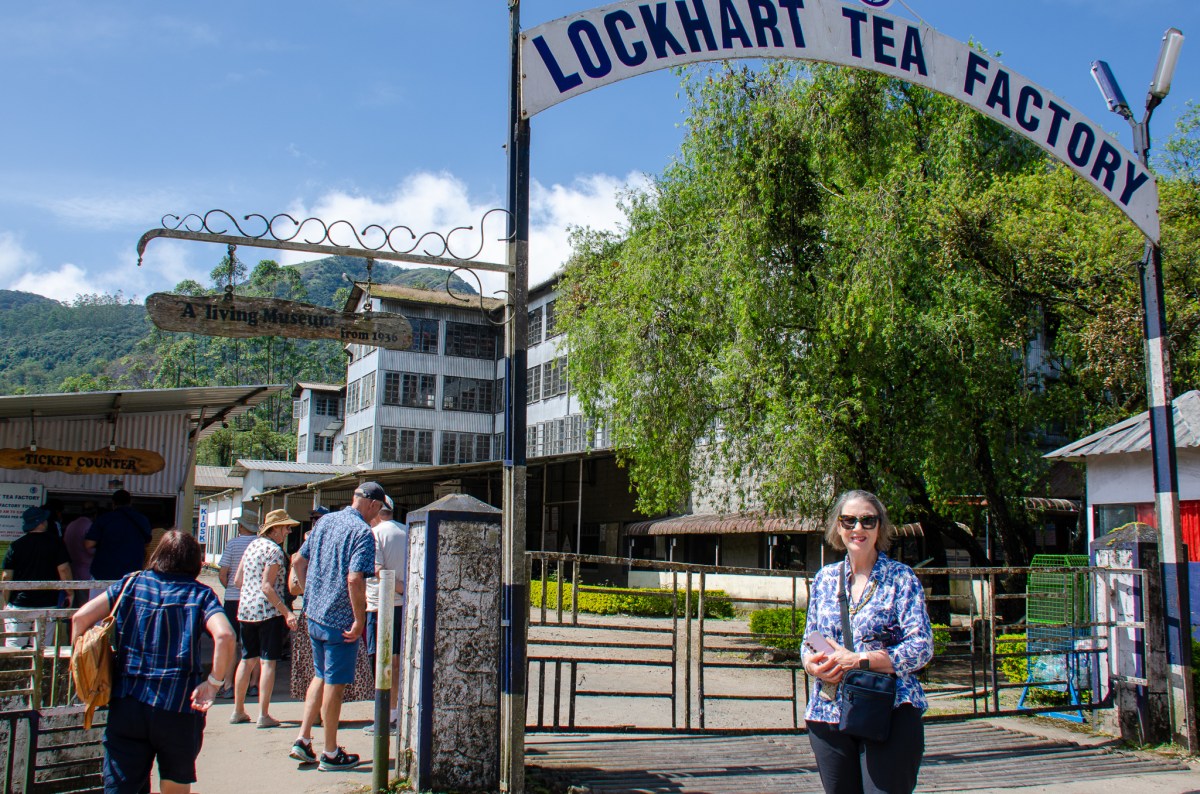
Eravikulam National Park: We had plans to visit, but as Basker put it, we “farted around” and ran out of time. A good excuse to come back another day!
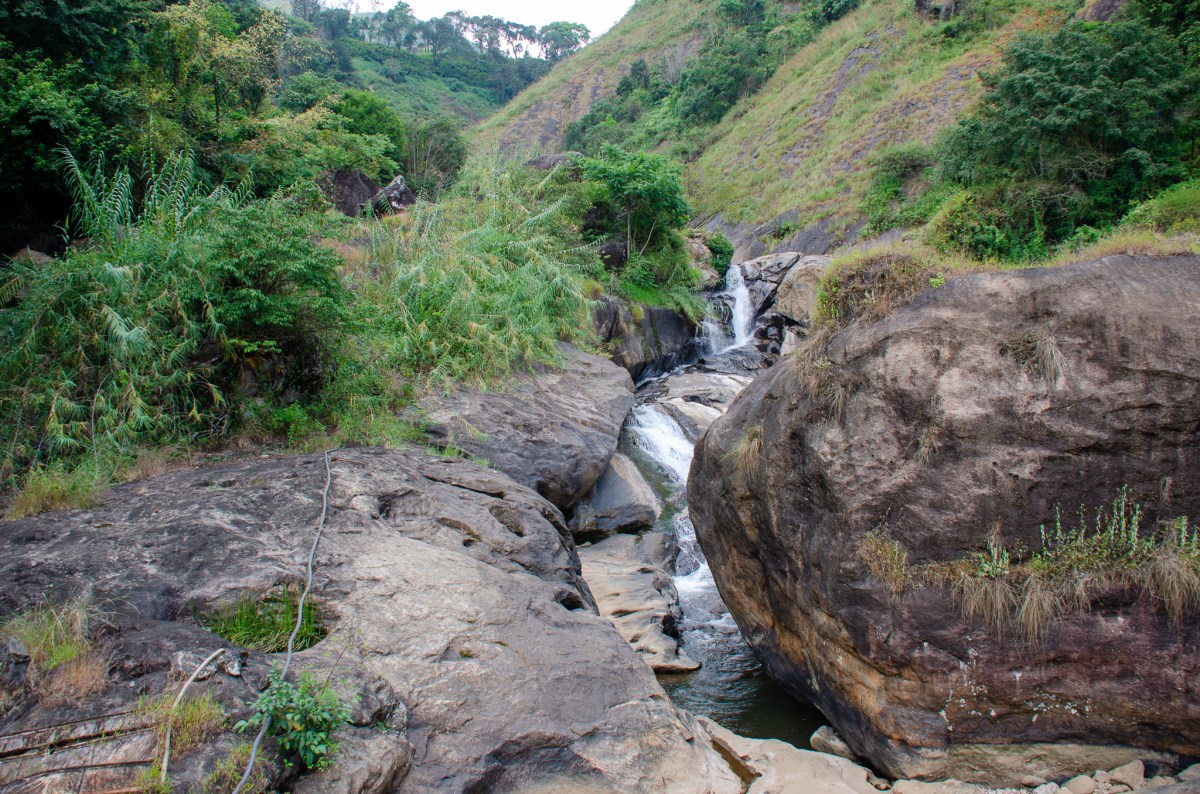
Back at the hotel, later on in the early evening, we took a short walk to see the nearby waterfall. On the way back, Basker stopped to chat with the tea ladies finishing their day’s work, setting down their heavy 20kg baskets of leaves. They were cheerful and curious, asking us as many questions as we asked them. It was lovely to meet them and see real life in the plantations up close.
Kumarakom
Lake Resort & Sunset Boating: After breakfast, we left the misty hills of Munnar and made our way to Kumarakom. The drive was long and winding along narrow roads, but the scenery kept changing — from mountainous tea plantations to coastal palms, it was lovely.
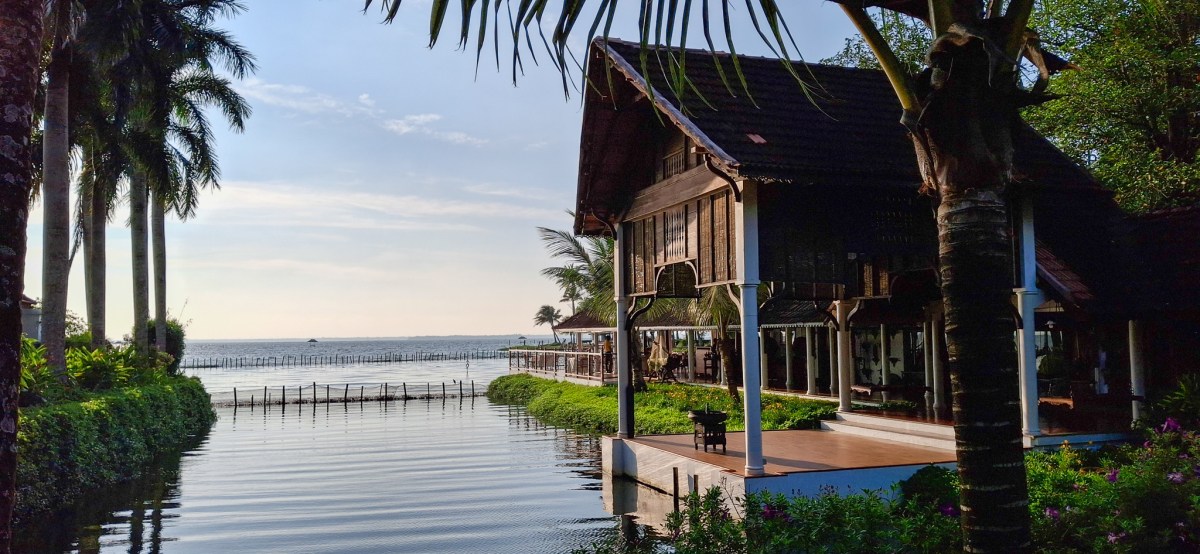
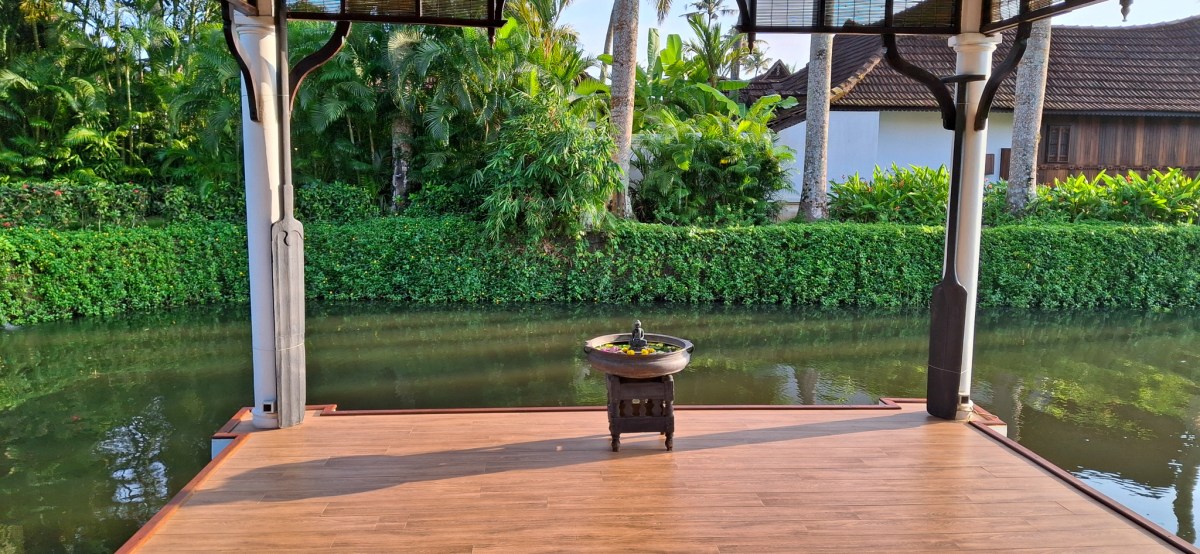
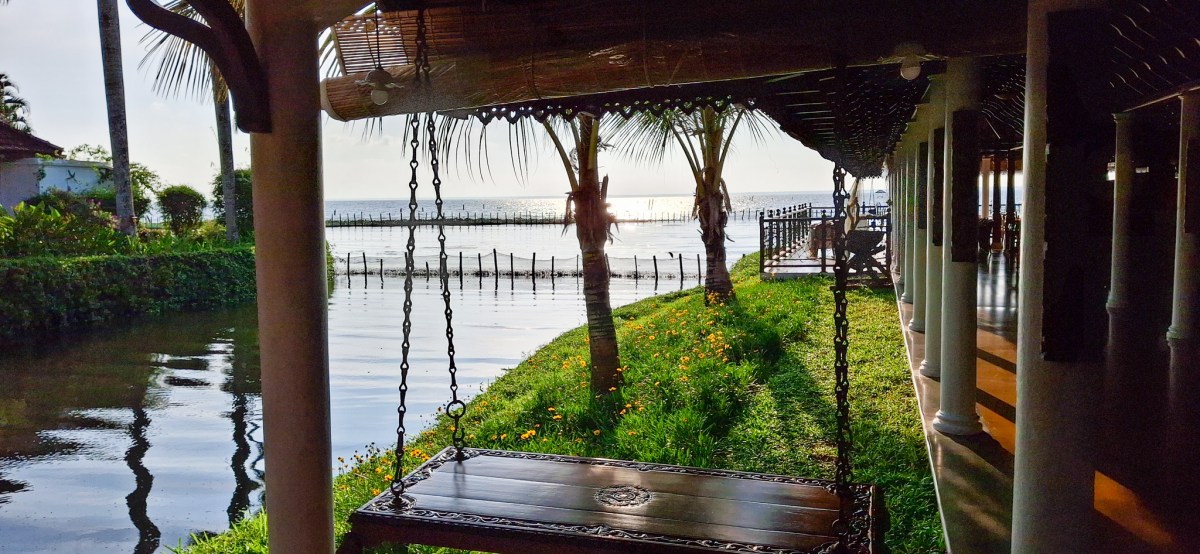
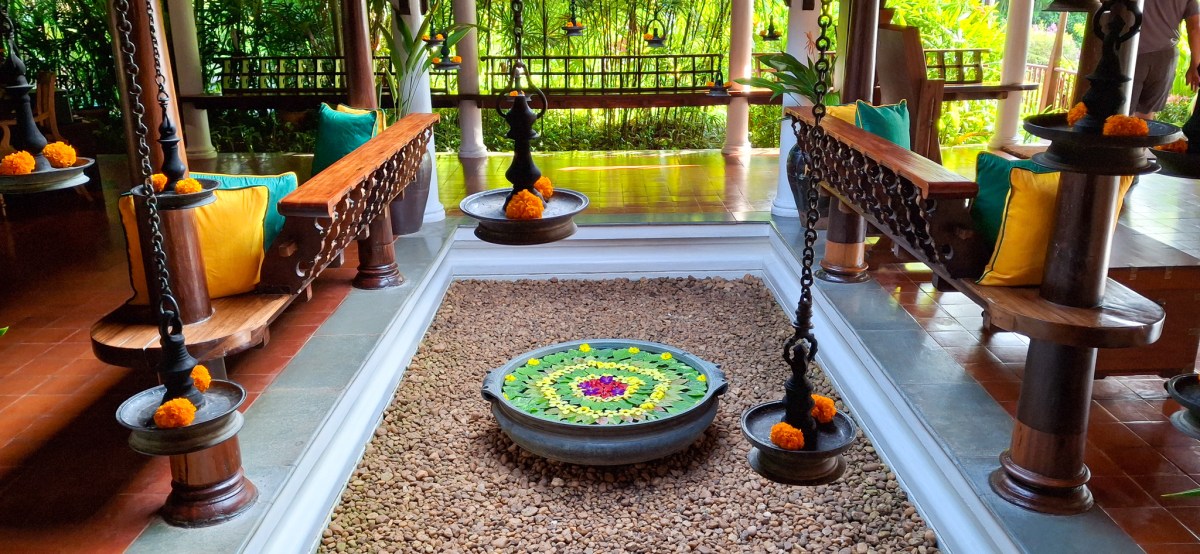
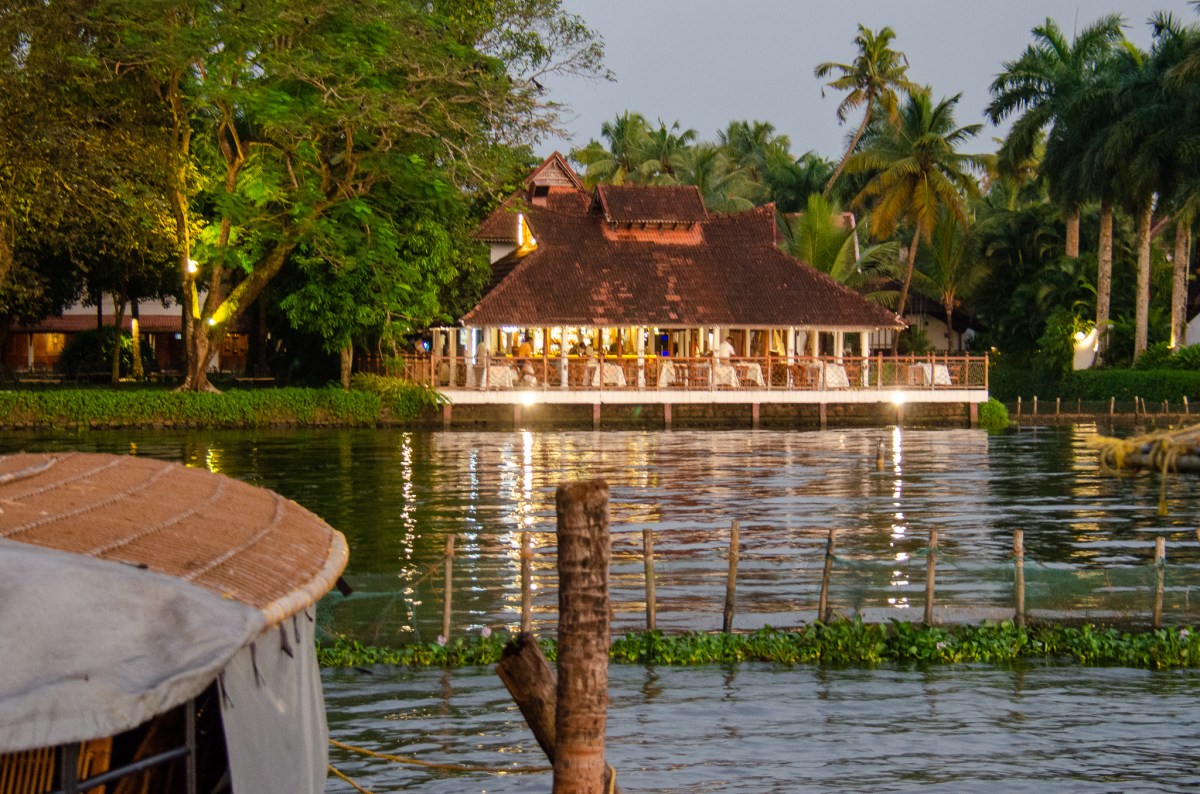
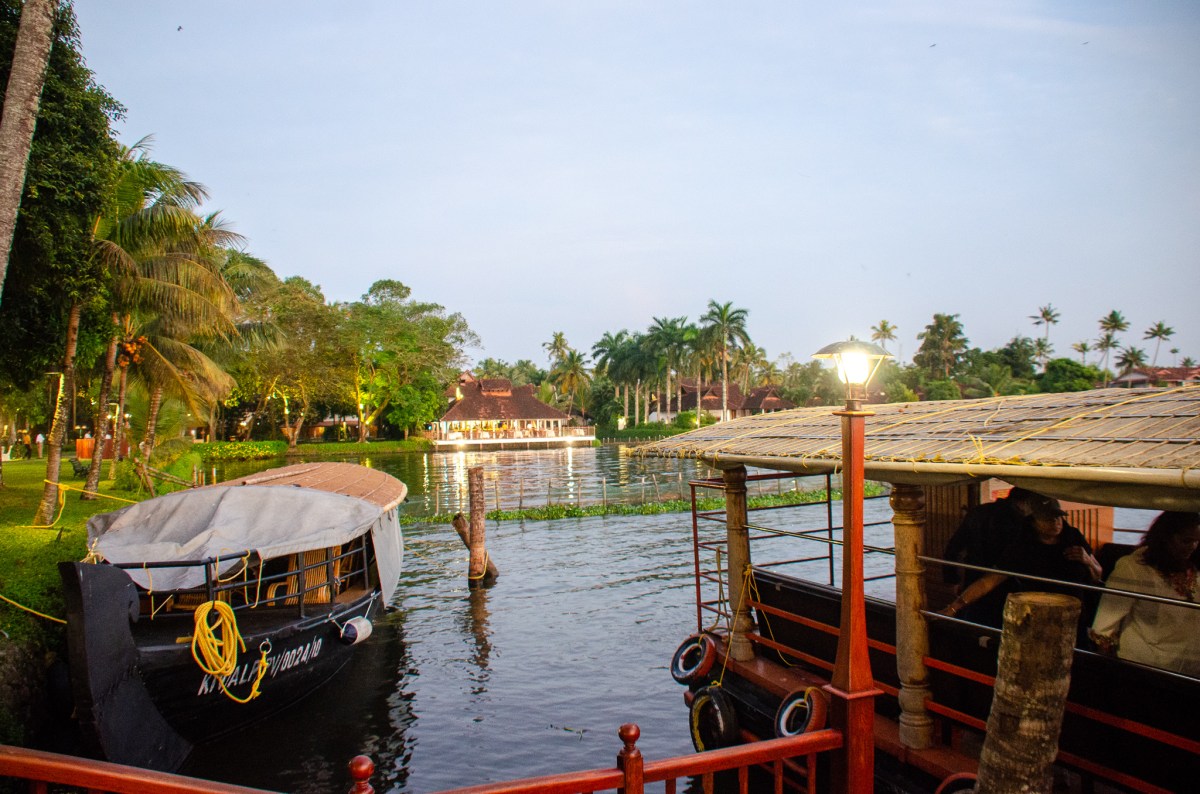
By the time we reached Kumarakom, we were more than ready to relax. Our resort, Kumarakom Lake Resort, was absolutely stunning. Our room opened straight onto the pool — just a couple of steps out the back door and you were in. And believe it or not, it even had an outdoor bathroom!
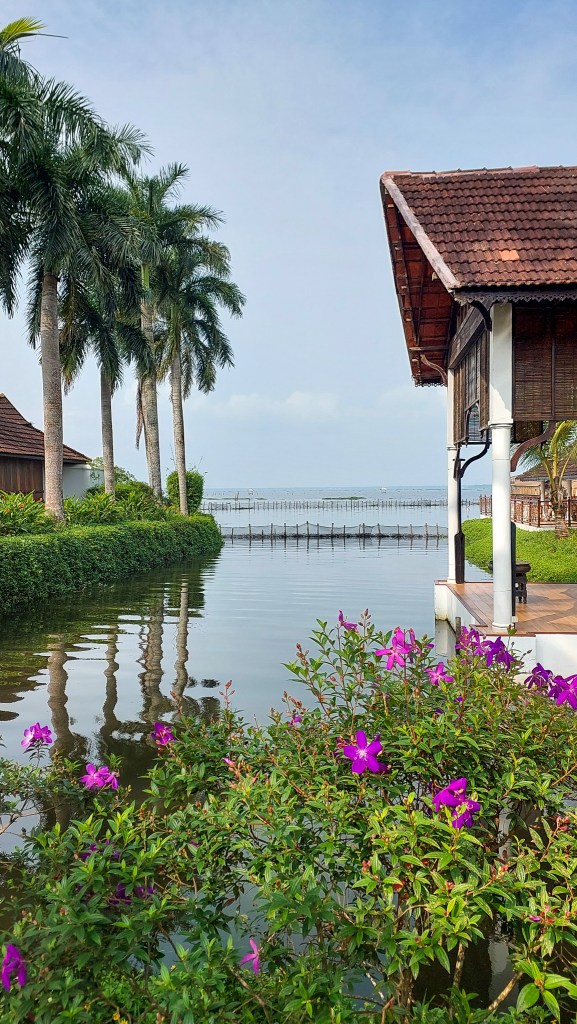
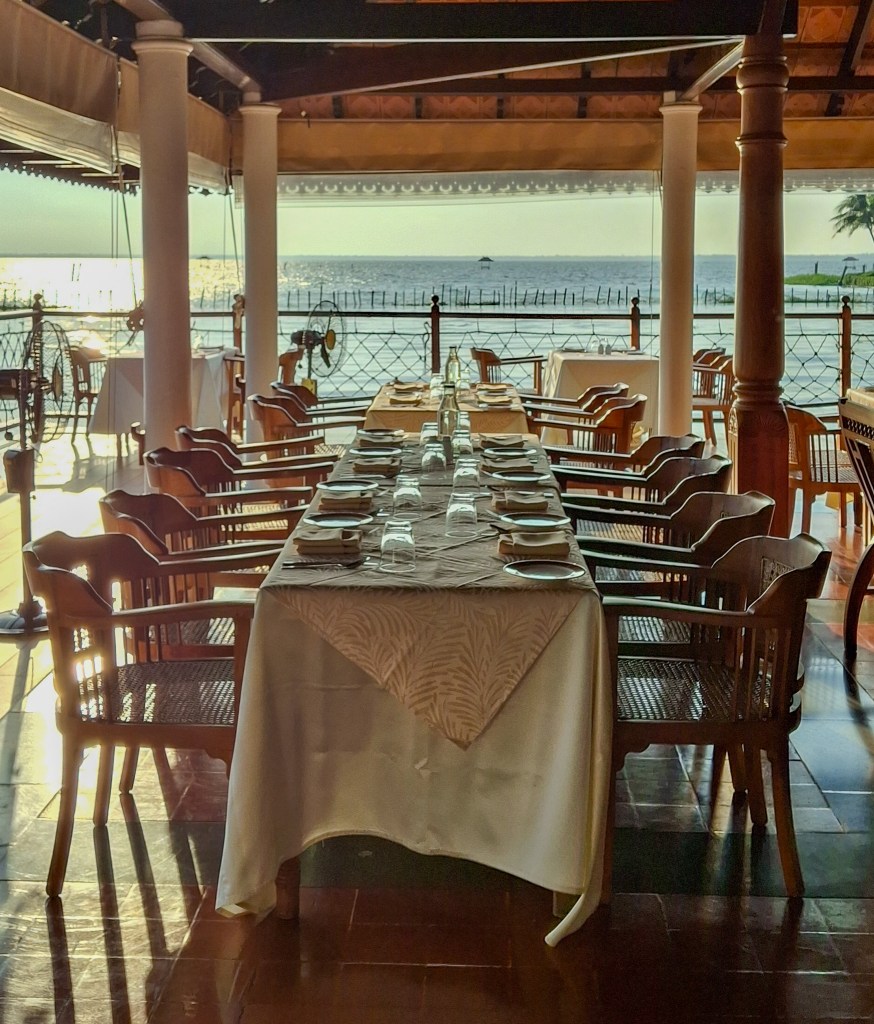
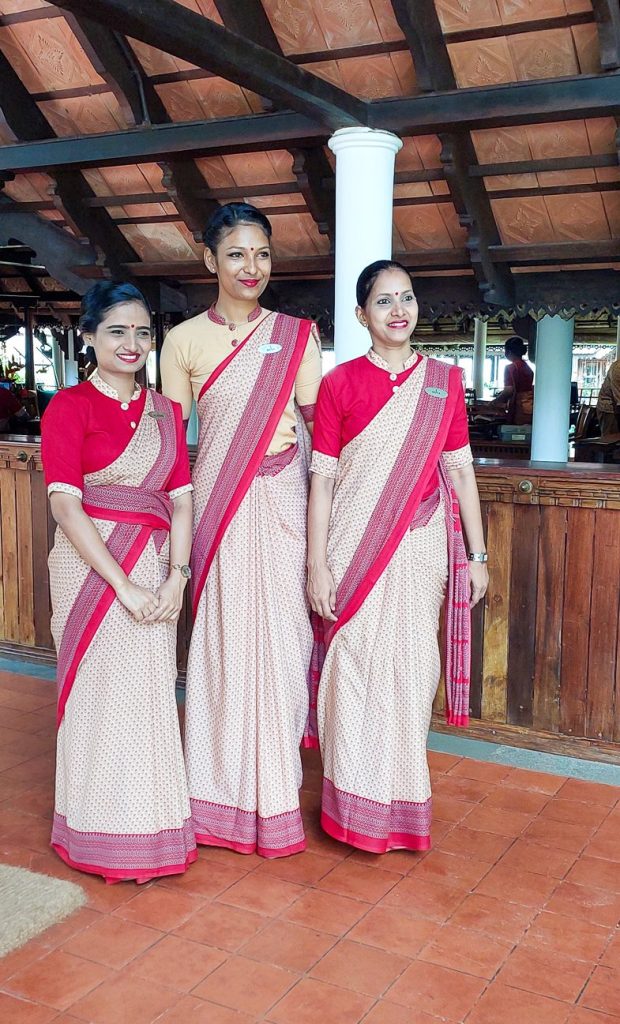
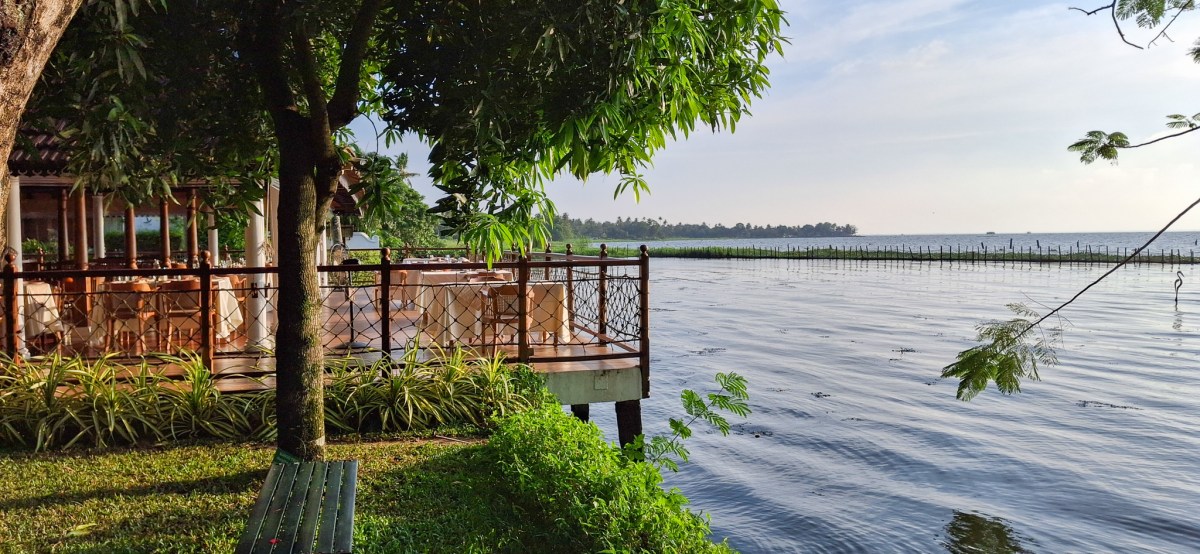
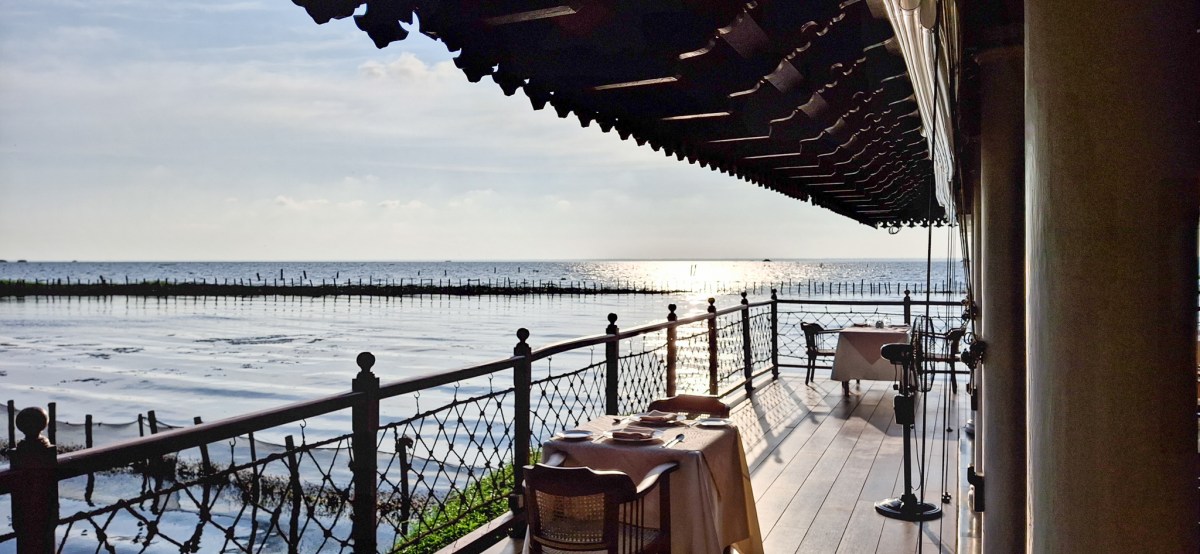
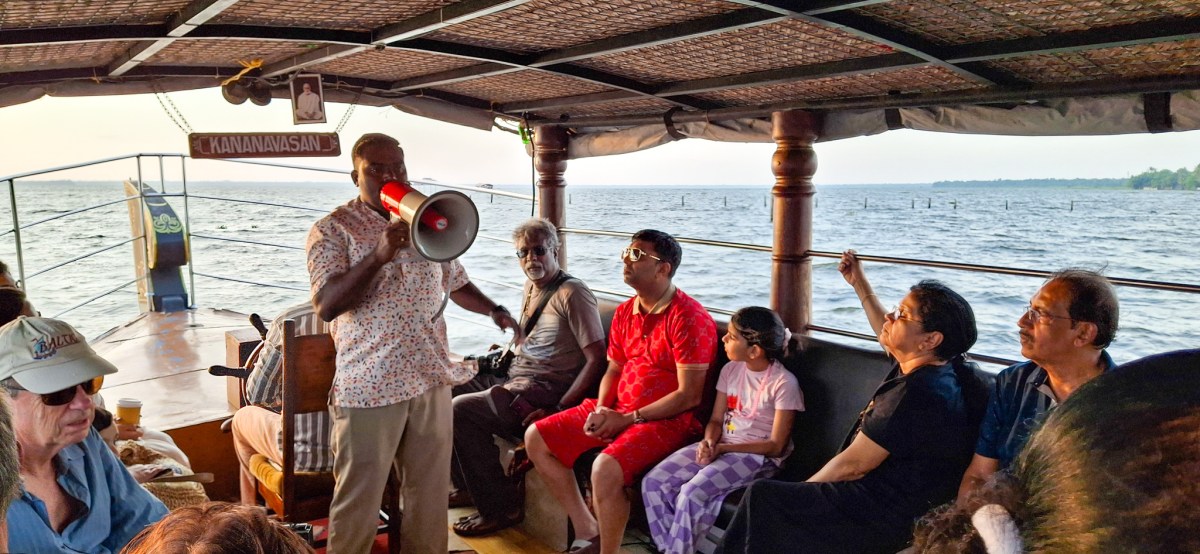
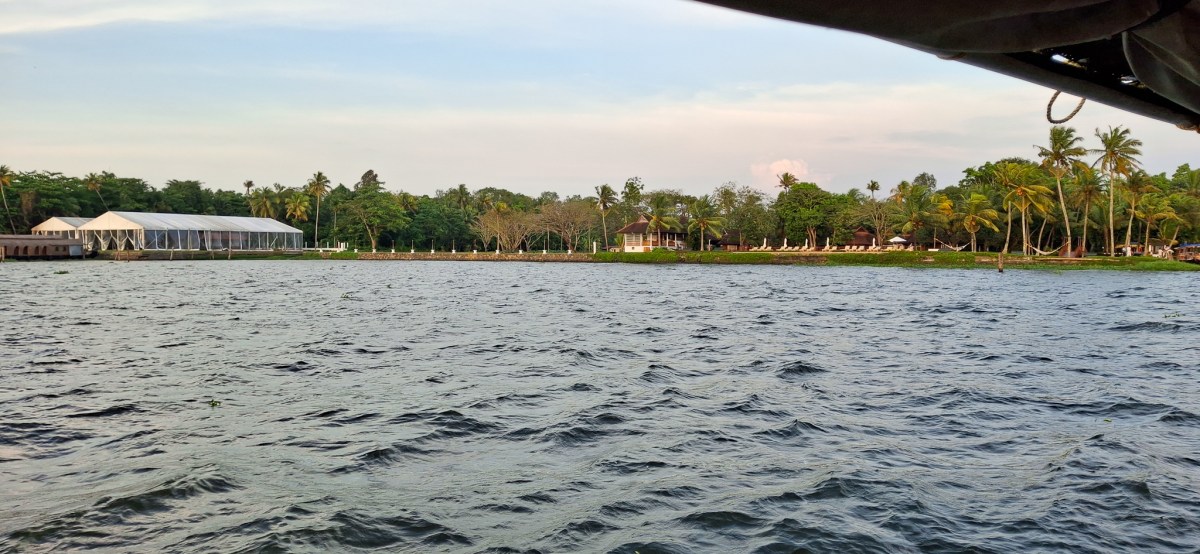
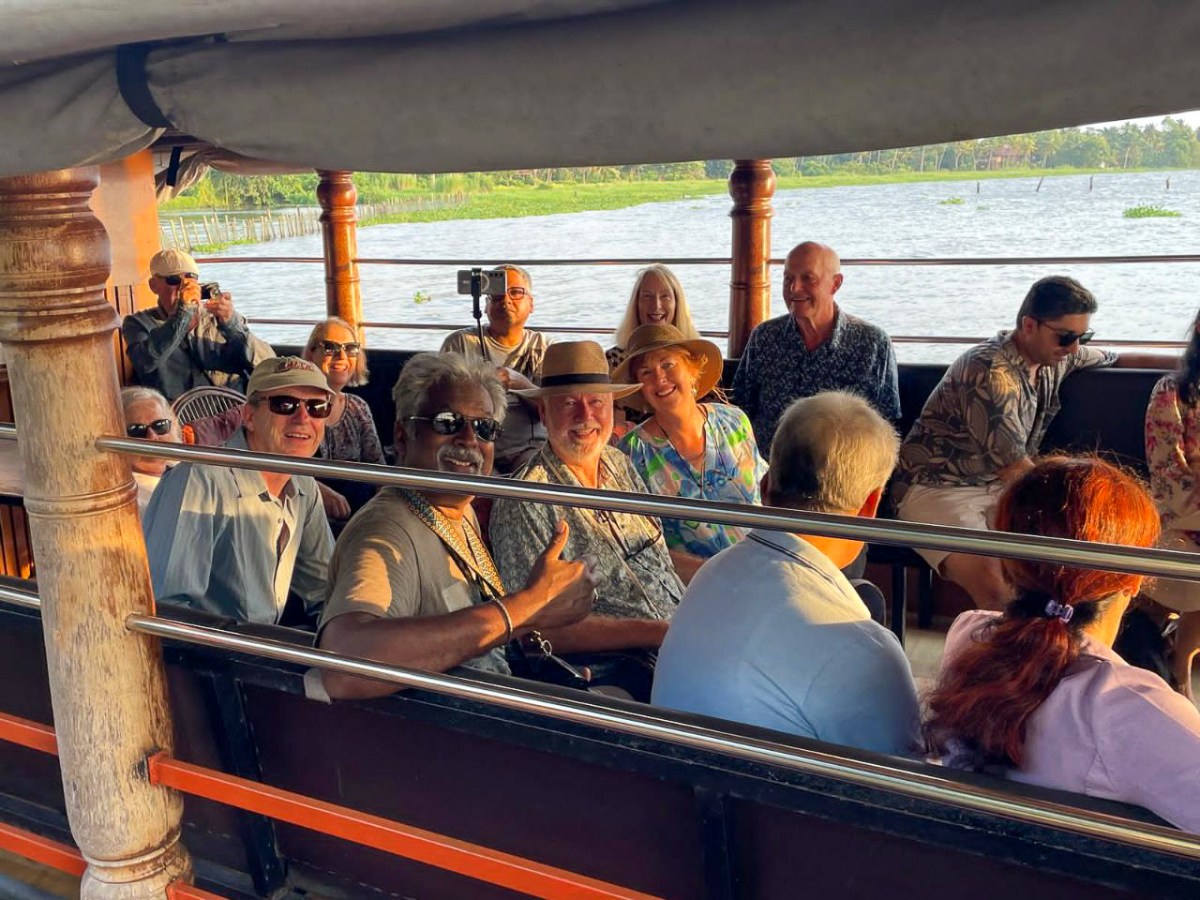
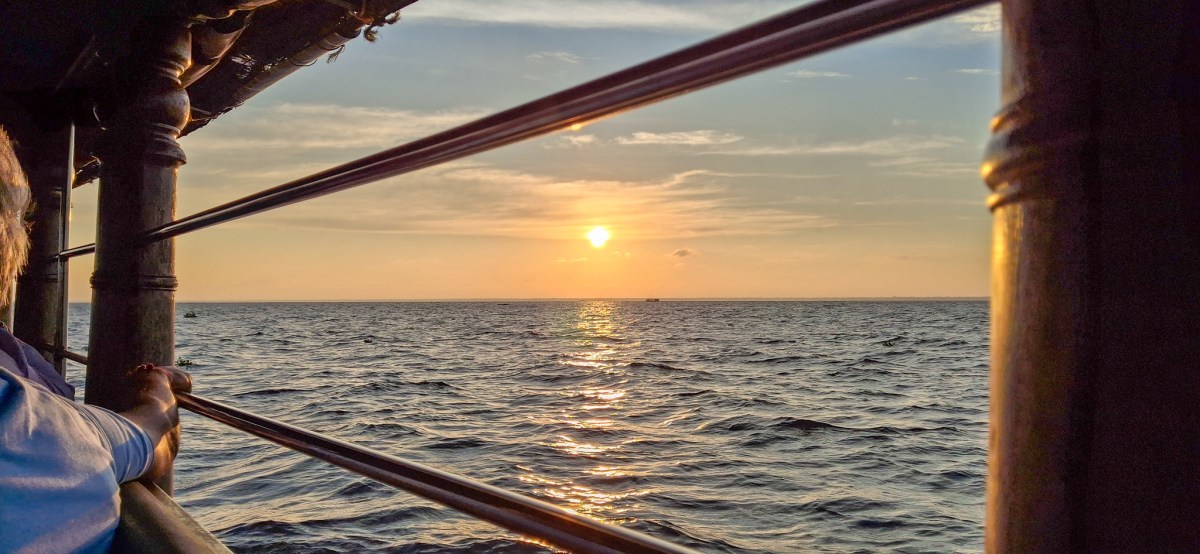
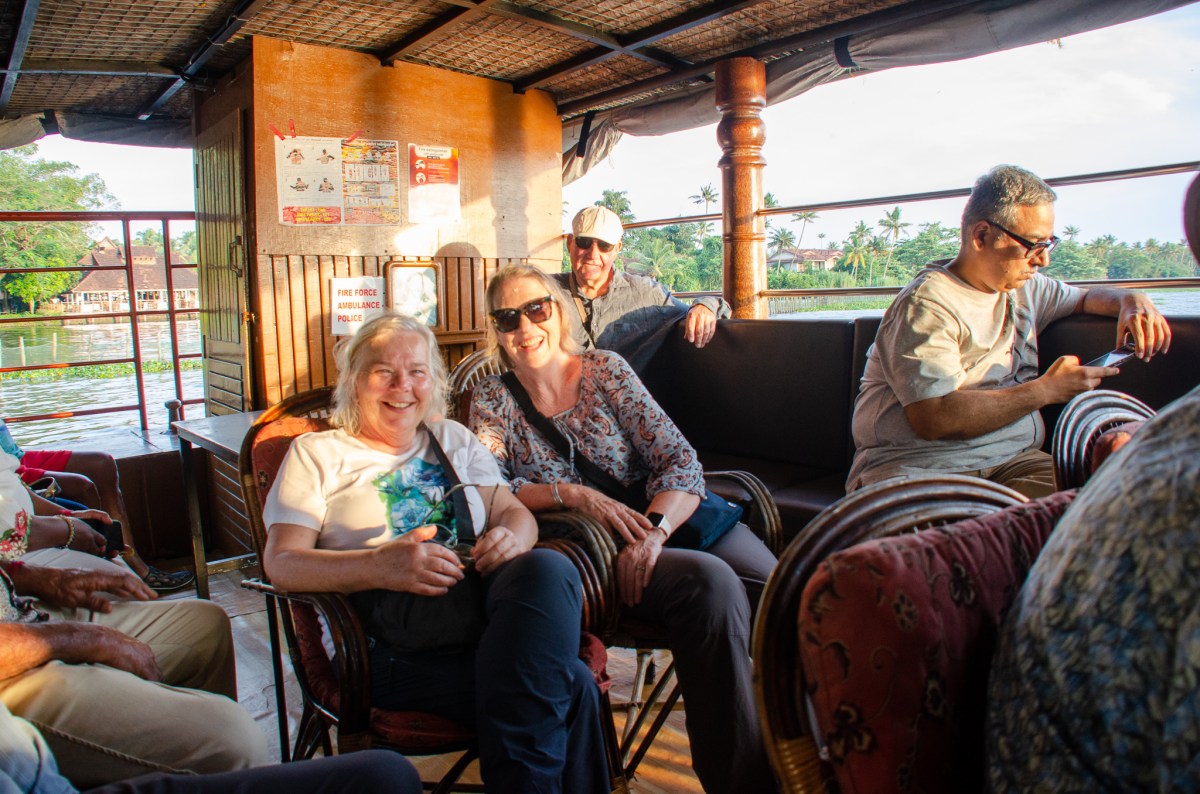
We settled in with afternoon tea on the lawn, overlooking Vembanad Lake — peaceful, quiet, and just lovely. Later, we took a sunset boat ride, with local musicians playing the tabla and flute. The music drifted over the water, the sun turned everything golden, and I sank into an armchair on the boat, soaking it all in. One of those moments where time slows down — I really did not want it to end.
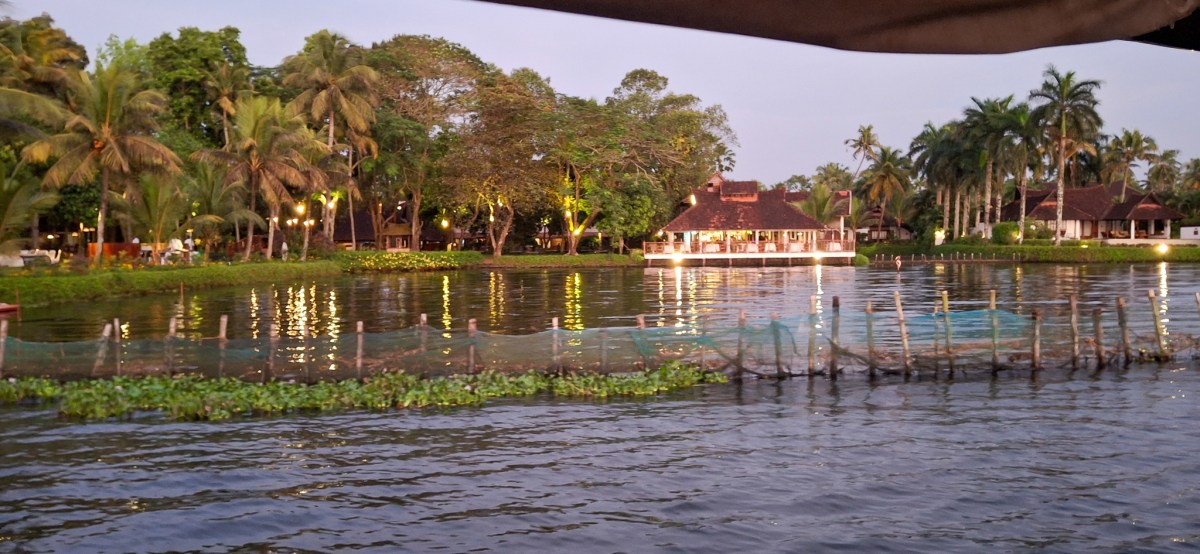
Dinner was at the seafood restaurant in the resort. The food was beautiful, the service excellent, and the chef was kind enough to come out for chat.
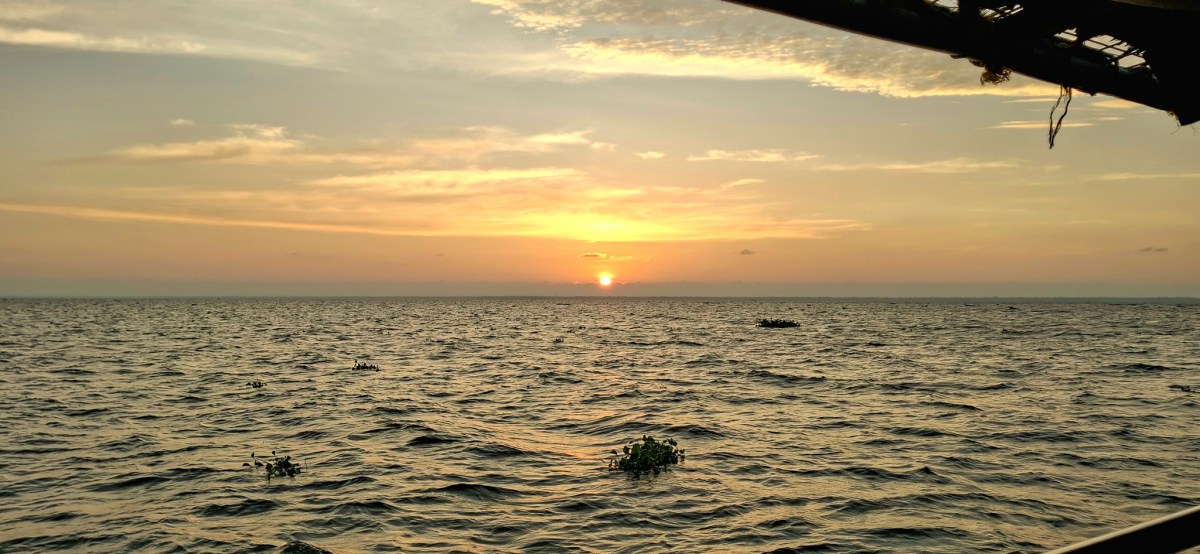
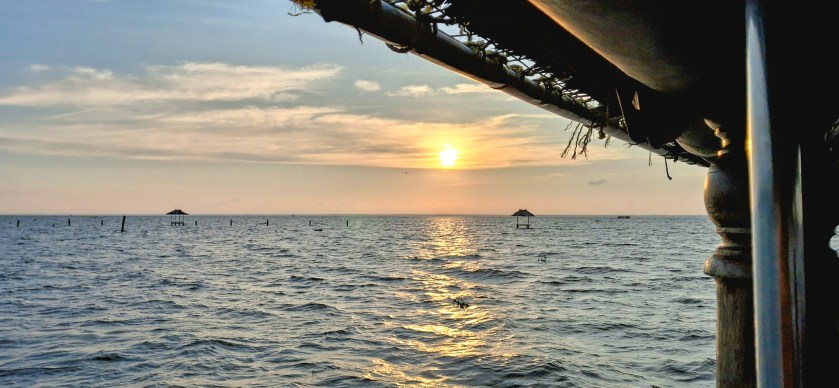
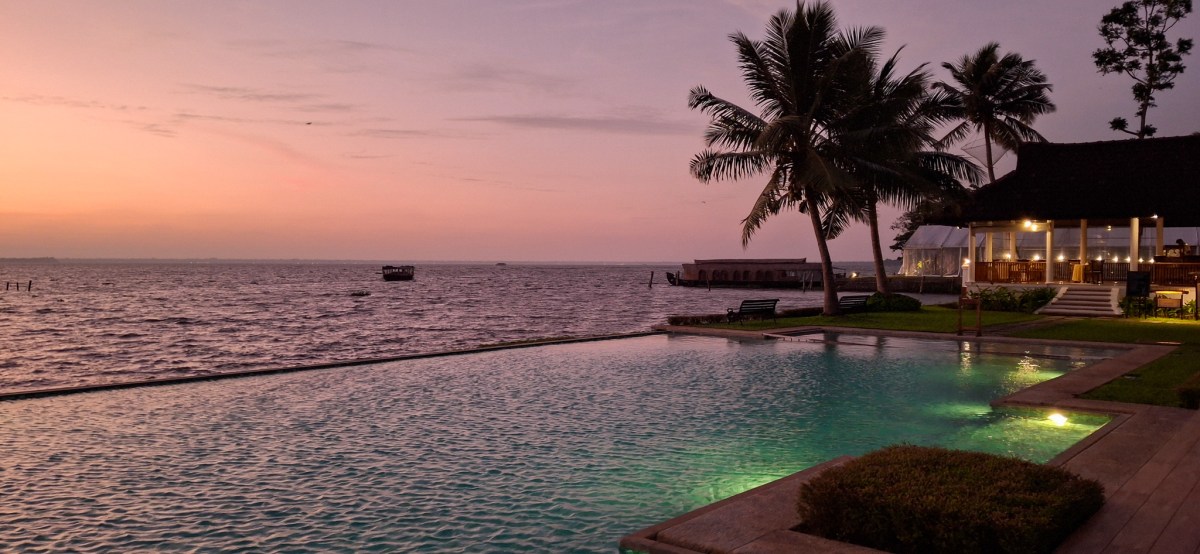
Later, as the sun was still setting, we spotted a young woman, obviously very beautiful, posing for photos on the edge of the pool looking out to the lake. It looked incredibly romantic with the gorgeous sunset behind her. Inspired by that, we decided to try our own “romantic” photo. All of us oldies got up to stand on the pool edge — the result was, needless to say, terrible, and we couldn’t help but roar with laughter. It’s here for you to laugh at too, hahahah!
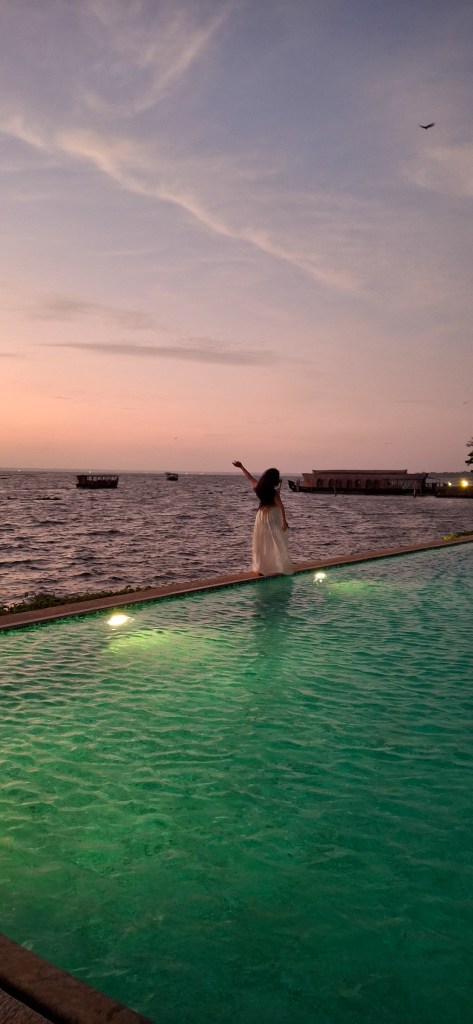
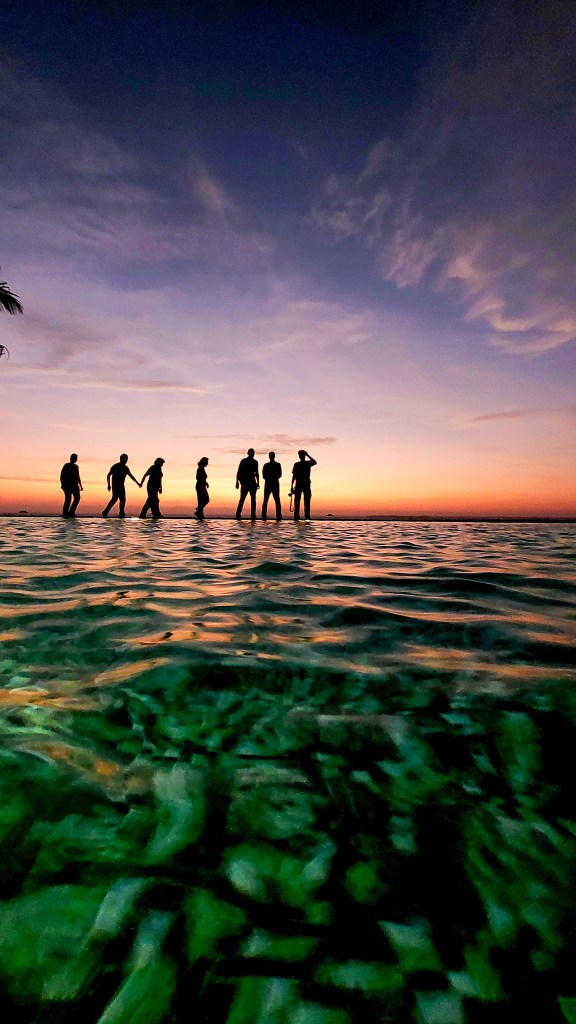
Bird Sanctuary: Unfortunately, the Kumarakom Bird Sanctuary was closed for much-needed maintenance, so we couldn’t visit, even though it’s one of the area’s highlights. From what I’ve read, the paths were muddy and unsafe, so maybe it was just as well. We’ll put it on the backburner for next time. Even so, just imagining strolling along the paths, spotting kingfishers, herons, and other birds, makes you think how lovely it must be.
Alleppey
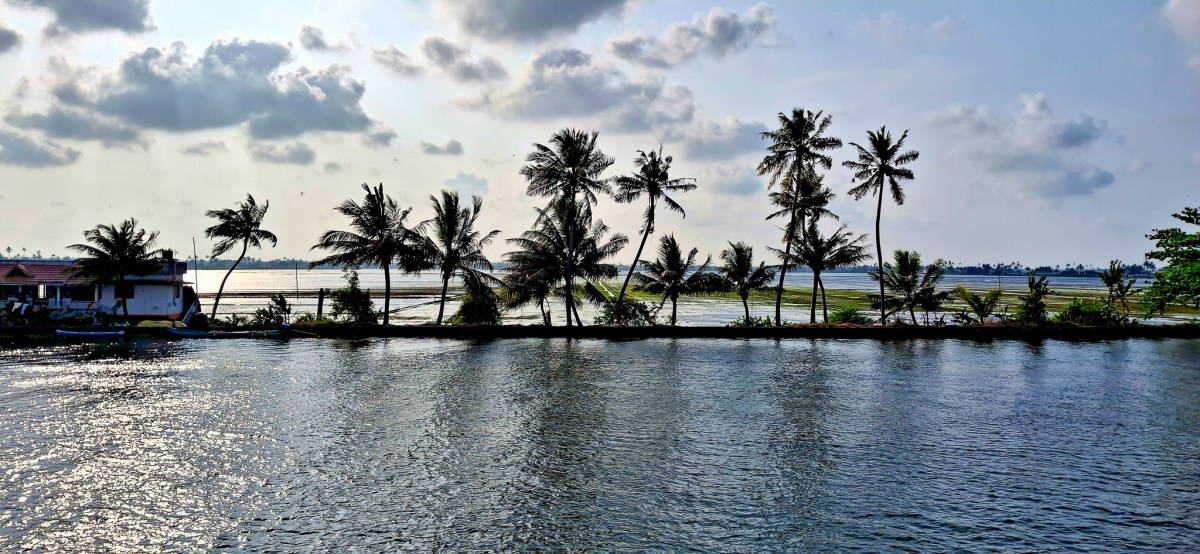
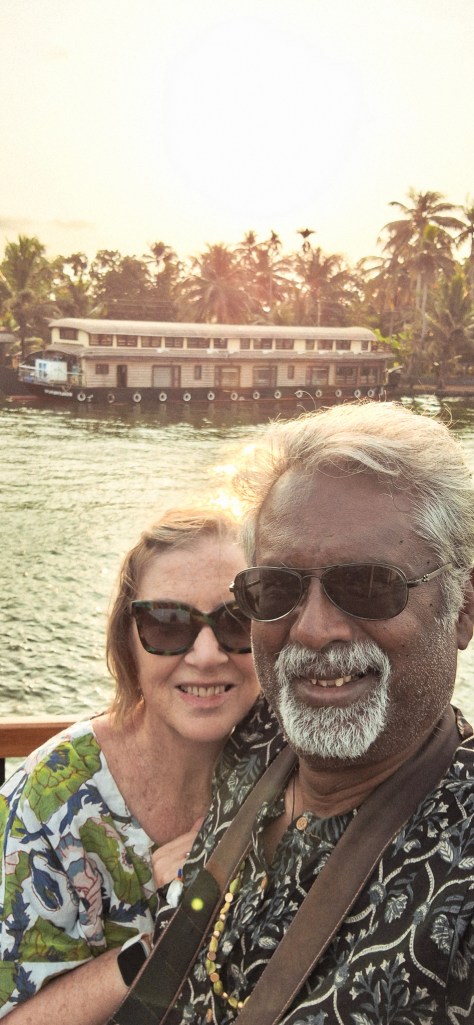
Houseboat Cruise: From Kumarakom, we headed to Alleppey to board our privcate Blue Jelly houseboat for an overnight cruise. Alleppey is the heart of the Kerala backwaters, often called the “Venice of the East,” and the canals, villages, and palm‑fringed waterways made for an interesting journey.
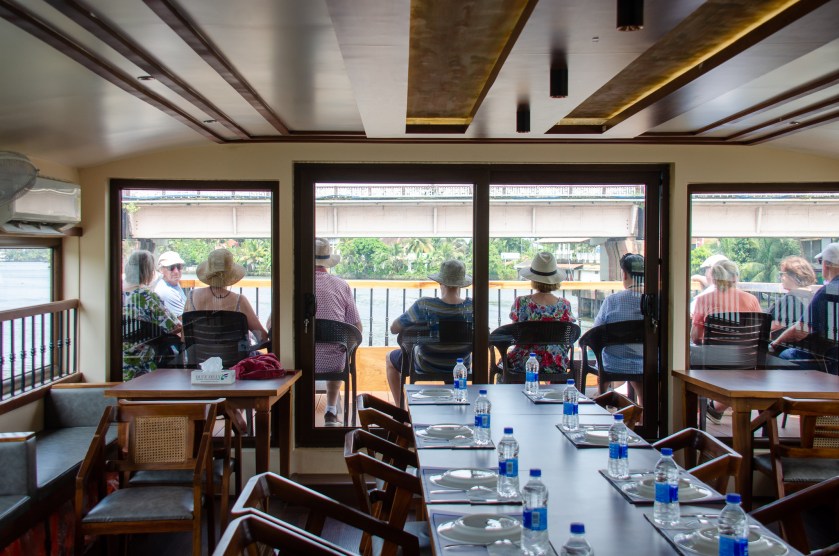
On Board Comfort: Our houseboat had small but comfortable air‑conditioned rooms and a nice deck where you could sit back with a drink and watch the world drift by. These traditional Kerala houseboats, often called kettuvallams, were once simple grain barges but have been converted into floating cottages with bedrooms, bathrooms, dining space, and broad views of the water around you.
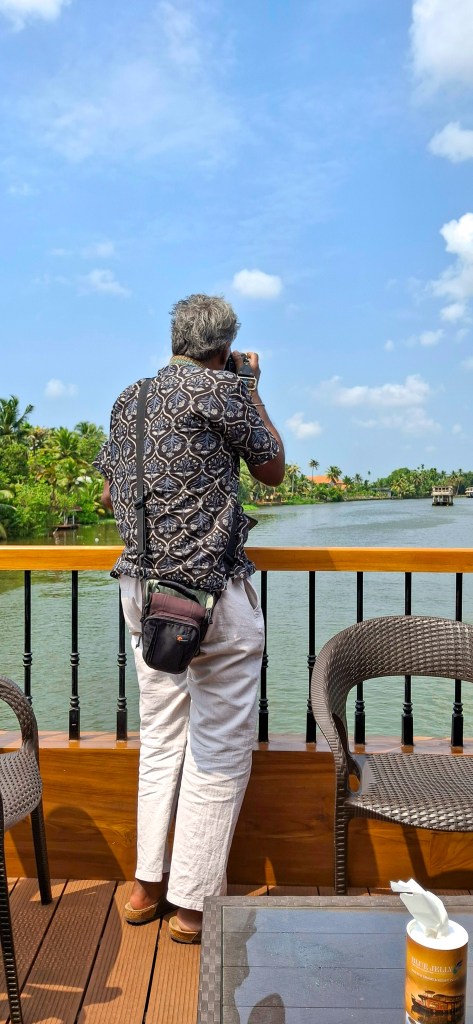
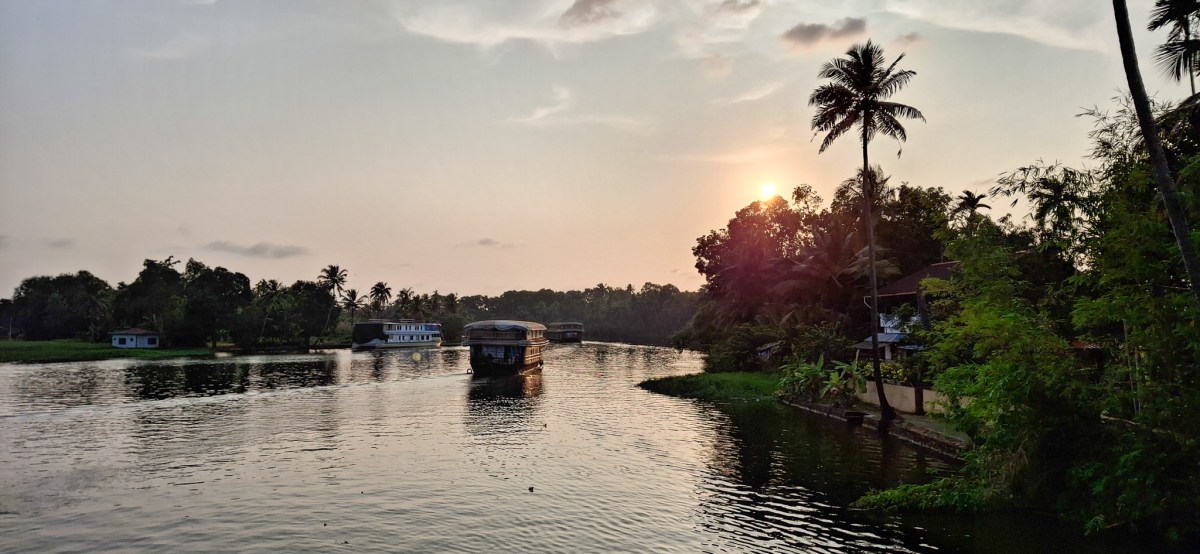
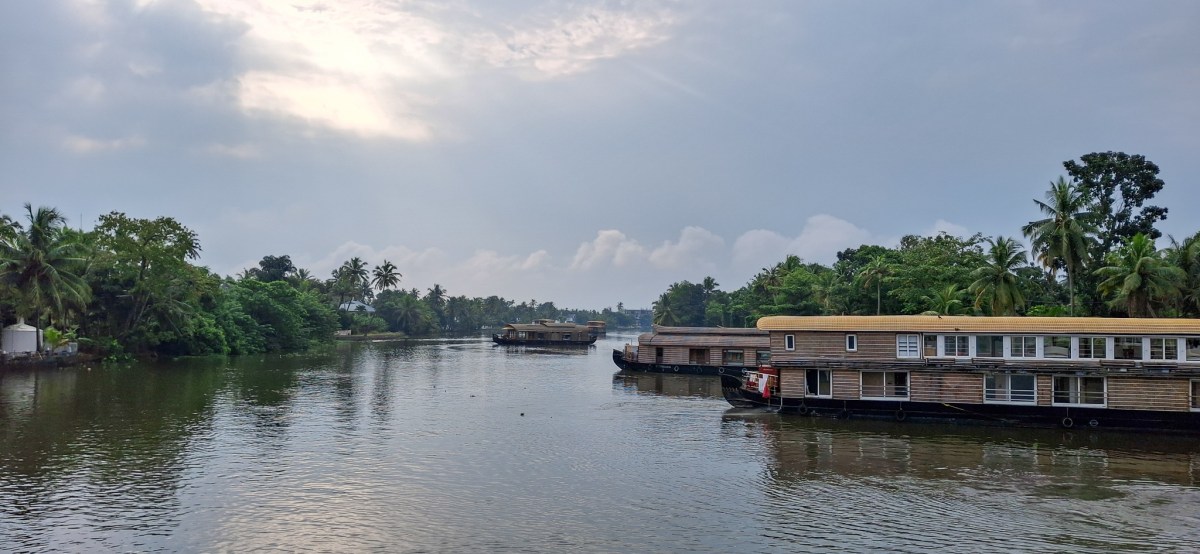
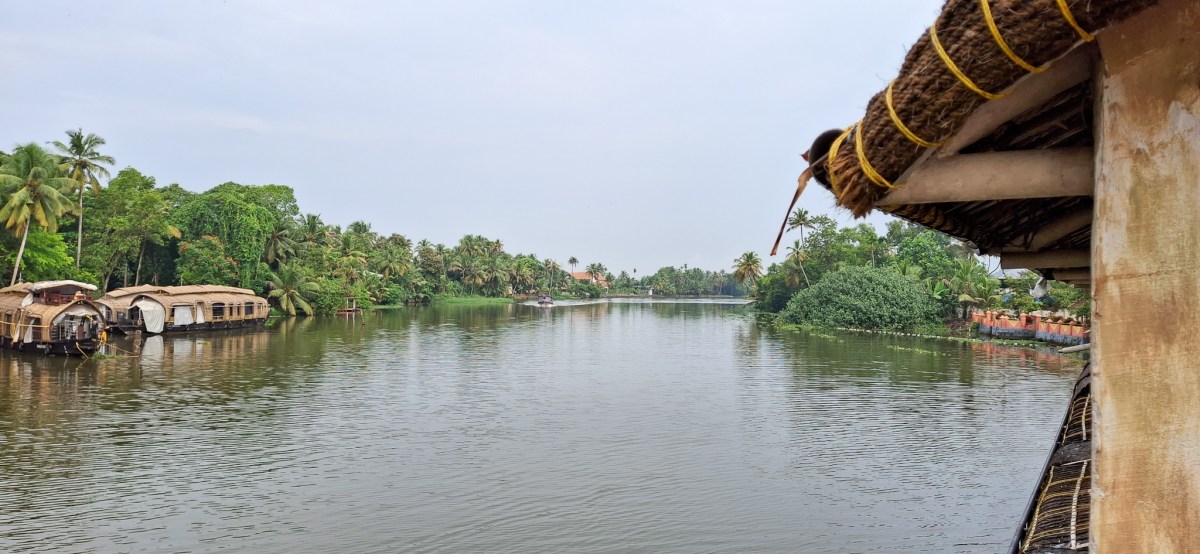
A Bit of Backwater History: The backwaters — a network of lakes, lagoons, and canals — were once a major transport route for trade, especially rice and spices, using the traditional kettuvallams (long wooden cargo boats). Over time, as road transport took over, these grain boats became less used. Local tourism pioneers then re‑imagined them as floating cottages with bedrooms and dining areas — today’s houseboats — giving them a new lease on life and supporting tourism and local livelihoods.
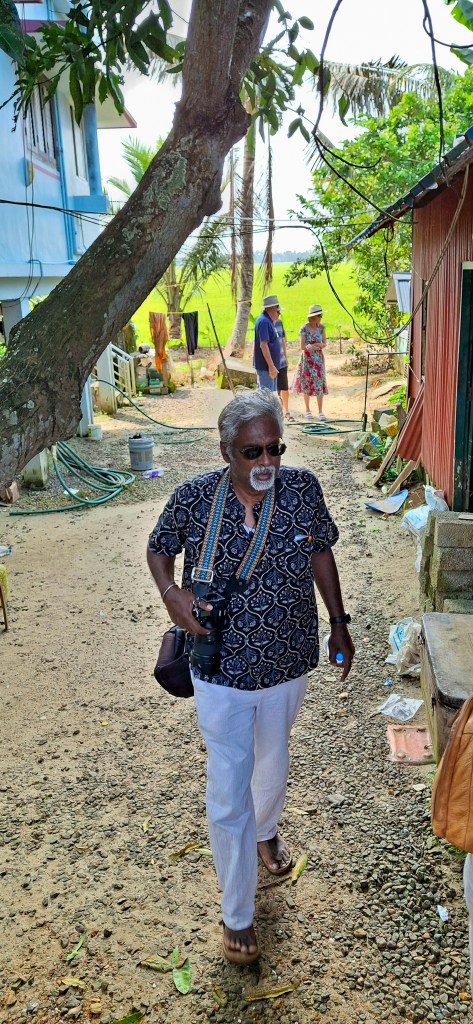
Life Along the Backwaters: Floating along the Kerala backwaters gave us a wonderful glimpse into everyday life. The scenery wasn’t dramatic wilderness, but a mix of lush paddy fields, gently waving coconut palms, roads, bridges, and small towns. Nearby villages showed traditional Kerala life — small farms, local markets, and families going about their day. Farmers worked in their fields, fishermen paddled by, and local boats carried people and goods through the canals.
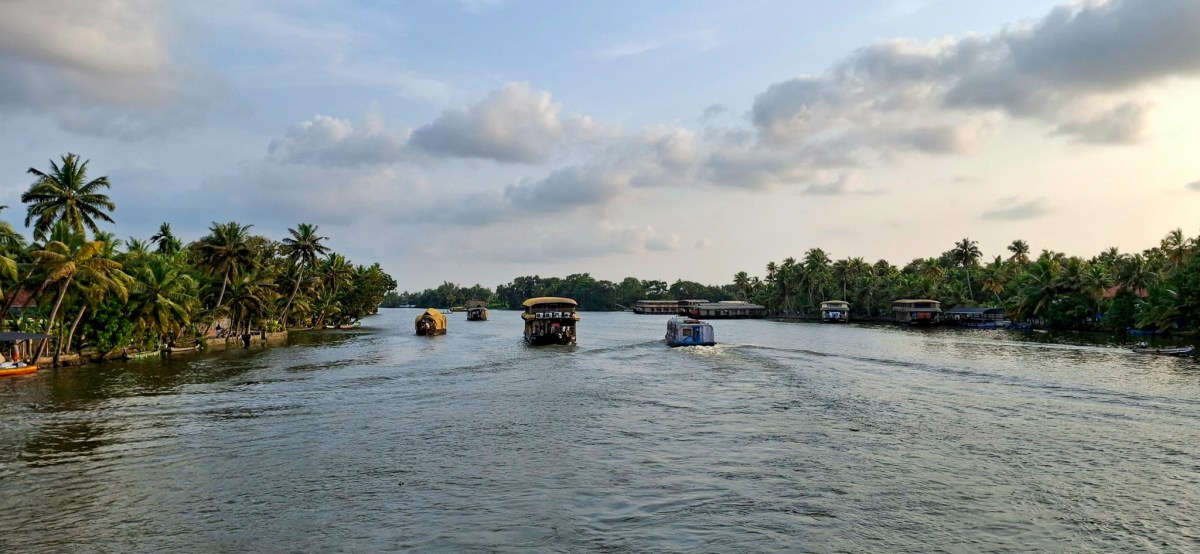
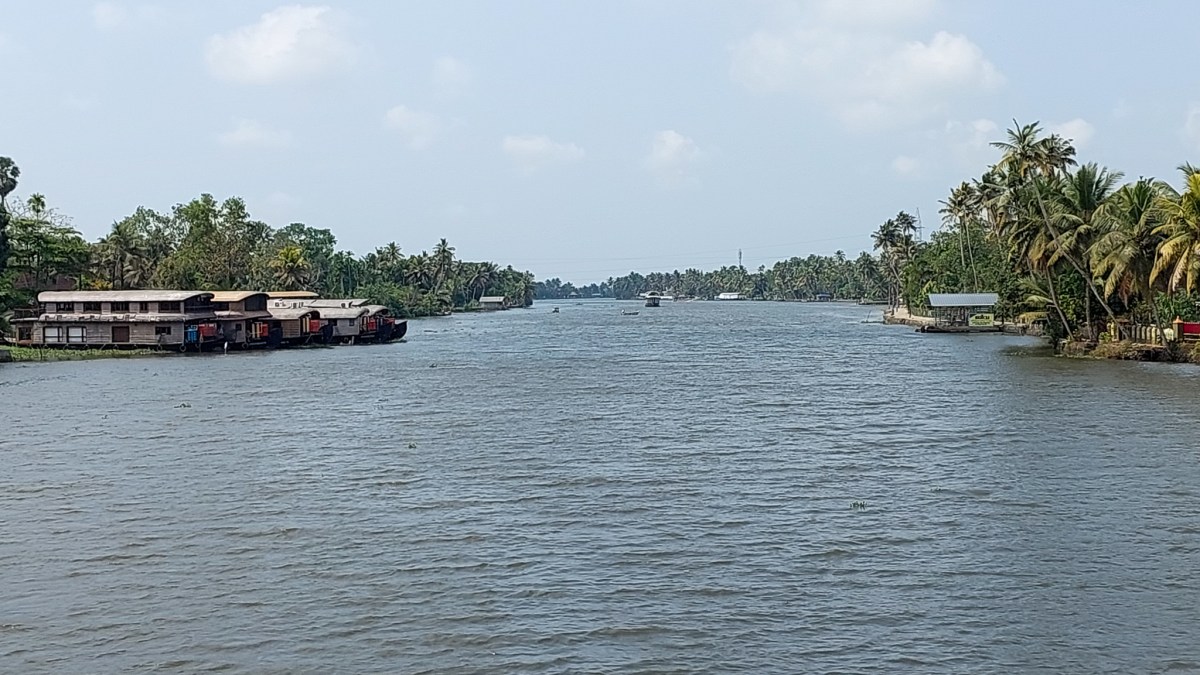
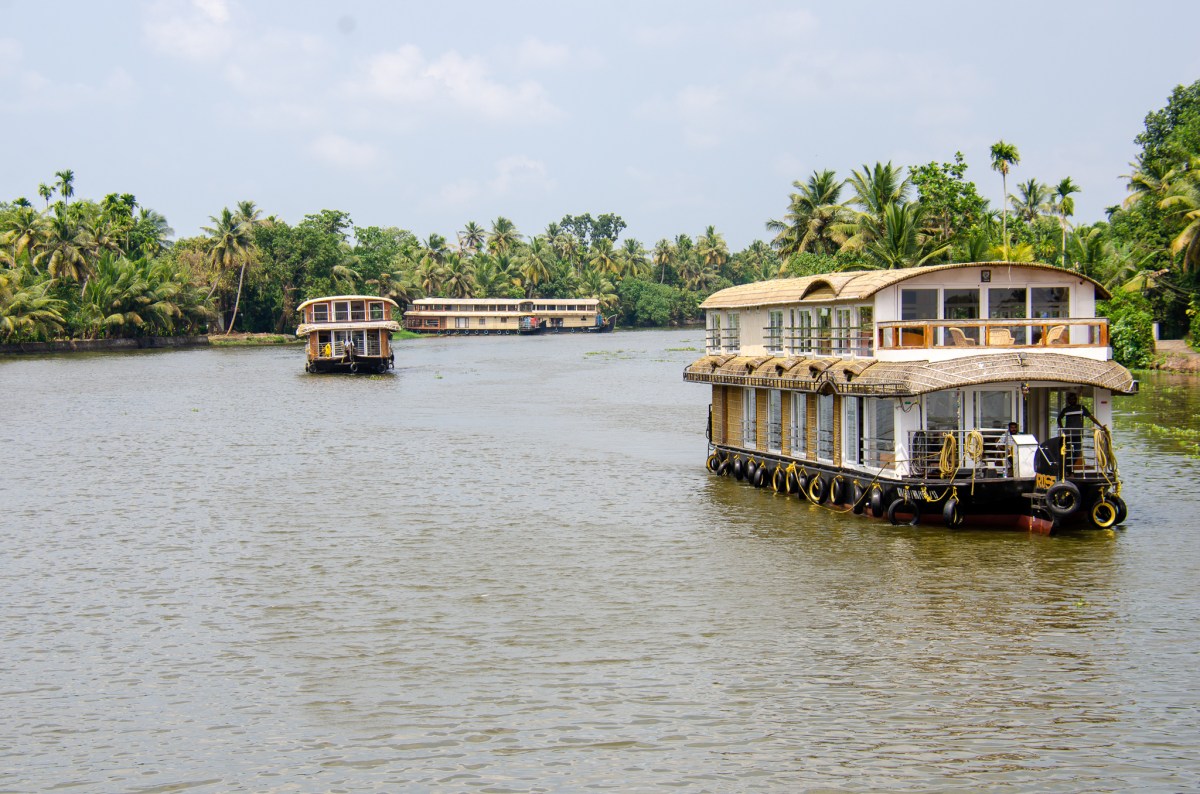
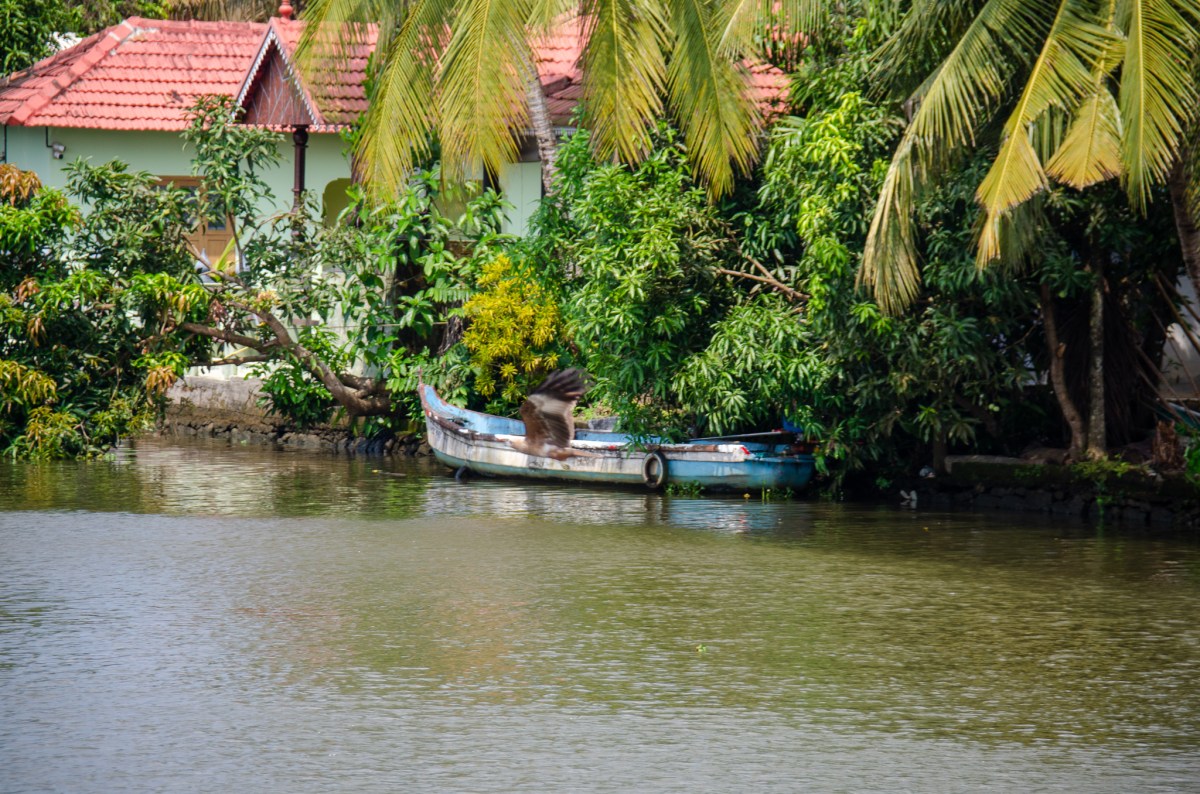
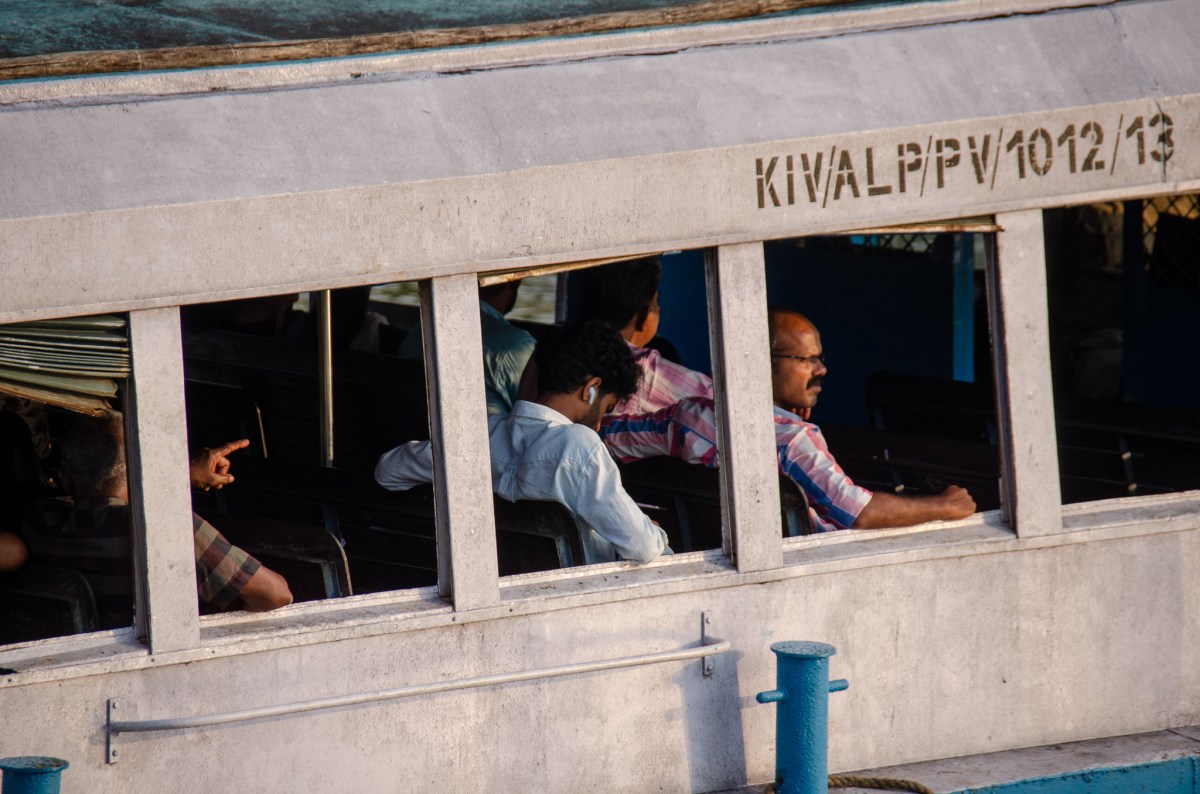
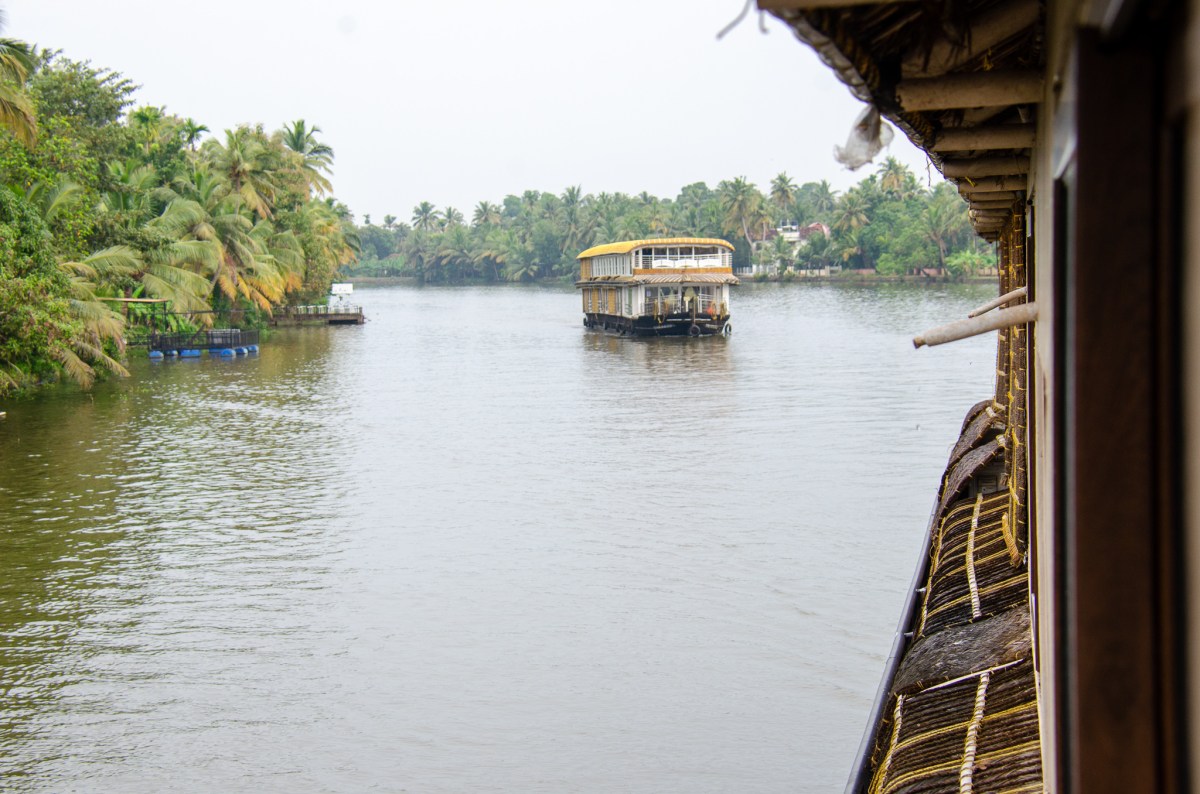
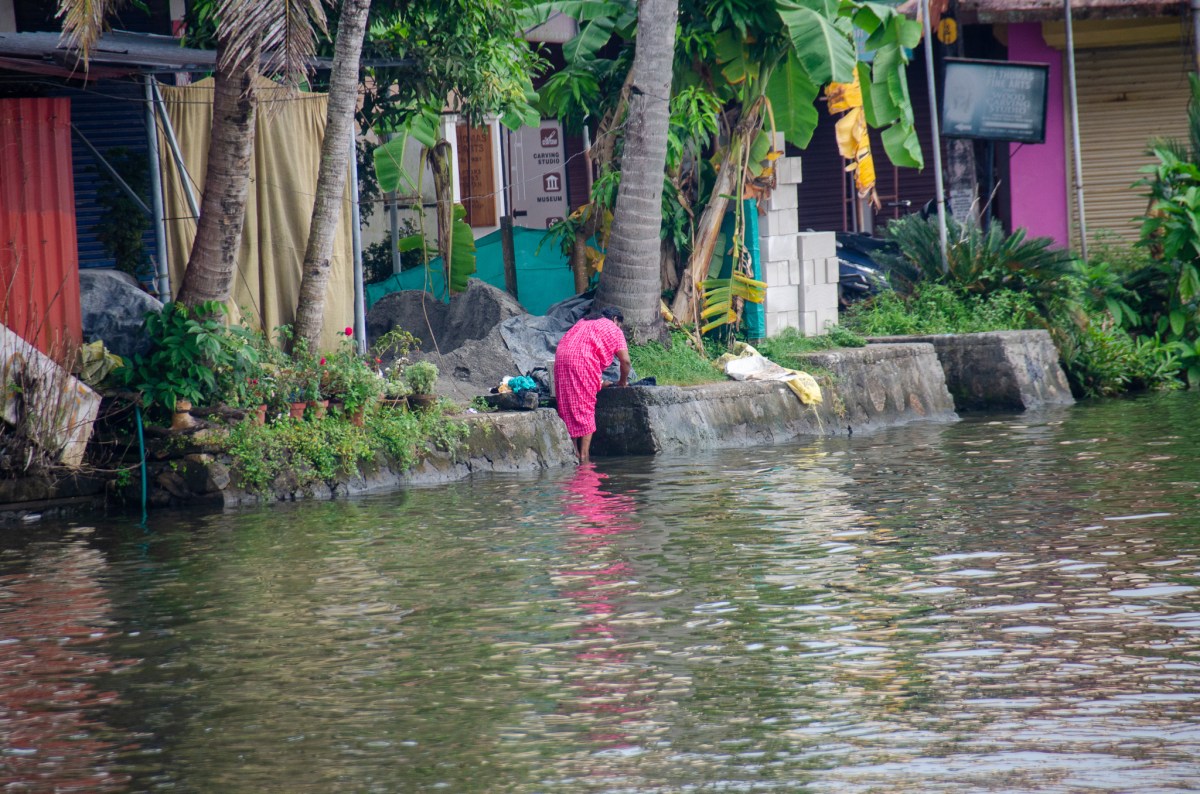
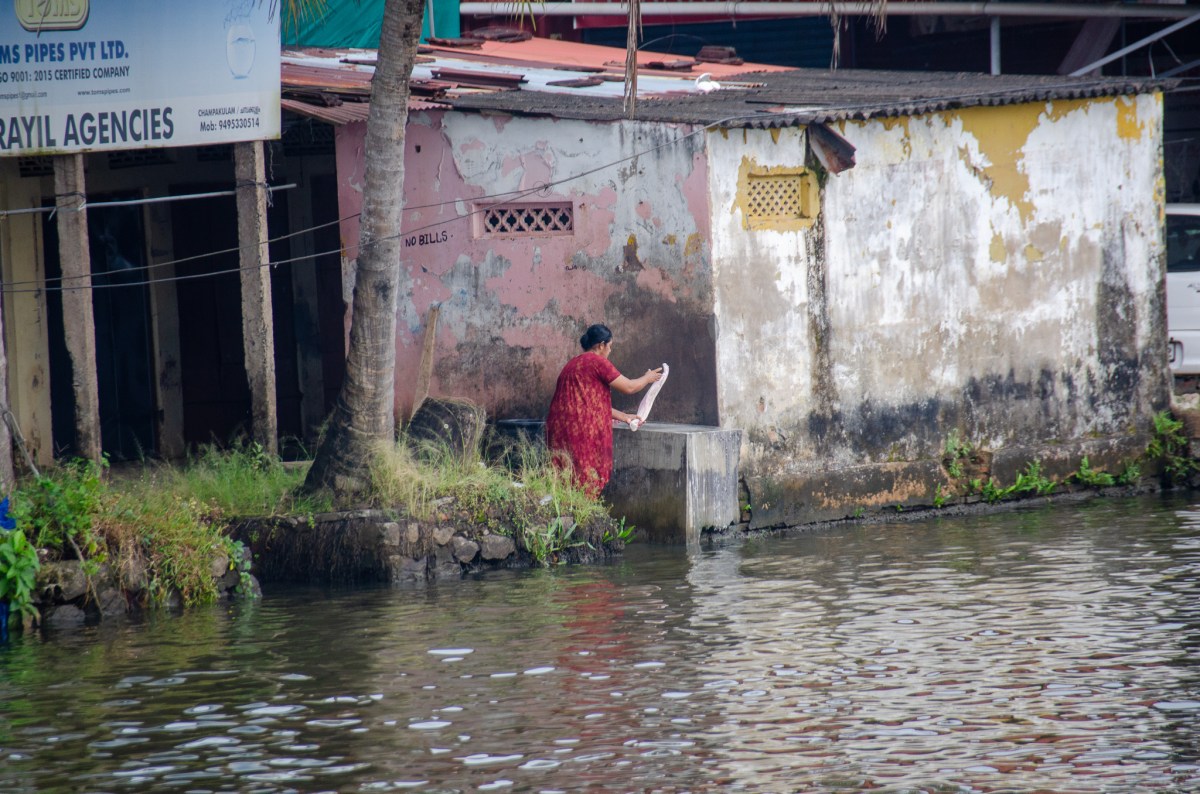
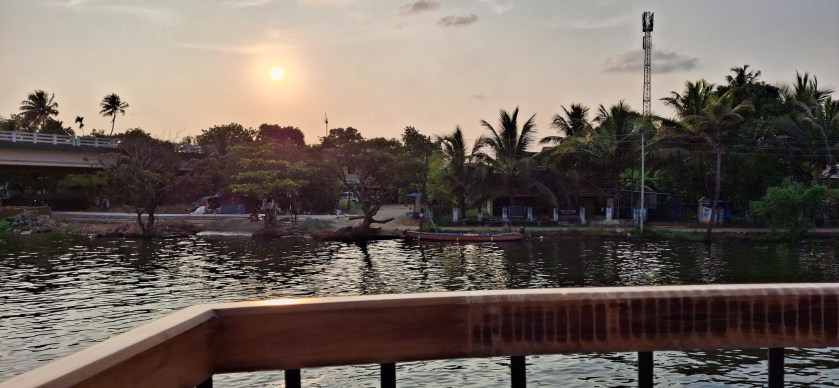
The pleasure of the cruise was in the gentle glide itself. Mostly, it was a peaceful, reflective time. We spent much of our time on the top deck, soaking in the scenery and thinking about all we’d seen in India so far — and all that was still to come. Kerala felt like a quiet retreat, a chance to slow down and enjoy the gentler rhythm of life.
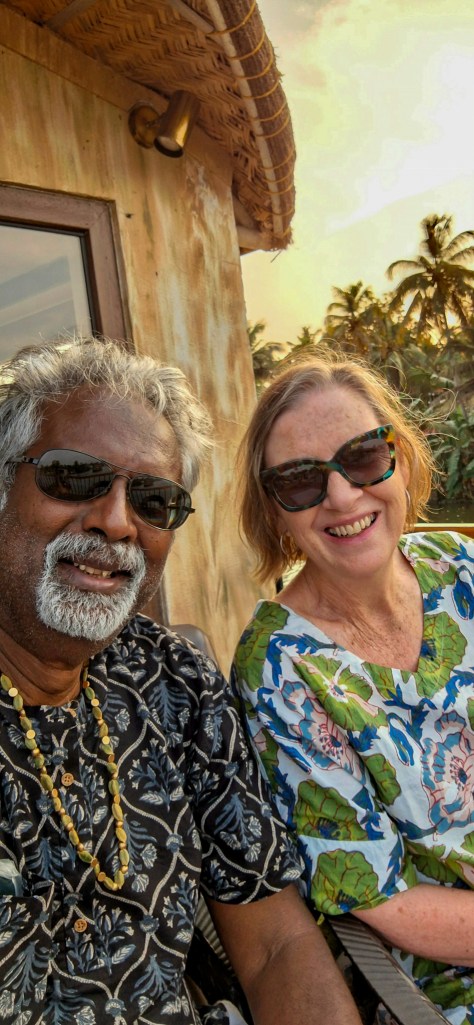
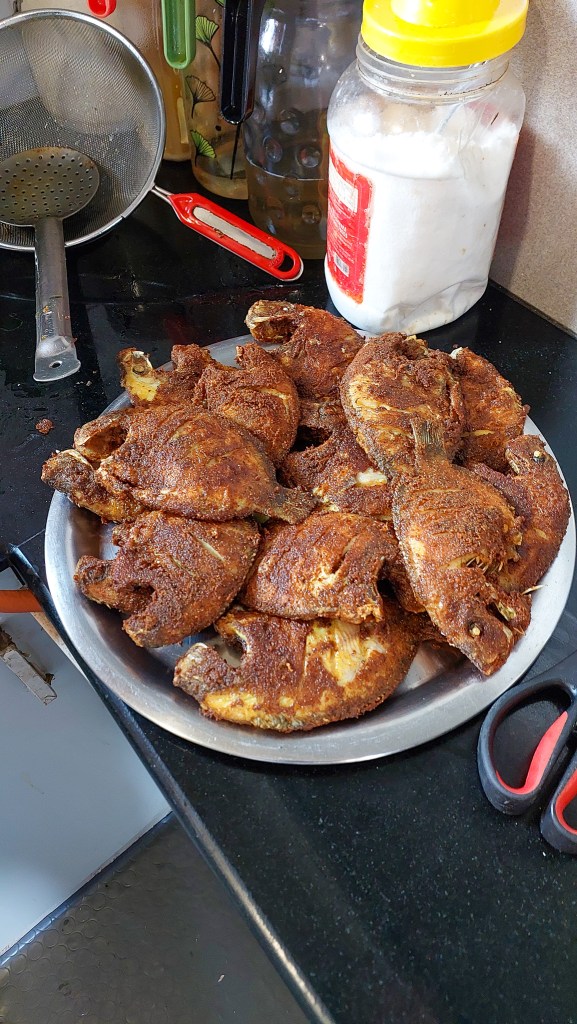
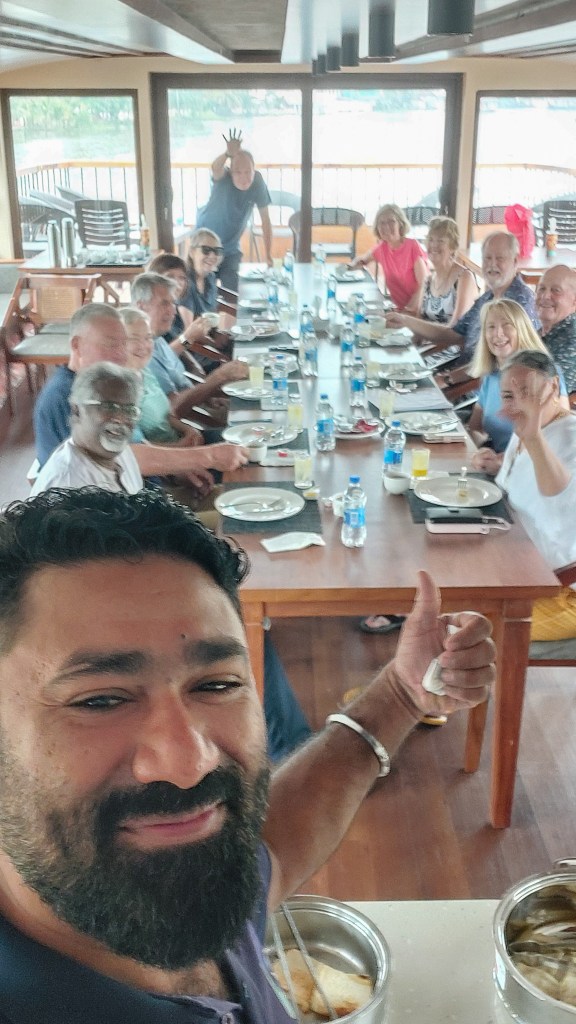
Traditional Kerala Cuisine on Board: Meals on board included fresh fish, vegetables, rice, and coconut sambol. Watching the sun set over the water while enjoying dinner was a perfect end to the day, and the gentle motion of the boat made the experience very relaxing. After dinner, our host turned up the music and before long we were all dancing together — loudly and laughing so much that the people on the next houseboat came over to join us. To our surprise, they were Kiwis too, and soon we had an impromptu little party.
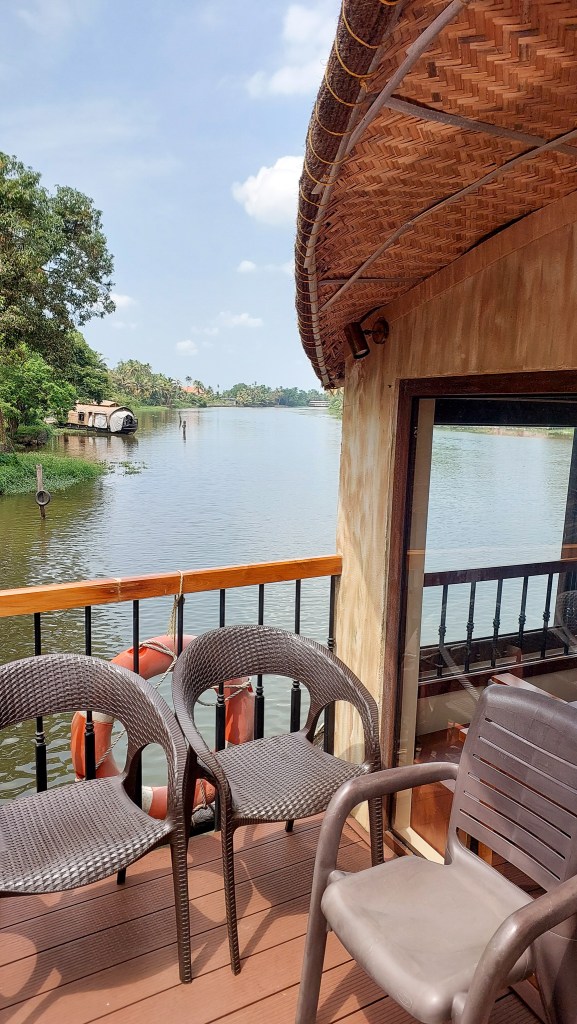
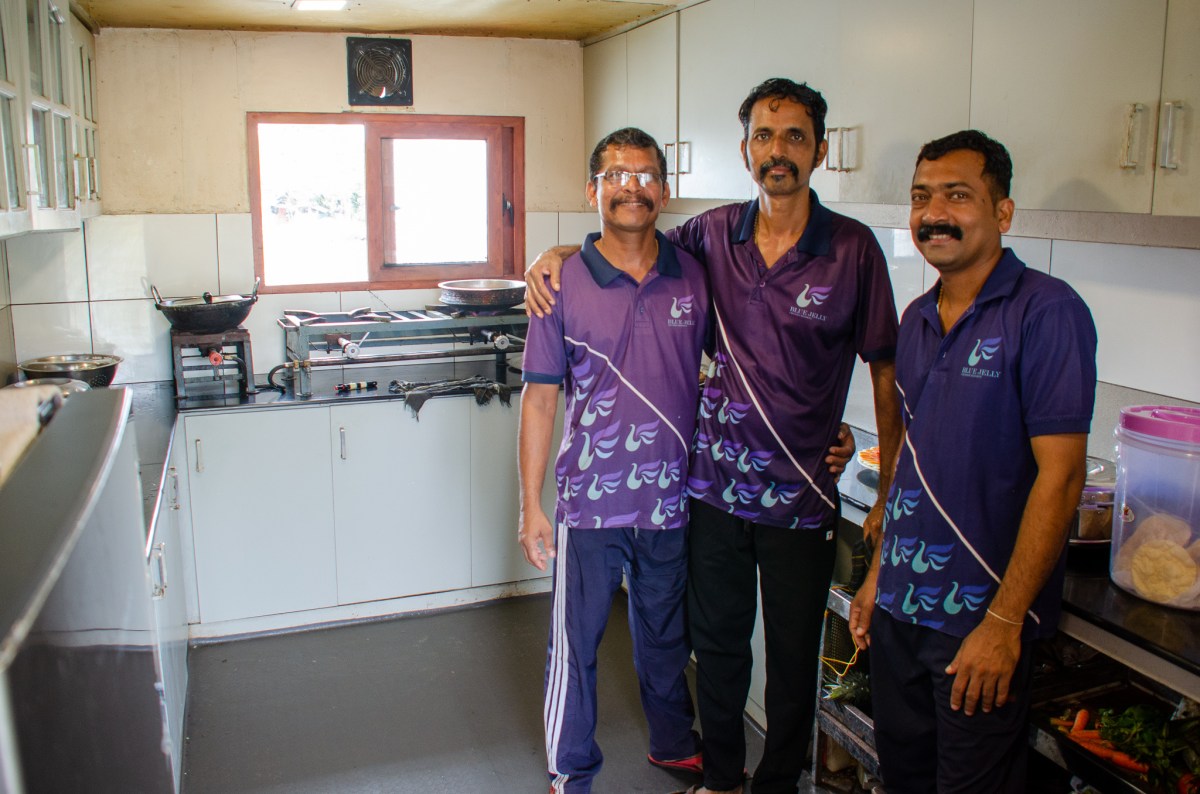
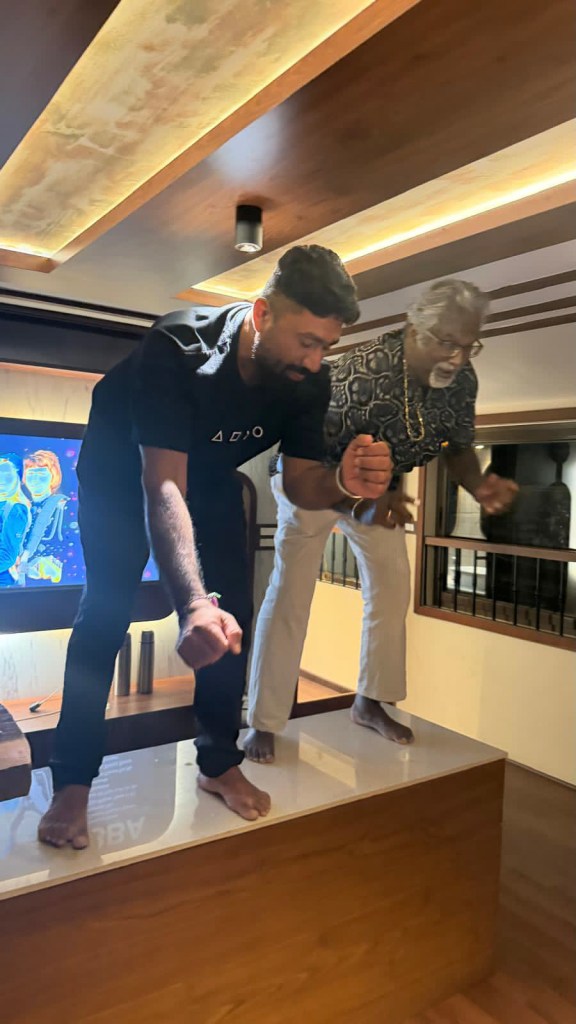
The cruise itself didn’t go far — just a gentle loop, maybe stopping once or twice to peek at everyday life along the banks and under bridges — before returning to the jetty for the night. Because local fishermen use the waterways in the evening, the operators don’t anchor out in open water, so we had to dock for the night. It felt a bit odd at first, as it wasn’t like Ha Long Bay in Vietnam where you spend the night anchored out among dramatic scenery, but it was still a memorable night. Basker even got brave enough to dance with our host up on top of the breakfast/dinner bar — oh dear! At his age I was worried about his knees getting down!
Kochi (Cochin)
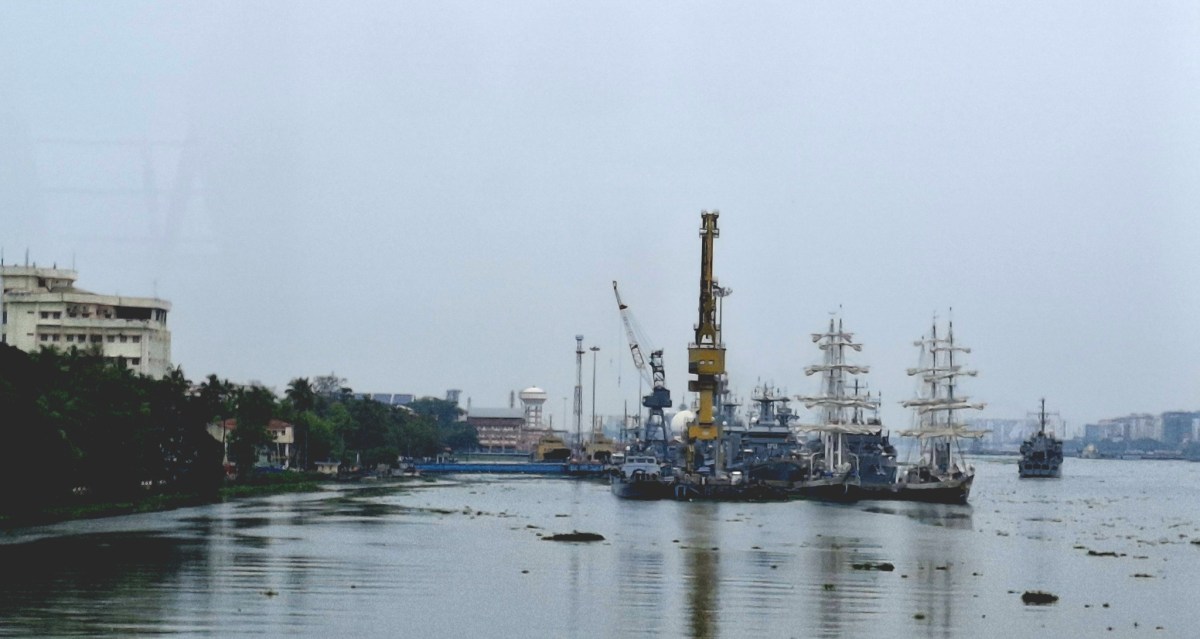
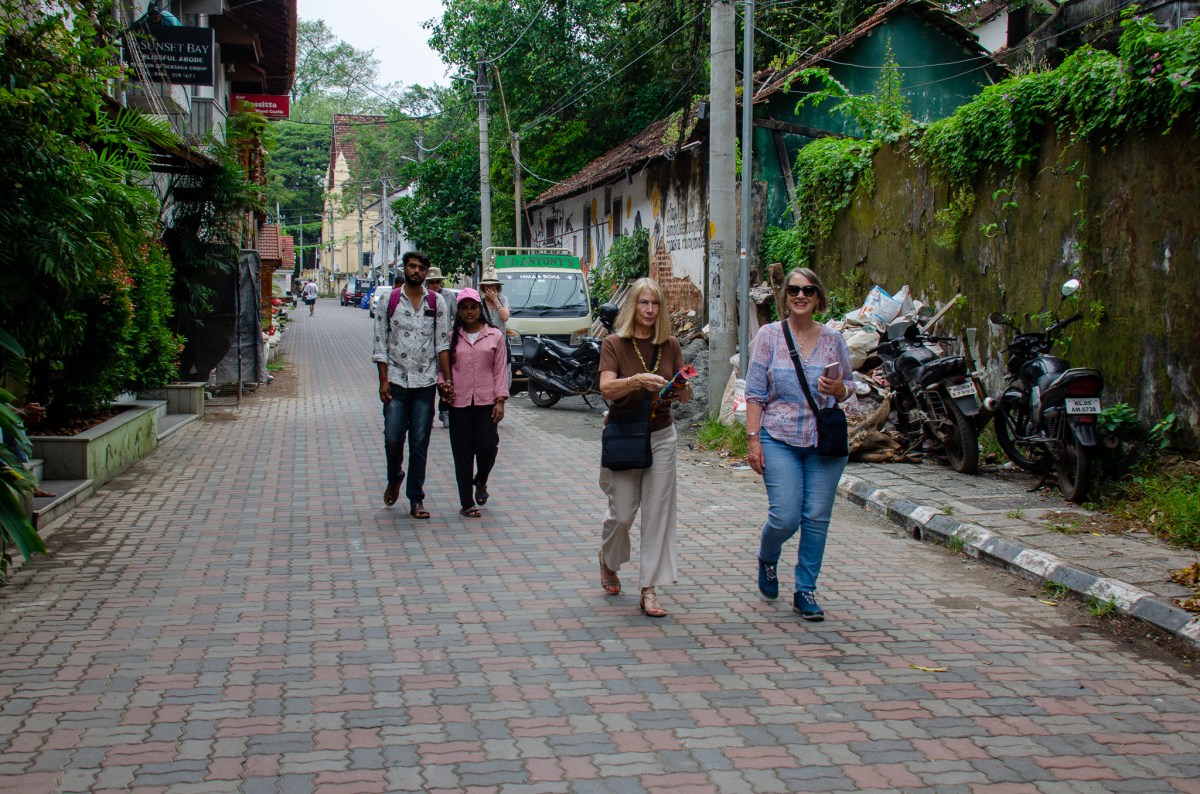
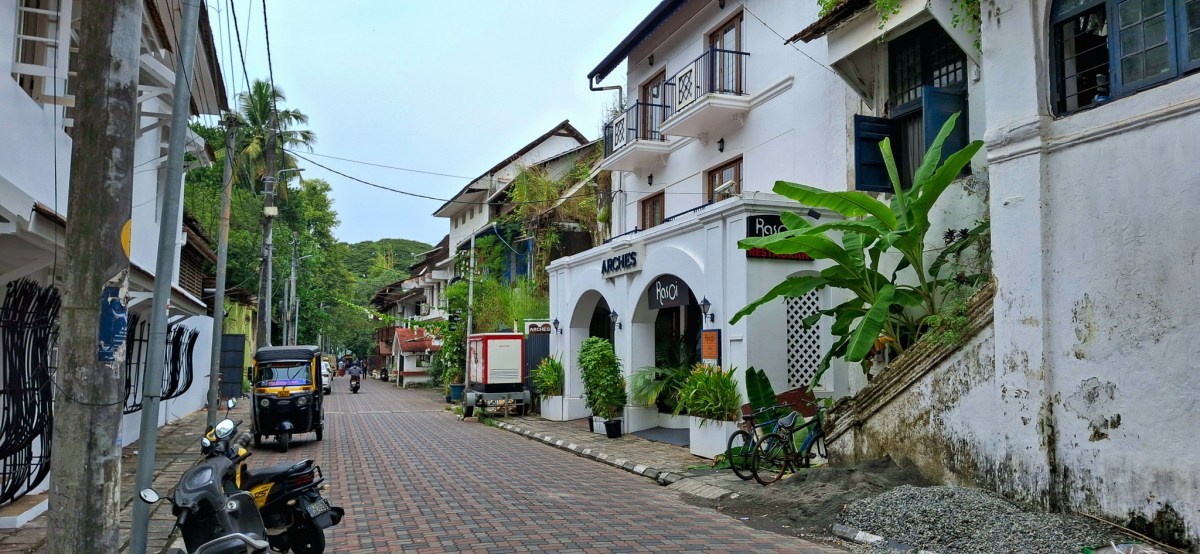
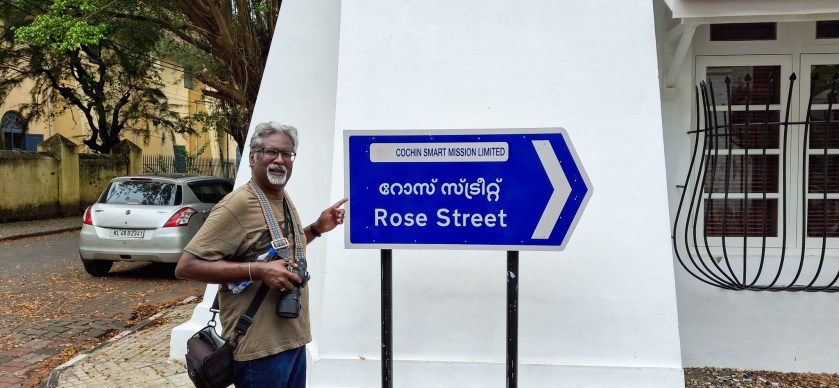
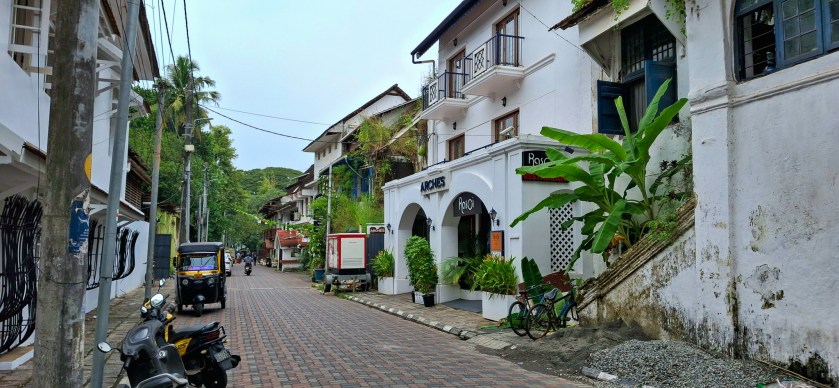
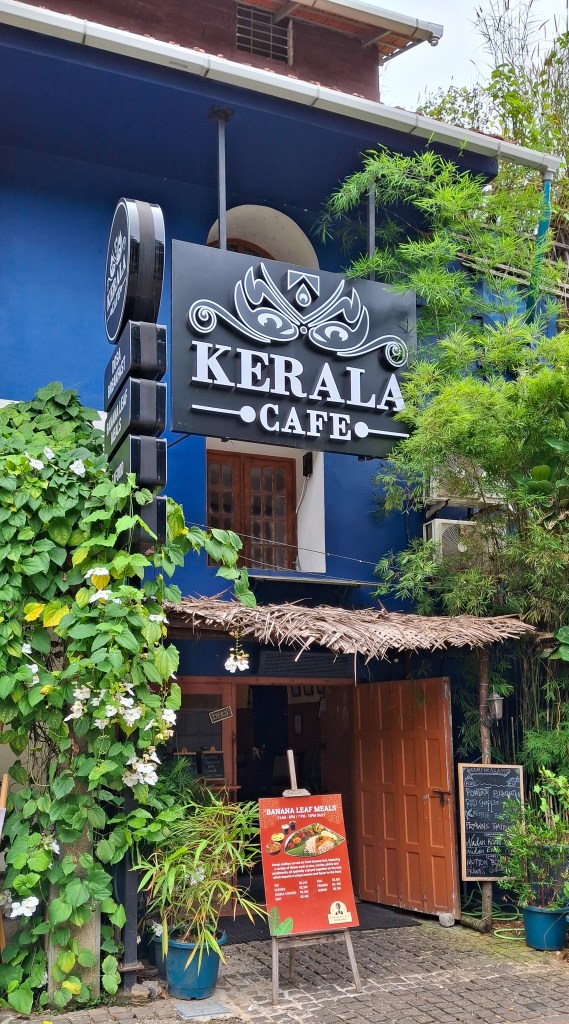
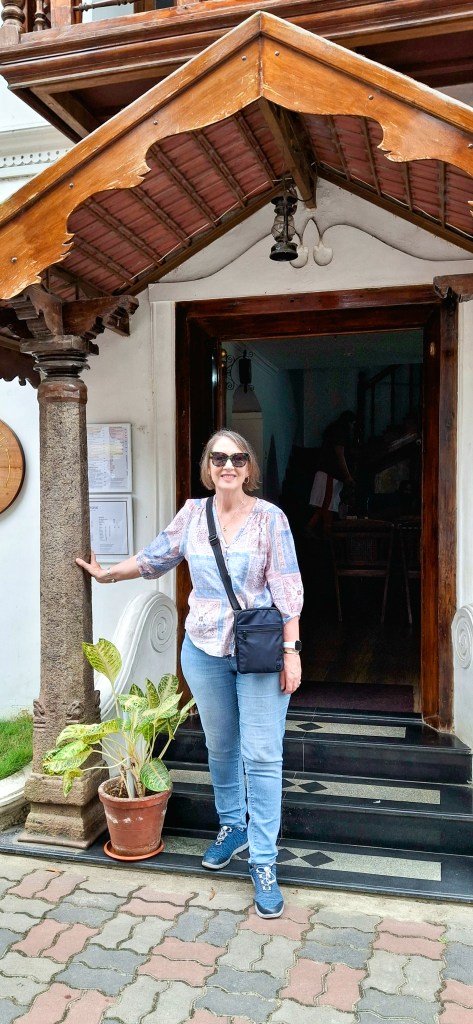
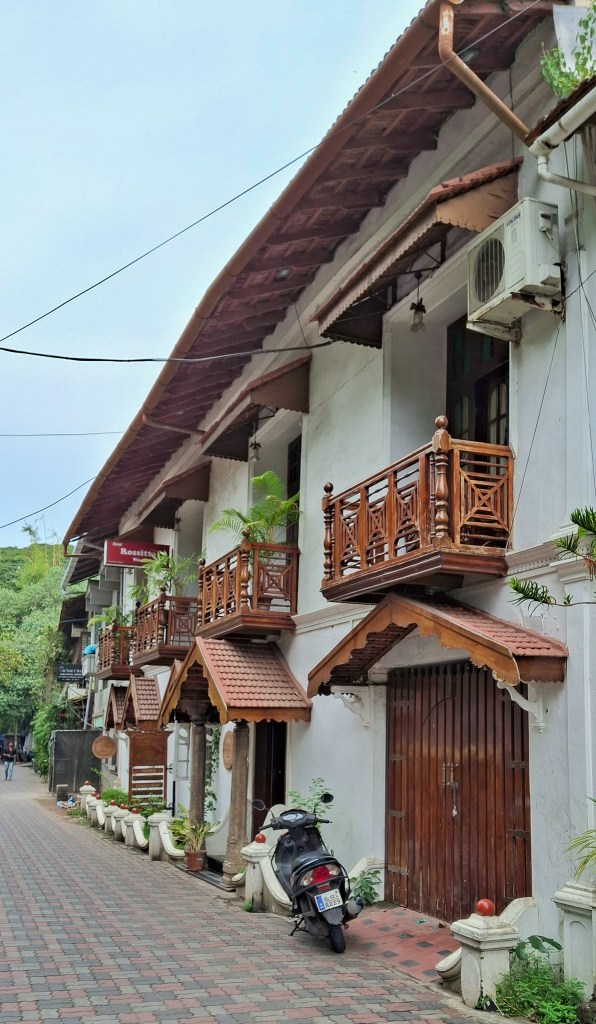
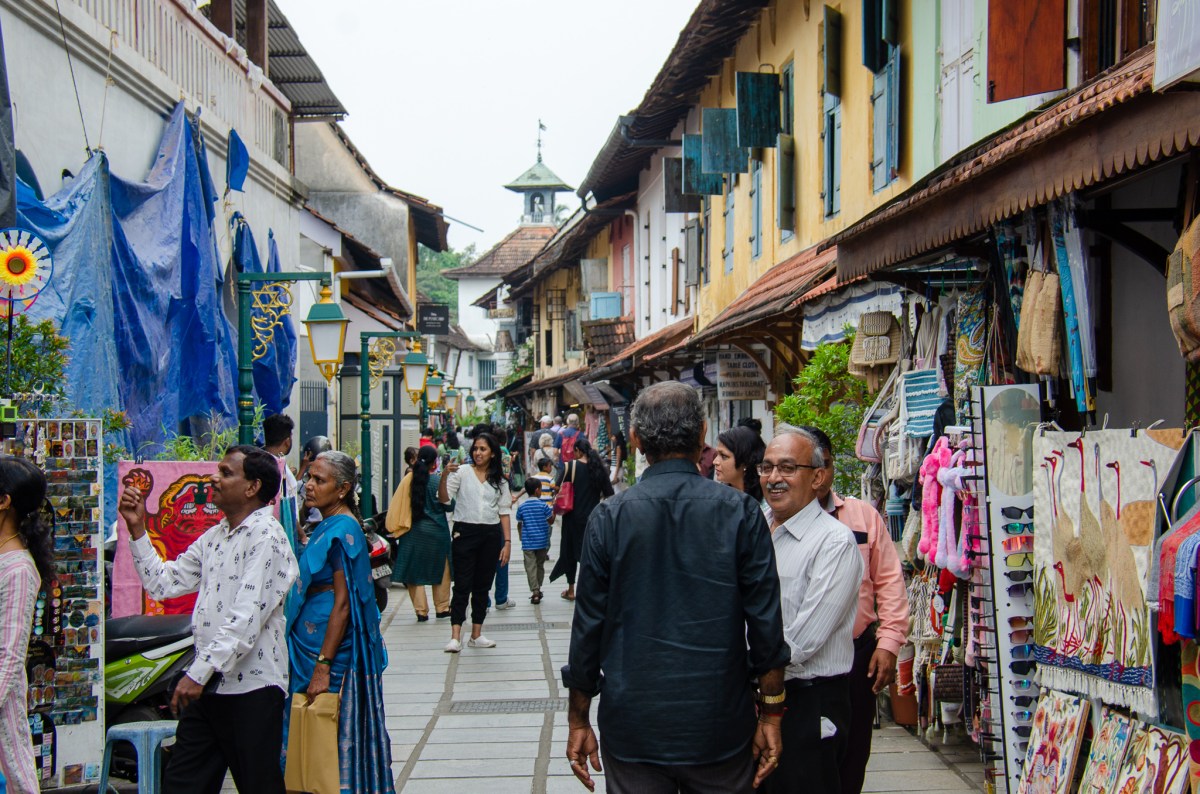
City Sights: Kochi’s history fascinated us. Fort Kochi shows Portuguese, Dutch, and British influences, and you can really feel that mix as you wander the streets with their old buildings, leafy lanes, and relaxed atmosphere. We visited the Dutch Palace, St Francis Church, and the Jewish Synagogue, and watched the fishermen at the iconic Chinese nets — a fascinating mix of history and daily life. It felt like a place where the past is still very much part of the present.
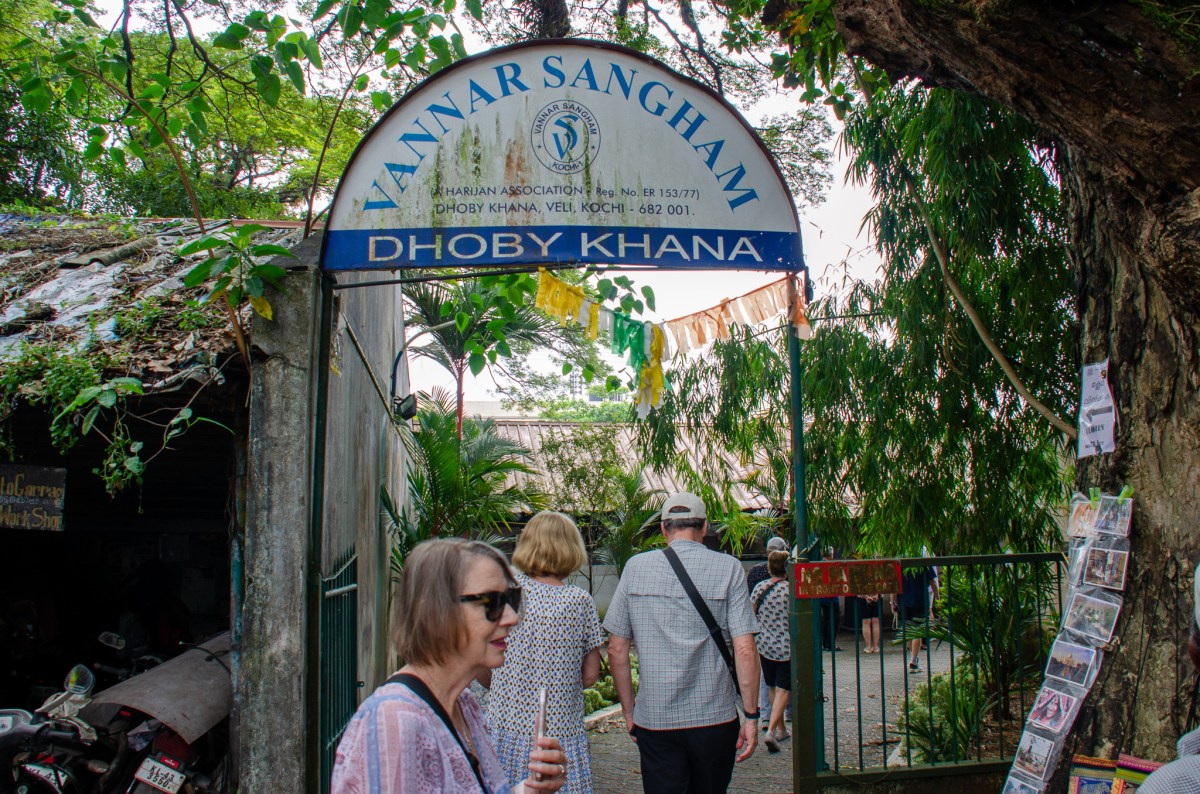
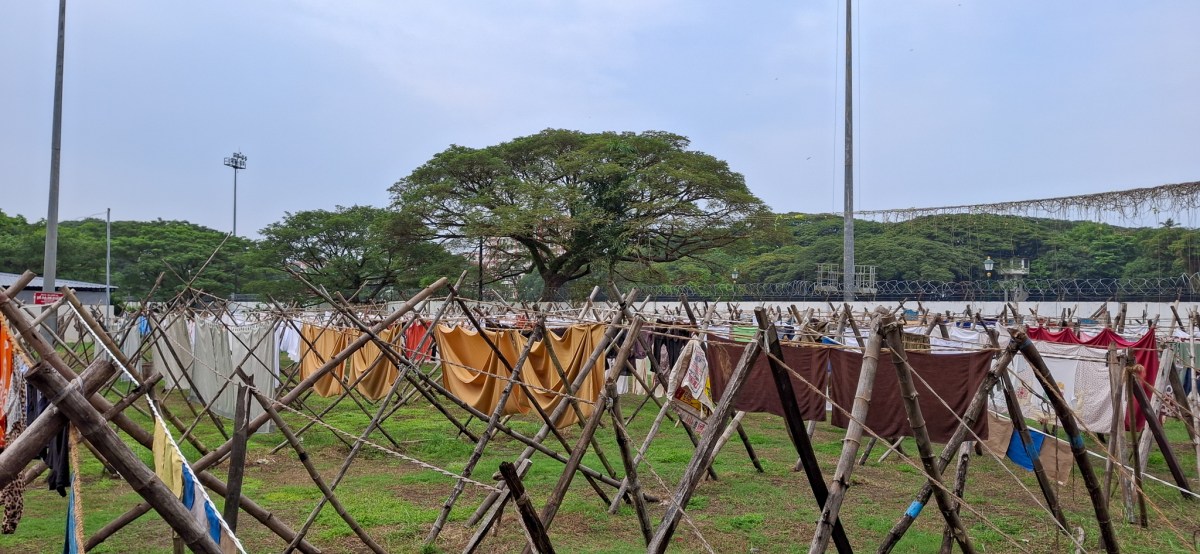
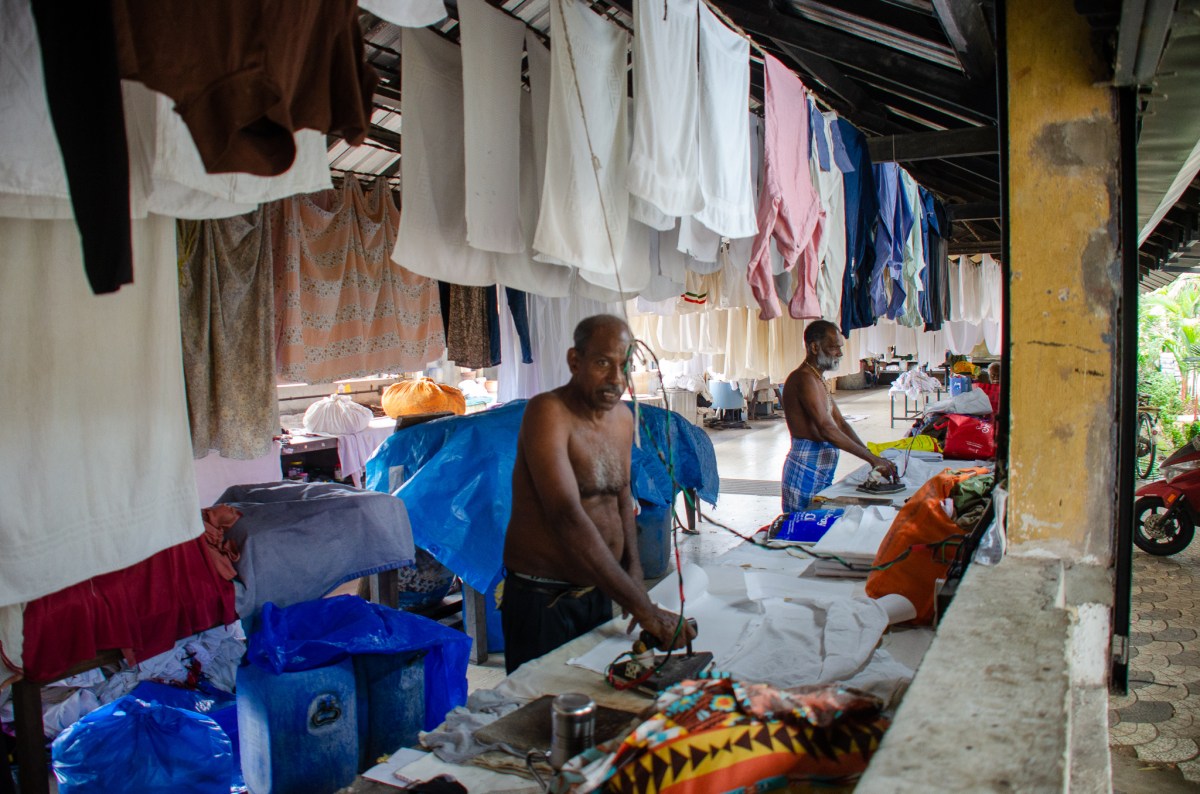
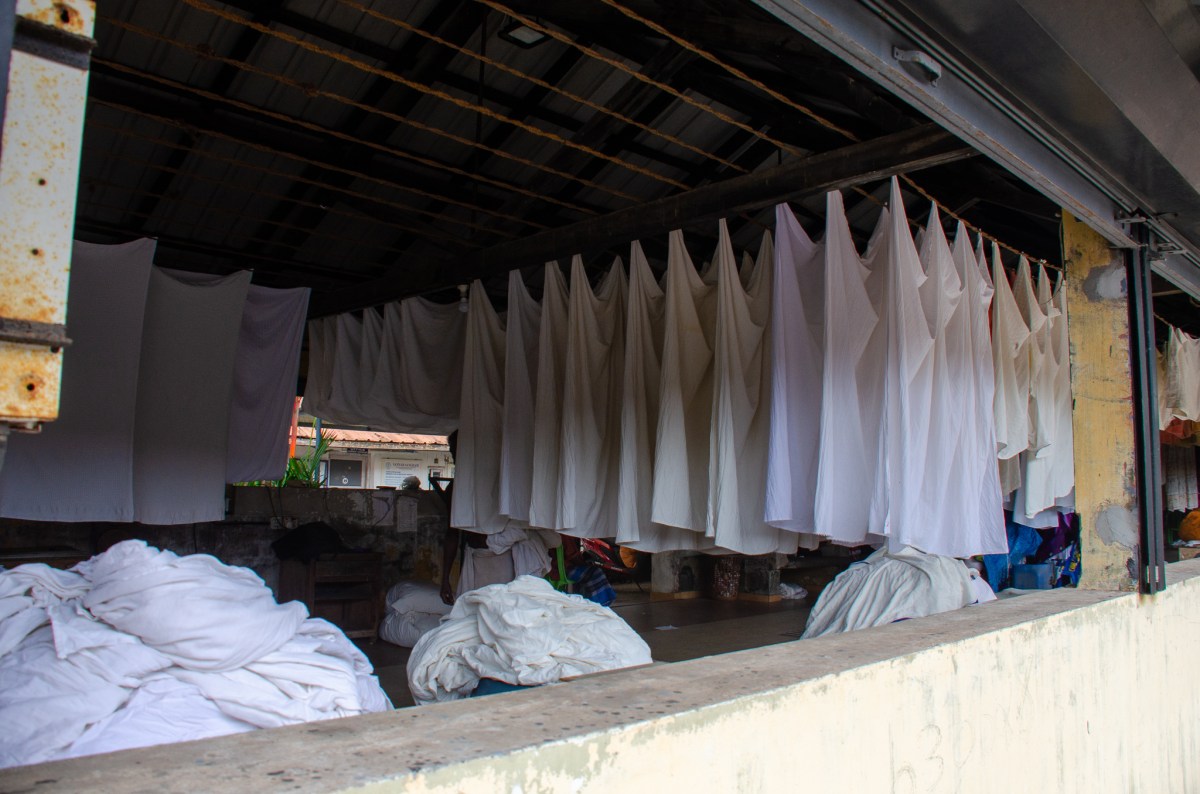
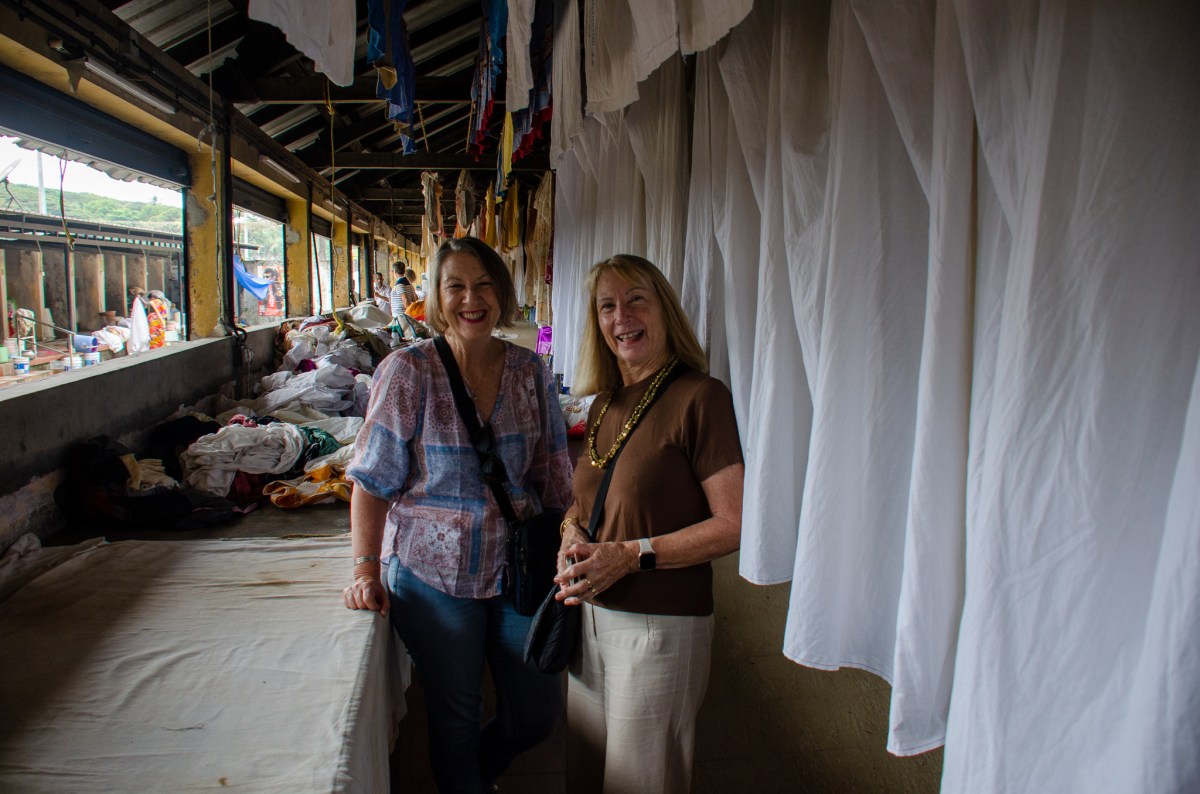
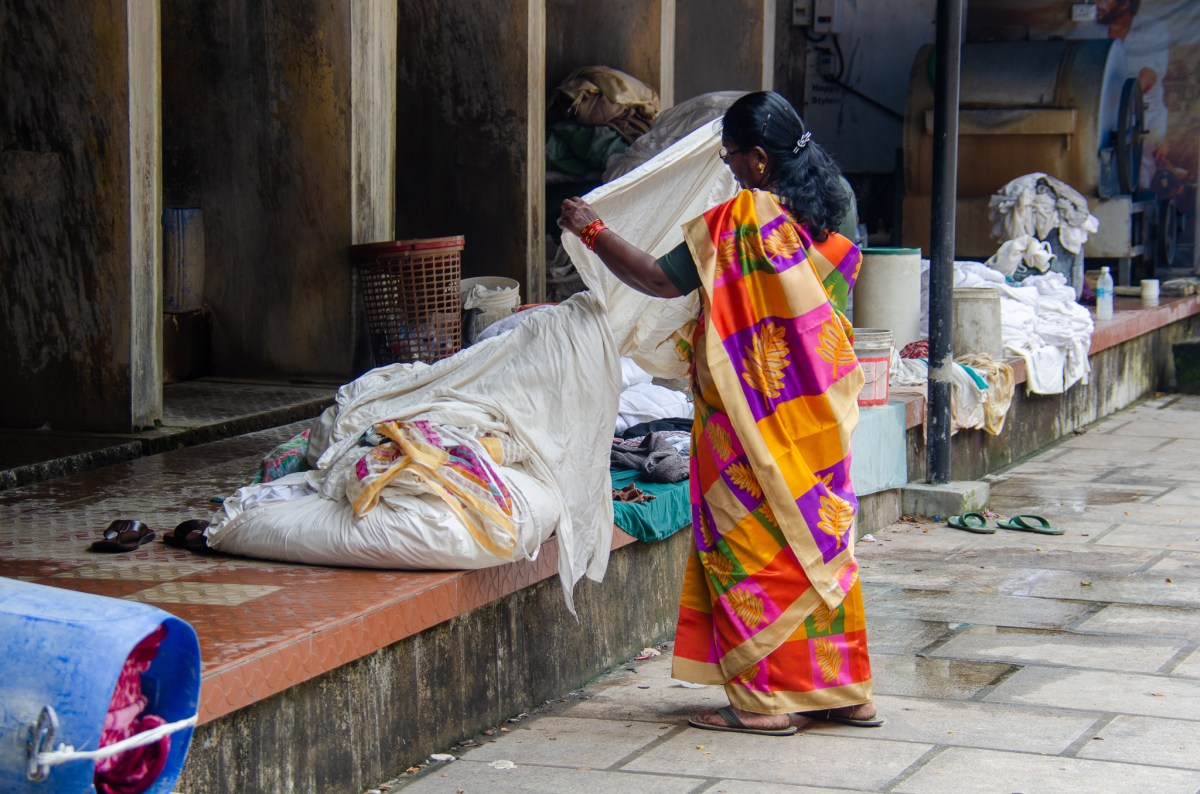
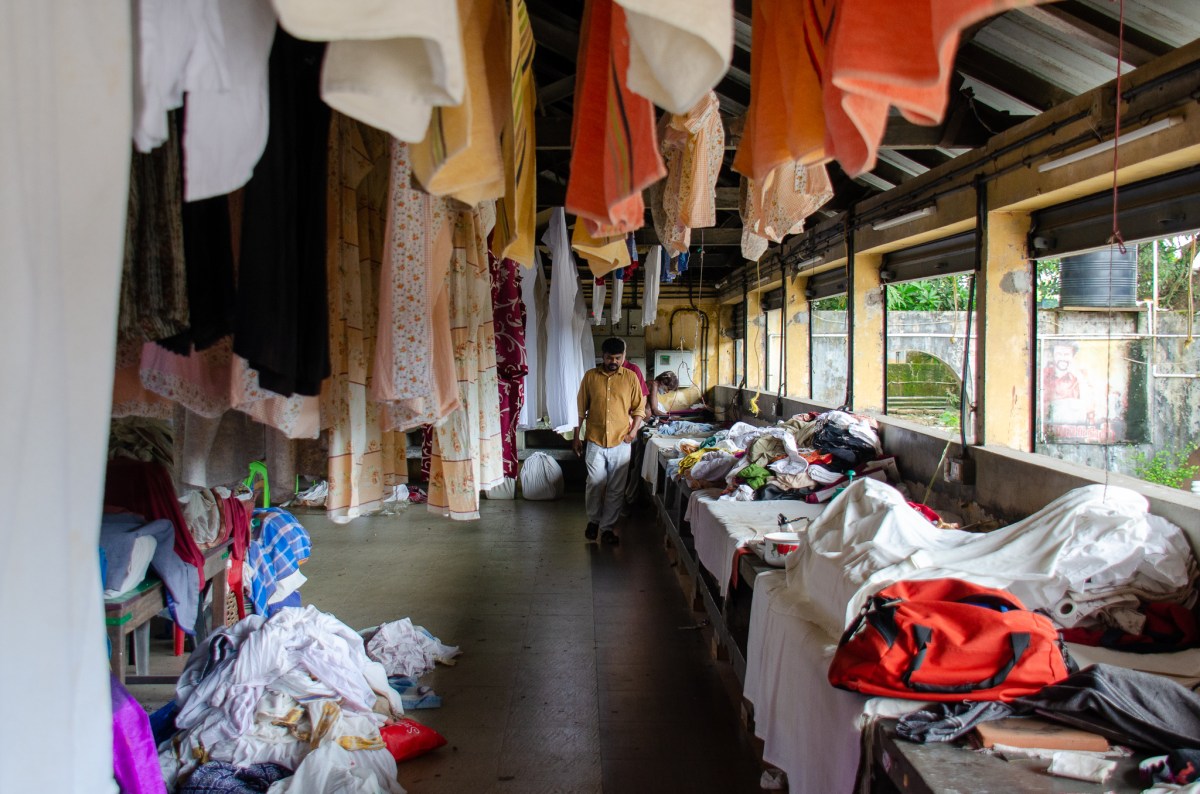
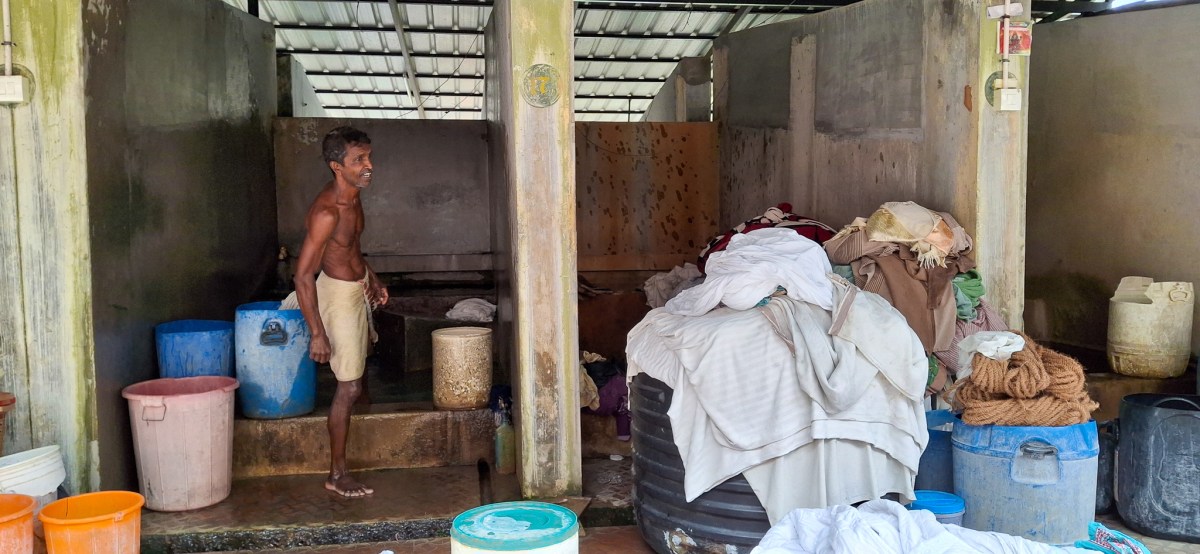
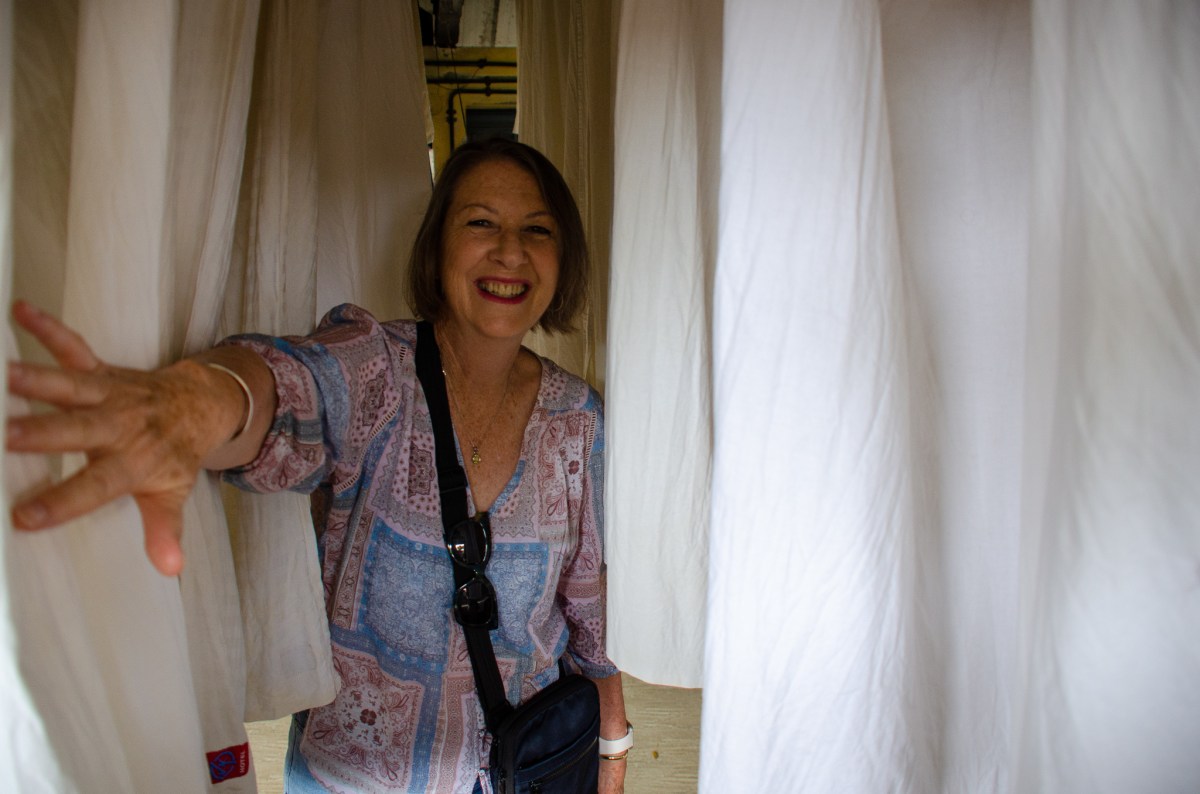
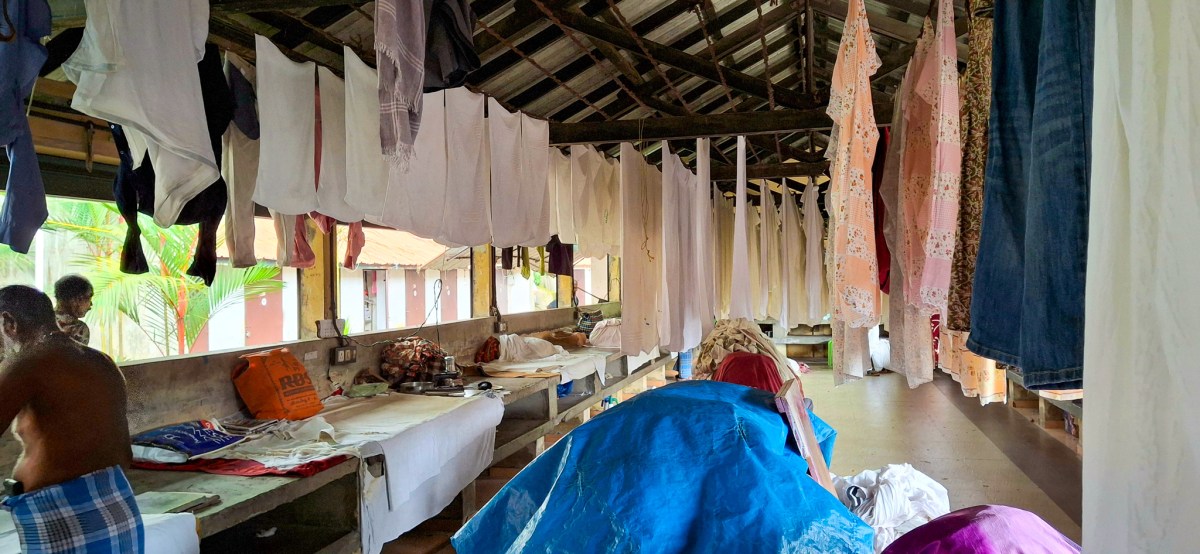
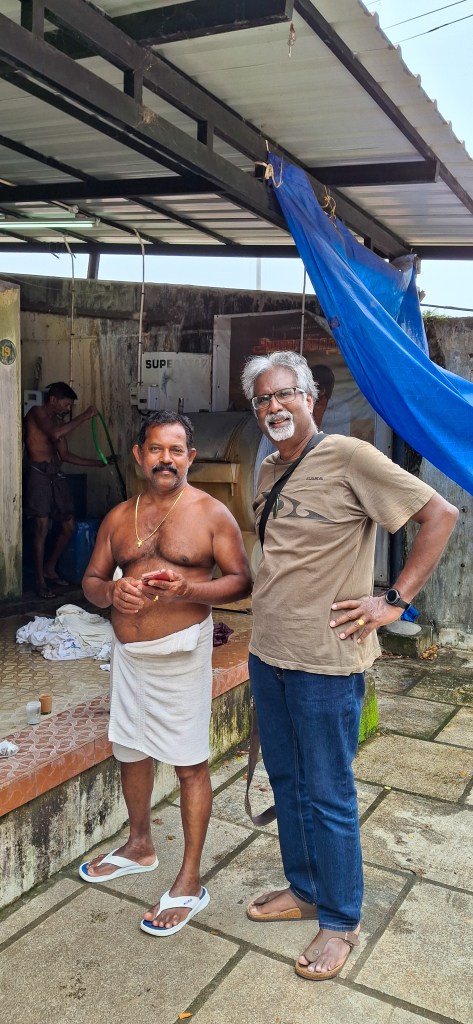
Dhobi Khana (Vannar Sangham): I was especially keen to visit the Vannar Sangham dhobi khana — you know I love laundry — and it turned out to be one of those simple places that really stays with you. This working laundry has been here for generations, going right back to the Dutch colonial days when washermen from Tamil Nadu were brought in to wash army uniforms.
Walking through the gate, you step into a large open space where families still carry on the same work, each with their own washing bay and routine. Simple, honest work, done well.
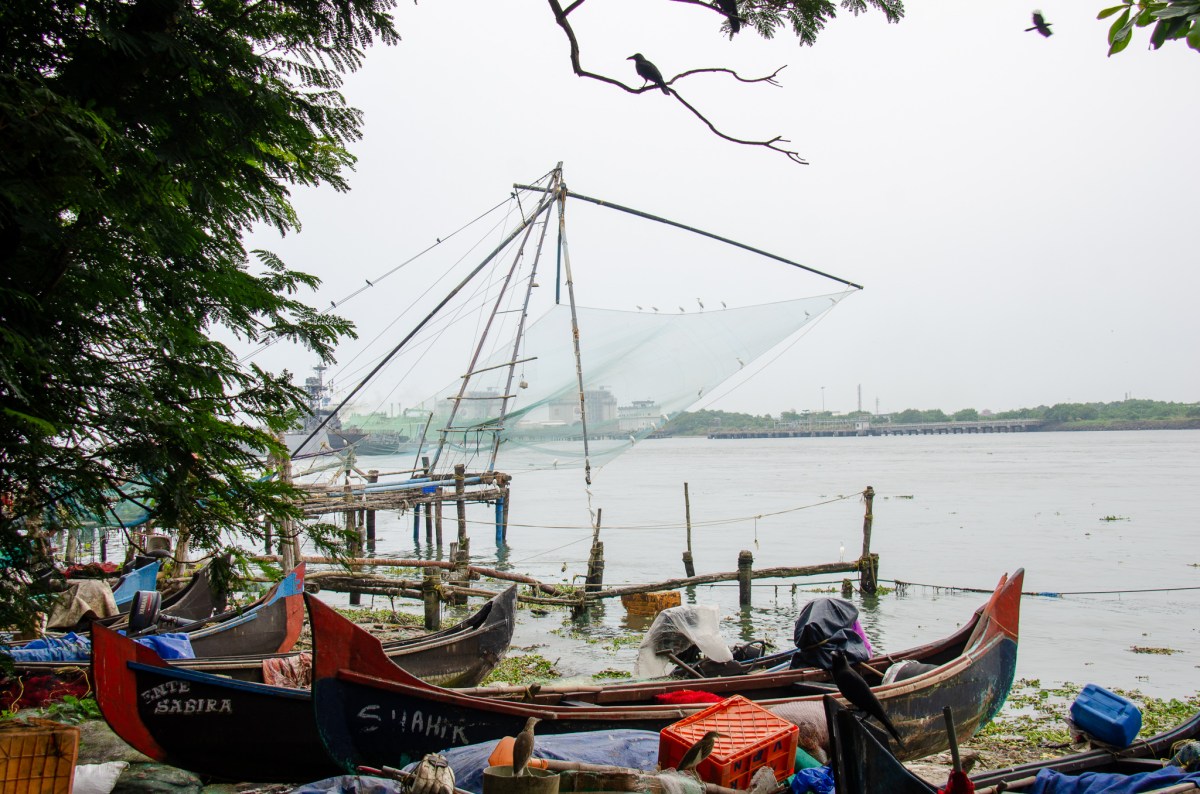
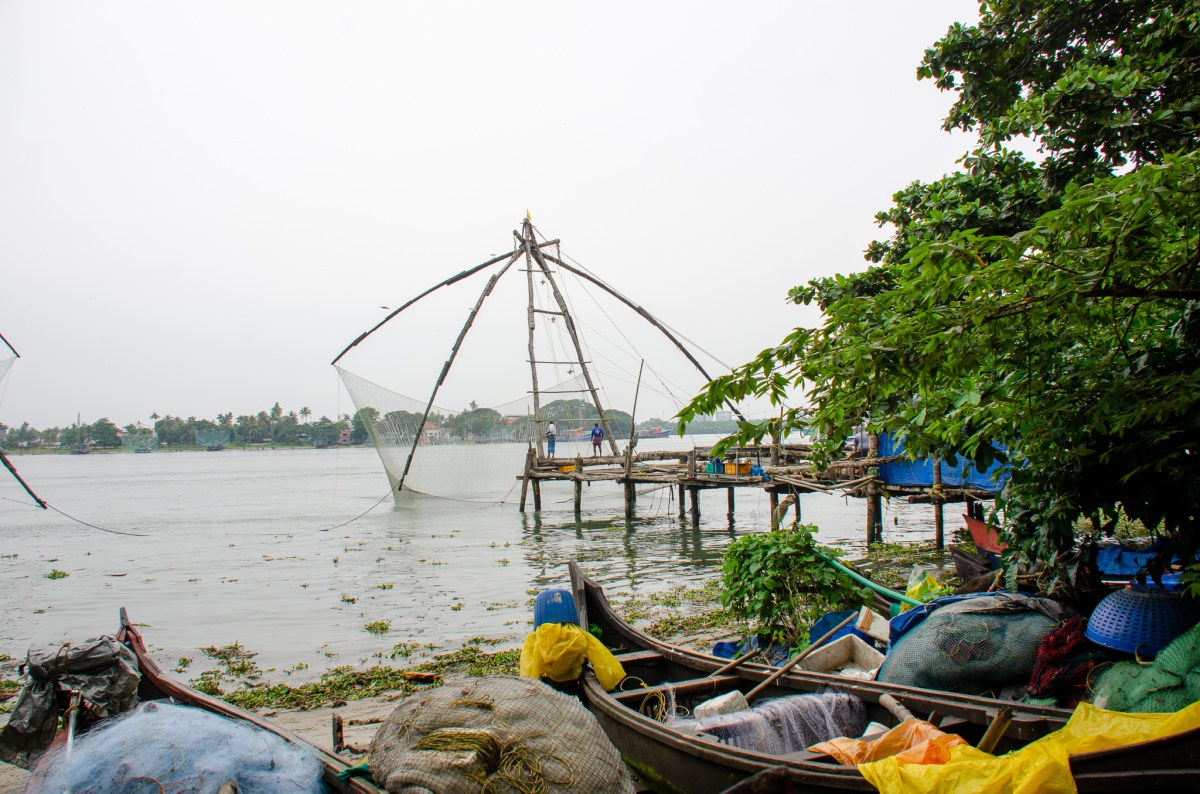
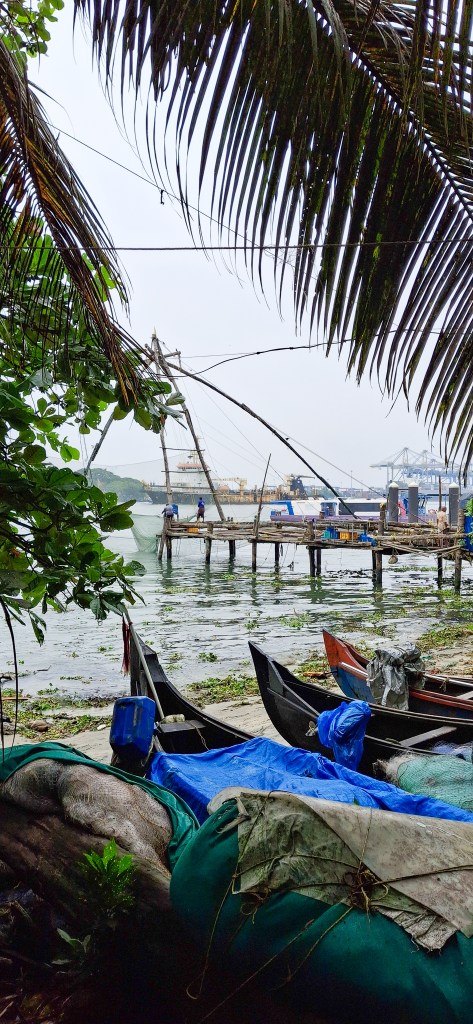
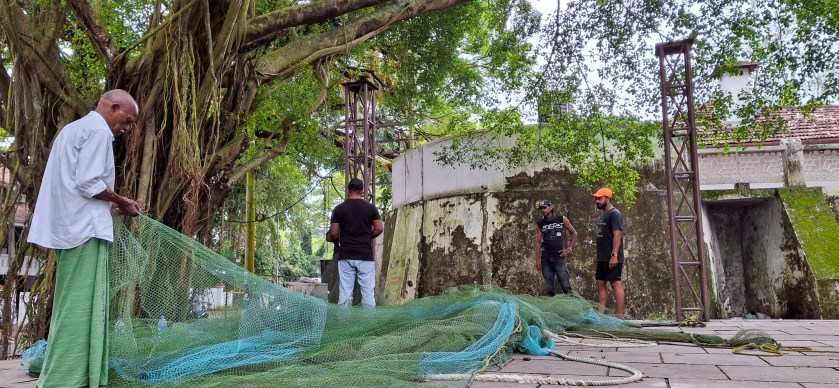
Chinese Fishing Nets: Along the coast, the iconic Chinese fishing nets — massive cantilevered nets — have been in use for centuries, believed to have been introduced by Chinese traders in the 14th century. Watching them being lowered and raised using a system of ropes and counterweights was quite something, especially at sunset.
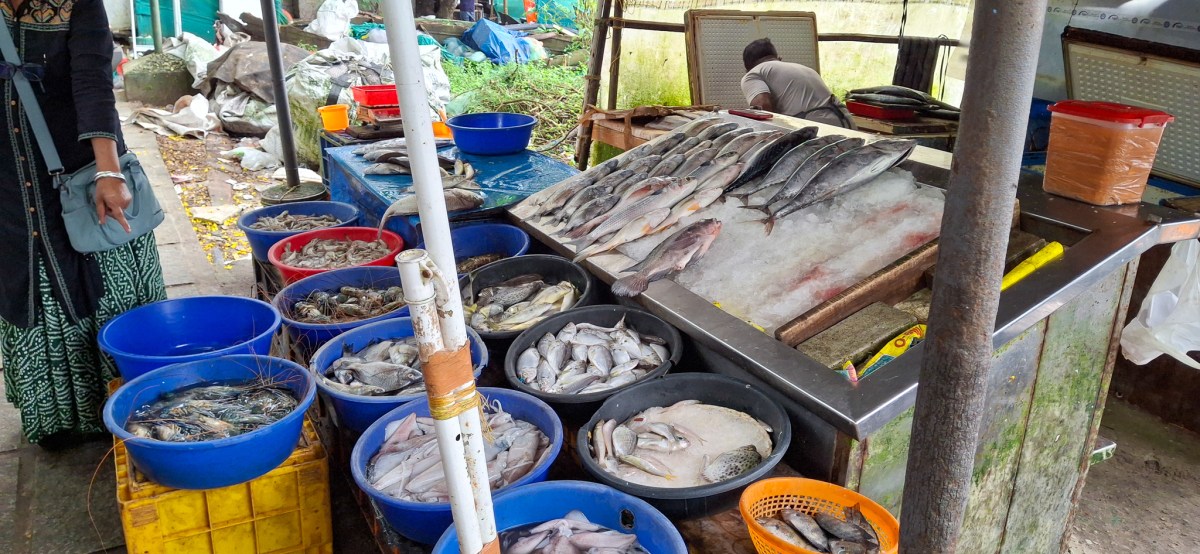
We also wandered around the little fish market nearby, seeing the day’s catch being sold and the fishermen busy at work.The nets are still used today, not just as a working method of fishing but as a lasting symbol of Kochi’s long connection with overseas trade. Very interesting
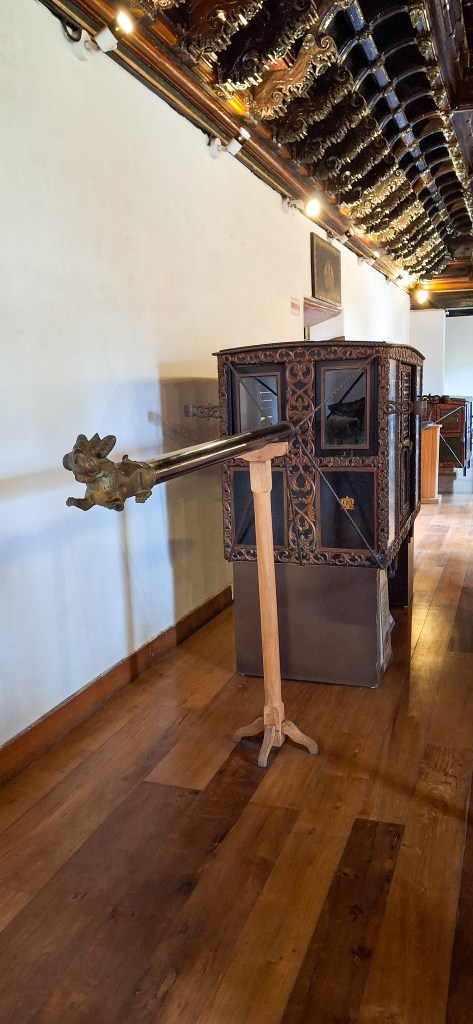
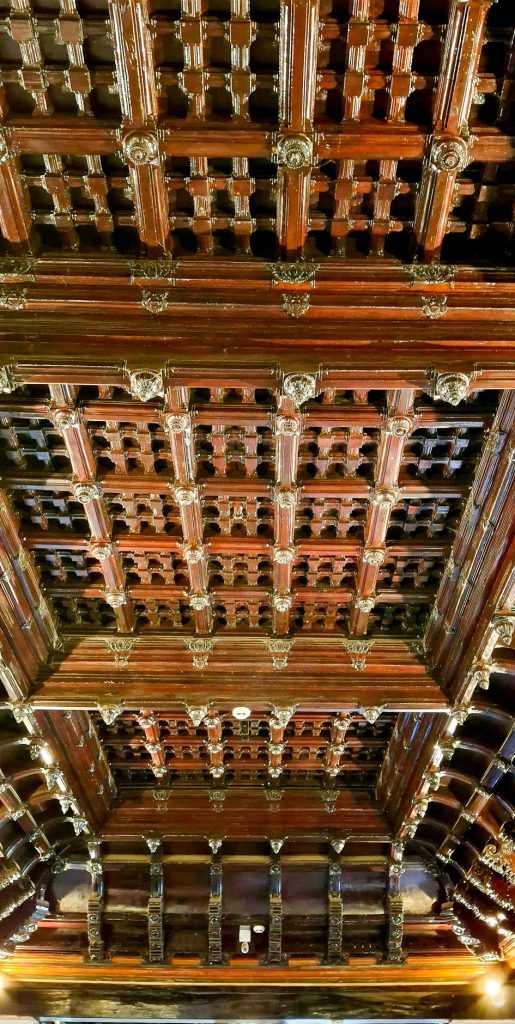
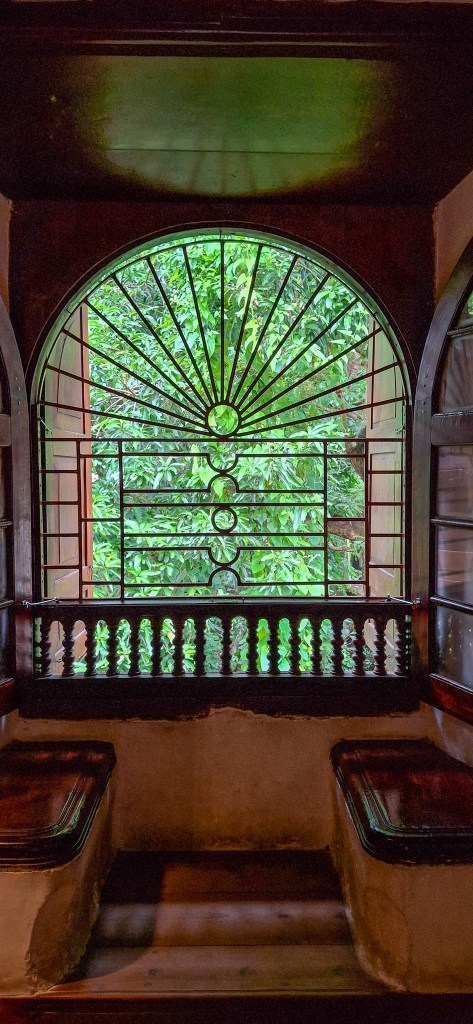
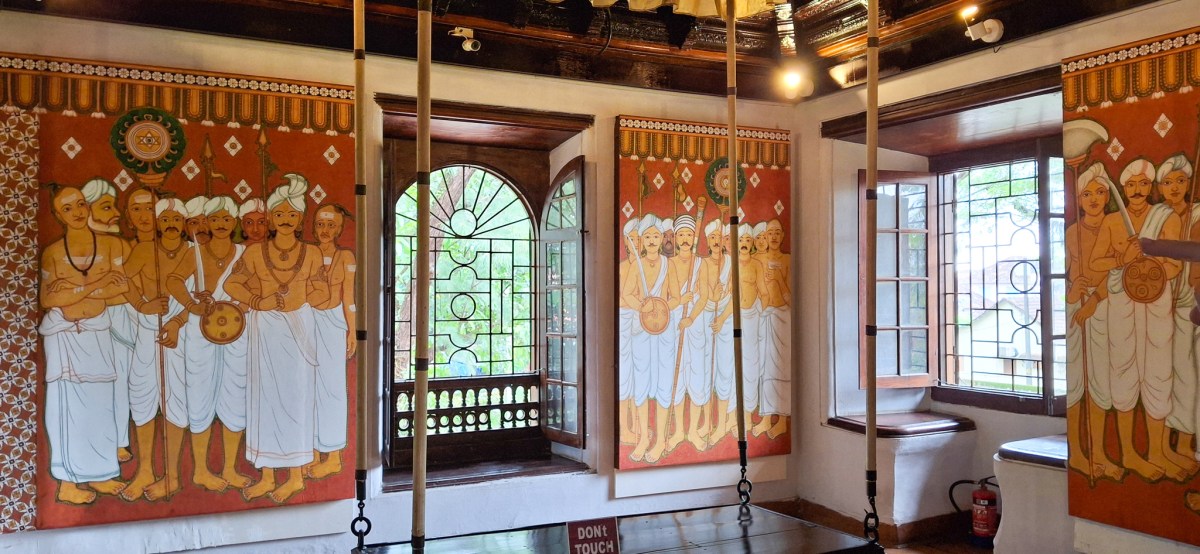
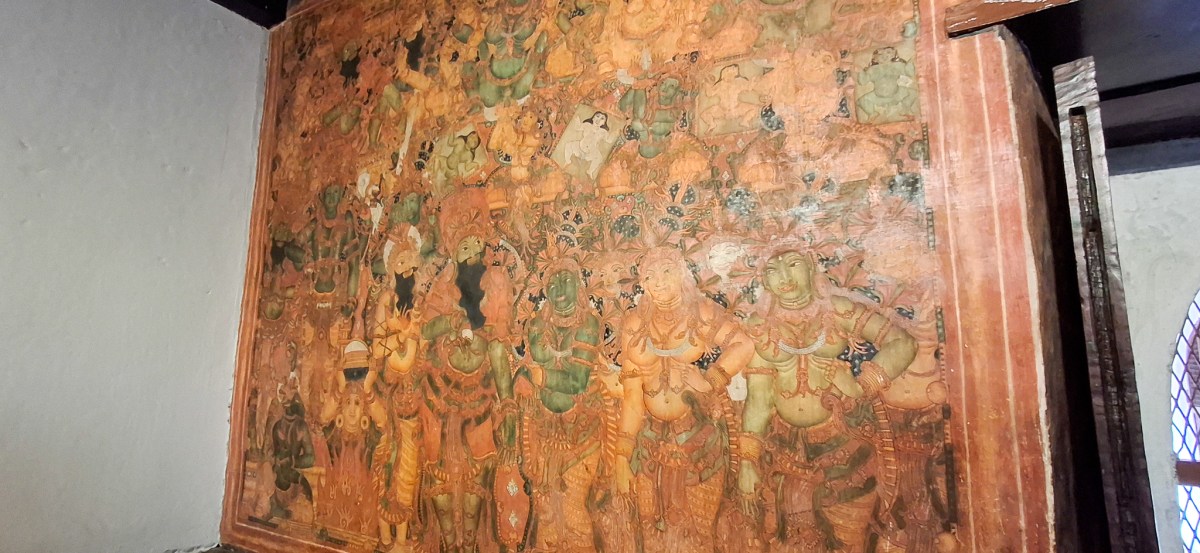
The Dutch Palace (Mattancherry Palace): Built in the 16th century by the Portuguese and later renovated by the Dutch, the palace offered a lovely glimpse into the region’s royal history. Inside, the walls are covered with detailed murals depicting scenes from the Ramayana and other Hindu legends, along with royal portraits and artefacts. The traditional Kerala-style architecture, with its wooden ceilings and inner courtyards, made it just as interesting as the exhibits.
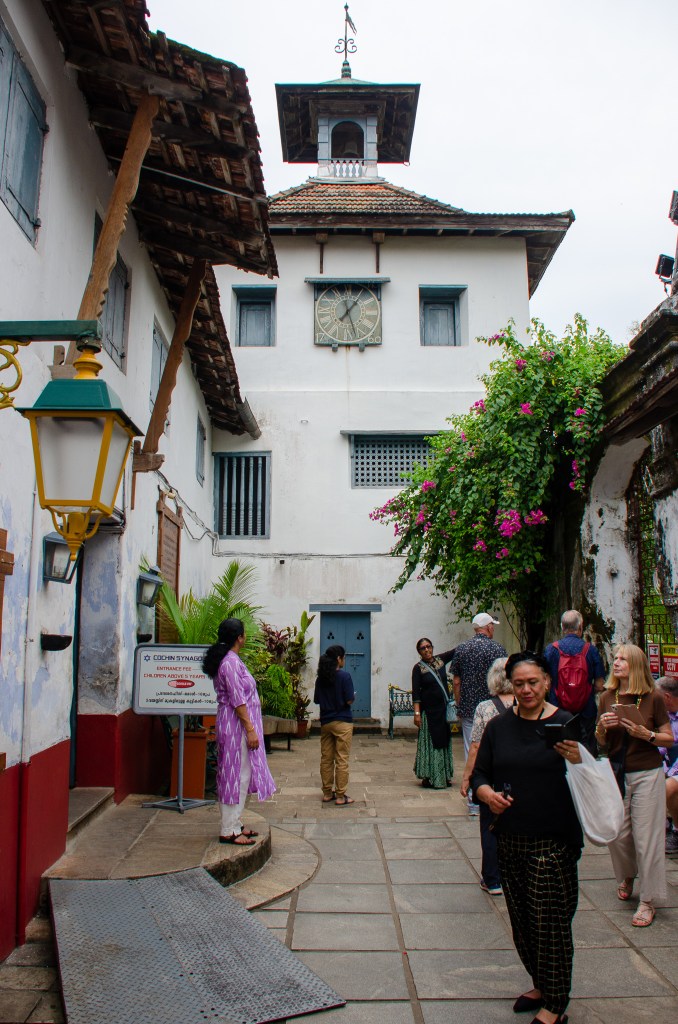
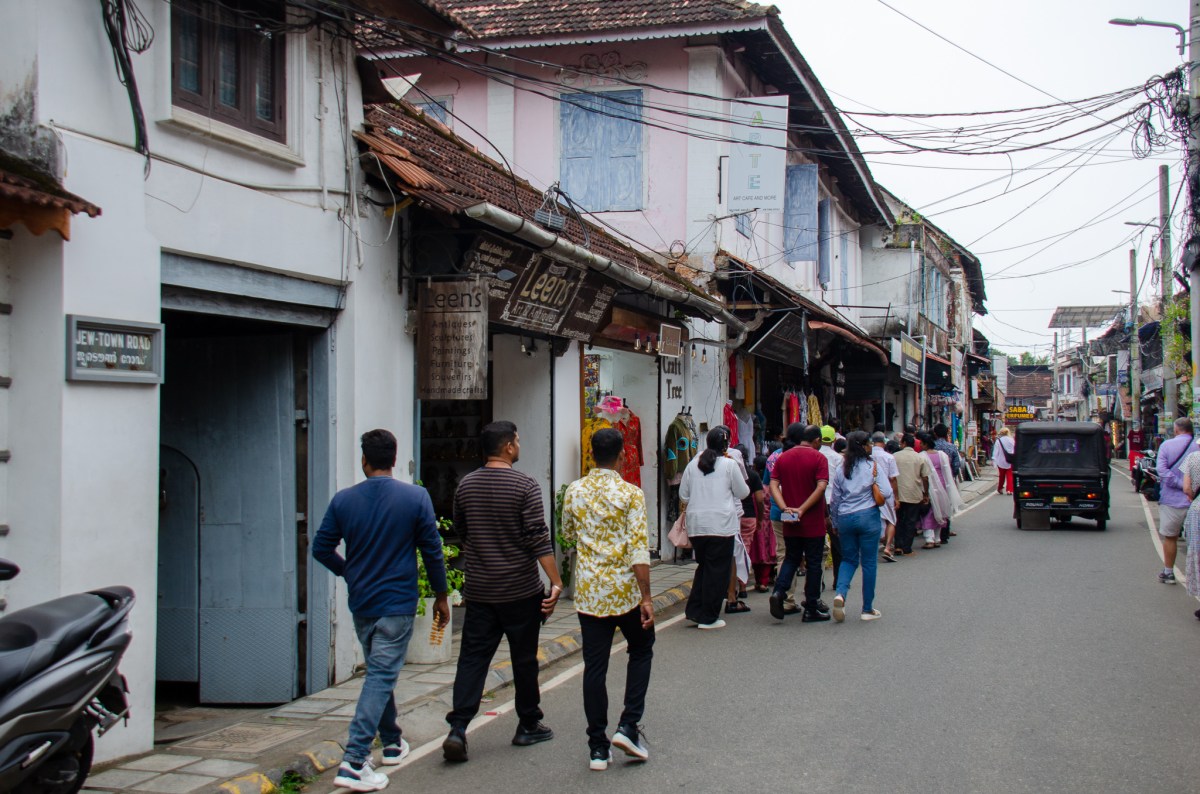
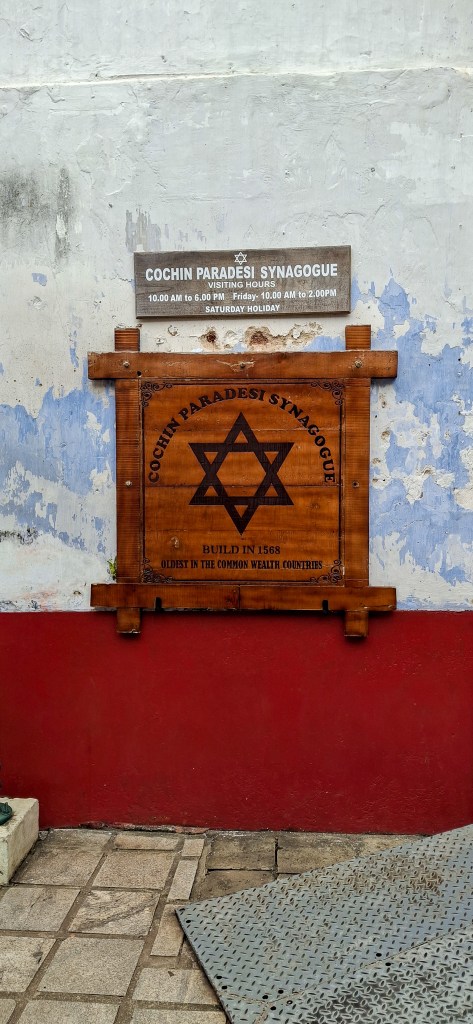
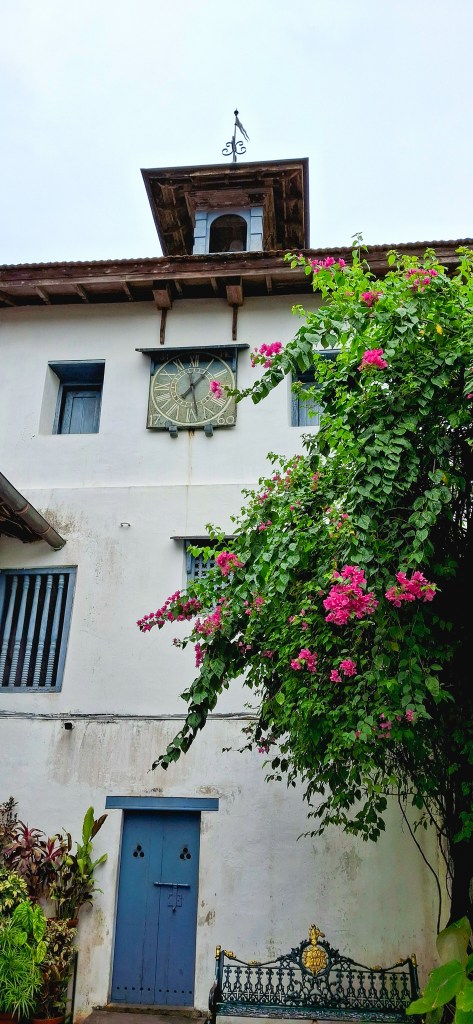
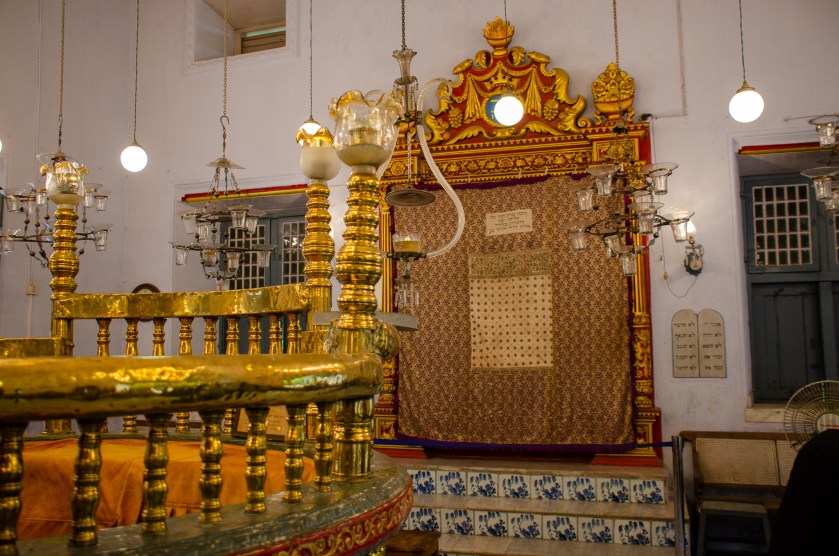
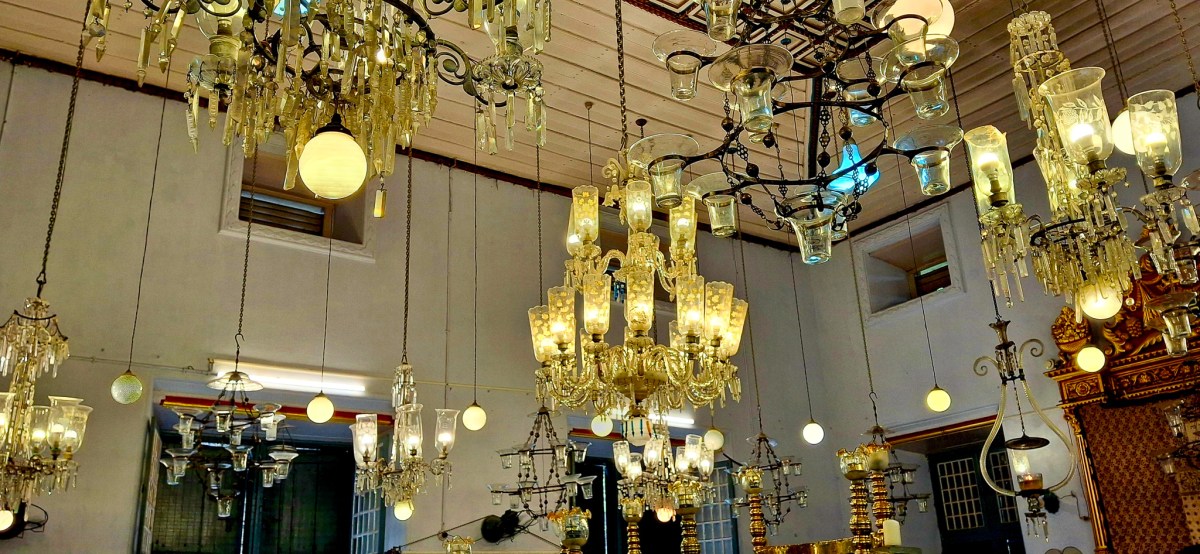
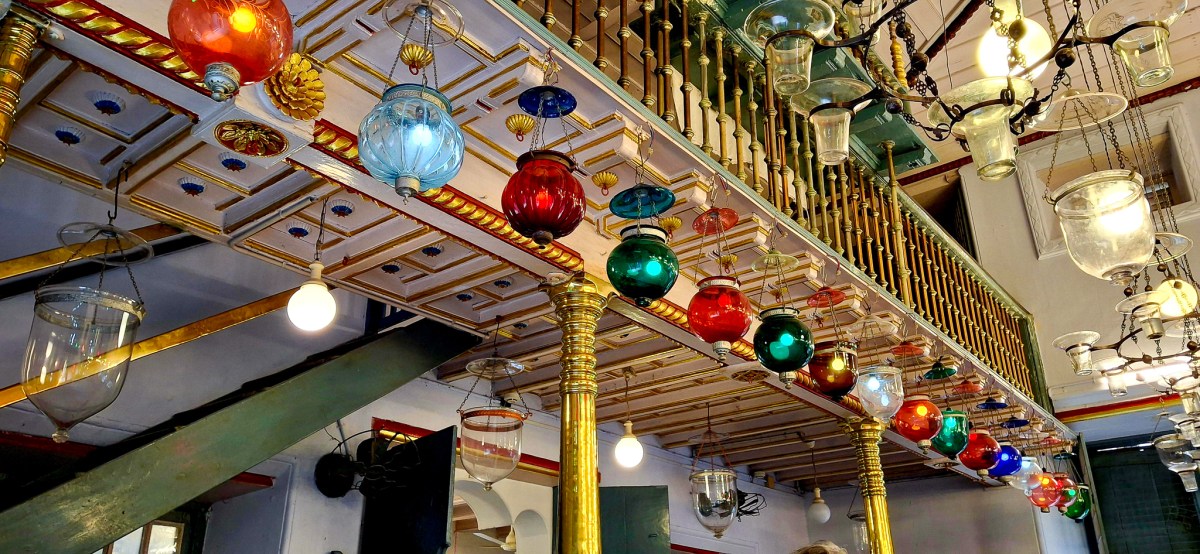
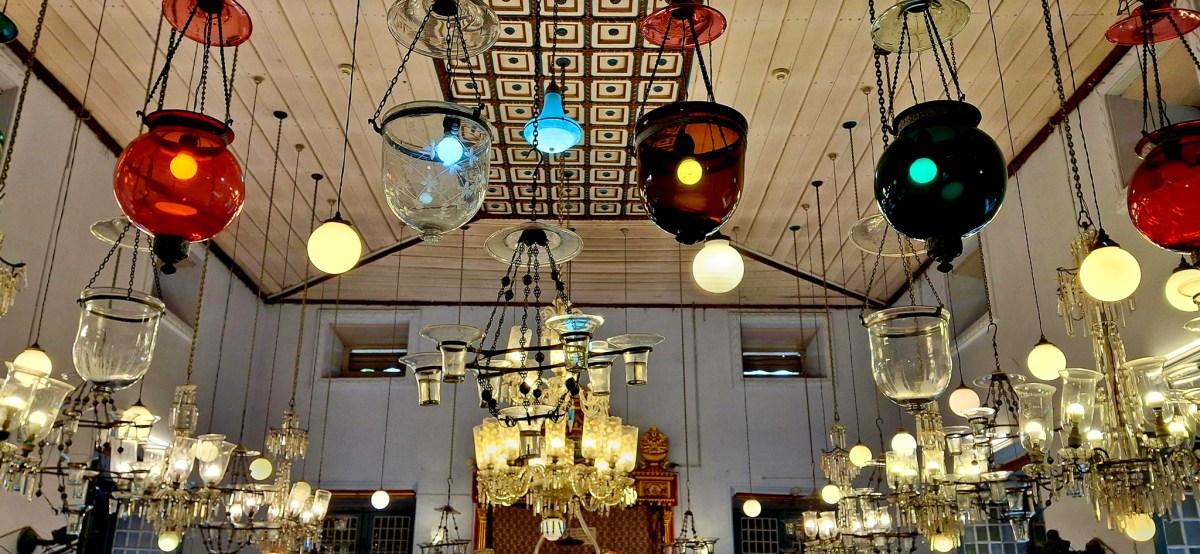
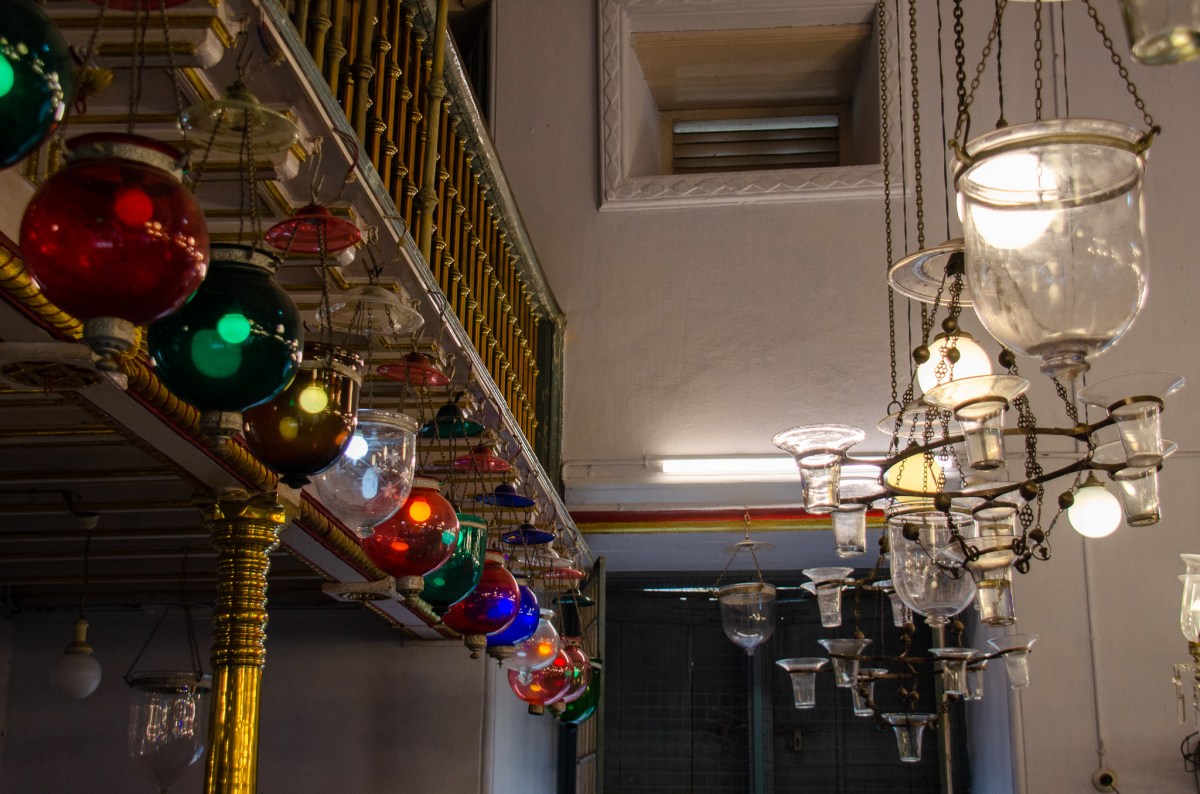
Jewish Synagogue (Paradesi Synagogue): Tucked away in Jew Town, the Jewish Synagogue in Kochi is a quiet and very special place to visit. Built in 1568, it is the oldest active synagogue in the Commonwealth. As we stepped inside, we noticed the beautiful hand-painted blue and white Chinese tiles on the floor — no two are the same — and the grand crystal chandeliers hanging above. It has a calm, almost timeless feel.
The synagogue is still used by the small remaining Jewish community, and you can sense its long history in every corner. There are old scrolls, brass lamps, and a simple clock tower outside that has been keeping time for centuries. It was a gentle and reflective stop, and a reminder of how many different cultures have passed through and shaped Kochi over the years.
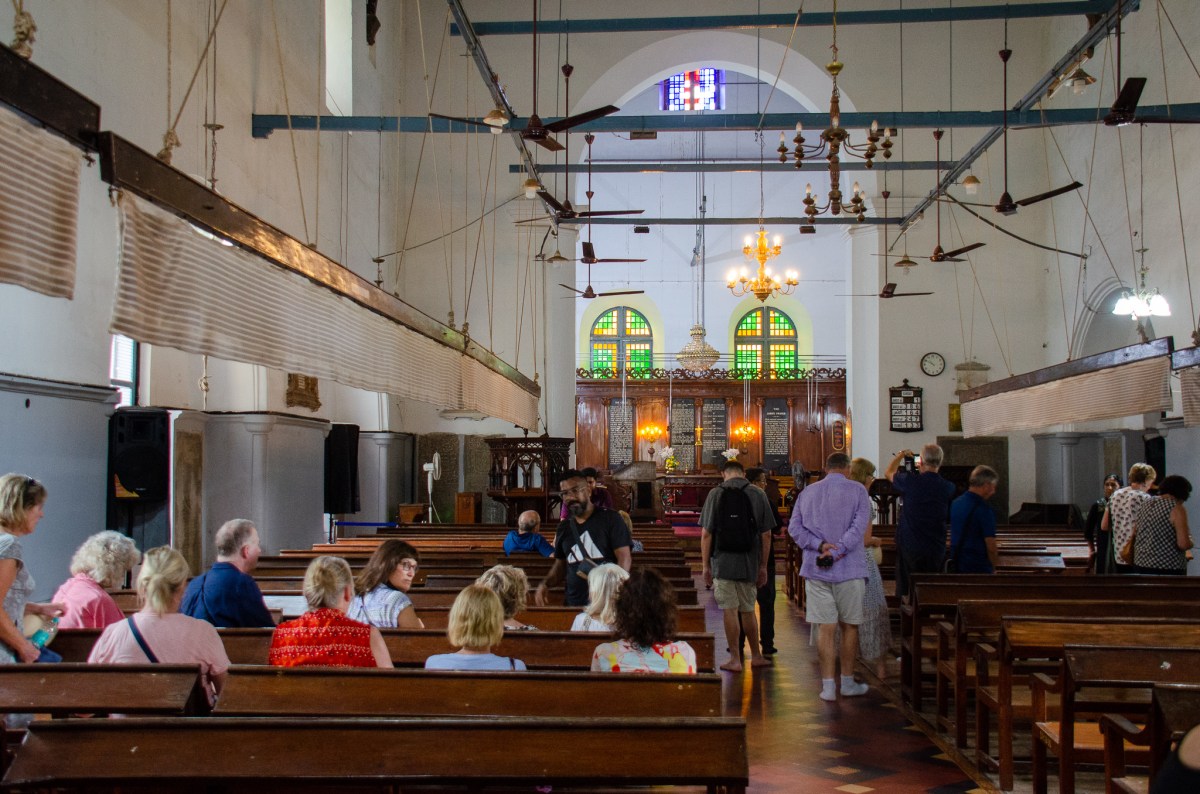
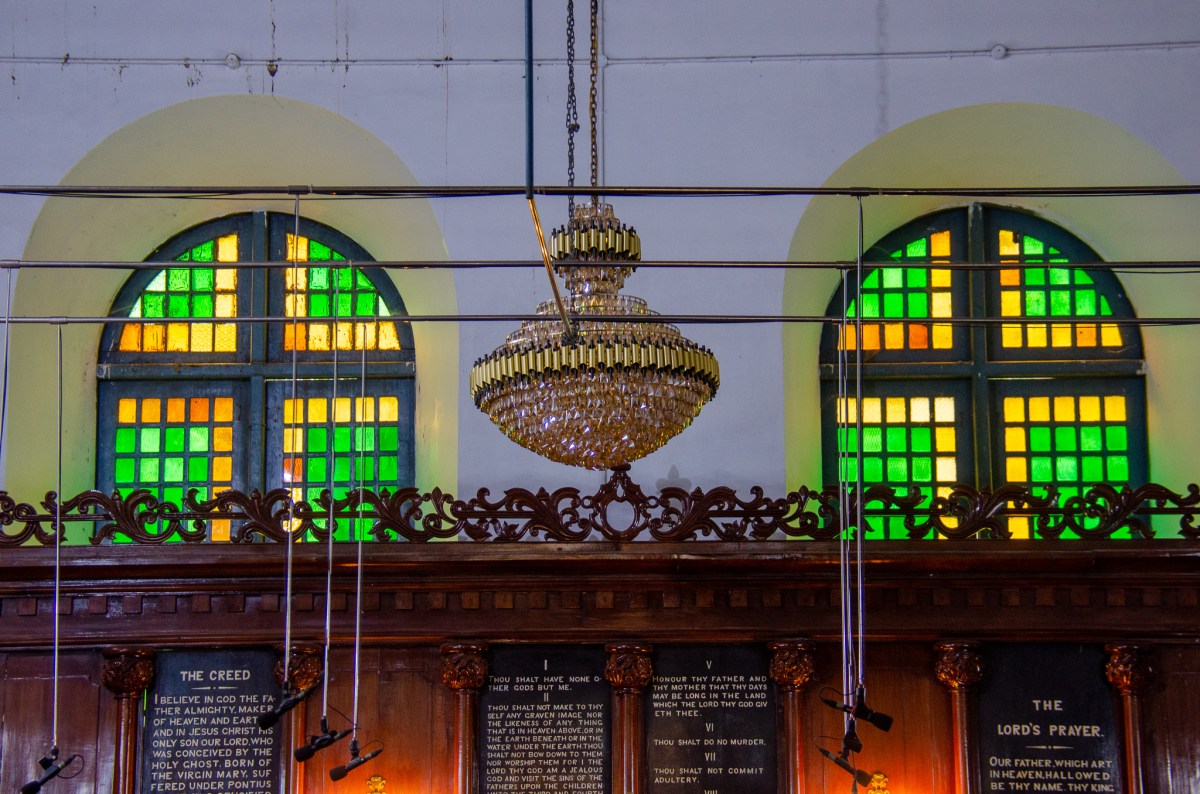
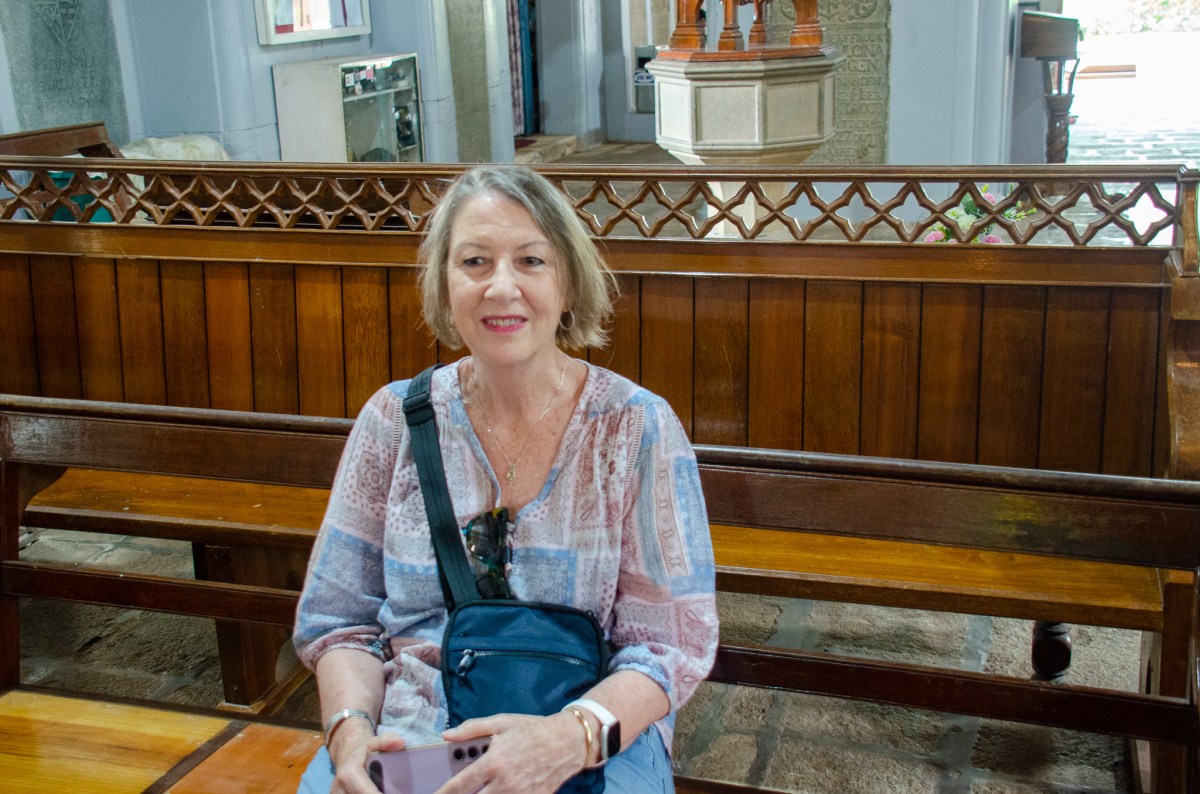
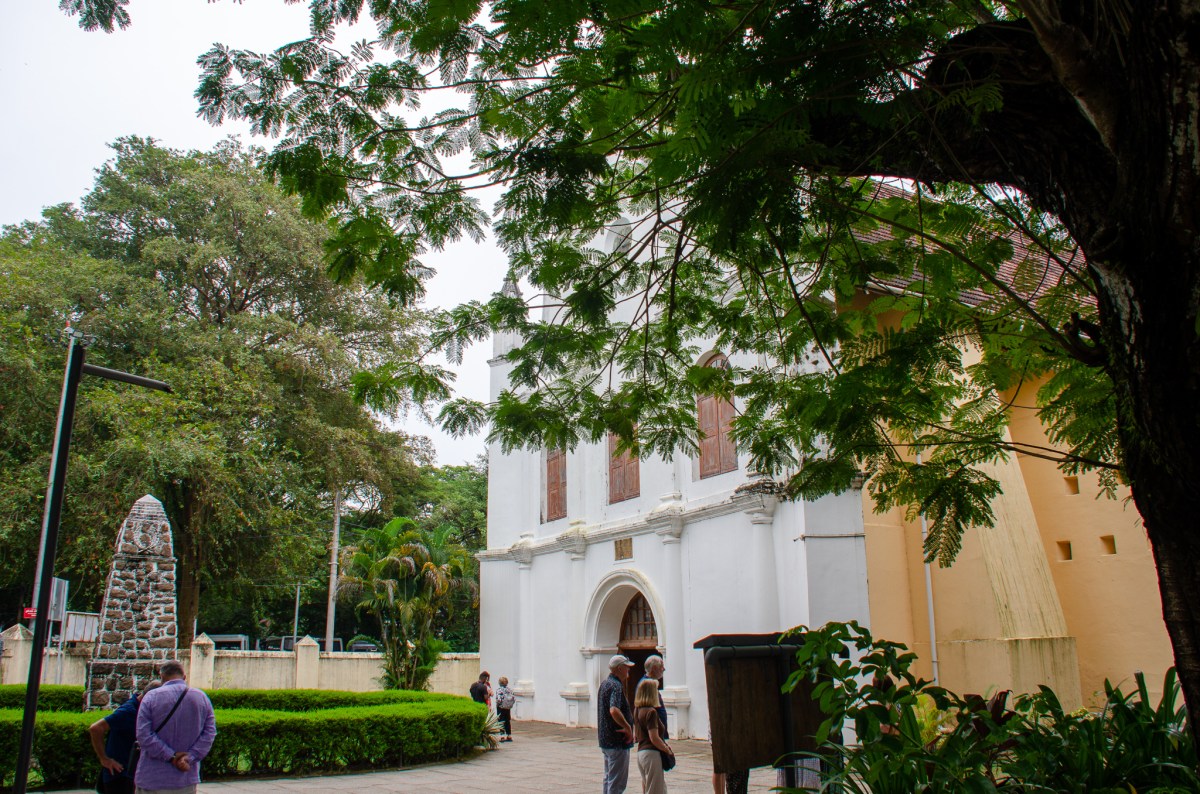
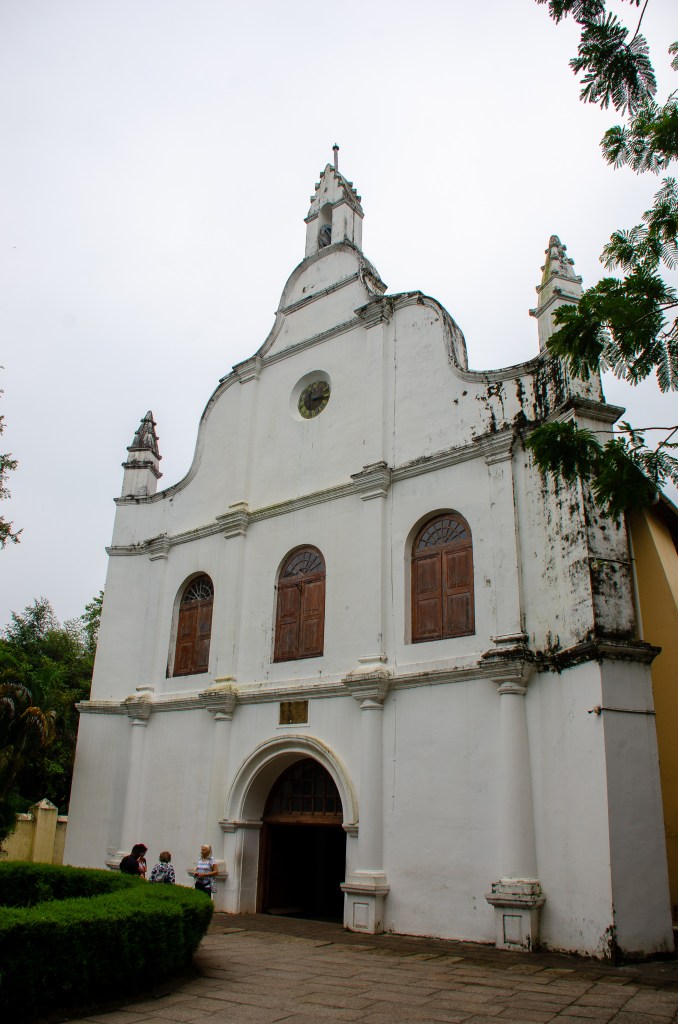
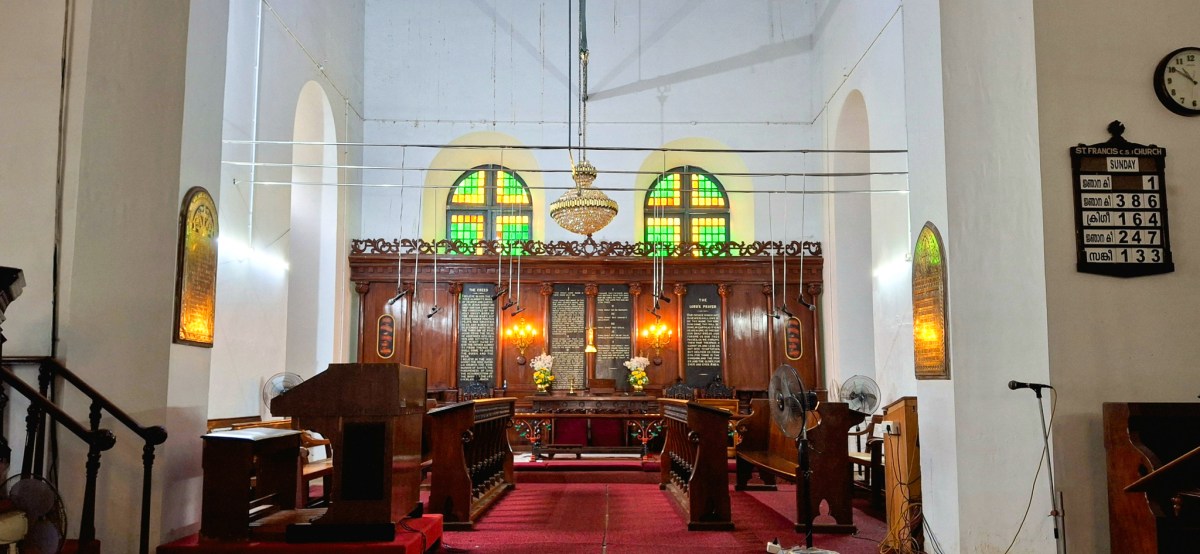
St. Francis Church: Dating back to the early 1500s, this is the oldest European church in India and has a very simple, peaceful feel compared to many grand churches. It was the original burial site of Vasco da Gama before his remains were moved to Lisbon. Inside, there are old memorial plaques and wooden features that quietly tell the story of Kochi’s colonial past.
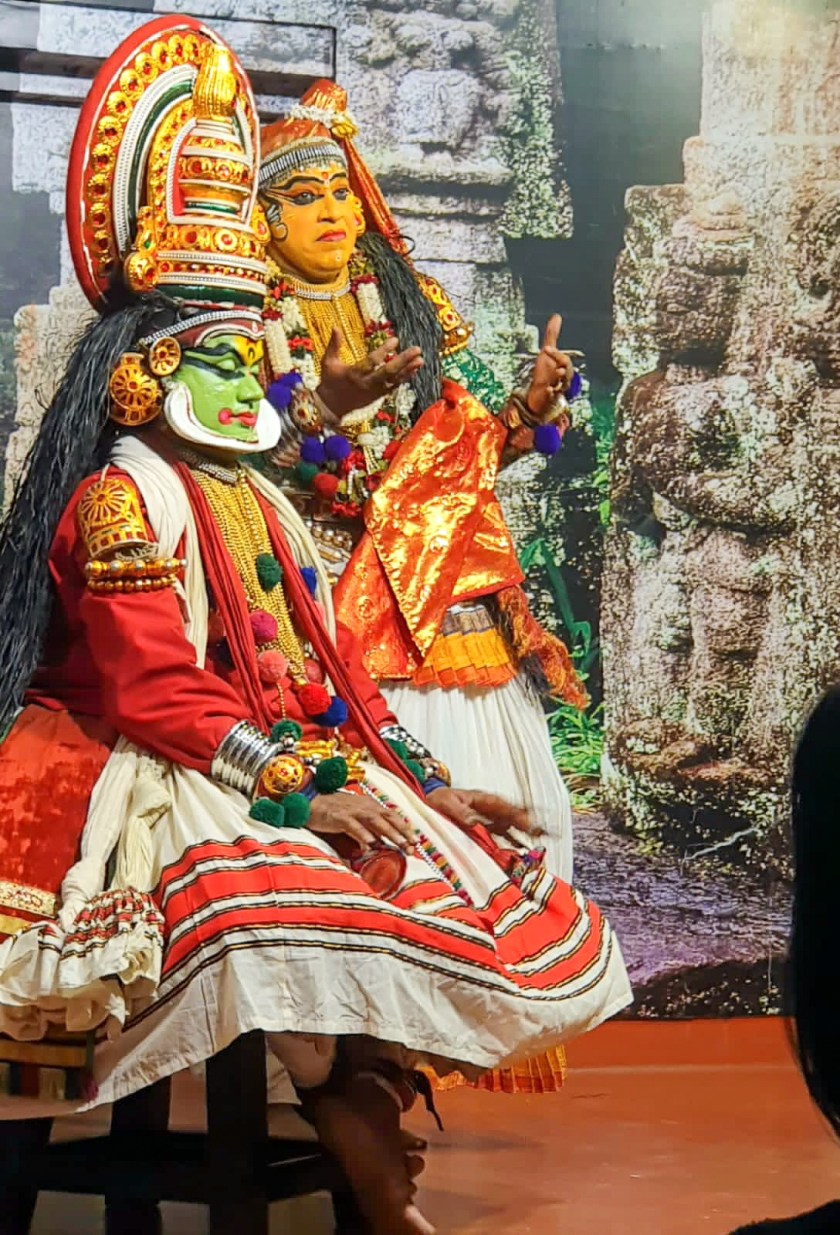
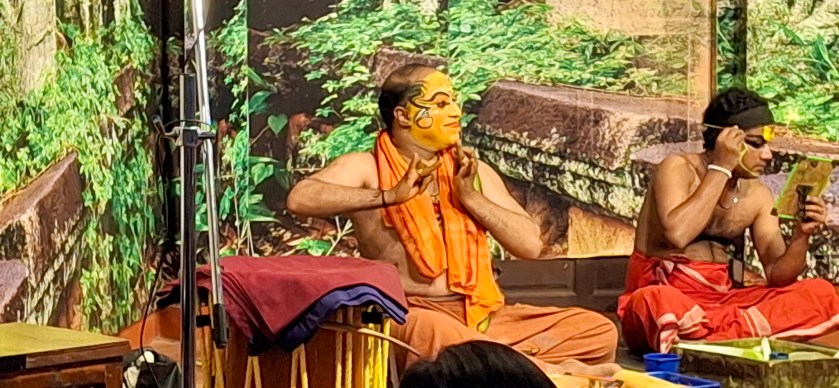
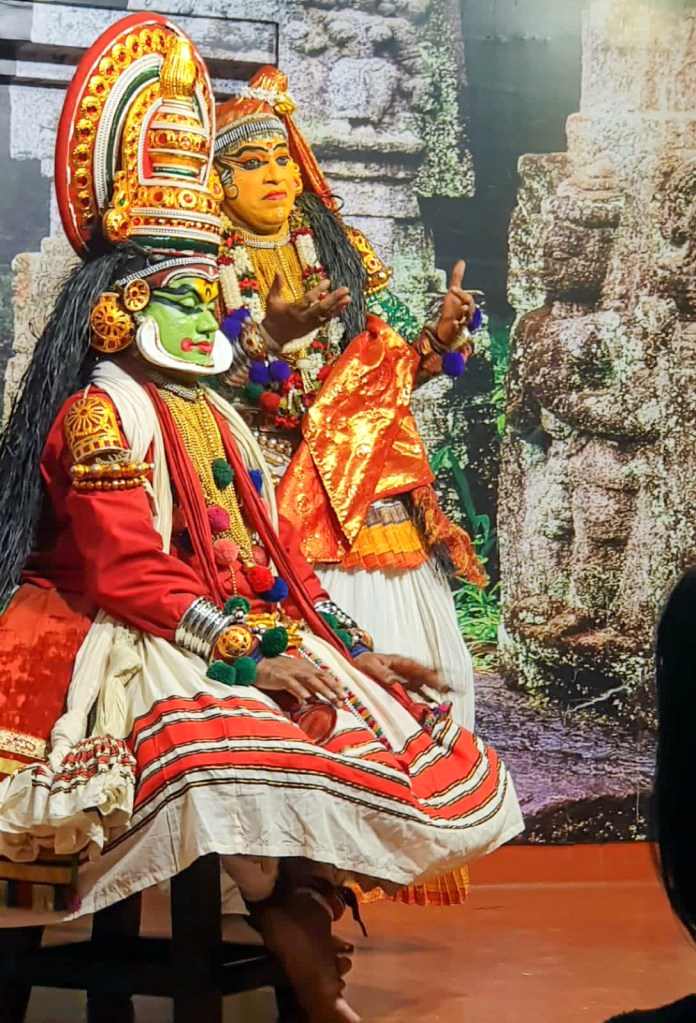
Kathakali Dance Performance: In the evening, we watched a Kathakali dance show. The elaborate costumes, dramatic make-up, and intricate hand and eye movements were captivating, with each gesture telling part of a story from ancient epics.
We even arrived early to watch the performers carefully apply their makeup, which was fascinating in itself. At the end, the screaming demon gave us a fright and had us rolling in laughter.
Accommodation in Kerala
The hotels and resorts we stayed at were beautiful and often in stunning locations. Rooms were comfortable, clean, and gave very welcome respite after long drives or early mornings.
What stood out was the variety. We stayed in hill resorts surrounded by tea gardens, cosy backwater villas, and coastal resorts by the ocean. Each place had its own character, and together they shaped our experience of Kerala beautifully.
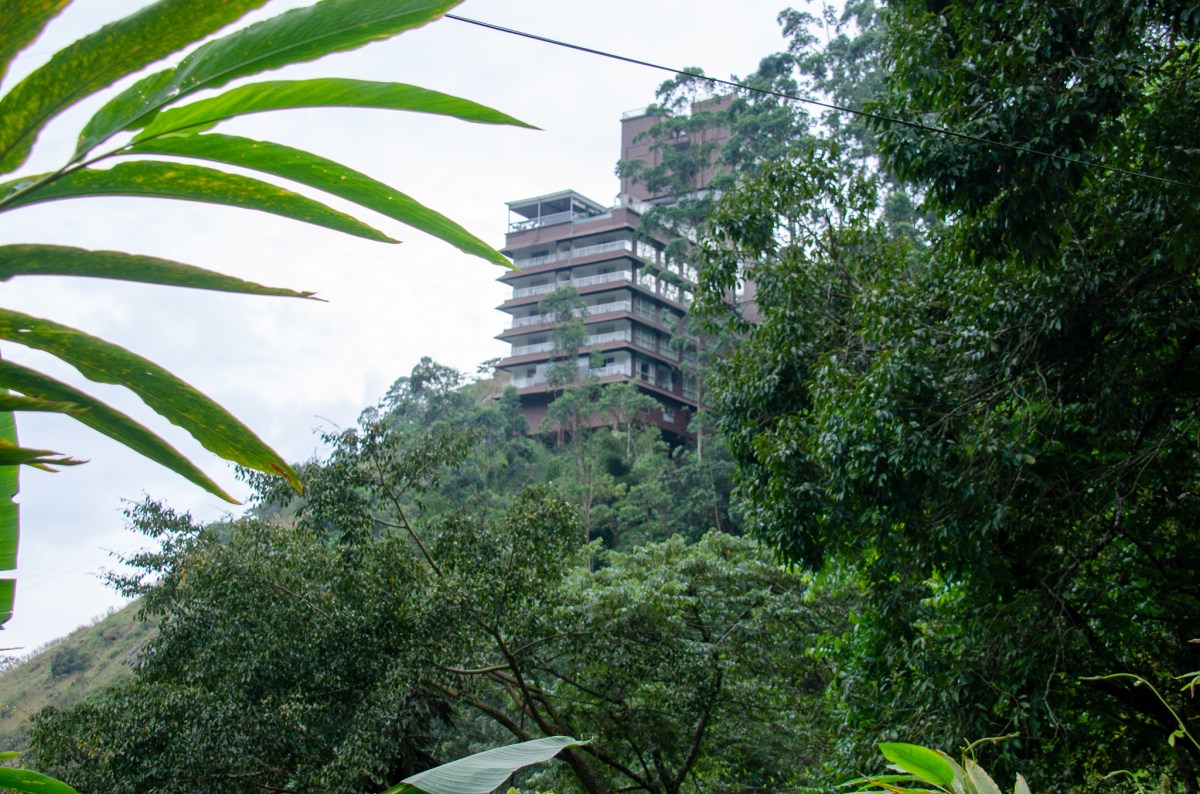
One of the hotels had a problem… Blanket Days, Munnar looked great, vey imposing with beautiful views however, the restaurant service was poor and disappointing.
| Hotel Name | Location |
|---|---|
| Blanket Days Resort | Periyar |
| Blanket Days Hotel & Spa | Thekkady |
| Lockhart Tea Factory | Munnar |
| Hotel Kumarakom Lake Resort | Kumarakom |
| Luxury Houseboat Spice Route | Alleppey |
| Vivanta Ernakulam Marine Drive | Kochi |
Food
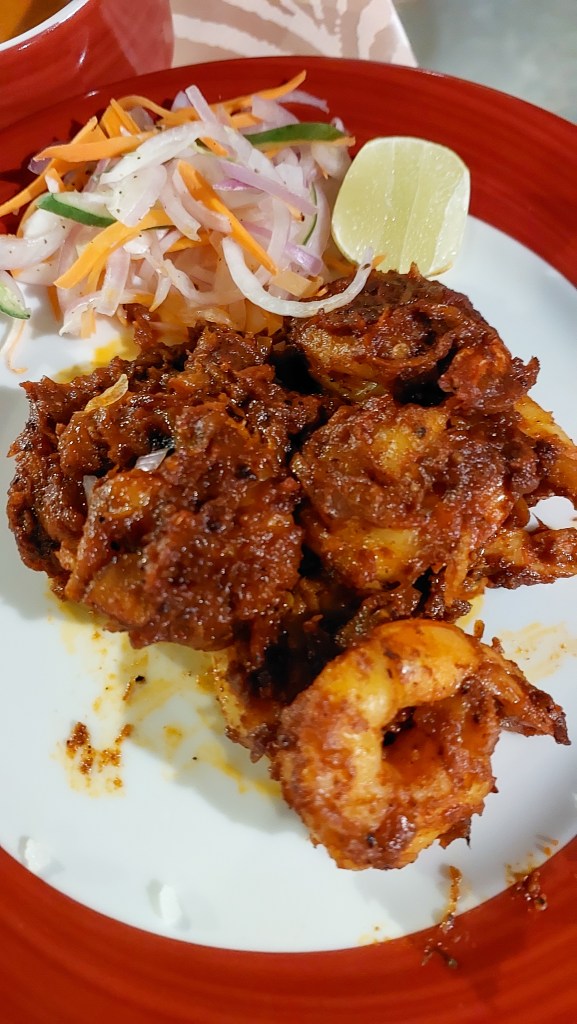
Kerala’s food was a highlight on this part of the trip — fragrant, fresh, and full of local flavour. Breakfast often included idli, dosa, and appam hoppers, served with coconut chutney or mild vegetable stew. Puttu with kadala curry became a favourite — simple, comforting, and delicious.
Lunches gave us the chance to try Kerala Thali, a traditional meal of rice with multiple small dishes: vegetable curries, fish or chicken curry, lentils, pickles, and papadum. Each place had its own twist, so it was fun to taste the regional differences.
One of the most memorable meals was on our houseboat in Alleppey. Freshly cooked curries, fried fish, vegetables, rice, and coconut sambol were served as we floated along the backwaters — truly a unique and relaxing experience.
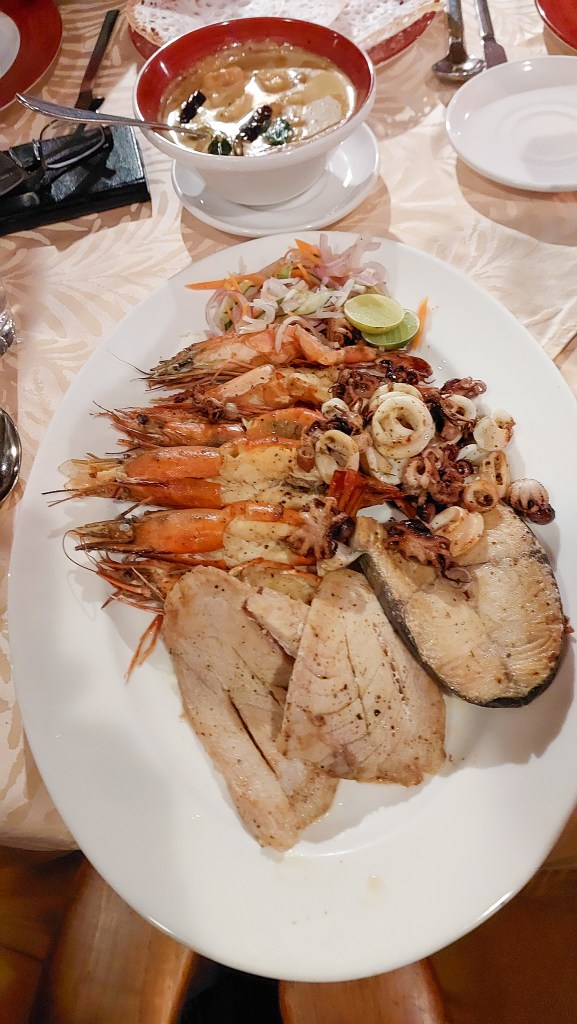
Snacks and street treats included banana chips, fried tapioca, and ada pradhaman (a coconut milk and jaggery dessert). Seafood in Kochi was fresh and lightly spiced. Even in smaller resorts, meals were plentiful and satisfying, keeping us well fuelled for sightseeing.
Reflections
Kerala offered a wonderful mix of nature, history, and culture. From wildlife at Periyar to misty tea plantations in Munnar, peaceful backwaters in Alleppey, and historic streets in Kochi, every day brought something new.
Some of the simplest moments became our favourites — tea breaks in Munnar, watching birds at Kumarakom, drifting along the canals, and sunset over the lake. Looking back at the photos once we were home, it was the little personal moments that stood out most — silly dancing on the houseboat, our not-so-romantic photos by the pool, and chatting with the hardworking tea pickers in Munnar. Of course, Basker was able to communicate in Tamil, which made those conversations even more special.
We could easily have spent more time here, feeling completely at home. But eventually it was time to move on — next stop: Sri Lanka. (read about it here)
Nanni for reading! Subha yatra from Kerala – ♡ Janet
Discover more from Life With Janet
Subscribe to get the latest posts sent to your email.


