
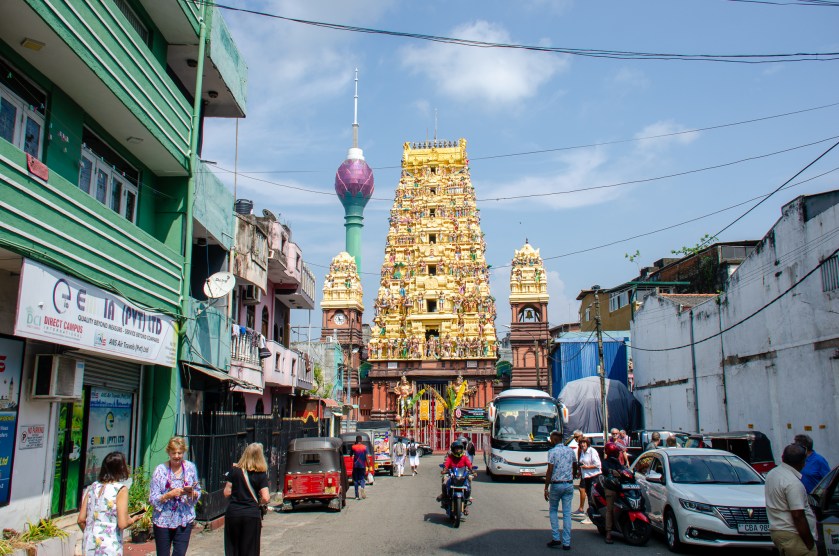
In November 2025, Basker and I spent just under two weeks travelling through Sri Lanka with a small group of friends. It was part of a longer journey through South India and Sri Lanka then on to Malaysia, and this section became one of the real highlights.
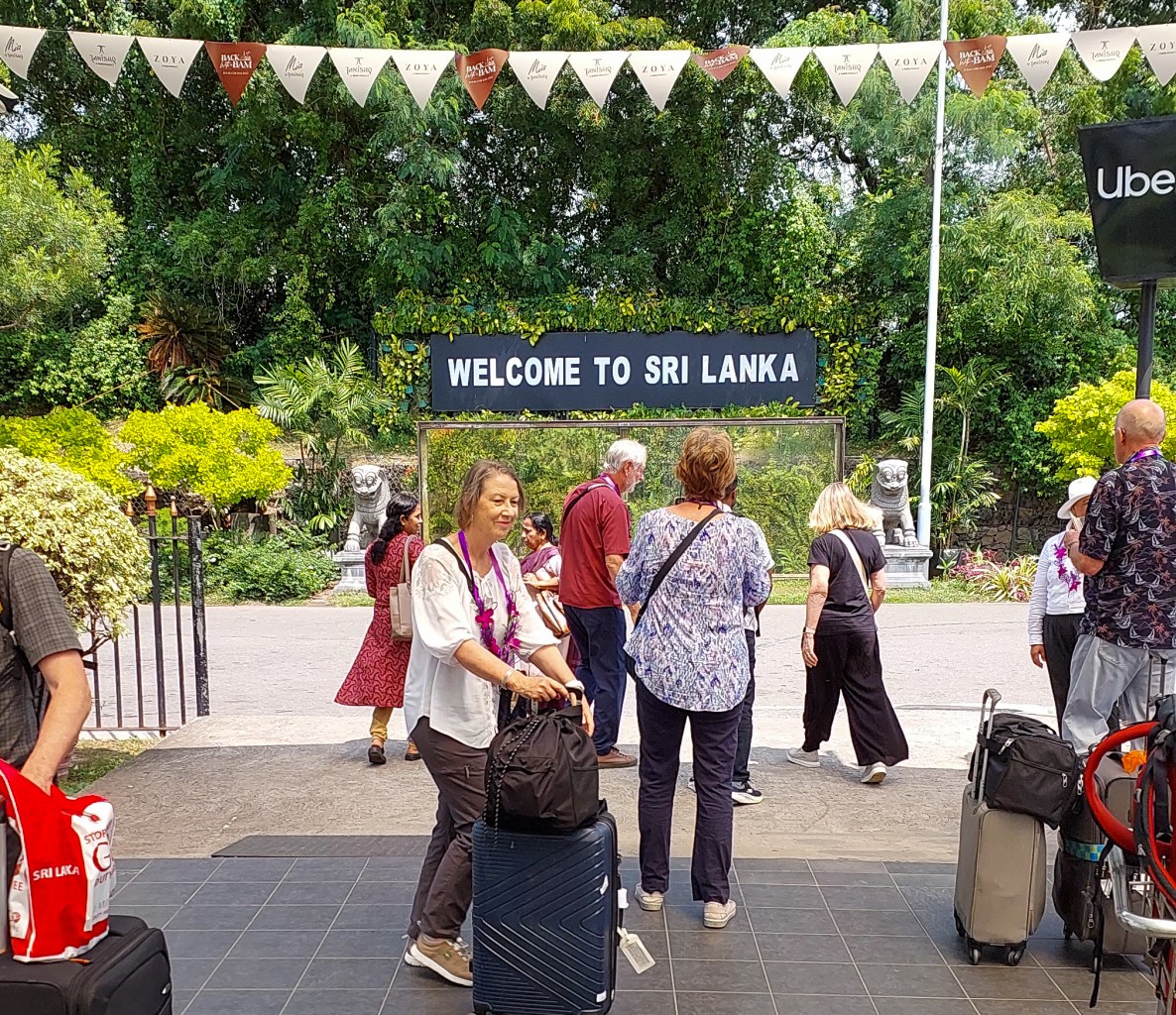
Here’s a relaxed wander through our time in Sri Lanka — small moments, places we passed through, meals we shared, scenery that made us stop and look twice, and the everyday pace of travel along the way.
We were very lucky with the timing. The weather was warm but not too hot, perfect for sightseeing and long drives, with only one wet day during our stay. Not long after we left, heavy rains caused serious flooding in several of the places we had just visited. Seeing the news was quite a shock, and our hearts went out to the people, especially those in areas we had recently passed through that were devastated by the floods. Kia kaha, kia māia, kia manawanui.
Travelling with a small group of friends kept everything easy and enjoyable — plenty of laughter, shared meals, and time to take things at a comfortable pace. From busy towns to quiet countryside, ancient temples to wildlife parks, misty hills to the coast, Sri Lanka surprised us with something different every day.
Colombo
Arrival: We flew from Kochi to Colombo and were greeted and picked up at the airport before transfering to our hotel, Cinnamon Lakeside.
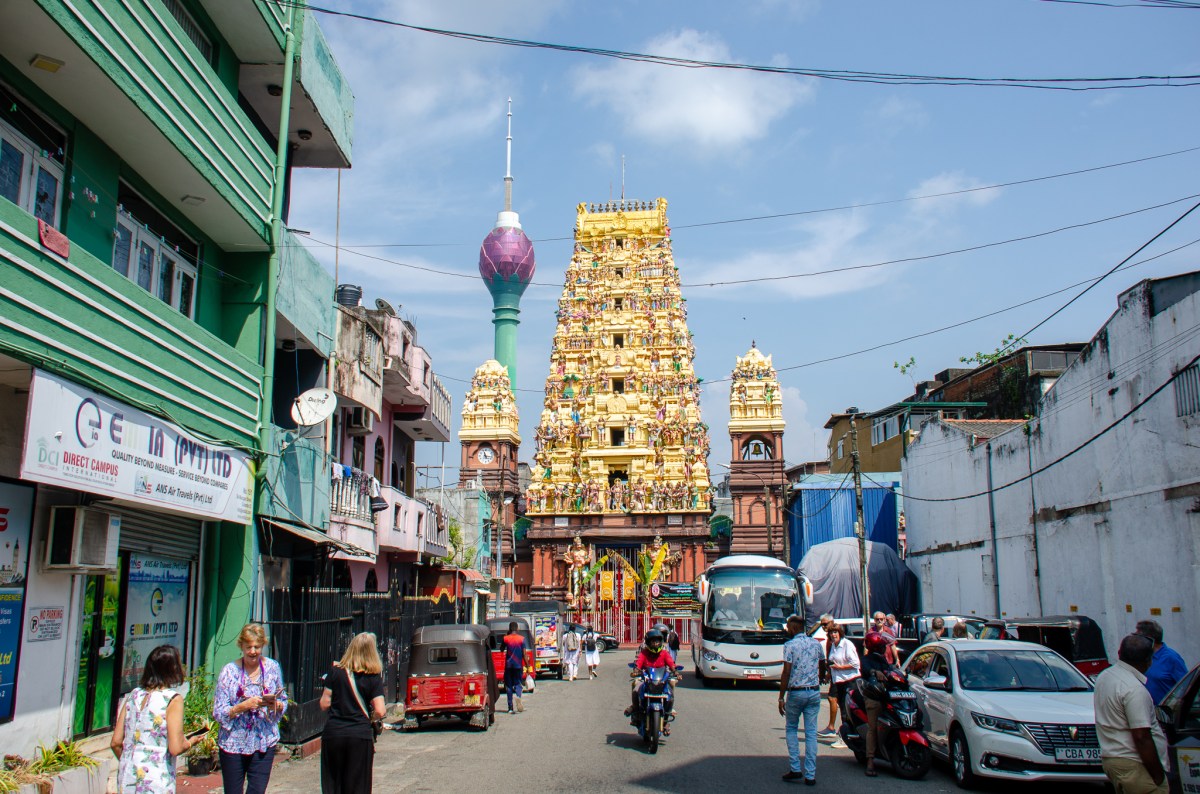
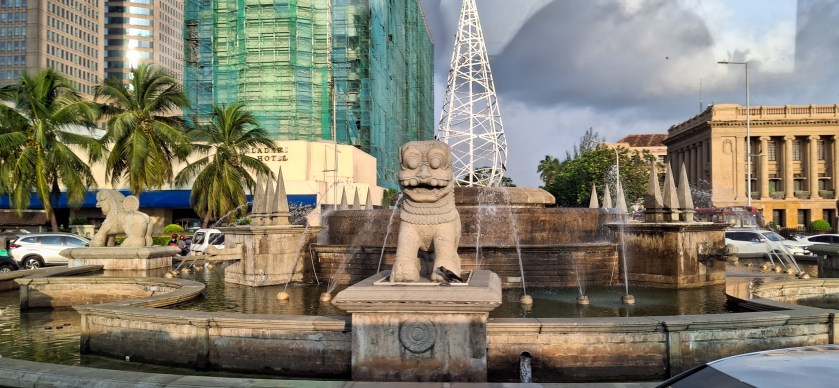
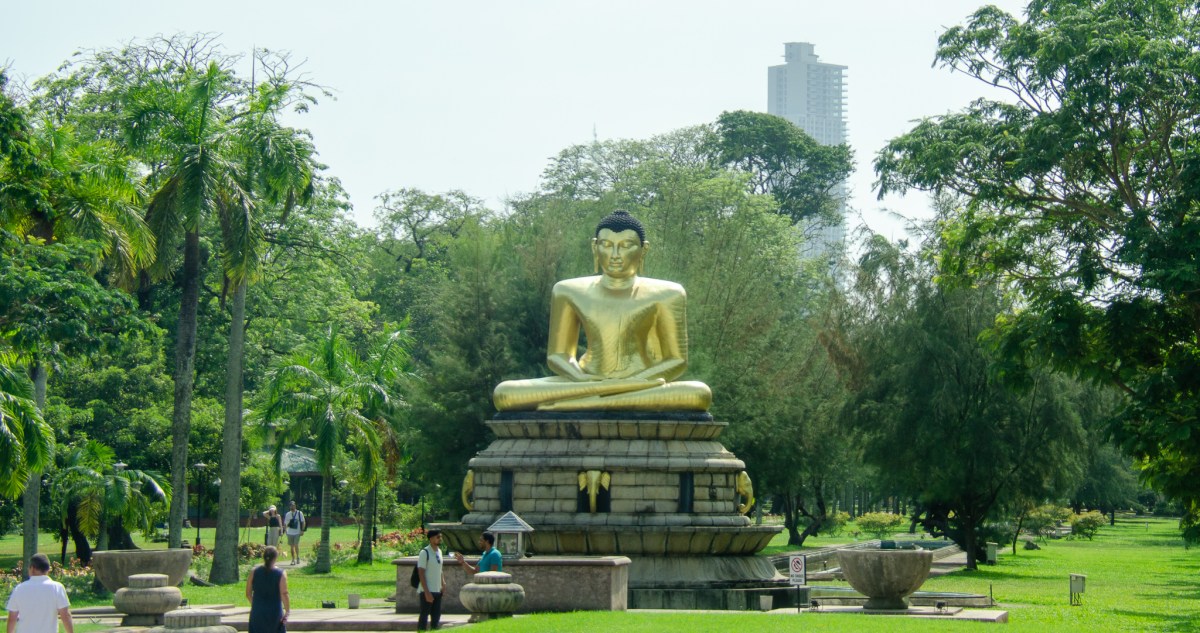
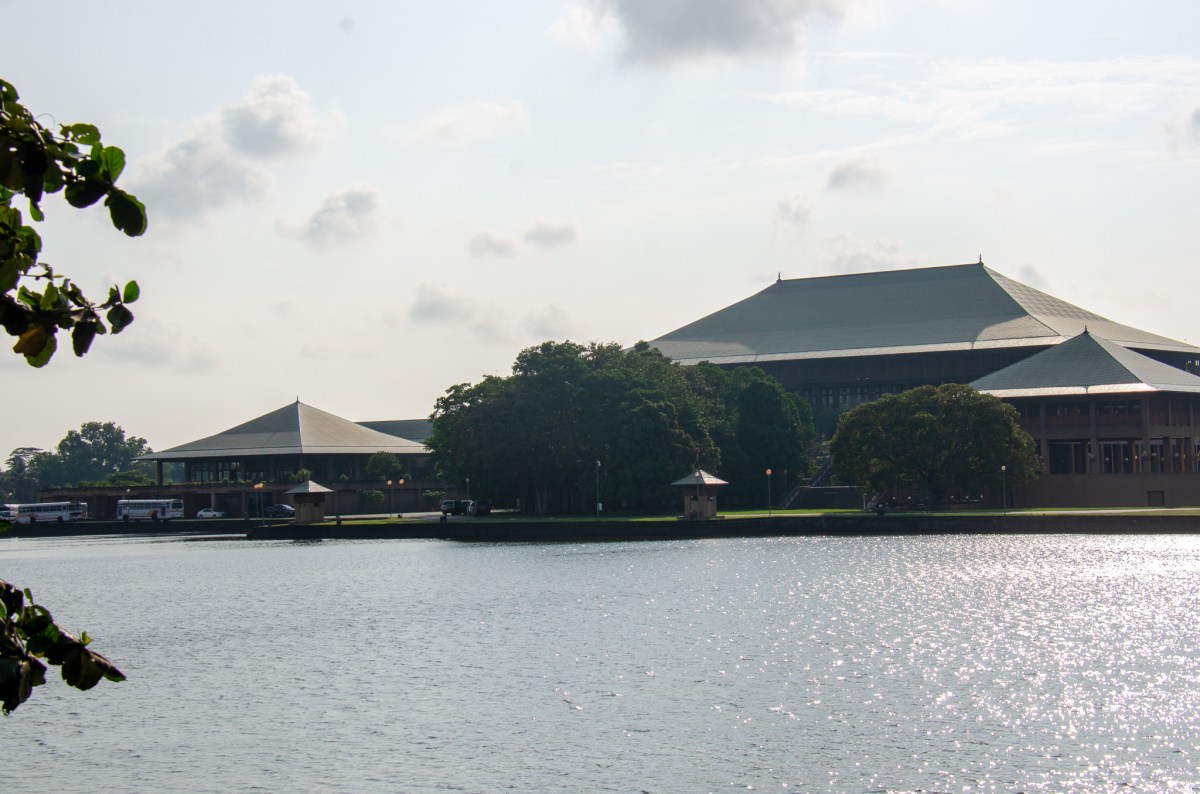
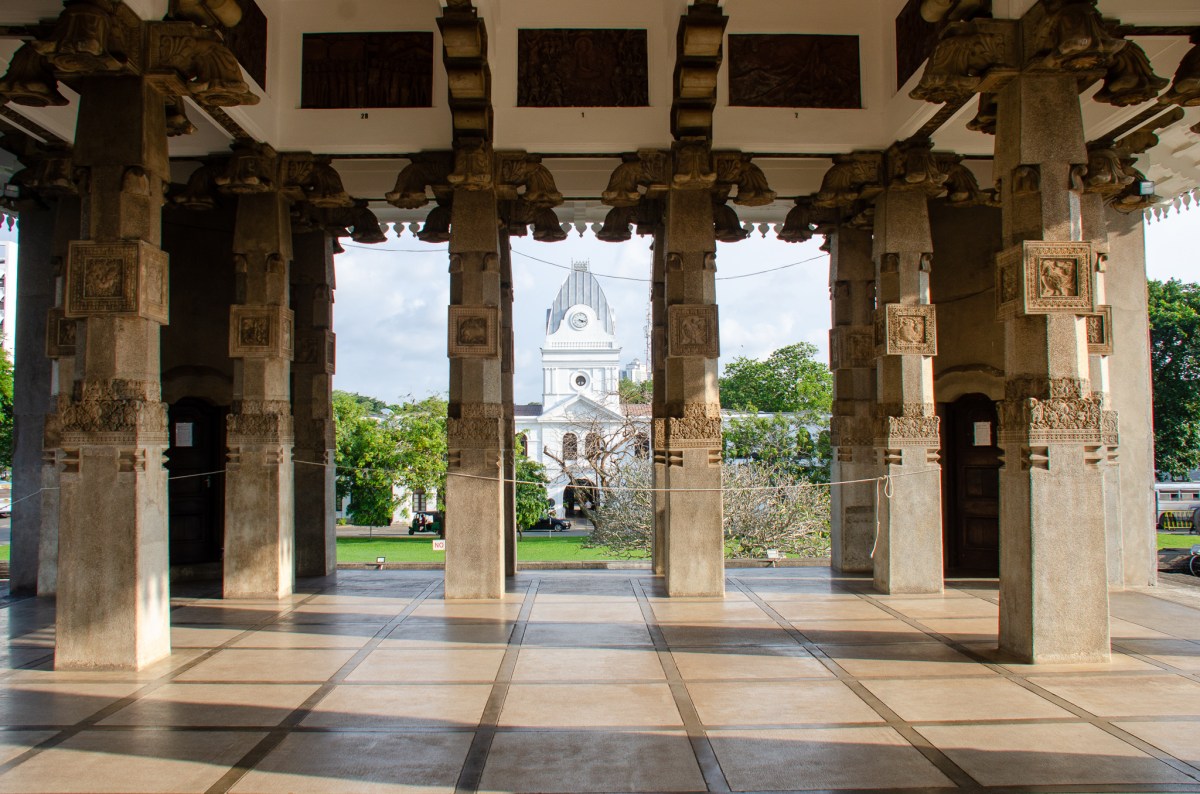
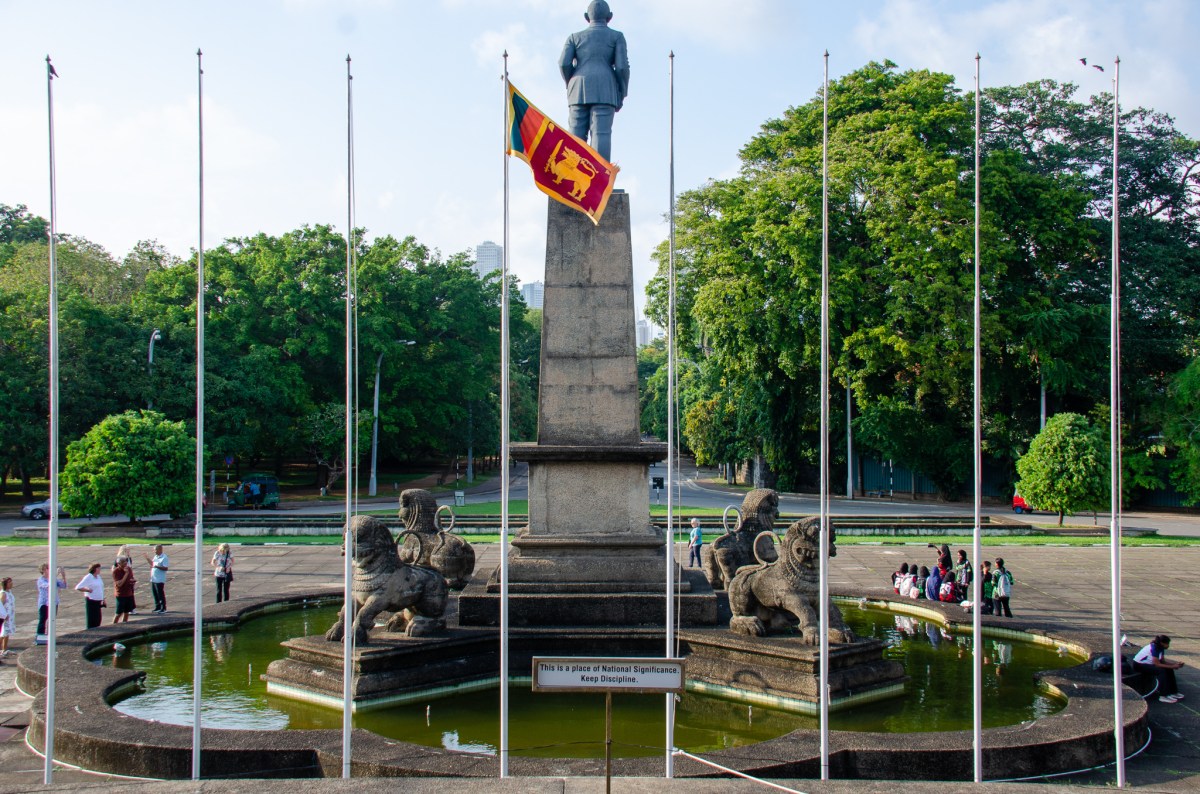
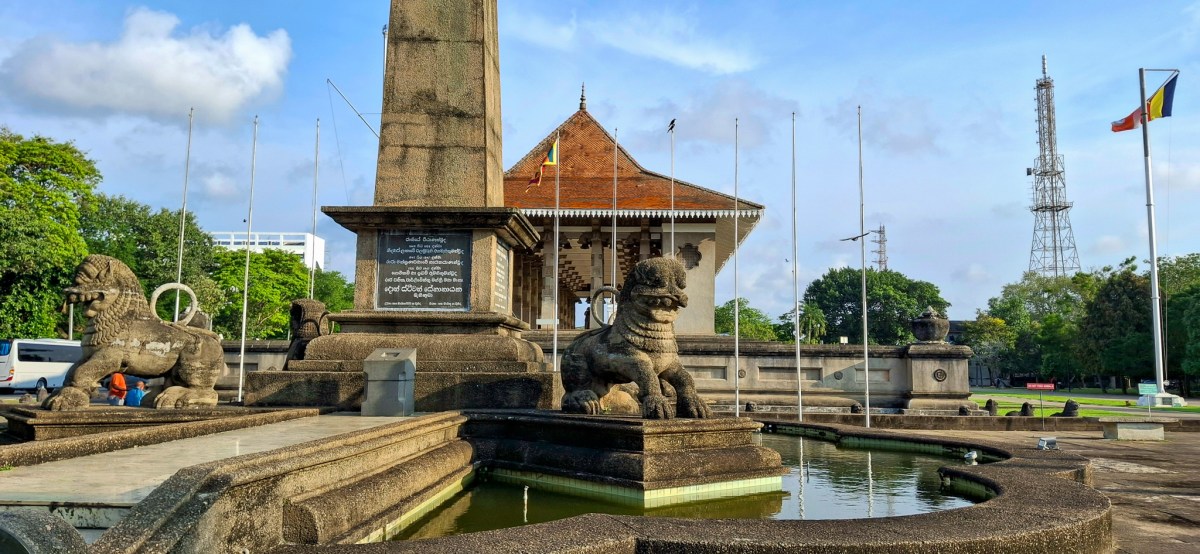
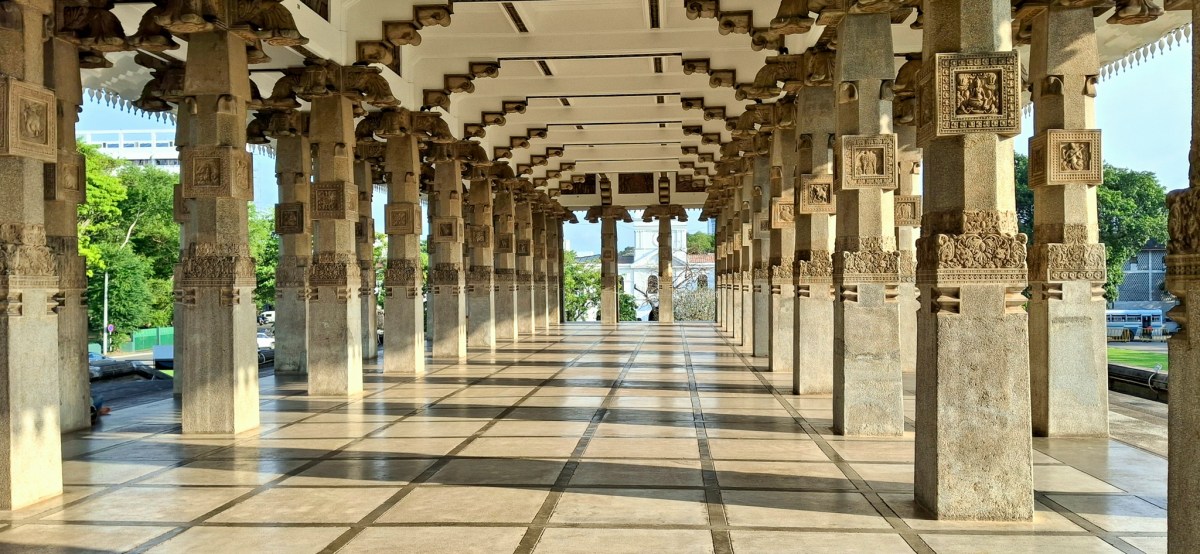
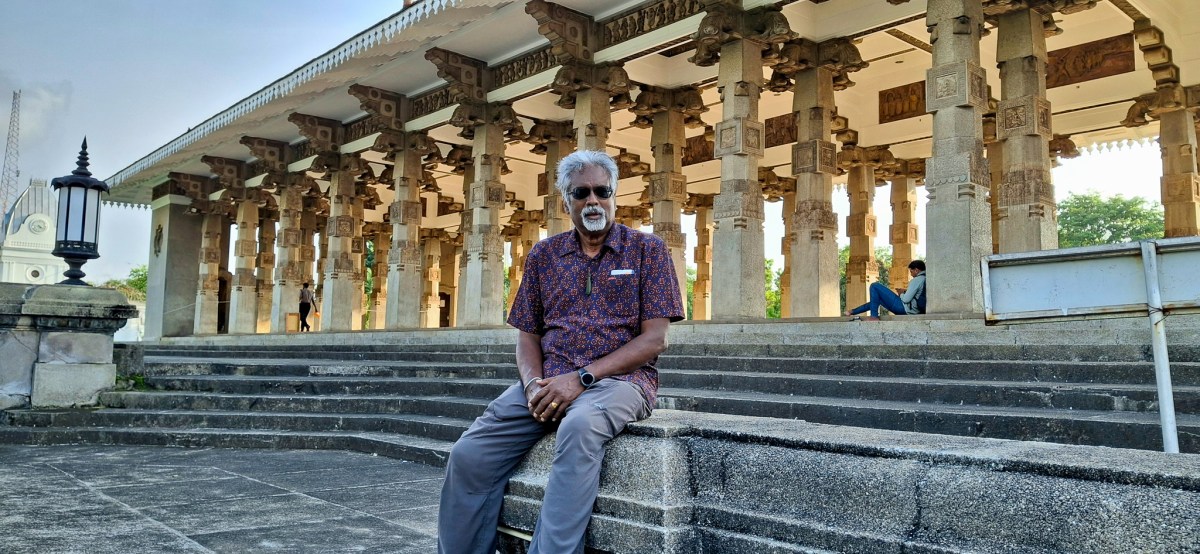
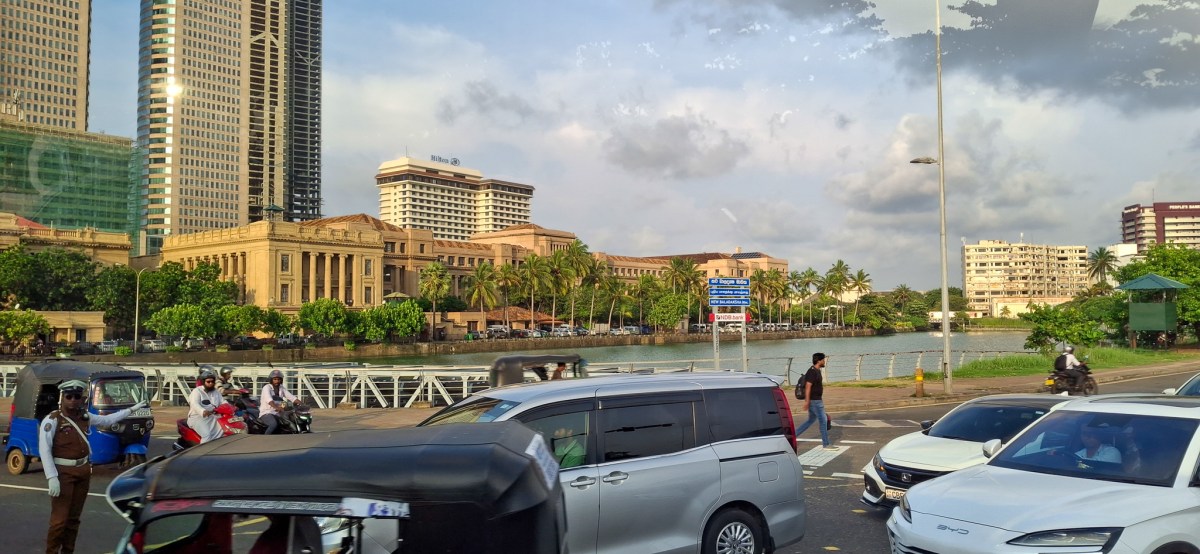
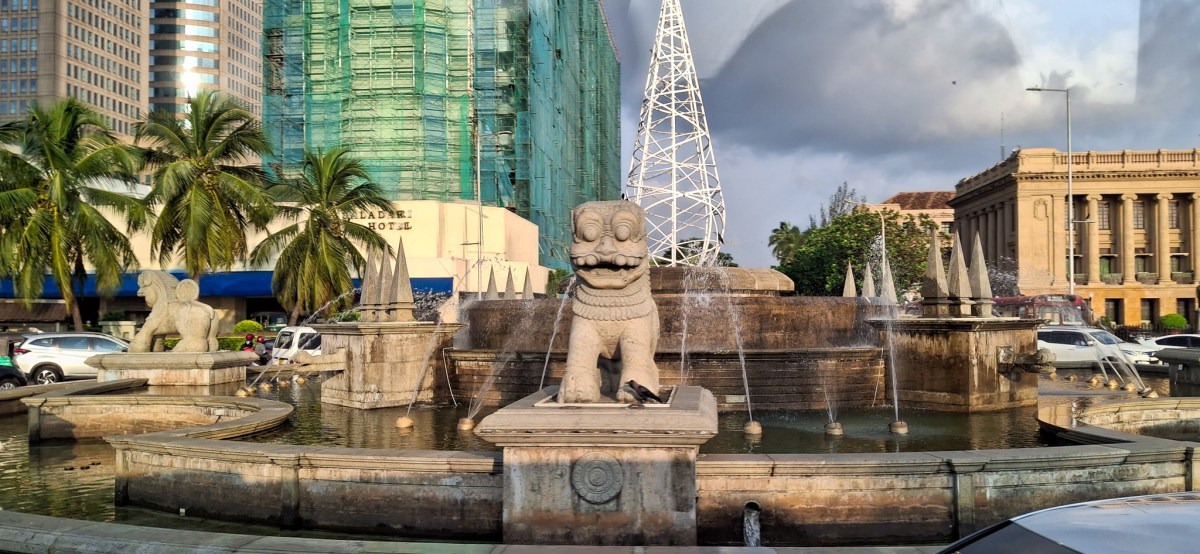
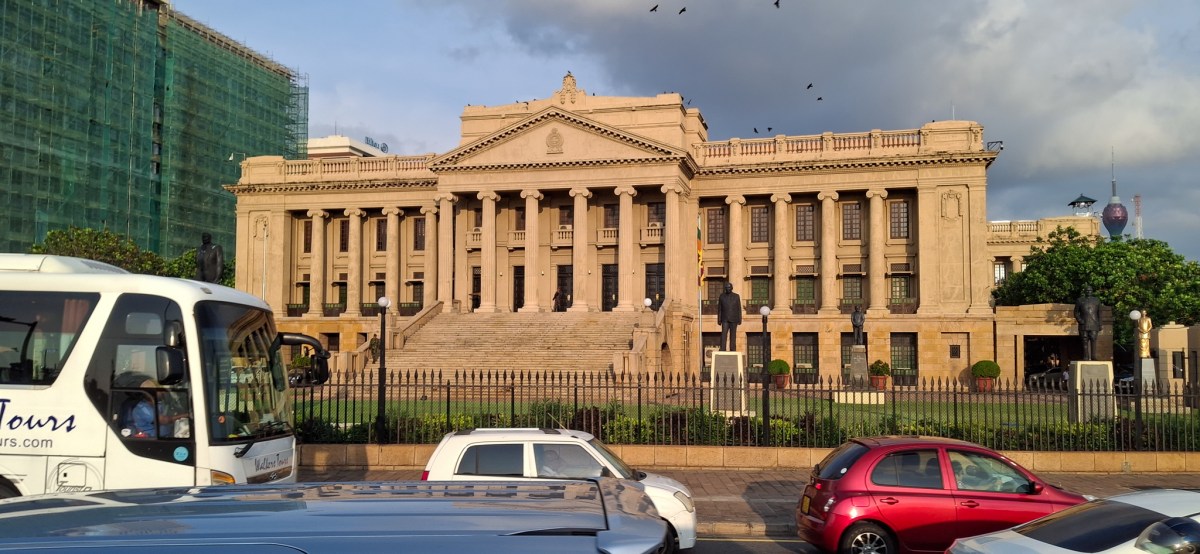
City Sights: After checking in, we headed out on a short city sightseeing tour. The bus stopped near the temple so we could see it and the Lotus Tower together in one frame. We also saw the tower lit up that night. We passed the Old Parliament Building, Independence Memorial Hall, and the golden Buddha. A simple introduction to Colombo’s landmarks.
In the evening we kept it quiet with a drink in our room and dinner in the hotel foyer. The food was good, though spicier than expected — an easy start to the trip.
Sigiriya
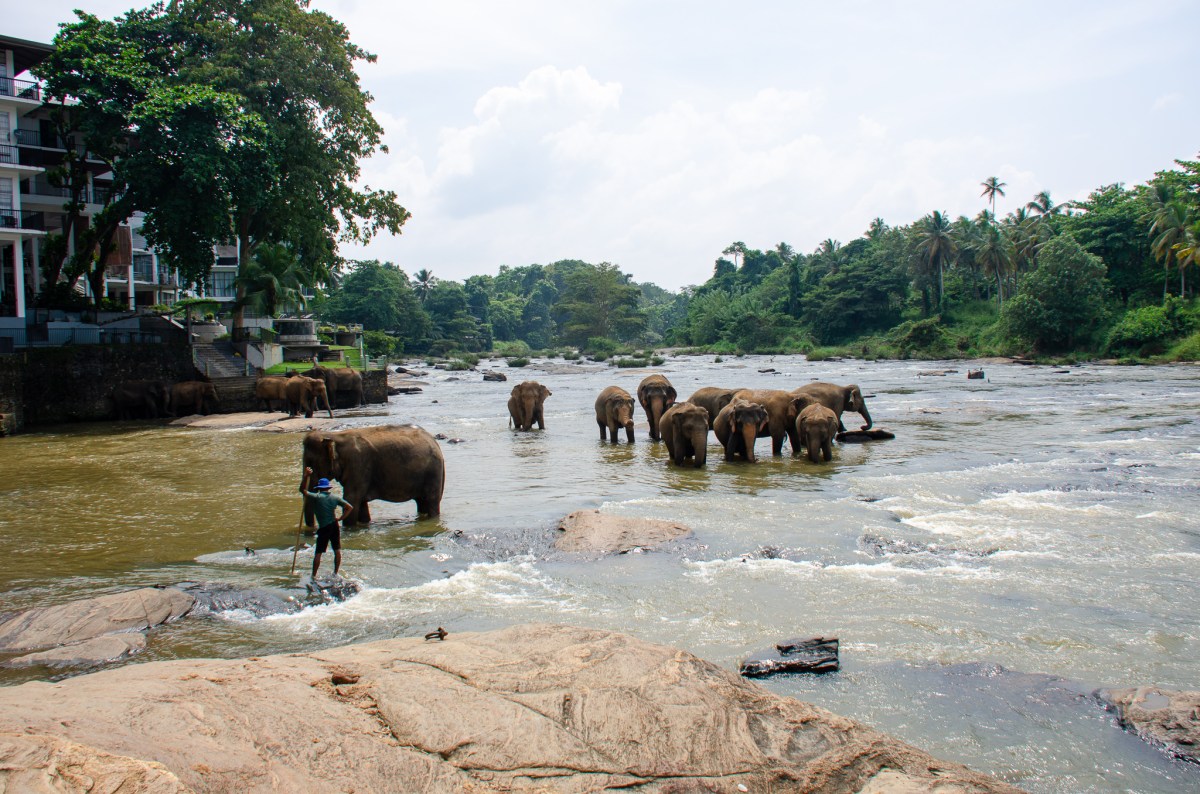
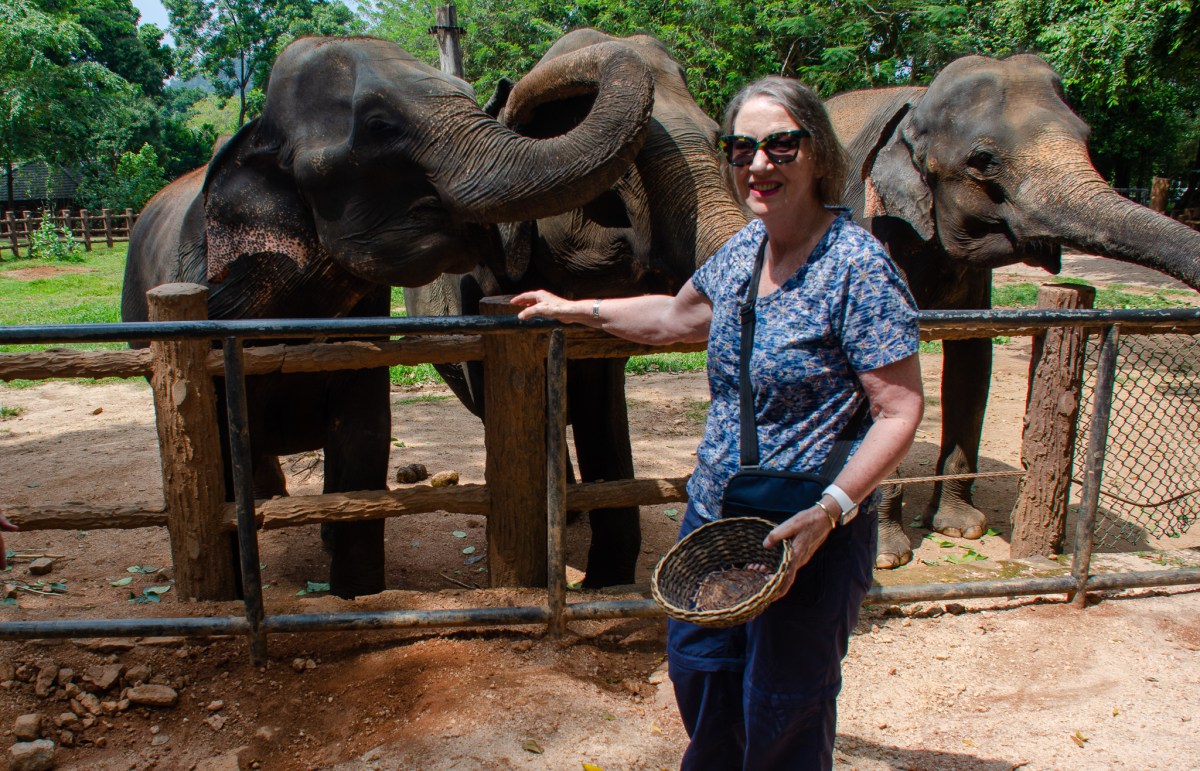
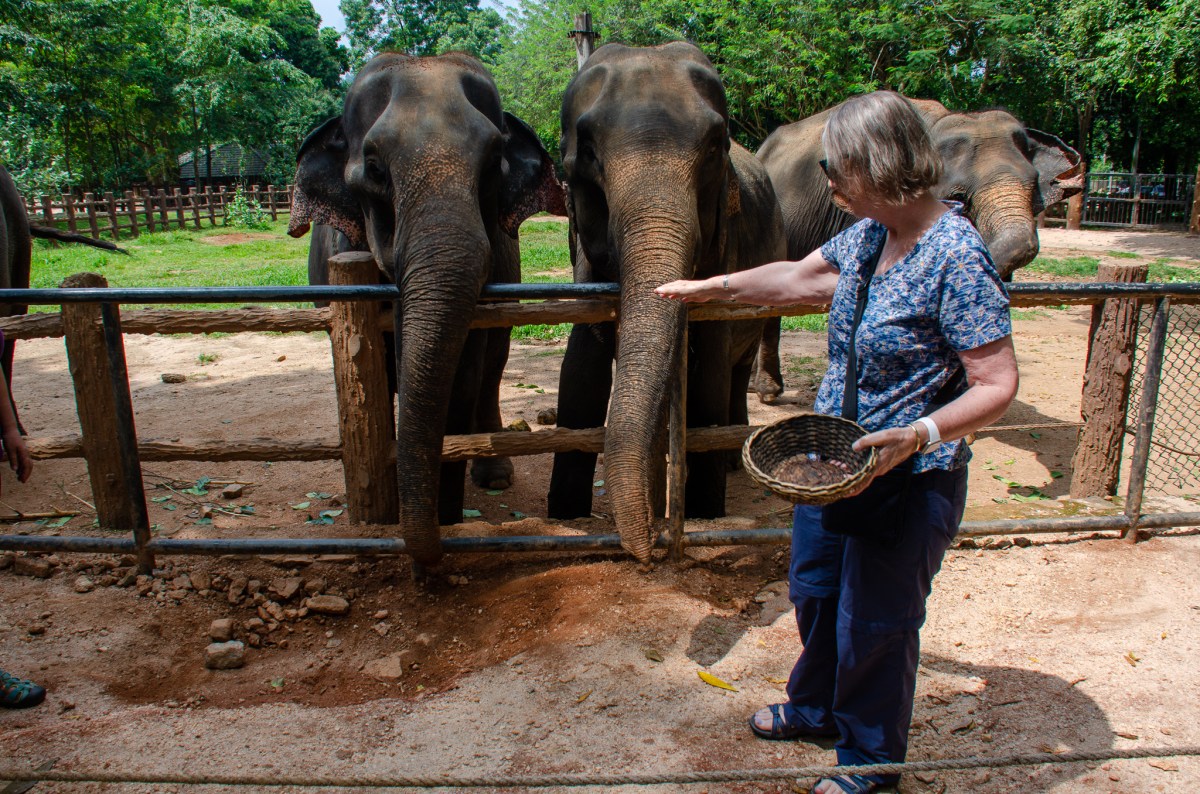
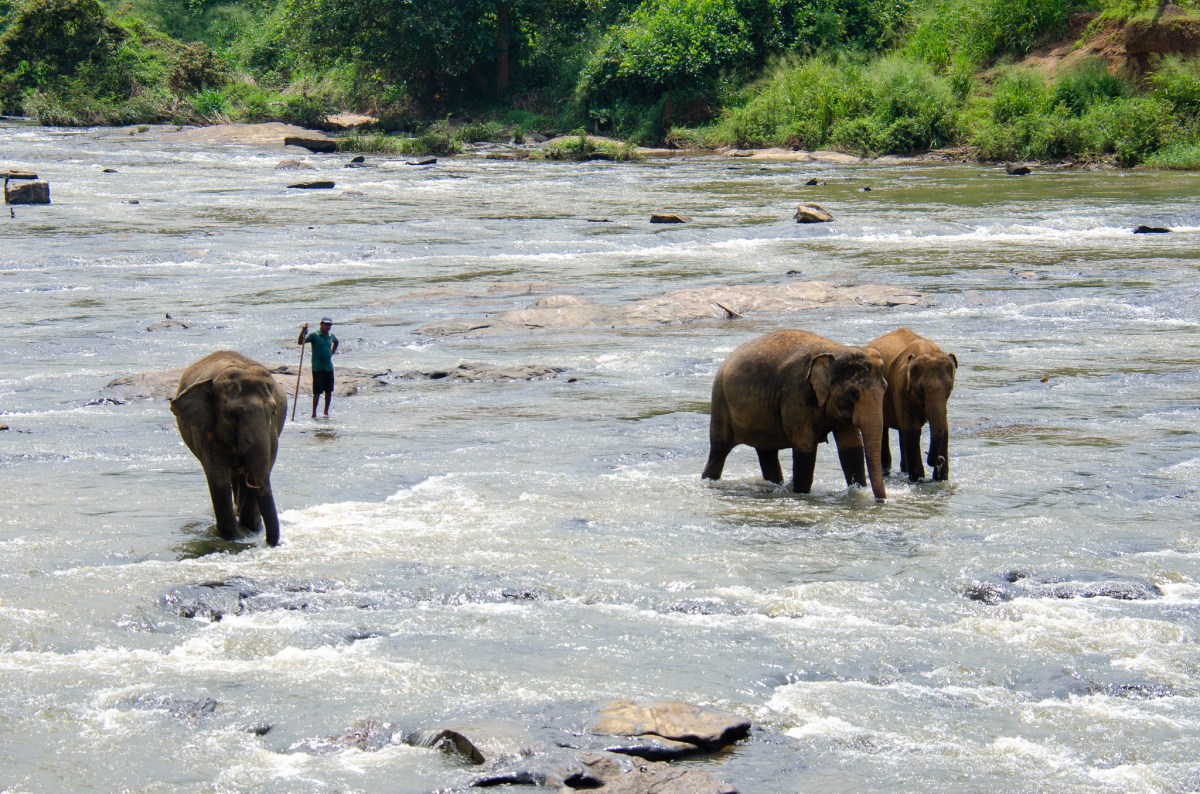
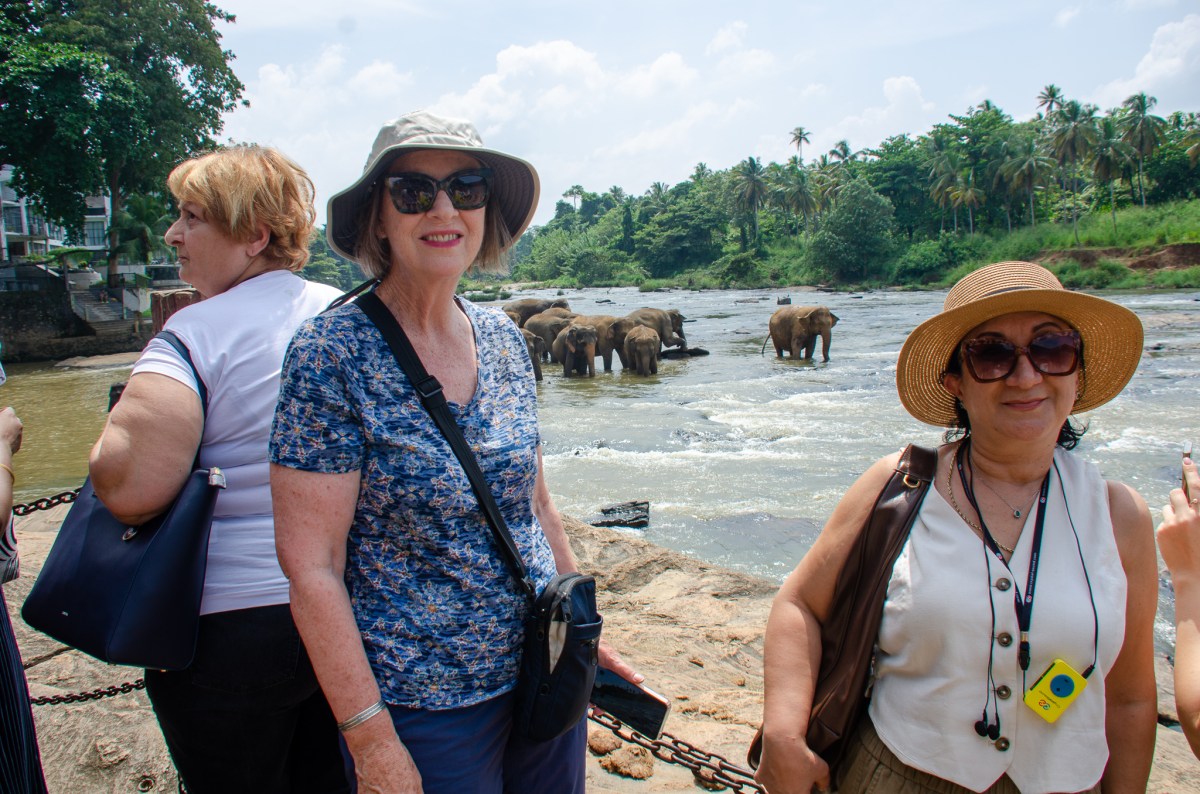
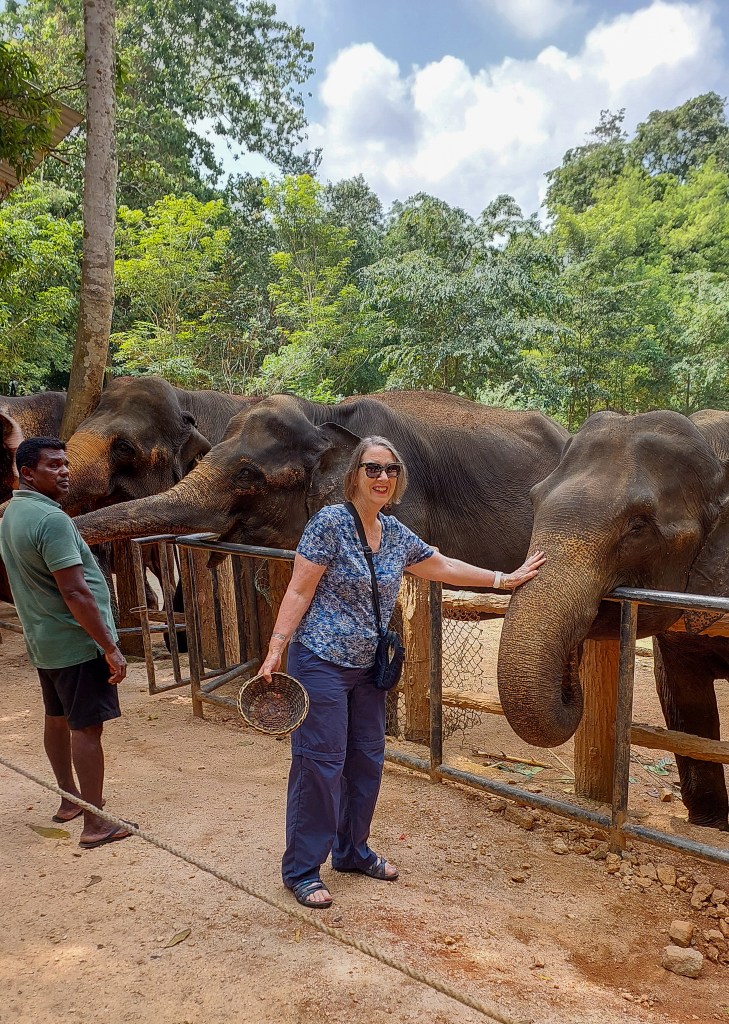
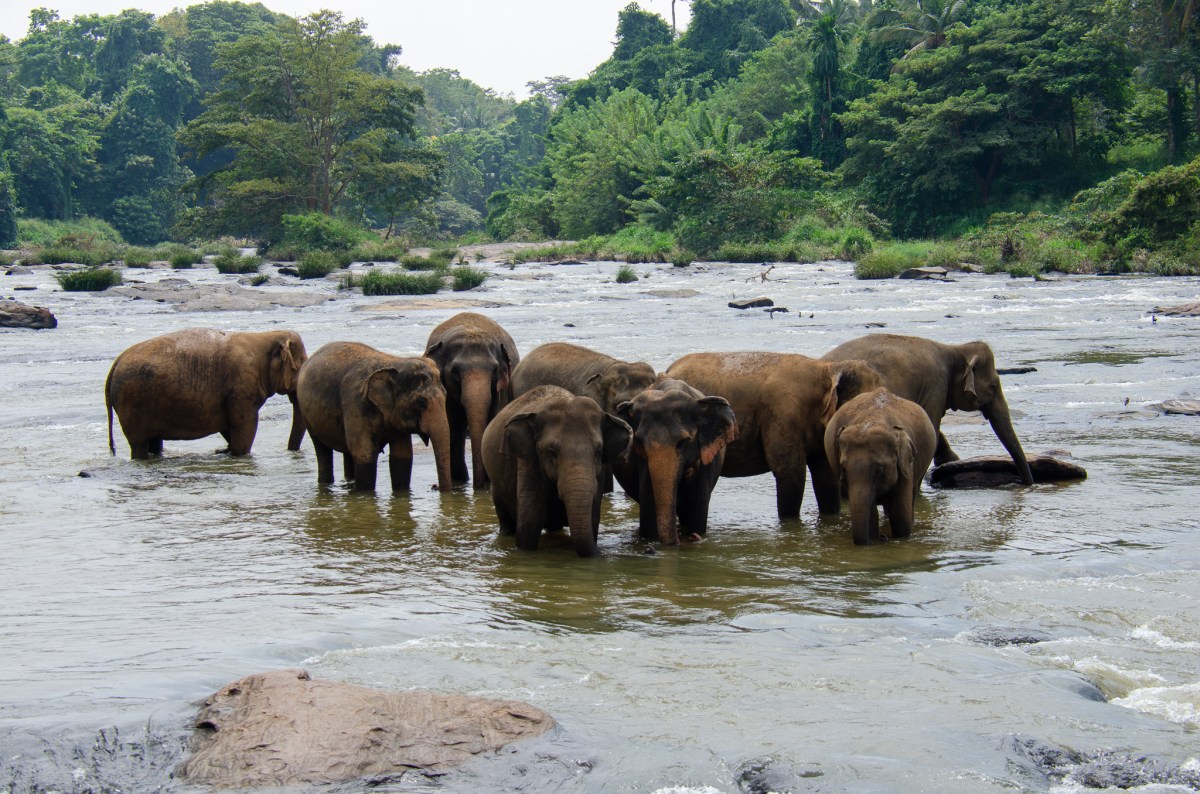
Pinnawala Elephant Orphanage: On the way from Colombo toward Sigiriya and the Cultural Triangle, we stopped at Pinnawala Elephant Orphanage in Kegalle District, a large elephant care centre established in 1975 for orphaned Asian elephants. Feeding the elephants, patting their trunks, and watching them bathe in the Maha Oya River was a memorable, up‑close experience for me, something I’ll never forget.
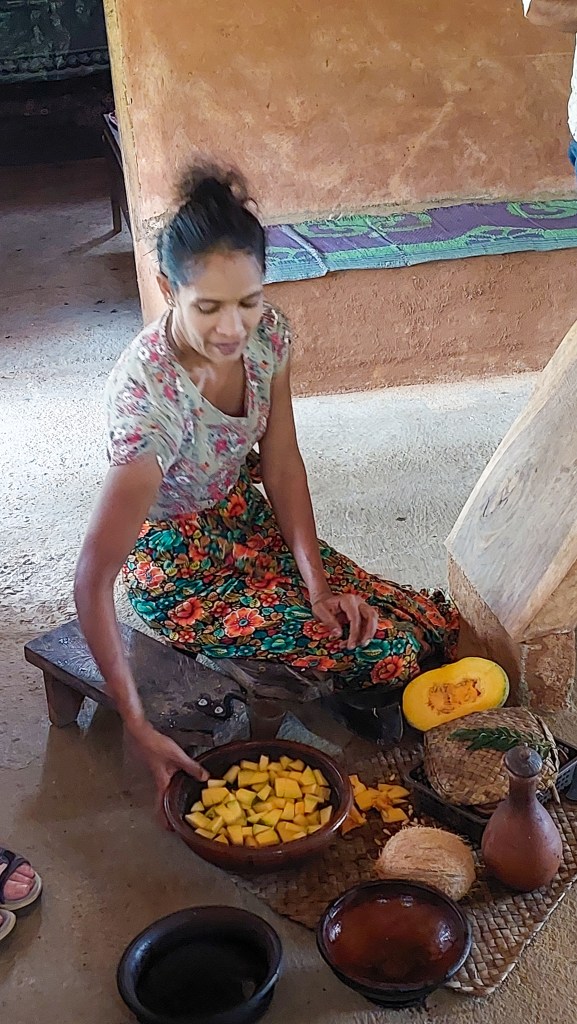
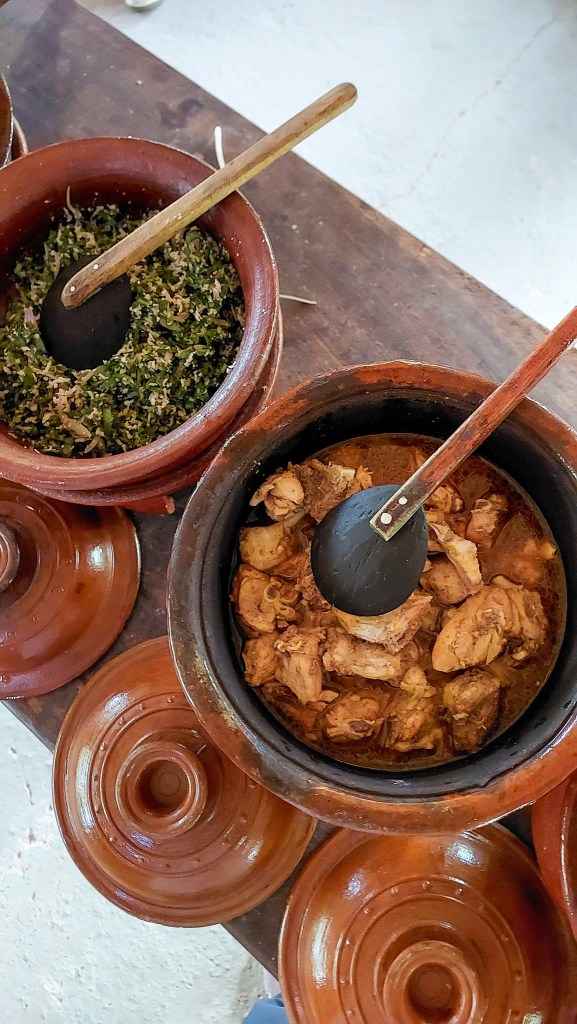
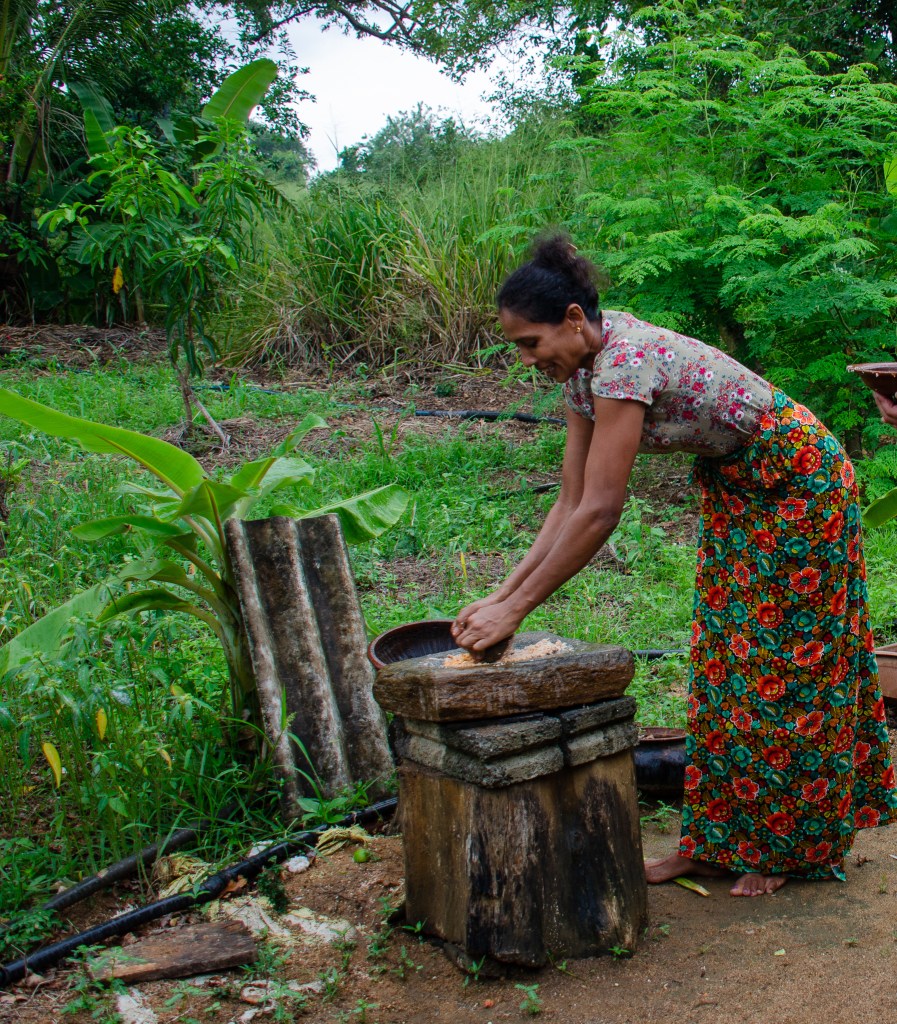
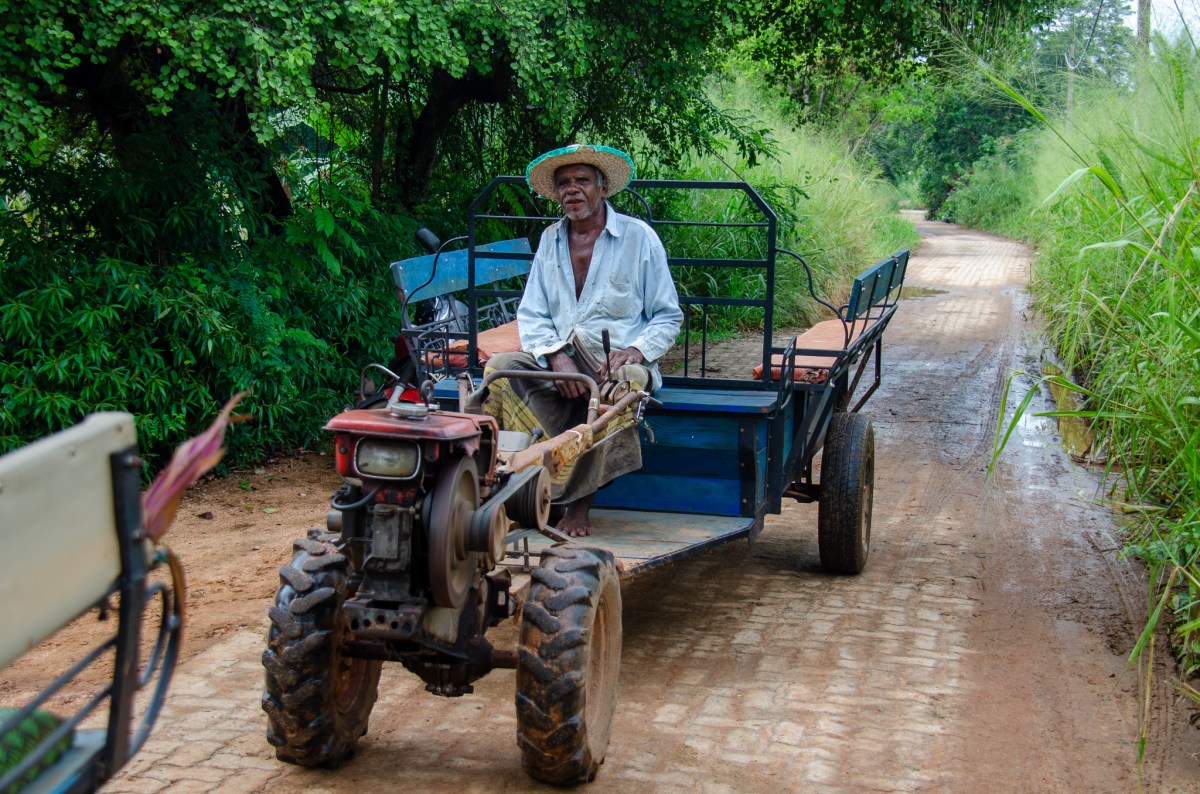
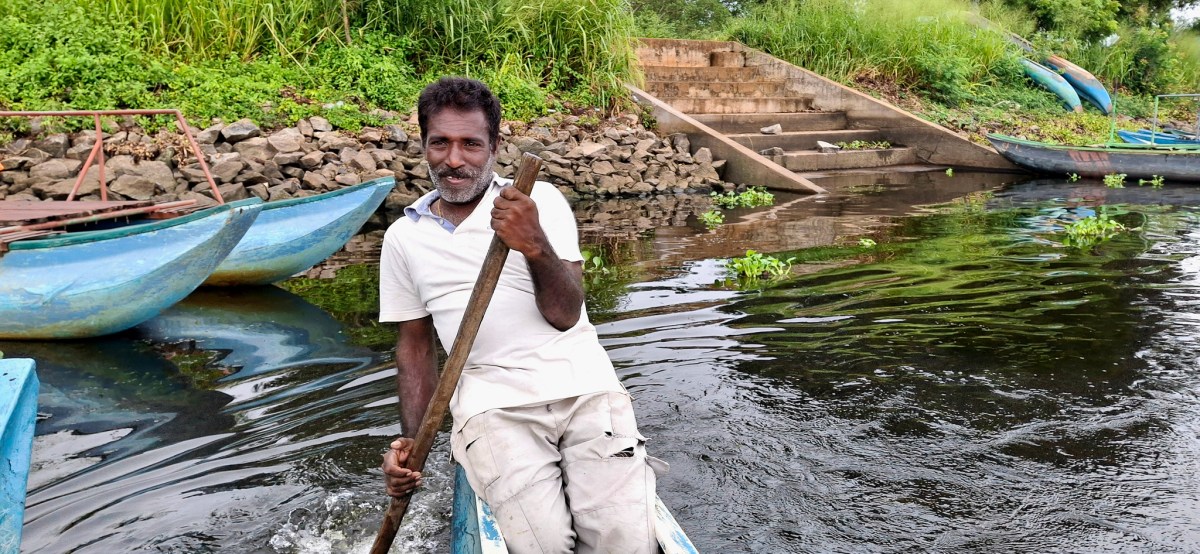
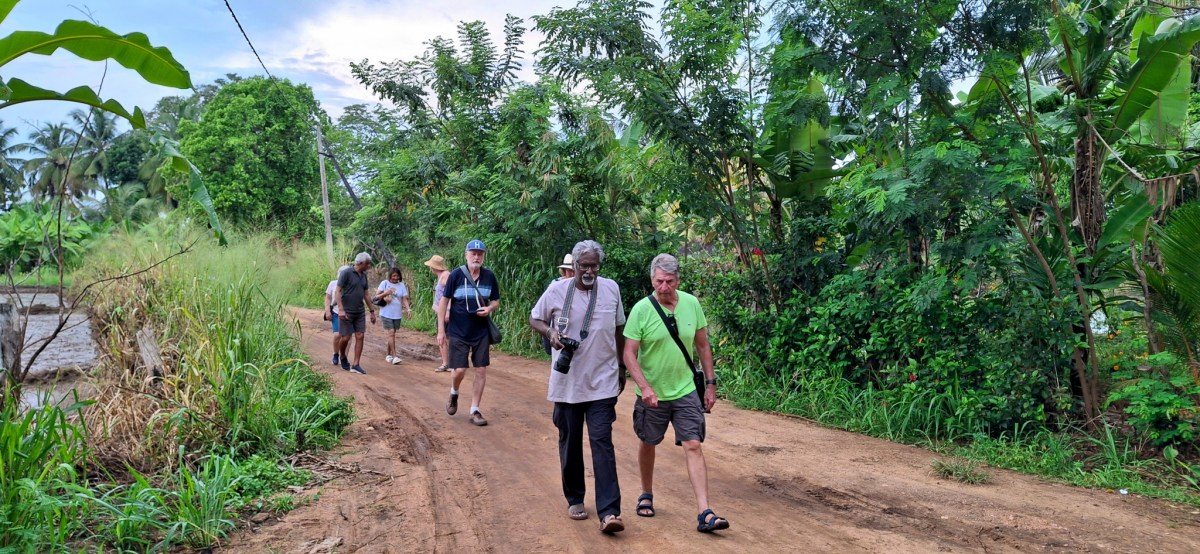
Saubagya Production Village: In Hiriwaduna, we visited a Saubagya Production Village — part of a programme where rural communities demonstrate traditional food, farming, and crafts. We arrived from the bus on a tractor‑style ride along village tracks, then walked to a local home for a village cooking demonstration.
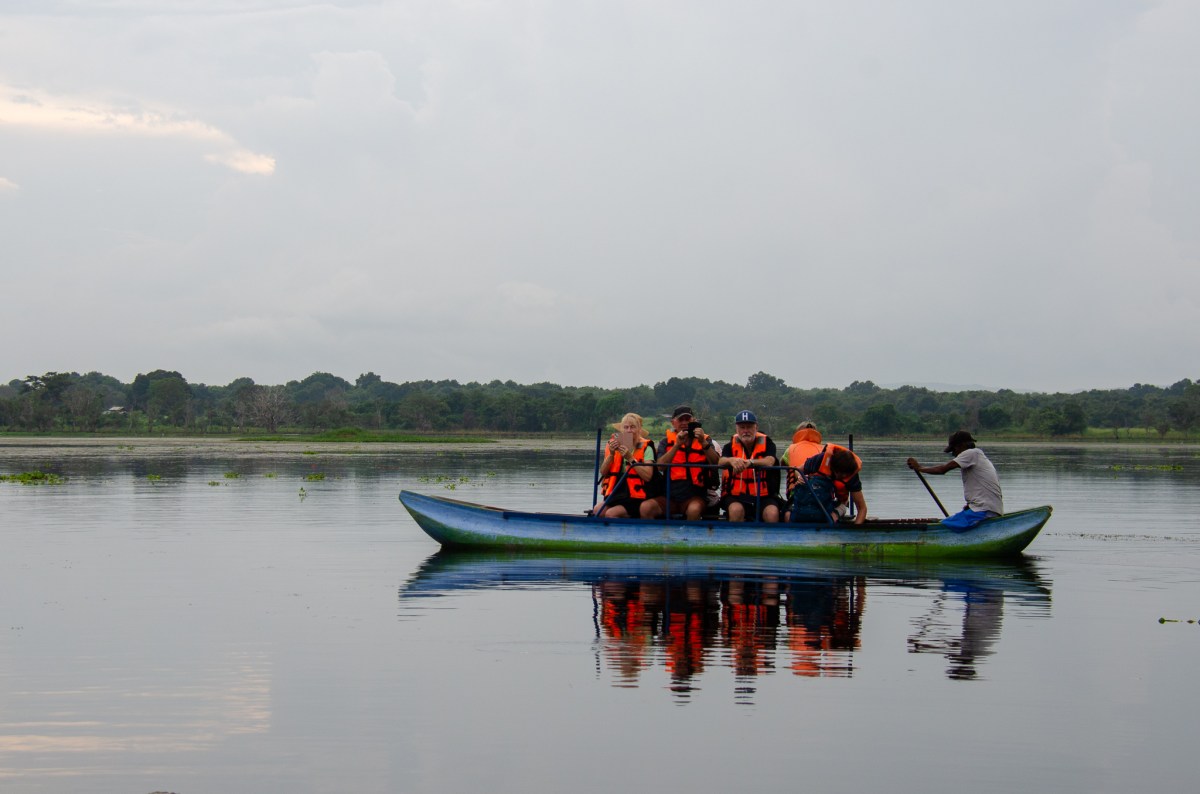
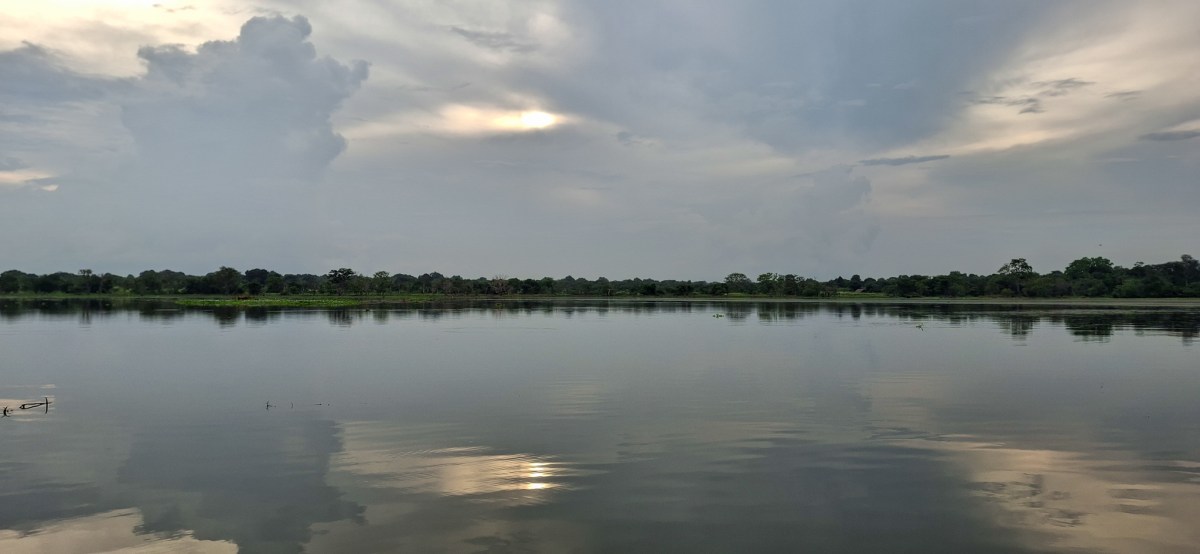
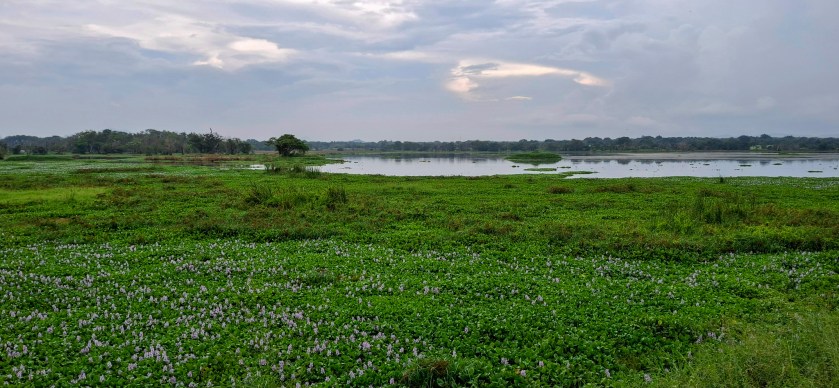
The host demonstrated how rice and curries are prepared using traditional tools like the wangediya (large stone mortar and pestle) and cooking over a fire with fresh, locally grown ingredients — just like everyday village life. After the demo and hearty lunch, we enjoyed a short boat ride on the lake, spotting waterbirds, ducks, and floating water hyacinths — a peaceful glimpse into local living.
Sigiriya Rock Fortress: This UNESCO World Heritage site, also called Lion Rock, was built in the 5th century by King Kasyapa. The fortress is well known for its water gardens, moats, ancient frescoes, and the enormous lion gateway. Halfway up the climb you reach the famous Lion’s Paws – two huge stone paws carved into the rock.
In the past, a giant lion’s head once stood above them, and visitors would walk through its mouth to reach the palace at the top. Designed as both a royal palace and a defensive stronghold, the site offers sweeping views across the surrounding plains. Some from our group climbed all the way up and came back with some amazing photos from the top. I stayed below, too high and too steep for me, so I didn’t get those views myself, but I was quite happy wandering through the gardens, soaking up the views and enjoying the peaceful surroundings.
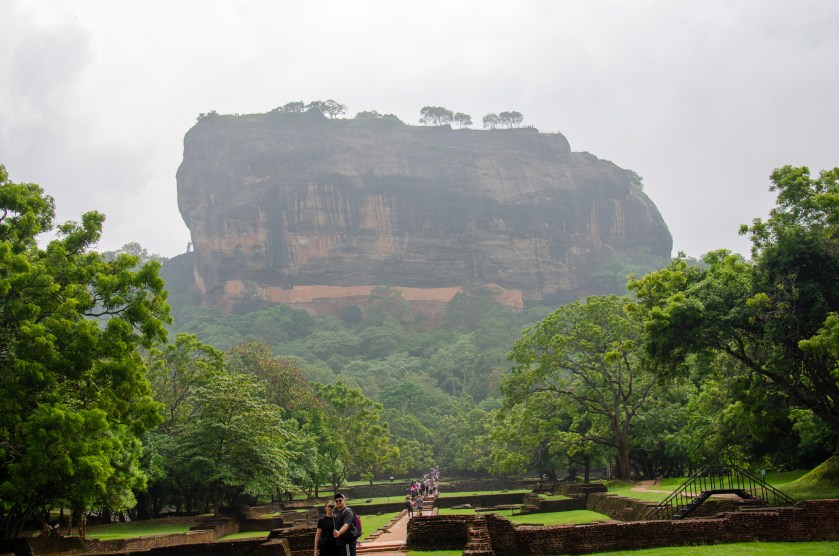
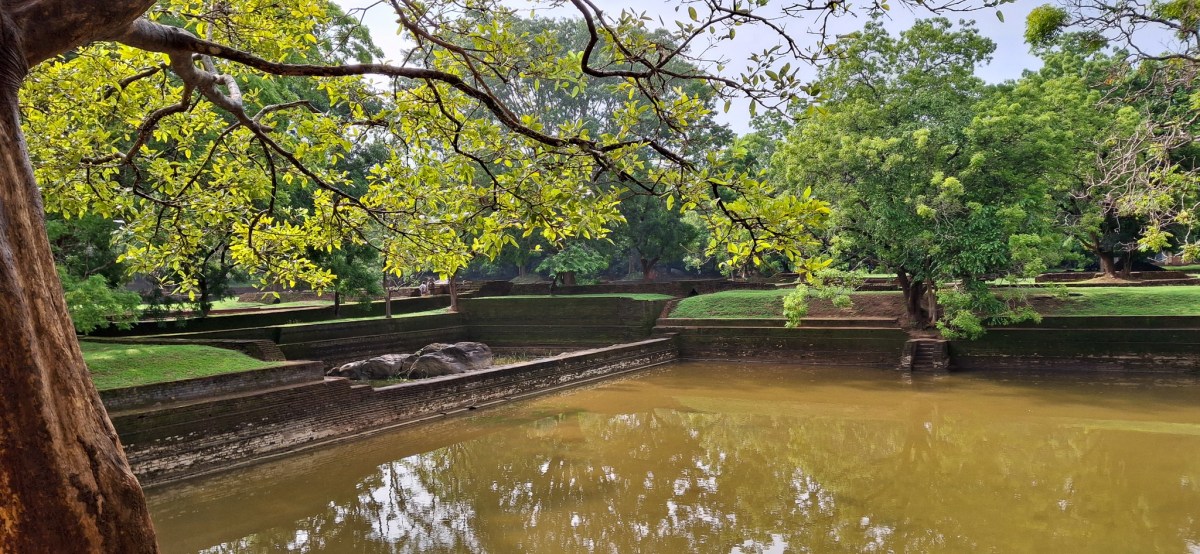
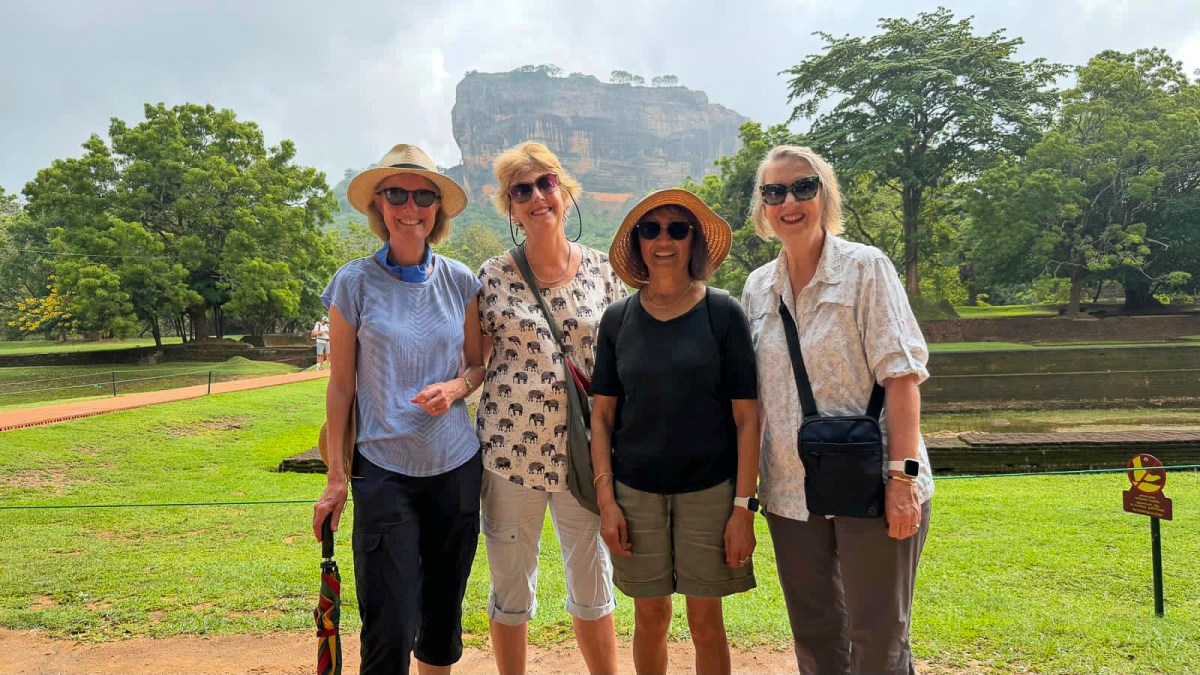
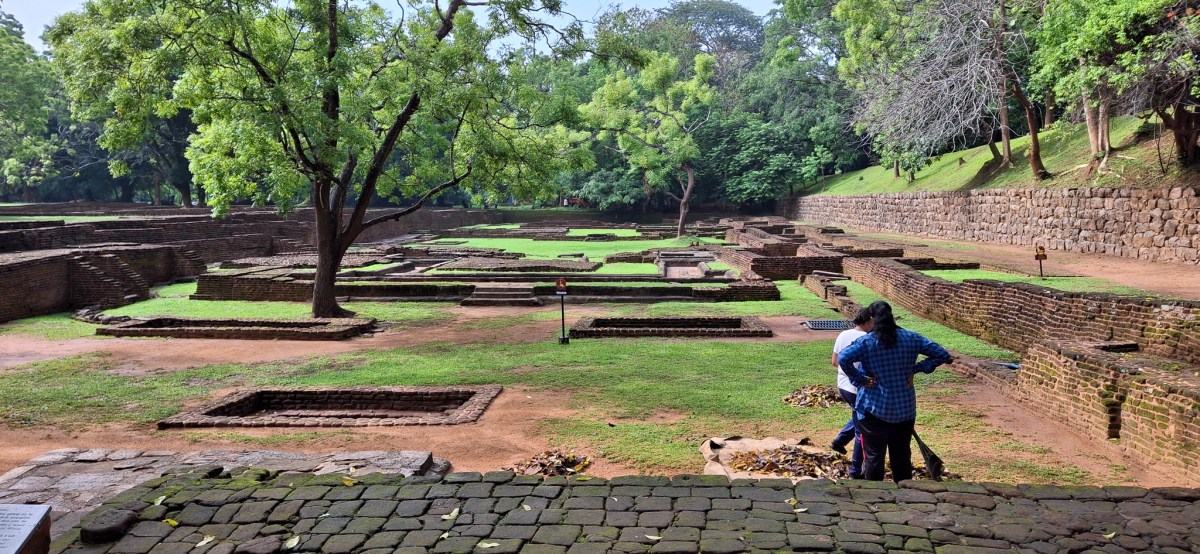
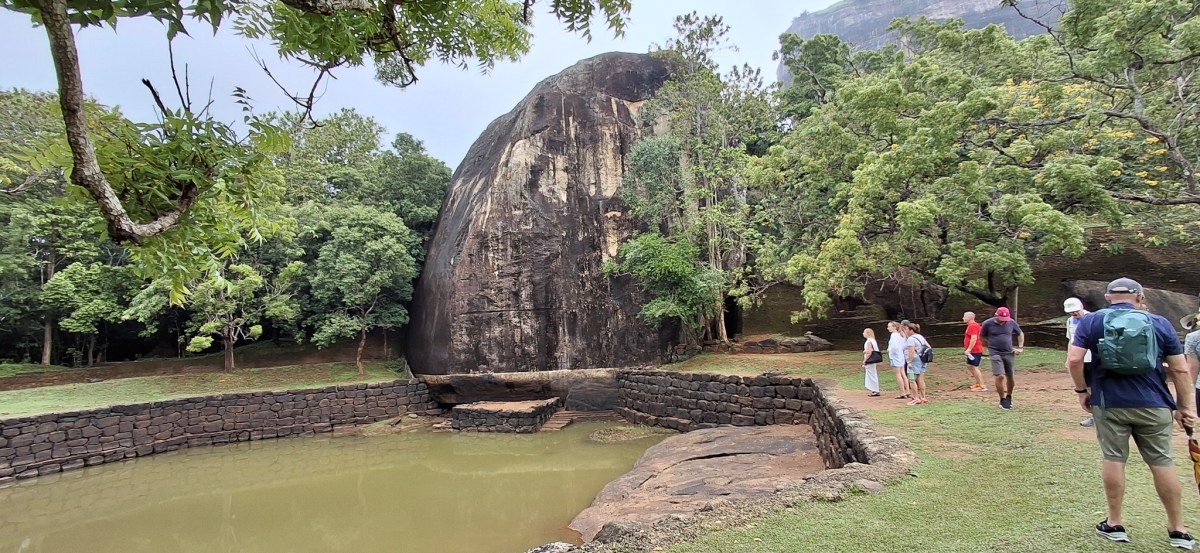
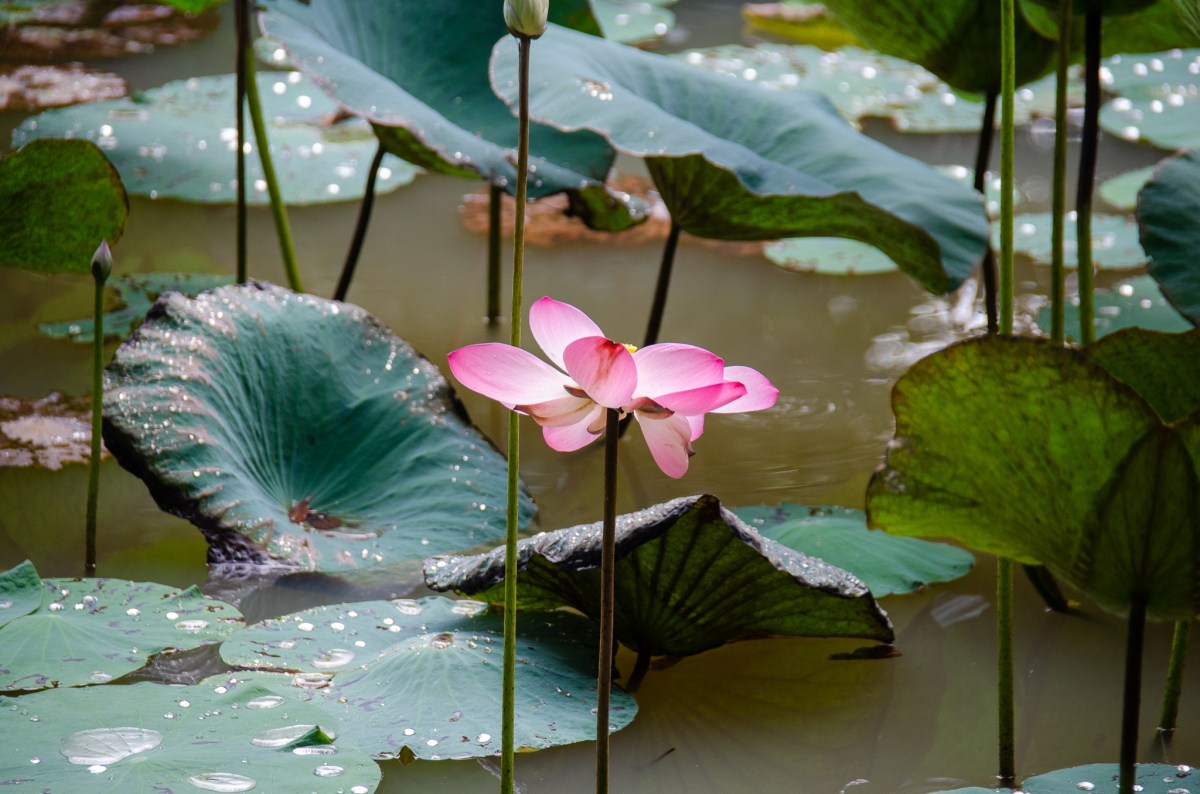
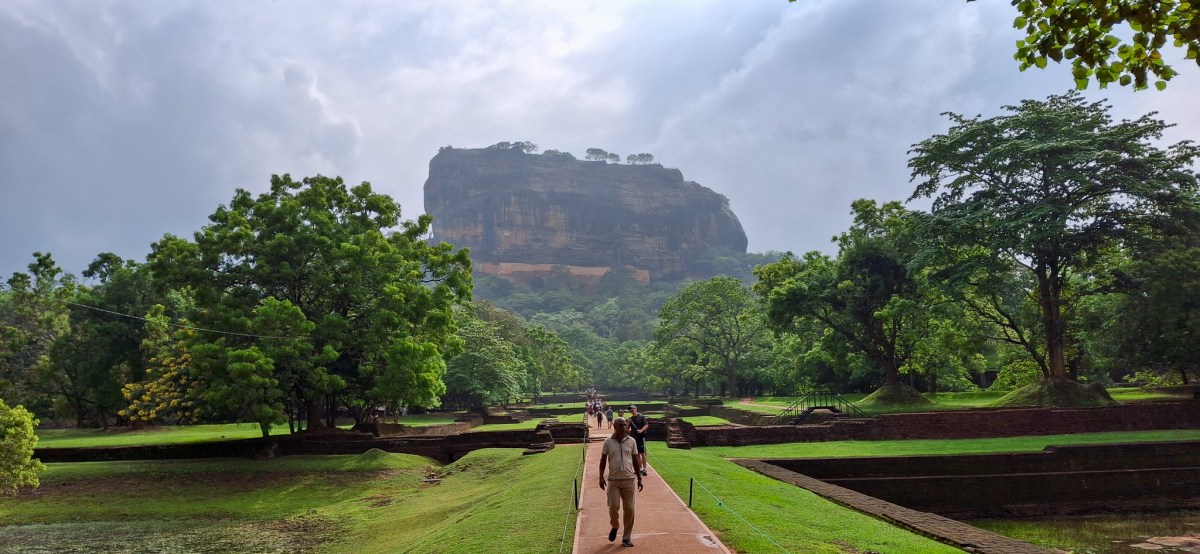
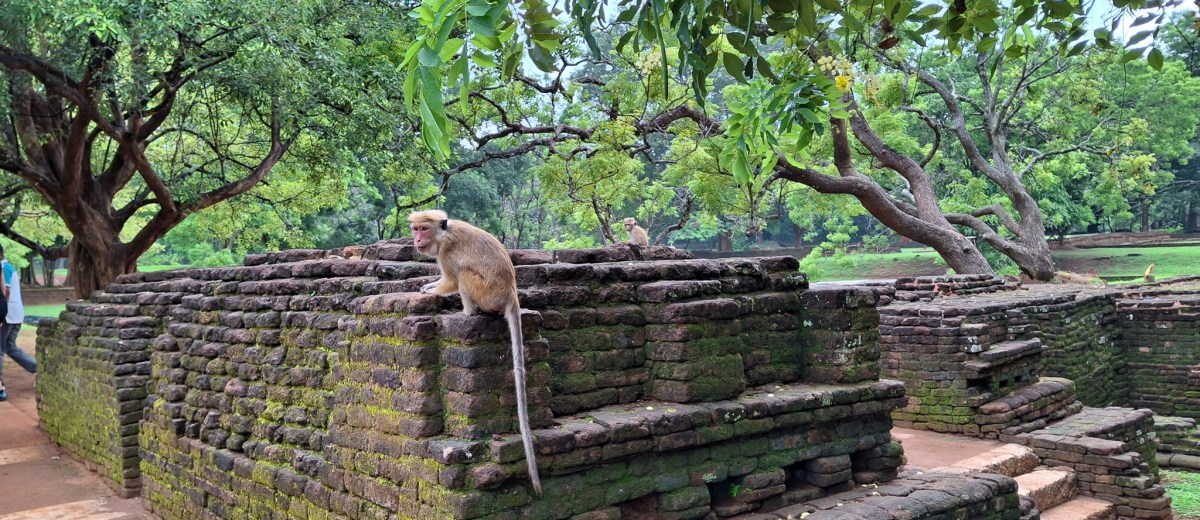
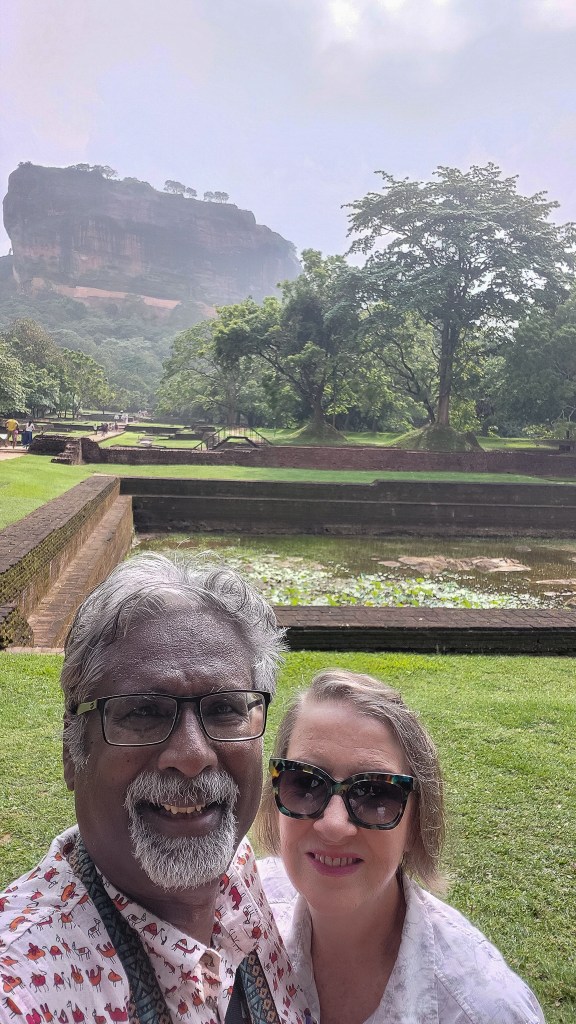
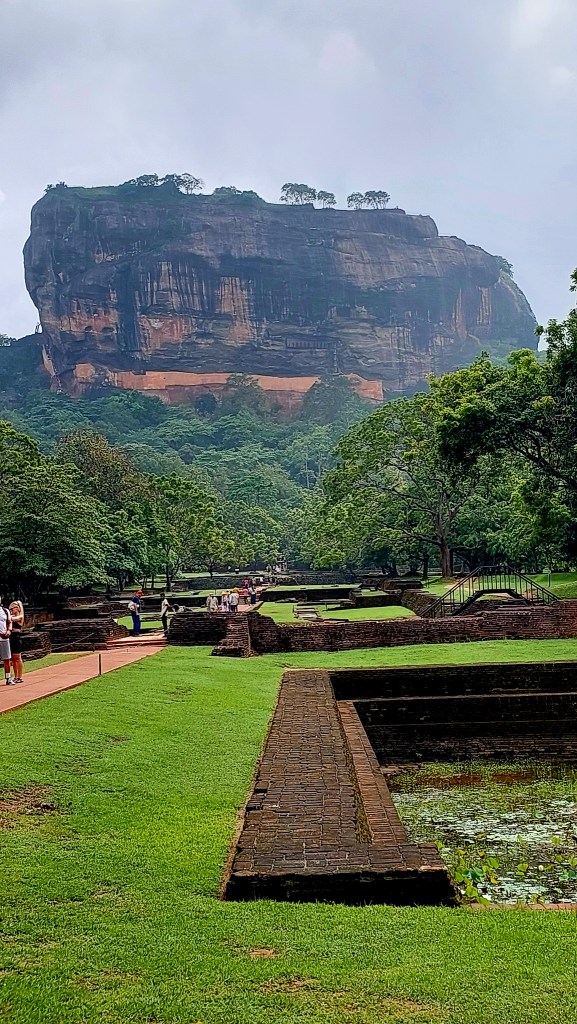
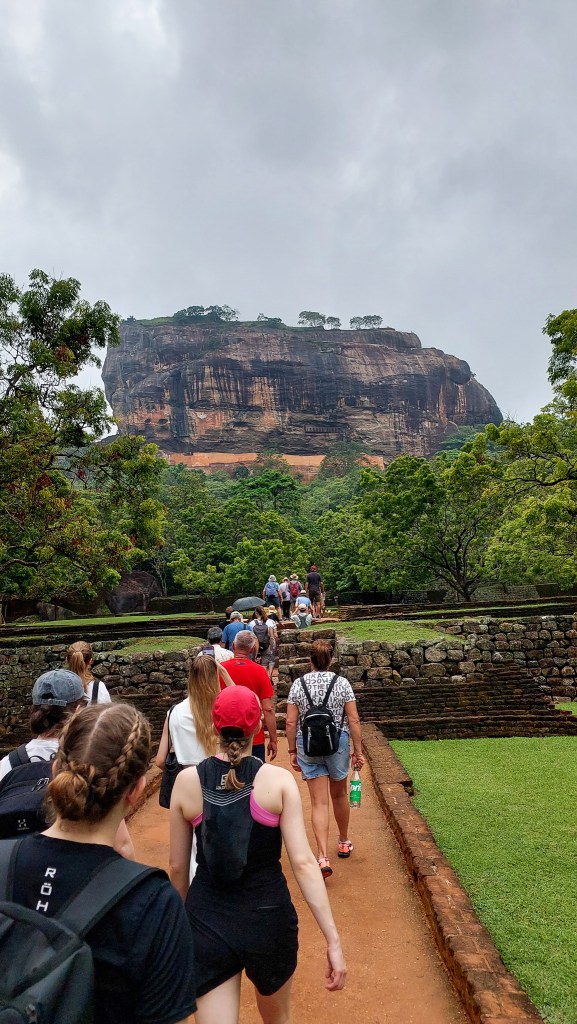
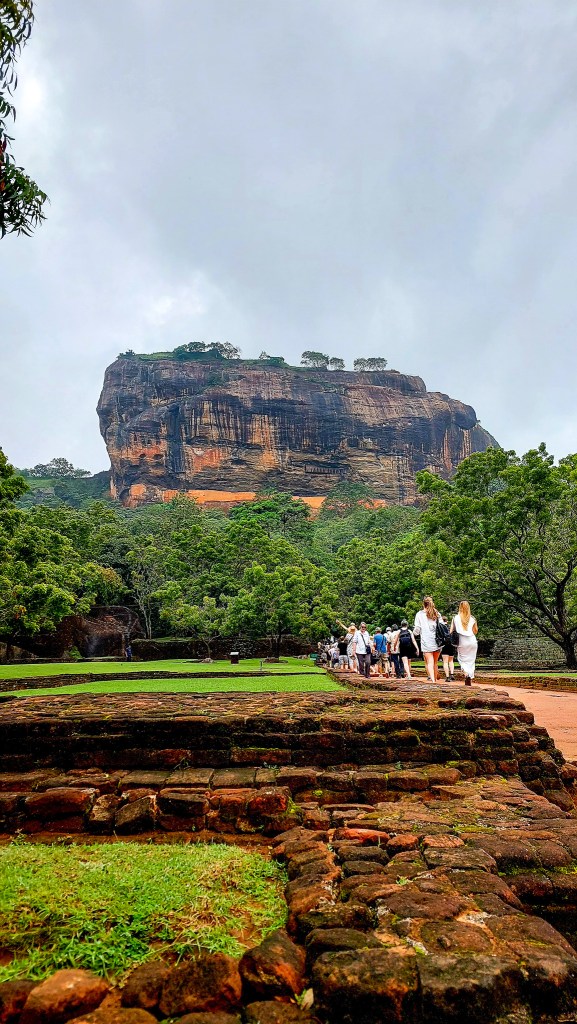
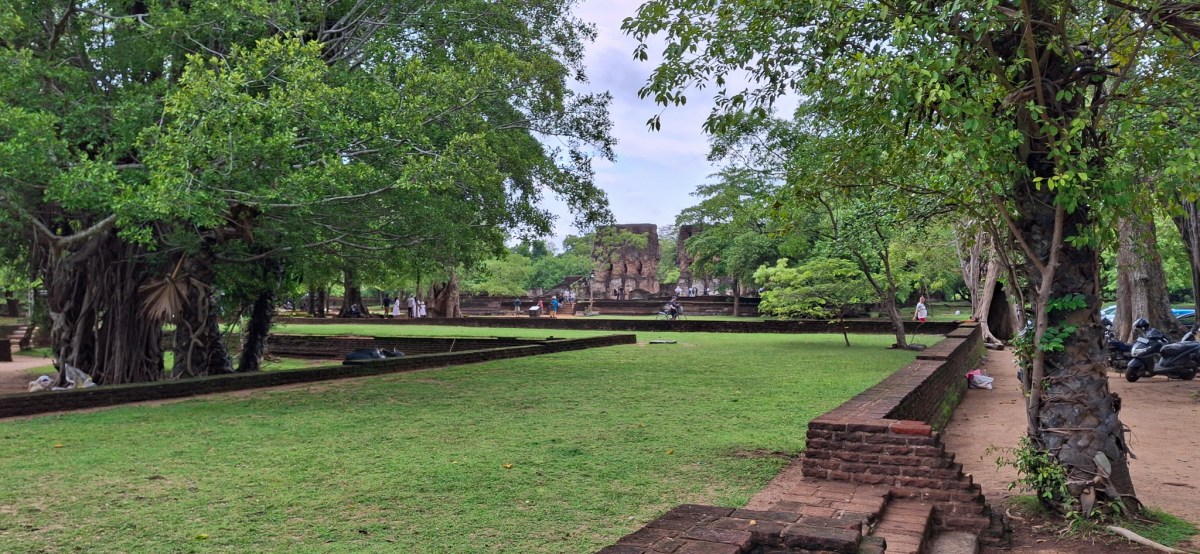
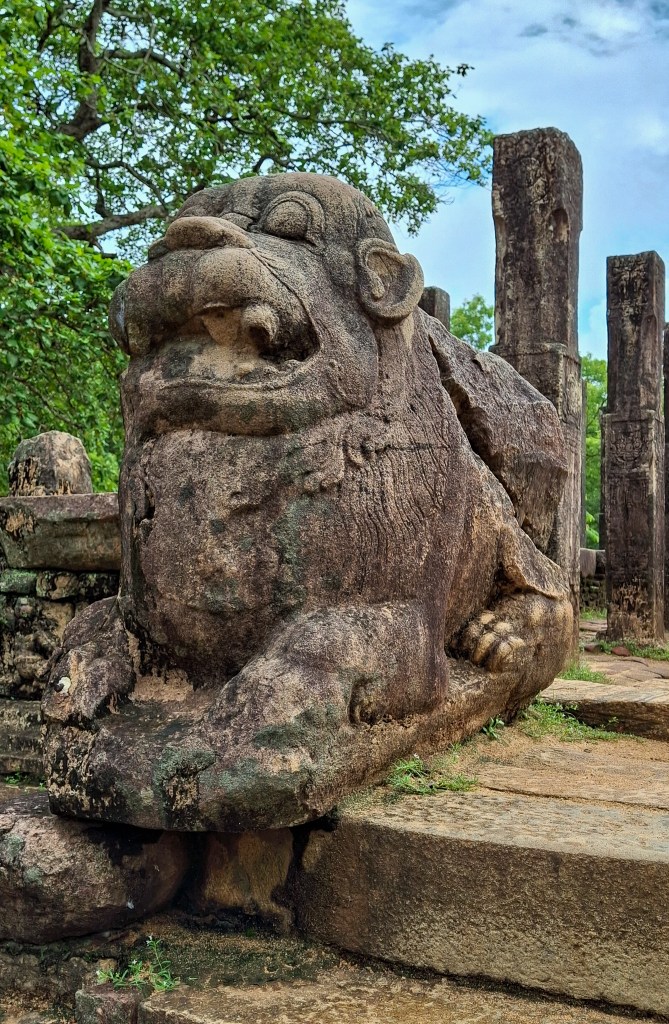
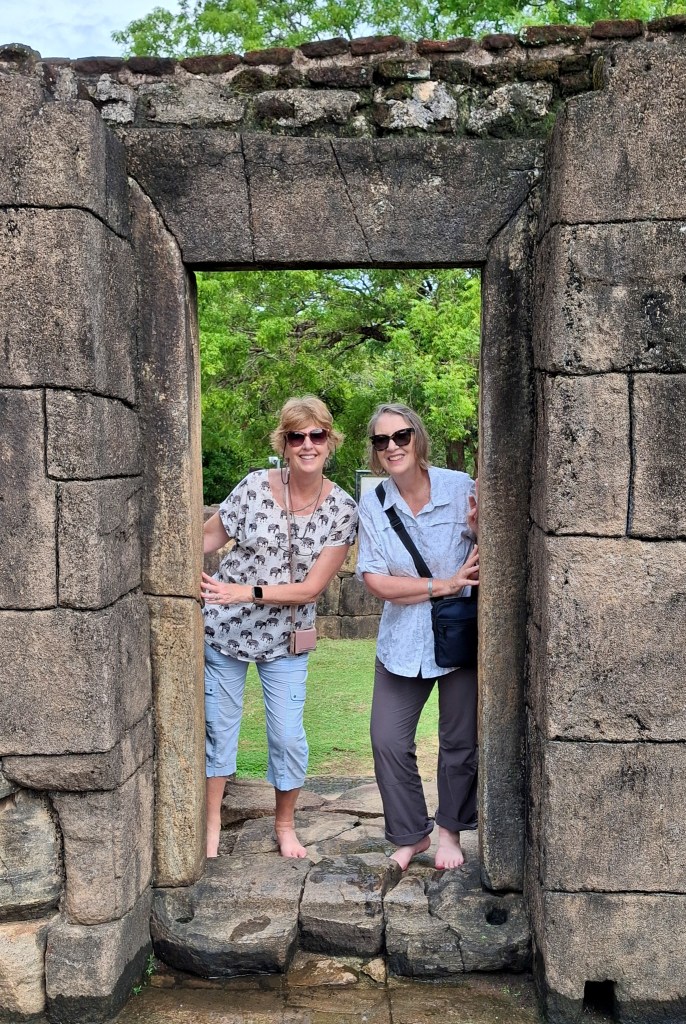
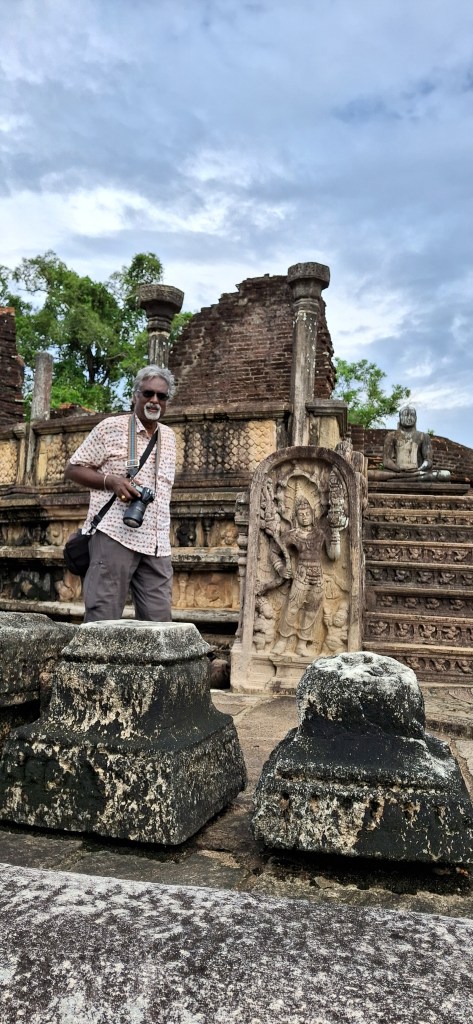
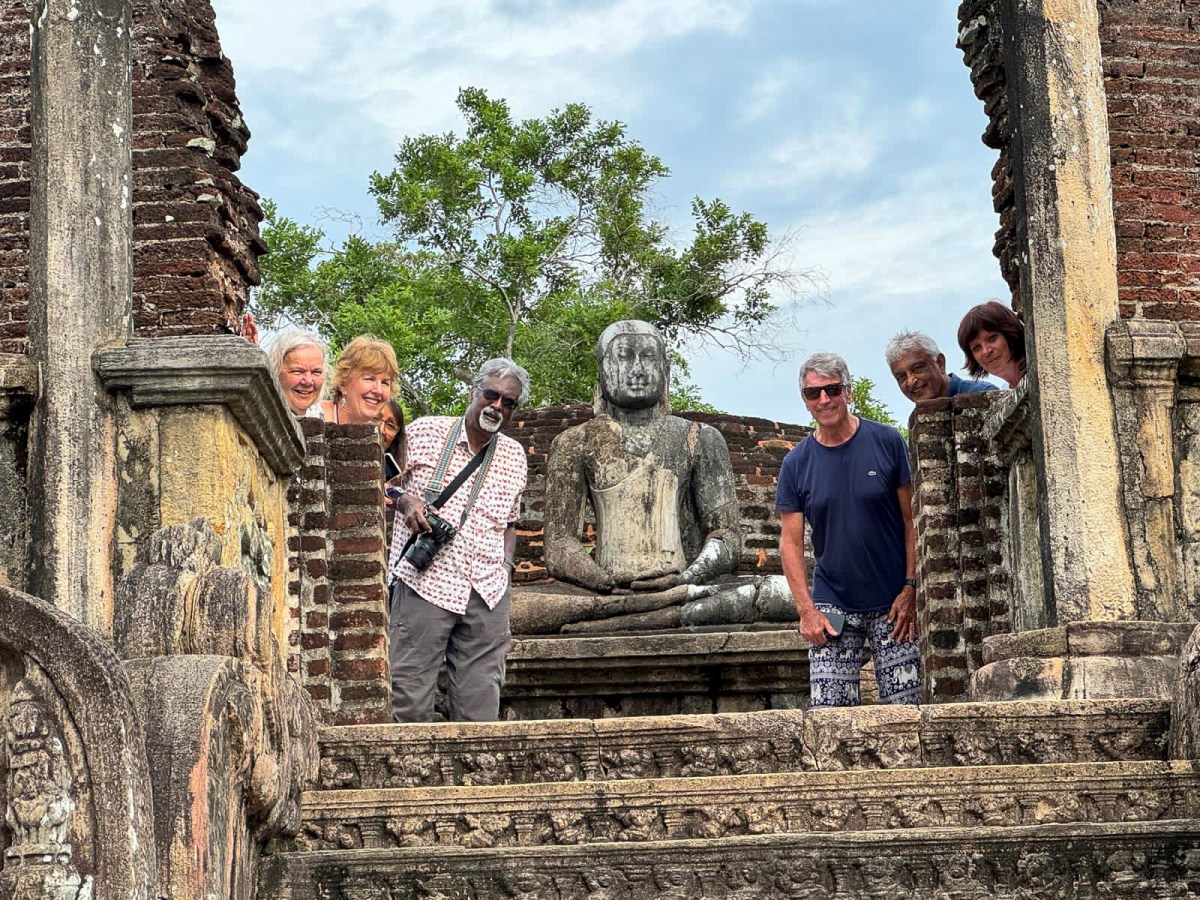
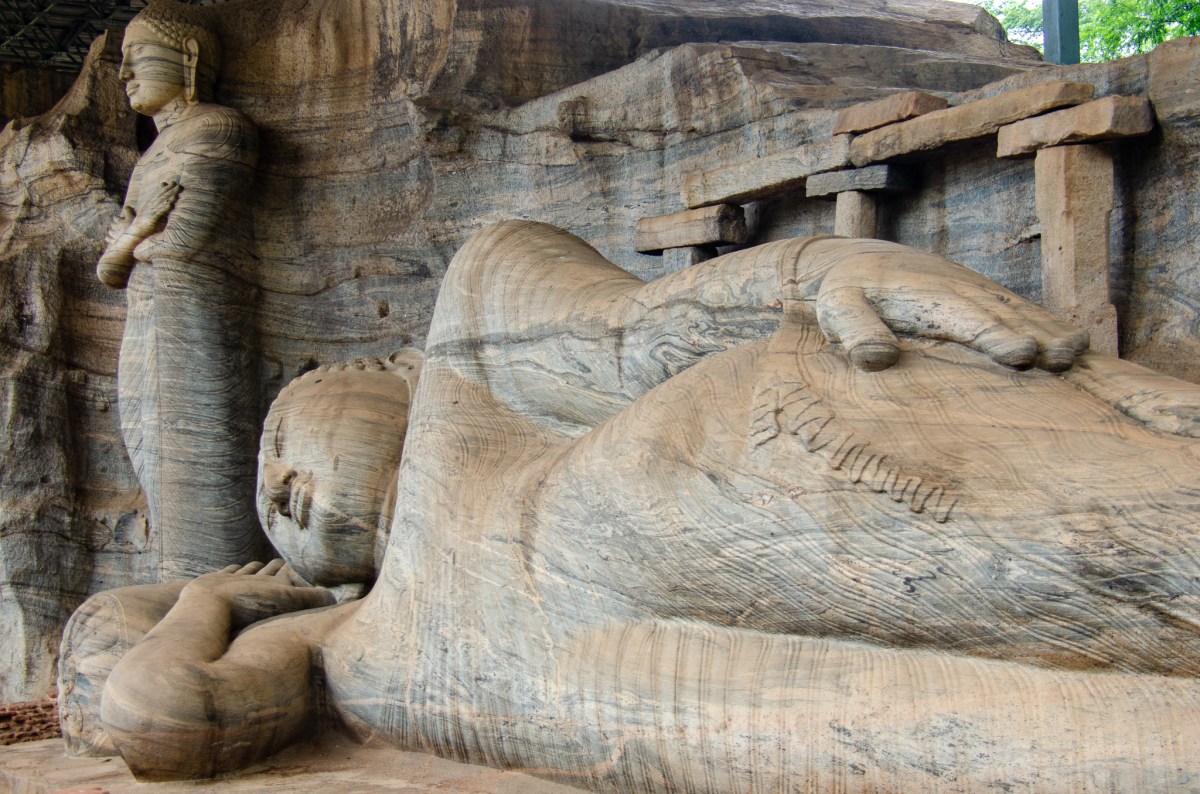
Polonnaruwa Ancient City: Another UNESCO site, Polonnaruwa was Sri Lanka’s capital from the 11th to 13th centuries. The Buddhist ruins, statues, and stone carvings reveal a sophisticated society with advanced irrigation, architecture, and daily life. Walking among the temples and statues gave me a real sense of the city’s former importance.
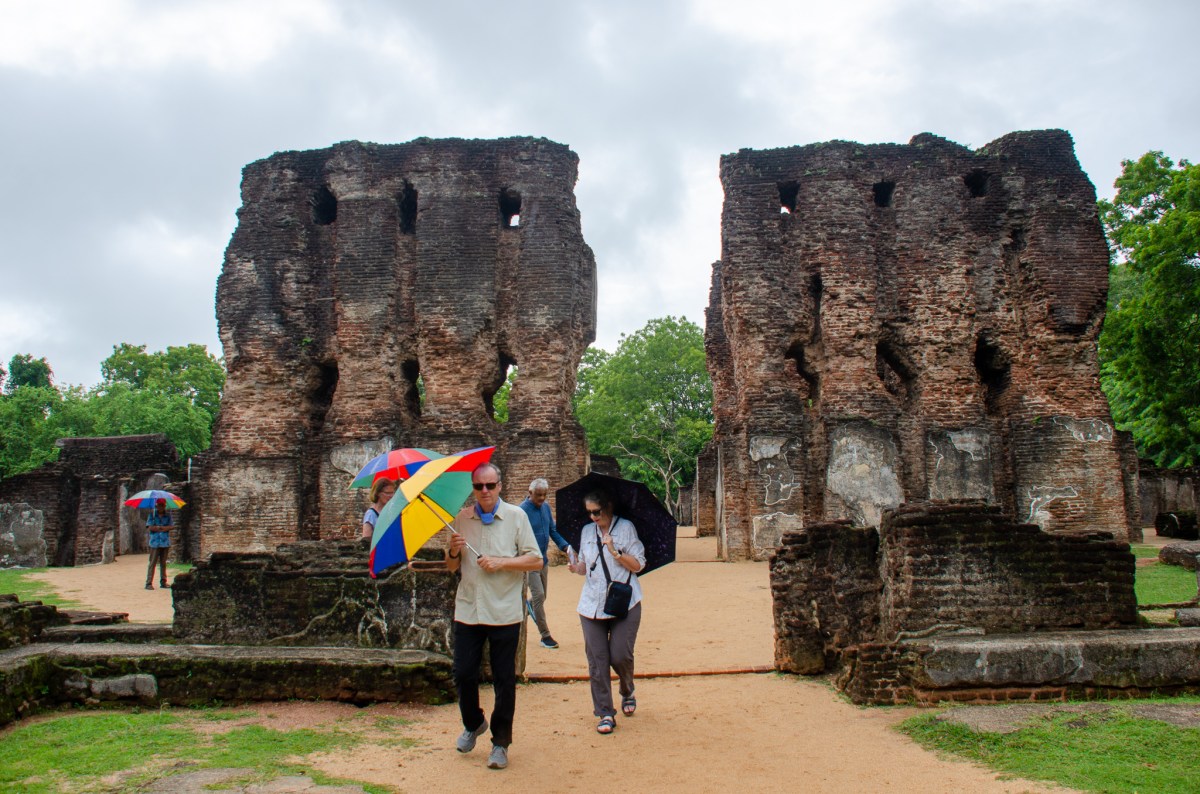
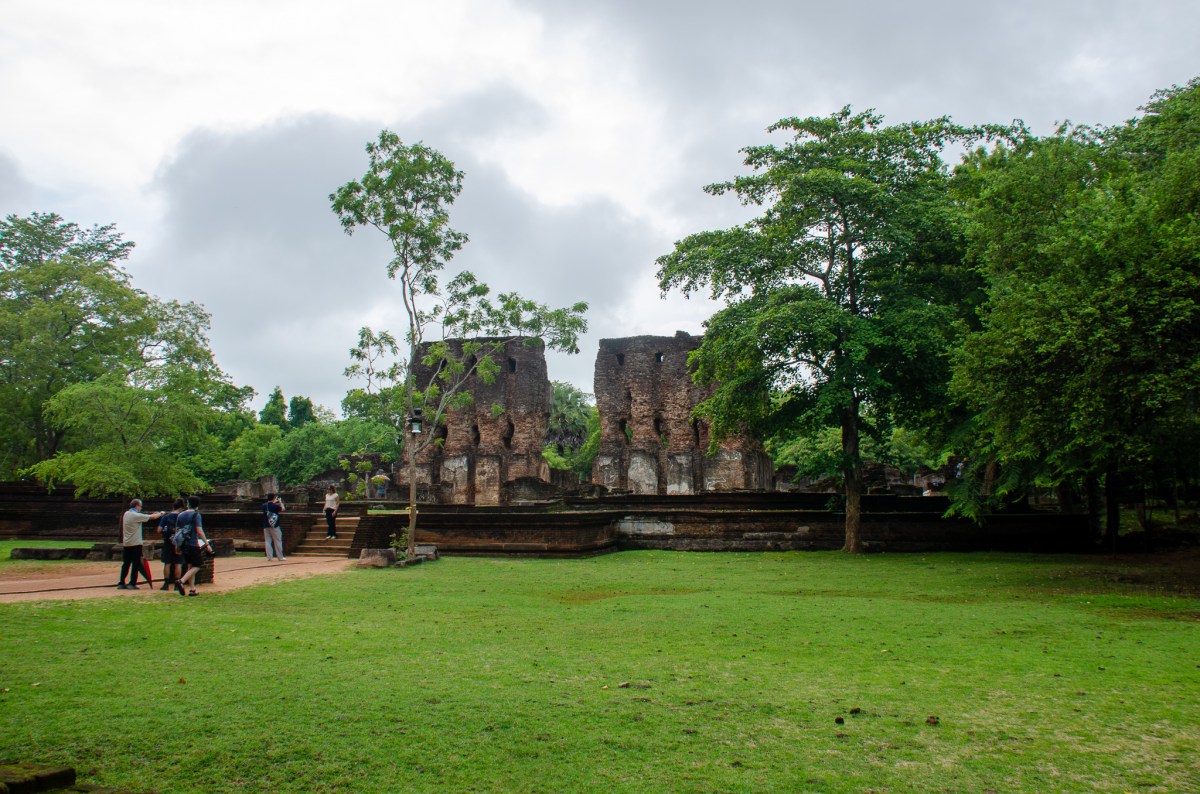
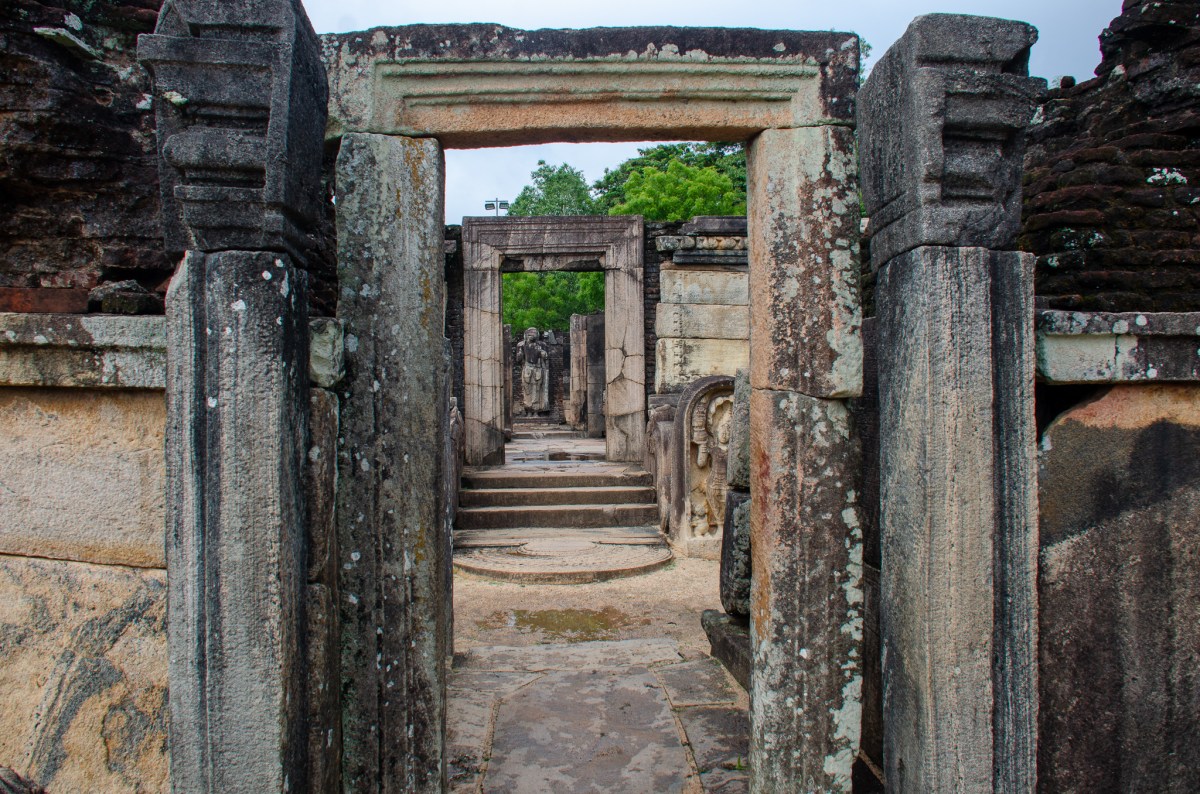
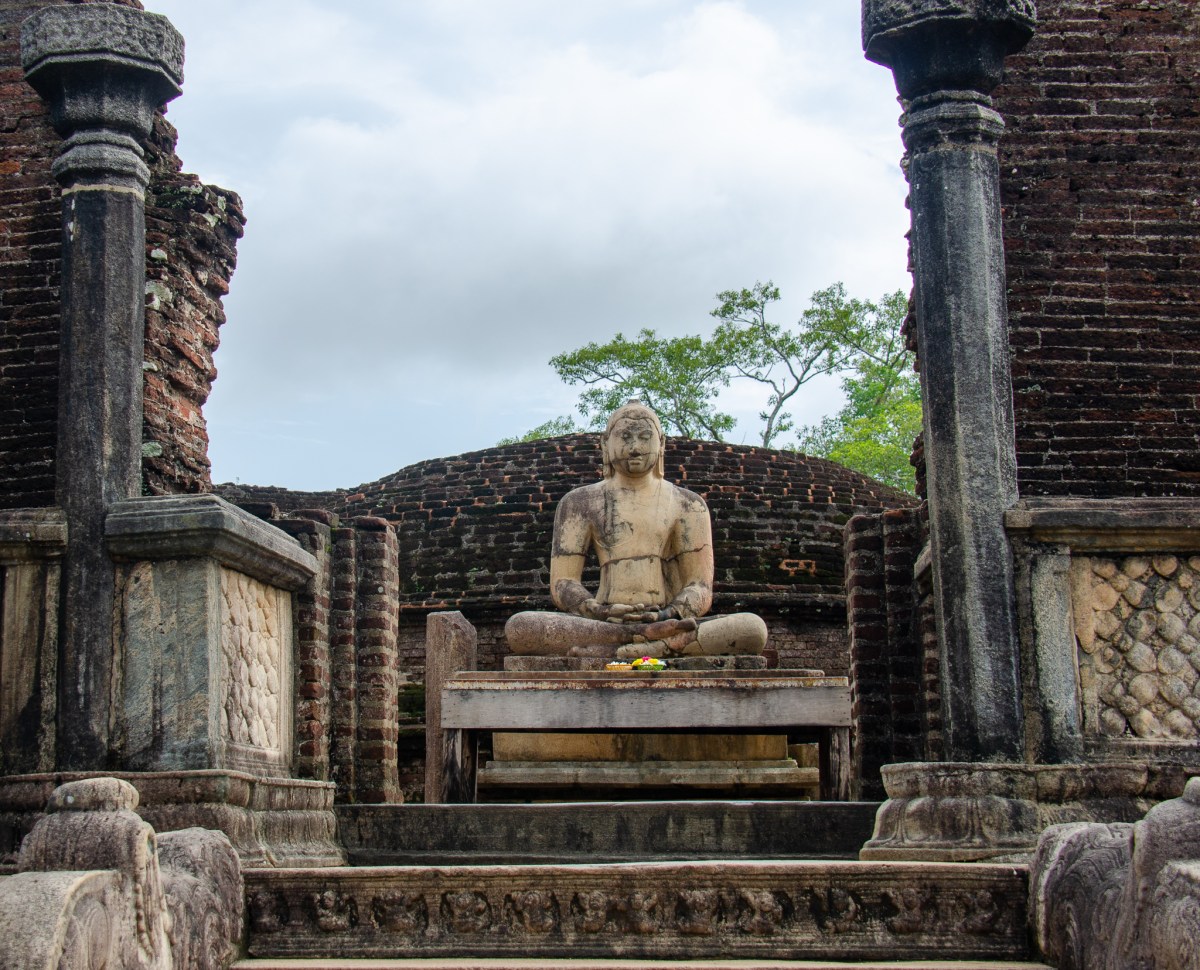
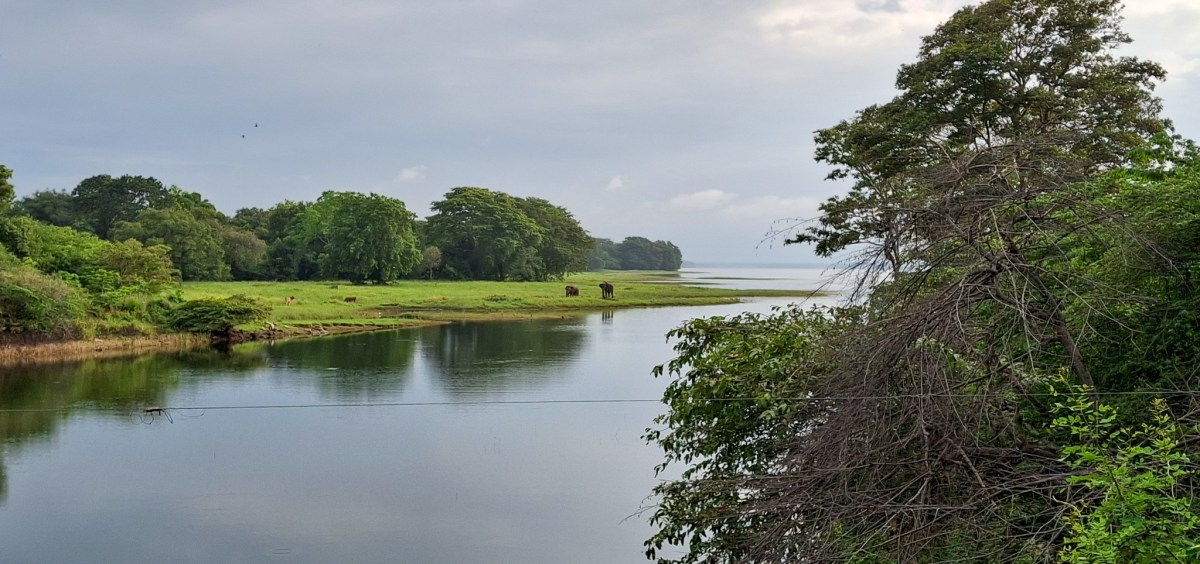
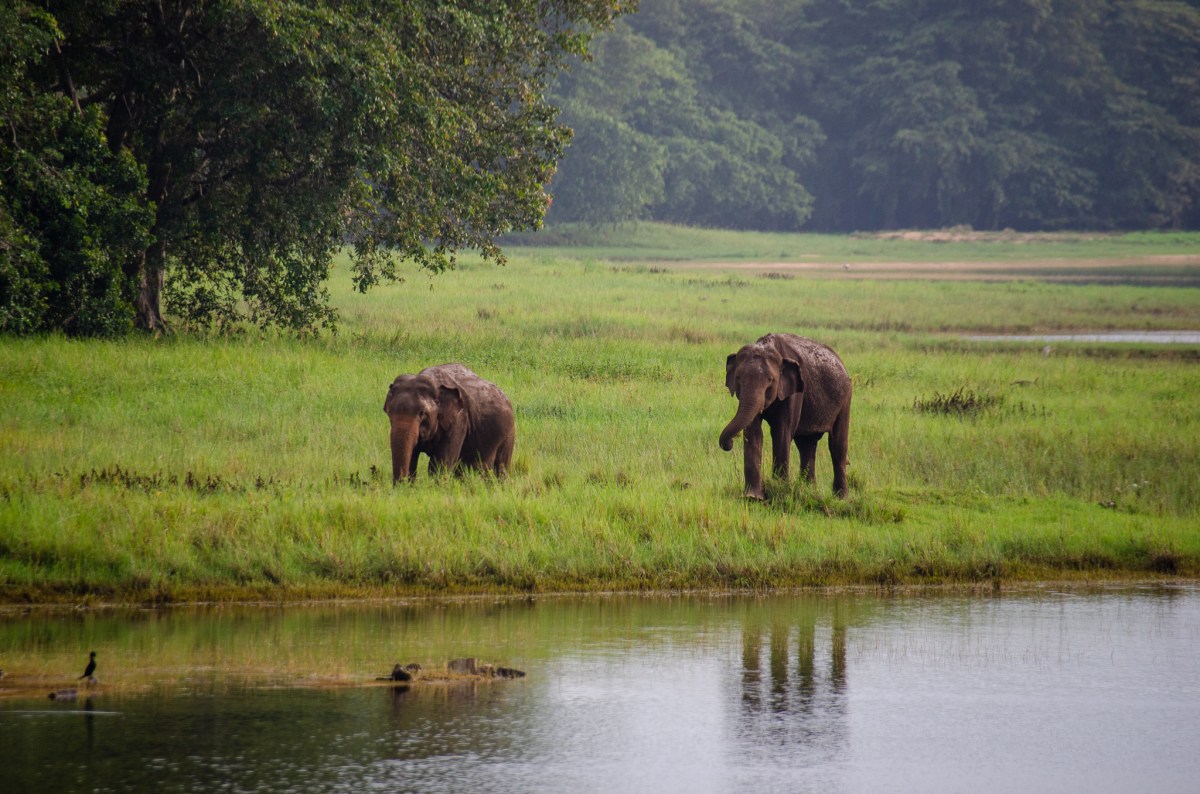
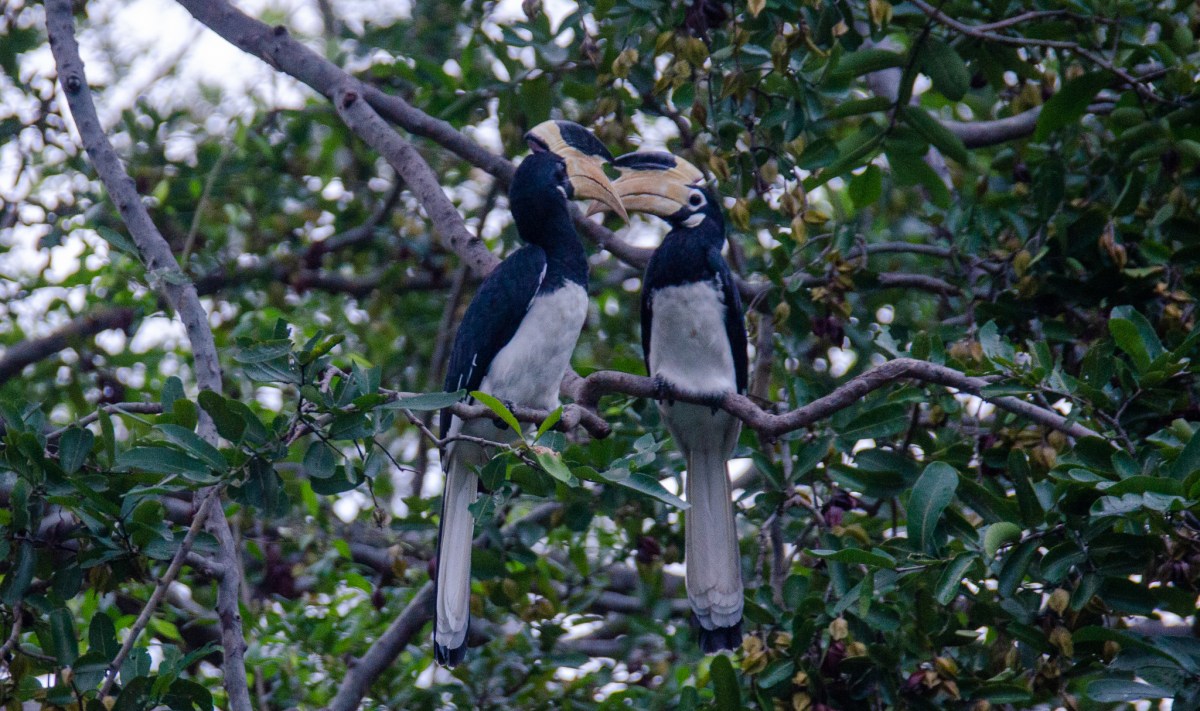
Wildlife: On the drive back, we were lucky to spot elephants in the wild so we stopped on a bridge to grab a photo — an unexpected bonus. Seeing hornbills in the trees near the hotel pool made the evening even more special.
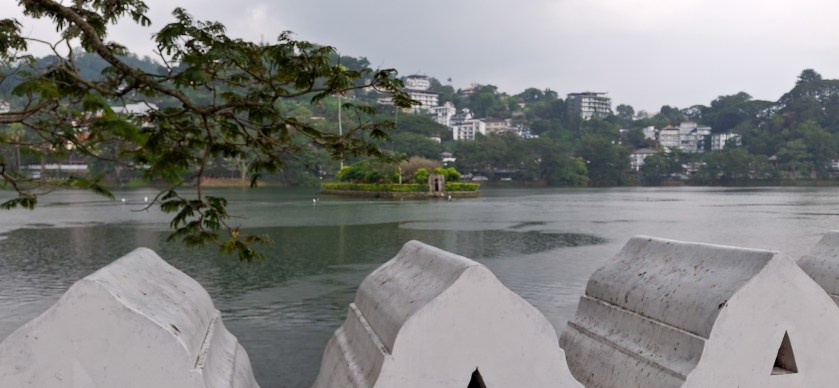
Kandy
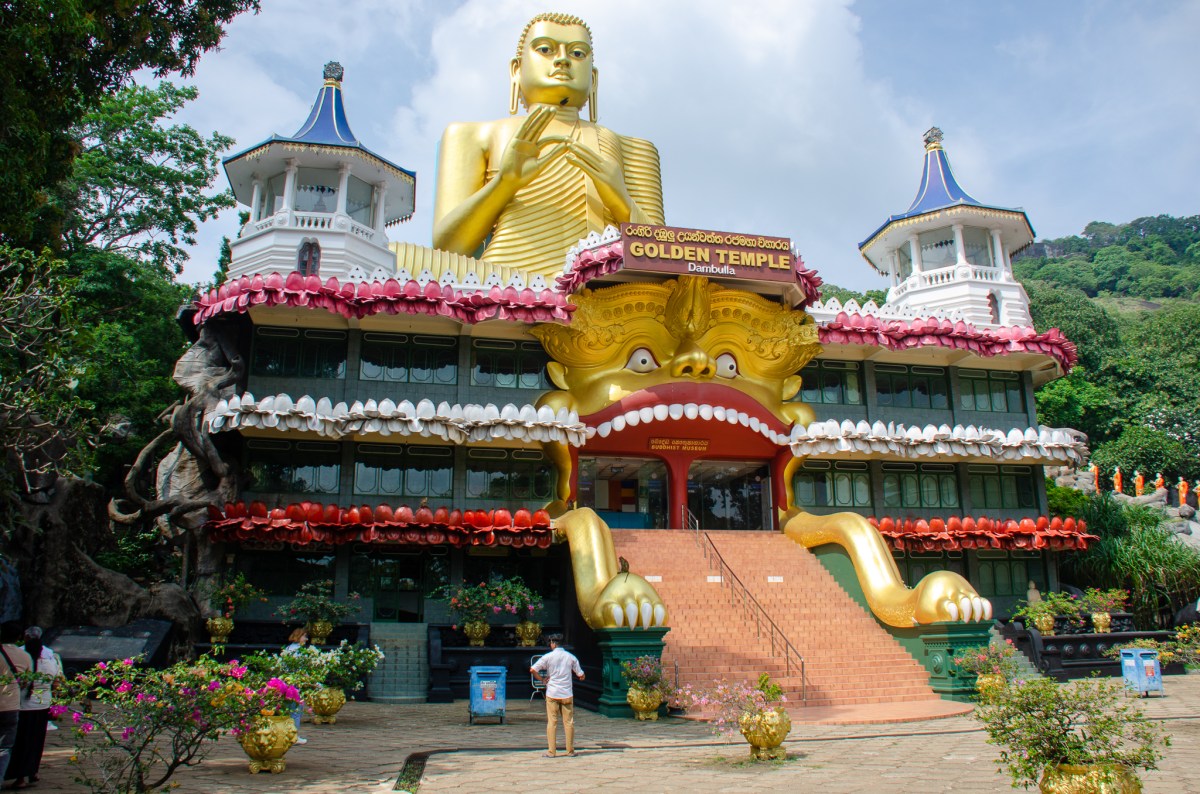
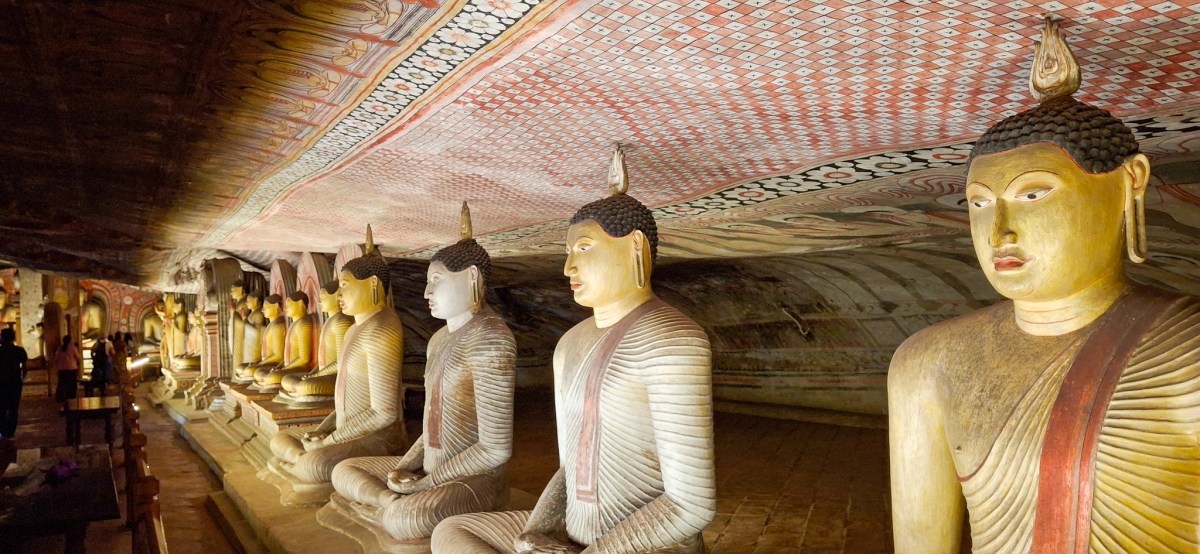
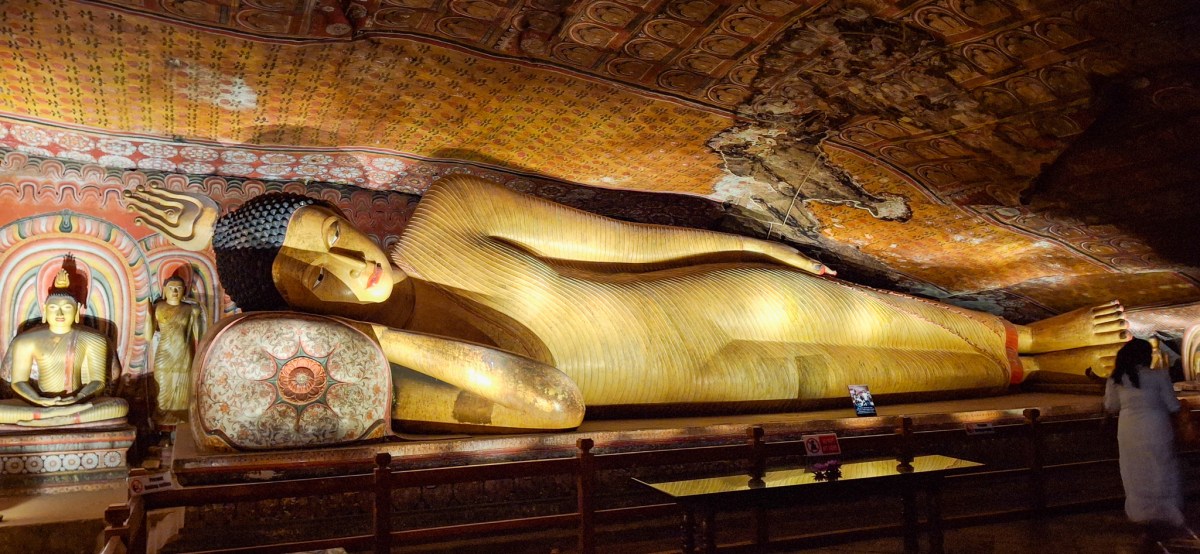
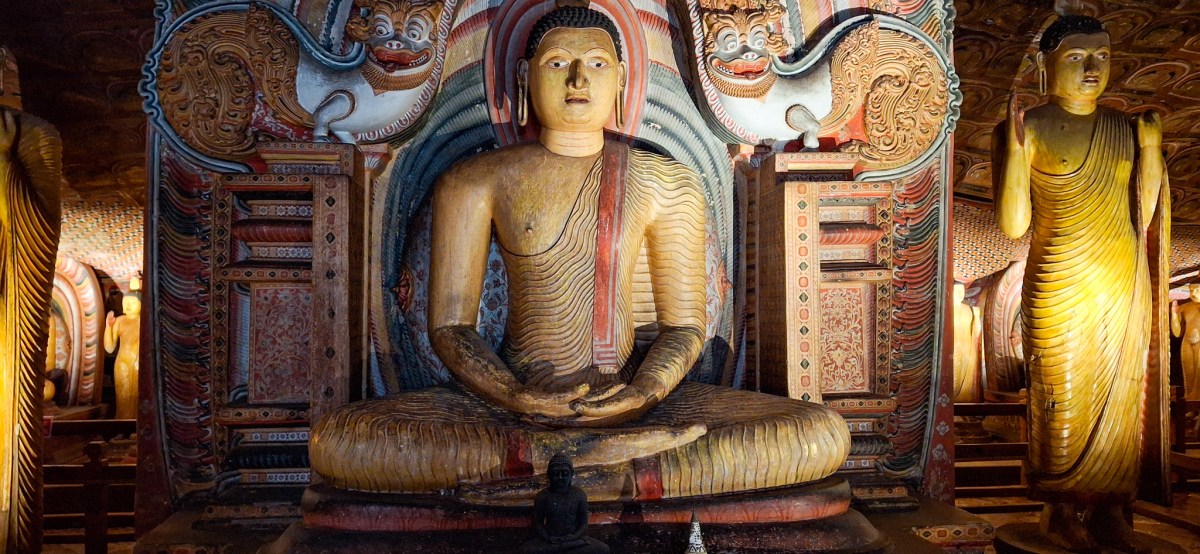
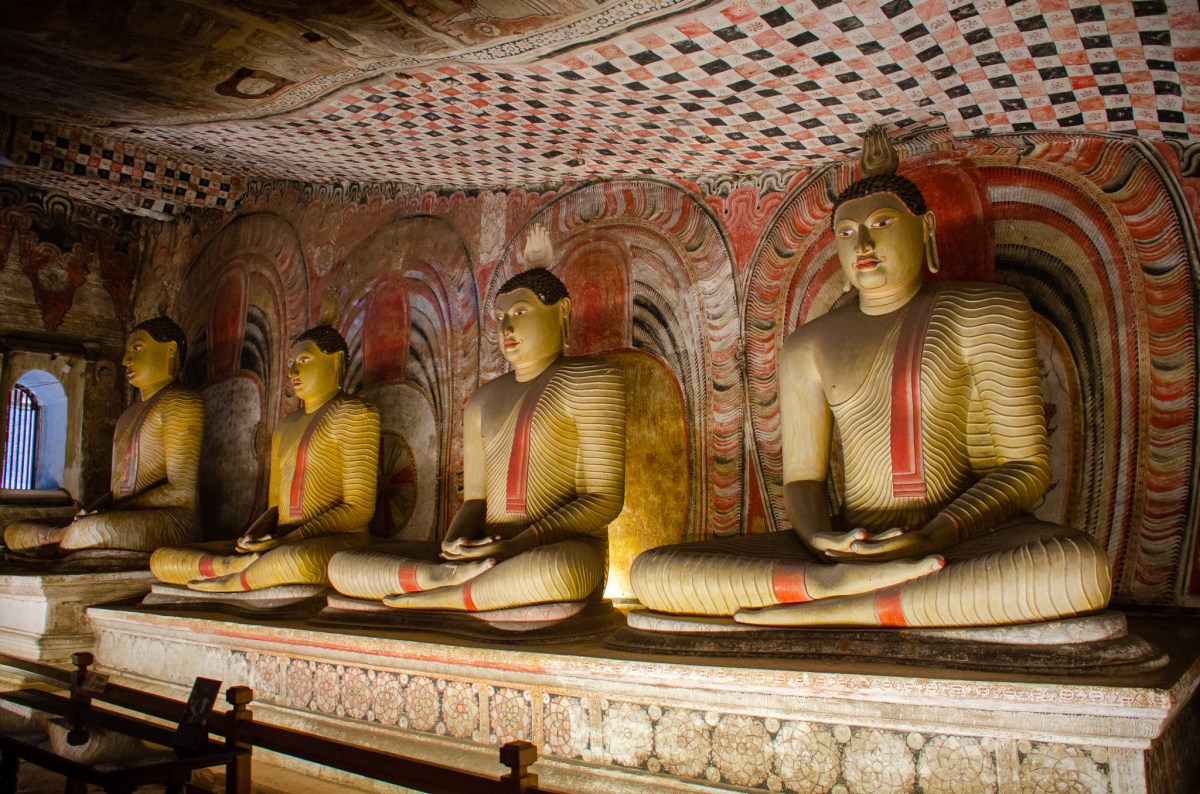
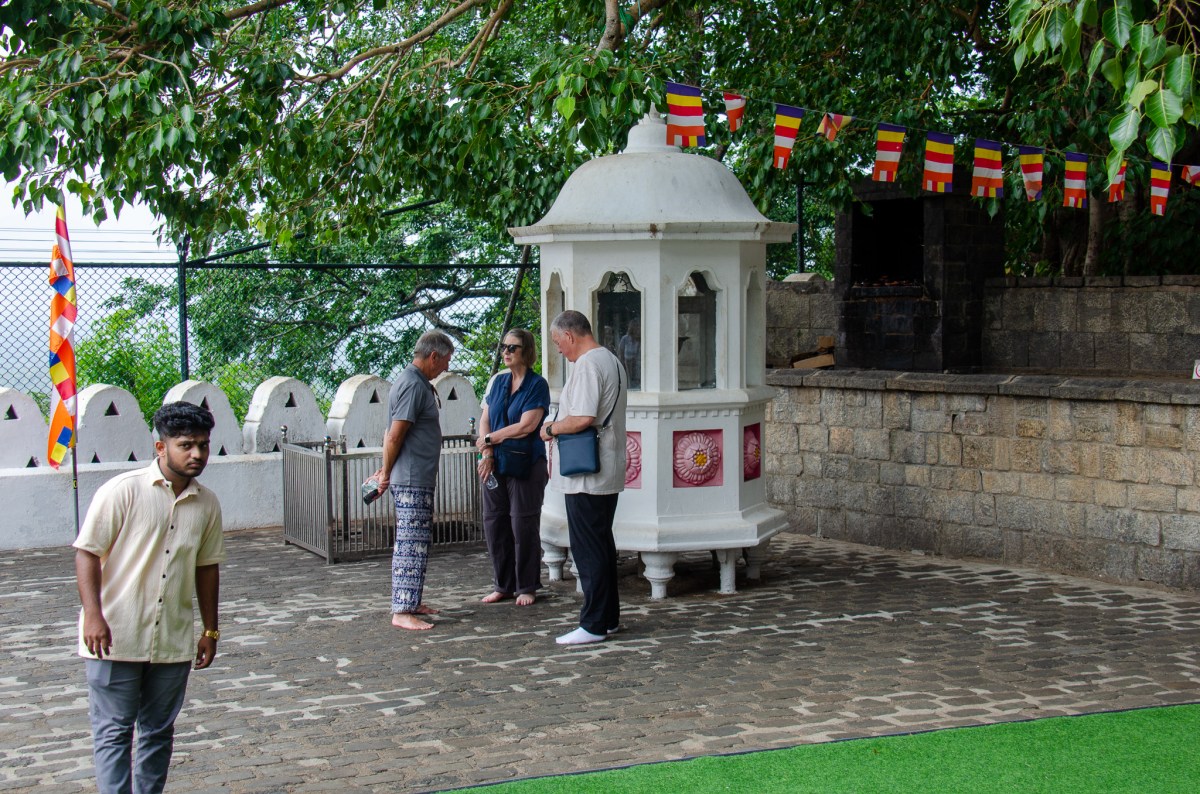
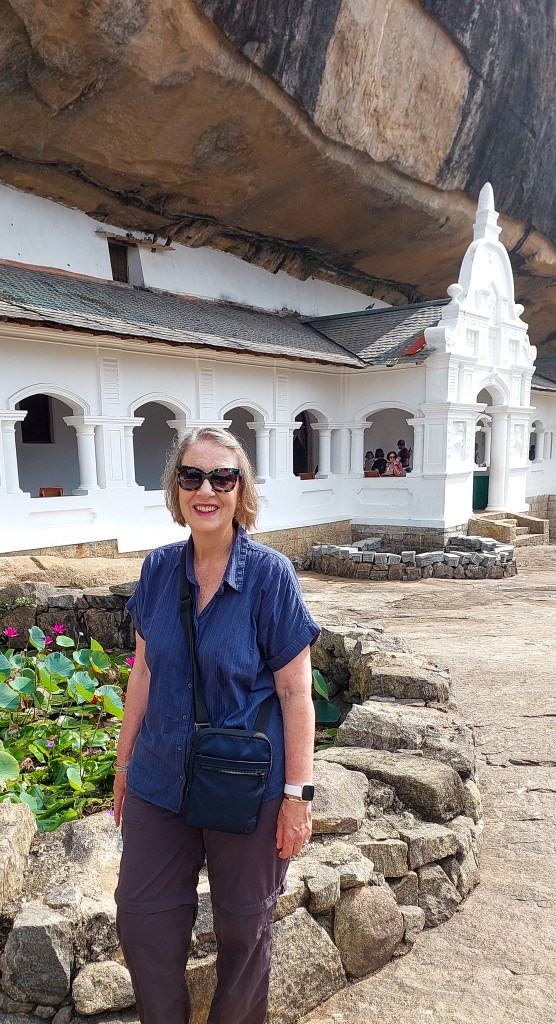
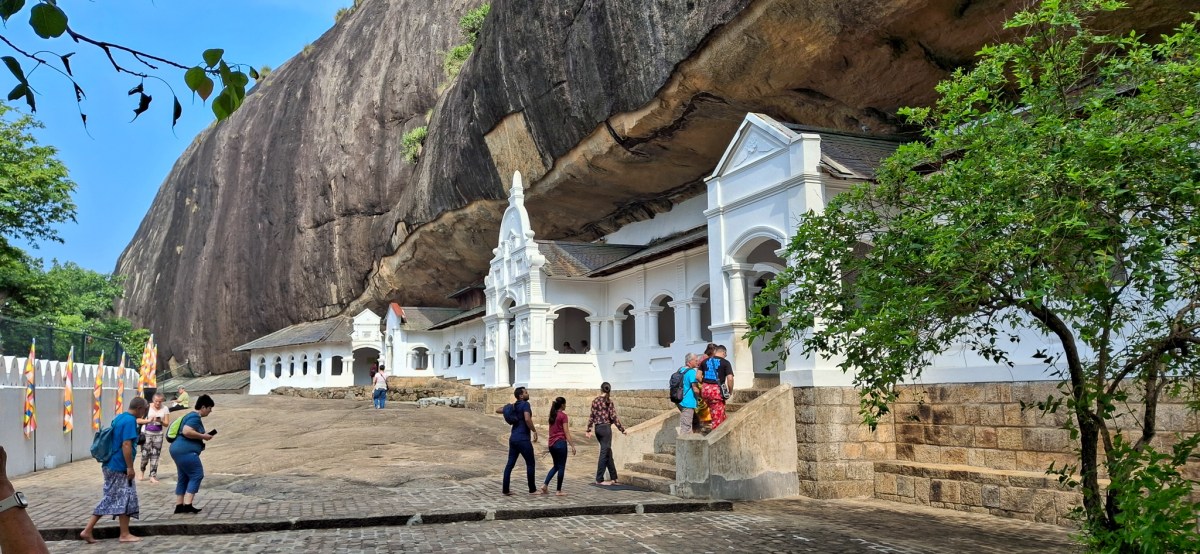
Dambulla & Cave Temples: The Dambulla Cave Temples are a UNESCO World Heritage site, dating back to the 1st century BCE. The complex has five main caves with over 150 statues of Buddha, Sri Lankan kings, and Hindu deities, plus murals covering more than 2,000 square metres. The climb up involves a few hundred steps, but the views over the countryside are worth it. The area is also known for rose quartz mountains and prehistoric burial sites.
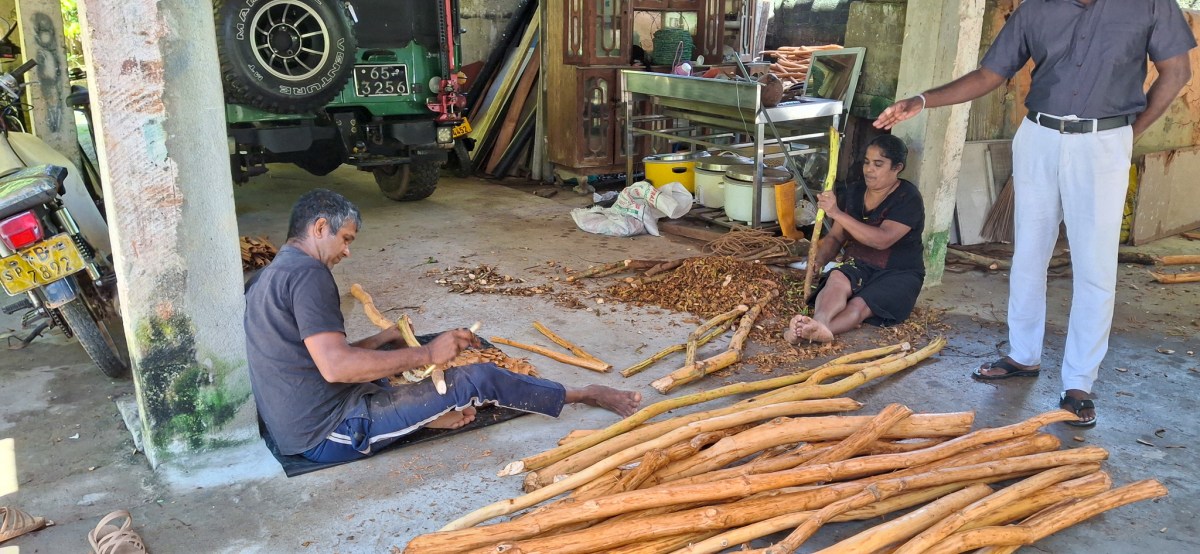
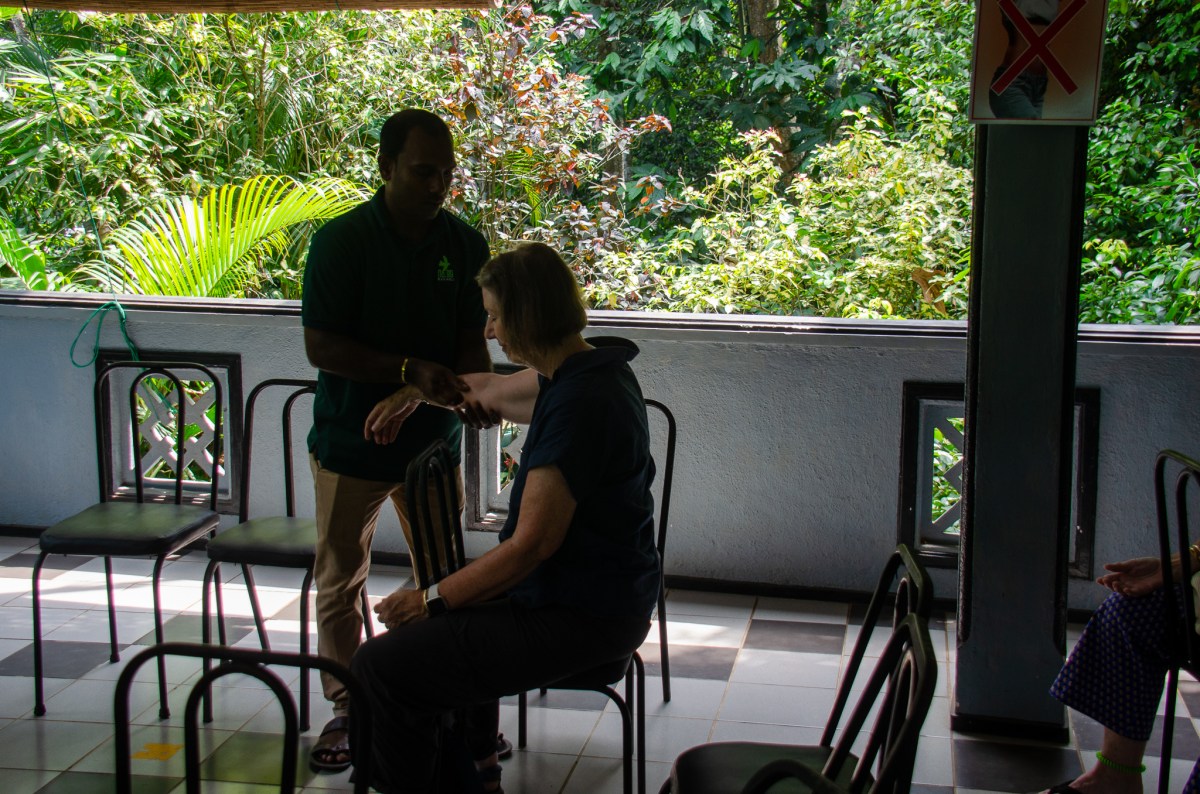
Spice Plantation: Along the way we stopped at a local spice plantation to see cinnamon, cardamom, pepper, and clove plants. We also enjoyed a shoulder massage with fragrant oils — a relaxing break before heading into Kandy.
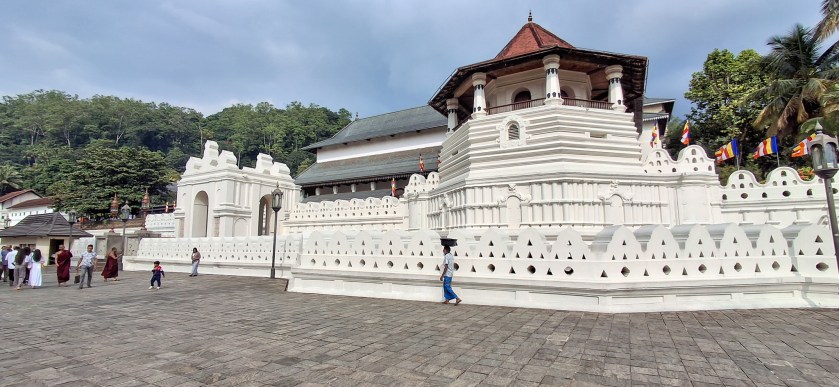
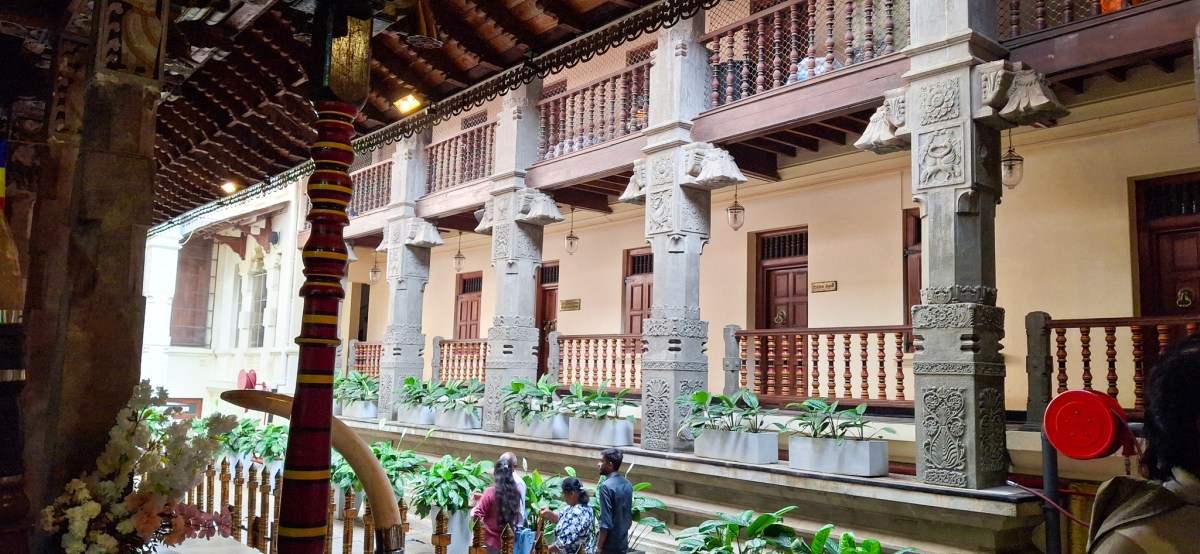
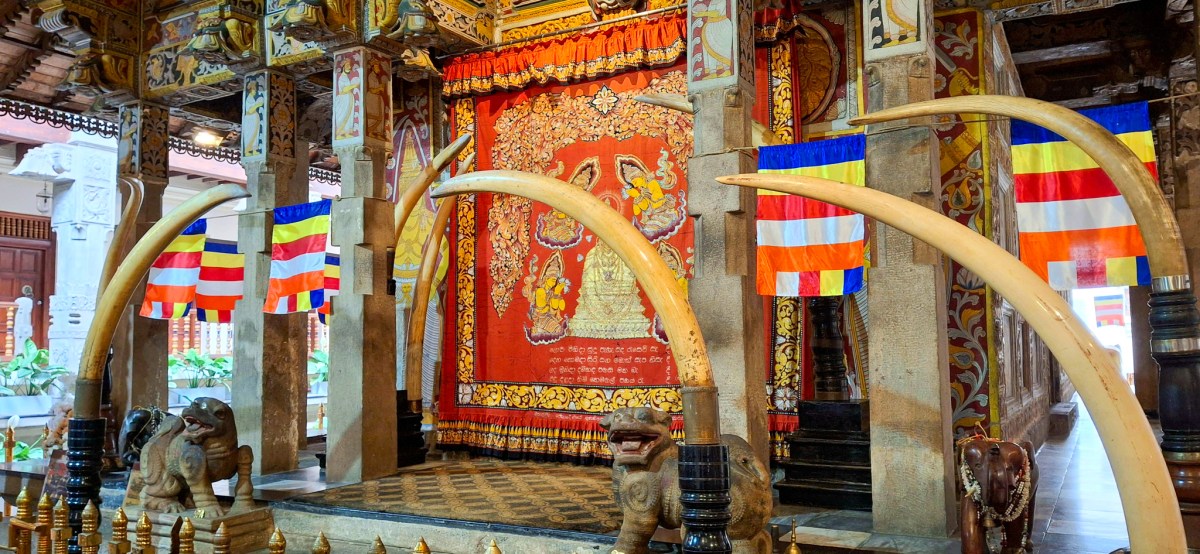
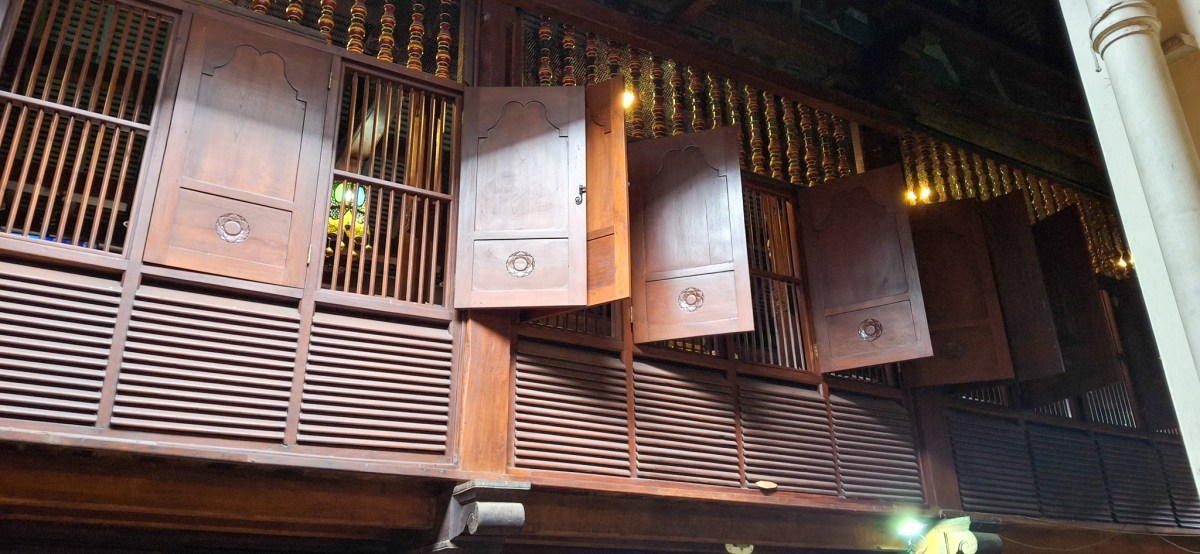
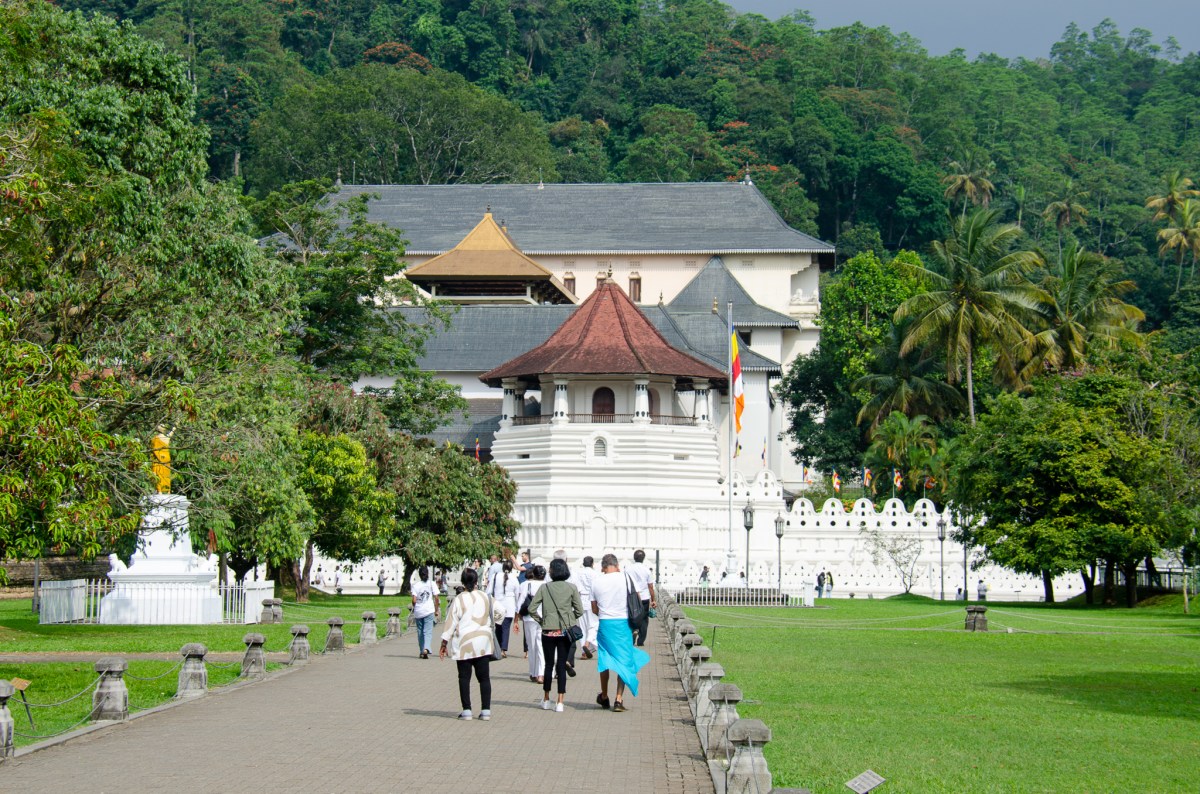
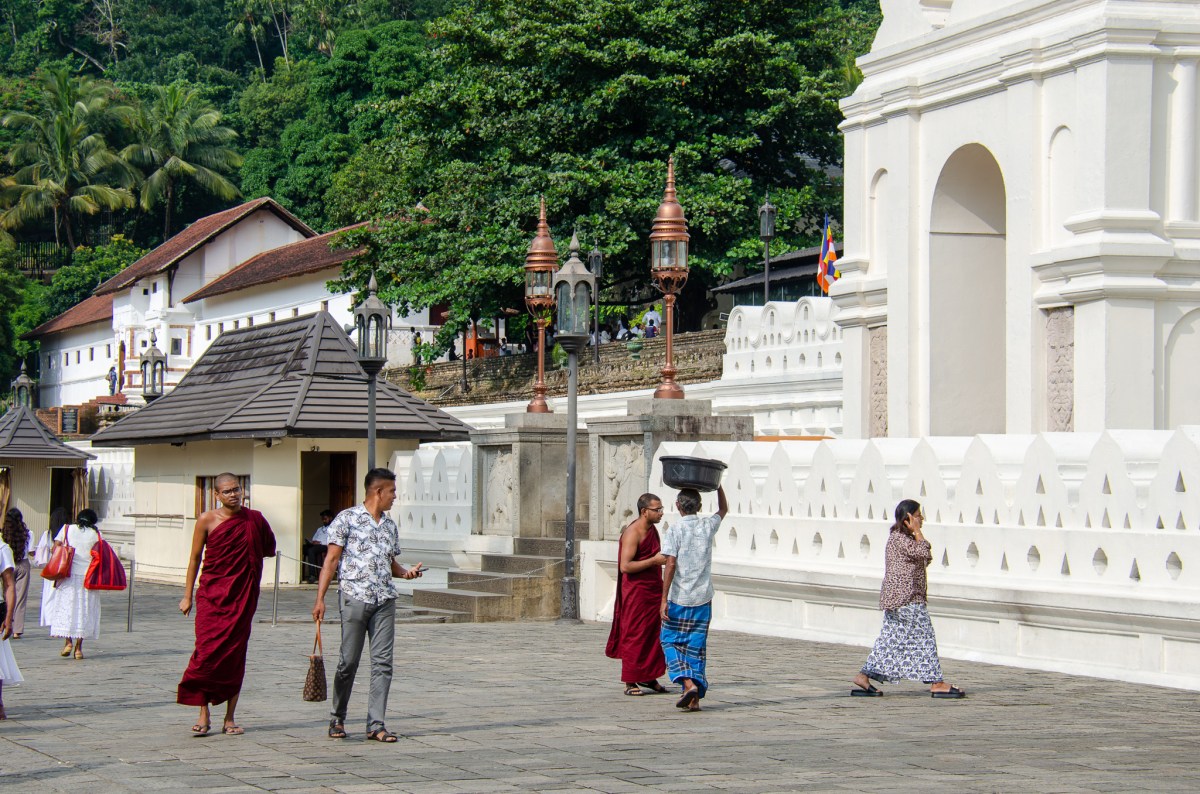
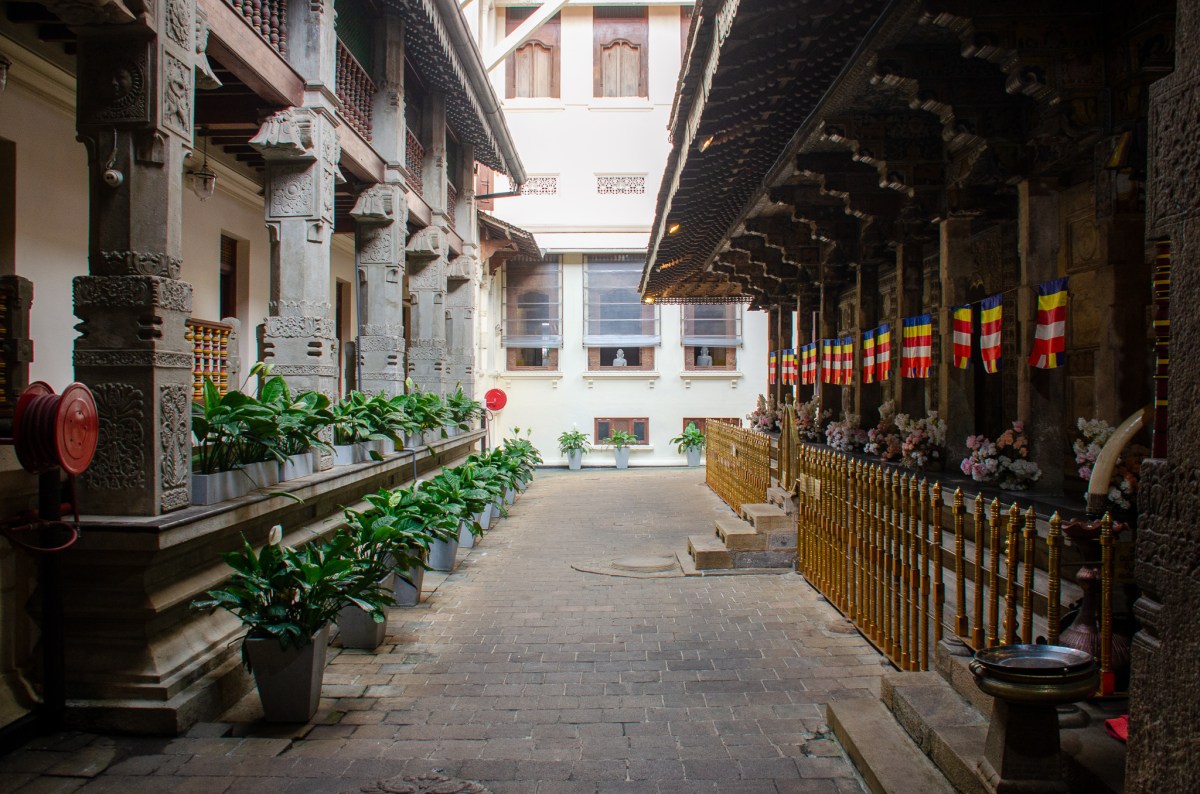
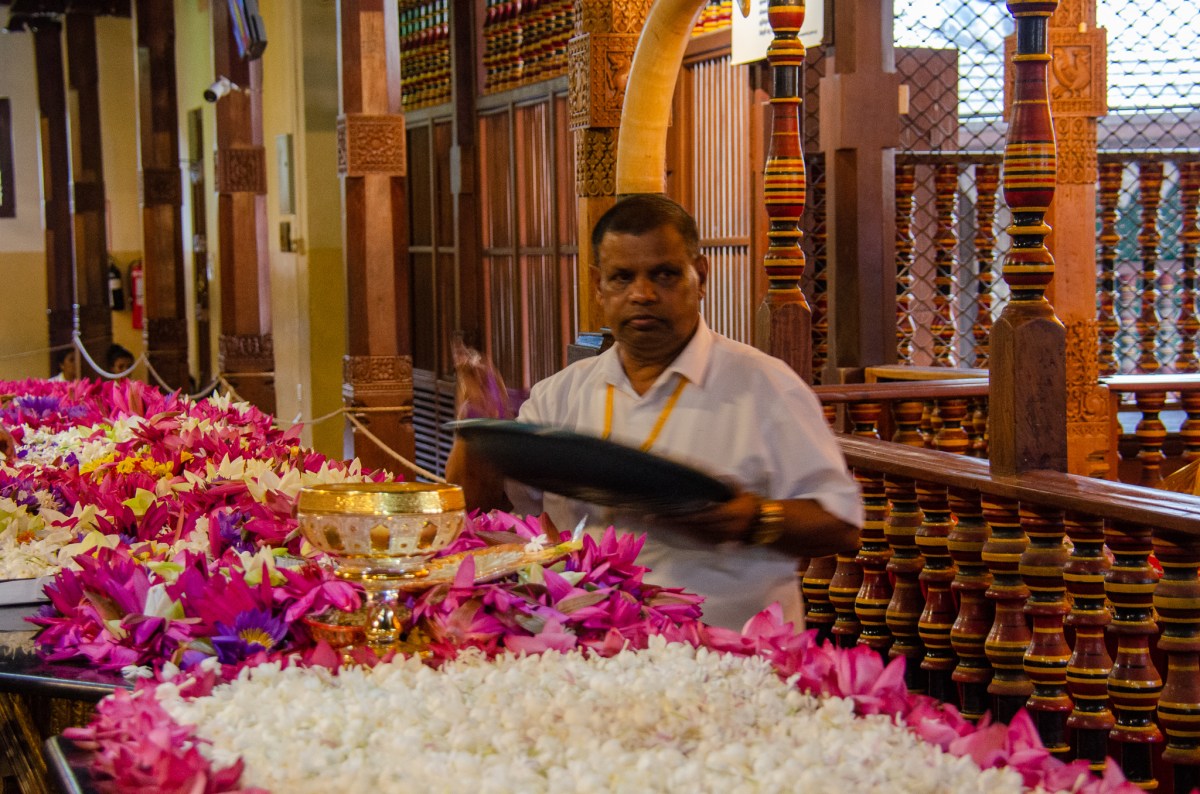
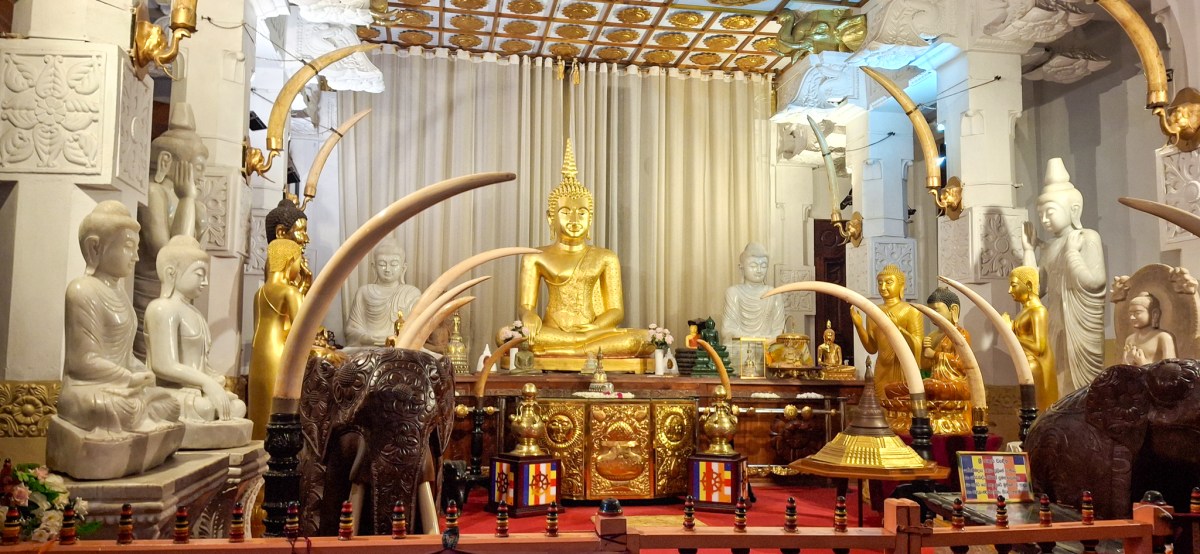
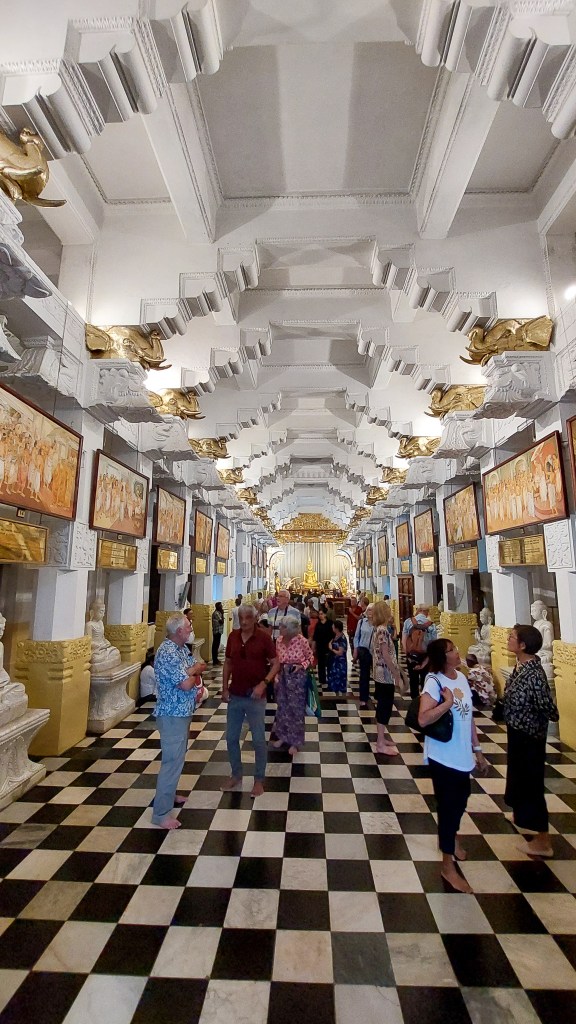
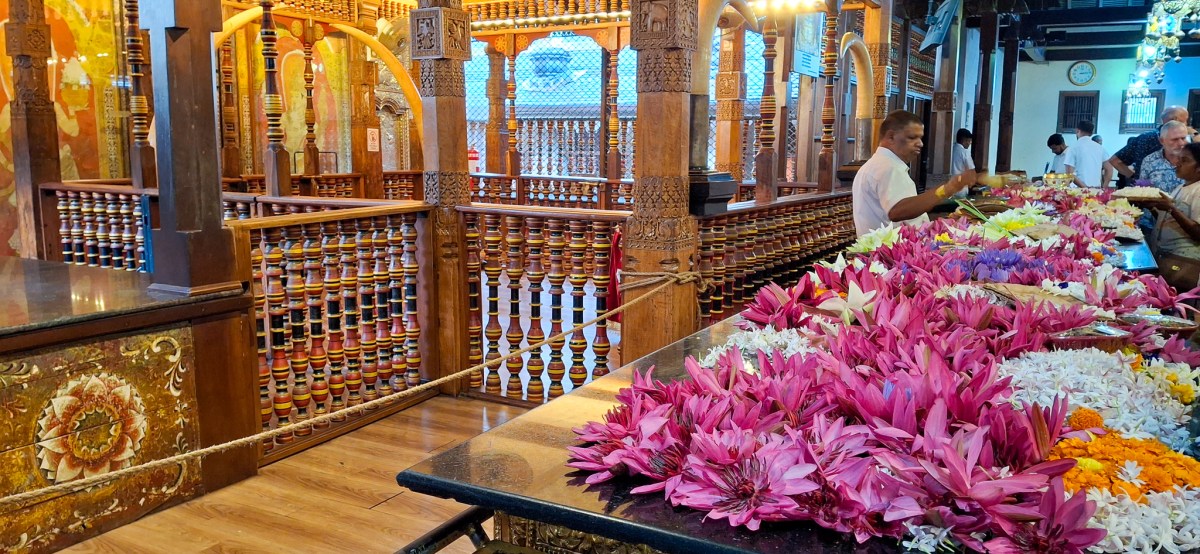
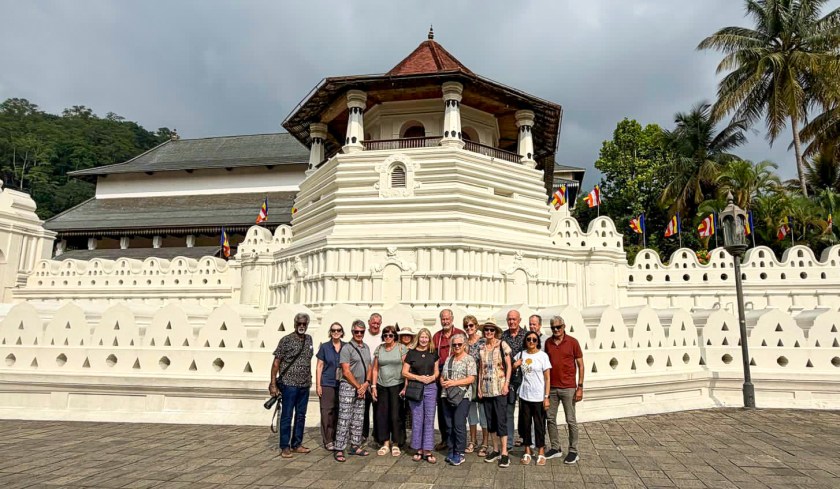
Temple of the Tooth Relic: In Kandy we visited the Temple of the Tooth Relic, one of Sri Lanka’s most sacred Buddhist sites. The temple houses a tooth of the Buddha in a golden casket within the inner sanctum. Daily rituals are held at dawn and evening, with pilgrims bringing offerings and visitors quietly observing. The temple is part of the former royal palace complex, giving a sense of the city’s historical importance.
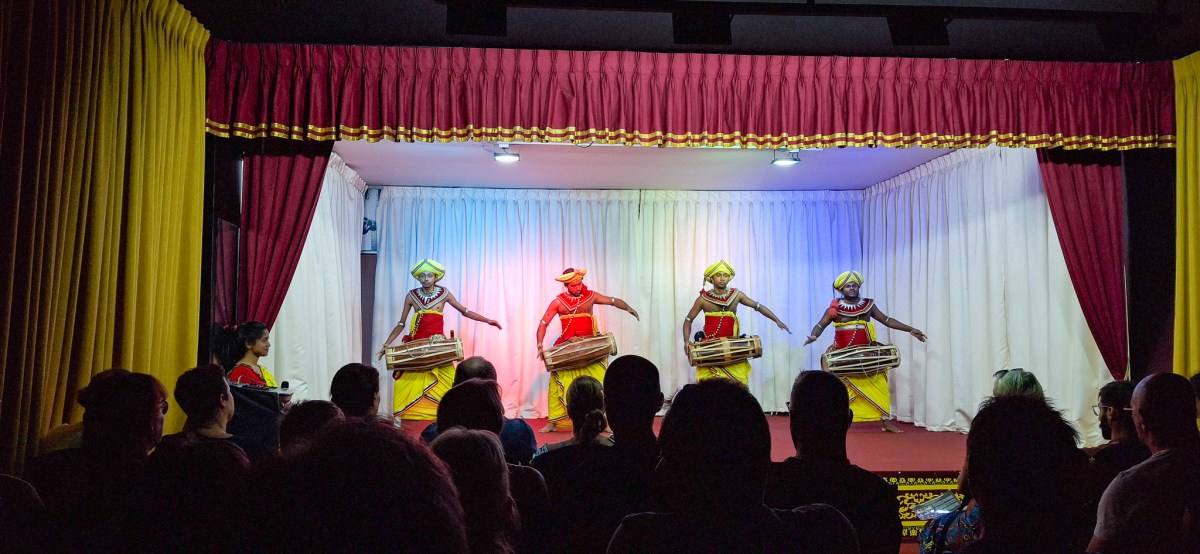
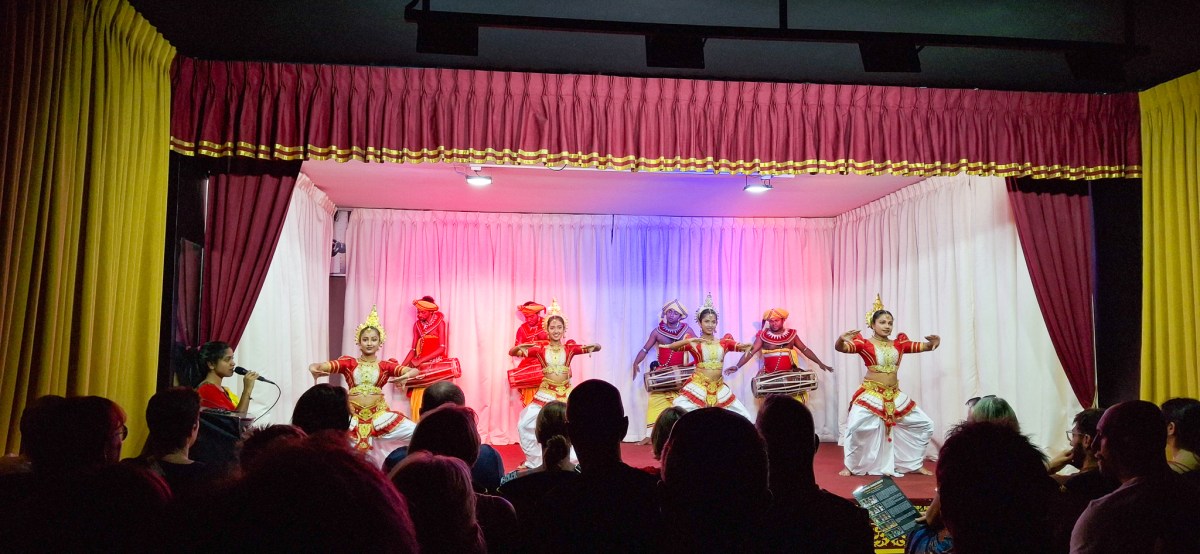
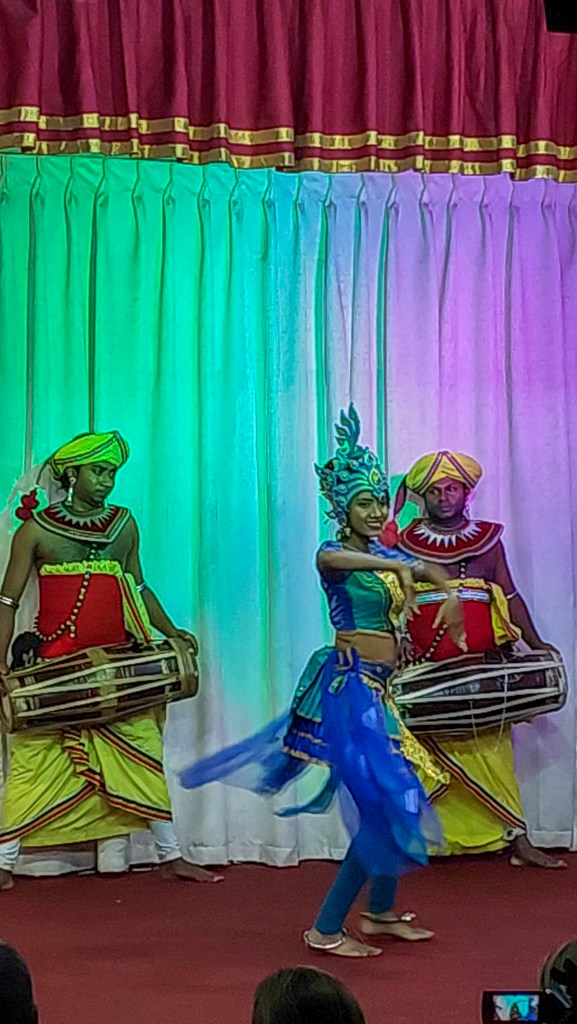
Cultural Show: In the evening we watched a traditional dance performance, with bright costumes, lively music, and energetic drumming patterns unique to Kandy. The dances often tell stories from local folklore and the Ramayana. At the end, there was even a firewalking display — crickey, that was intense!
Nuwara Eliya
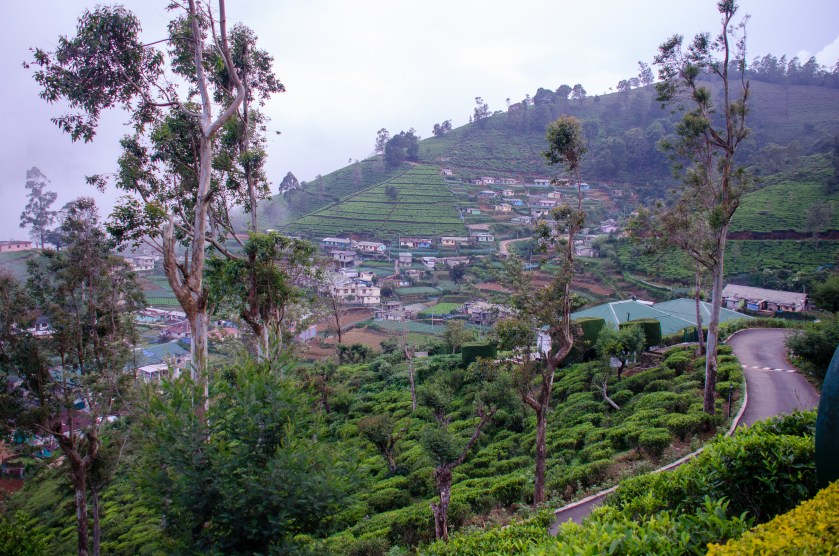
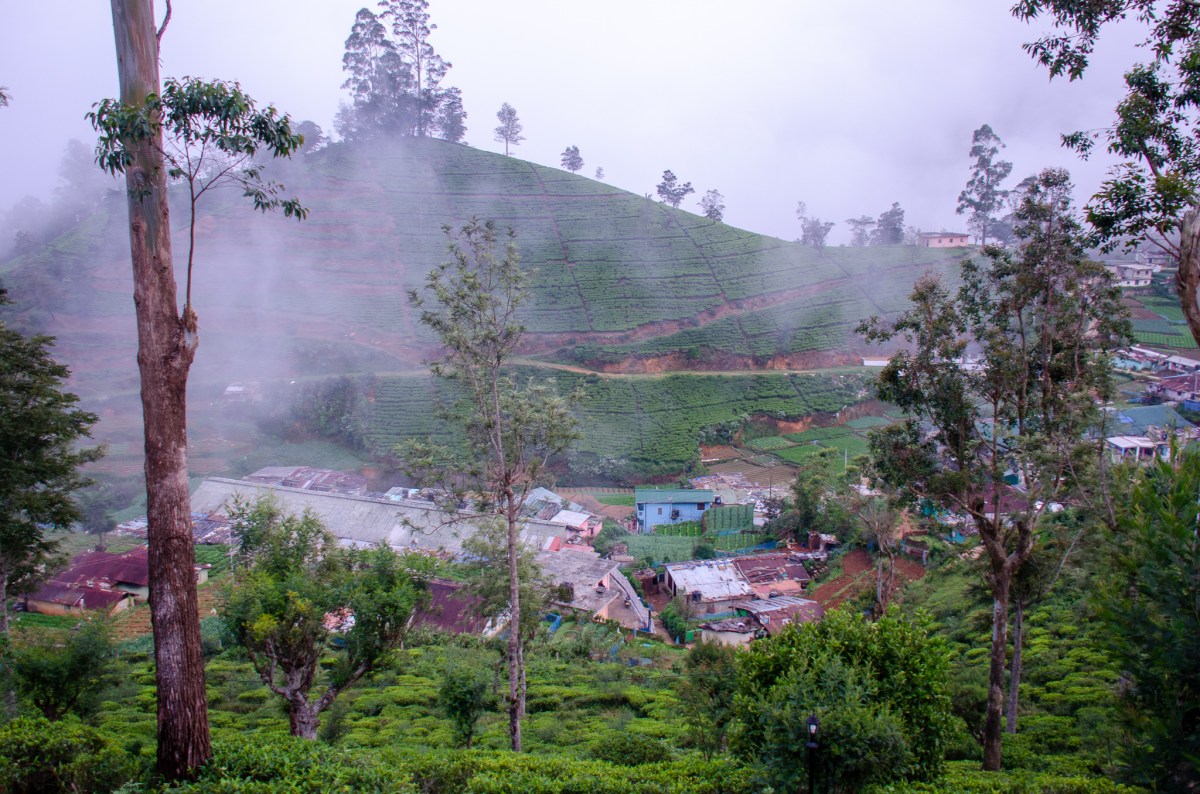
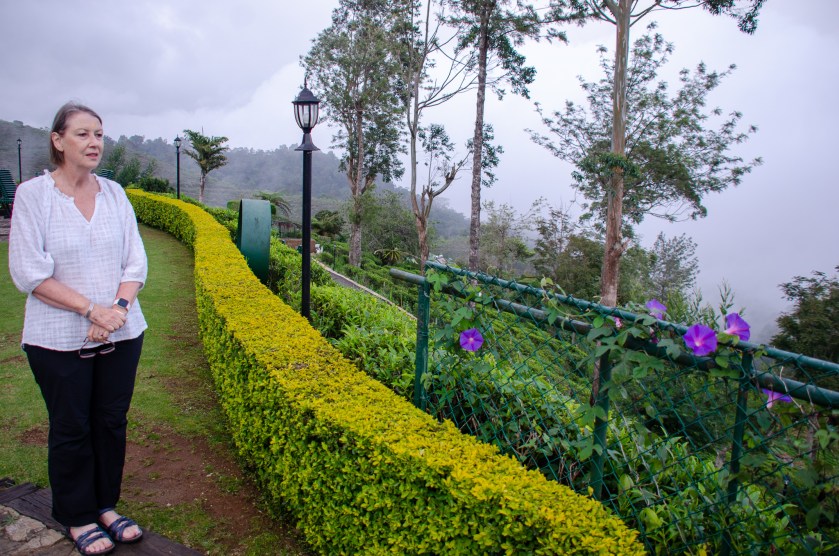
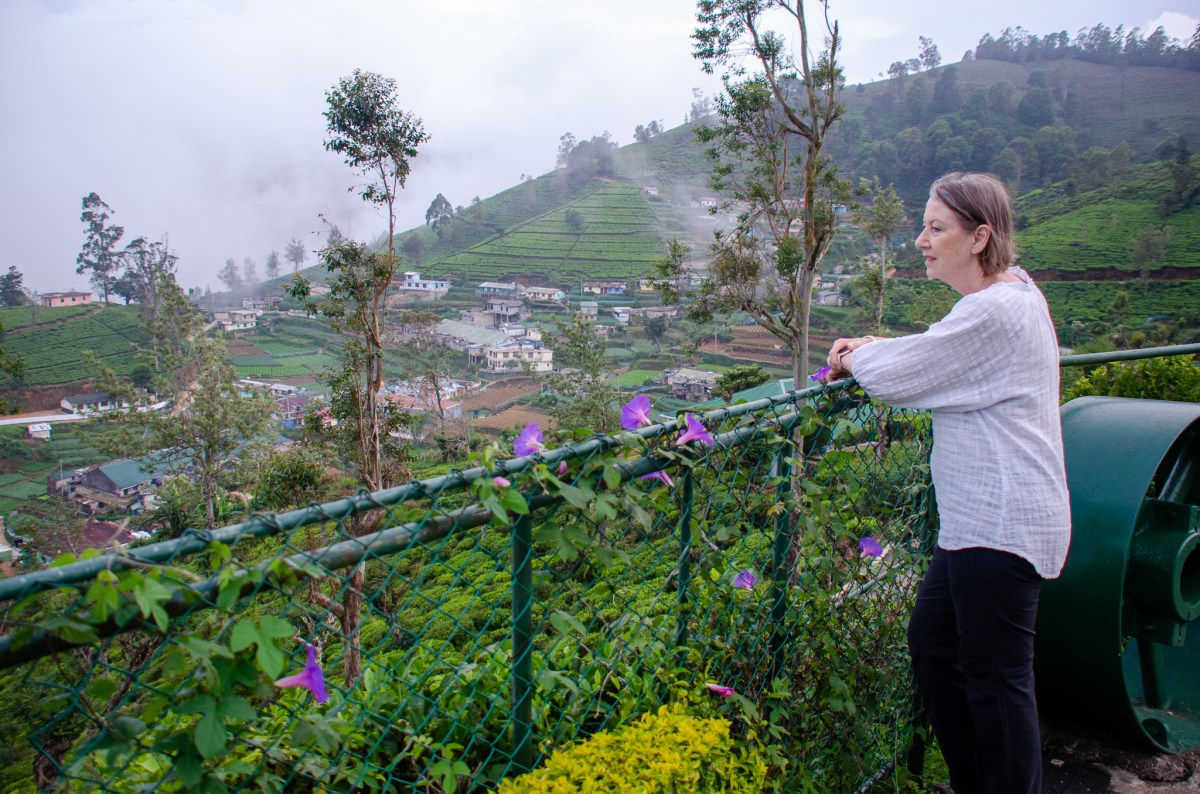
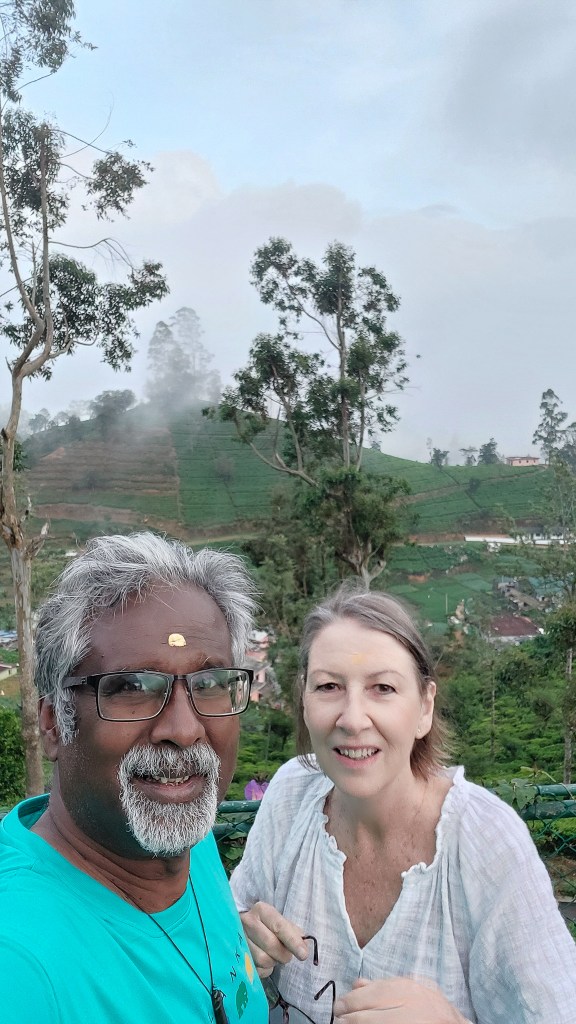
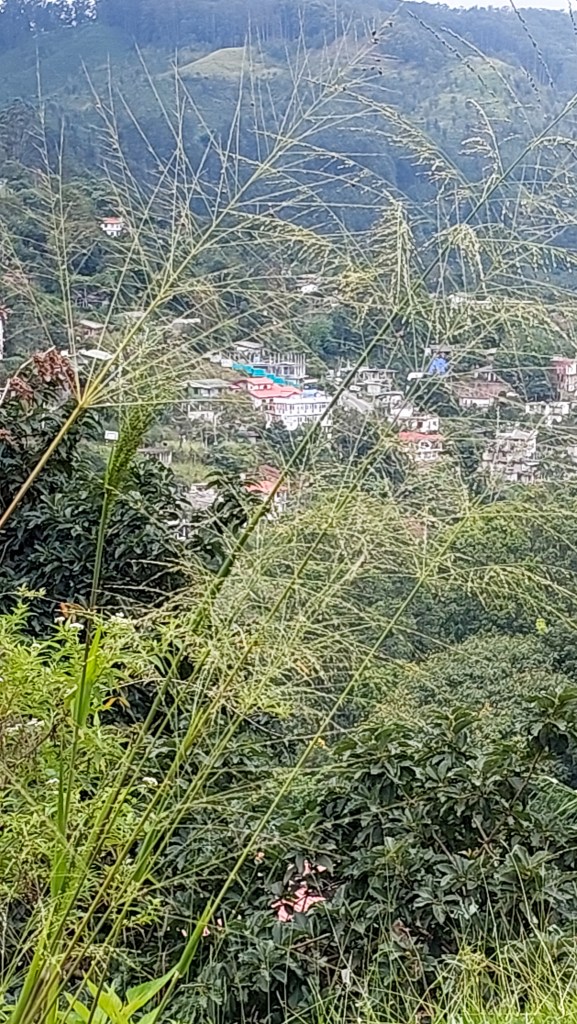
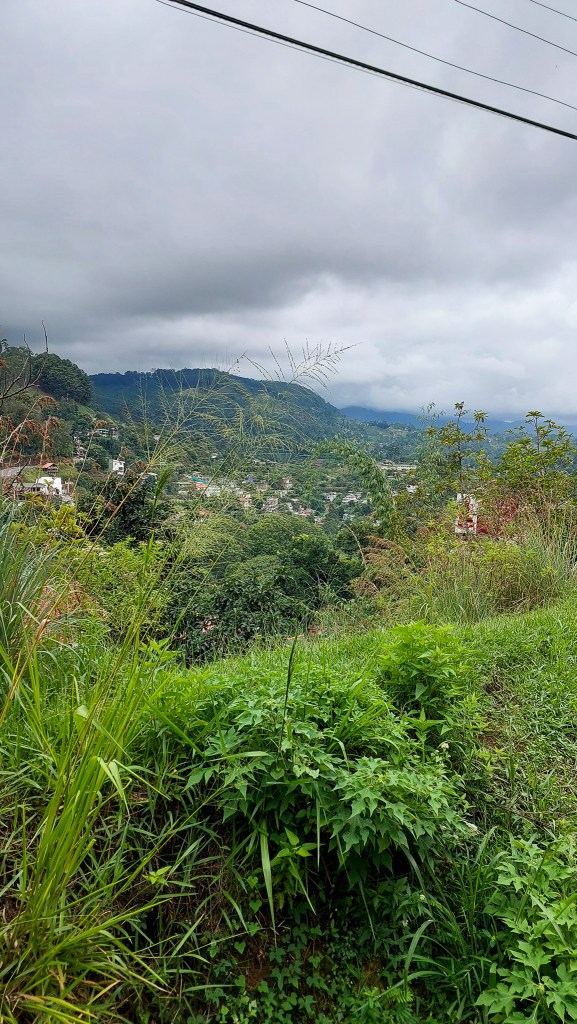
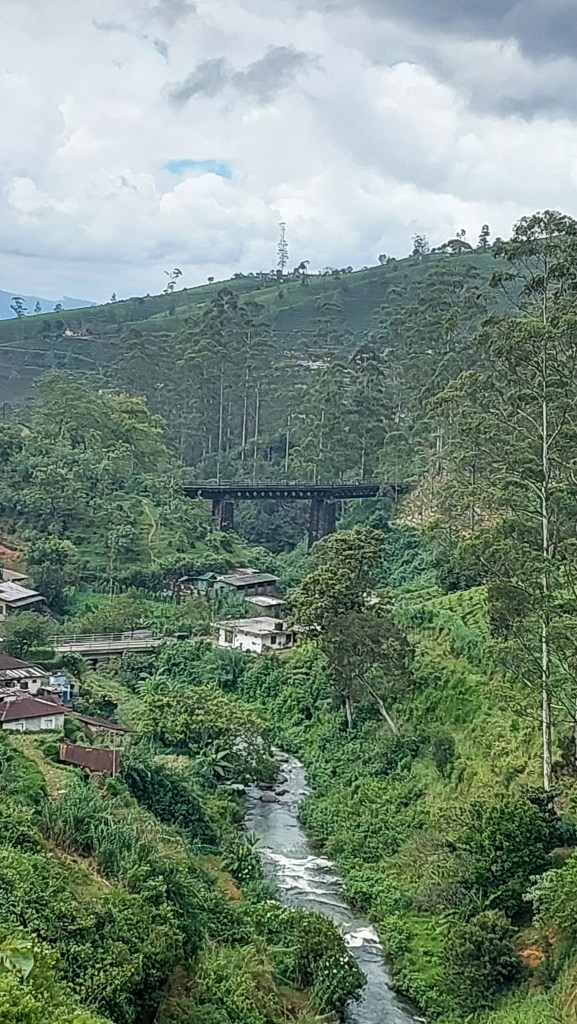
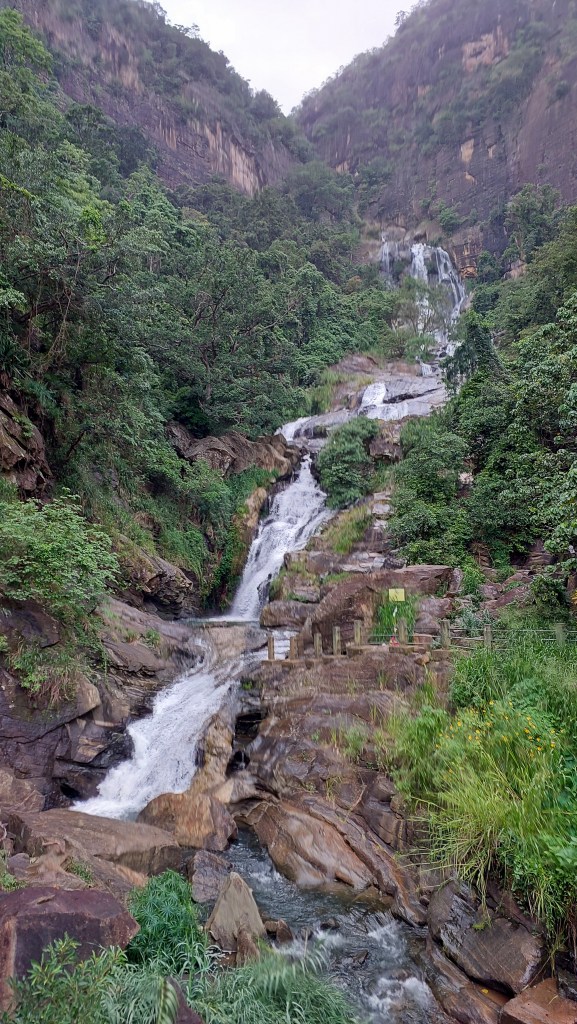
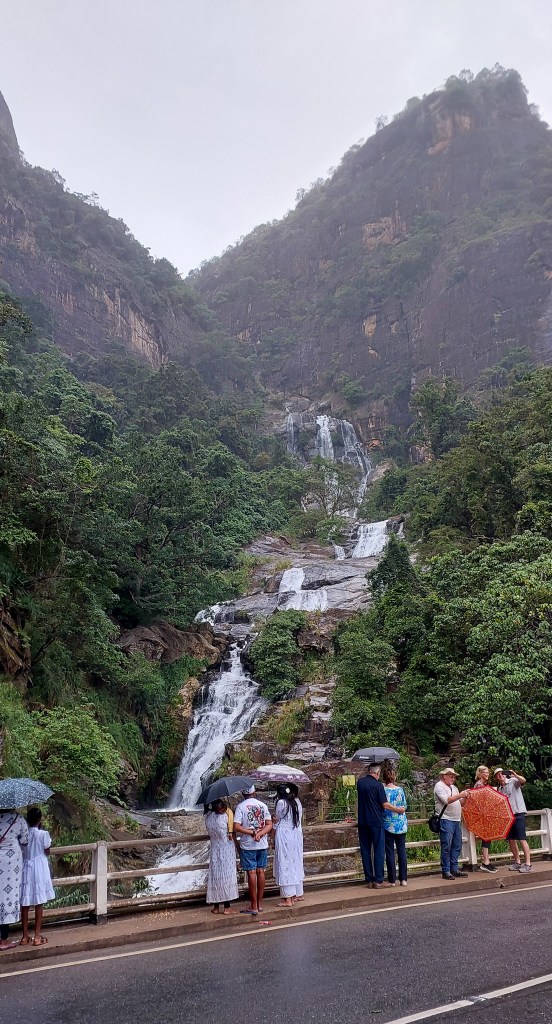
Scenery: Leaving Kandy, we drove into the hills toward Nuwara Eliya. Winding roads, tea plantations, misty views, and cooler air made the journey stunning. Waterfalls tumbled down the slopes, and the villages looked calm and green — a real contrast to the bustling lowlands.
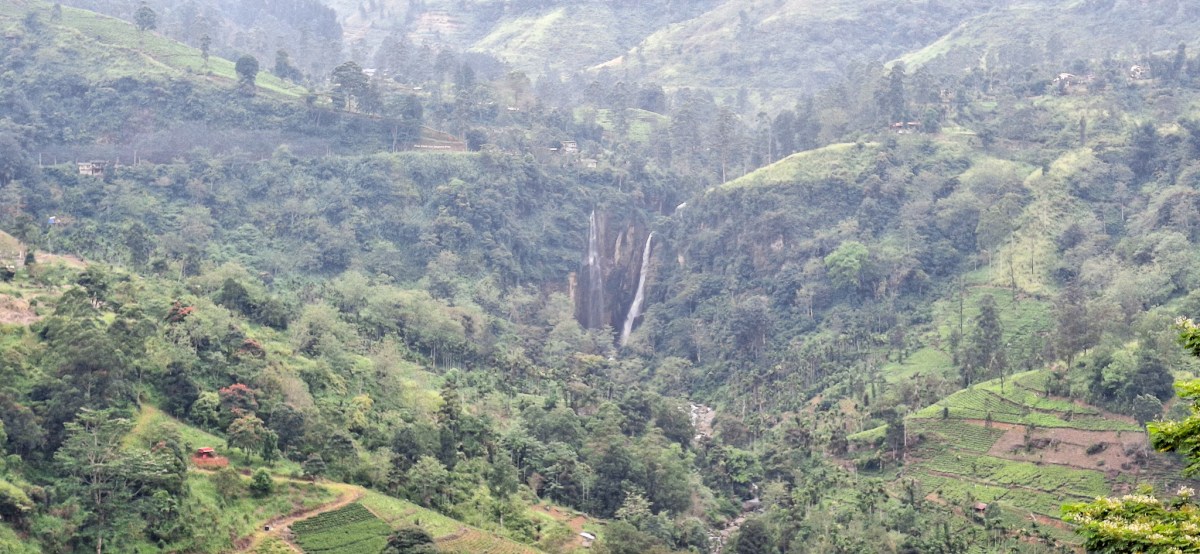
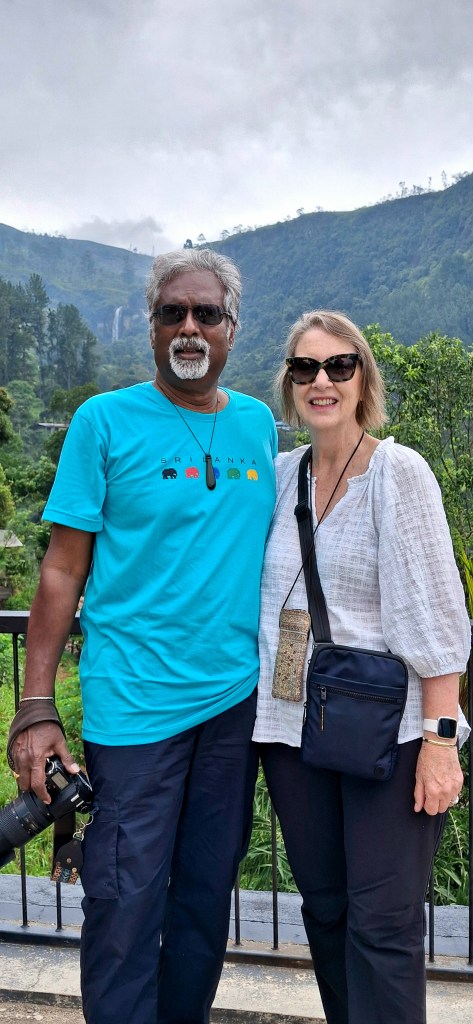
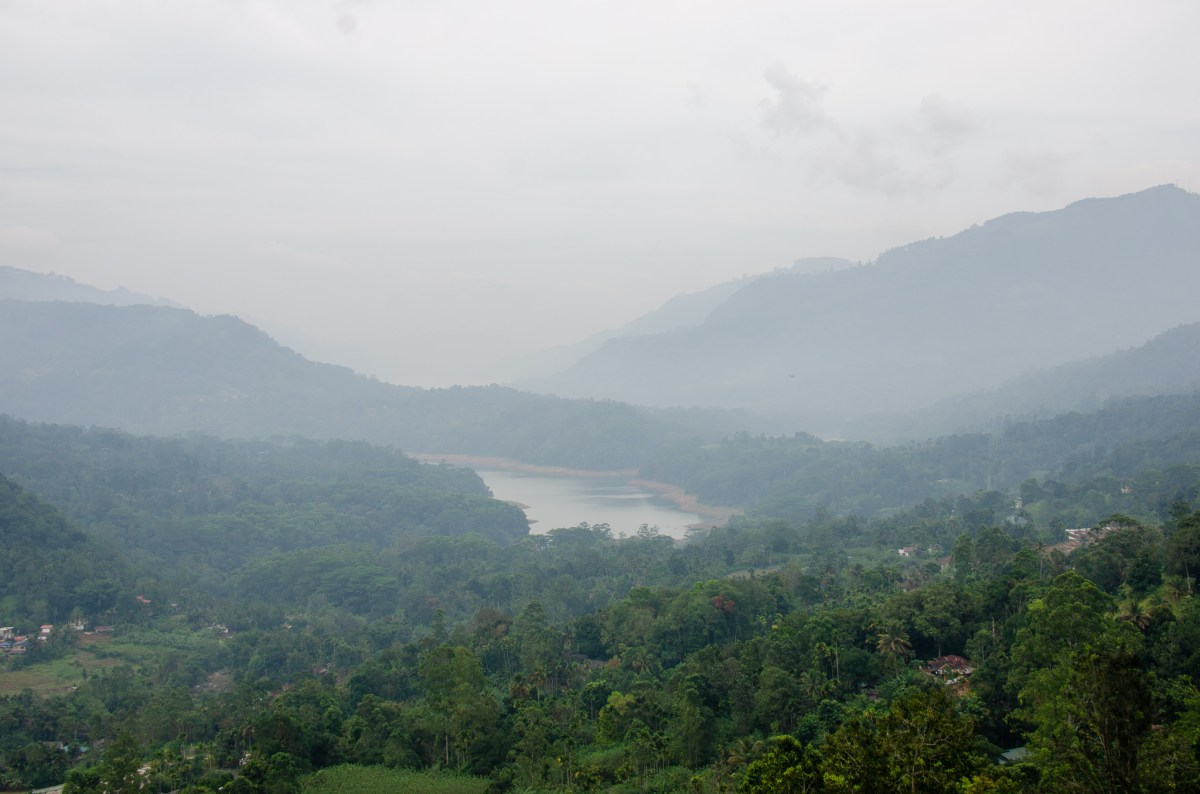
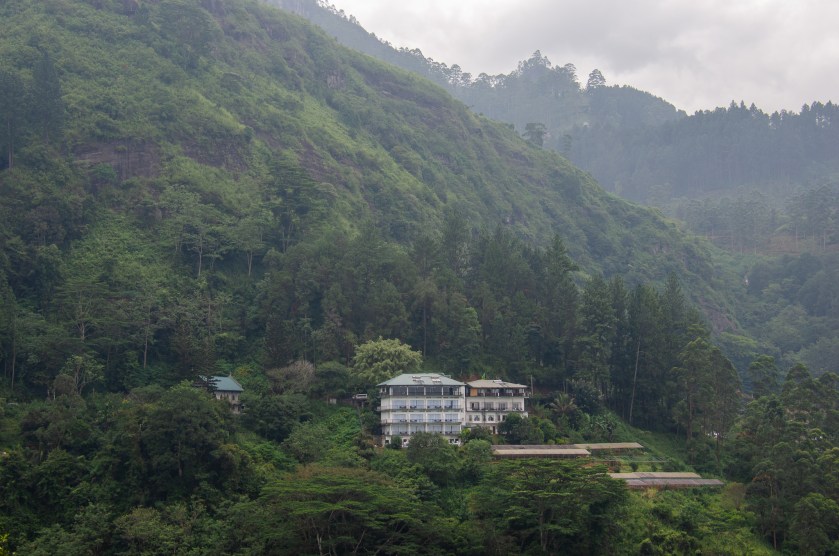
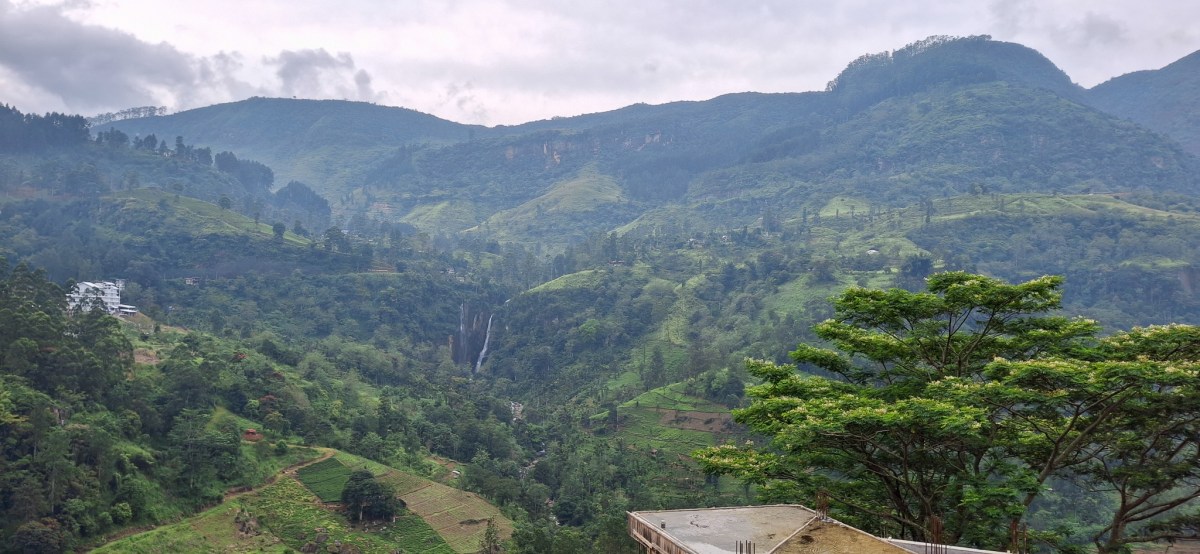
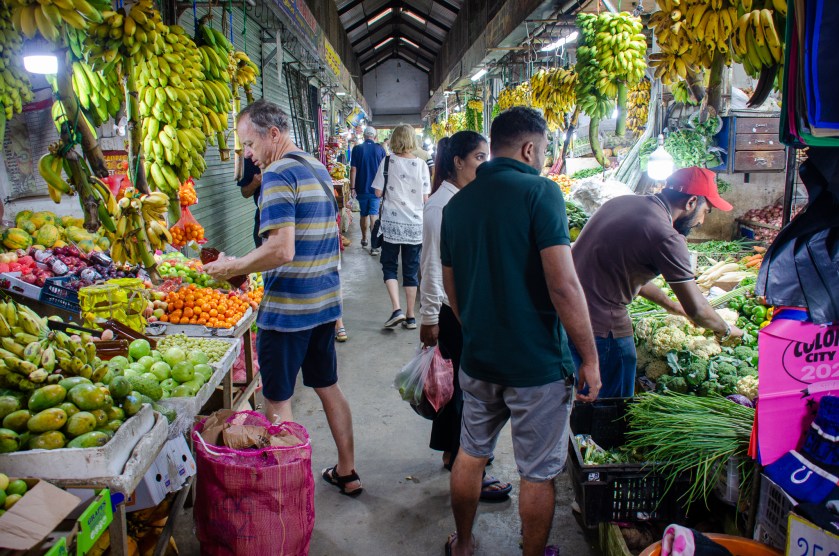
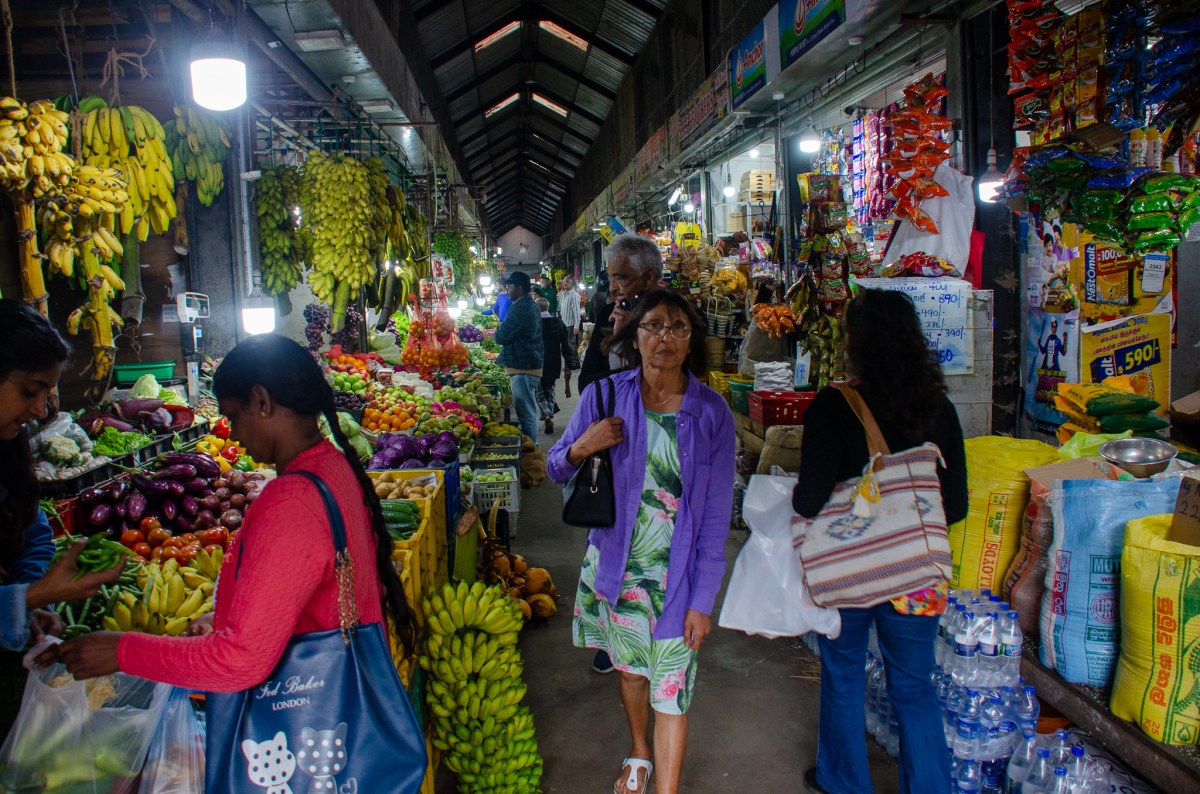
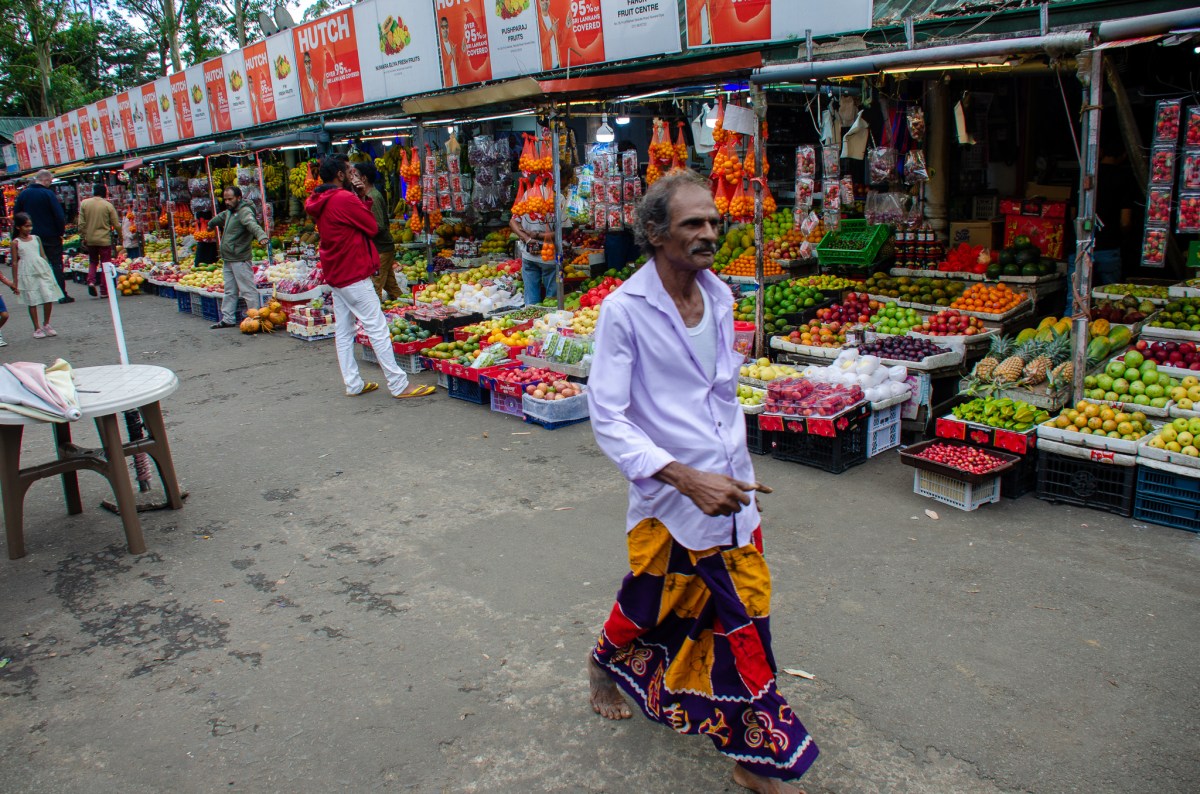
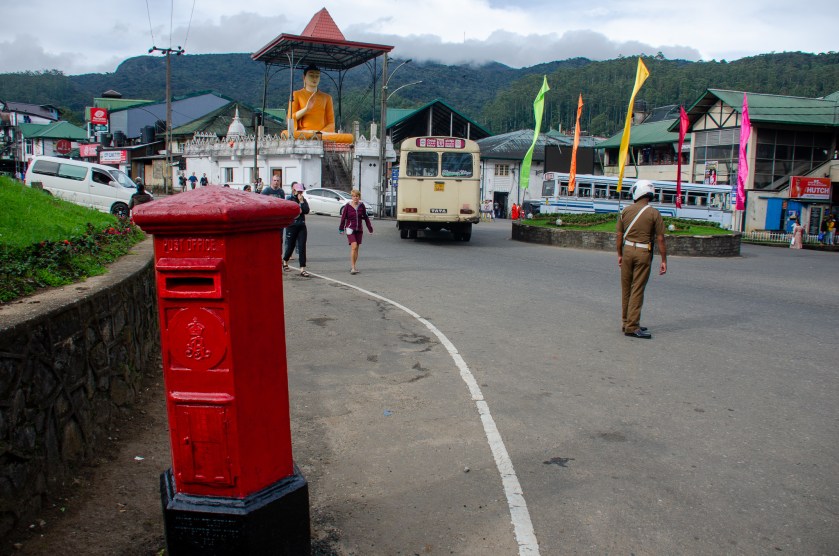
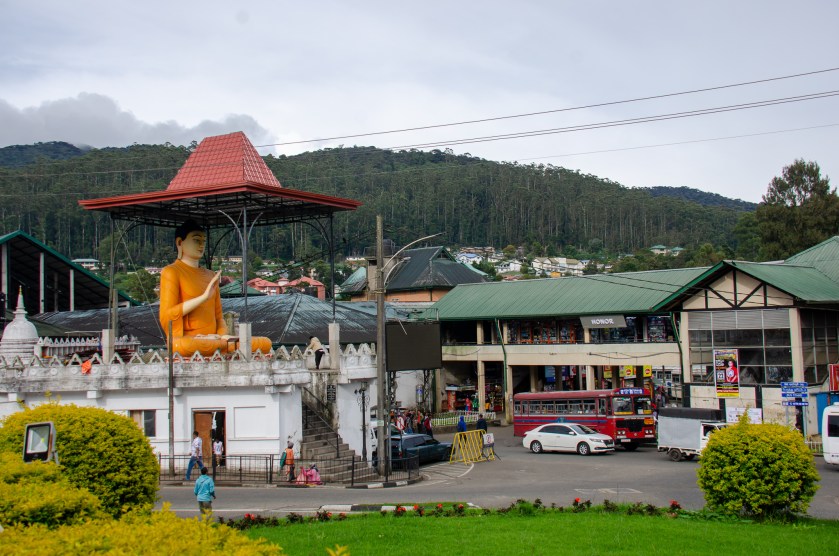
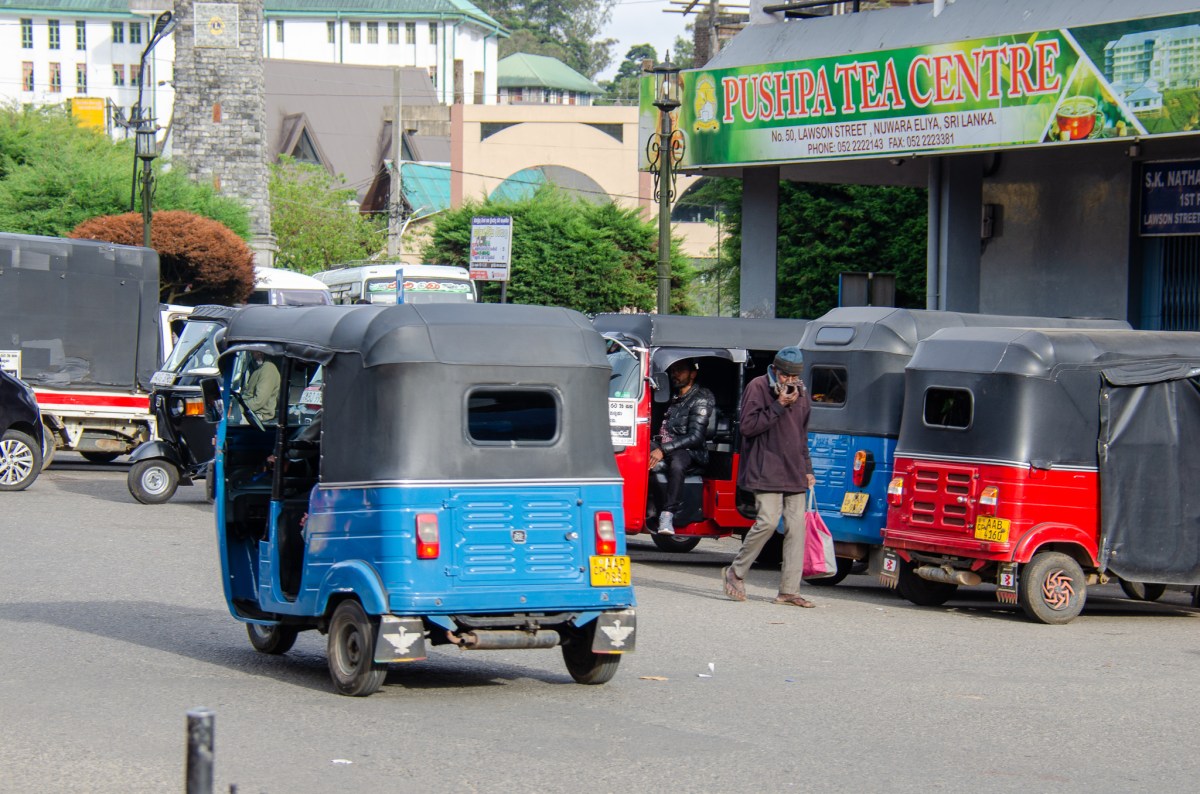
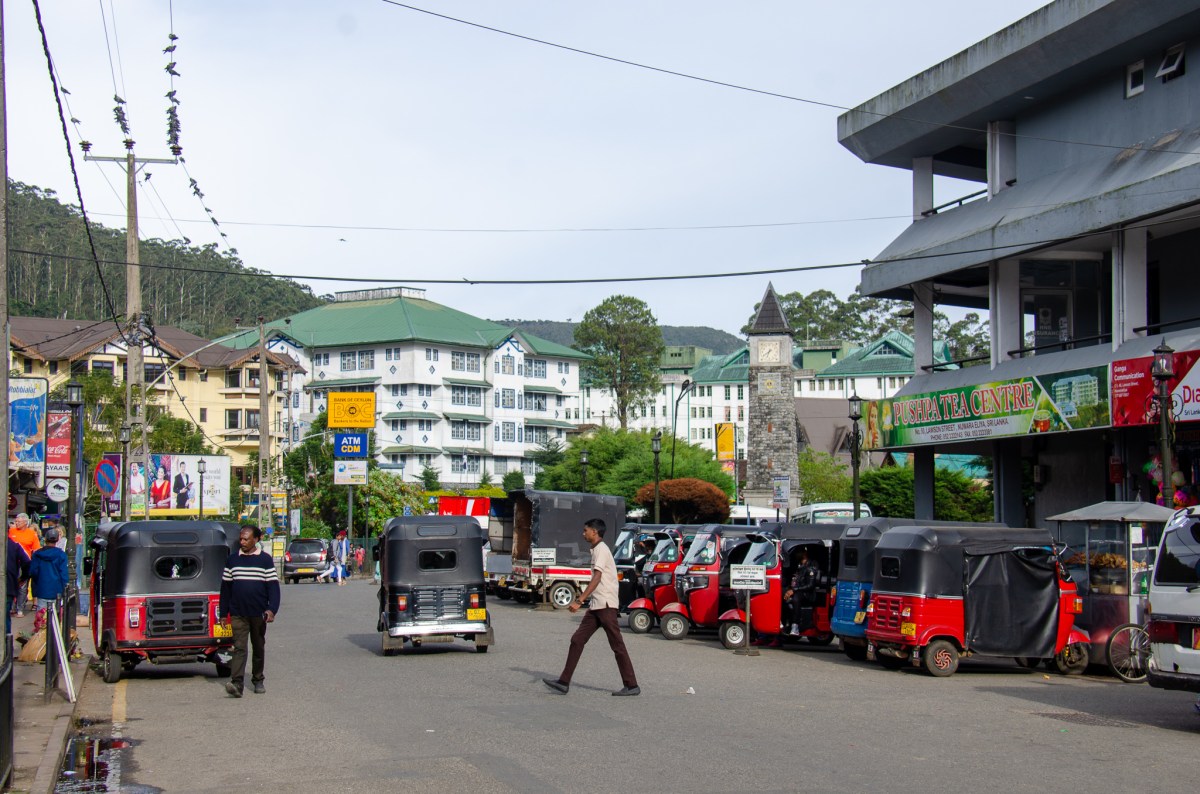
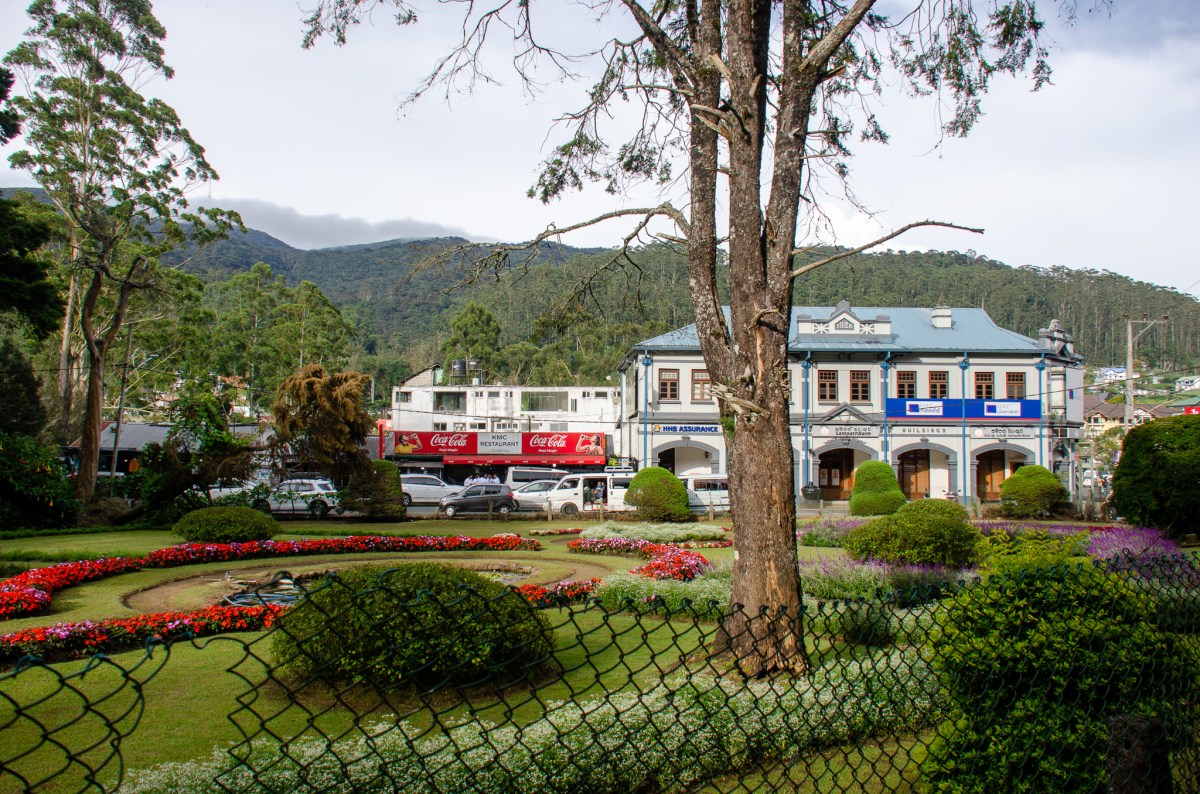
Town: Nuwara Eliya feels like “Little England,” with tidy gardens, colonial-era buildings, and a gentle pace. It grew during British colonial times into a hill station retreat, offering cooler air for planters and officials. The town has a golf course, a lake, and interesting market streets.
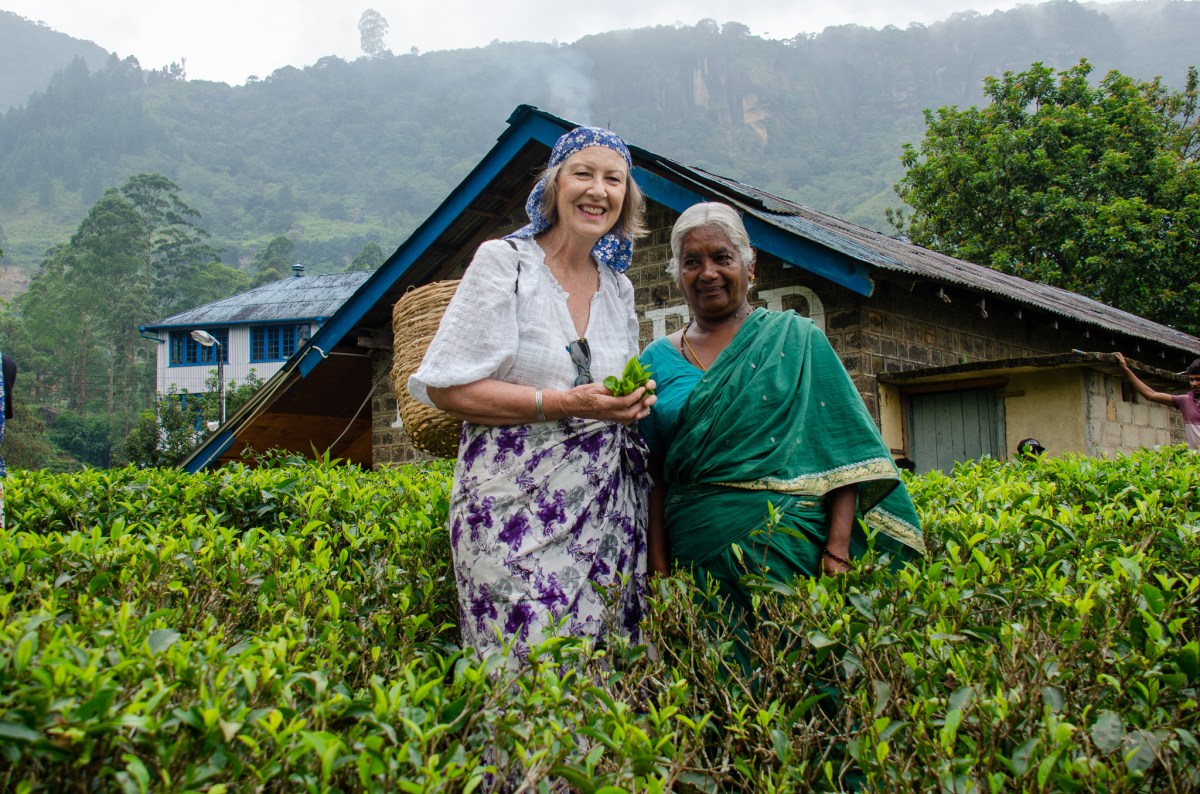
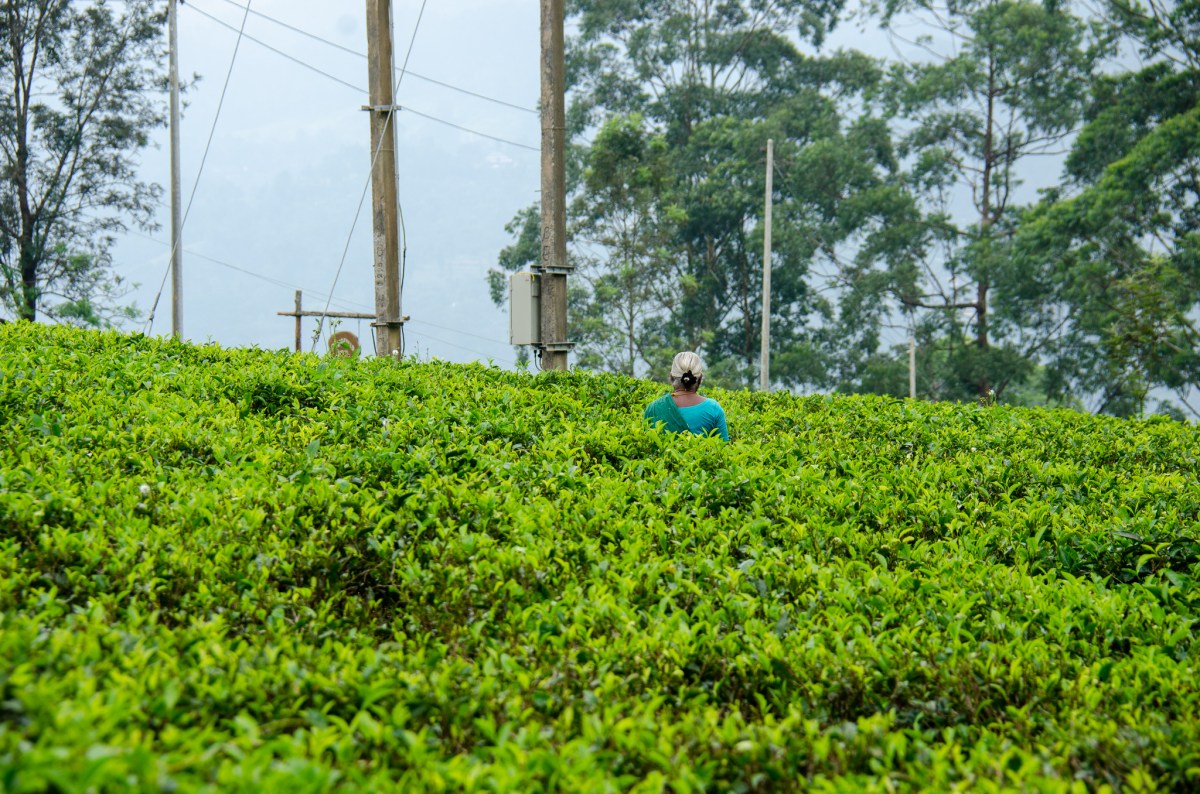
Blue Field Tea Factory: Sri Lanka’s highland tea is famous worldwide. At Bluefield, we learned how tea is processed and how the cooler climate produces slower-growing leaves with richer flavour. We even tried plucking tea ourselves while dressed like the local tea pickers — baskets and all. Hard work but great fun, with plenty of laughter.
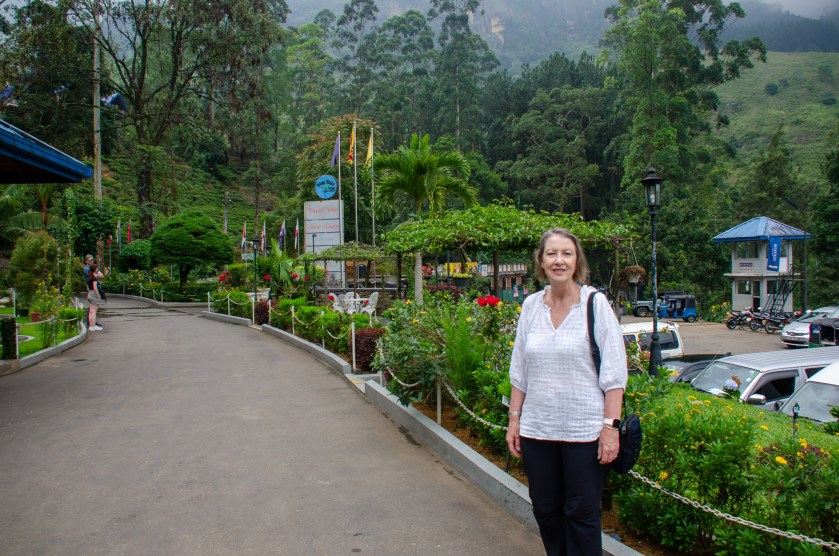
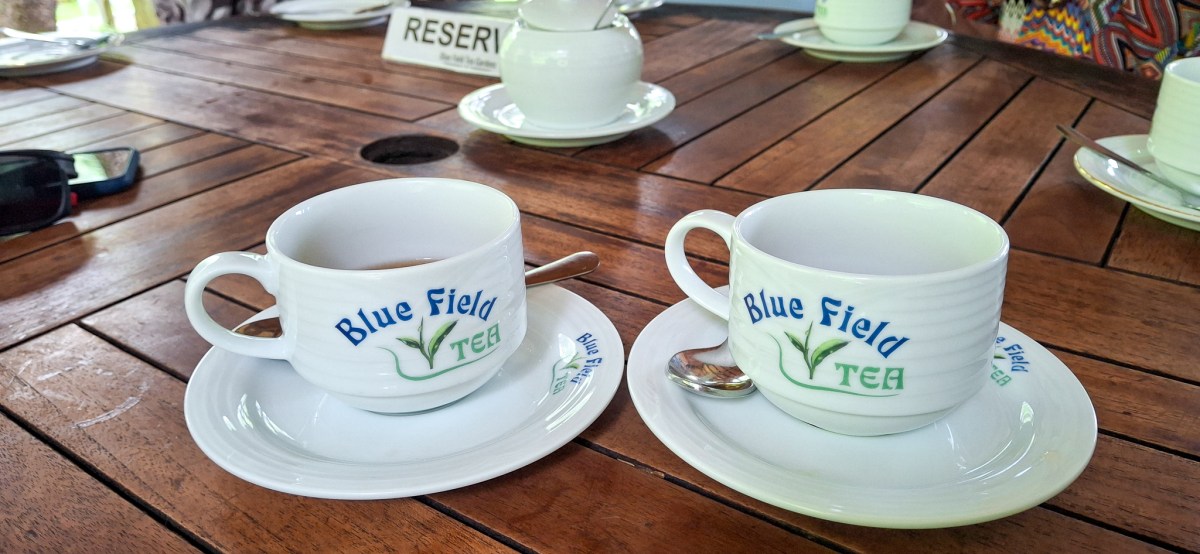
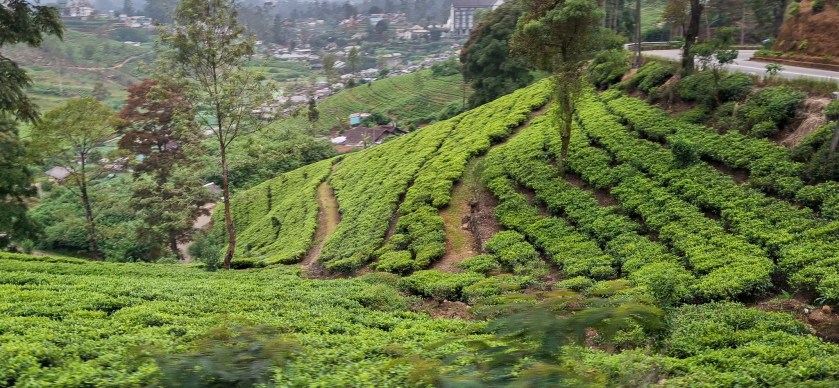
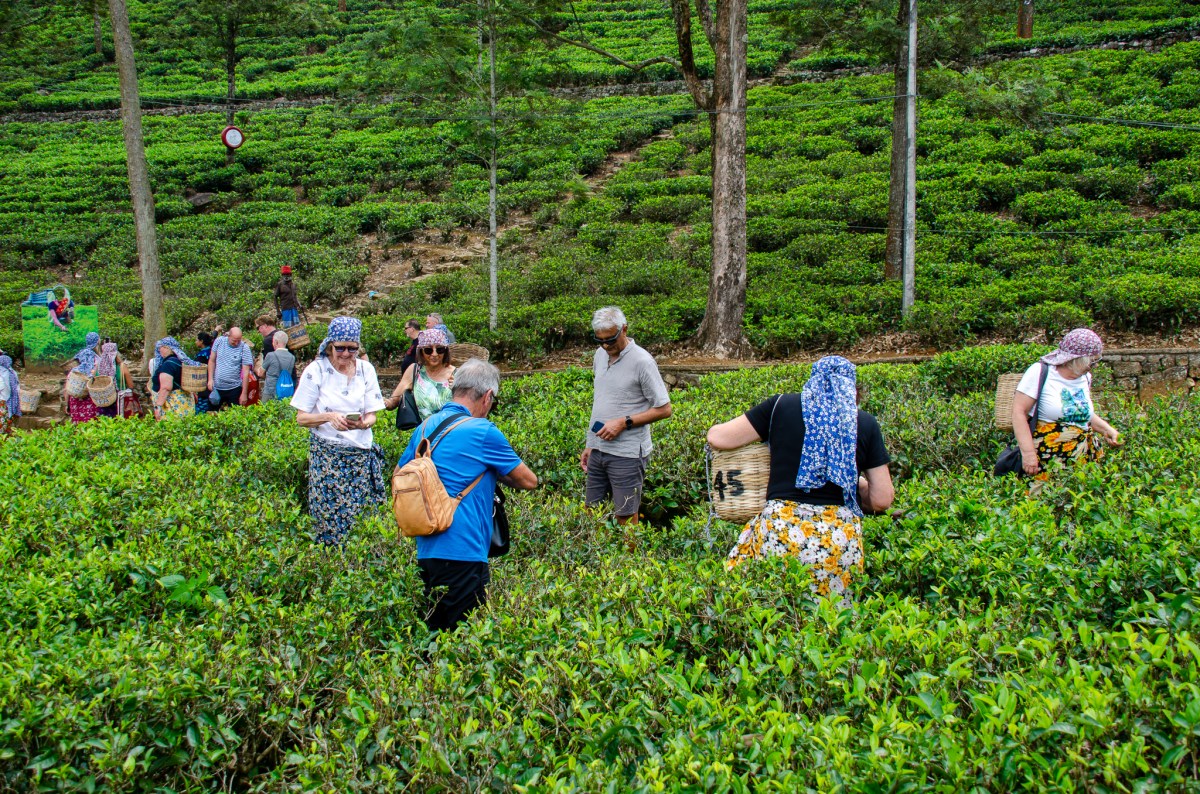
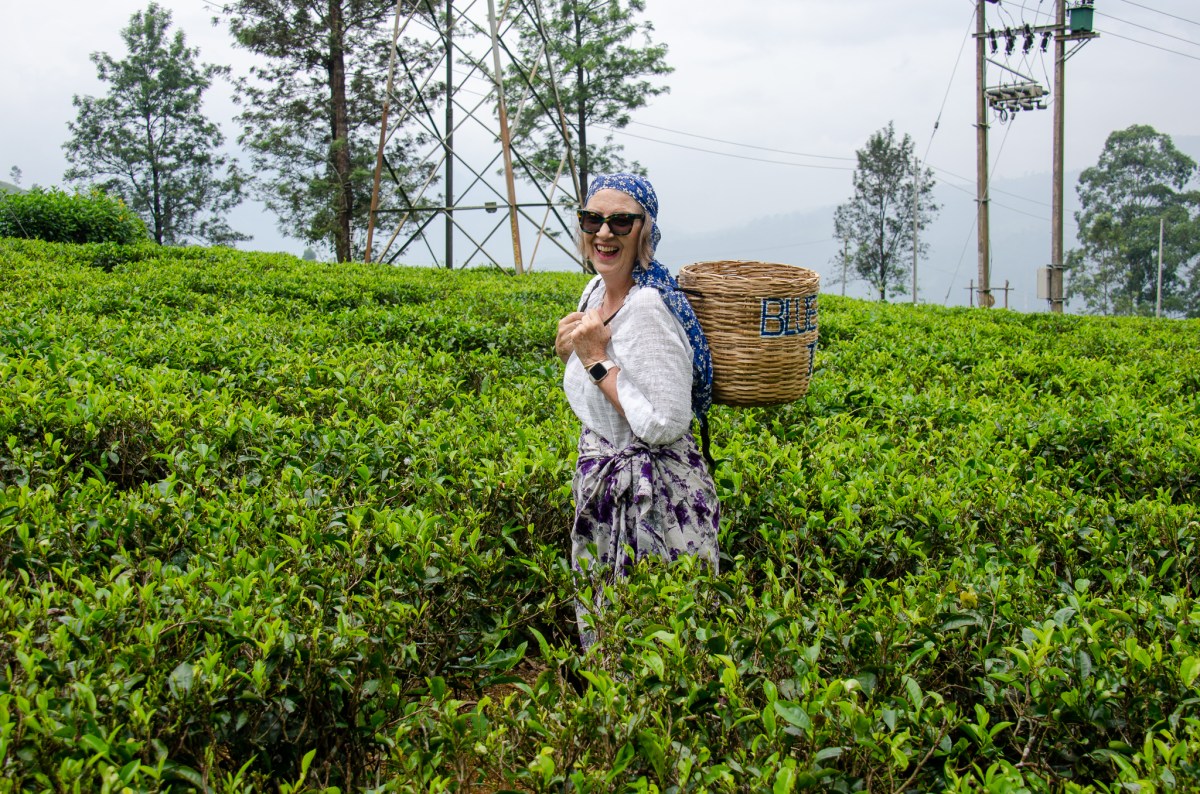
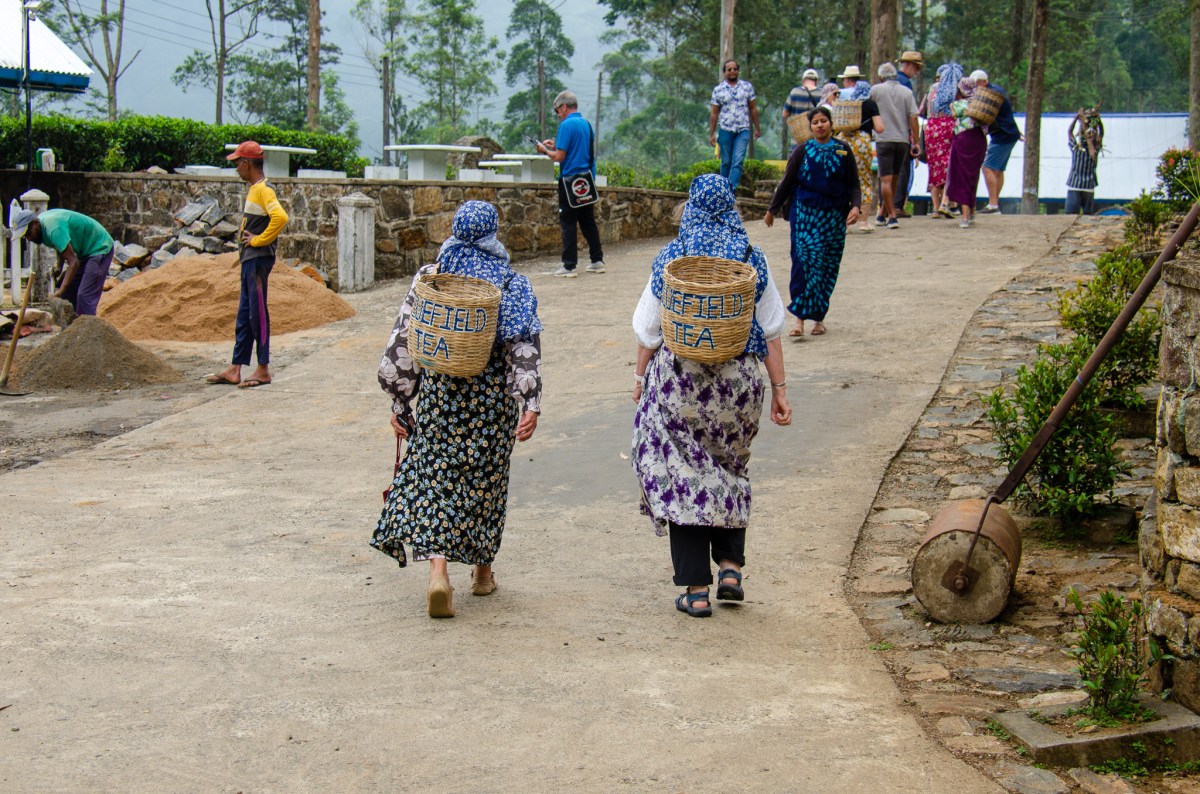
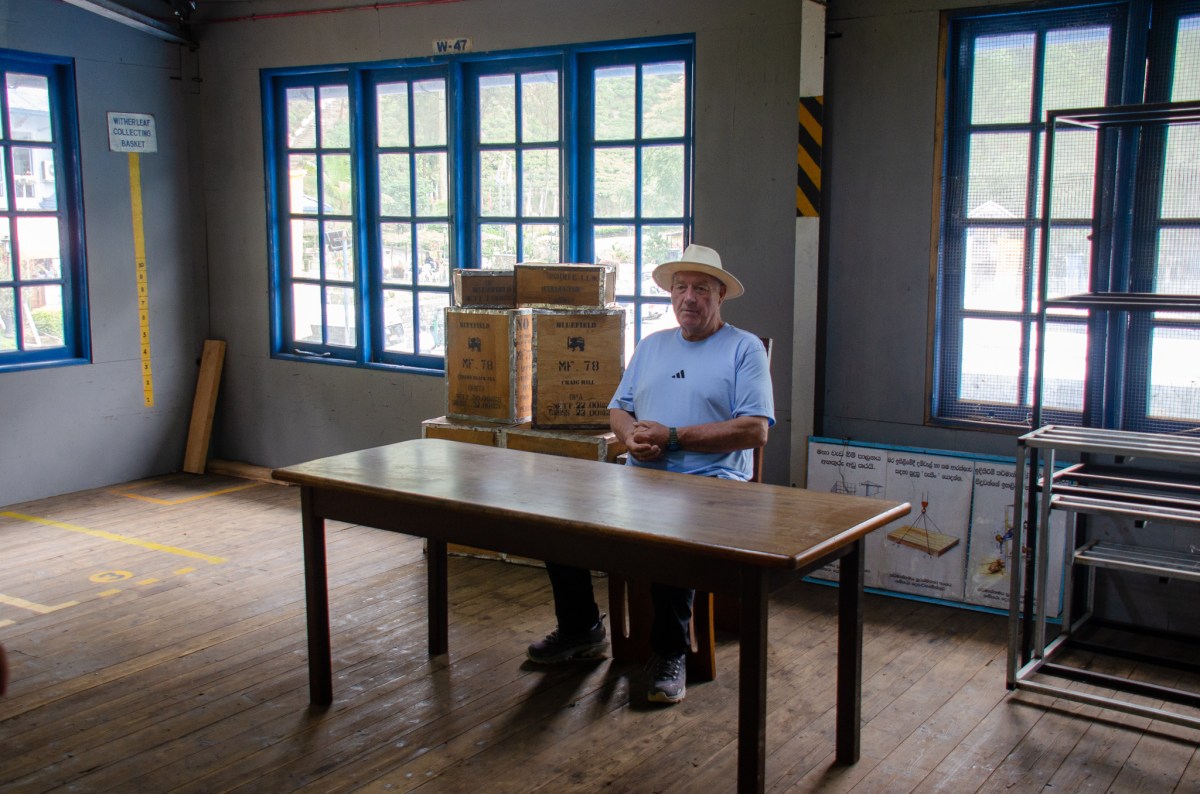
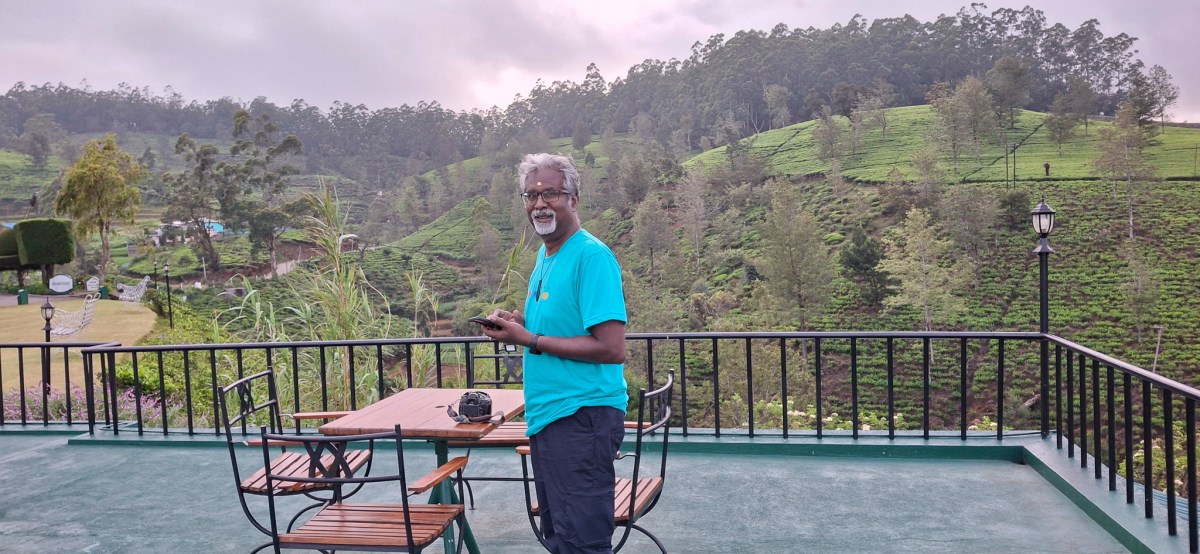
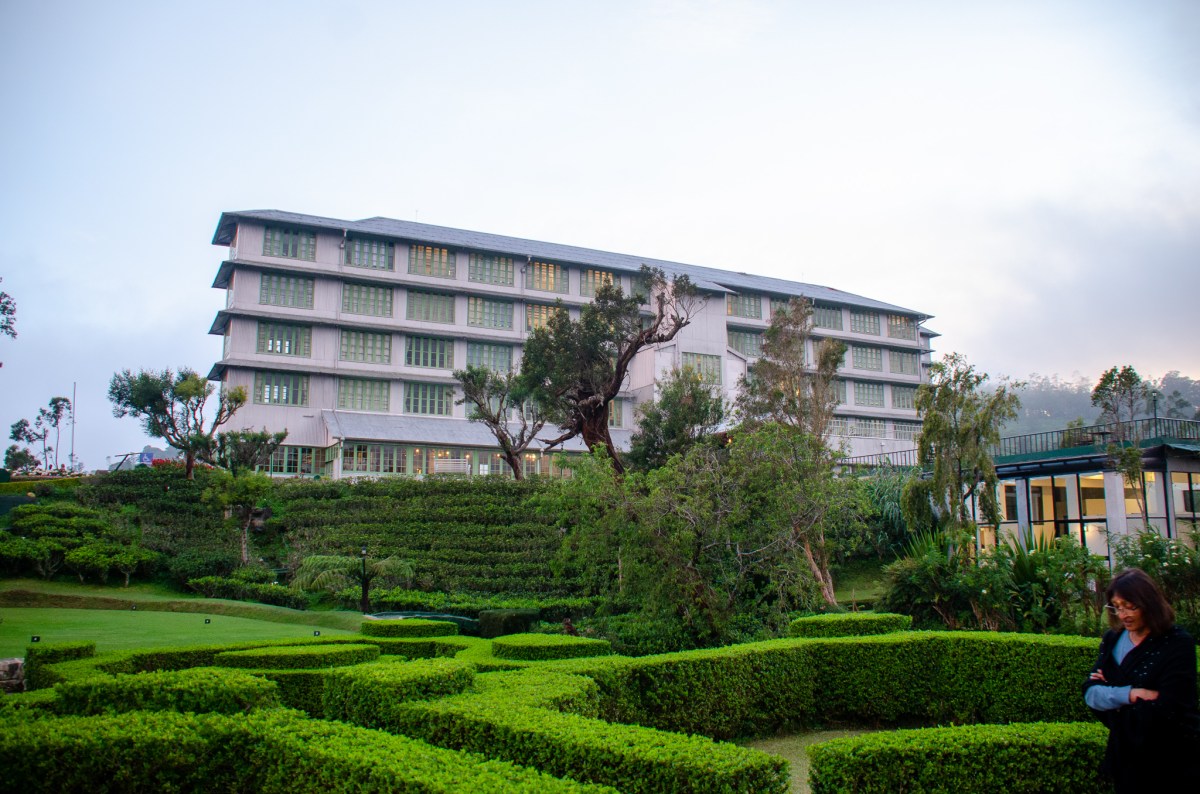
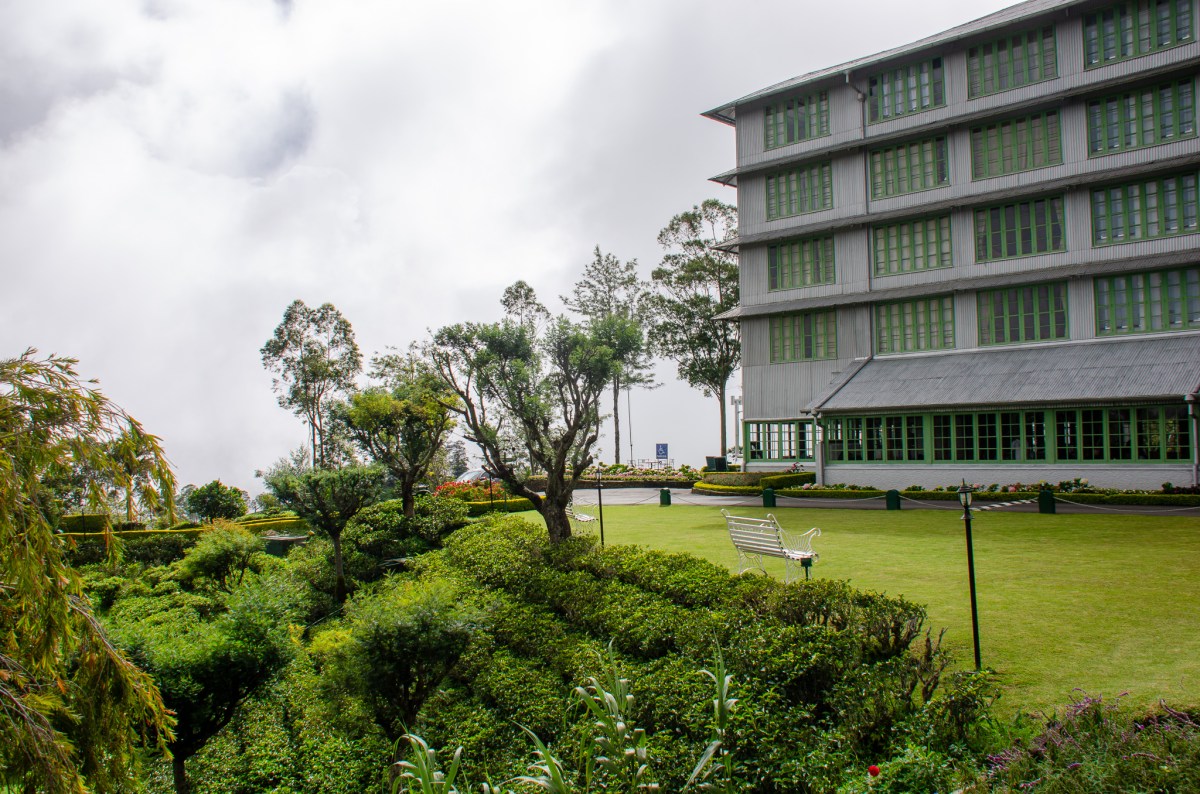
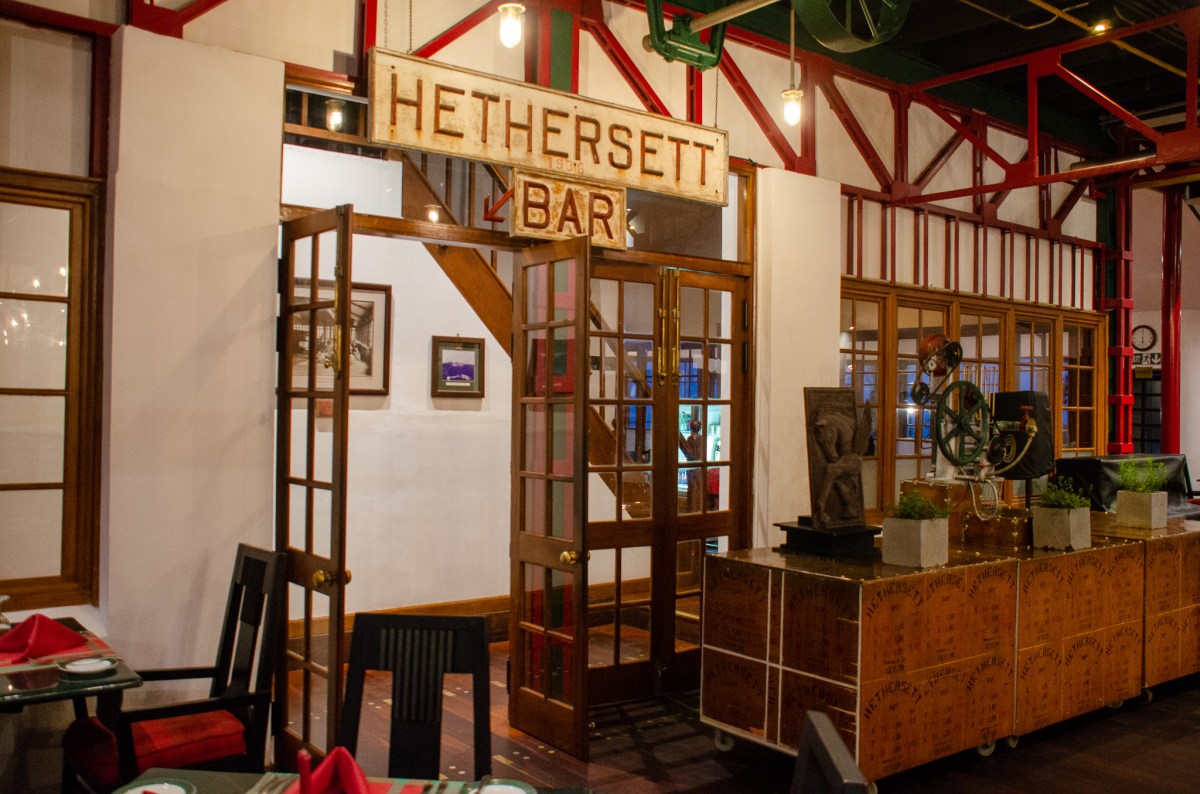
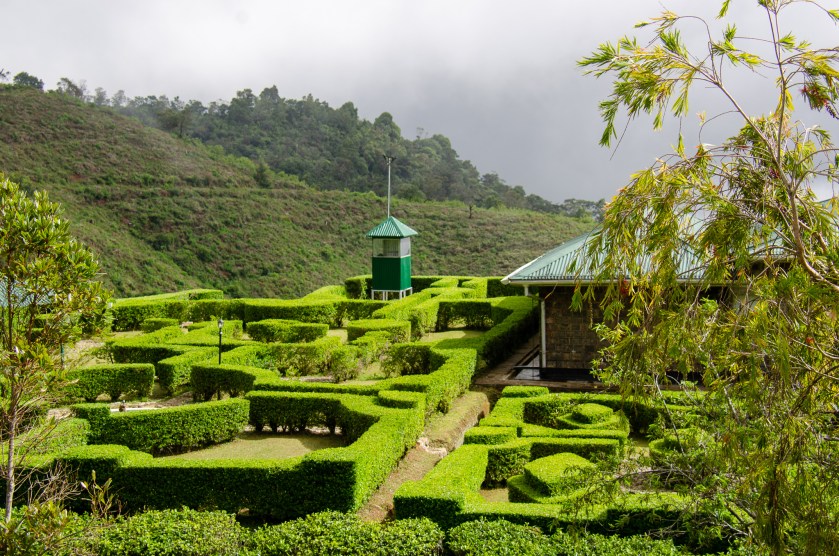
Heritance Tea Factory: I absolutely loved staying here — it’s set right in the heart of the tea country, surrounded by rolling plantations and misty hills.
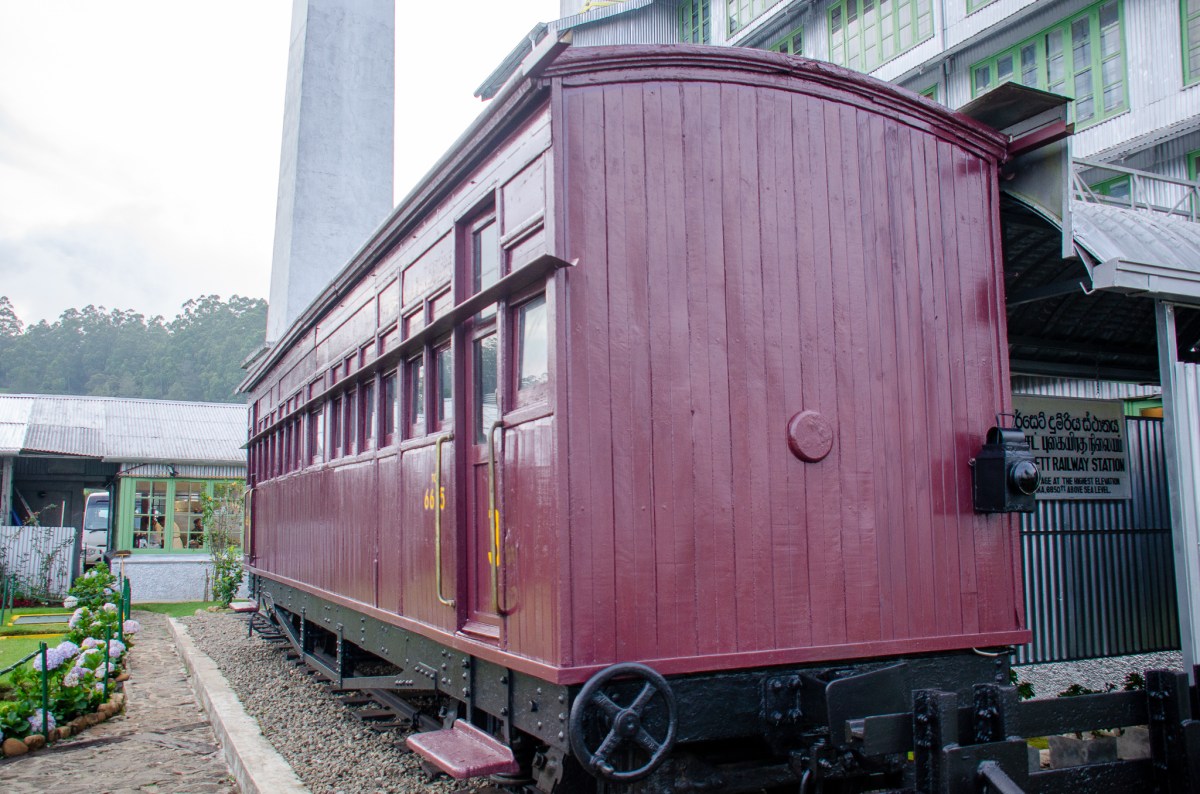
The hotel is a beautifully restored old tea factory, giving you a real sense of the history and the process behind Sri Lanka’s highland tea. Our room had stunning views over the green hilly slopes, and walking around the property felt peaceful and slightly magical. The restaurant served delicious local and international dishes, often using fresh produce from nearby farms.
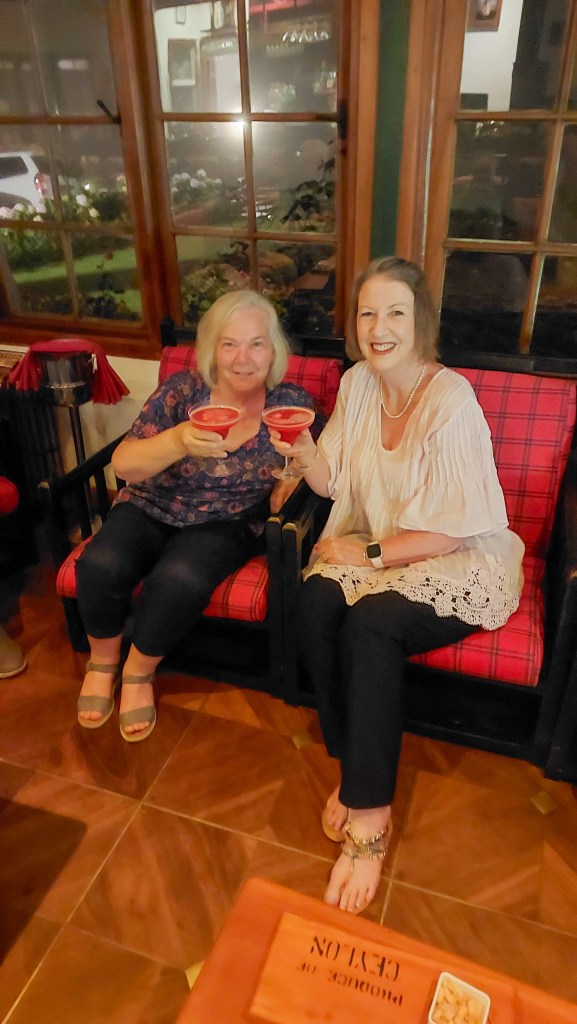
In the evening, the staff kindly tuned the bar TV to a rugby game so we could watch the All Blacks play. Very cool. Even just sitting with a cup of tea on the balcony, watching clouds drift over the hills, was a highlight — a perfect blend of comfort, historic charm, and peaceful scenery.
Ella / Yala
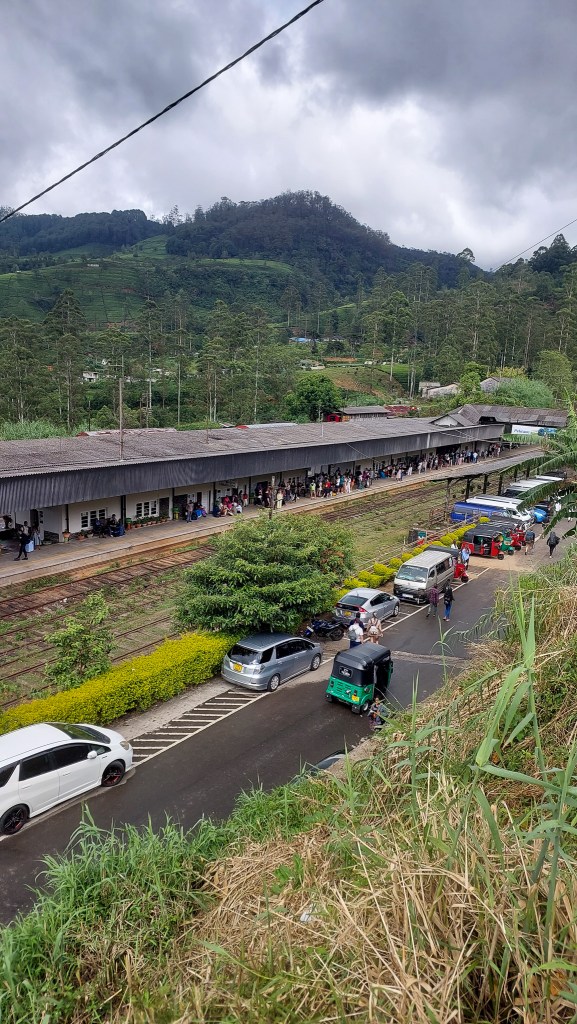
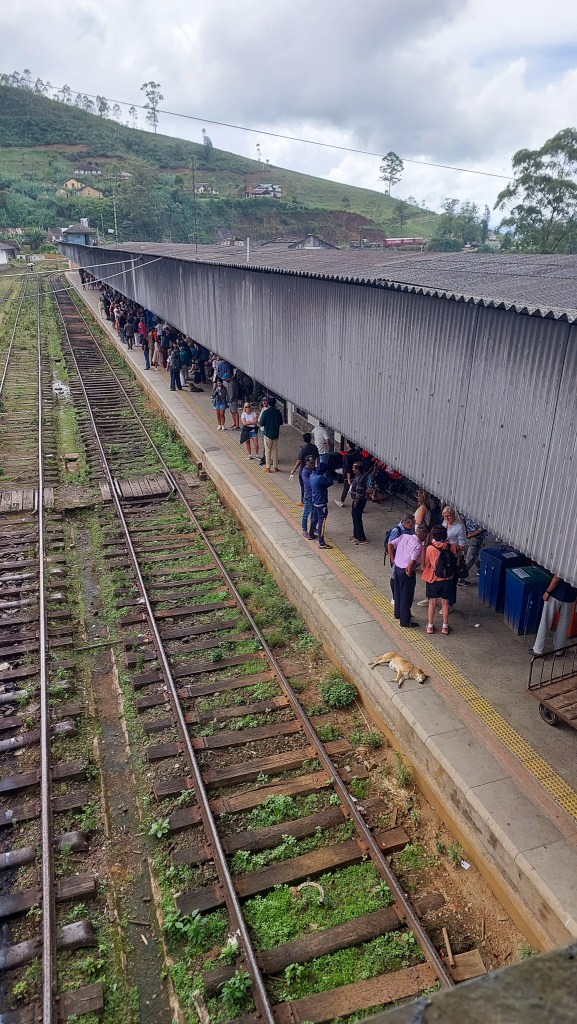
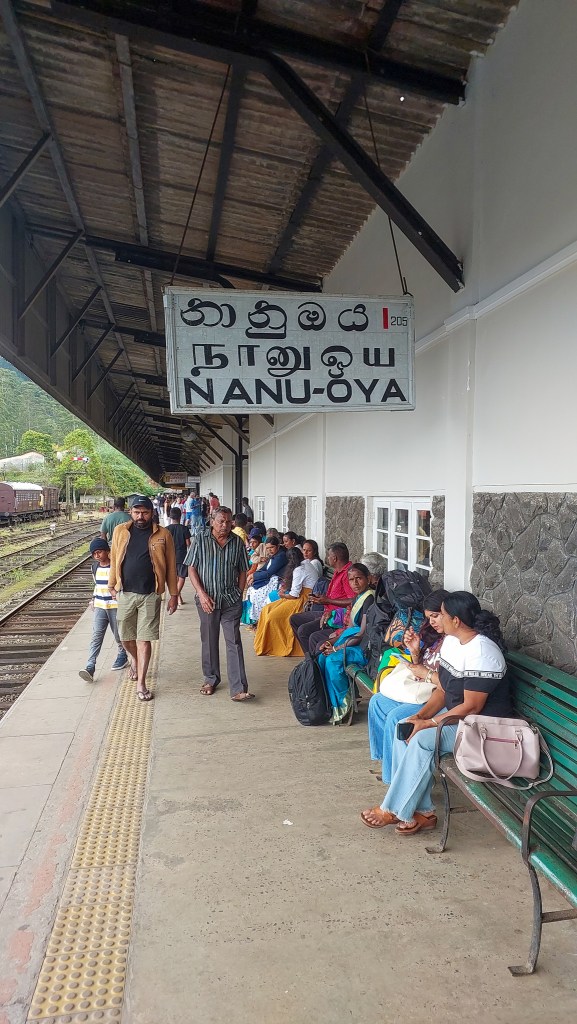
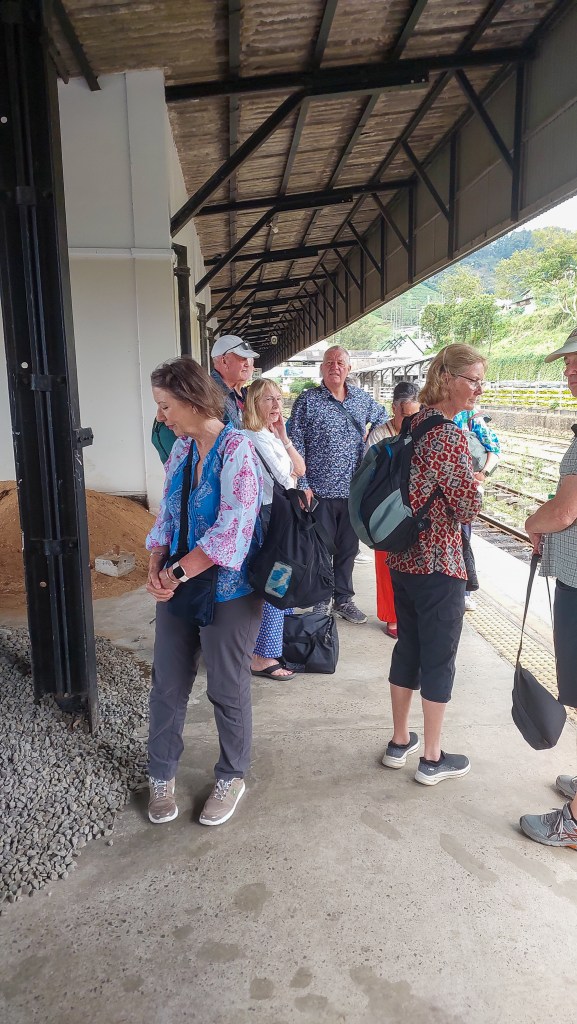
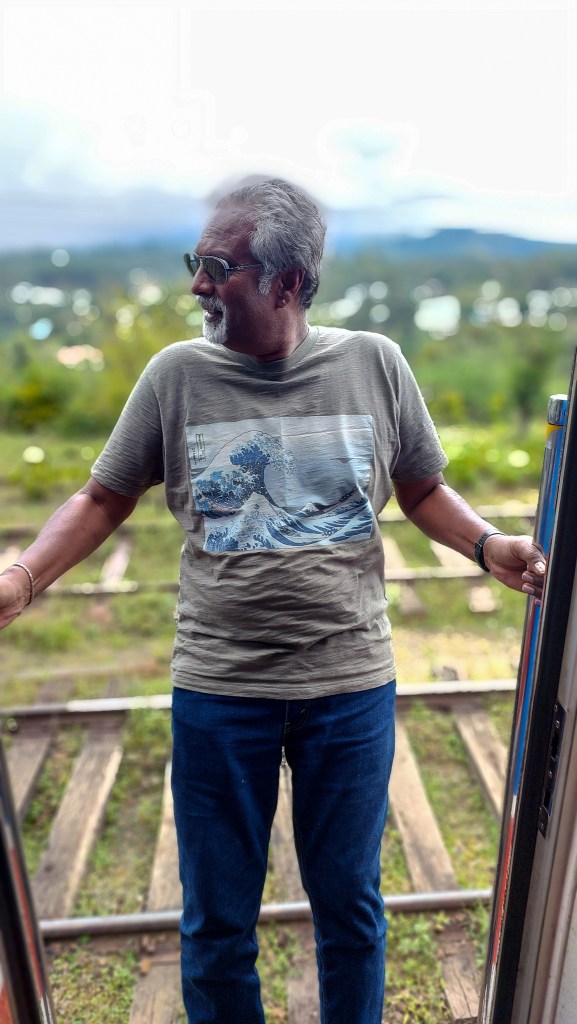
Train Ride: The scenic railway from Nanu Oya to Ella passes misty hills, waterfalls, tea plantations, and small villages. Built during British colonial rule, this line is considered one of the most beautiful train journeys in the world. Steady rain added atmosphere, but we got off at Ella just before the most famous photo spot — the legendary “bride” view. Bugger, we missed that iconic scene!
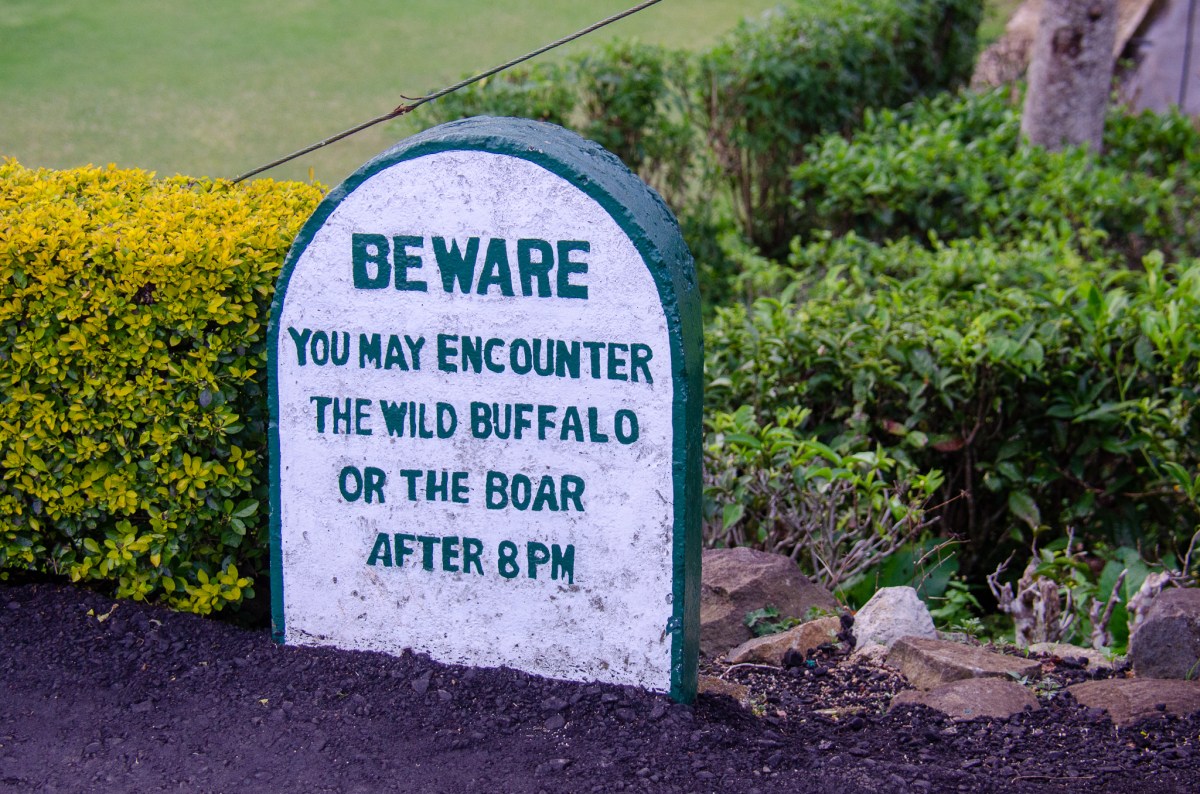
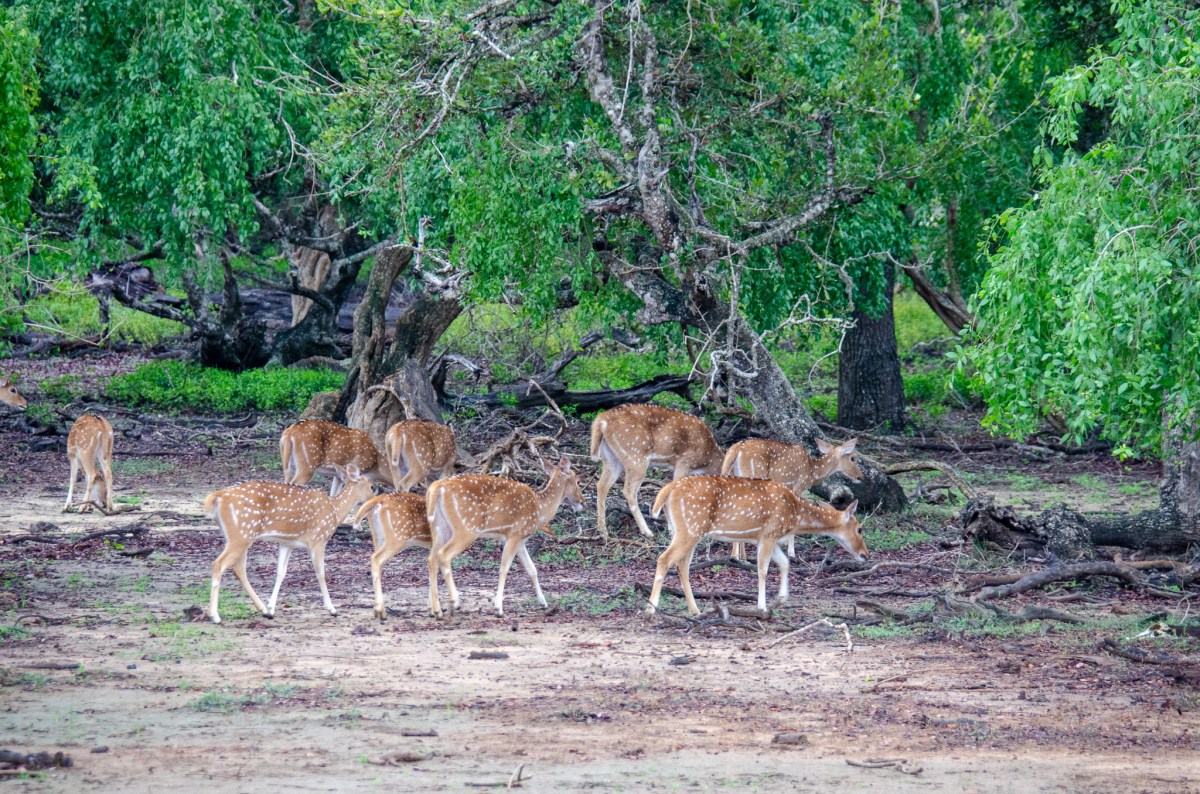
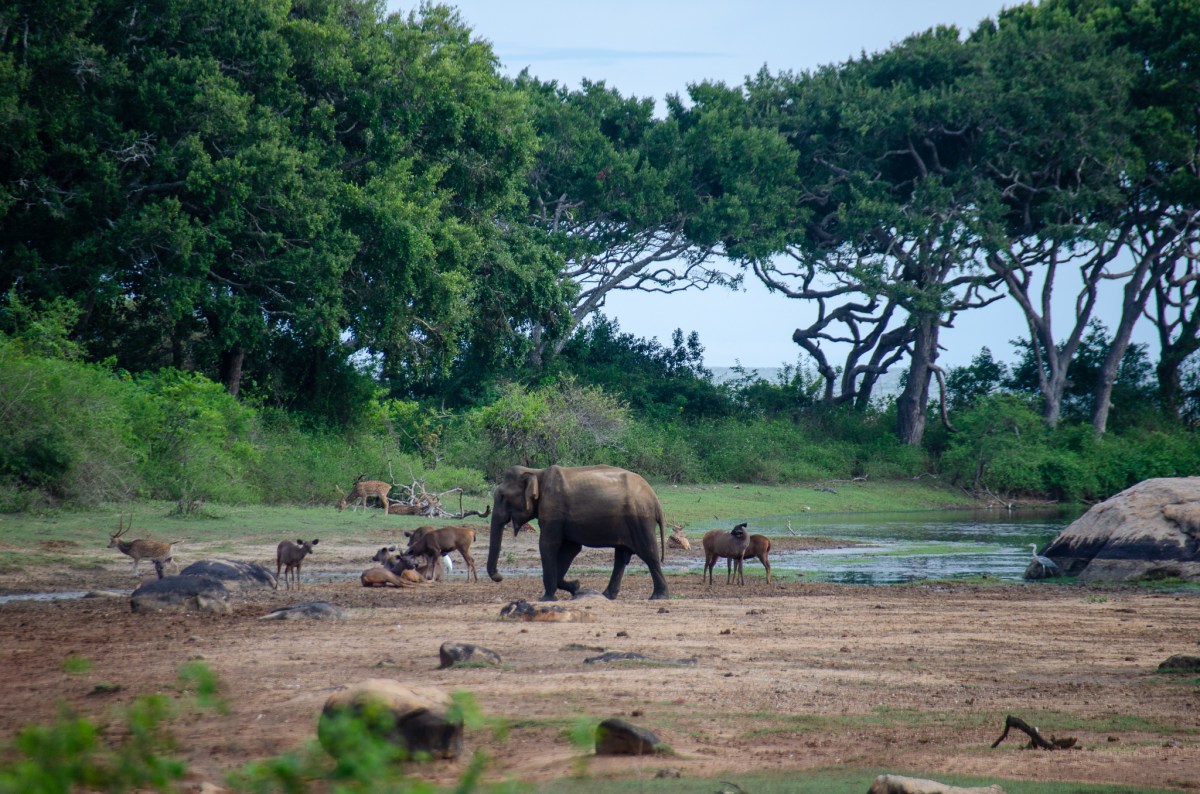
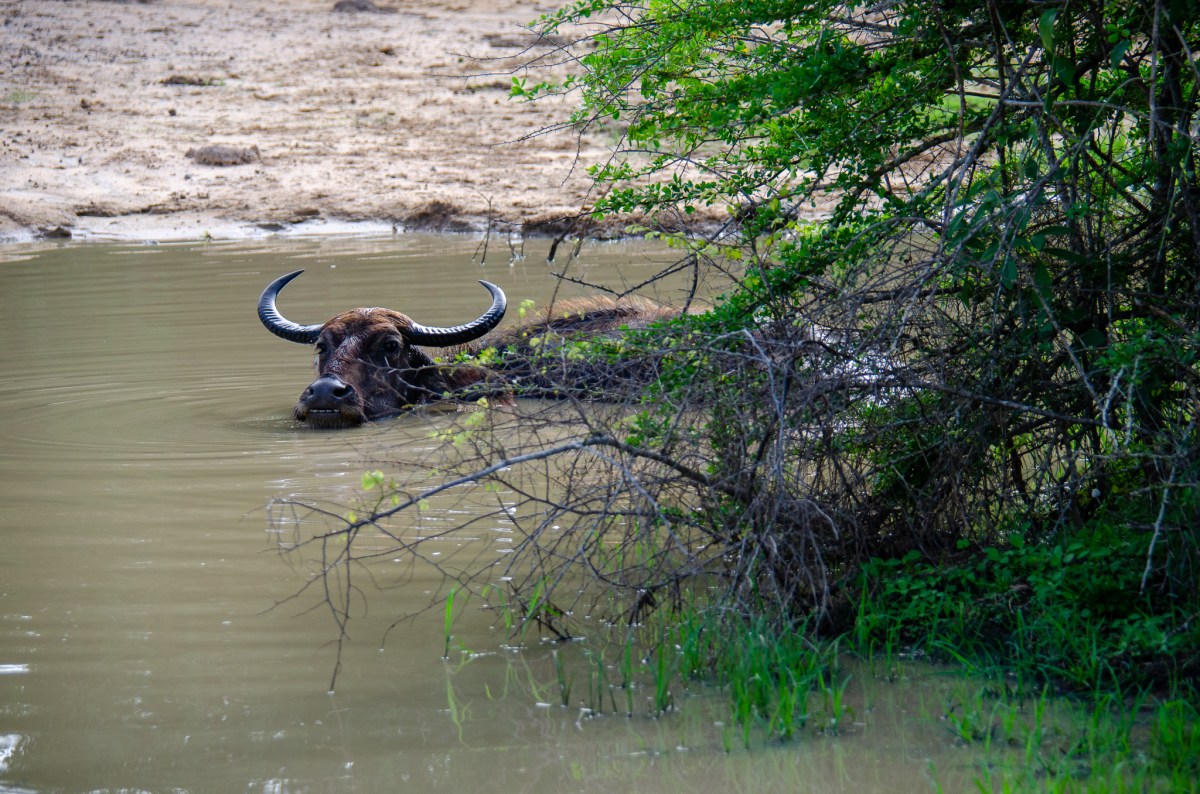
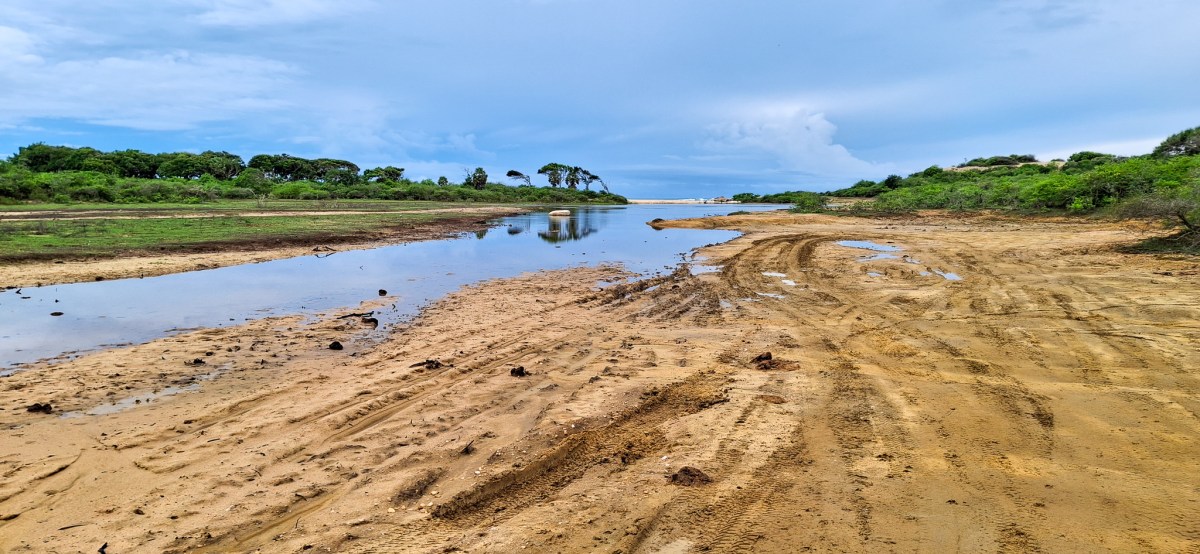
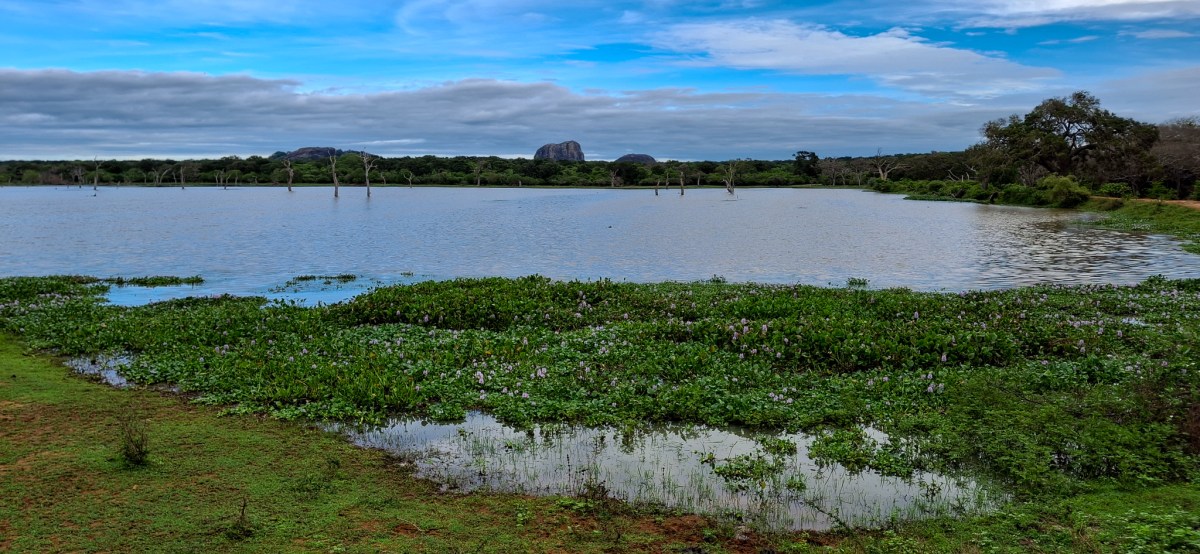
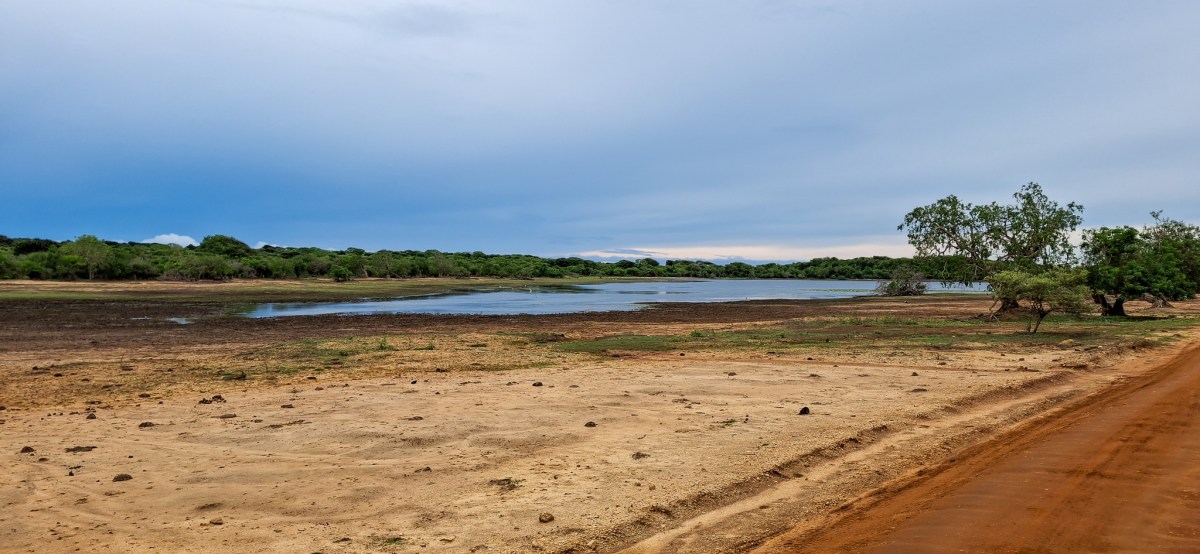
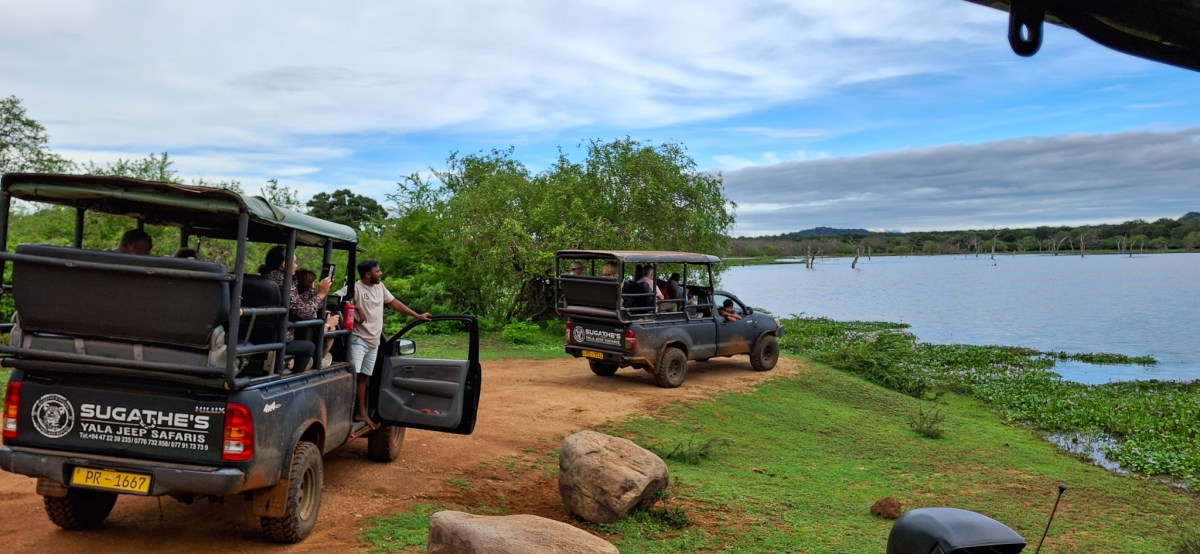
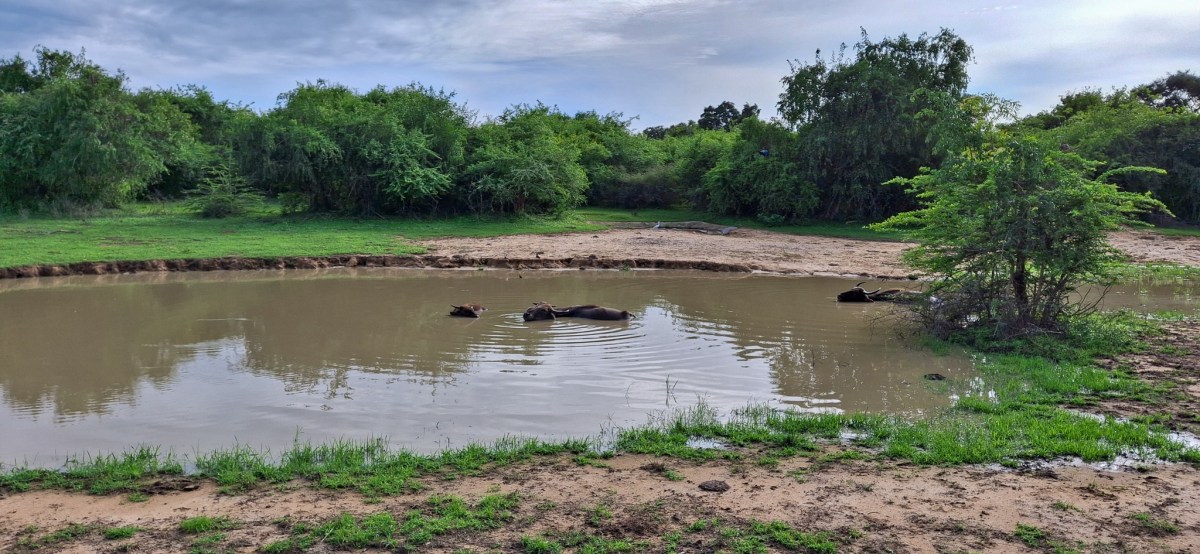
Yala National Park: Yala is one of Sri Lanka’s oldest and most famous wildlife reserves, first declared a sanctuary in 1900 and a national park in 1938. It covers nearly 980 sq km of dry scrubland, forests, lagoons, grasslands, and part of the Indian Ocean shoreline. The park is home to elephants, leopards, sloth bears, water buffalo, jackals, and over 215 bird species.
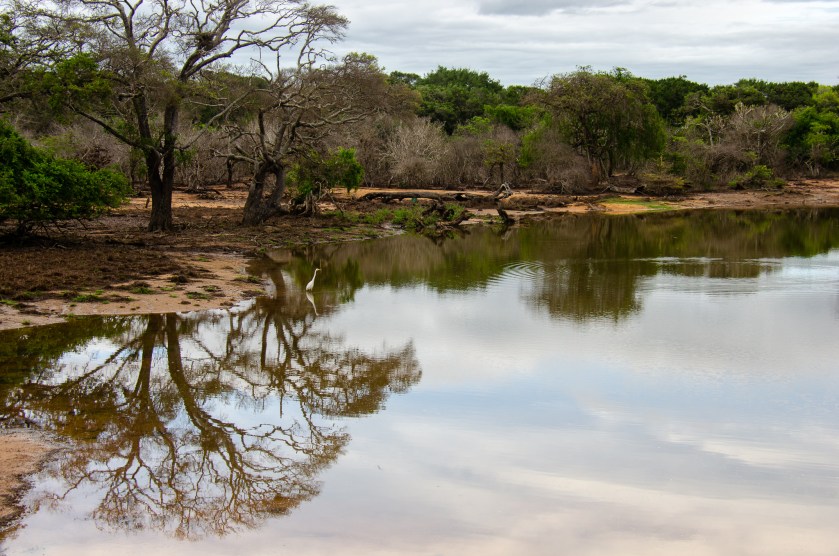
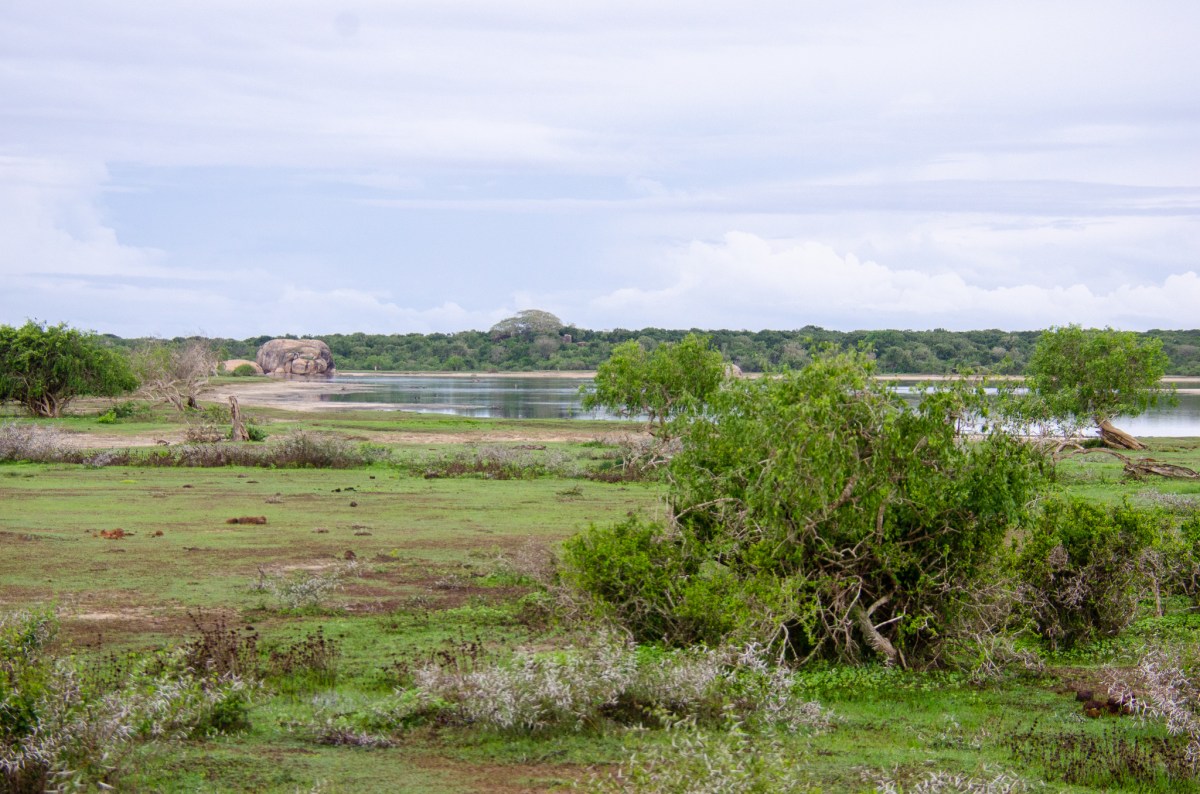
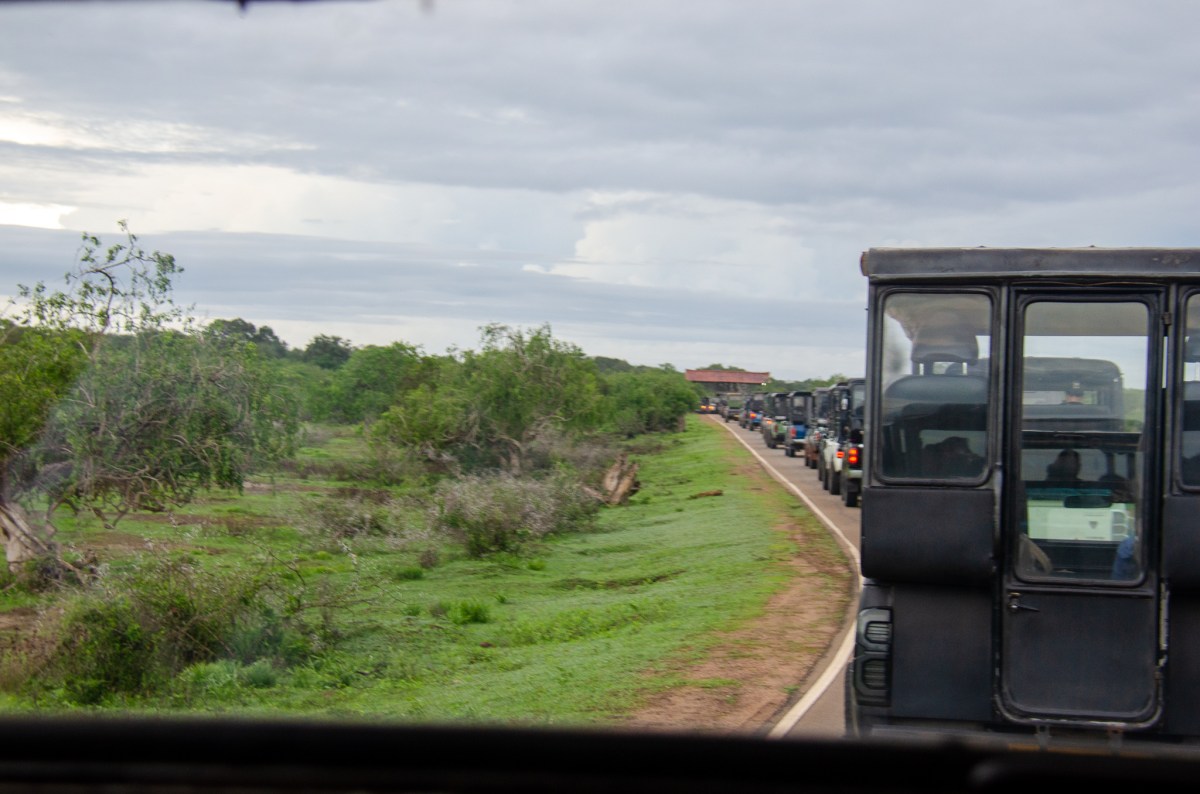
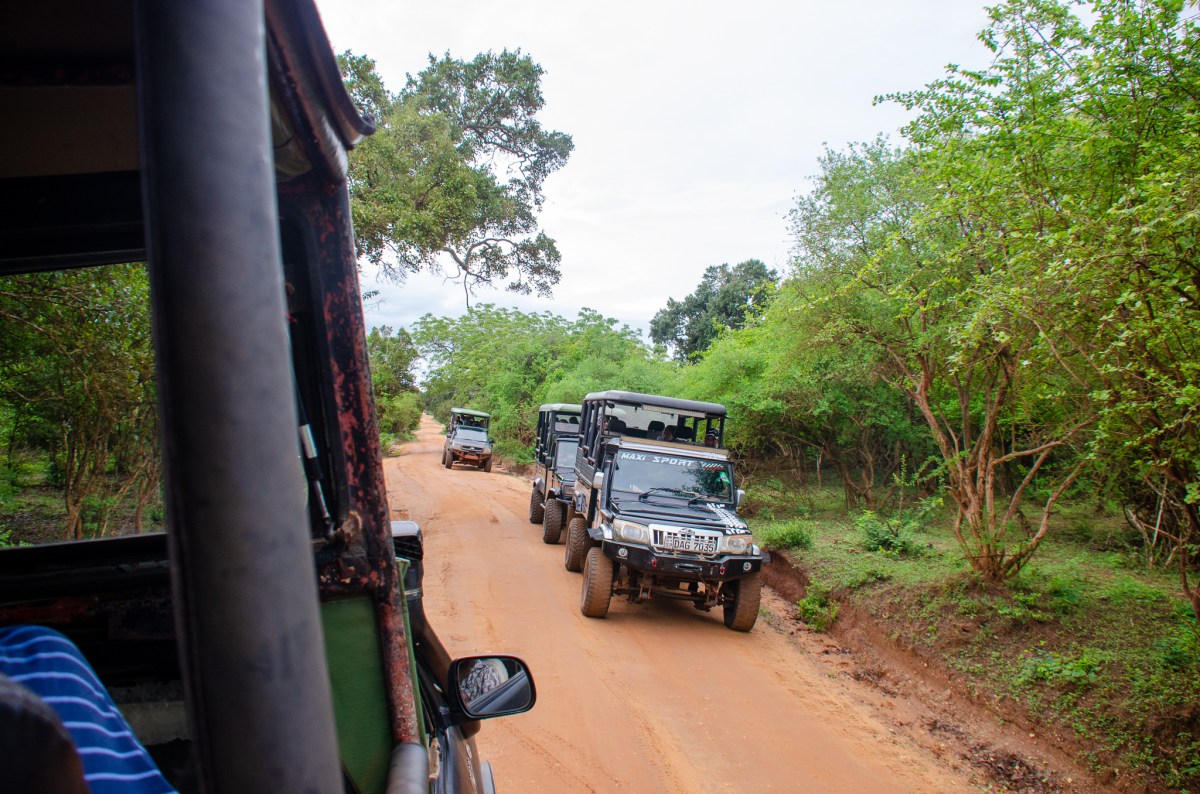
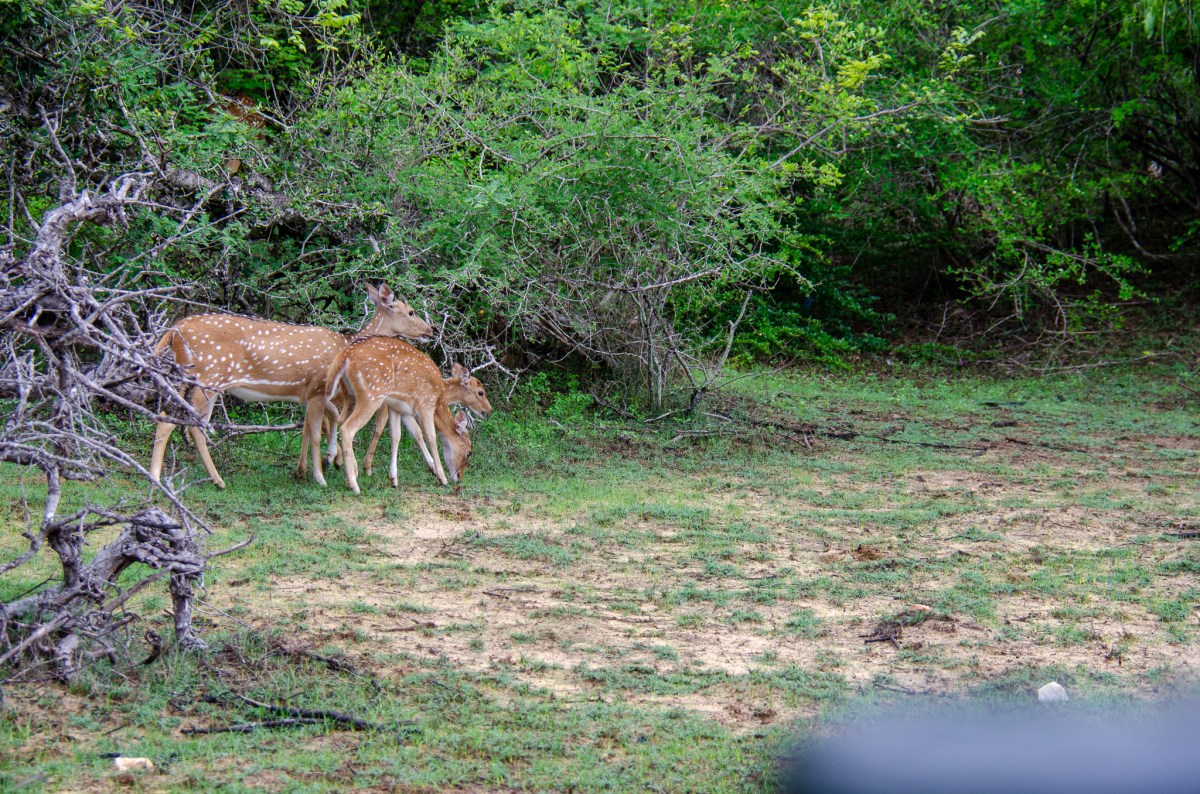
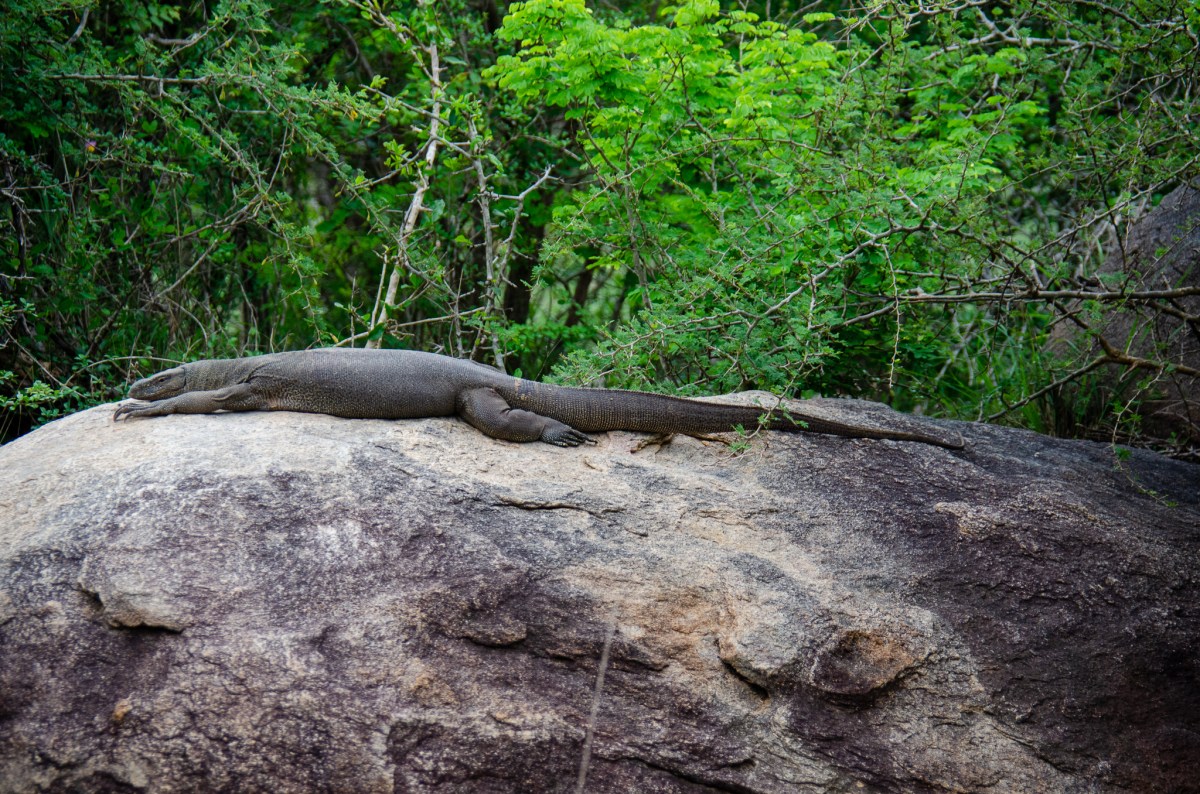
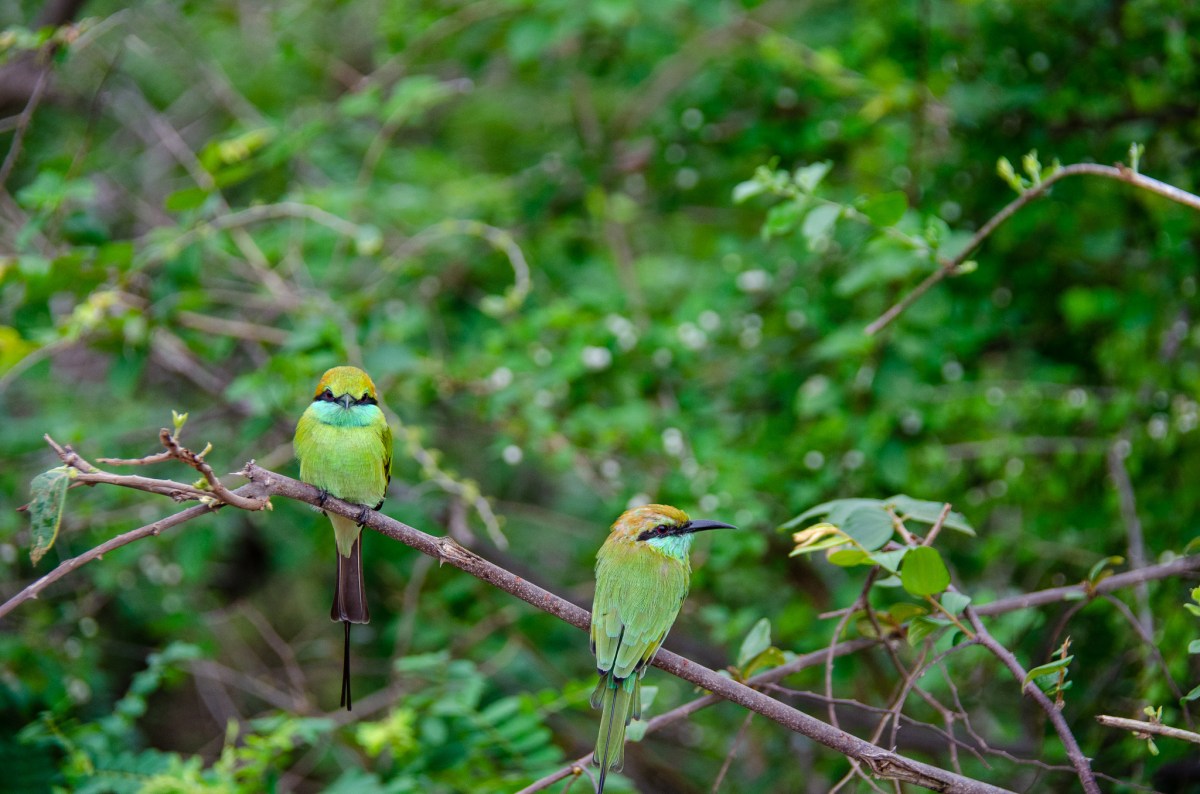
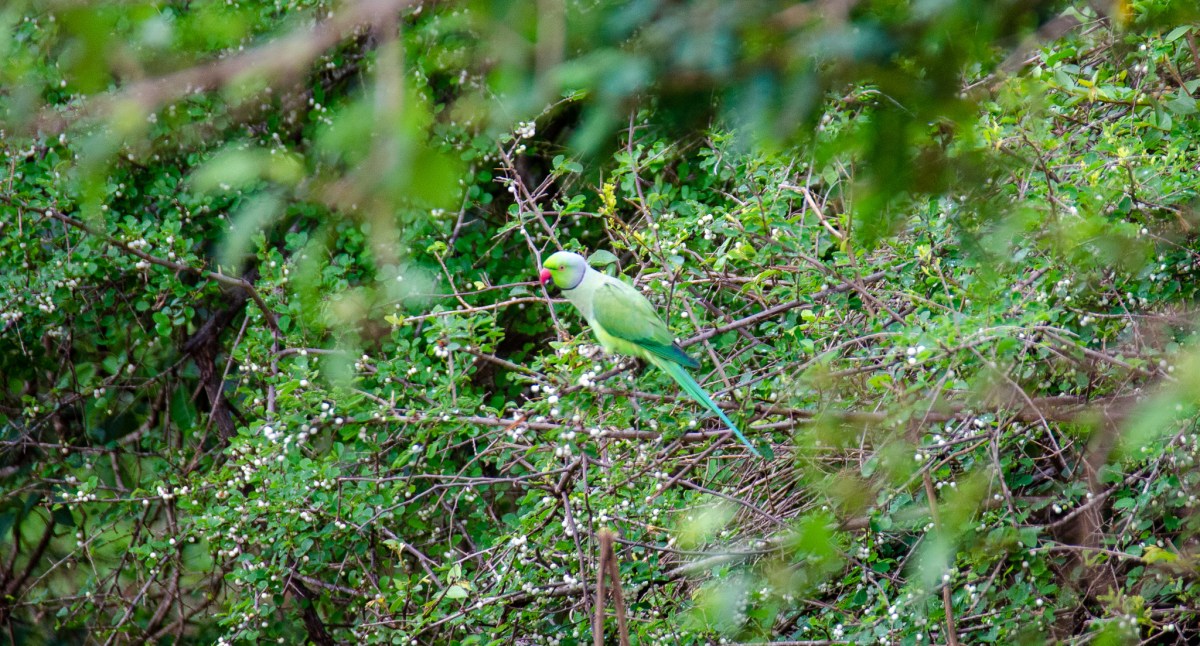
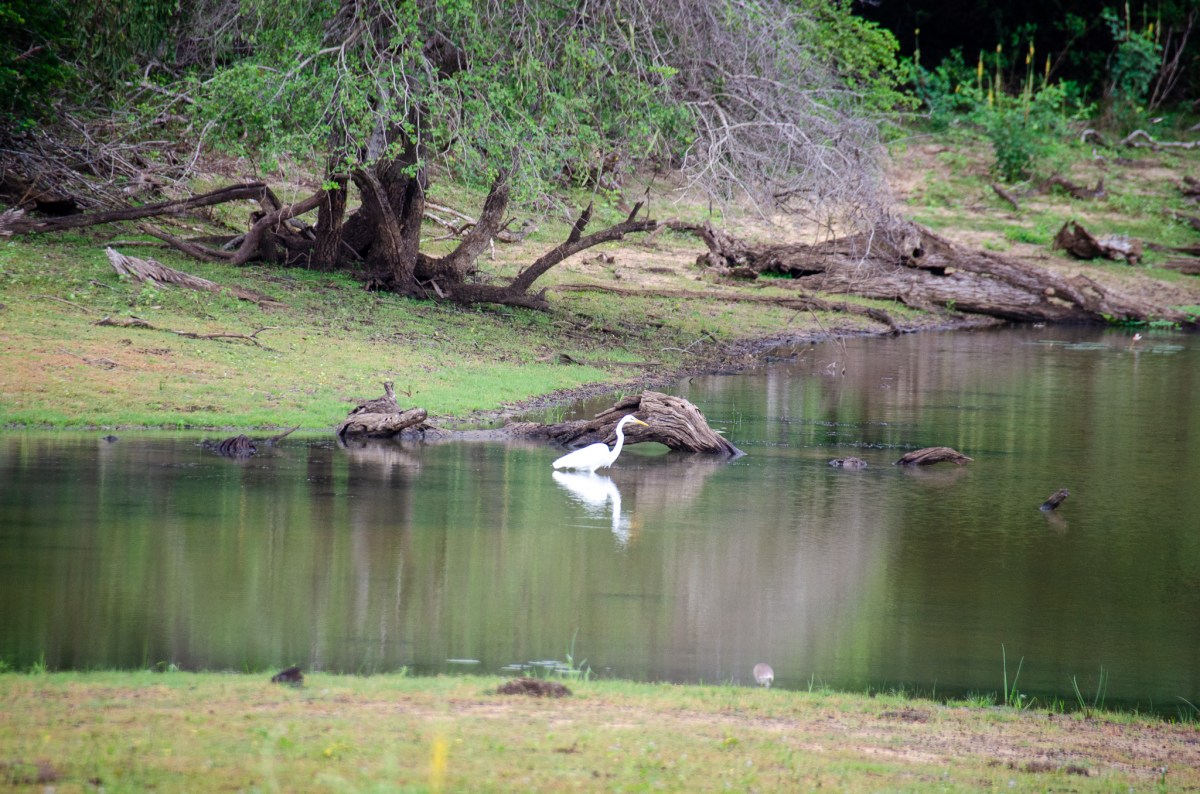
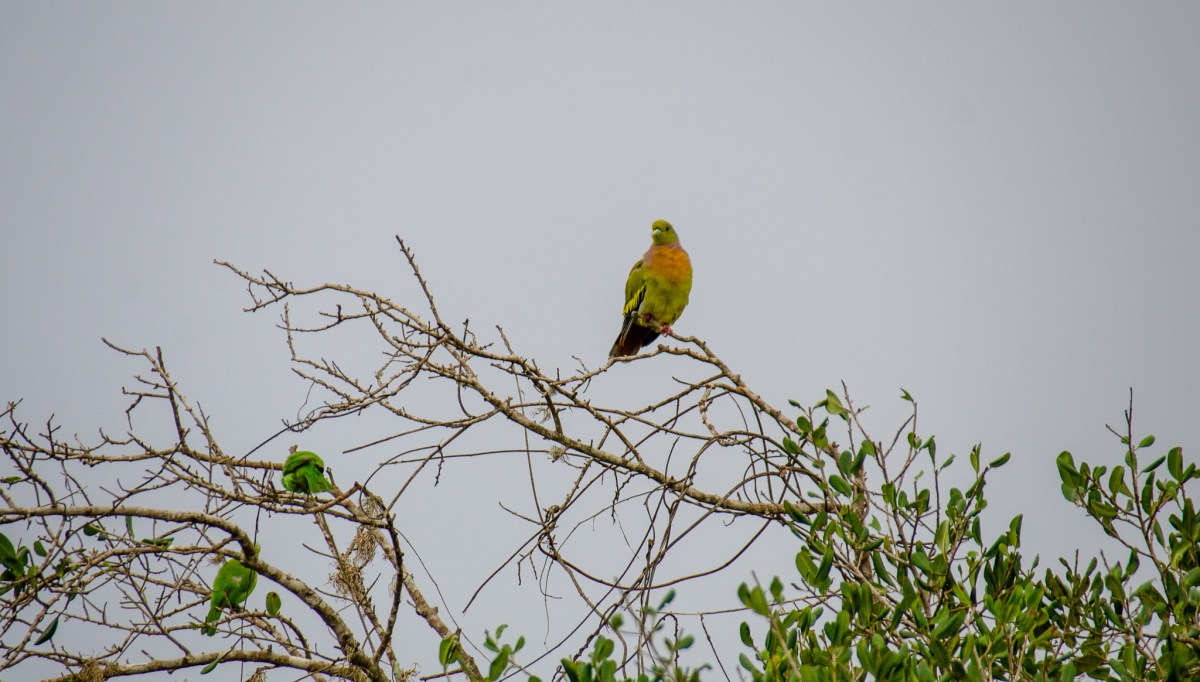
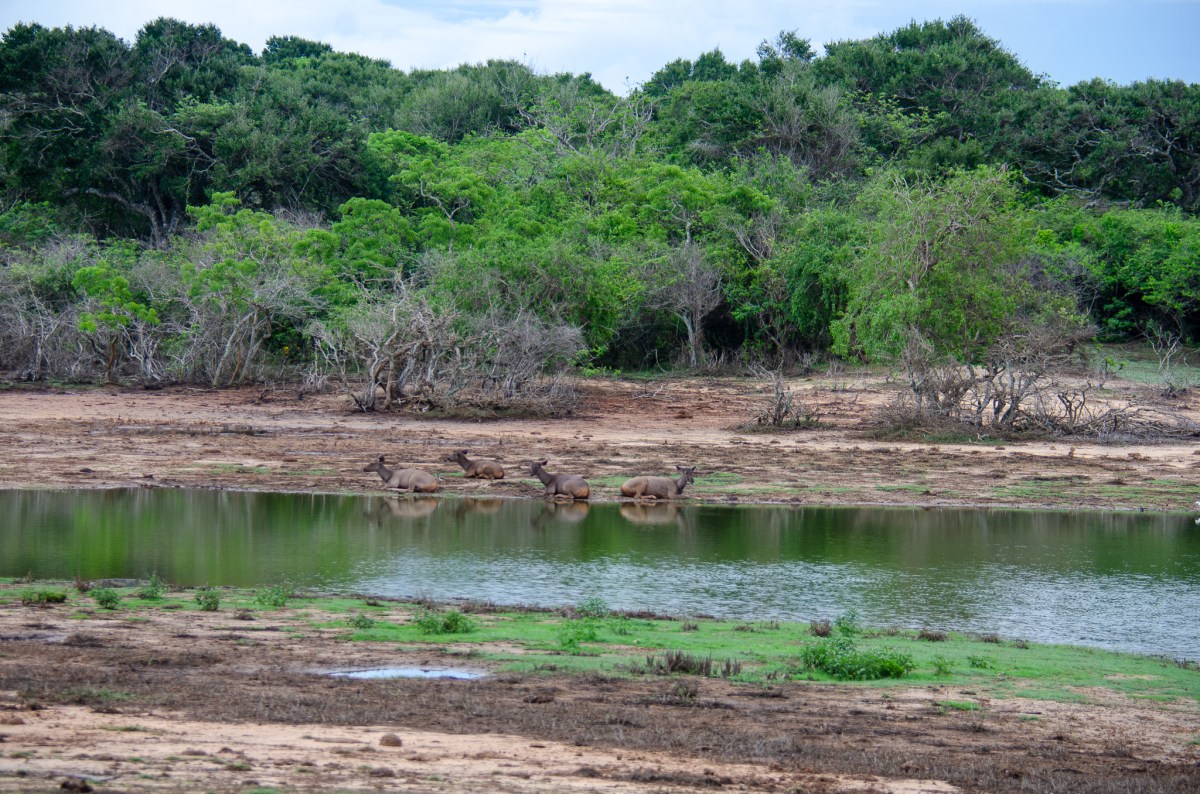
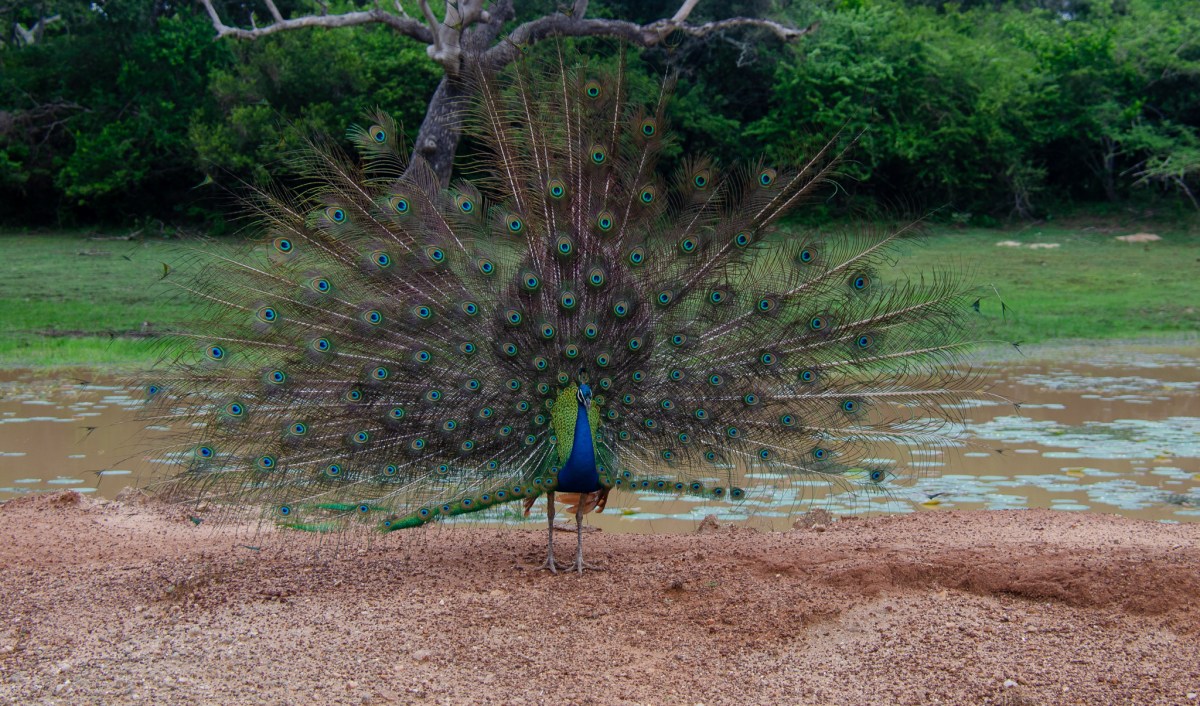
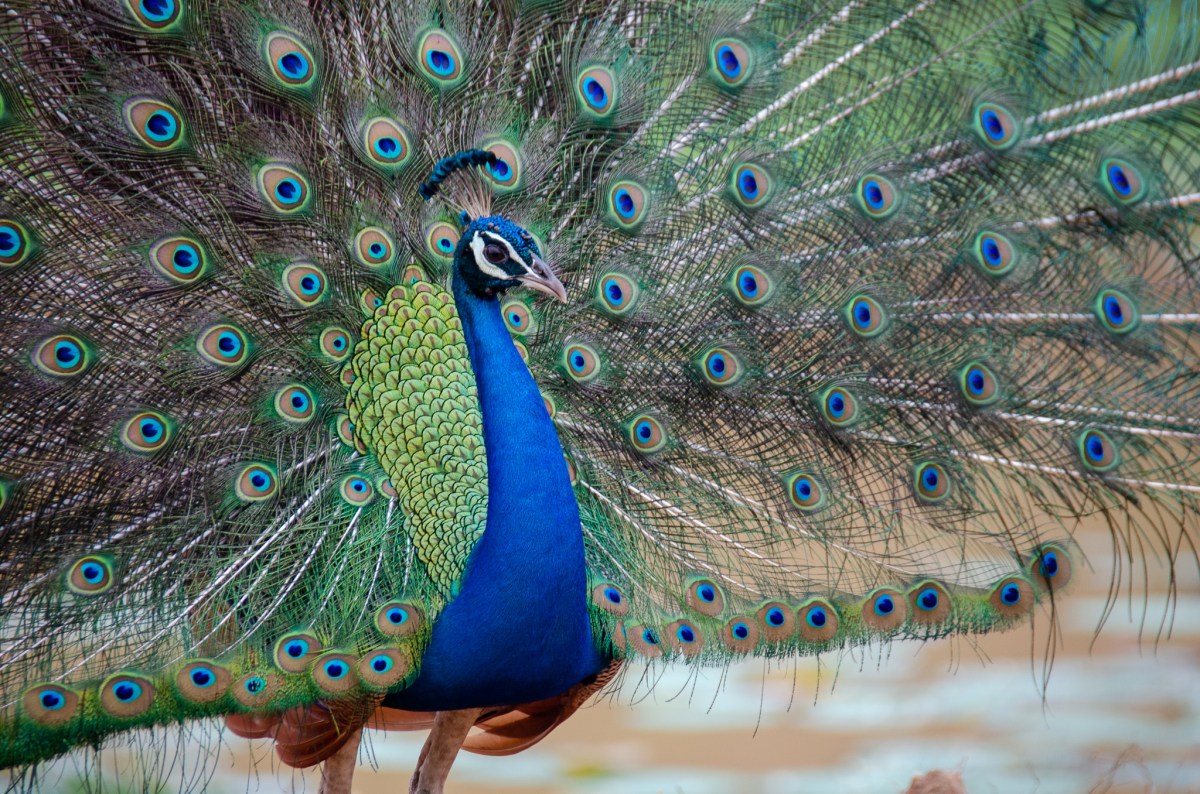
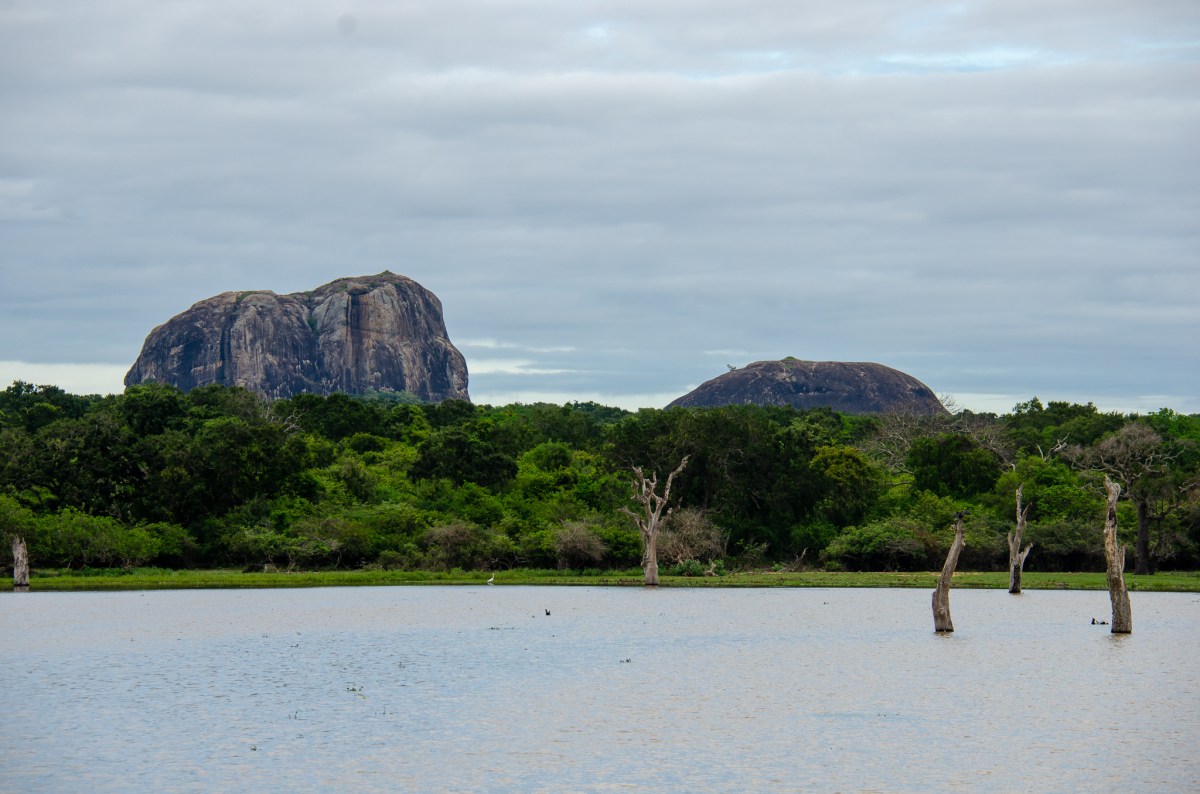
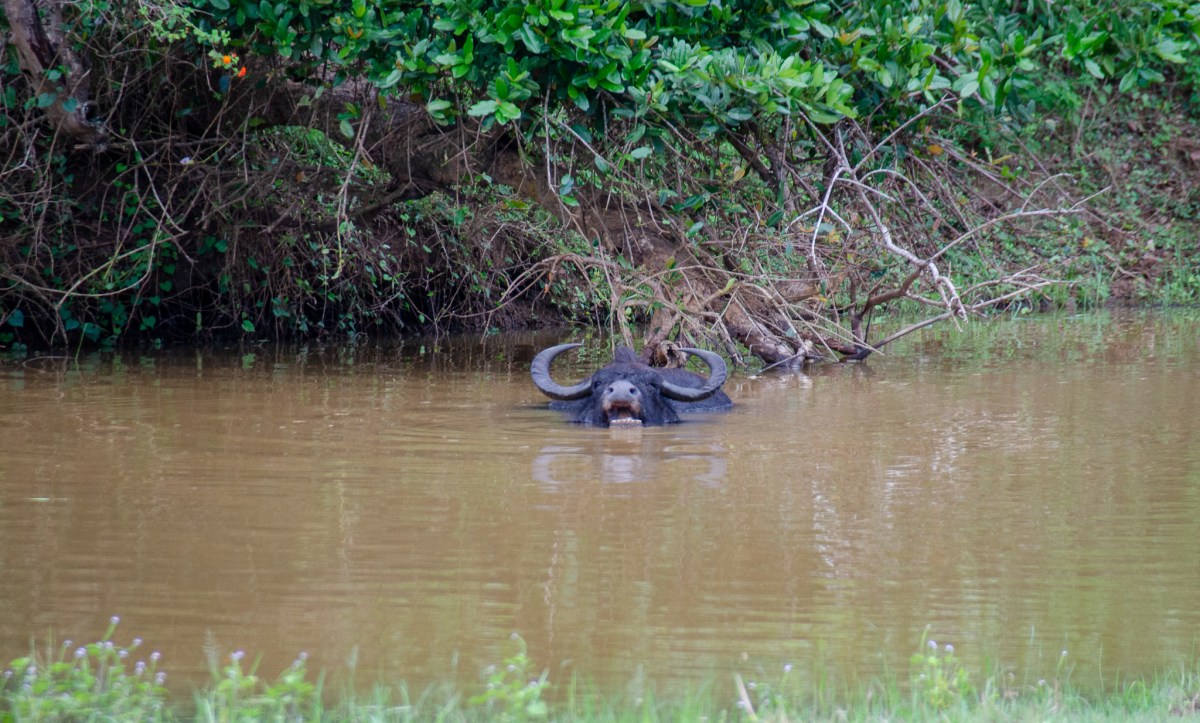
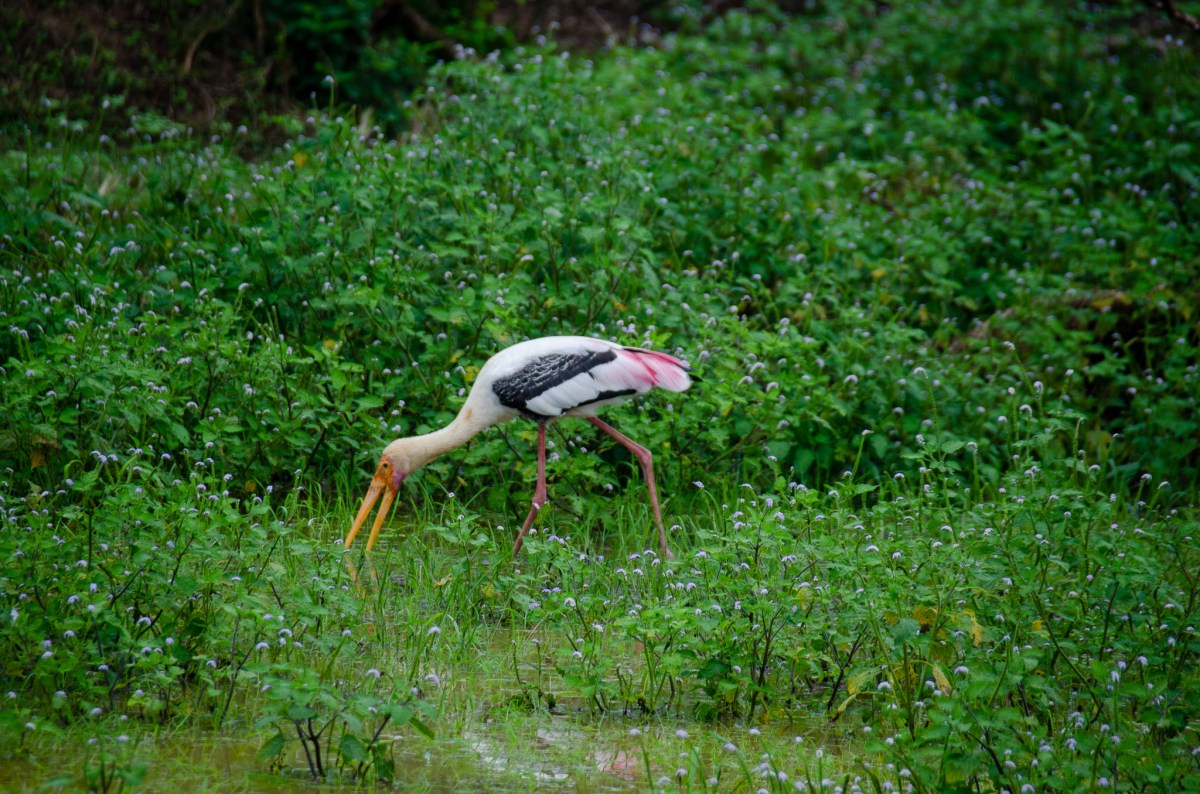
Jetwing Yala: We stayed at Jetwing Yala, designed by Sri Lankan architect Geoffrey Bawa. The hotel was originally flooded in 2004 and rebuilt, keeping Bawa’s signature style that blends buildings into the surrounding park. The roads in were rough, but the setting was stunning, with wildlife often wandering near the rooms — we even had monkeys on the balcony and one nearly jumped into our room!
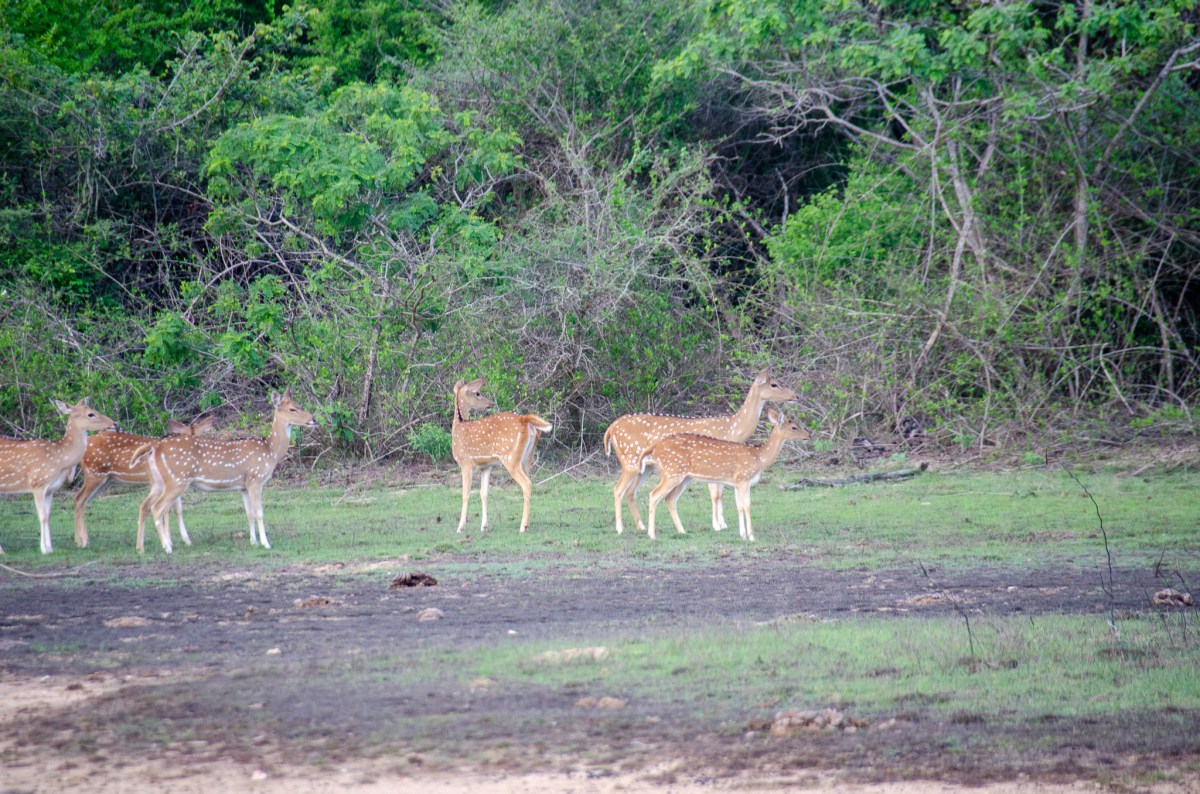
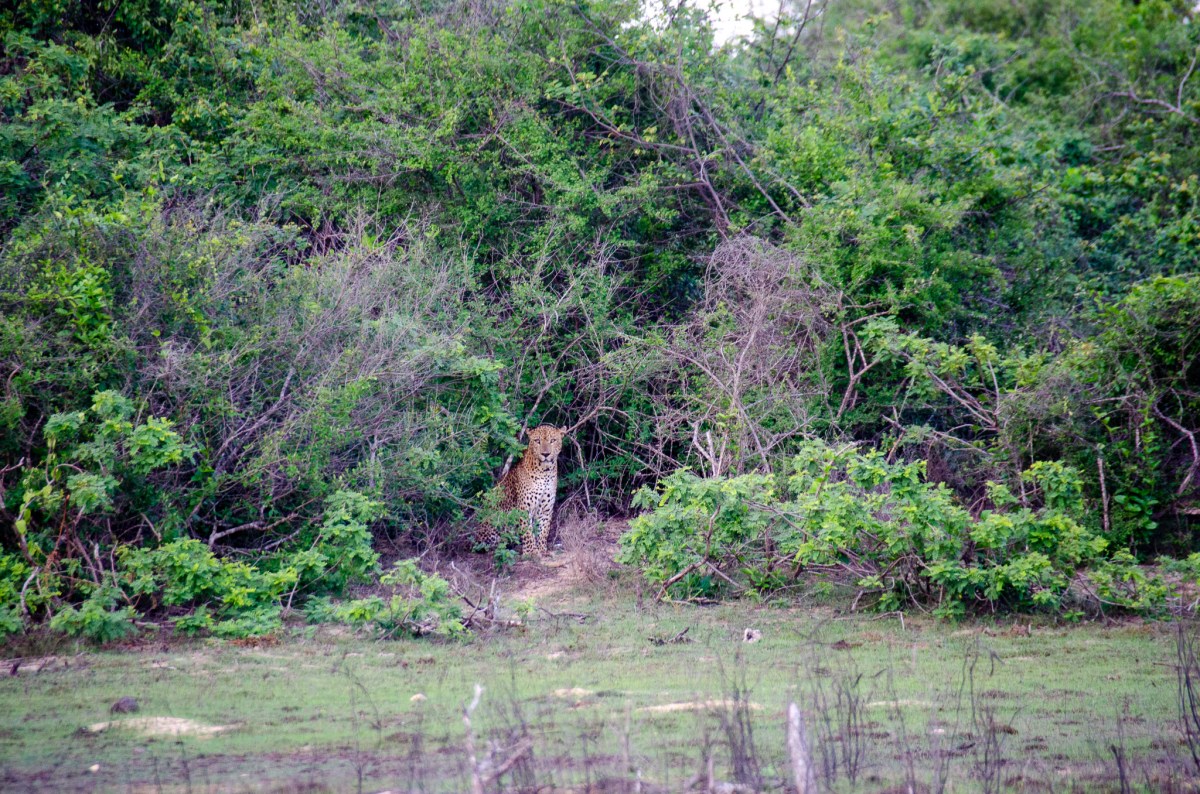
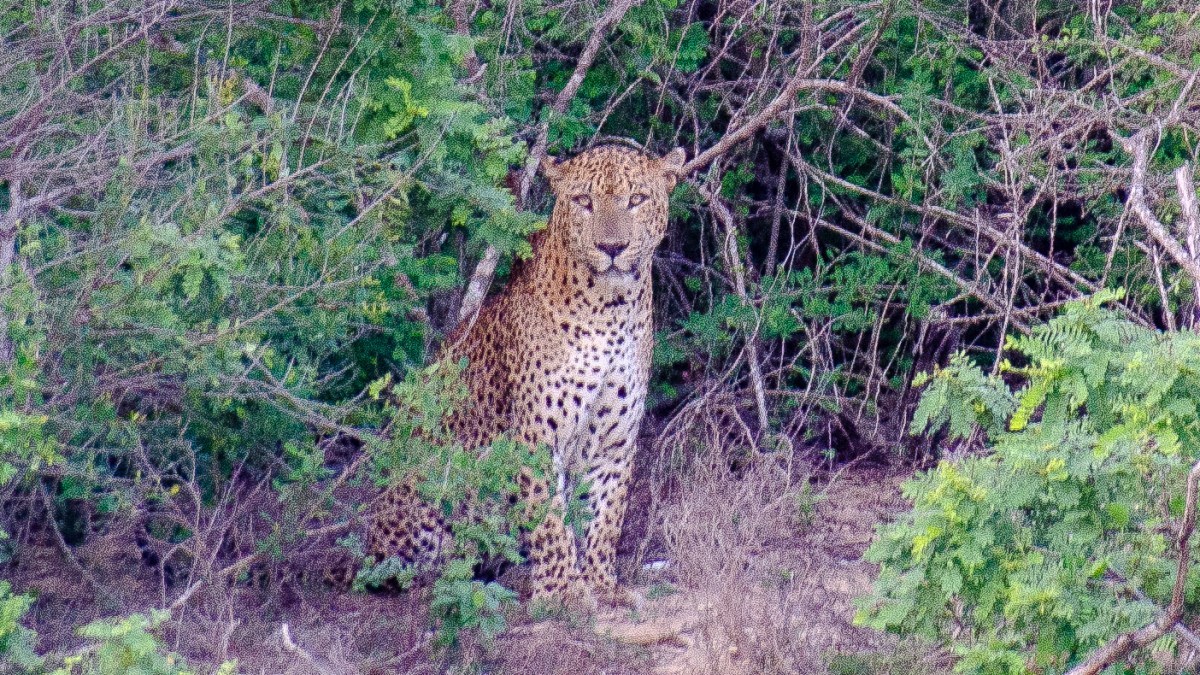
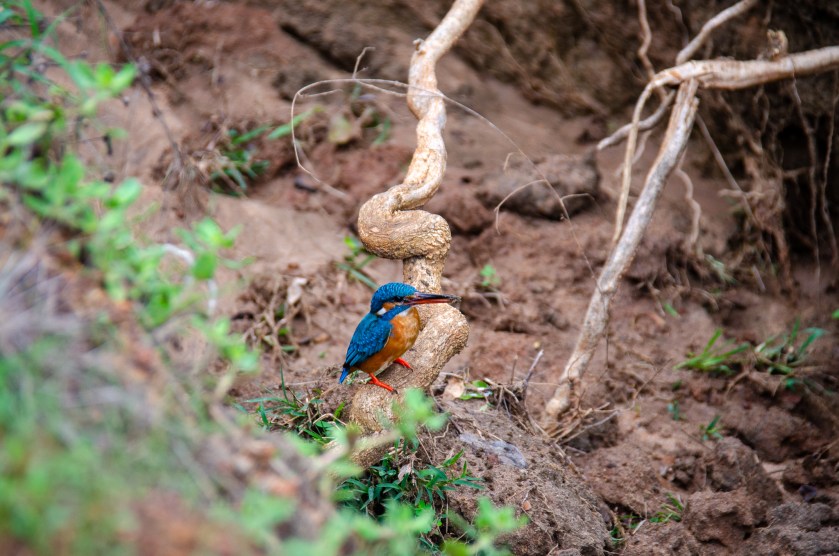
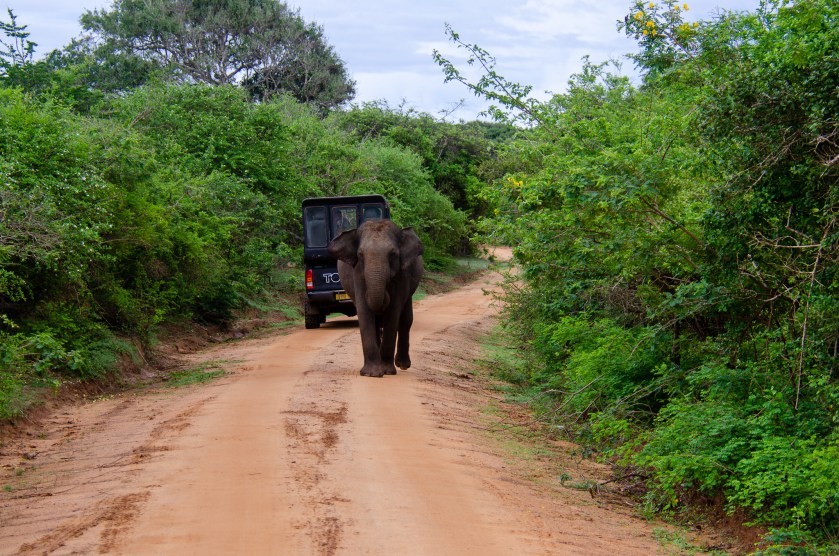
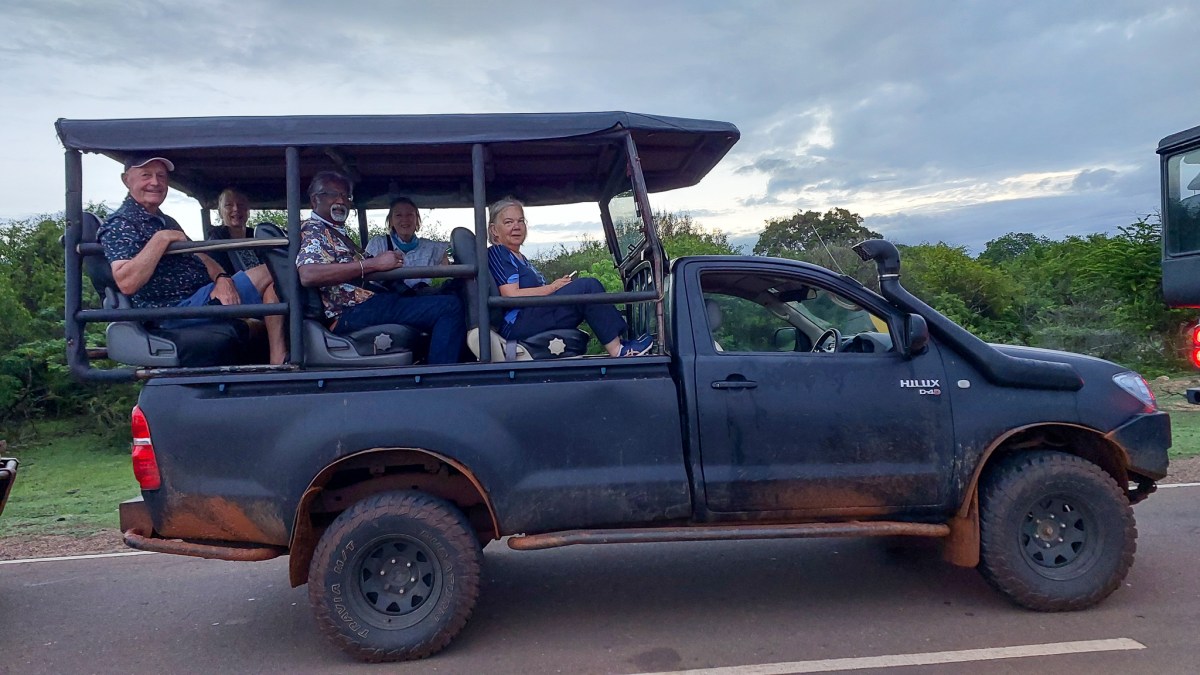
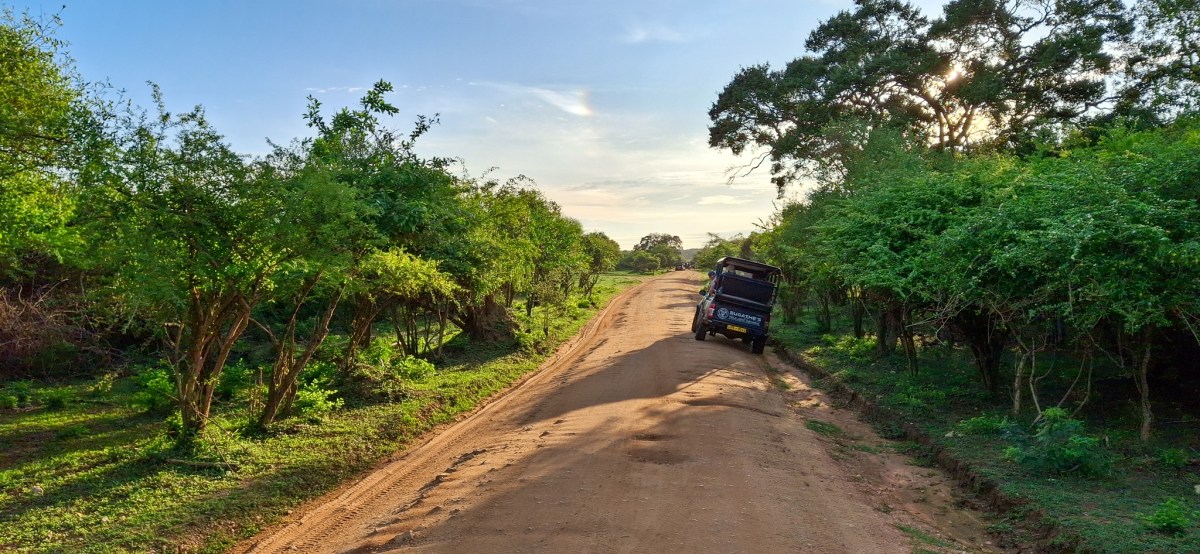
Safari: Early in the morning, our jeep tracked elephants, monkeys, deer, and colourful birds. One elephant passed so close we could have touched it.
Later, on the afternoon drive, a leopard appeared quietly hunting deer across the river. Our driver raced to get us into the perfect position, and Basker captured the perfect shot — the sun low, water shimmering, and the leopard moving silently through the grass, then stepping out to the river bank. Wow!!
Dinner outdoors at the hotel ended a truly memorable day.
Galle
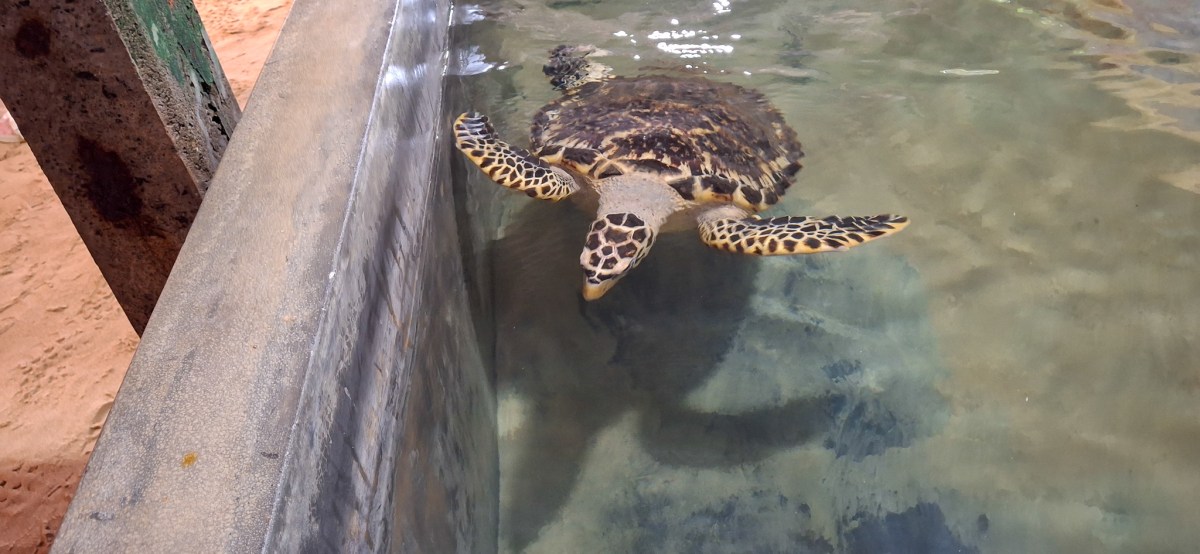
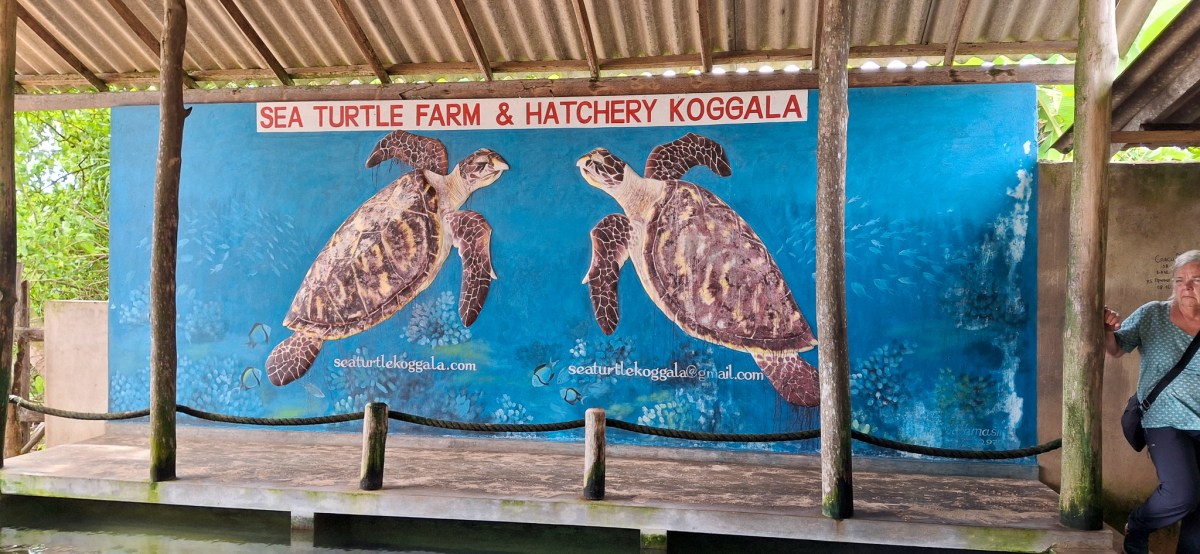
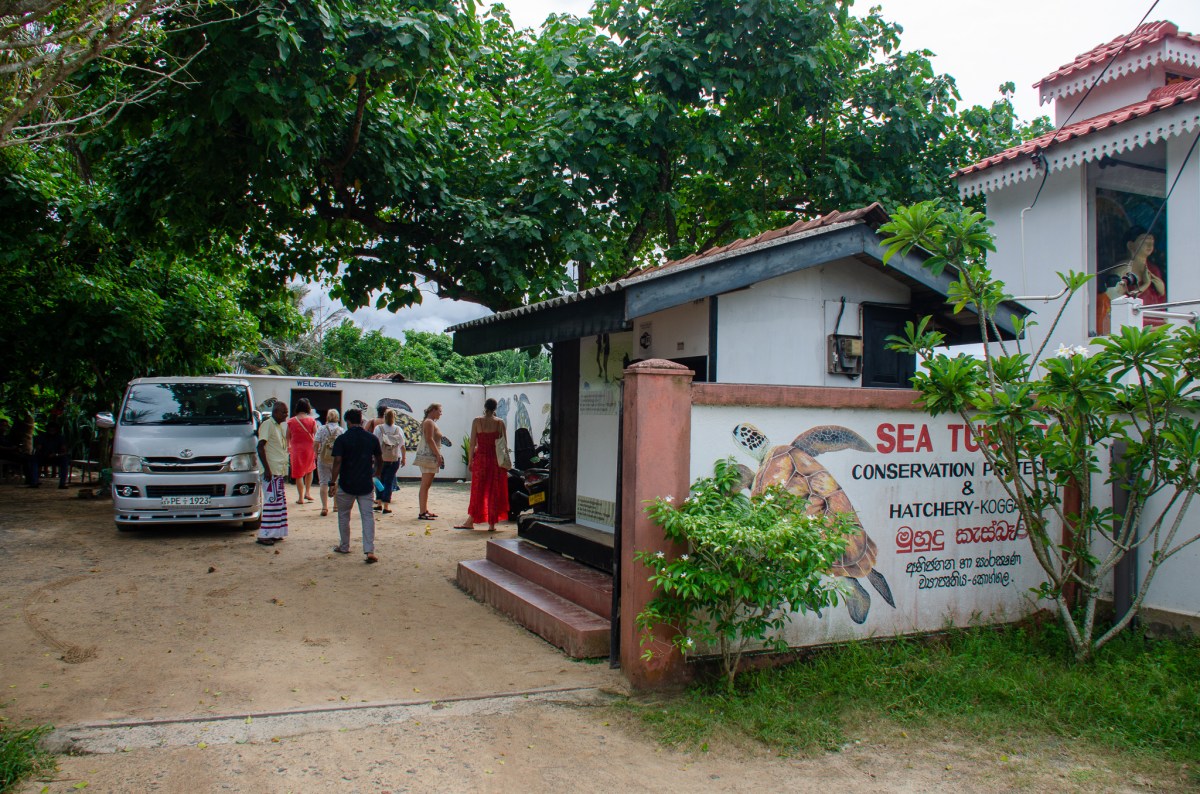
Turtle Farm: Near Koggala we visited a turtle rescue and hatchling centre. They care for sick turtles and release them back into the sea when recovered. It was a worthwhile stop, but a bit sad for the turtles… and clearly under-funded.
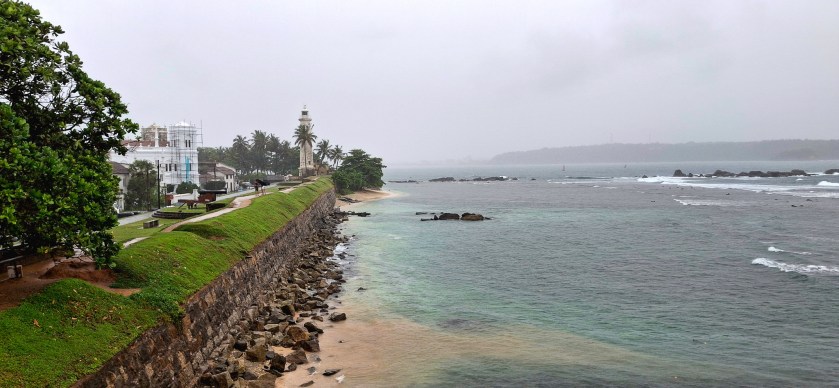
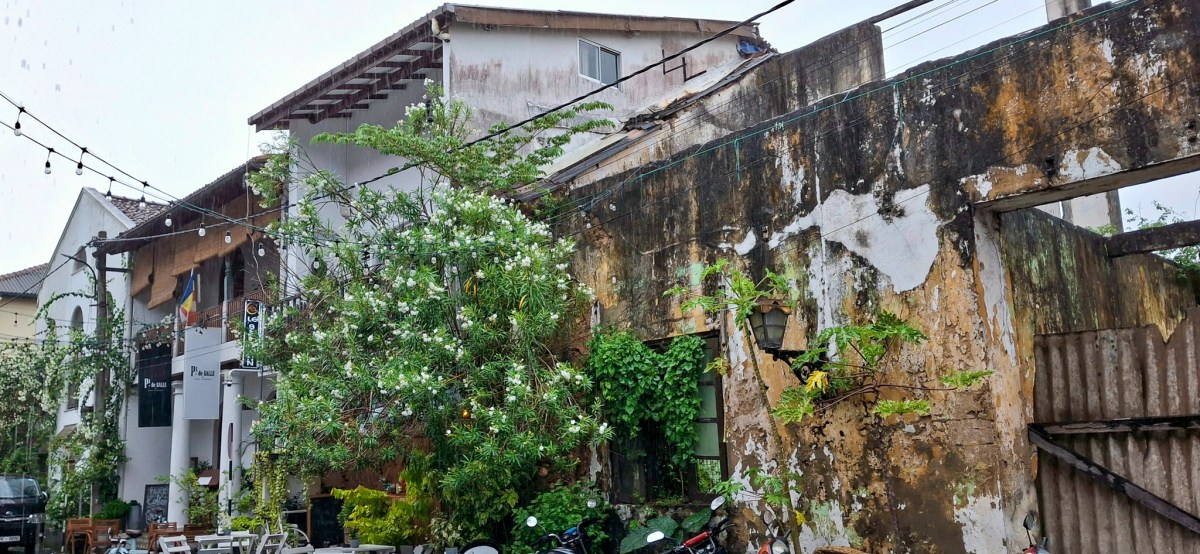
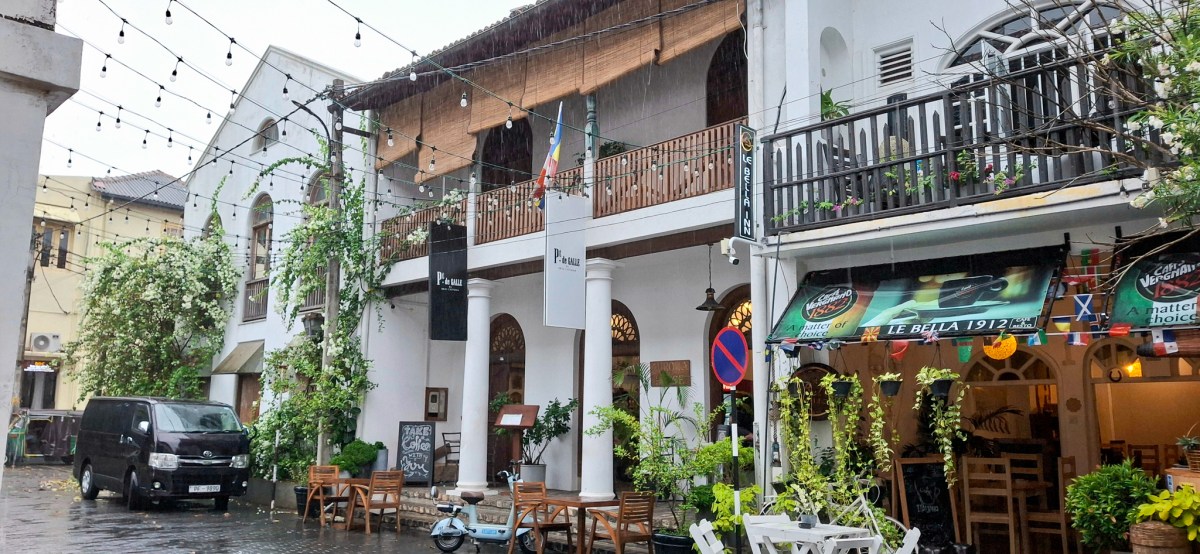
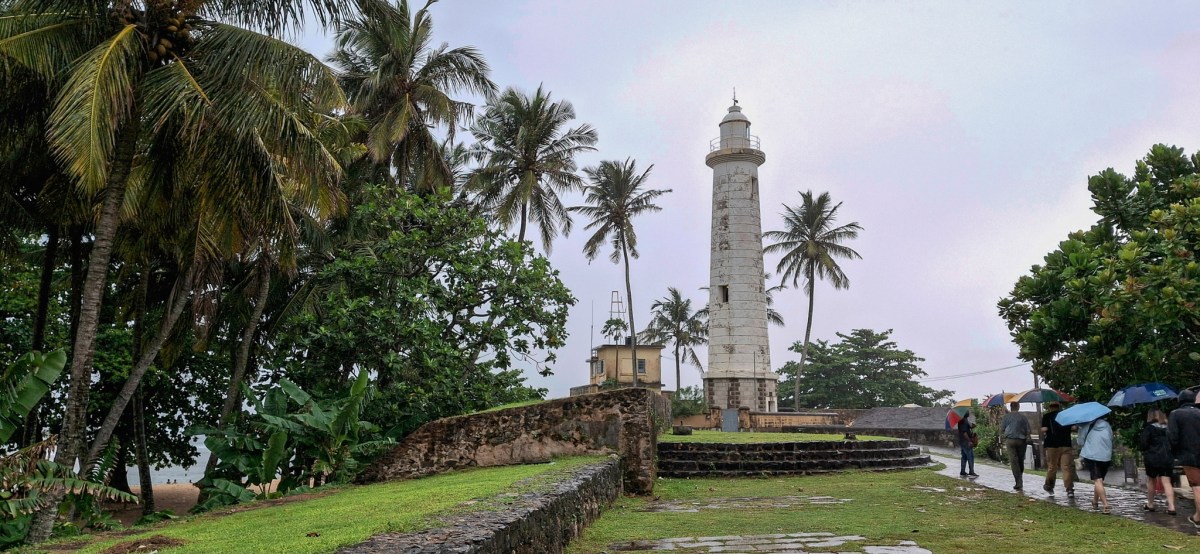
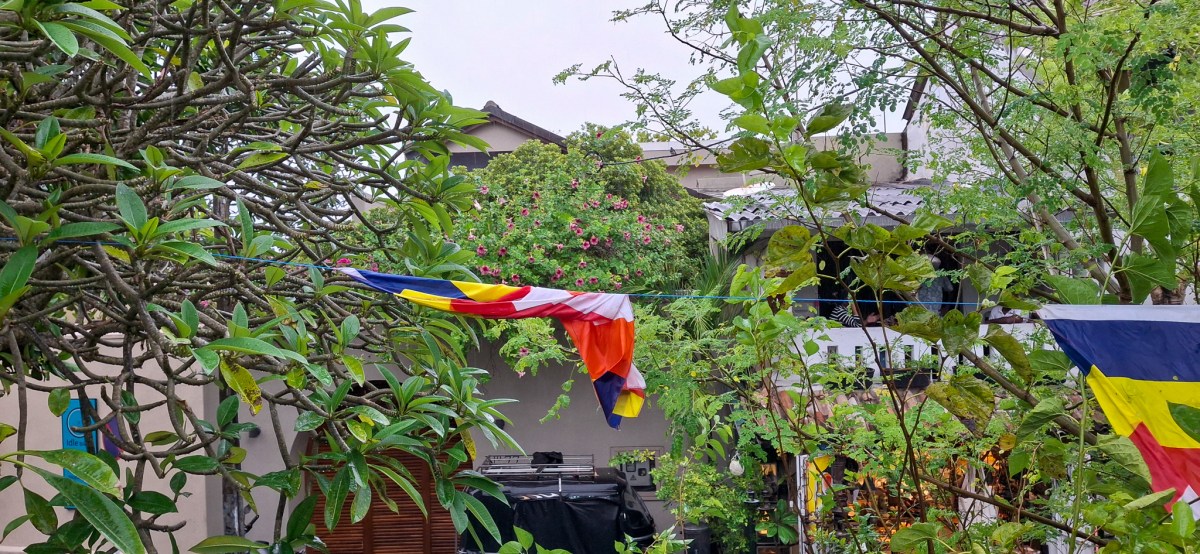
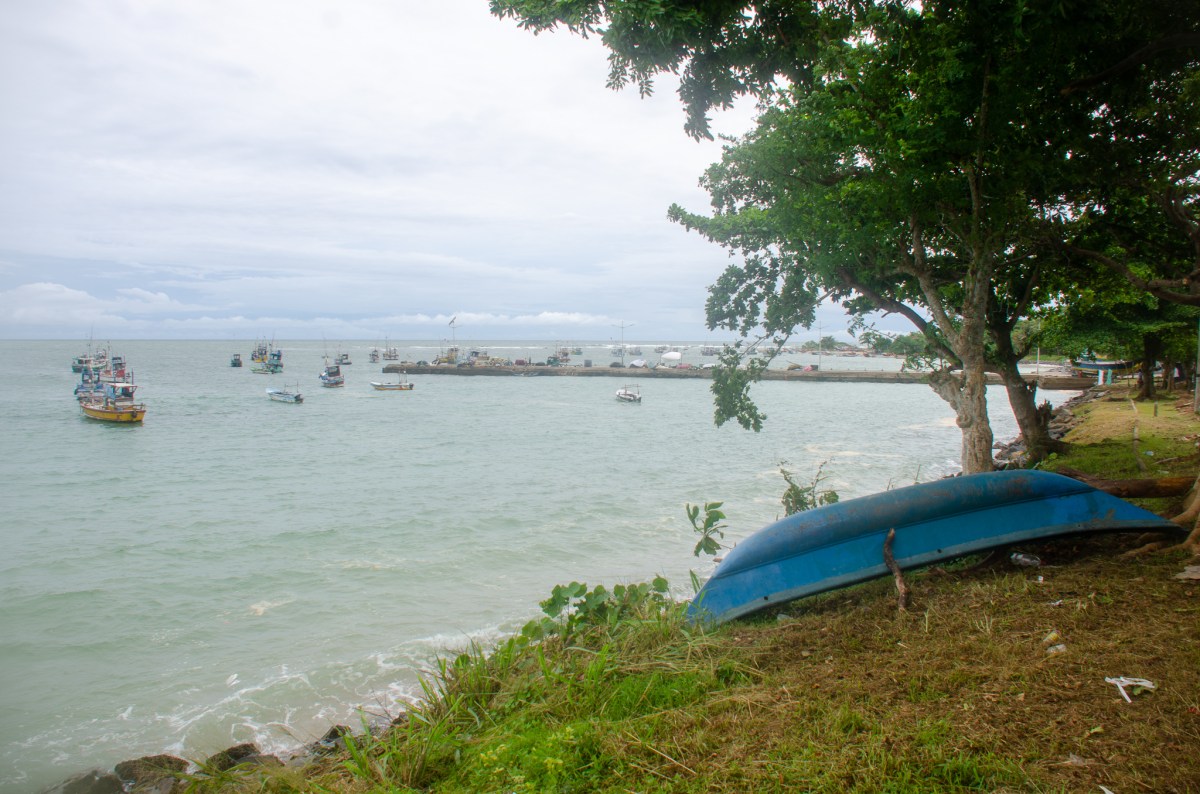
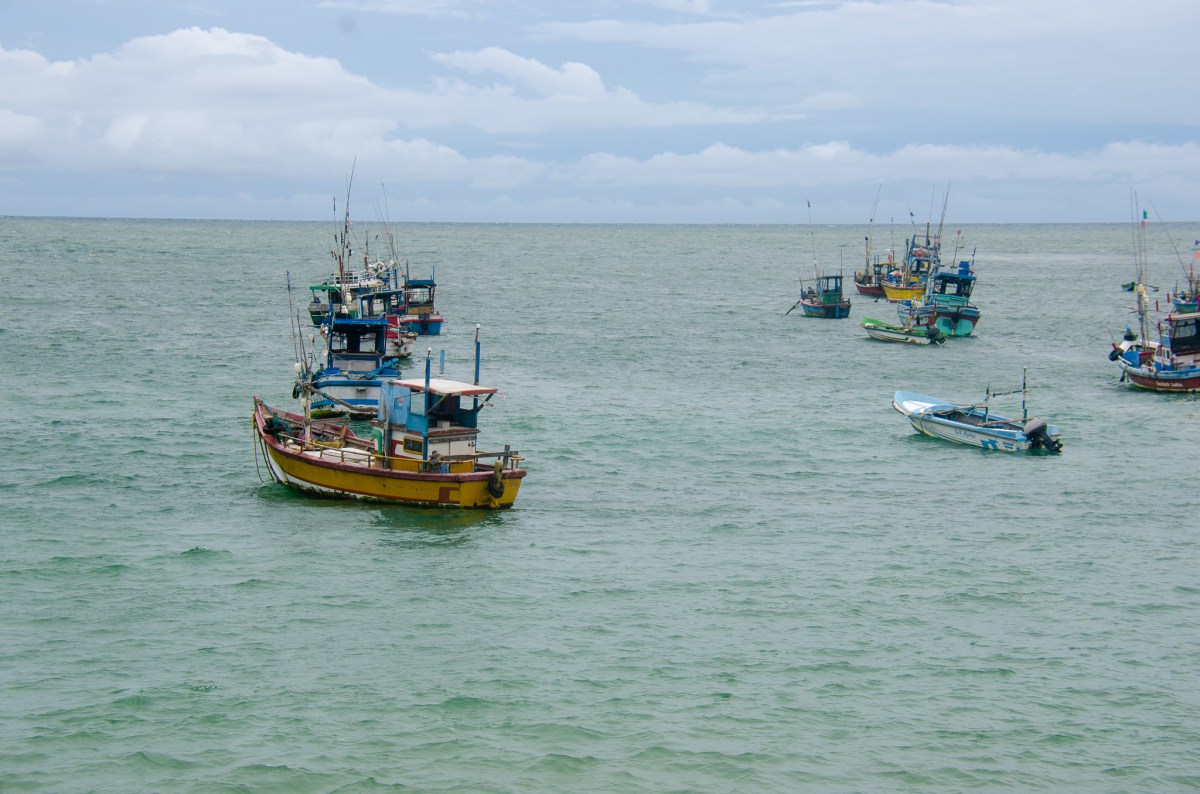
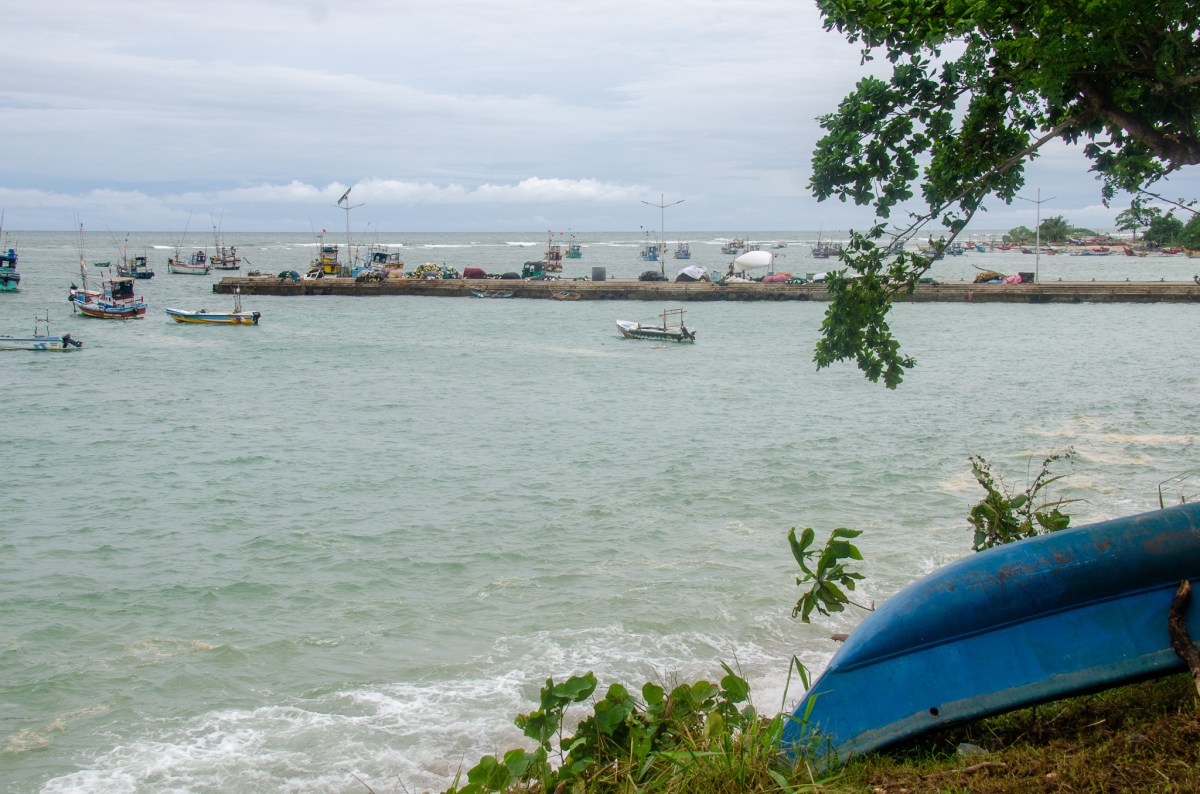
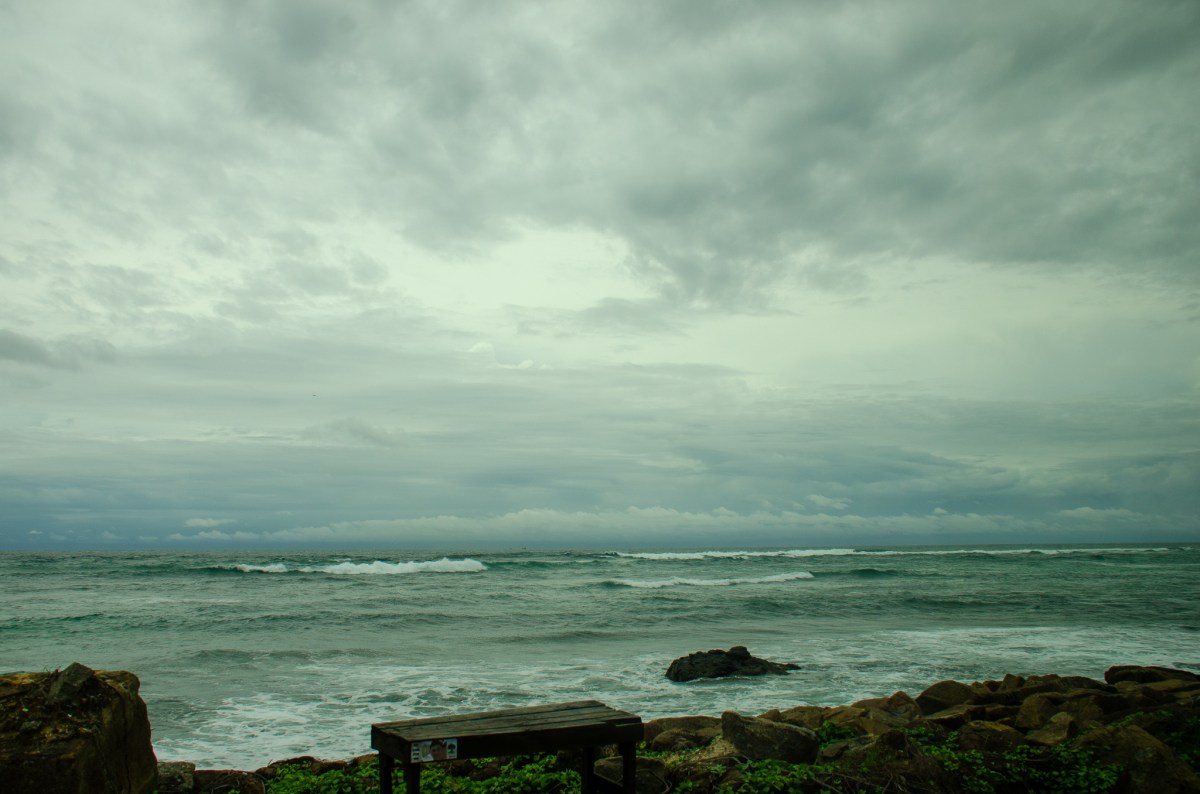
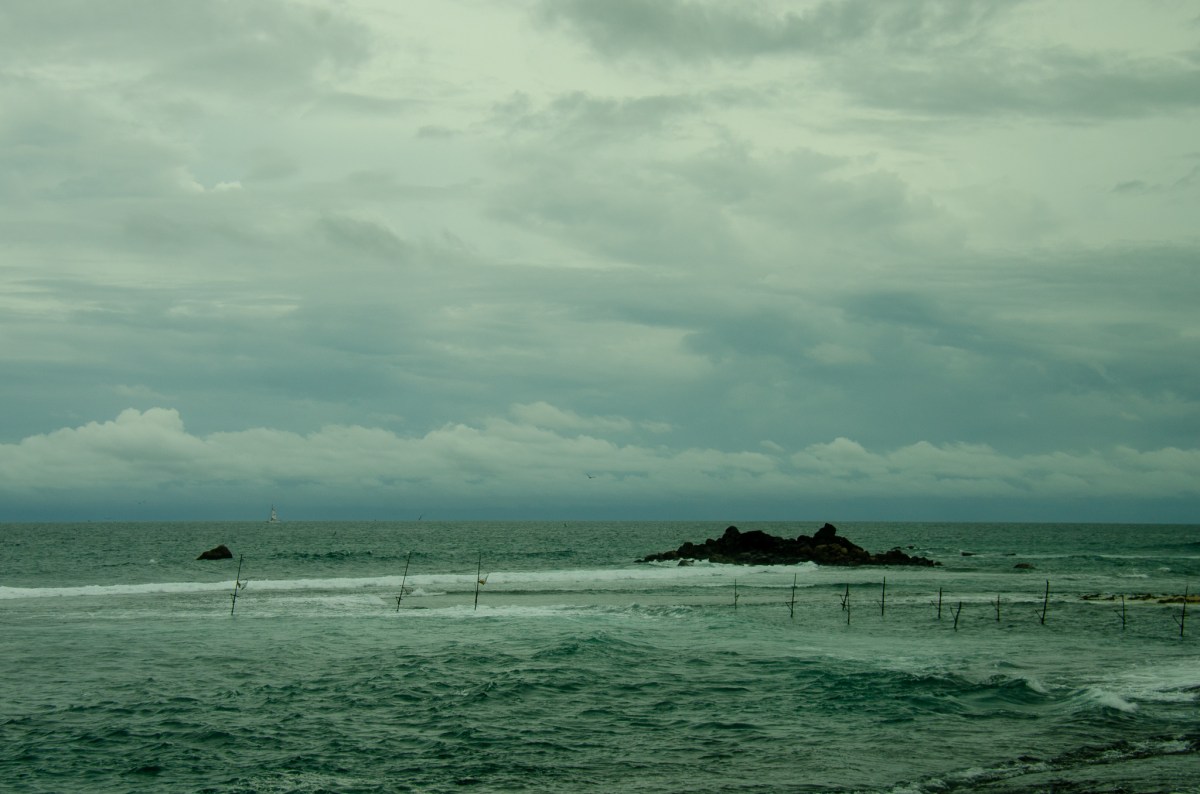
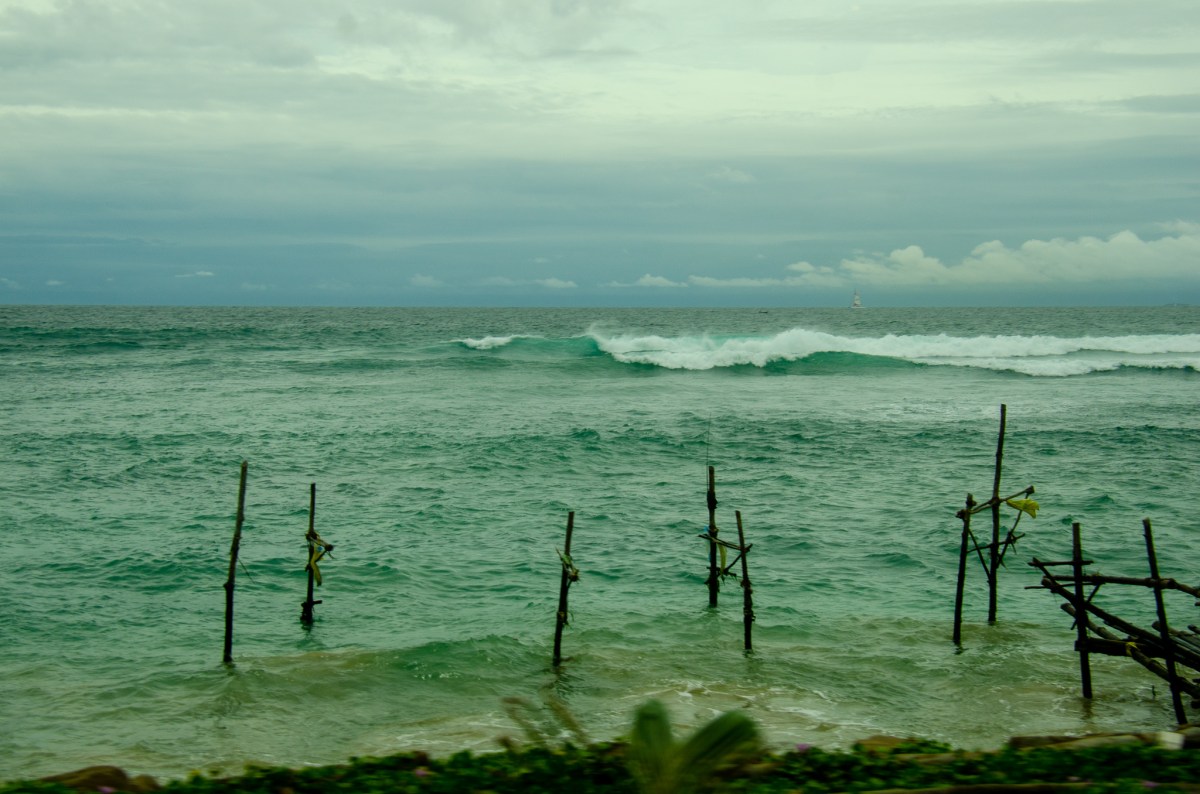
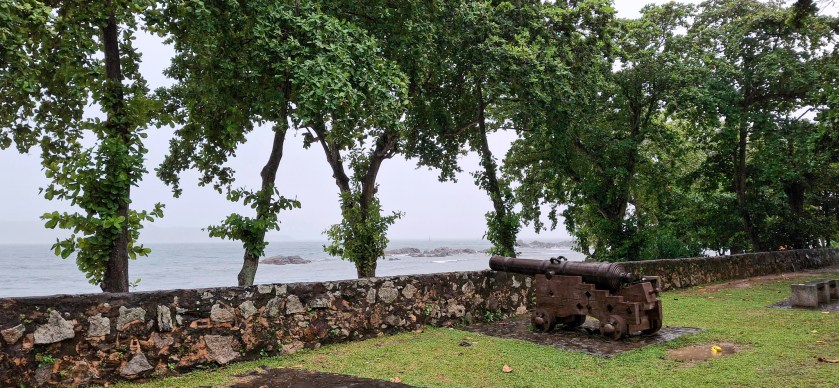
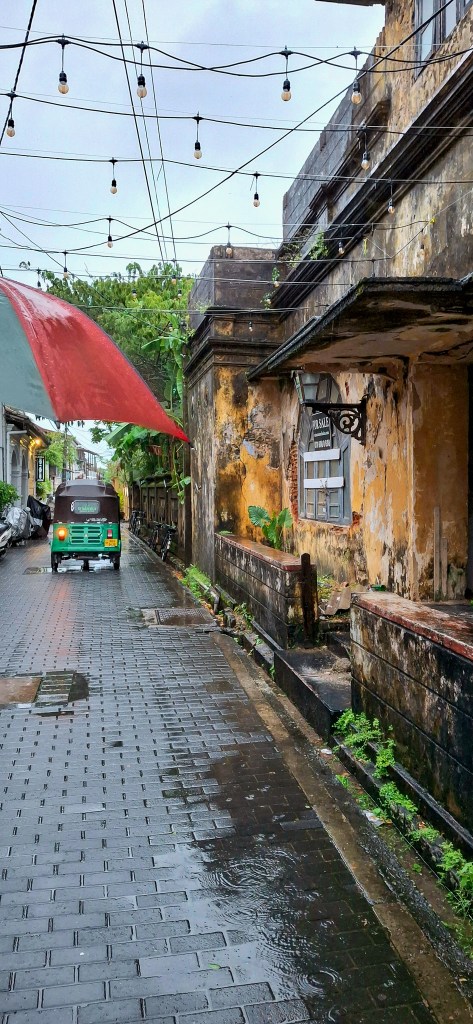
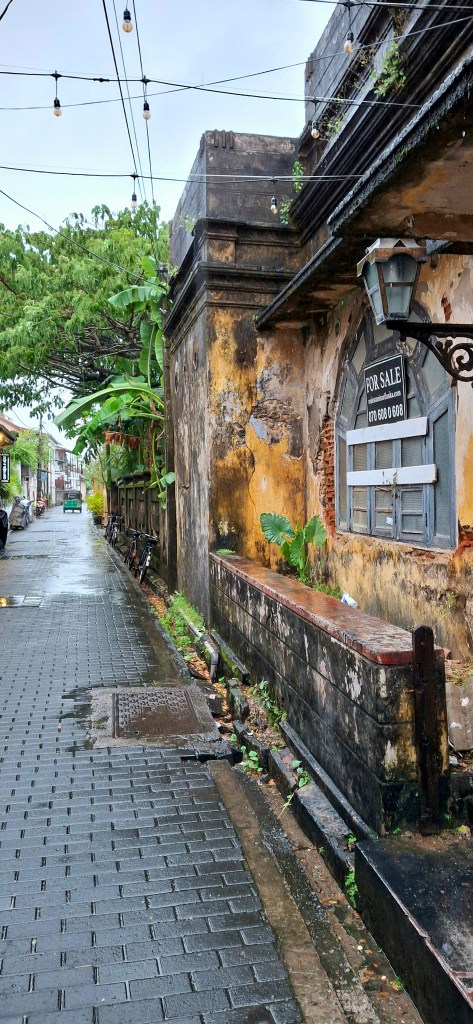
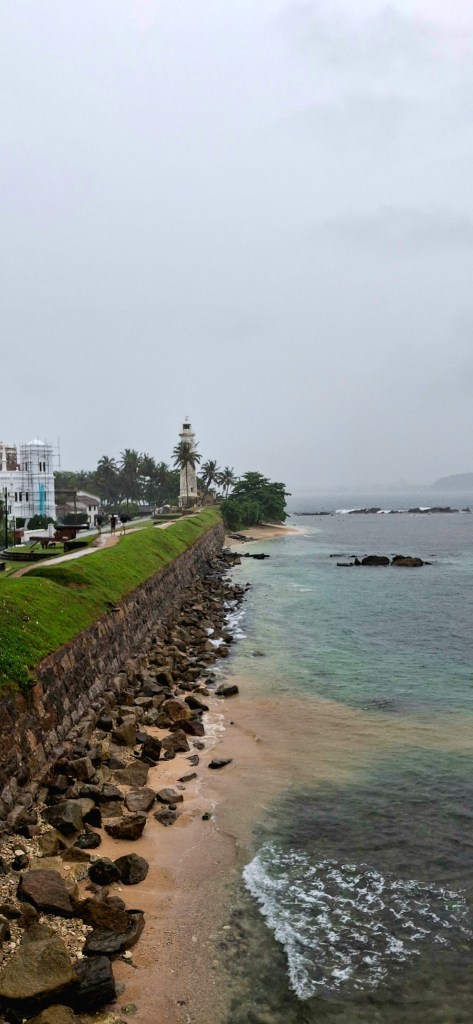
Dutch Fort: Galle Fort is a UNESCO World Heritage site, originally built by the Portuguese in the 16th century and later fortified by the Dutch in the 17th century. We got completely soaked in the rain and didn’t see much of the old town — just a quick walk past the ramparts and lighthouse. Even so, it gave a hint of the fort’s layered colonial history. Here are a few pics.
Bentota
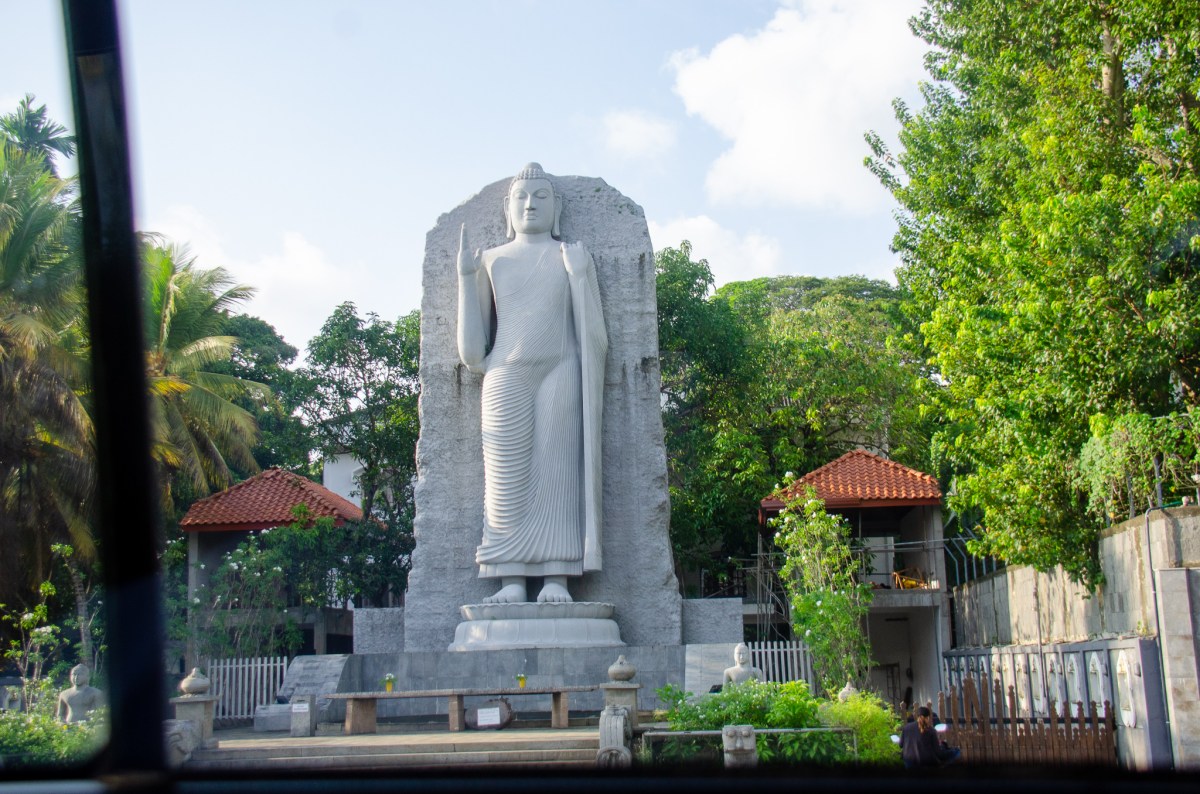
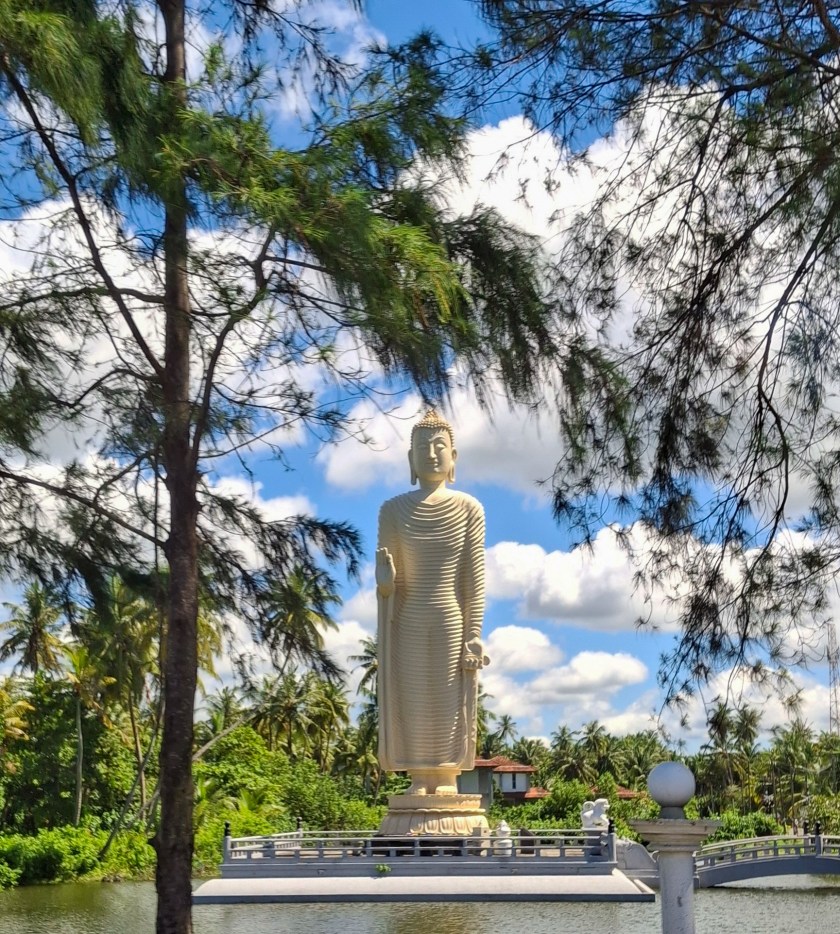
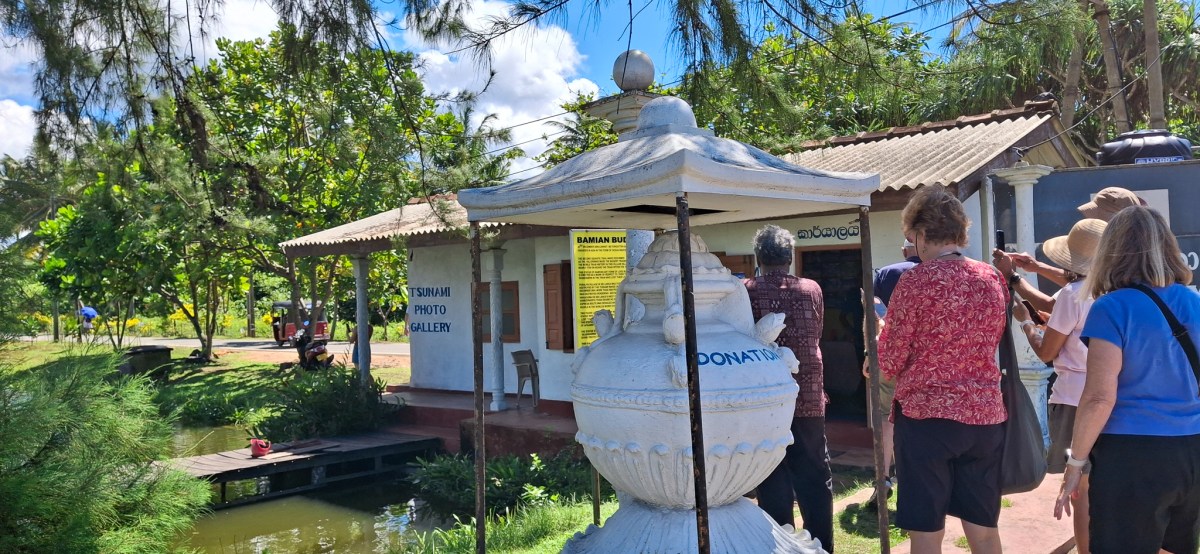
Tsunami Museum: A quiet, moving reminder of the 2004 disaster that devastated parts of Sri Lanka’s southern coast. The photo exhibits are simple but powerful, showing both the scale of the destruction and the resilience of the local communities. The site also features a large white Buddha statue overlooking the little museum.
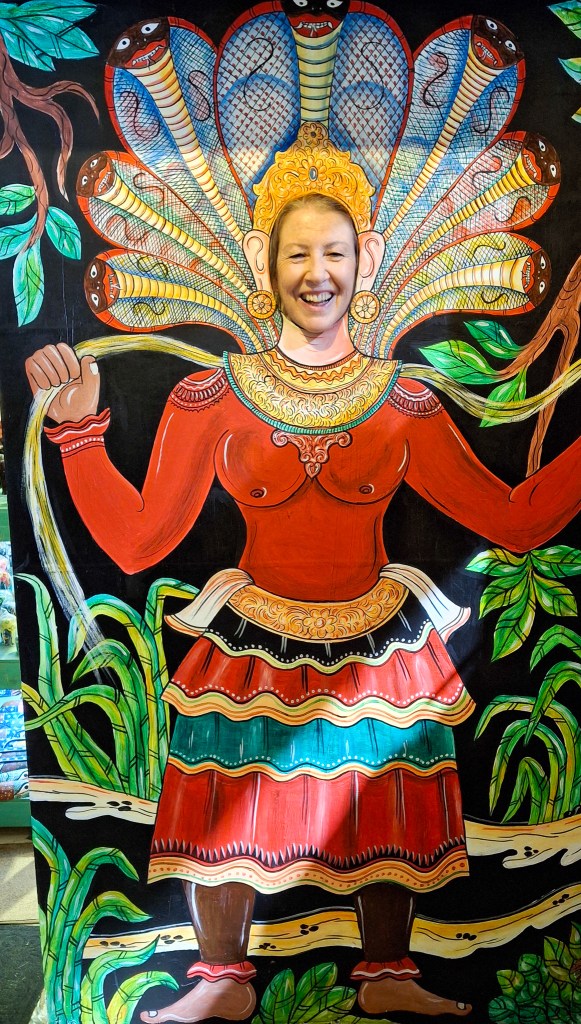
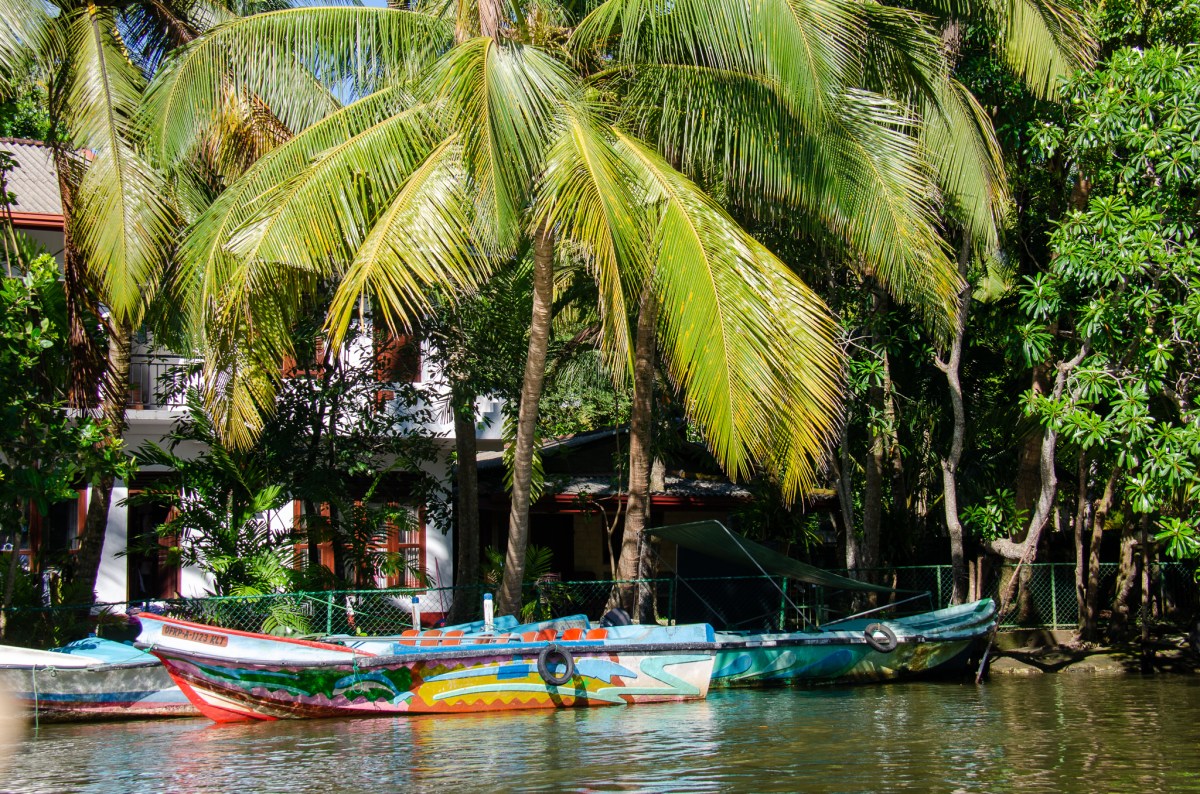
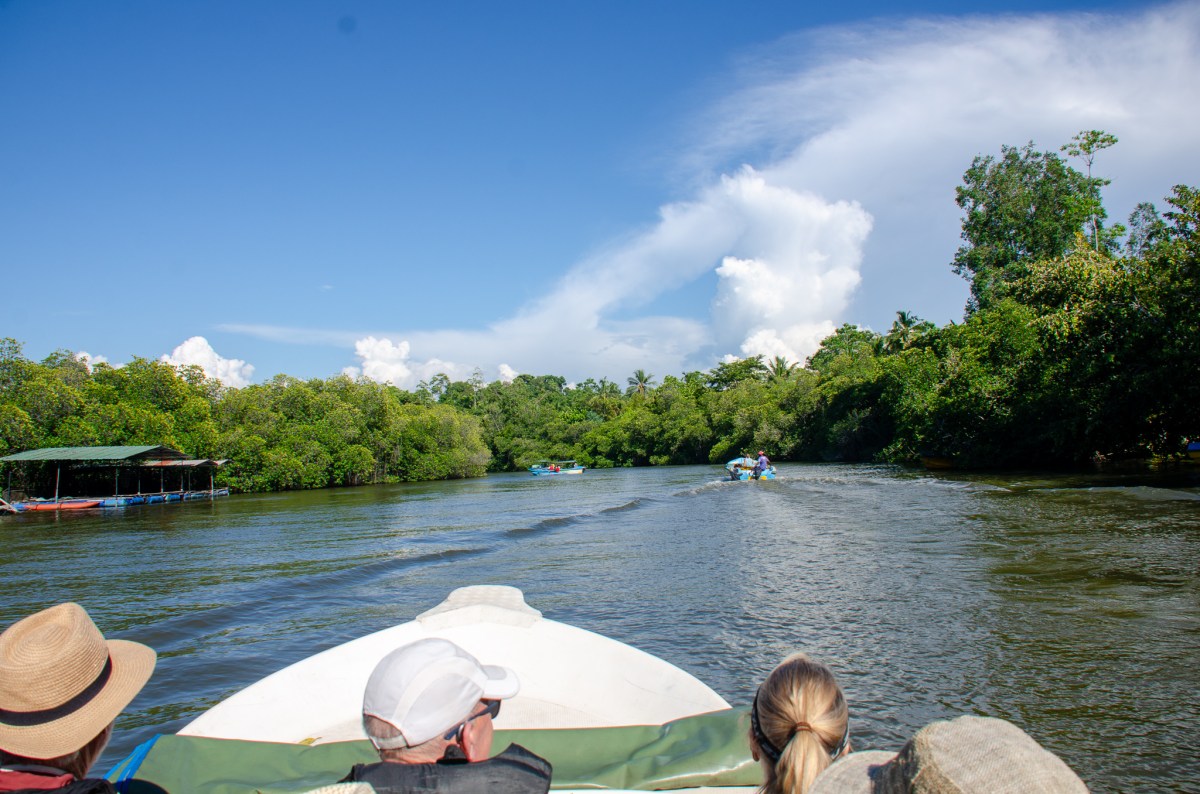
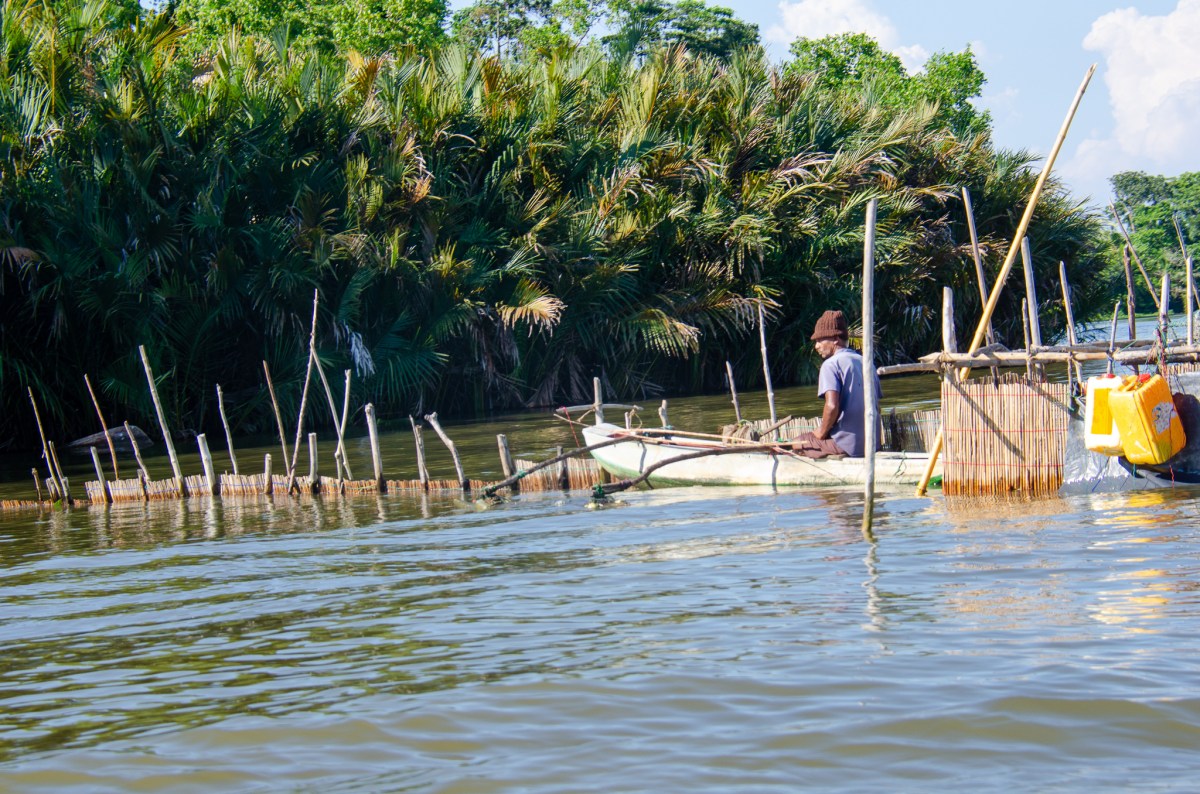
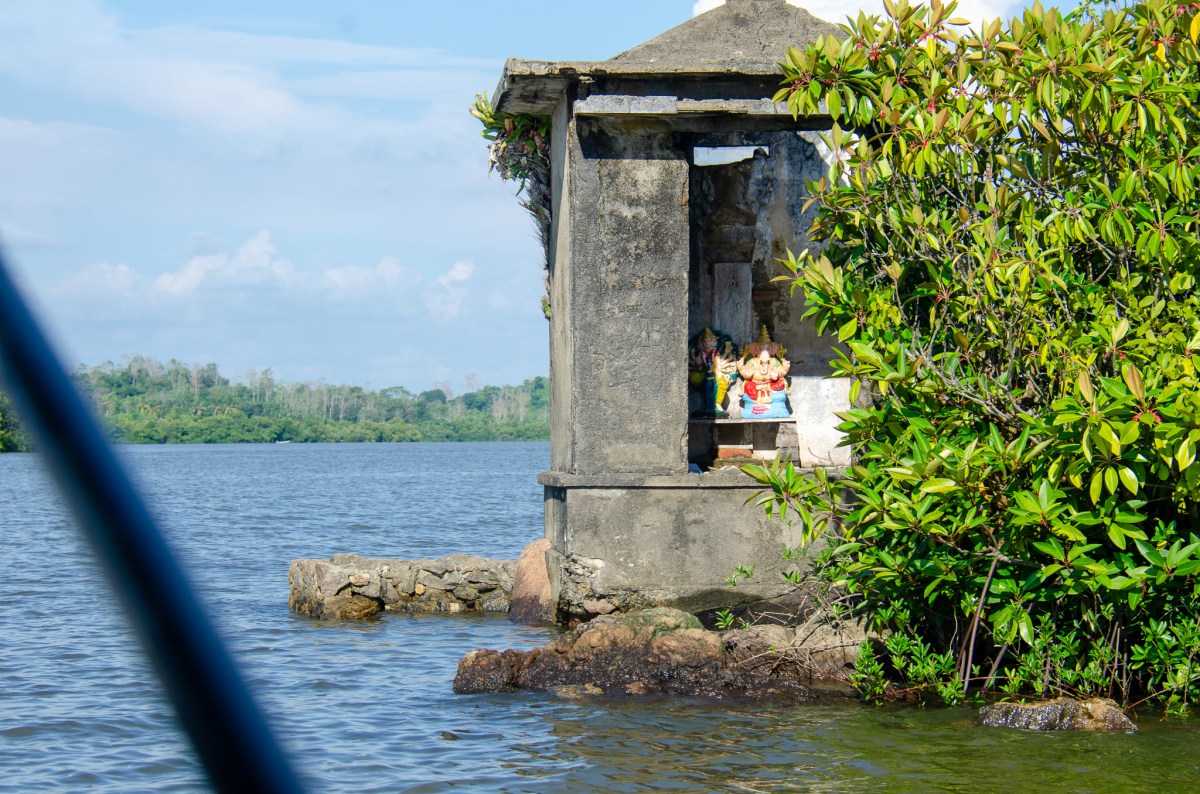
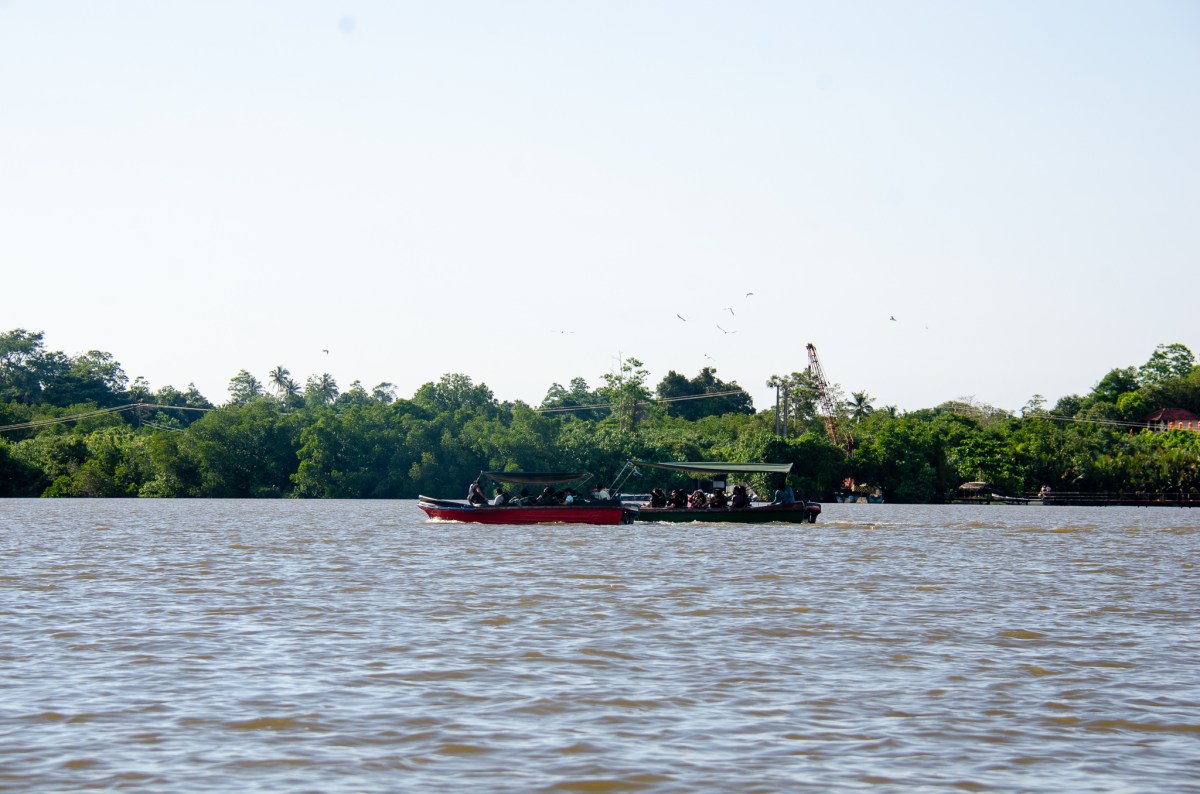
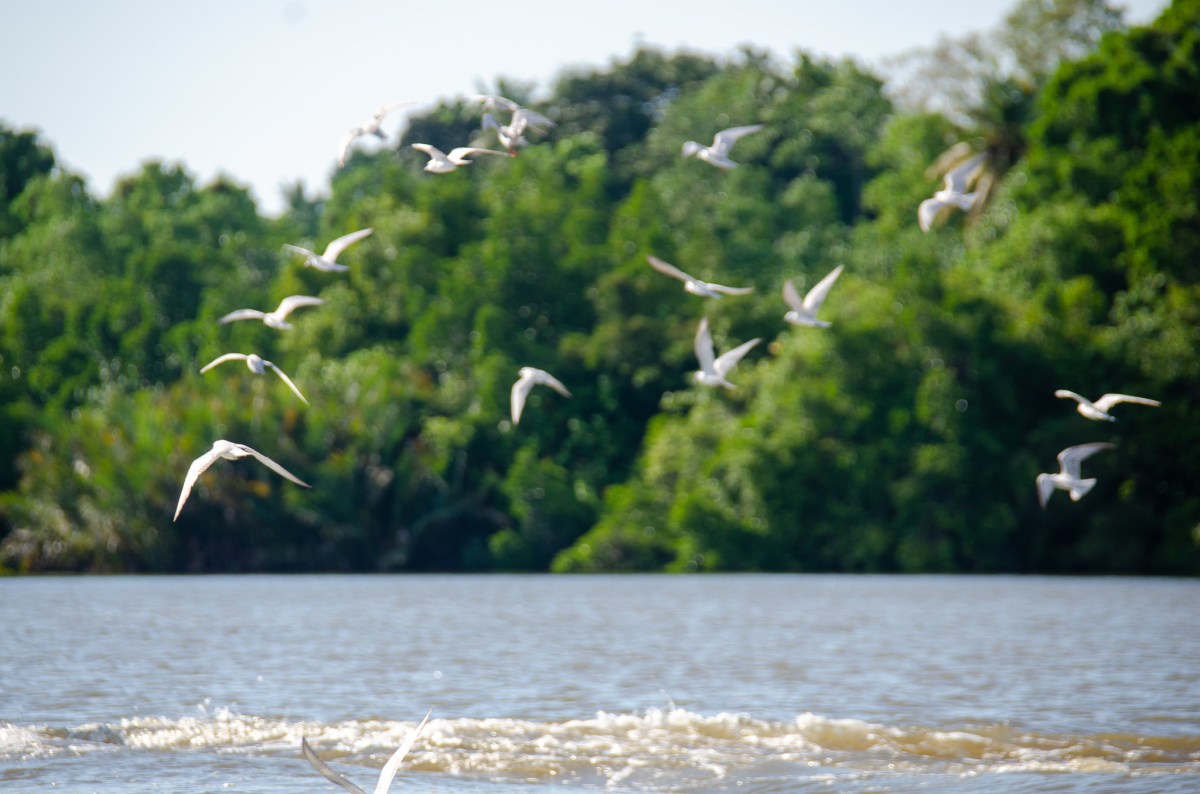
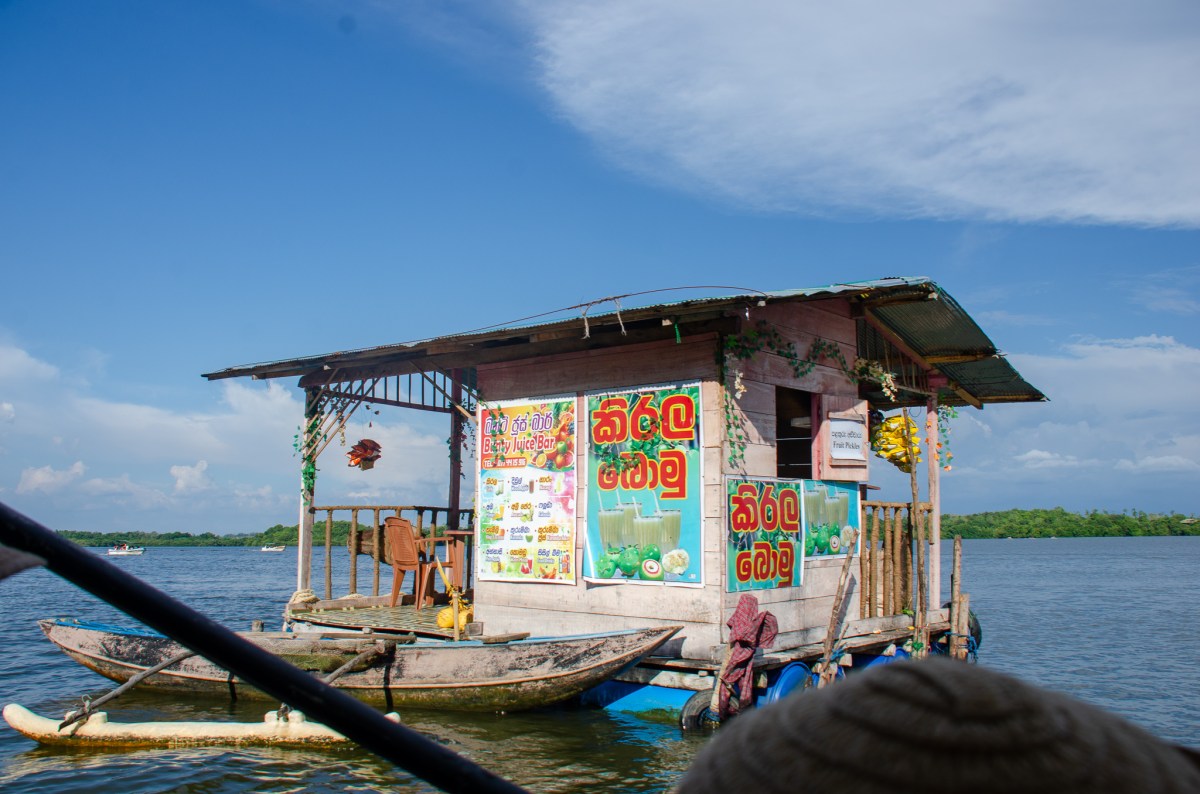
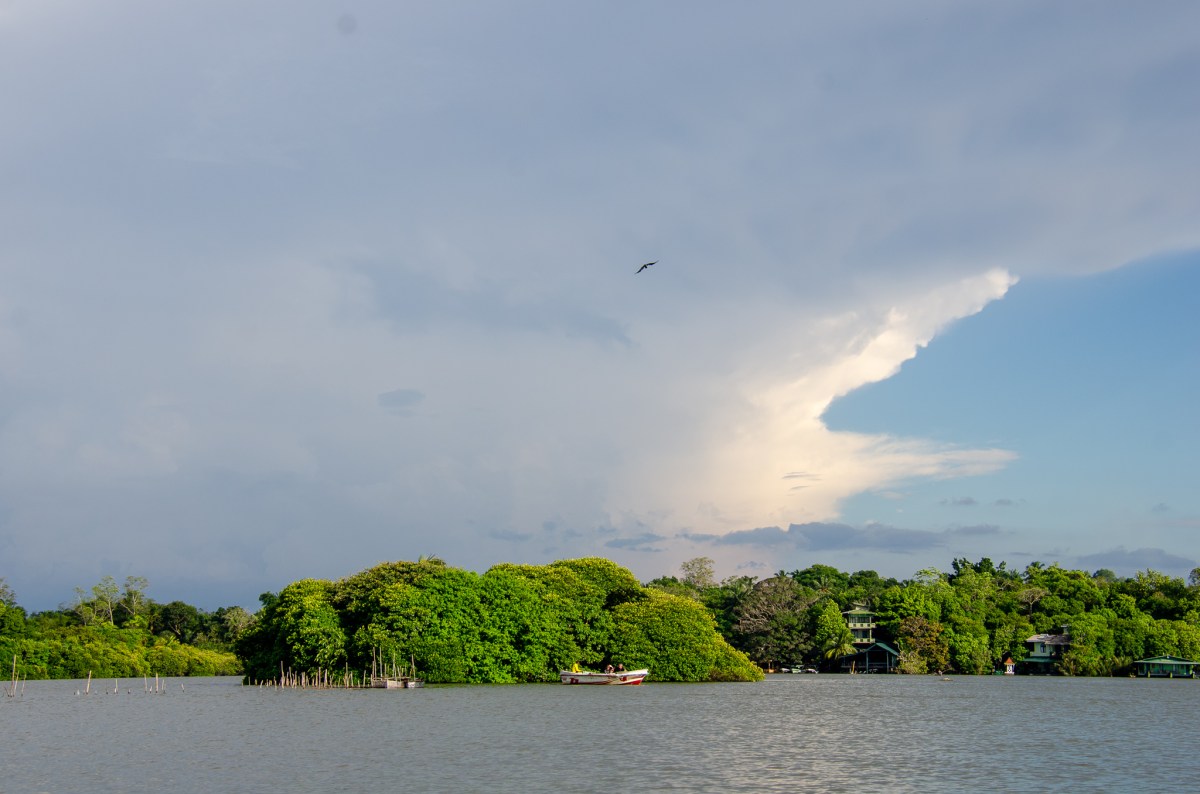
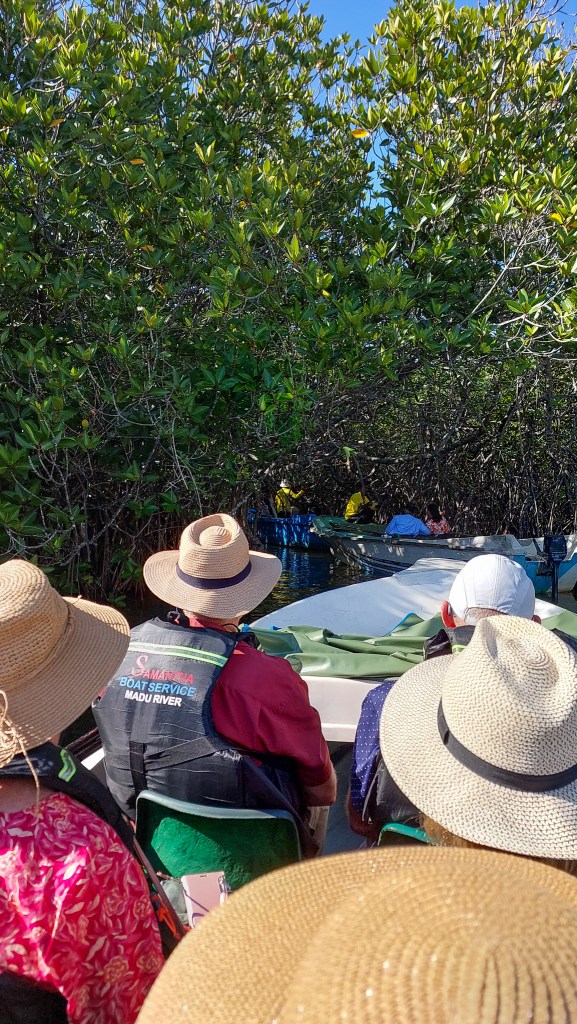
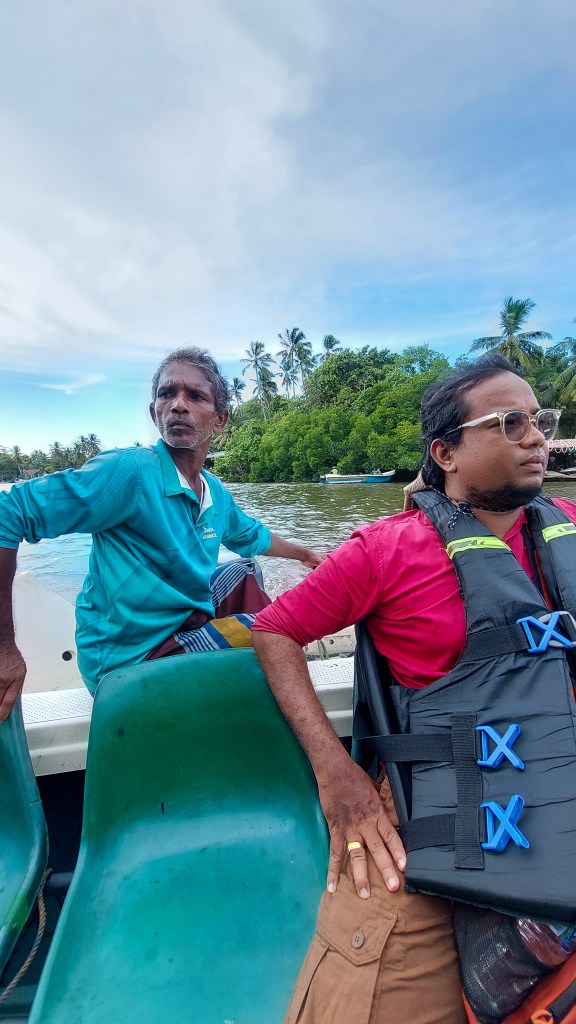
Crafts & River Cruise: We visited a moonstone mine and workshop, watched traditional mask carving (known as Vesmuhunu) and enjoyed a lively cruise along the Madu River. The river is full of life — small villages, stilted houses, and plenty of birds — a clear glimpse into local craftsmanship and everyday life.
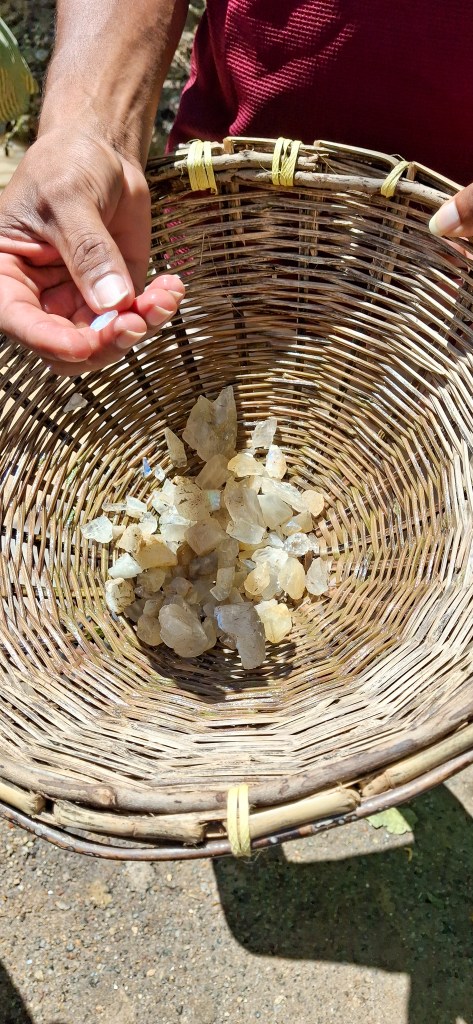
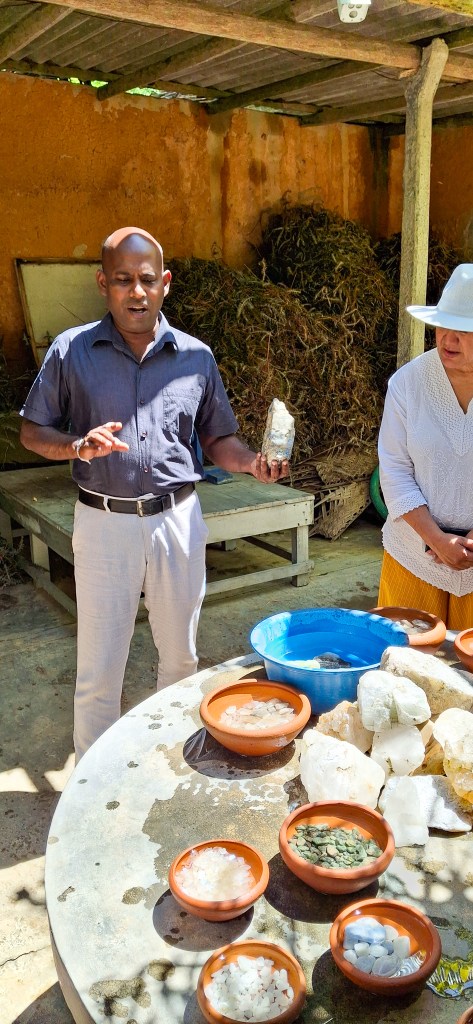
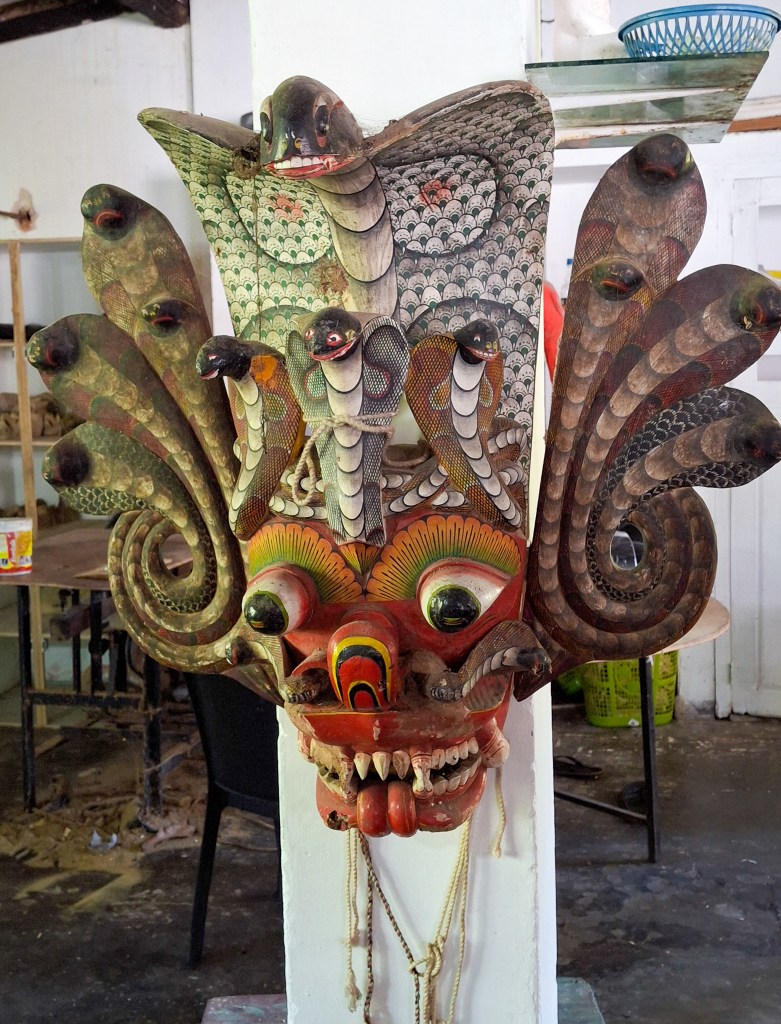
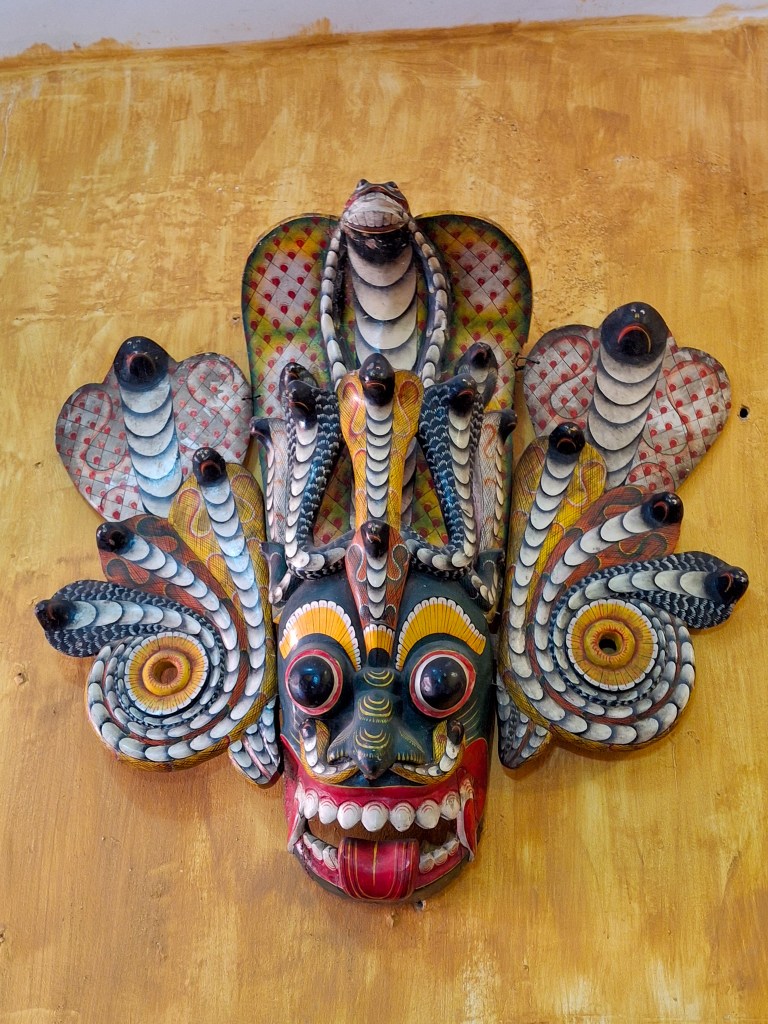
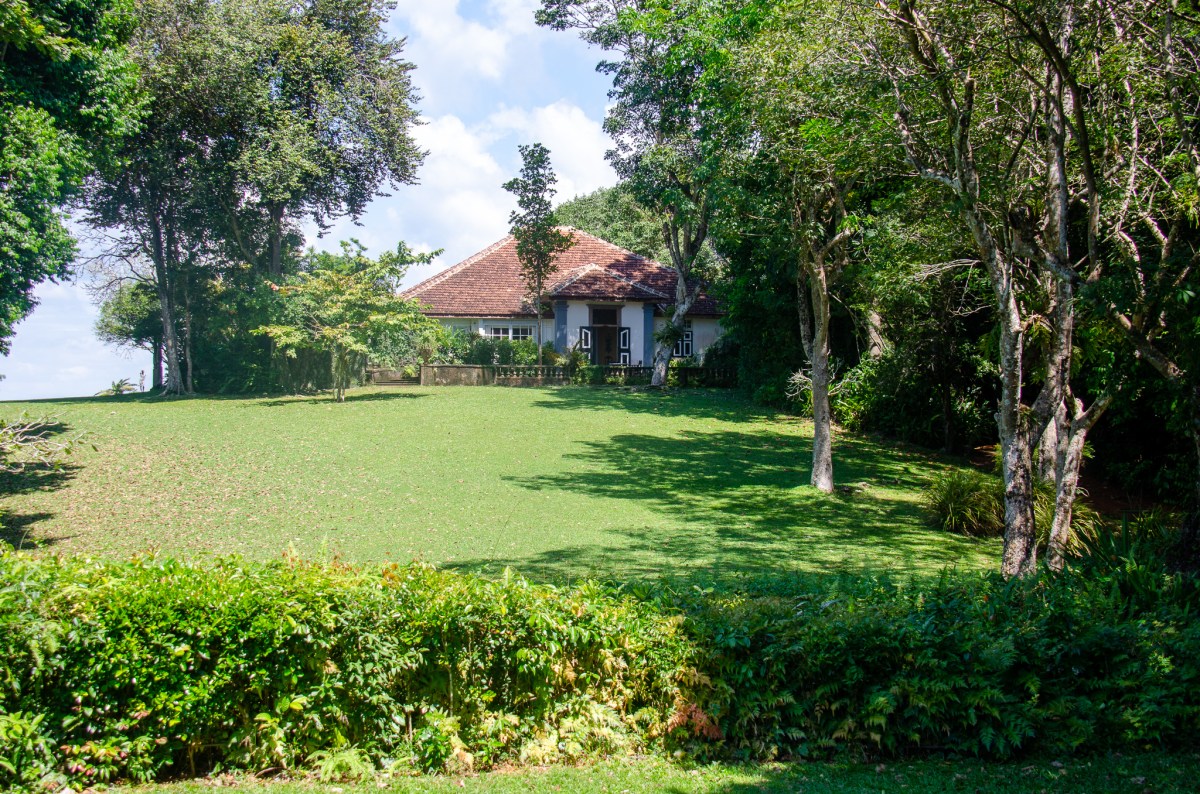
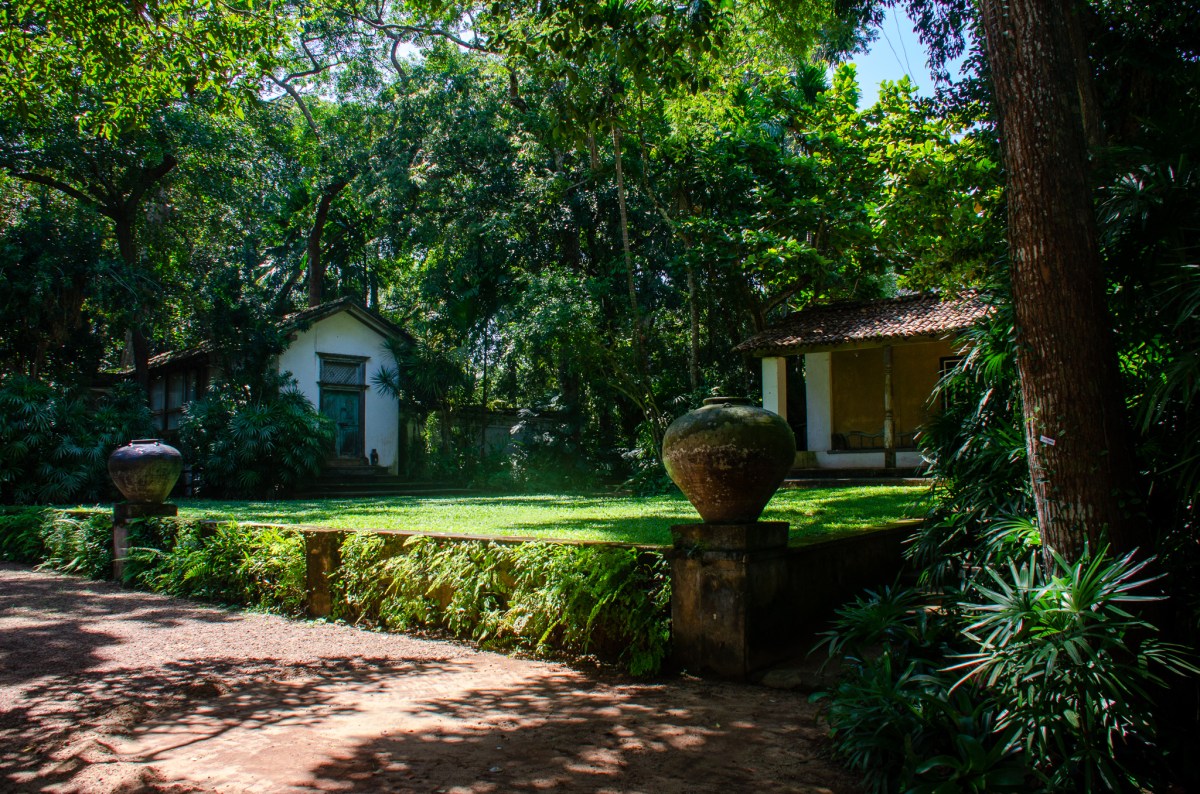
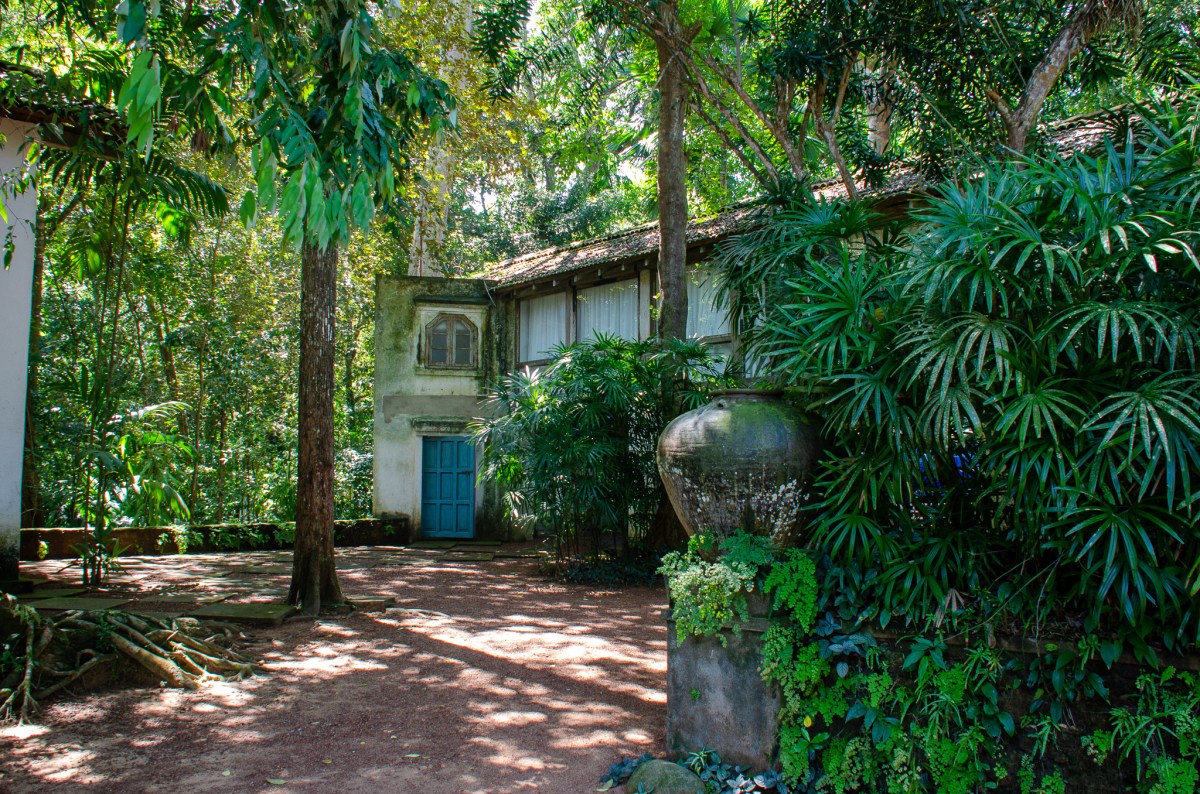
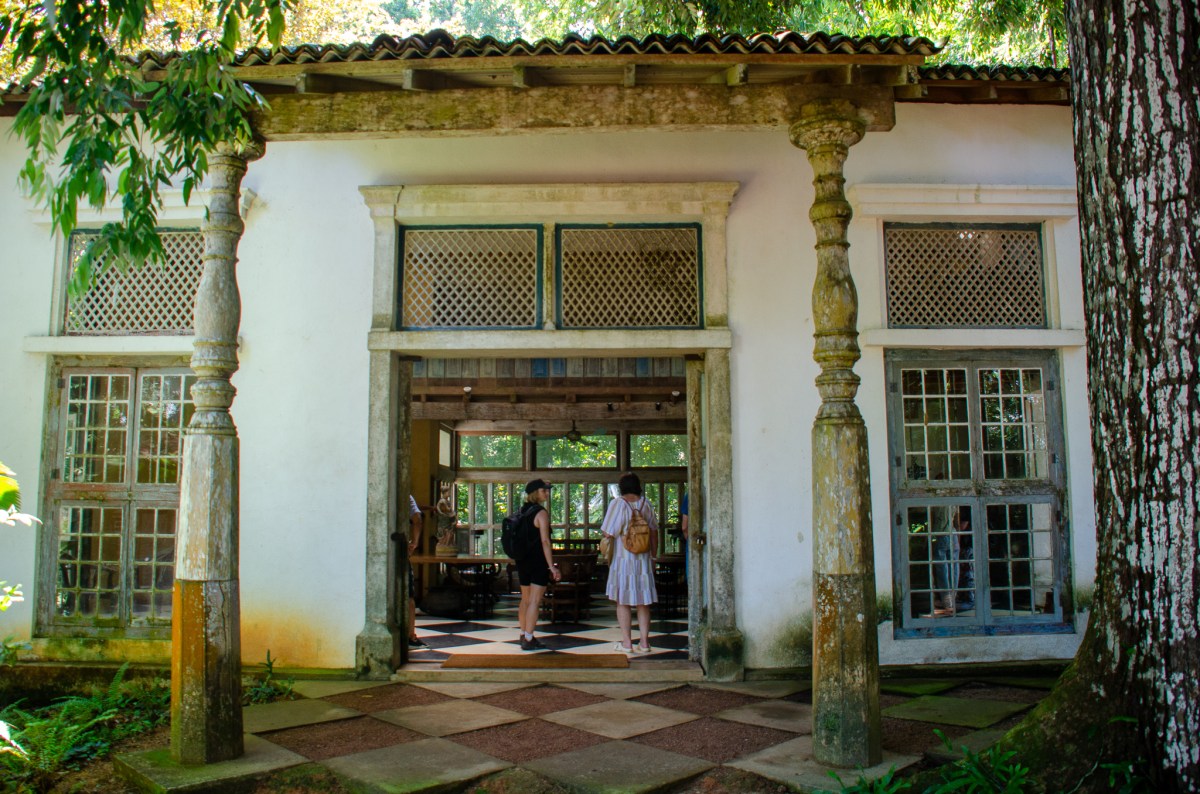
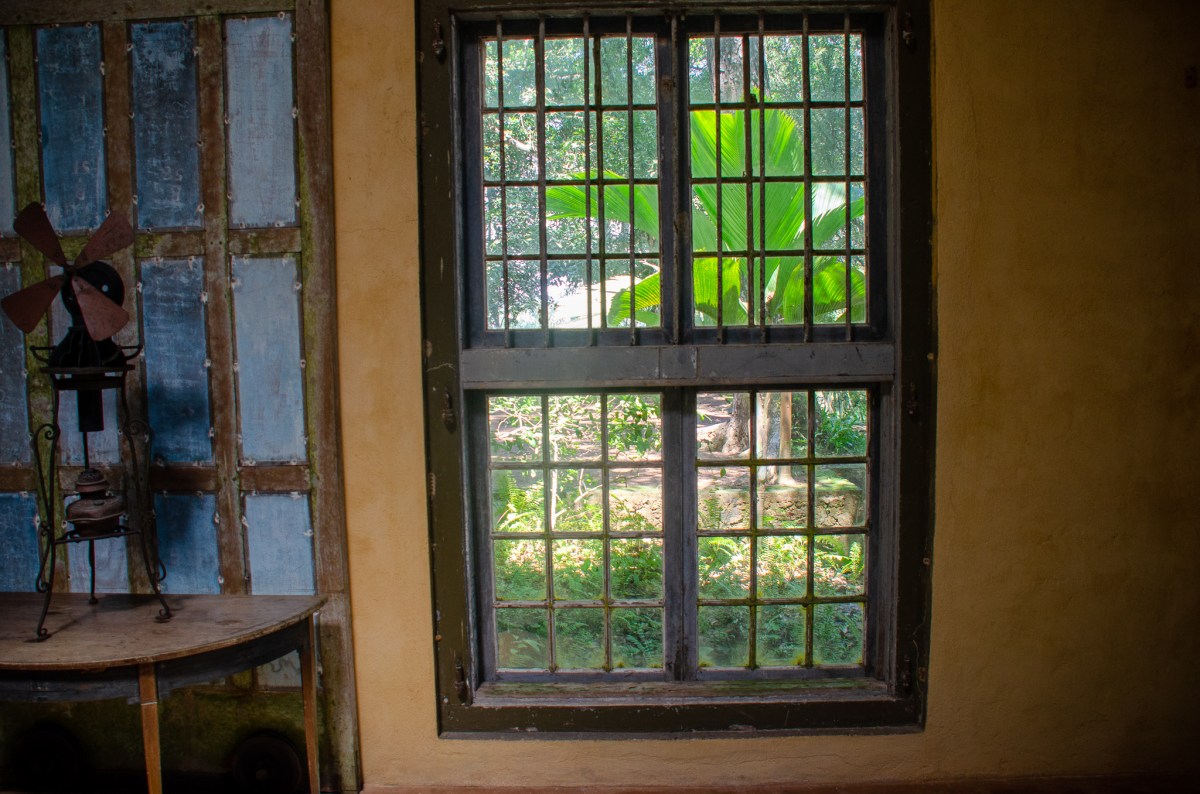
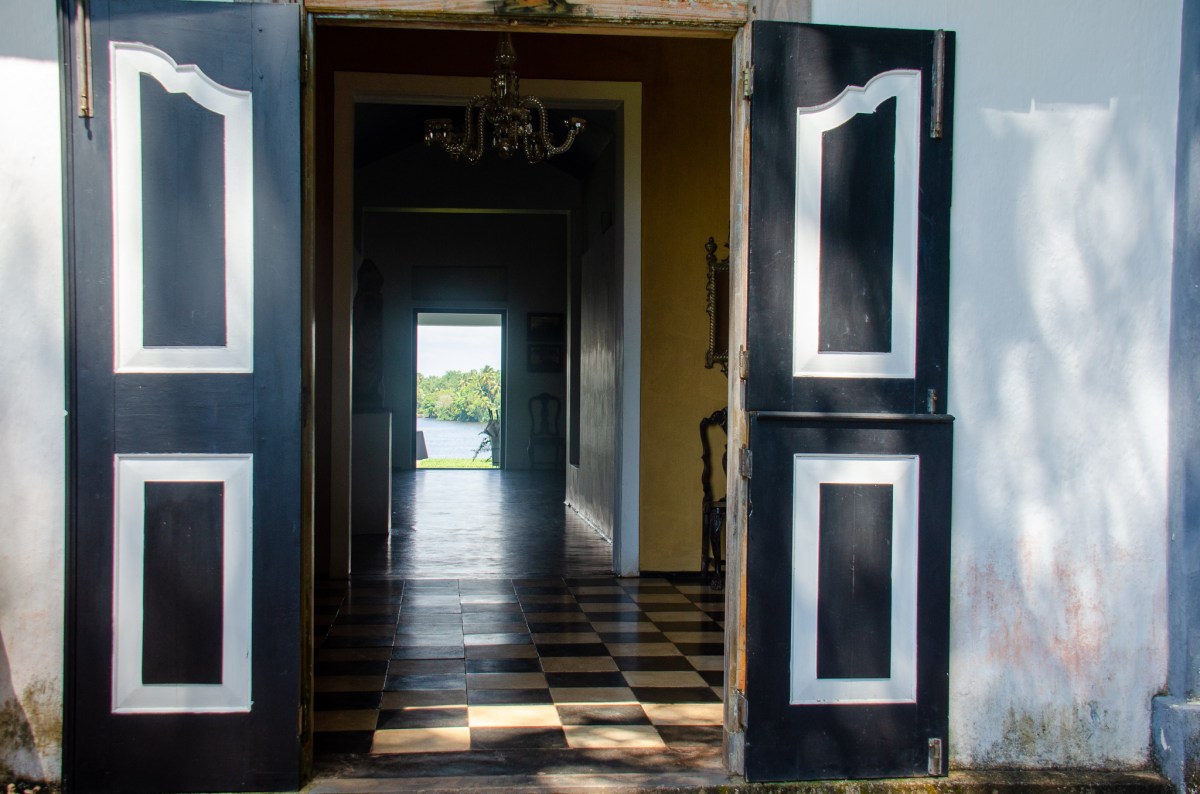
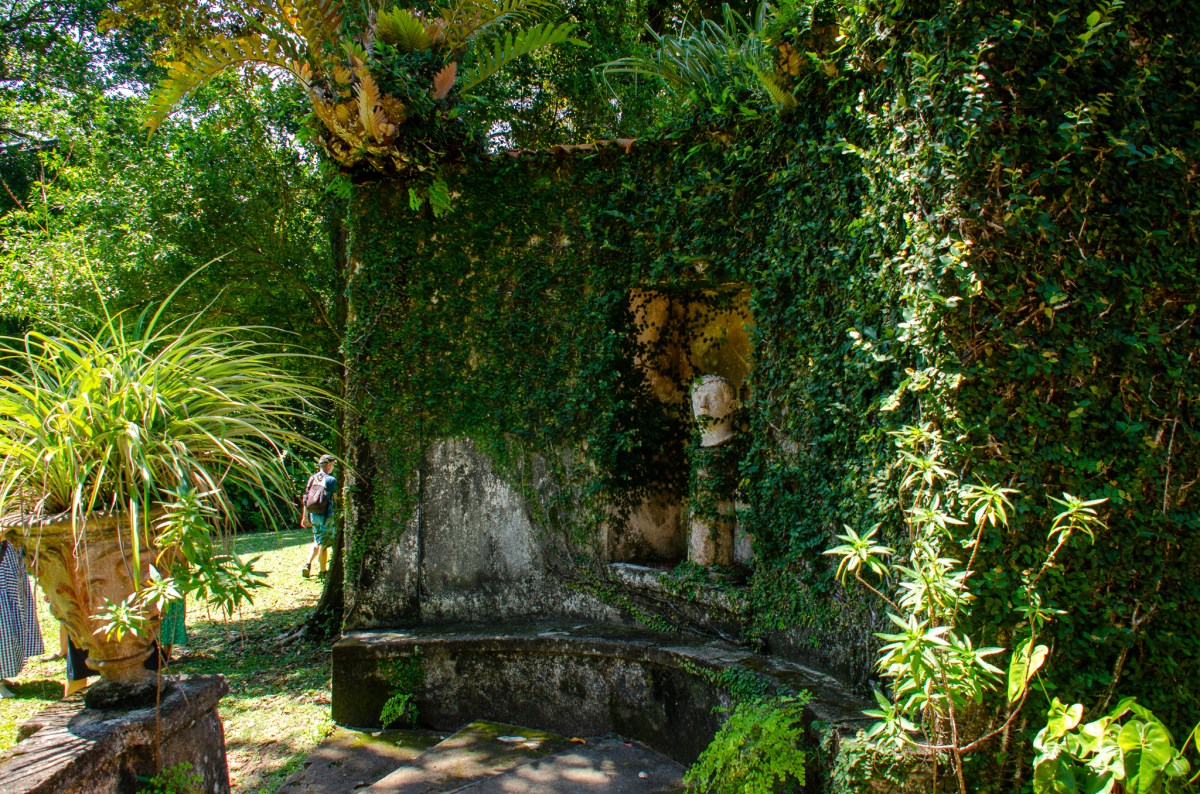
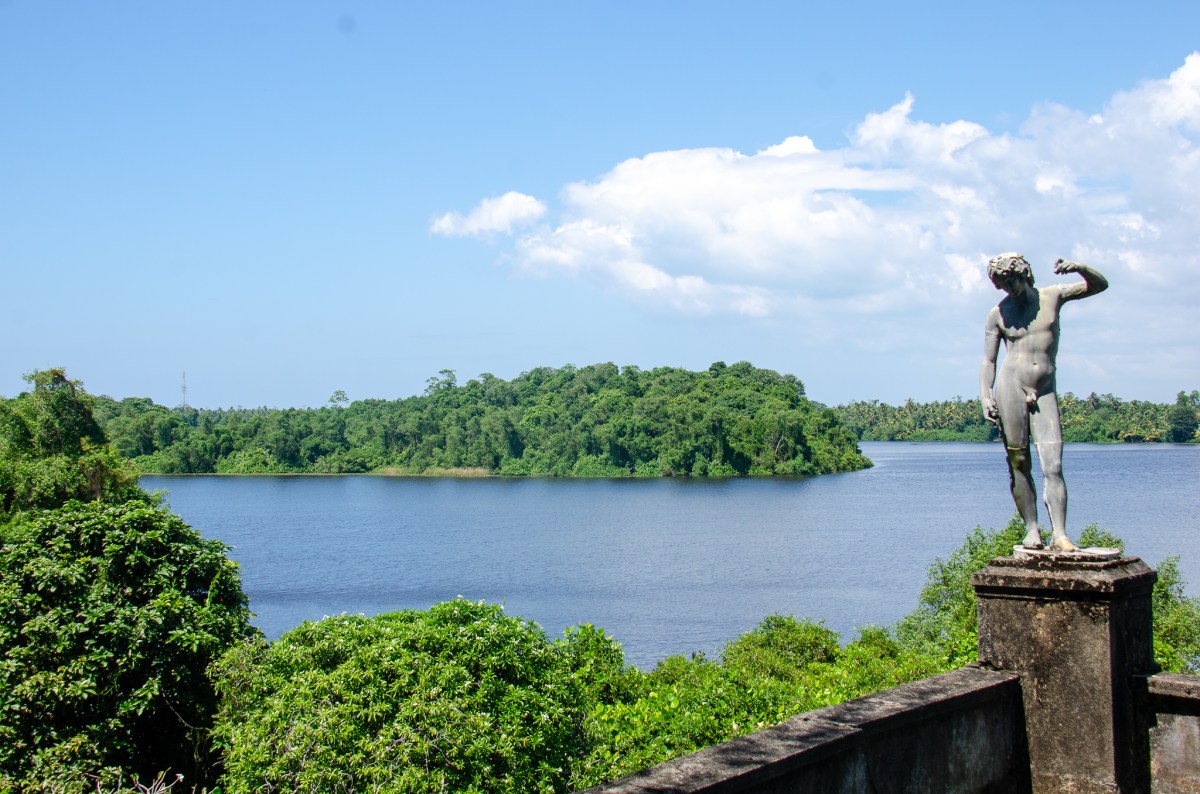
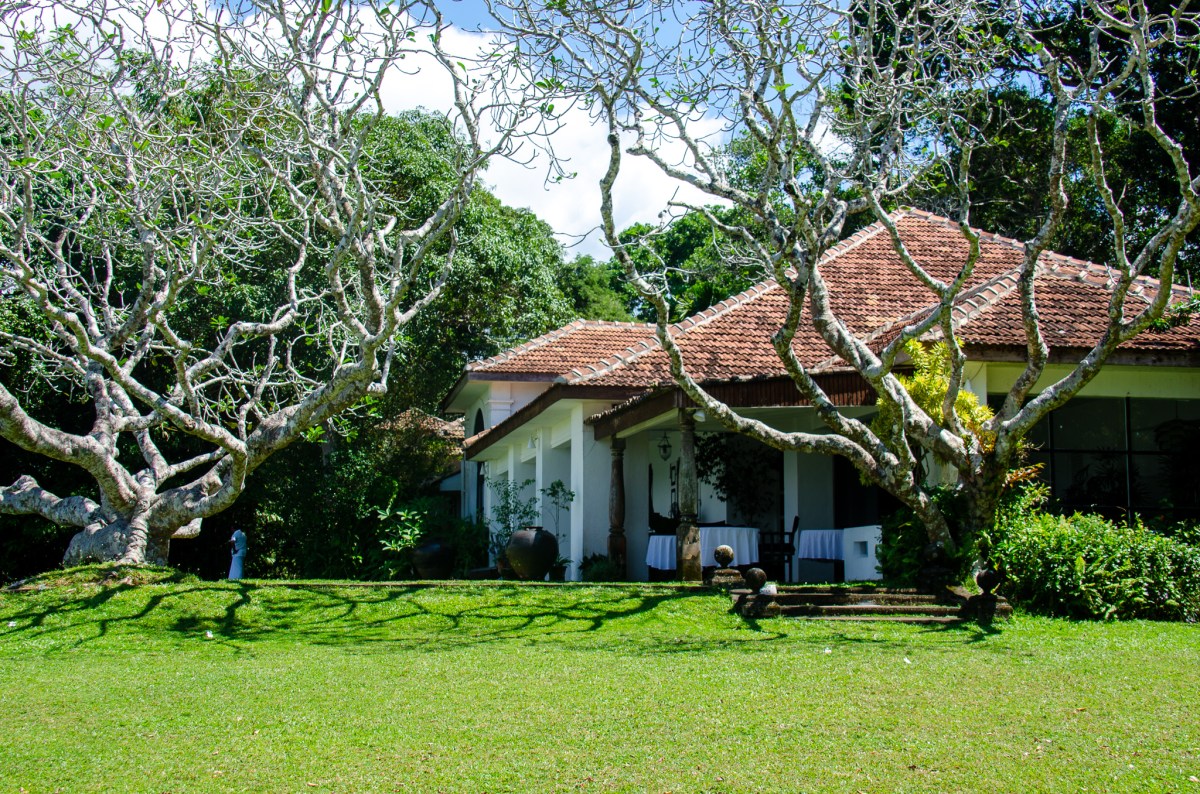
Bawa House: Basker also visited the nearby Geoffrey Bawa House in Bentota, a beautifully preserved example of the architect’s signature style. The house blends indoor and outdoor spaces, uses natural materials, and is set in lush gardens — a perfect demonstration of how Bawa harmonised buildings with the tropical landscape.
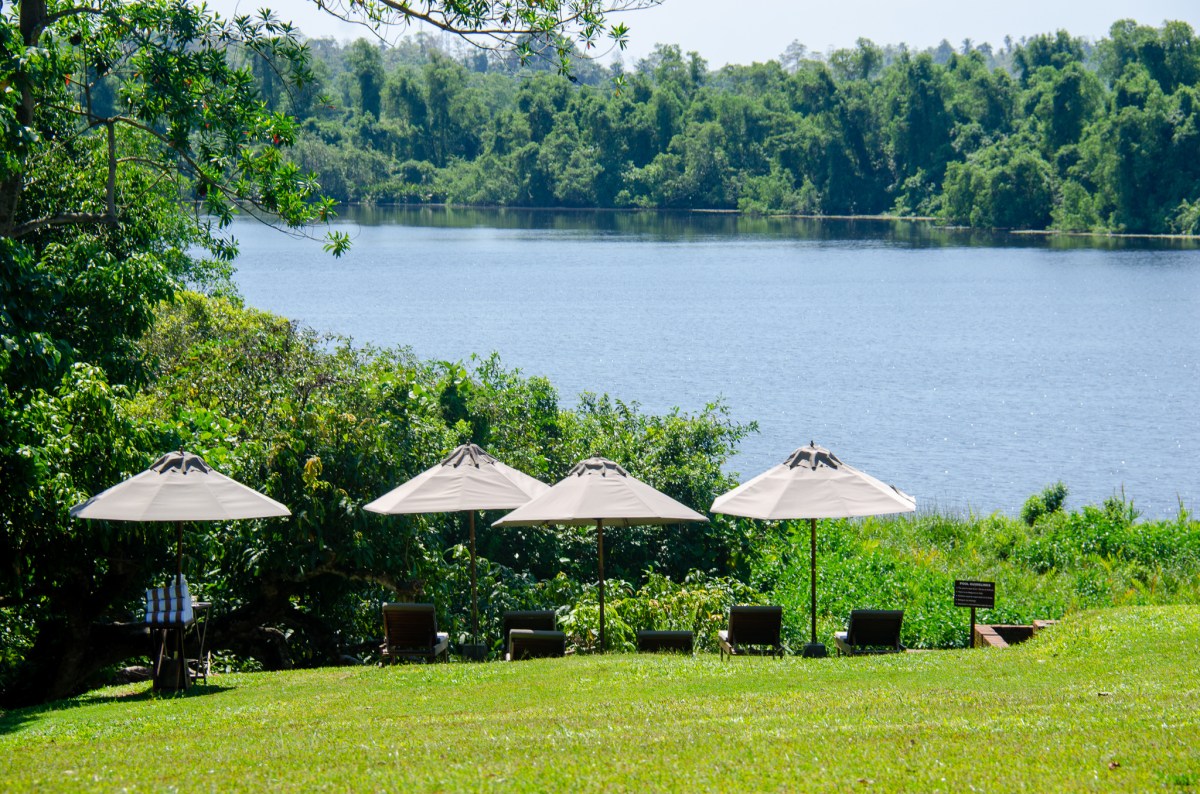
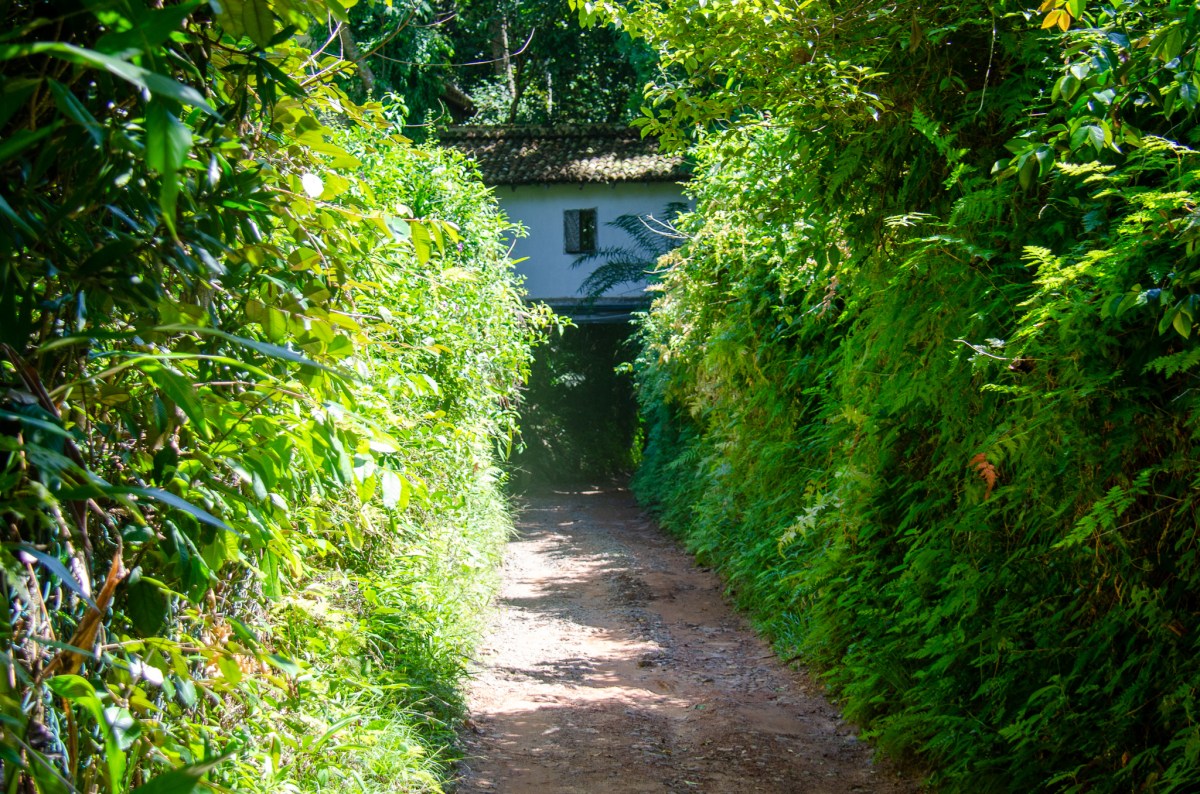
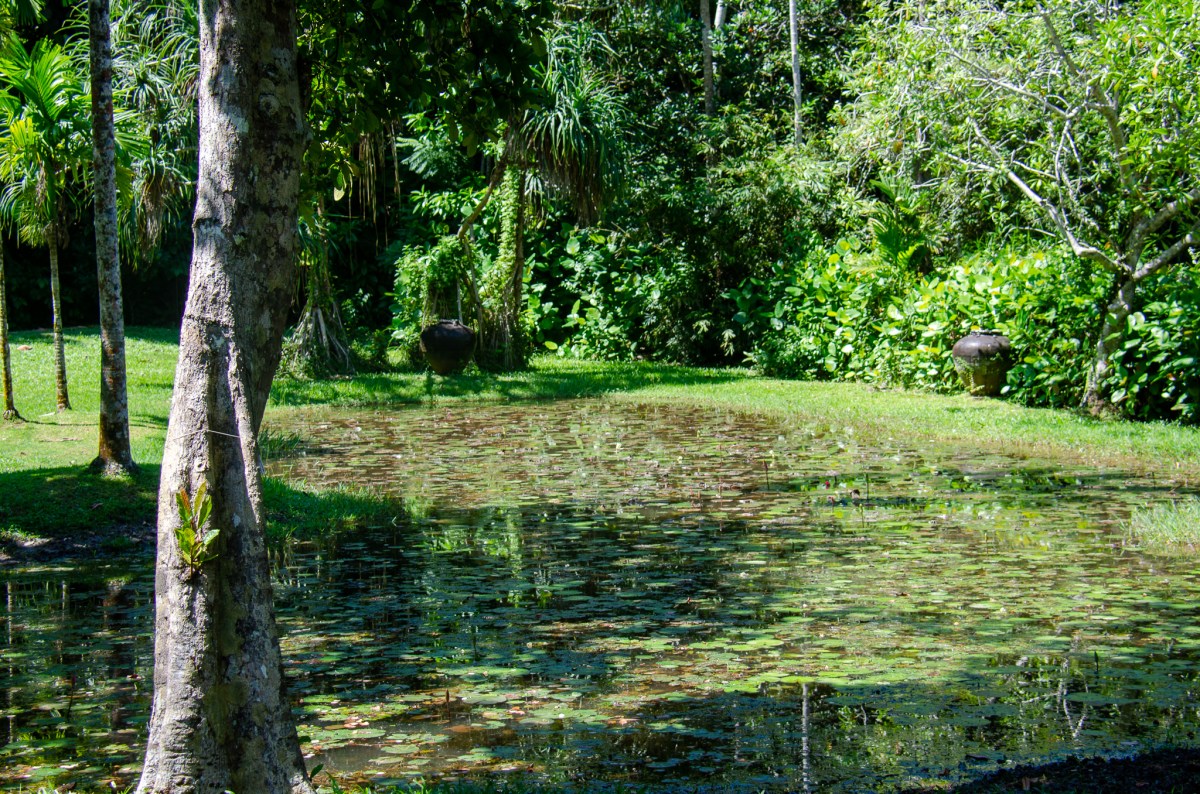
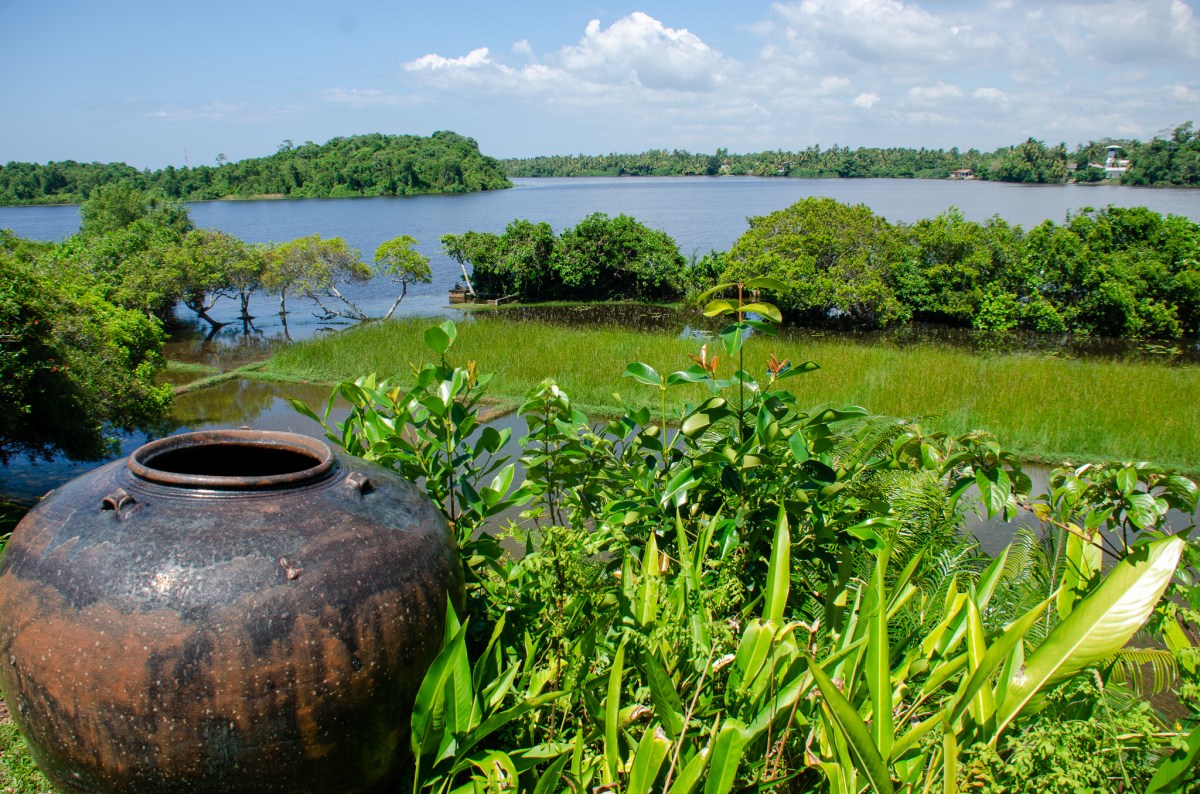
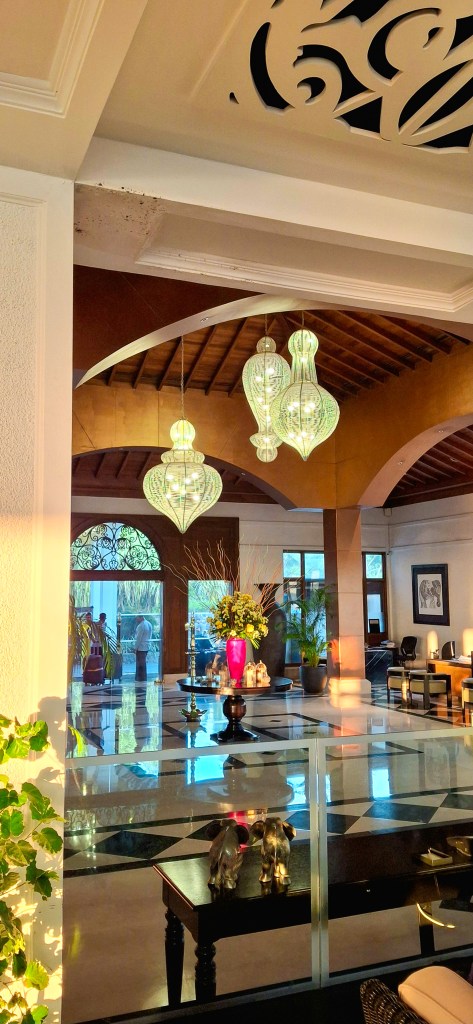
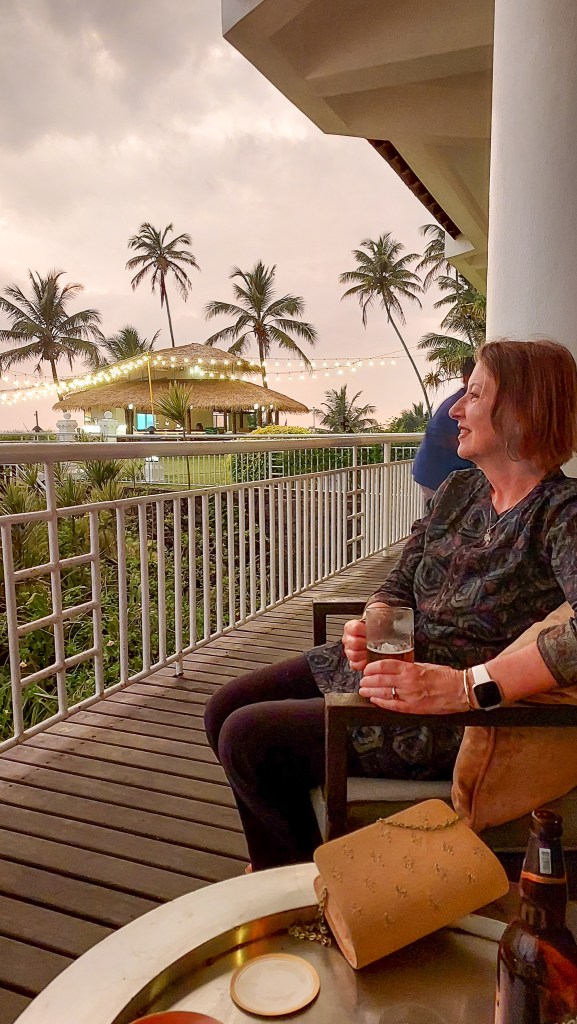
Leisure: Our stay at the Taj Bentota Resort and Spa was less than ideal. The hotel was undergoing massive renovations, some areas still being finished, and the layout was confusing — it felt like a maze. All our meals, including the all-day dining, were served in a temporary marquee, which made me feel like I was attending a wedding on the lawn… every day — dammit, unfortunate that we struck such a mishmash. But the location and the view was fantastic!
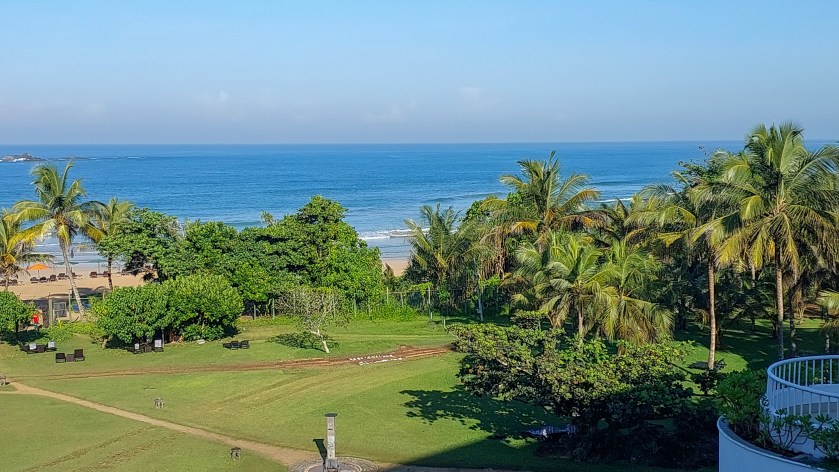
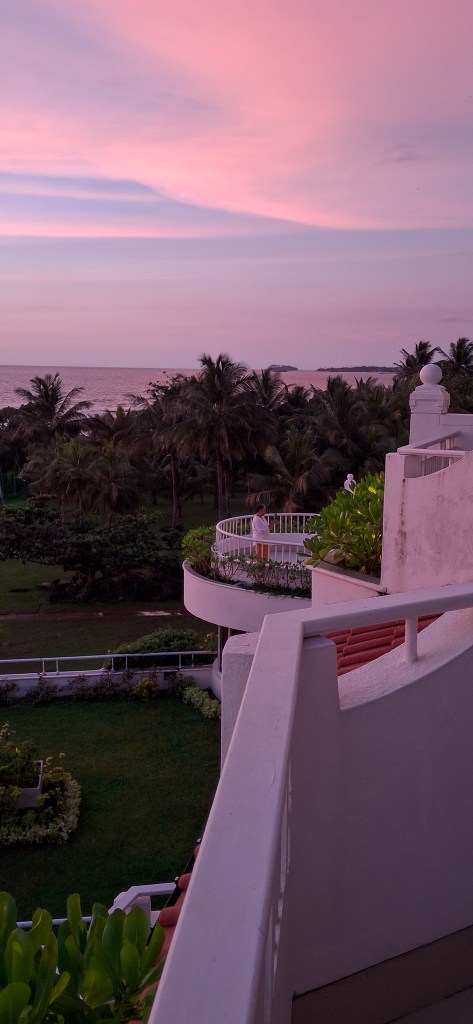
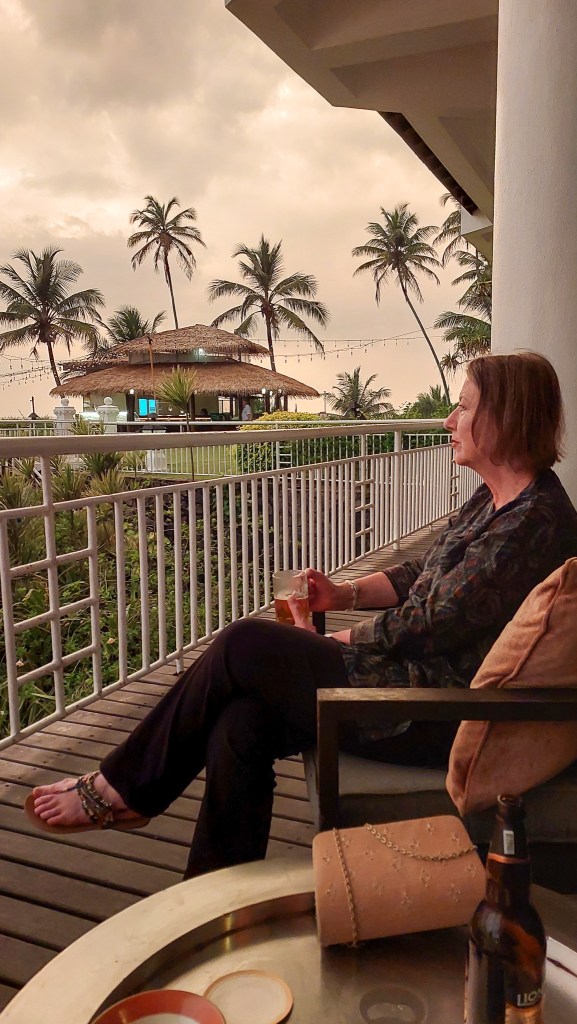
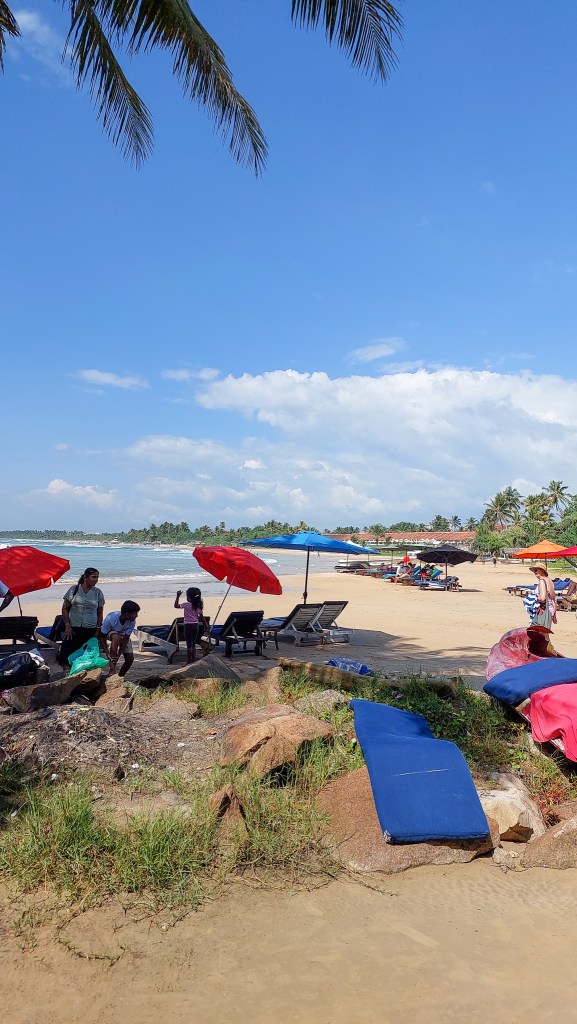
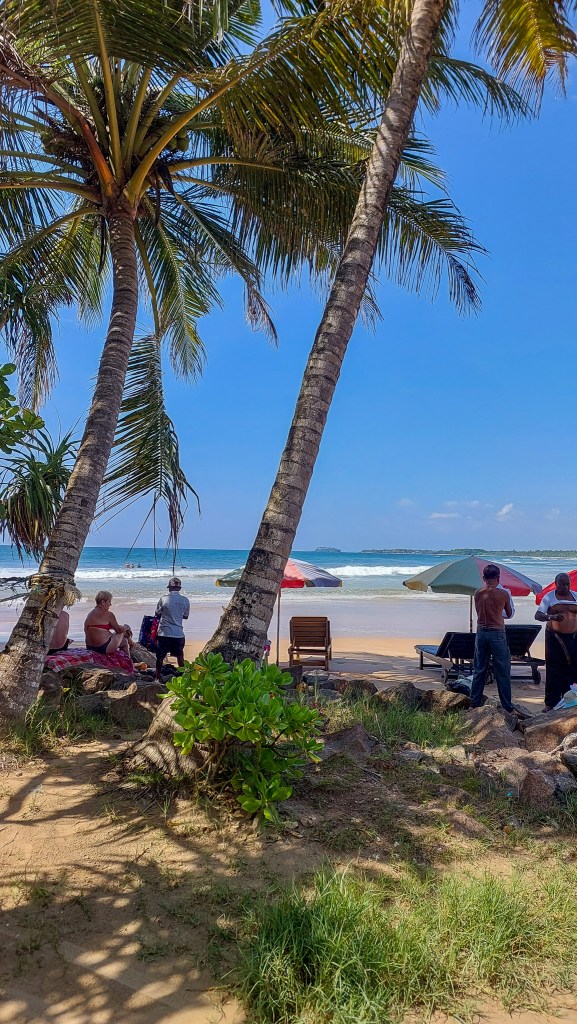
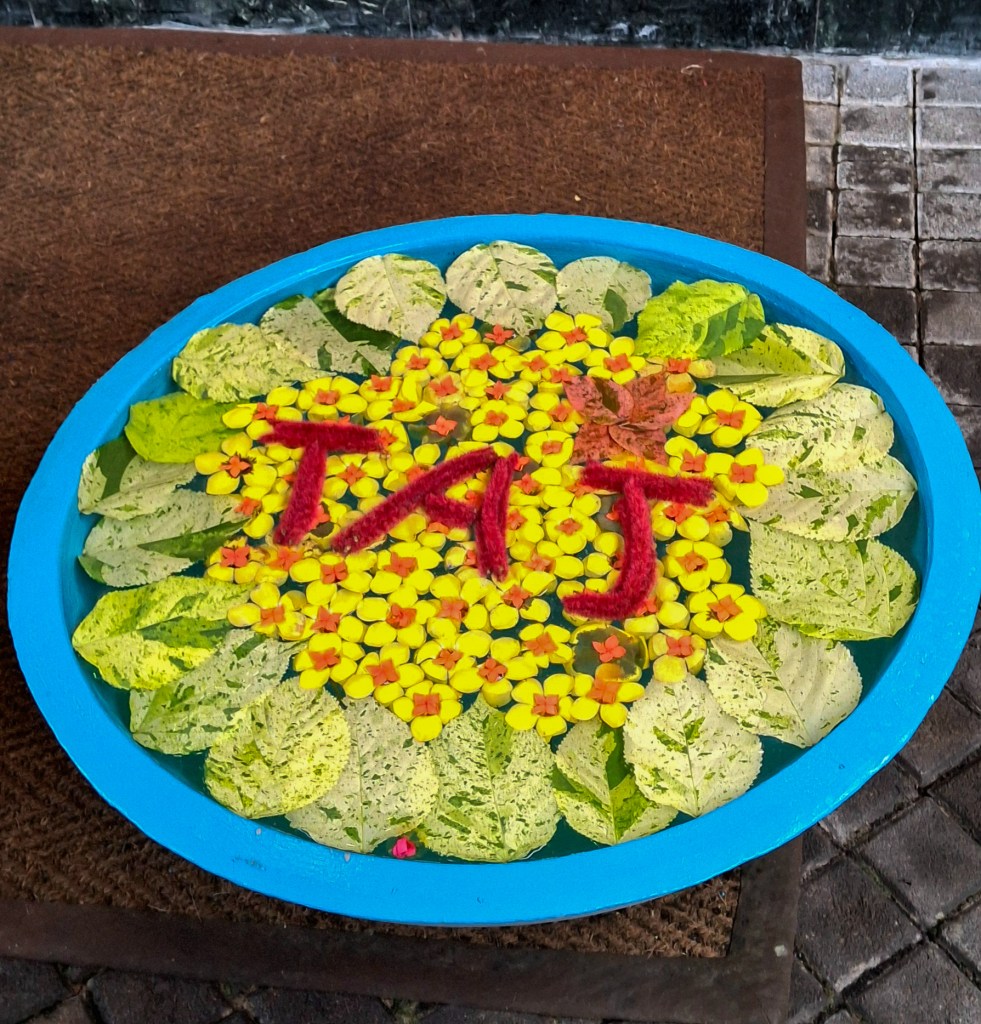
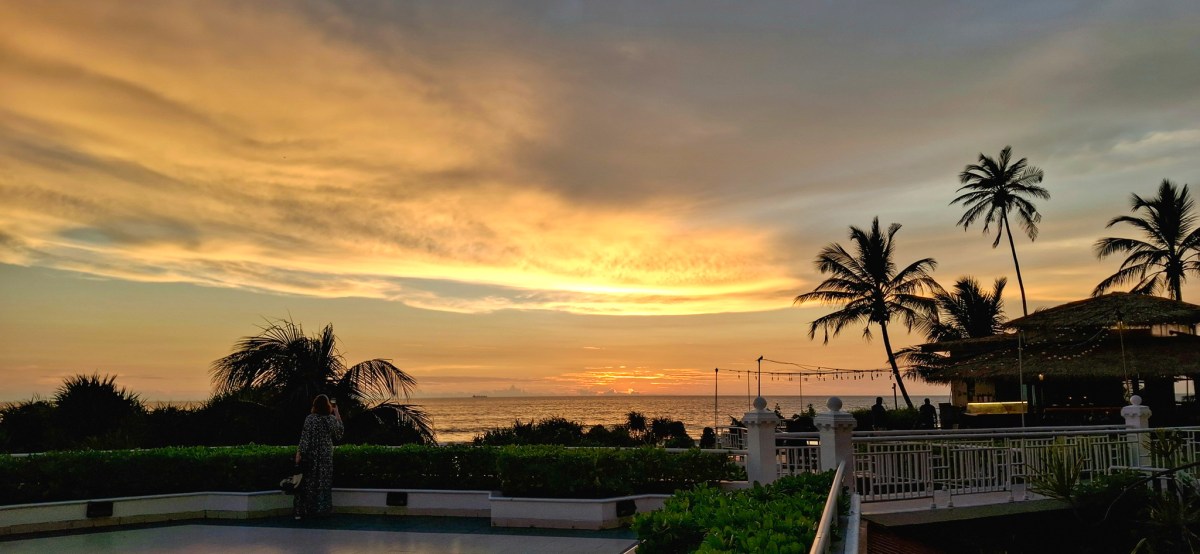
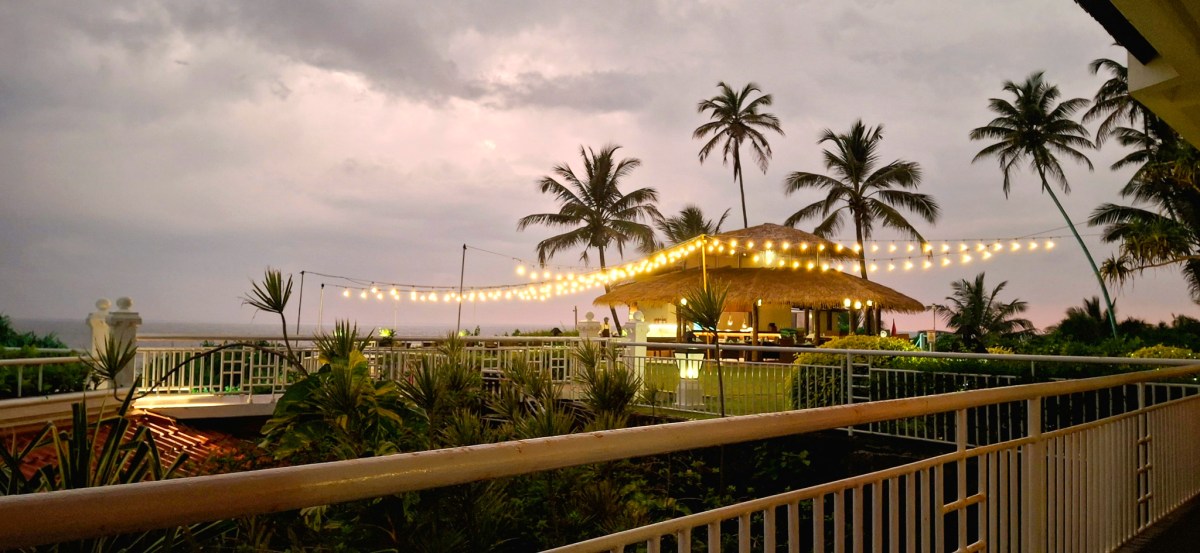
Despite that, we enjoyed tuk tuk trips into town for spices and tea, swims in the Indian Ocean, and quiet afternoons on the beach, walking to the nearby shops (particularly the dress shop) or lazing in our rooms.
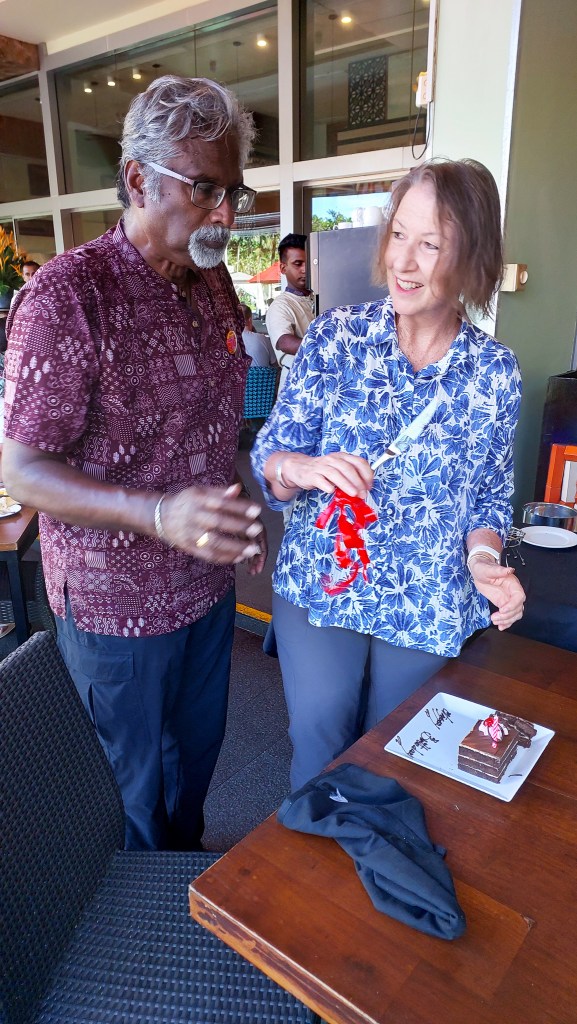
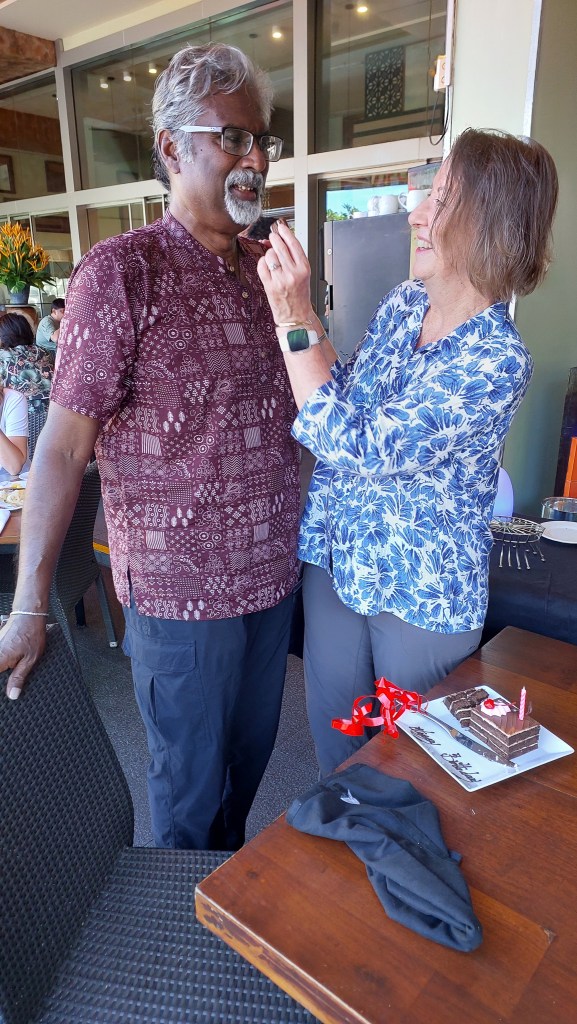
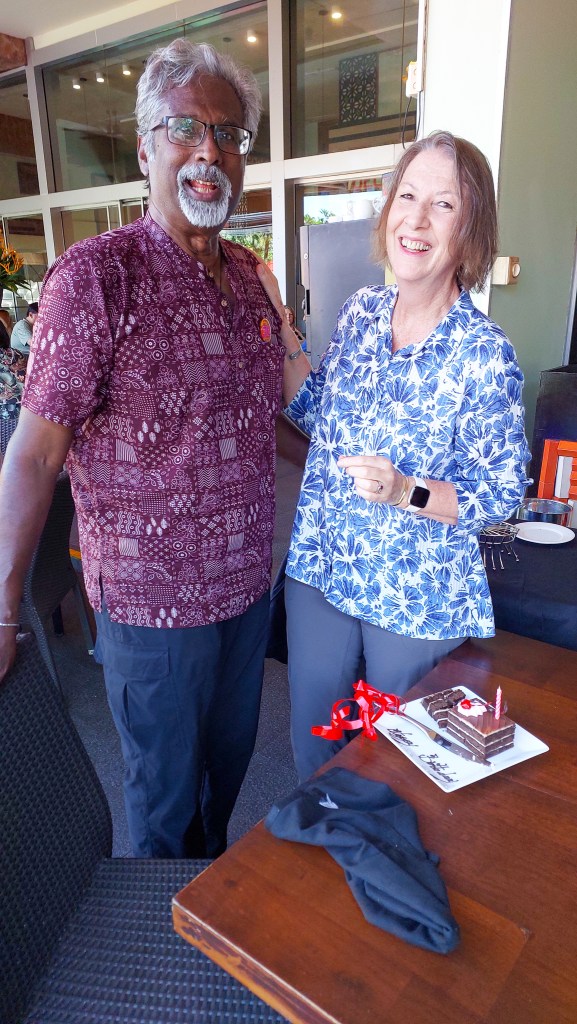
It was here that we celebrated Basker’s birthday firstly with cake for breakfaste then later on with drinks and dinner together as a group, all dressed in splendid desi clothes — some chosen from the nearby dress shop. He thought he was the cat’s pyjamas!
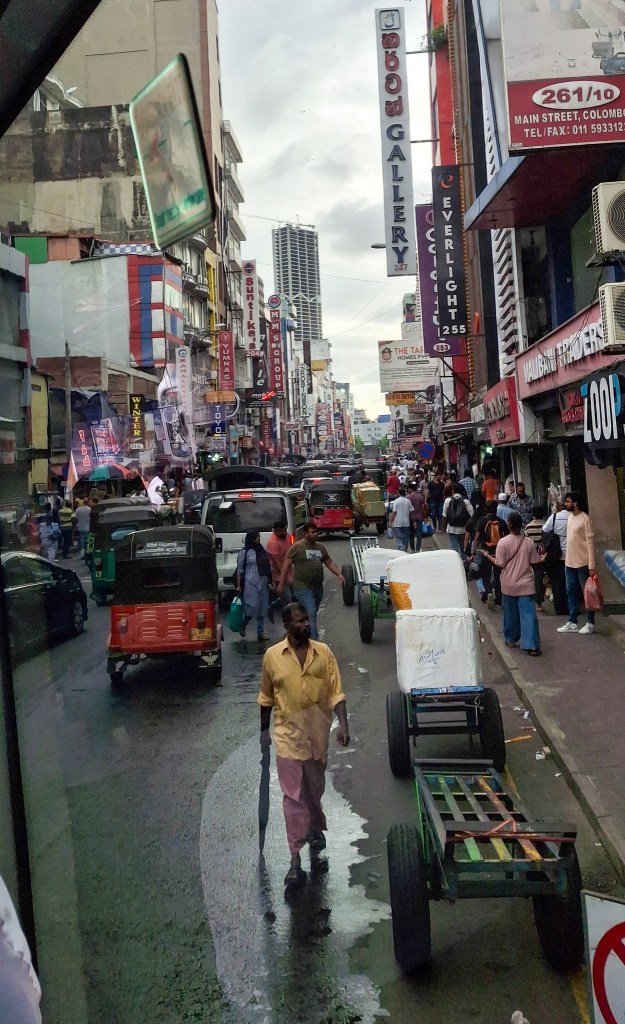
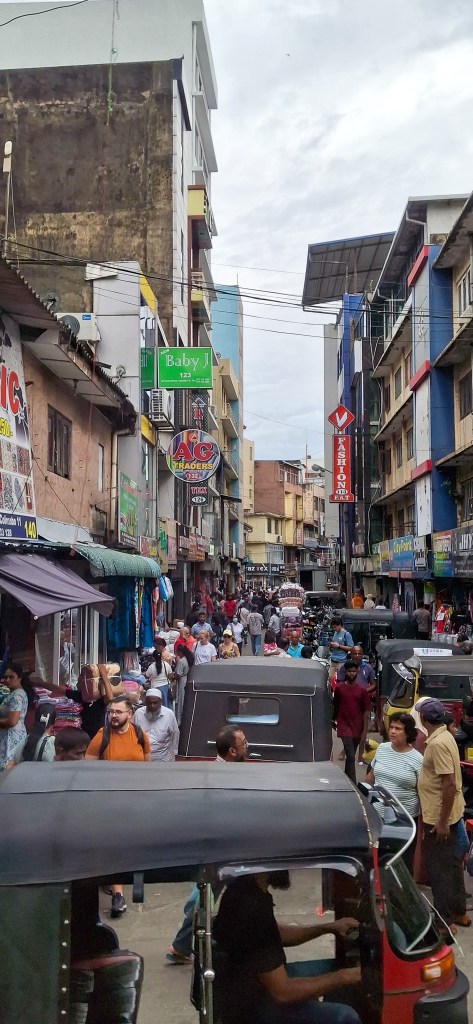
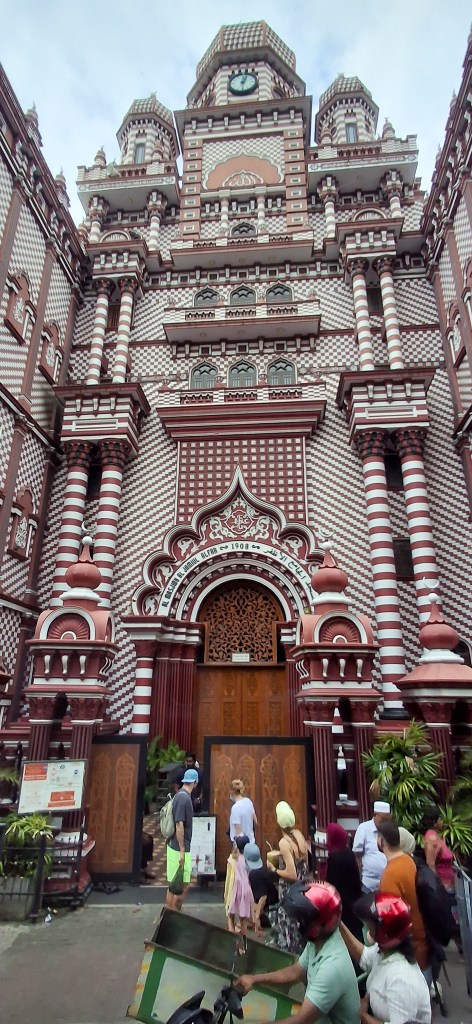
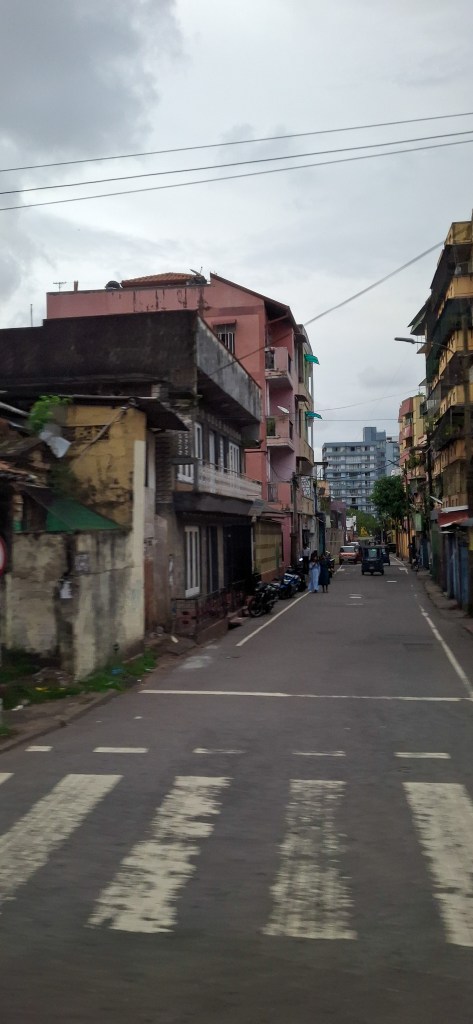
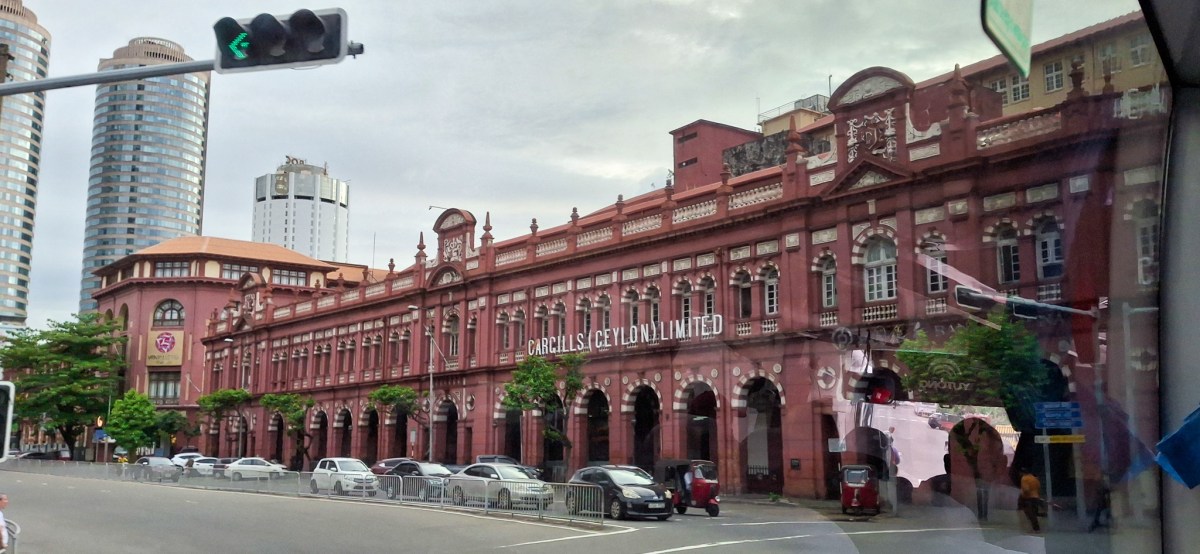
Final Day: Packing up and travelling back to Colombo Airport with a small sightseeing tour of Colombo, was long and tiring, with minimal food options, but hey… that’s all part of the journey.
Next stop: Malaysia. (post to come)
Accommodation in Sri Lanka
The hotels we stayed in throughout Sri Lanka were comfortable and well suited to where we were. Rooms were a good size, clean, and very welcome at the end of long days of sightseeing. After early starts and time on the road, it was always nice to arrive somewhere pleasant and put our feet up.
What I really enjoyed was the variety. We stayed in city hotels, quieter countryside settings, and coastal resorts. Some places were surrounded by greenery and wildlife, while others were close to towns and main sights, which made getting around easy.
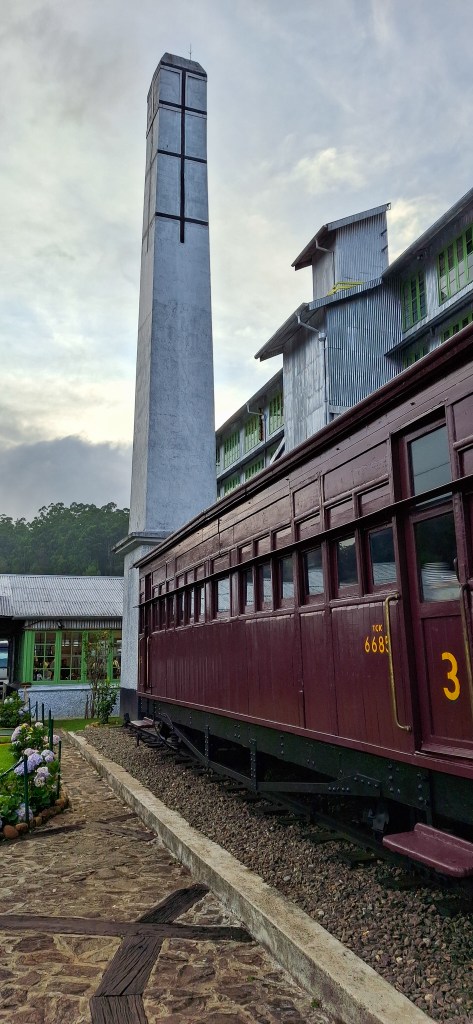
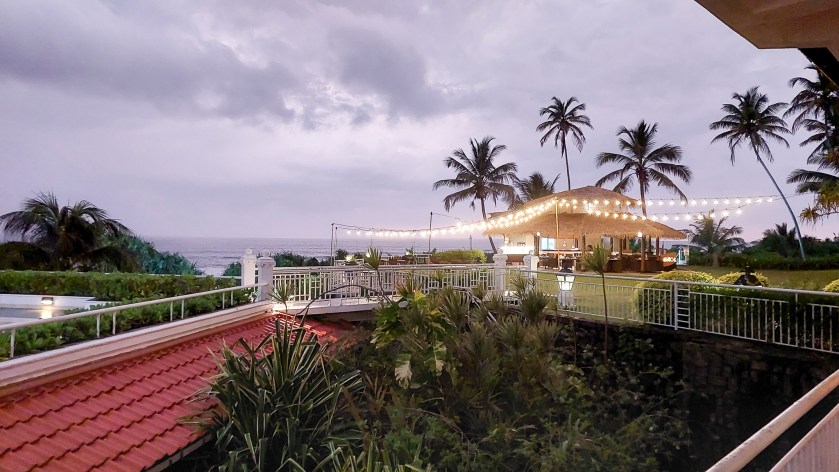
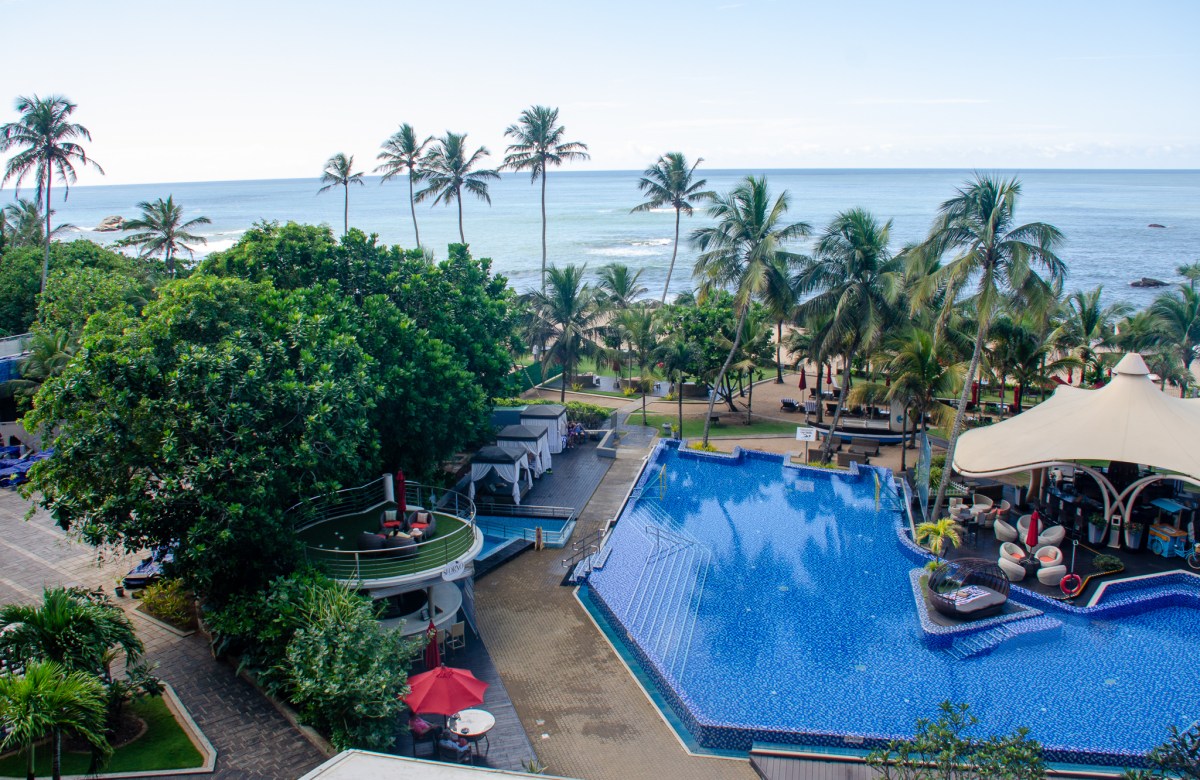
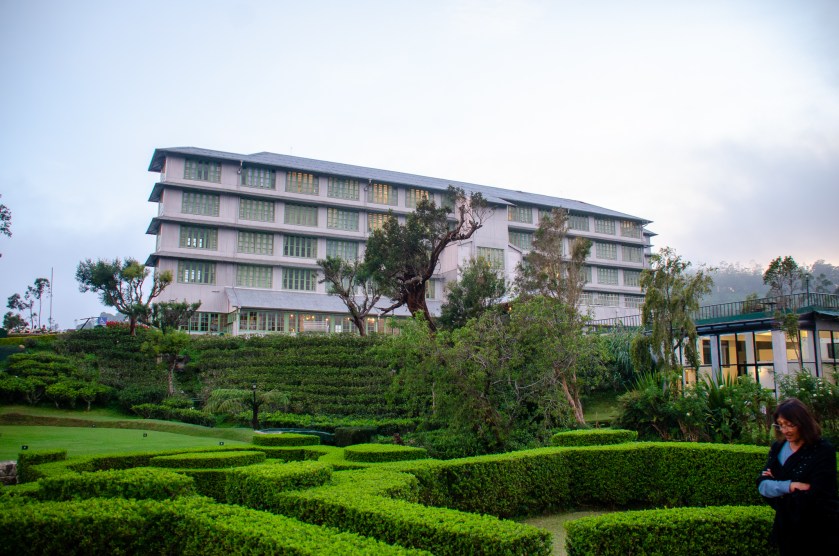
Nuwara Eliya was a nice change, with cooler temperatures and a stay in an old tea factory which was refurbished to a beautiful luxury hotel. The misty hills and tea plantations made it feel quite special. At the other end of the trip, the beach hotels in Galle and Bentota were perfect for slowing things down and enjoying the ocean.
Taj Bentota itself was a bit of a mish-mash due to renovations. Getting to the beach from our room felt like navigating a maze, and dinner was served in a marquee, which made it feel like we’d accidentally arrived at a wedding on the lawn. It was annoying to begin with but in the end, we just had a good laugh about it.
Yala was another highlight. We loved the wildlife setting and the early morning safari drives, followed by returning to the lodge for some quiet time. We did learn to shut the balcony doors quickly though — the monkeys were always on the lookout and ready to jump in.
Each place had its own character, and together they added a lot to our experience of travelling through Sri Lanka.
| Hotel Name | Location |
|---|---|
| Cinnamon Lakeside | Colombo |
| Cinnamon Lodge | Habarana |
| Earls Regency | Kandy |
| Heritance Tea Factory | Nuwara Eliya |
| Jetwing Yala | Yala |
| Radisson Blu Resort | Galle |
| Taj Bentota | Bentota |
Food
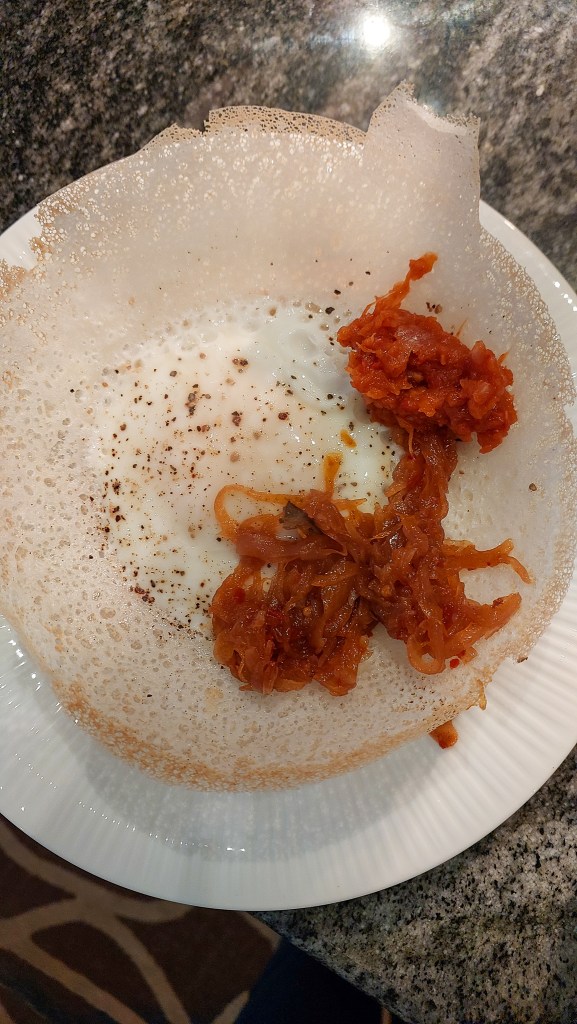
We really enjoyed the local food in Sri Lanka. Breakfast at the hotels was always something to look forward to, with fresh tropical fruit, hoppers (appam), and spicy sambols. Kiribath, or milk rice, was another favourite — rice cooked in coconut milk and served in slices with lunu miris for a little heat.
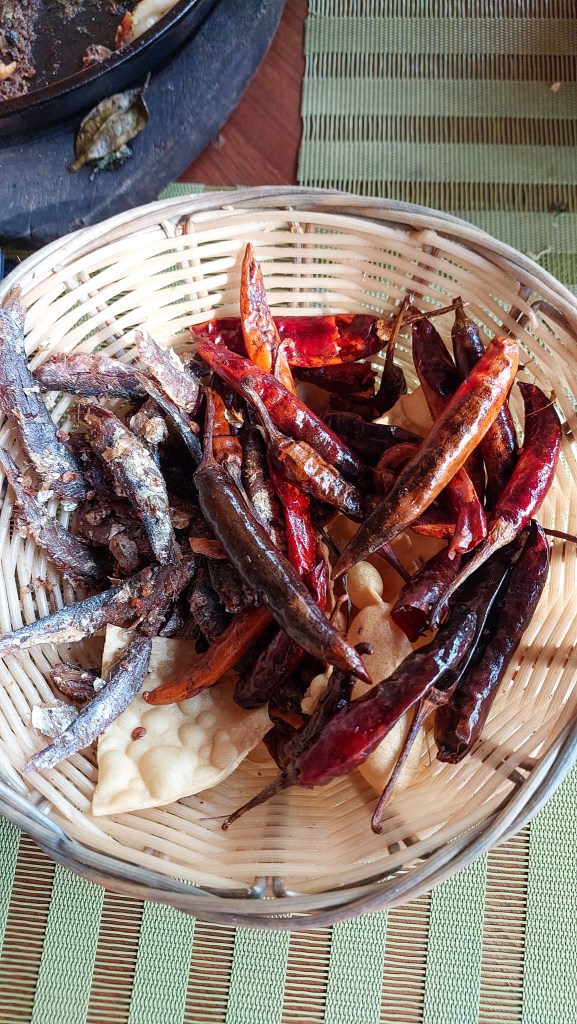
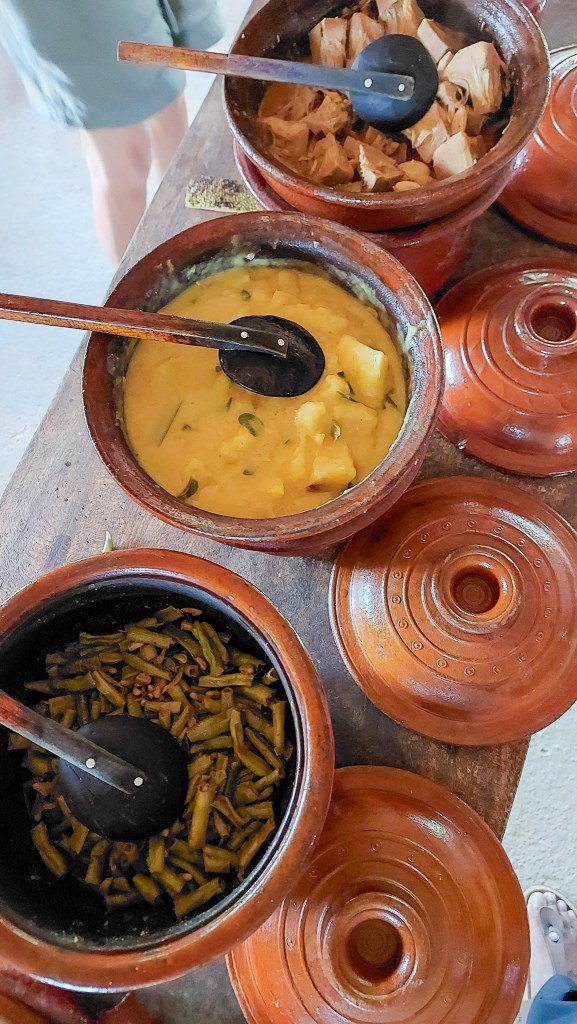
Lunch was usually at a restaurant along the way, sometimes at a hotel and sometimes at a small local place. One of the highlights of Sri Lankan food is Rice & Curry, the national meal. This is a plate of rice served with several small curries, like dhal, fish, jackfruit, and vegetables, along with sambols and sometimes papadum.
One of the most memorable meals was at the Saubagya Production Village in Hiriwaduna, where we had a traditional village-style lunch, cooked locally and eaten there. We even arrived by tractor, and after lunch we took a gentle boat ride on the lake. It was simple, relaxed, and very enjoyable.
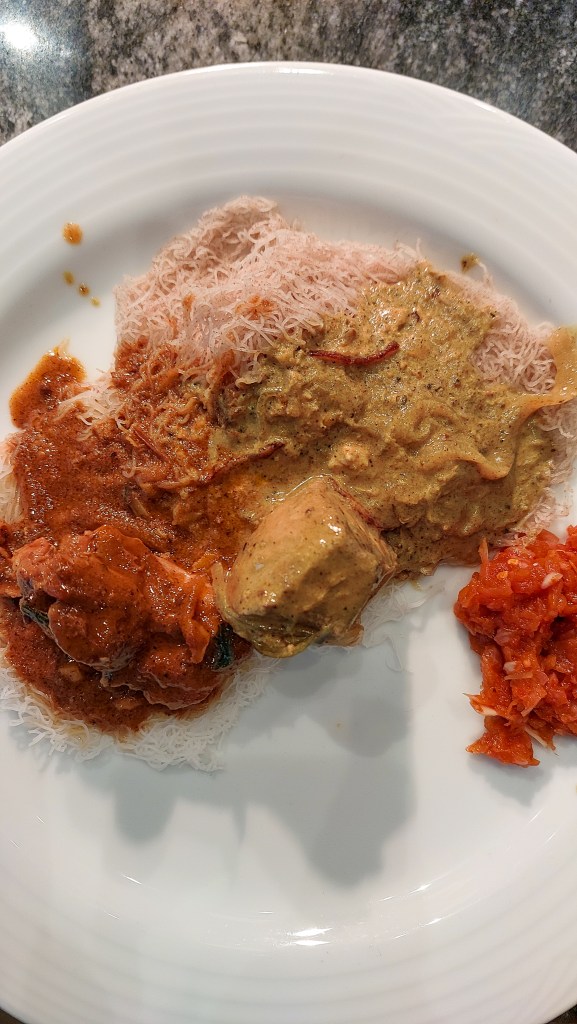
Every meal was a little different, depending on where we were. We tried appam hoppers, string hoppers, pol roti, kottu roti, and plenty of fresh seafood. Appam hoppers were light with crisp edges, sometimes with an egg in the centre, while string hoppers were soft and delicate.
A couple of evenings, we wandered around local towns and chose our own restaurant. This gave us the chance to try devilled dishes, curries with different spice levels, and desserts like wattalapam. It was fun to see how the same dishes could vary slightly from place to place.
In more remote areas, eating at the hotel was often the only option, but it worked out very well. The food was varied and plentiful, and at some places, like our stay in Bentota, meals were included. It was lovely to relax at the end of the day without needing to go out again.
My Reflections
Looking back on our Sri Lanka trip, I was struck by the mix of rich history, vibrant culture, and incredible nature we experienced everywhere. From UNESCO World Heritage sites like Sigiriya and Polonnaruwa to the lush tea plantations of Nuwara Eliya, every place had its own feel — a lovely blend of ancient tradition and living culture. 🌿
Even though Sri Lanka is popular, we found it easy to get around. Roads, trains, and local drivers were well organised, and people were unfailingly friendly. Temples like the Temple of the Tooth offered calm, respectful spaces amid busier cities.
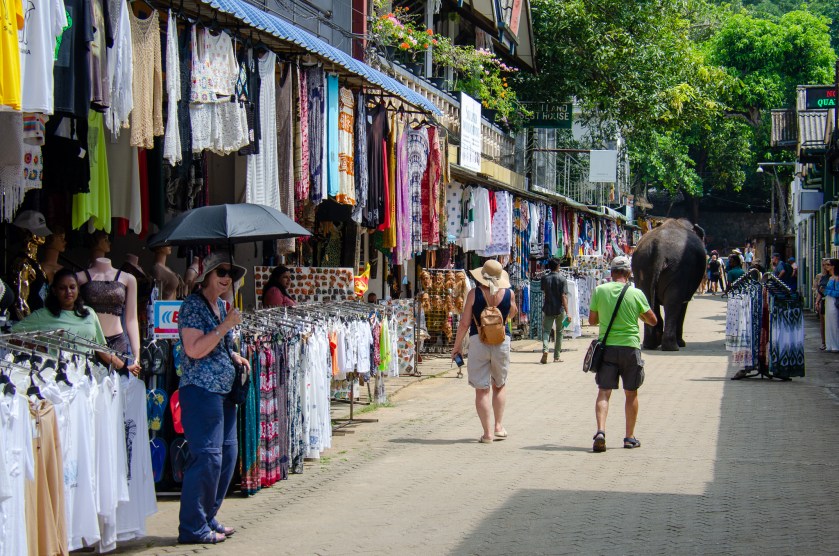
Some of my favourite moments were simple, everyday experiences: feeding elephants at Pinnawala, watching them parade through town, or spotting wild elephants on the way back from Polonnaruwa. The Ella train ride was breathtaking — misty hills, waterfalls, and tea plantations everywhere. Even missing the famous “bride” view, the scenery we saw was unforgettable. 🚂
The safari in Yala was another highlight. Seeing a leopard stalking deer, an elephant ambling past our jeep, and colourful birds all in one day felt like stepping into a wildlife documentary. Yet there were calm, peaceful moments too — river rides in Hiriwaduna, watching hornbills near our hotel, or simply enjoying the green hills of Nuwara Eliya. 🐘🦚
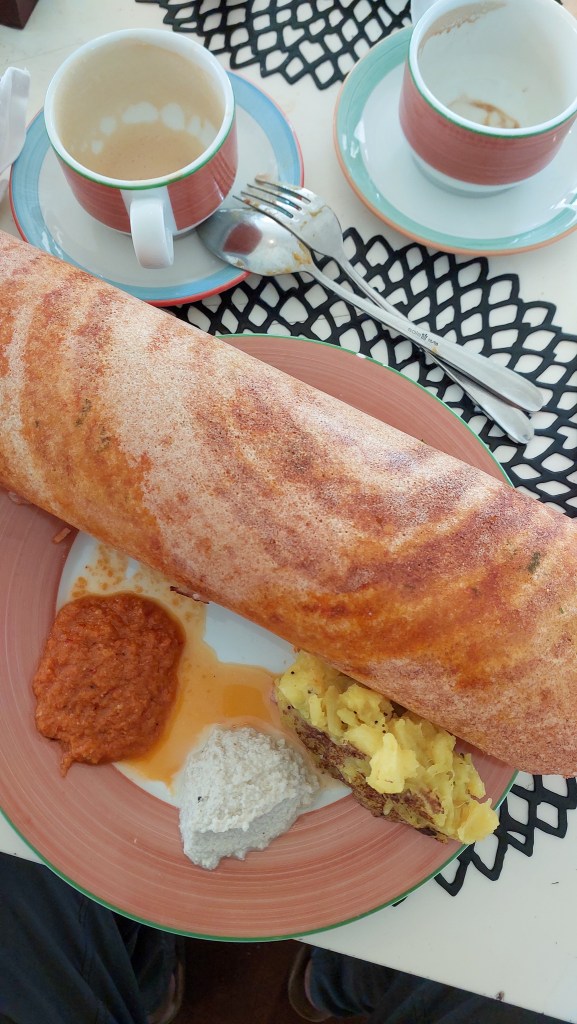
Food was a mix of surprises and delights: spicy curries, masala dosa in Kandy, fresh local meals, and hot chips in the hotel room after a long day — all added personality to the journey. I loved trying regional dishes and seeing the care that goes into preparation, even in the smallest places.
History was woven through everything we visited. Sigiriya’s Lion Rock, Polonnaruwa’s ancient city, Dambulla’s cave temples, and Galle’s Dutch Fort all told stories of kings, colonial powers, and communities over centuries. Being able to see these sites, touch the stones, walk the gardens, and watch daily life made the past feel real …and connected.
Finally, the slower days on the southern coast reminded me how important it is to pause. It felt very island style– unhurried and easygoing. Tuk tuk trips into town, swims in the Indian Ocean, and quiet evenings at the resort gave us space to reflect on everything we’d seen. Saying goodbye to the group was a little sad, but we left full of memories, laughs, and new experiences. 🌊
All in all, Sri Lanka surprised me with its warmth, diversity, and beauty. Rich history, friendly people, wildlife, and breathtaking scenery — a combination I’ll remember for a long time.
Istuti for reading! Subha pasuvak from Sri Lanka – ♡ Janet
Discover more from Life With Janet
Subscribe to get the latest posts sent to your email.


You sure saw a lot in 2 weeks! I love Sri Lanka so thanks for the return trip today. Maggie
LikeLiked by 1 person
You’re certainly right! It’s only when you come home and start going through the photos that you realise it. Cheers Janet
LikeLike