

In March 2024, the four of us — Kathy, Mary, Basker and I — went on a group tour to Japan with Inspiring Vacations, timed especially to catch the cherry blossom season. It’s one of the most popular times to visit, and we were keen to see the famous sakura in full bloom.🌸
| 🧳Our Journey: | |
|---|---|
| Accommodation | Hiroshima |
| Food | Miyajima Island |
| Osaka | Himeji |
| Kyoto | Kanazawa |
| Takamatsu | Matsumoto |
| Beppu | Kawaguchi Ko |
| Nagasaki | Tokyo |
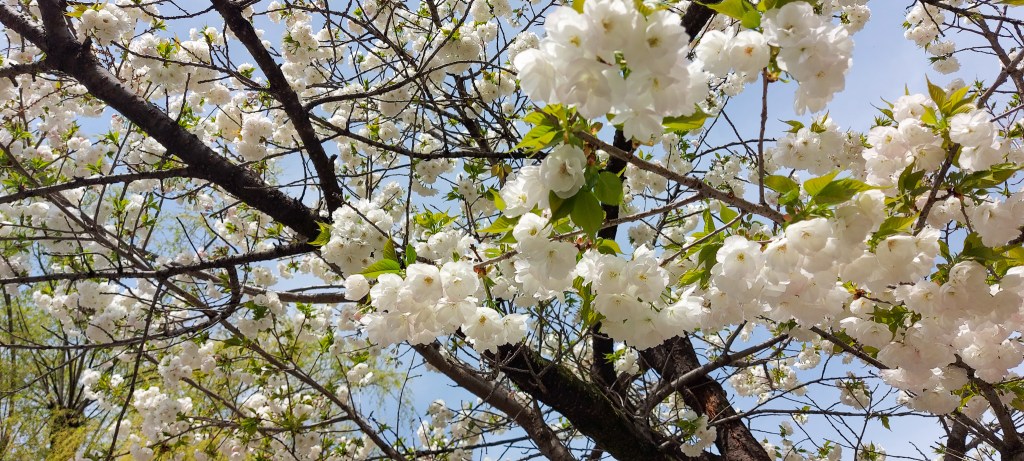
Although the blossoms were a little late this year, we were lucky — by the second week of our trip, they were out in full force. Parks and streets were filled with soft pink and white flowers, and it really was a lovely sight. We’d timed our trip for cherry blossom season, and it didn’t disappoint.
Our time in Japan was fantastic, with each day packed with sights and activities. There wasn’t quite enough time to do everything, but we certainly gave it a good go. We travelled in a comfortable 40-seater coach, and our driver was excellent.
While our guide was great at translating, it must be said that they were a bit green, a bit inexperienced — which led to some interesting moments now and then! We had to stay flexible. We had to adapt and do some of our own research along the way!
Because it was cherry blossom season, many places were crowded and the tours were busy — but we powered through and had an incredible time.

We started in Osaka and travelled through Kyoto, Takamatsu, Beppu, Nagasaki, Hiroshima, Kanazawa, Matsumoto, Lake Kawaguchiko, and ended in Tokyo. 🗾 It was a full itinerary, with something different to enjoy every day — temples, gardens, bustling city streets, and peaceful scenic spots. A great way to sample many parts of Japan in one go.
Looking back, it all feels like a bit of a blur — which is why I’m glad to write this journal and relive those wonderful memories.

This isn’t a proper travel guide — more like a collection of little snippets from our trip, with plenty of photos along the way. Just bits and pieces of what we saw, what we ate, and what made us stop and smile. It’s a personal look back at a very special holiday, and I hope you enjoy scrolling through these memories with me.
Accommodation
The hotels we stayed in were all clean and comfortable, though some rooms were very snug — at times, one of us had to sit on the bed just so the other could move around!
Some places had lovely views, and I had fun filming little “room view” videos each morning for Instagram. We stayed in all sorts of spots — from city hotels right in the middle of the action to quieter places with scenic surroundings.
Each hotel had its own charm. The one in Beppu had the famous Onsen hot-spring baths, which were very relaxing. And the hotel in Kawaguchiko was supposed to have a great view of Mt. Fuji. However, the weather didn’t play along — too cloudy and misty, so no mountain view for us that day!
One fun thing was finding traditional Japanese robes in the wardrobe. We’d pop them on in the evening and even wore them down to dinner a couple of times. Made us feel like we were really getting into the spirit of things.
| Hotel Name | Location | Star Rating |
|---|---|---|
| Hotel Hankyu Respire Osaka | Osaka, Japan | ⭐⭐⭐⭐ |
| Daiwa Roynet Hotel Kyoto Shijo Karasuma | Kyoto, Japan | ⭐⭐⭐ |
| Dormy Inn Takamatsu Chuo Koenmae | Takamatsu, Japan | ⭐⭐⭐ |
| Beppu Kamenoi Hotel | Beppu, Japan | ⭐⭐⭐½ |
| Dormy Inn Nagasaki Shinchi Chukagai | Nagasaki, Japan | ⭐⭐⭐ |
| Hiroshima Washington Hotel | Hiroshima, Japan | ⭐⭐⭐½ |
| Comfort Hotel Shin-Osaka | Osaka, Japan | ⭐⭐⭐ |
| Hotel Amanek Kanazawa | Kanazawa, Japan | ⭐⭐⭐½ |
| Matsumoto Hotel Kagetsu | Matsumoto, Japan | ⭐⭐⭐½ |
| Tominoko Hotel | Fujikawaguchiko, Japan | ⭐⭐⭐ |
| The B Asakusa | Tokyo, Japan | ⭐⭐⭐½ |
Food
We really enjoyed the local food in Japan! Every morning, we’d have breakfast at the hotel, then our tour would drop us off in areas where we could explore and find a lunch spot. It was a perfect way to try traditional Japanese dishes. We loved wandering through back streets and arcades, discovering small, charming restaurants serving delicious food to just a few people—some even standing only.
Our coach also frequently stopped at roadside food courts while traveling between towns. These places were great, offering a variety of foods from hot noodles to specialty baked items. I always found ice cream or sweet mochi at these stops, and they were a perfect chance to grab snacks for the journey.
A great tip: embrace the vending machines! They’re everywhere and offer everything from hot and cold drinks to snacks and full meals. Some machines serve items directly, while others let you place an order and pay, with your food ready at a nearby counter. It takes a bit to get used to, but once you do, it’s so convenient.
For dinner, we usually had the freedom to leave the hotel and find a restaurant on our own, so there were plenty of chances to sample local food.
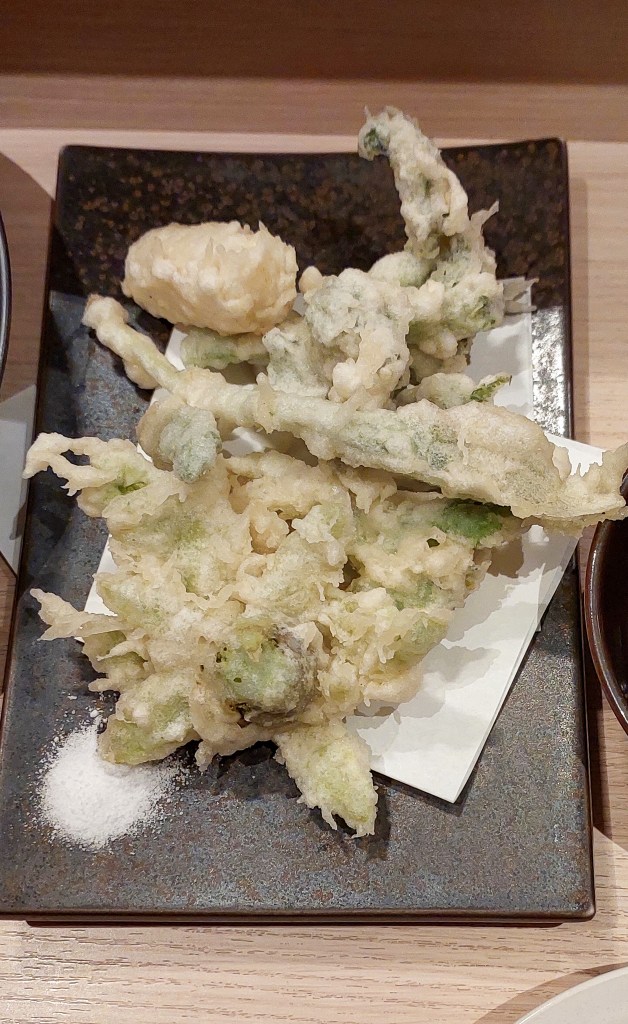
I initially thought sushi would be the main food choice, but it turns out that’s more of a Western idea! In Japan, we did eat sushi, but noodles were everywhere, along with tempura, donburi, yakitori, and many other local dishes featuring fresh produce, fish, and meats.
Our favorite meal was in Kyoto at DNA—beautifully presented, high-quality food.
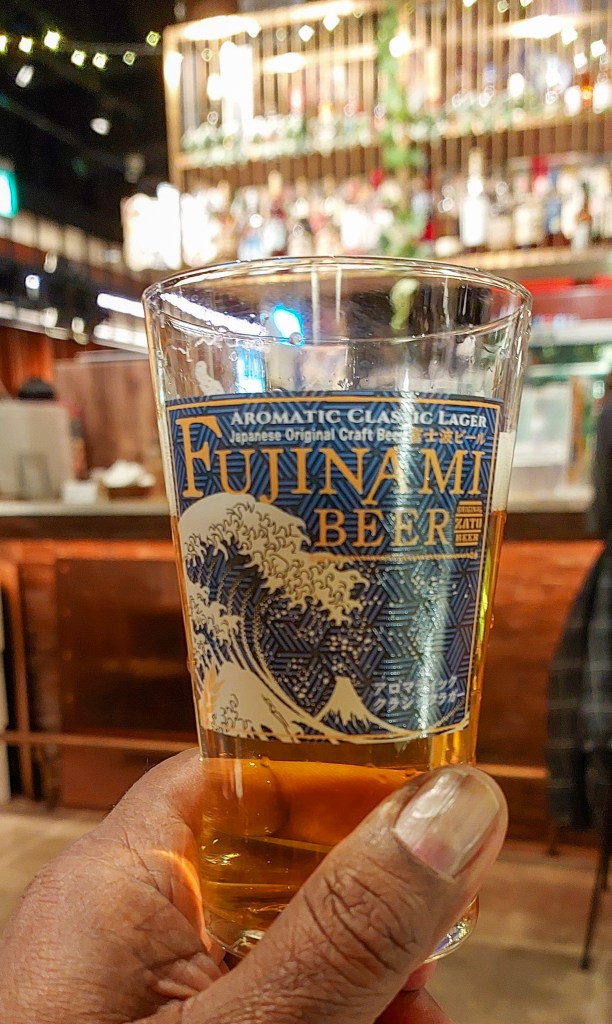


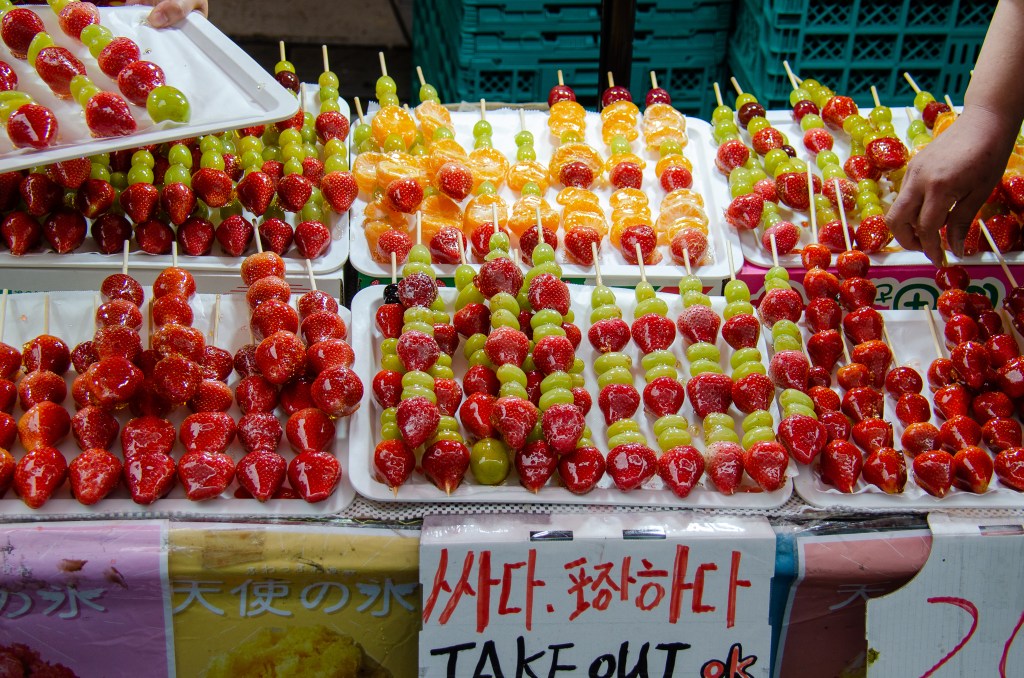
While Basker was intent on eating as much octopus as possible while on tour, one of my goals was to sample a different sweet treat everyday. It turned out to be mostly moshi and matcha tea ice cream but I also picked up cupcakes, cookies, strawberries on a stick, dango skewers🍡and Sakuramochi. The main take from this was that not everything tastes as it looks, so be ready for some surprises! One of the simple joys of travel.




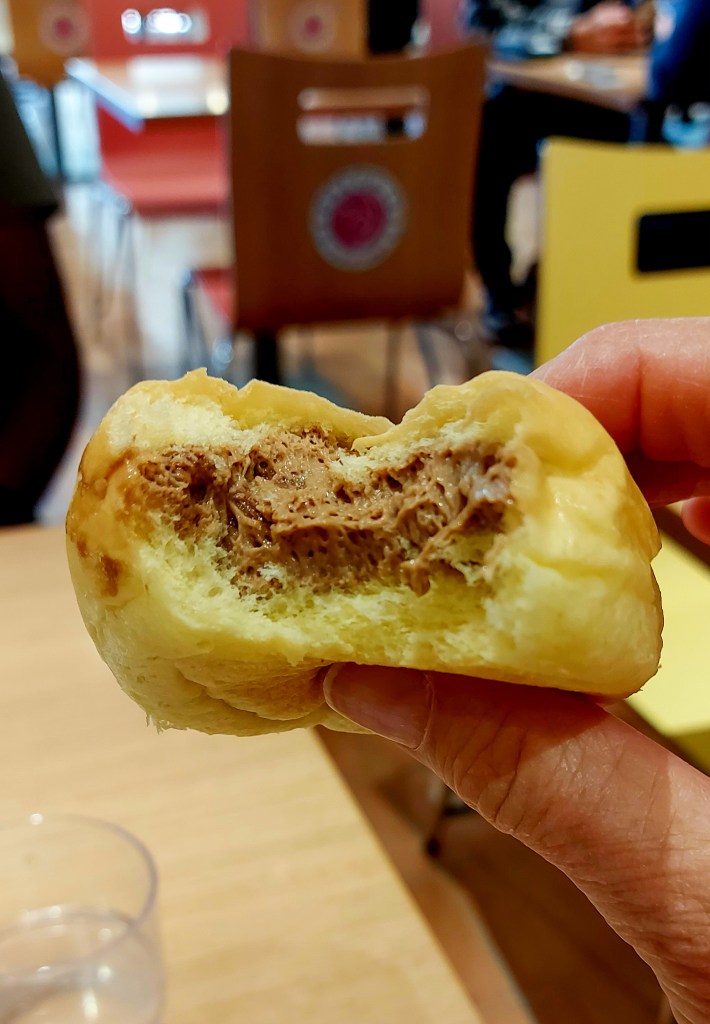
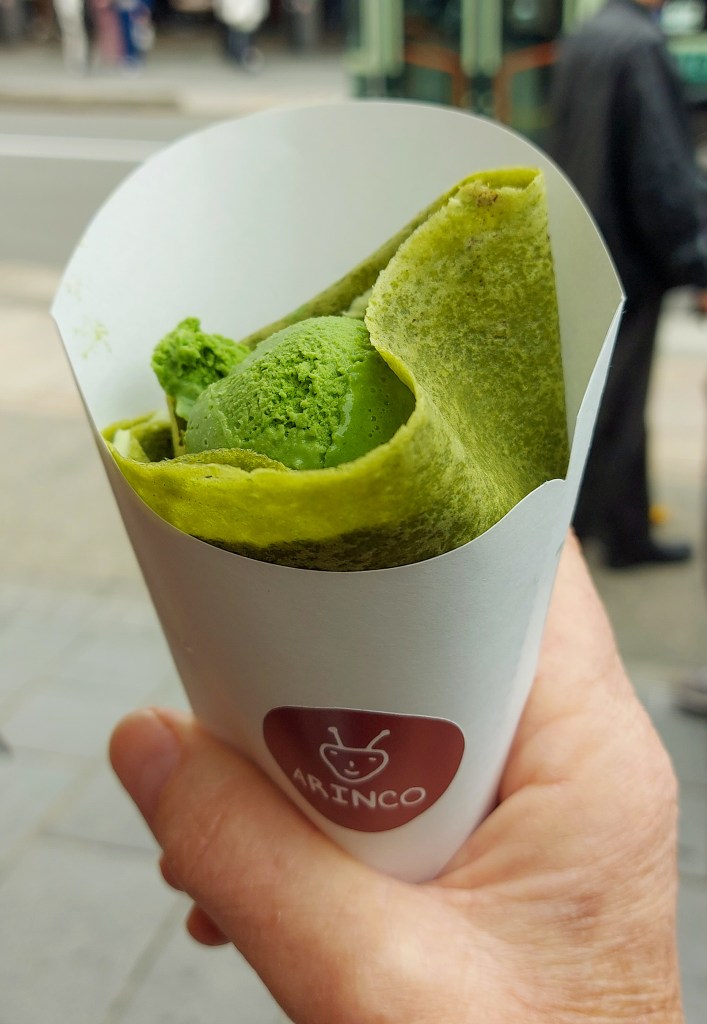
Handy Food Tip: A handy tip about food is to follow the rules on where to eat it. If you buy food from an arcade or street stall people will often direct you to designated eating areas where you can enjoy your food properly. While, like me, you might be tempted to munch on a sweet treat, or snack on a packet of peanuts while walking down the street, I noticed it’s not really the thing to do in Japan. I looked it up—it’s a cultural thing! Eating in public, especially on the street, isn’t considered polite. So, it’s best to avoid it—trust me, you’ll get some serious stares or even outright laughter in your face, as I found out!
Osaka
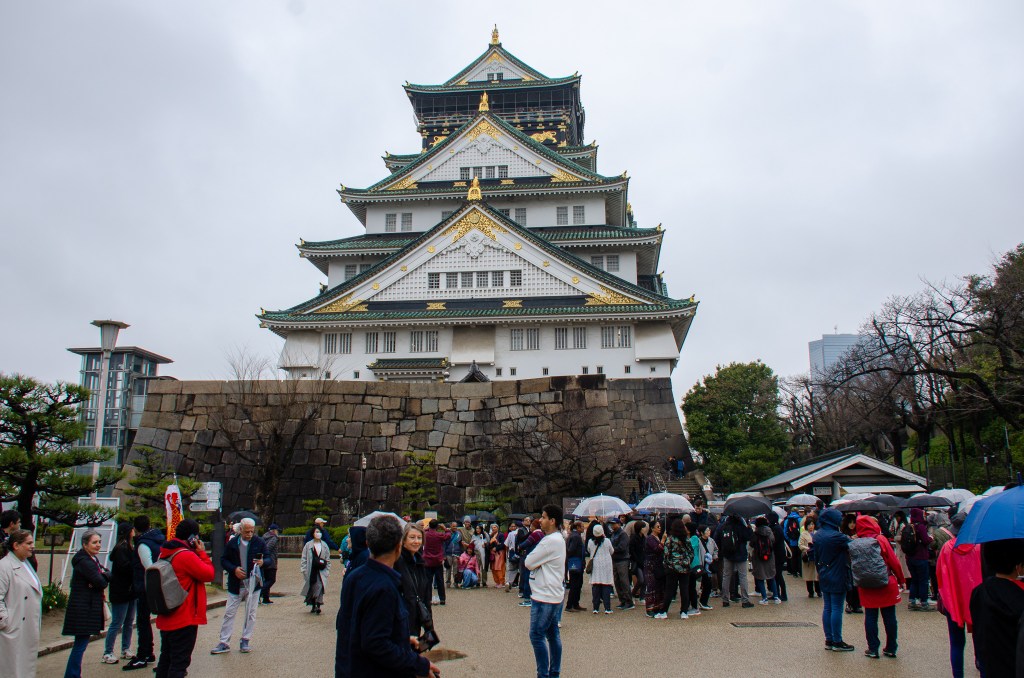
Osaka Castle: Known as Osaka-jo, this beautiful five-storey castle is one of Japan’s most famous landmarks, and once you see it, you’ll understand why. Originally built in the late 1500s by Toyotomi Hideyoshi, a powerful warlord who helped unite Japan, the castle has seen centuries of battles, fires, and rebuilds. It’s a real symbol of resilience and strength in Japanese history.
We didn’t get the chance to explore the inside, and the weather wasn’t the best — a bit wet and grey — but it was still a lovely walk around the grounds. The size and detail of the castle are just incredible. A few people from our group, including Basker, wandered off and nearly missed the coach, so it was definitely a memorable start to the trip!


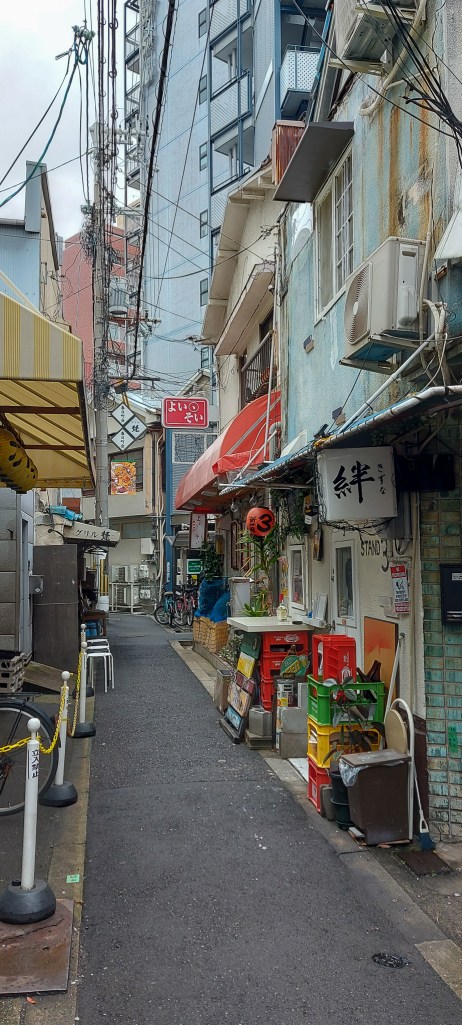
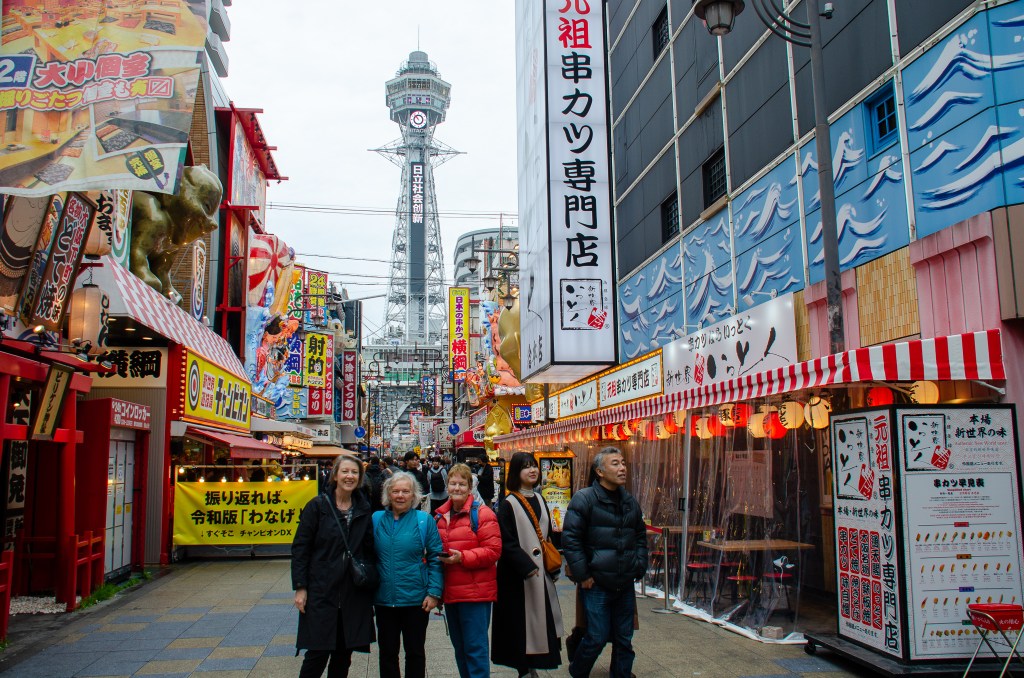
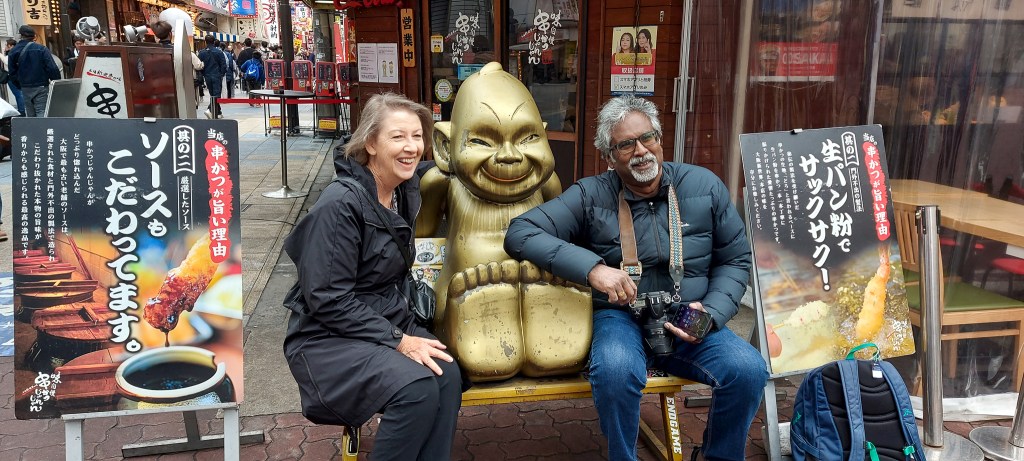
Shinsekai: Since this area wasn’t included in our tour, we decided to grab an Uber and explore on our own for the day. With it being just Day 2 in Japan, everything still felt thrilling and new. We absolutely loved it — from the vibrant decorations and lanterns to the charming back streets.
Shinsekai actually has an interesting history. It was developed in the early 1900s with a mix of French and American influences — one half inspired by Paris, and the other by Coney Island in New York. At its centre is the Tsutenkaku Tower, a local landmark that once symbolised progress and modernity. Although it’s not as polished as other parts of Osaka, Shinsekai has its own retro charm and has become known for its old-school eateries, neon lights, and nostalgic atmosphere.
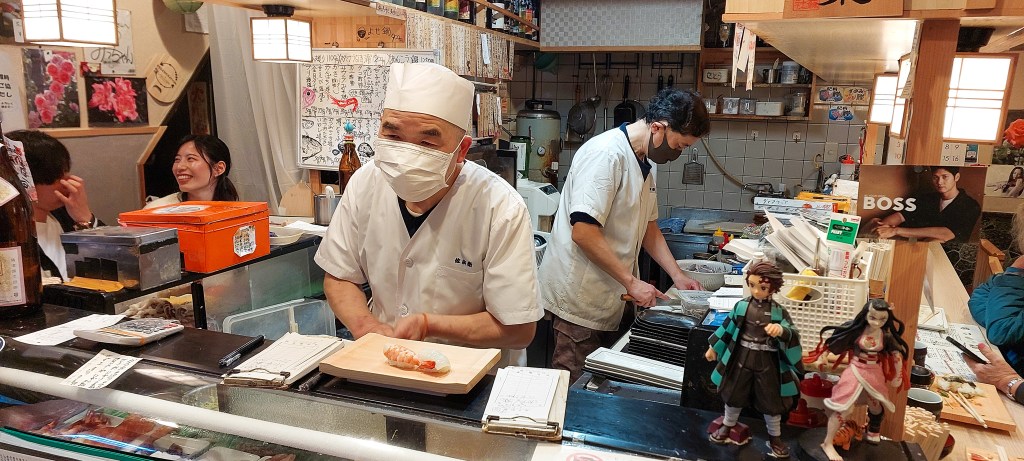
We even found a cosy little restaurant tucked away, serving fantastic food. It was a wonderful adventure and one of those unplanned highlights that makes travel feel so free and fun. Wandering round here gave us a deeper appreciation for the contrast between Japan’s rich traditions and its modern commercial areas.



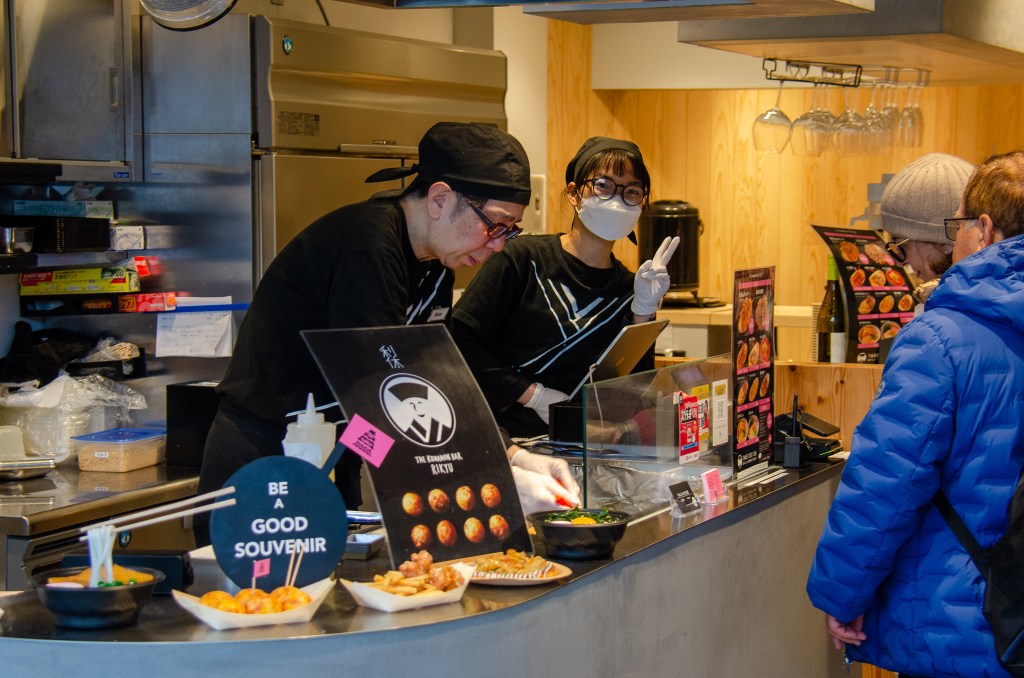

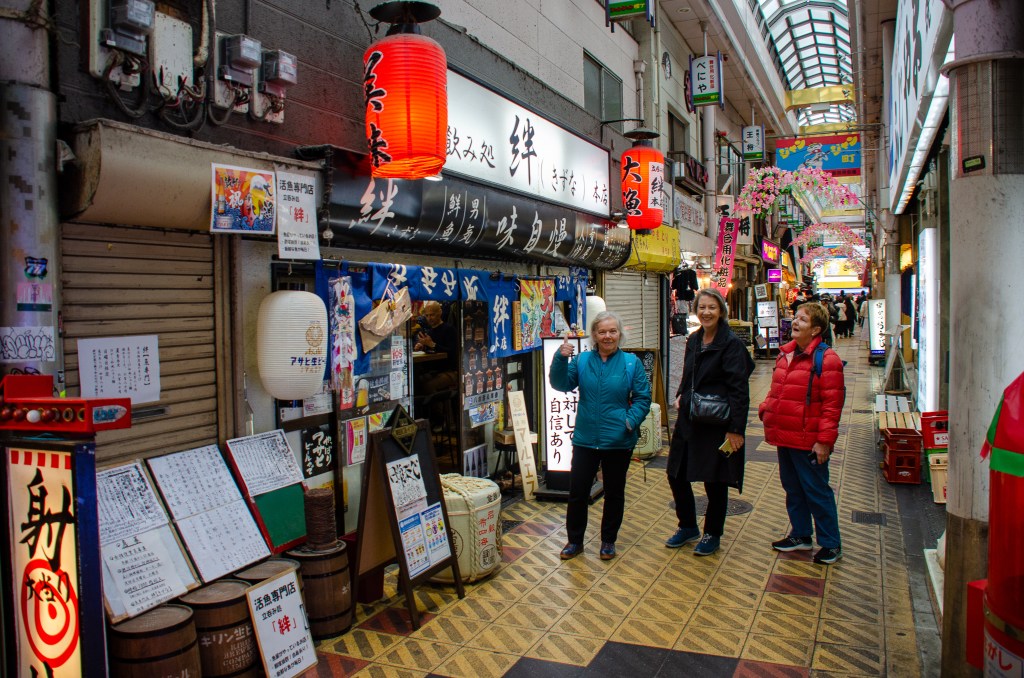
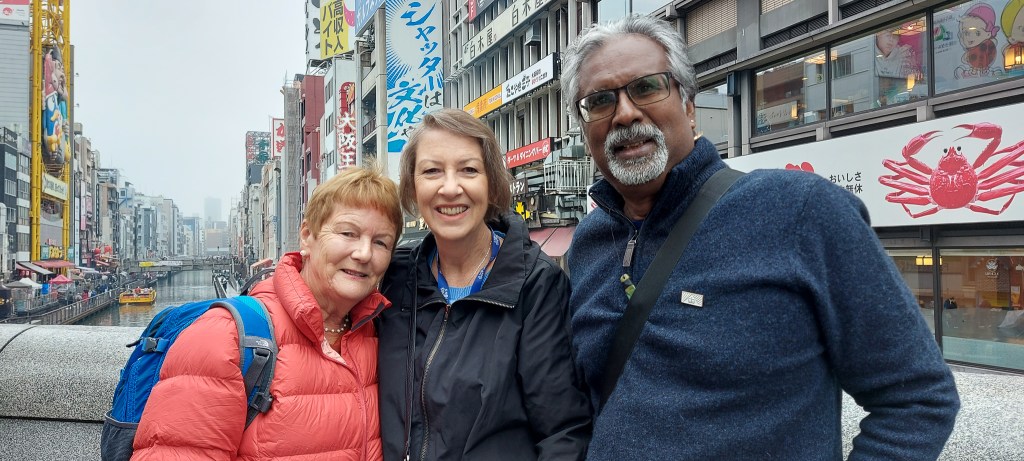
Namba and Shinsaibashi, Dōtonbori and the Glico Running Man sign: Namba, Shinsaibashi, and Dōtonbori are some of Osaka’s liveliest and most famous spots, known for their bright lights, huge billboards, and bustling atmosphere.
I can’t say I noticed it at the time but the Glico Running Man sign is located in this area. It is an iconic symbol of the city, often featured in travel photos and they say it’s a must-see for visitors, even if it does blend into the busy street scene. However we did get to see the giant moving crab, kind-of hard to miss!
Walking through Dōtonbori and Shinsaibashi gives you a real taste of Osaka’s vibrant street culture, with endless food stalls and shops that shows how much people who visit here love food and fun.
It’s a great place to soak up the energy of modern Japan while enjoying some tasty treats — like those strawberries on a stick I picked up! (This was before I realised that hoovering food on the street isn’t really the done thing in Japan… oops!)

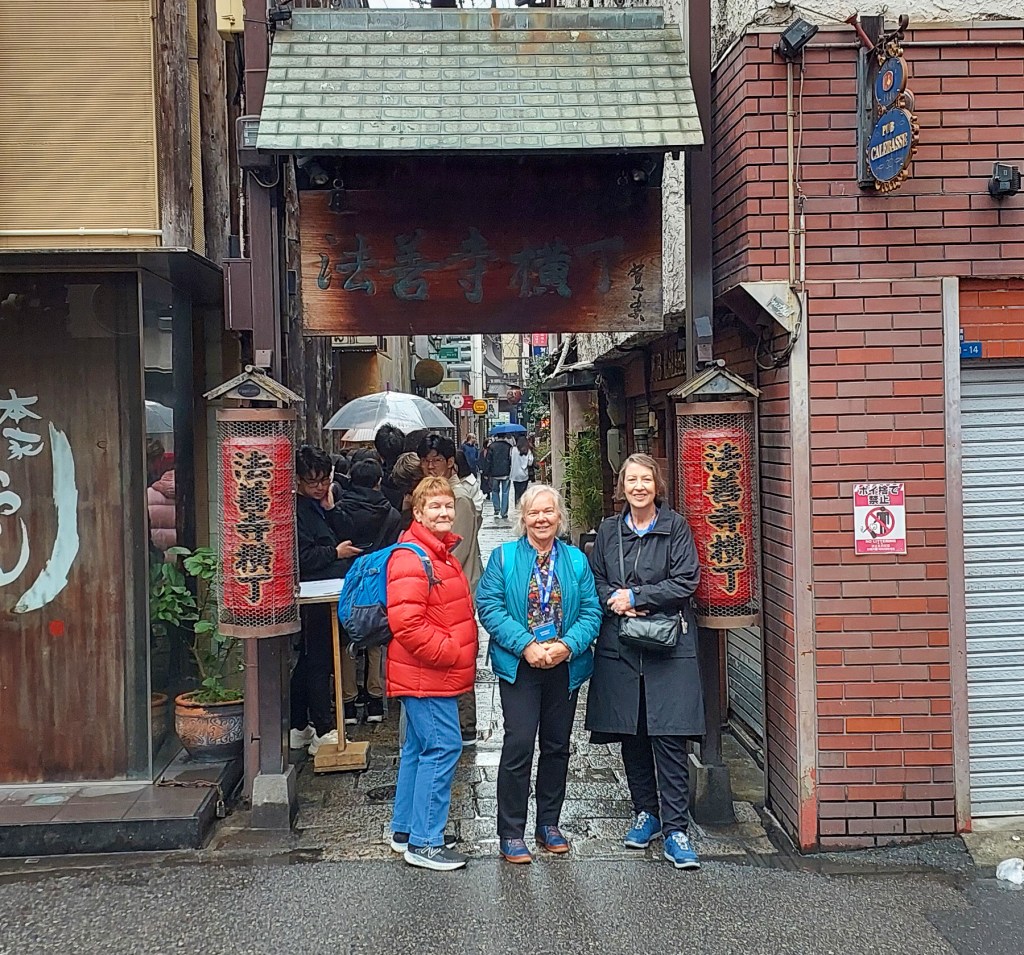

Kyoto
We particularly loved Kyoto, especially for its stunning historical architecture which is both elegant and serene. The city’s temples, shrines, and traditional wooden houses gave us a glimpse into Japan’s rich cultural heritage. Each corner of Kyoto seems to tell a story, making it a lovely and historic place to explore.
Kinkakuji (Golden Pavilion): Kinkakuji, or the Golden Pavilion, is a UNESCO World Heritage site and one of Kyoto’s most famous landmarks. The top two floors are covered in gold leaf, and the whole building reflects beautifully in the surrounding pond — it really is a striking sight.
The pavilion was originally built in the 14th century as a retirement villa for a shogun, and later became a Zen temple. Although we visited on a rainy day and the cherry blossoms were still in bud, we managed to catch a wonderful view from across the water. Despite having to gently jostle through the crowds to find the perfect spot, the experience was still memorable.


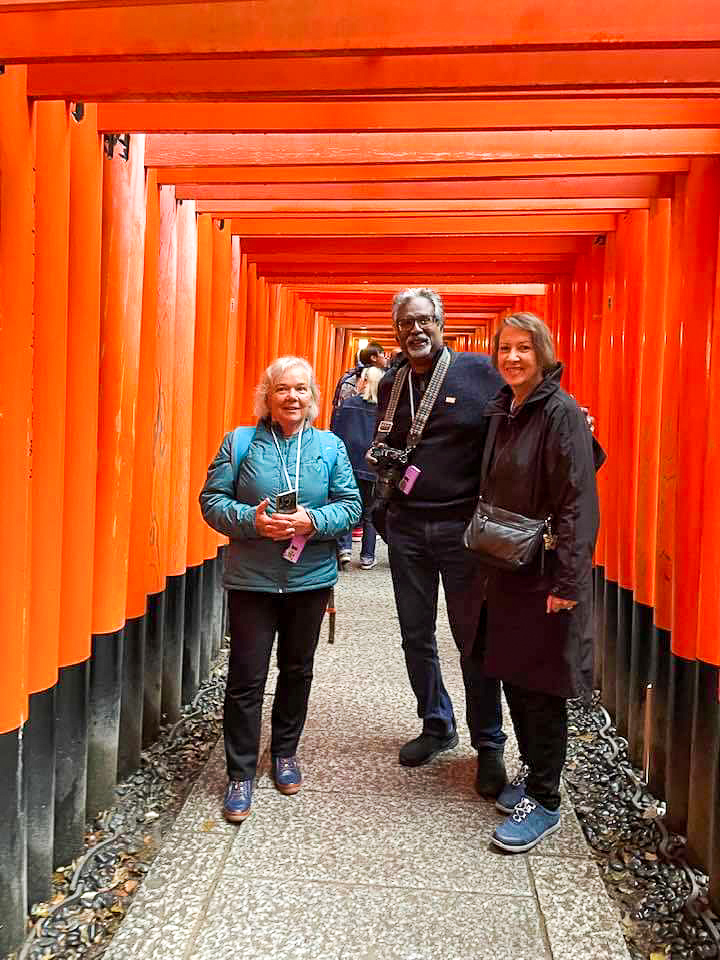
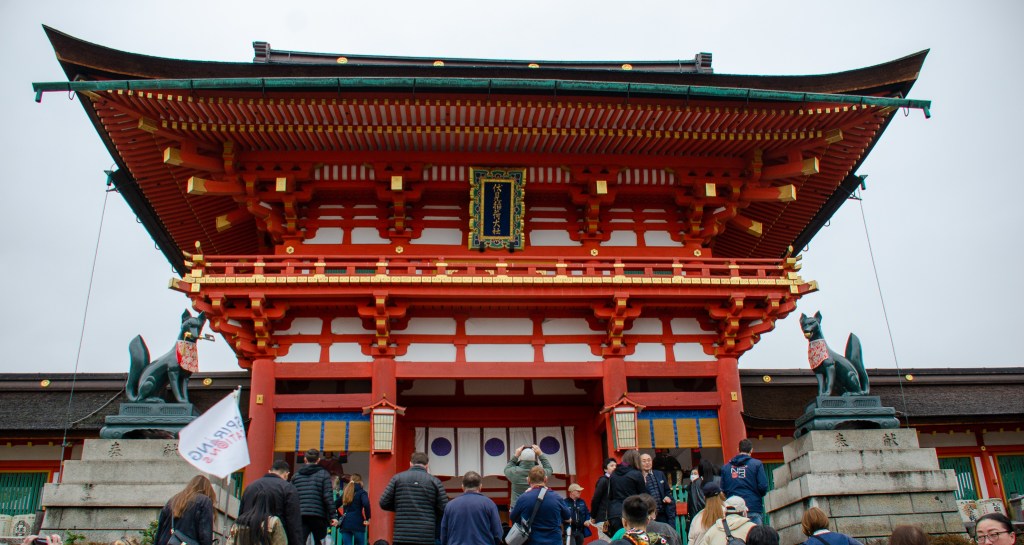
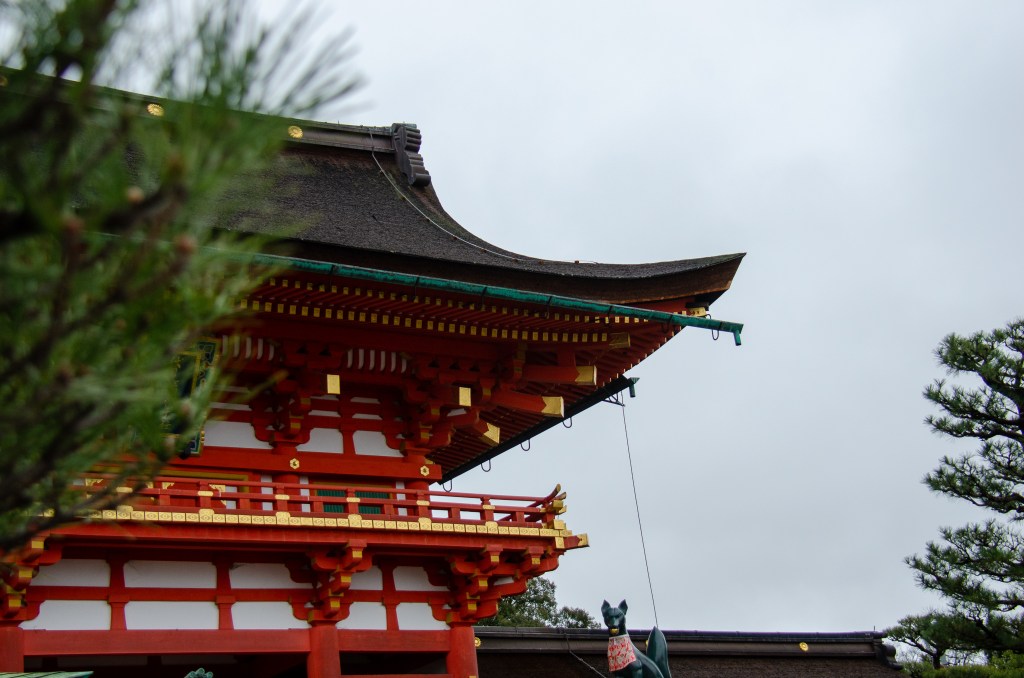
Fushimi Inari Shrine and its torii gate path: Strolling through the iconic red torii gates of Fushimi Inari Shrine is like walking through a serene red tunnel — very crowded with tourists, but still quite magical.
This shrine is dedicated to Inari, the Shinto god of rice, prosperity, and good fortune, and the thousands of red gates (donated by individuals and businesses) are meant to bring blessings. The winding path up the mountain is peaceful in parts, especially if you go a bit further beyond the main crowd. It’s one of those places that feels both spiritual and photogenic at the same time.


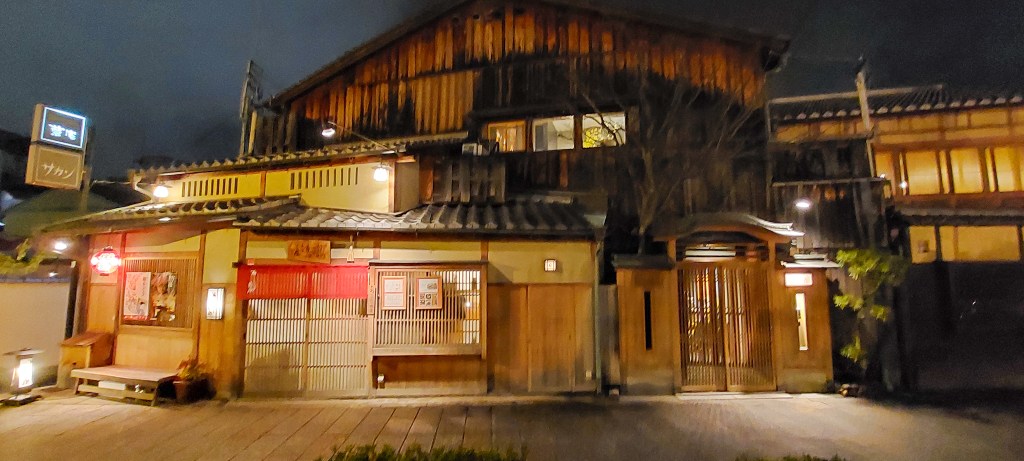
Gion district: Exploring the historic Gion district offers a charming glimpse into Kyoto’s traditional tea houses and geisha culture. Gion has been the heart of Kyoto’s entertainment scene for centuries and is one of the few places in Japan where you might still spot a geisha (or geiko, as they’re called in Kyoto) or maiko apprentice on their way to an evening engagement.
The old wooden buildings and narrow lanes, with lanterns starting to glow in the early evening, gave the place a lovely, timeless feel. We enjoyed just strolling around, taking a few photos, and thinking about what life might have been like here a long time ago. At one point, we even spotted a geisha at a distance, through the window of a tea house up on the first floor. One of those moments where you stop in your tracks, trying to take it all in. We watched quietly until she disappeared from view. A real “we are actually here!” kind of moment.


Tofukuji Temple and its gardens: Tōfukuji Temple’s gardens are a peaceful retreat, with exquisitely manicured landscaping that reflects the changing seasons. This Zen temple, founded in the 13th century, is one of Kyoto’s oldest and most important, especially famous for its autumn colours. The mix of moss, raked gravel, and carefully placed stones creates a calm, contemplative atmosphere — perfect for a quiet wander. We really enjoyed just taking it all in.


Heian Jingu Shrine: Heian Jingu Shrine is known for its vibrant architecture and tranquil gardens, making it a top spot to experience Kyoto’s rich heritage. Built in 1895 to commemorate the 1,100th anniversary of Kyoto’s founding as the imperial capital, it’s a relatively new shrine by Japanese standards but still deeply symbolic. The huge torii gate at the entrance is hard to miss, and the peaceful garden paths make it a lovely place for a quiet wander.

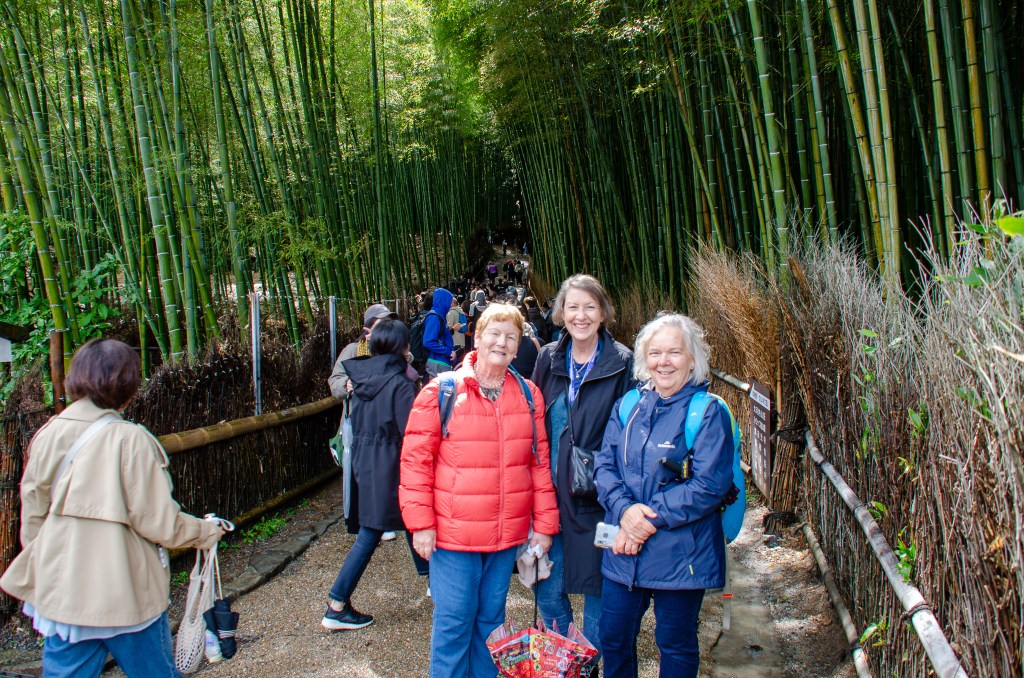
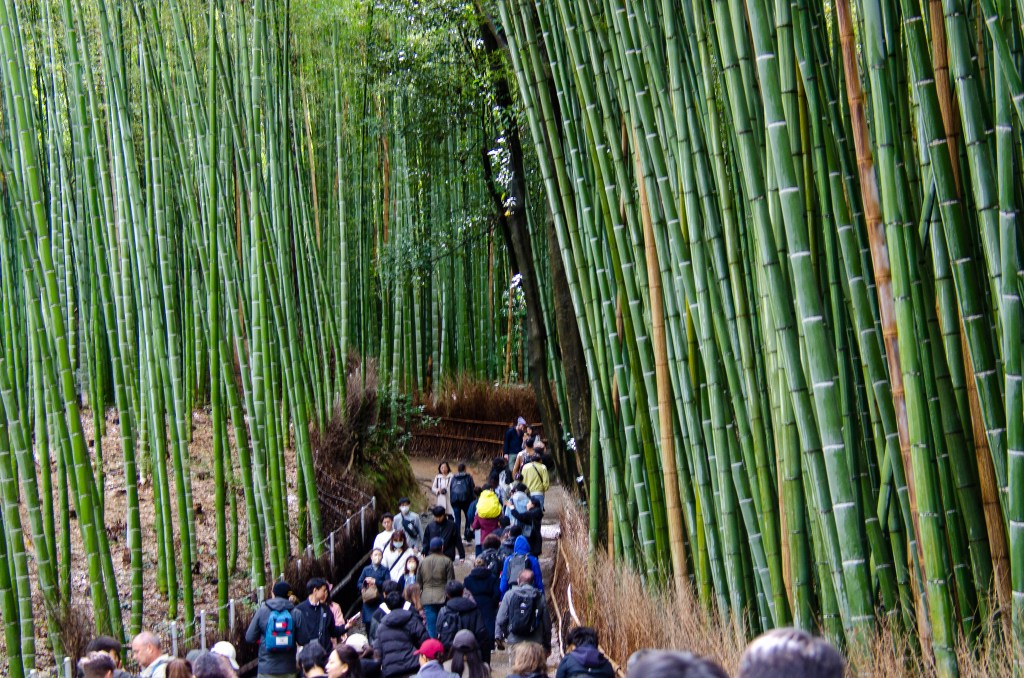
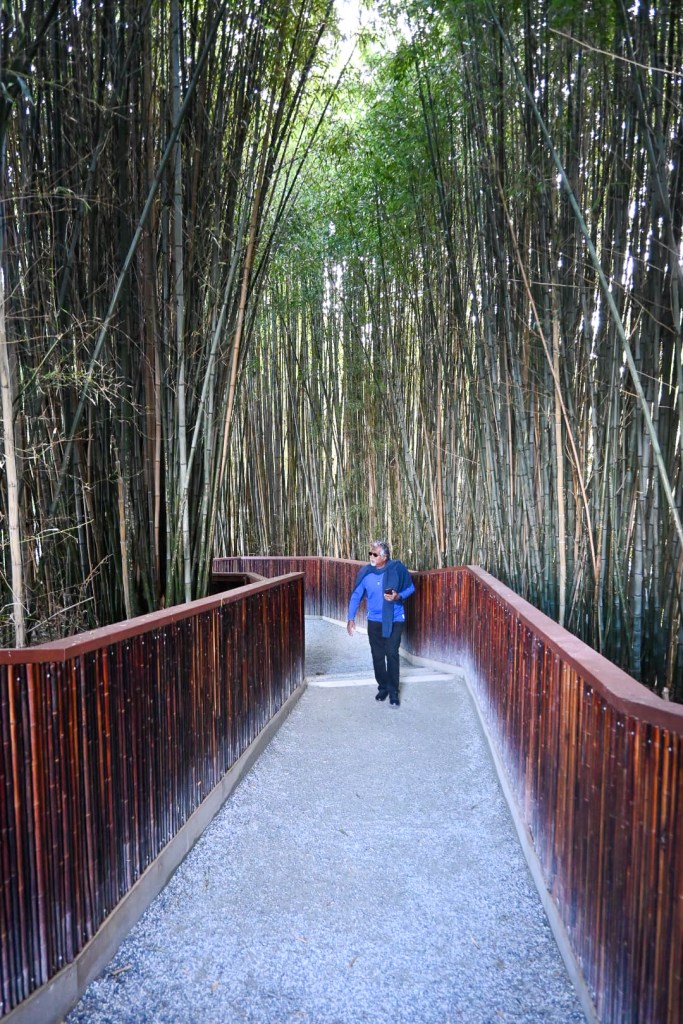
Arashiyama Bamboo Grove: Walking through the Arashiyama Bamboo Grove was peaceful. The tall bamboo stalks moved in waves with the wind, and it felt calm and quiet. Just one of those lovely places to slow down and take it all in.
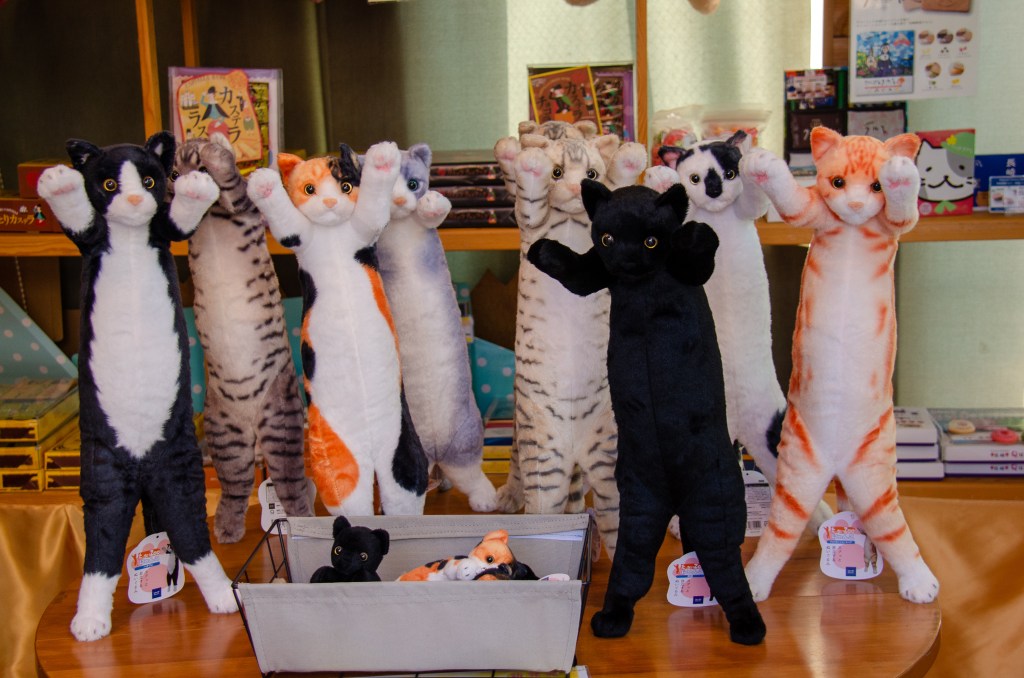
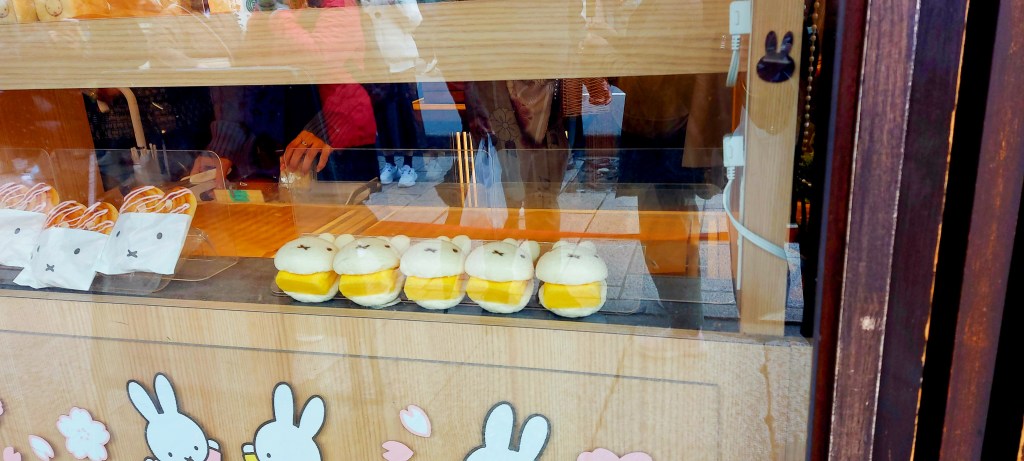
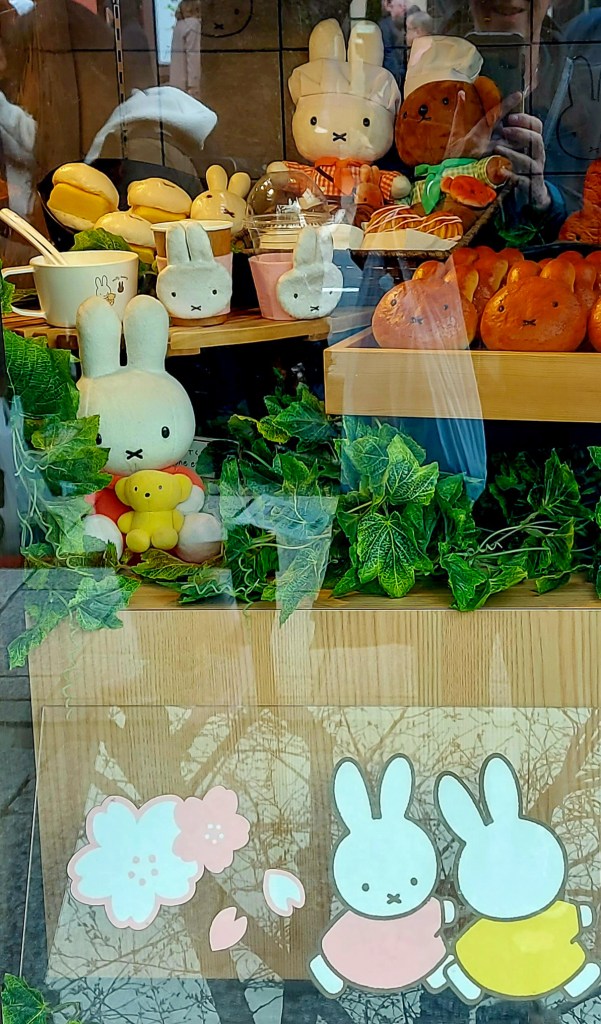
It’s one of Kyoto’s most photographed spots and has been a place of inspiration in Japanese art and poetry for centuries. I really enjoyed the walk on the way to the forest too, especially with all the interesting little shops along the way — their displays were fabulous and hard to walk past without taking a look (or a quick browse!). Loving the cats!


Takamatsu
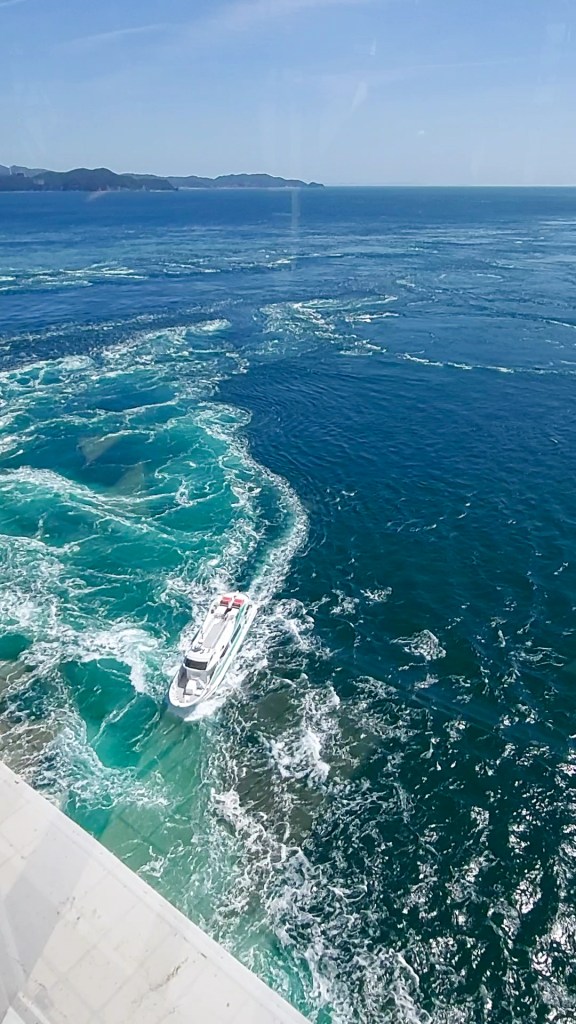
Naruto Whirlpools: Experiencing the powerful Naruto Whirlpools was awe-inspiring. These swirling tidal currents form in the narrow strait between Tokushima and Awaji Island and are caused by the huge volume of water moving between the Seto Inland Sea and the Pacific Ocean. The area has been known for centuries and is considered one of Japan’s three greatest natural tidal phenomena.
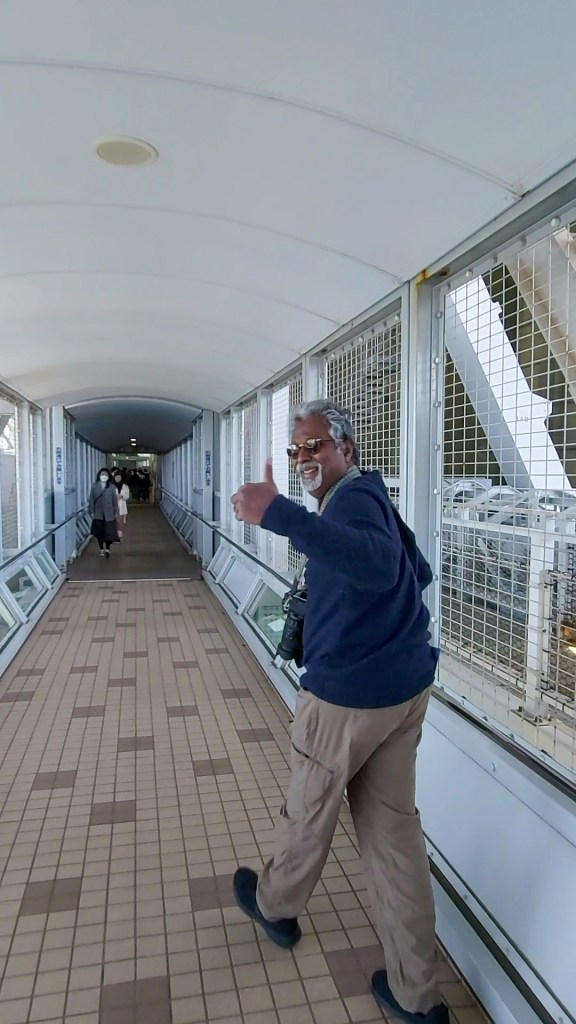
It was cold and breezy walking under the bridge, but being so close to the roaring water and feeling the wind whip around us was exciting and exhilarating. You could really sense the force of nature at work. A bit wild, but we loved it — I’d say it’s not to be missed!



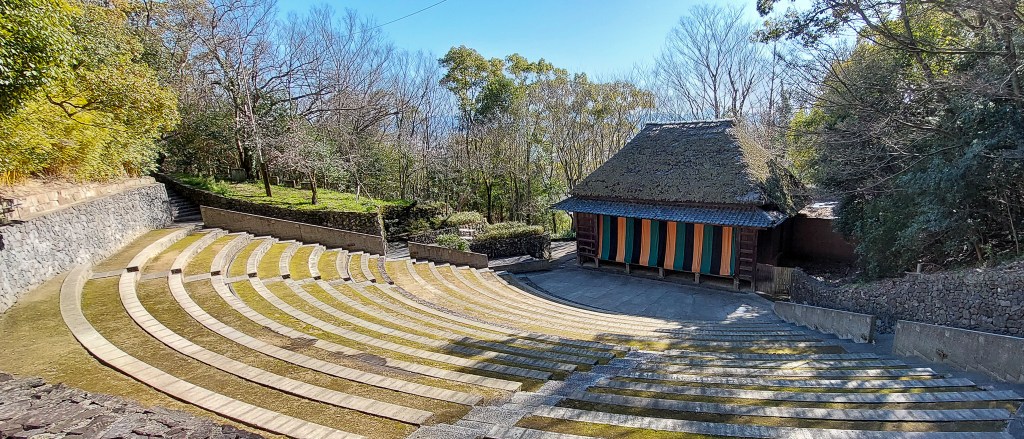
Shikoku Mura Open-Air Museum: Shikoku Mura Open-Air Museum offers a delightful journey into traditional Japanese rural life, with well-preserved historic buildings and charming exhibits.
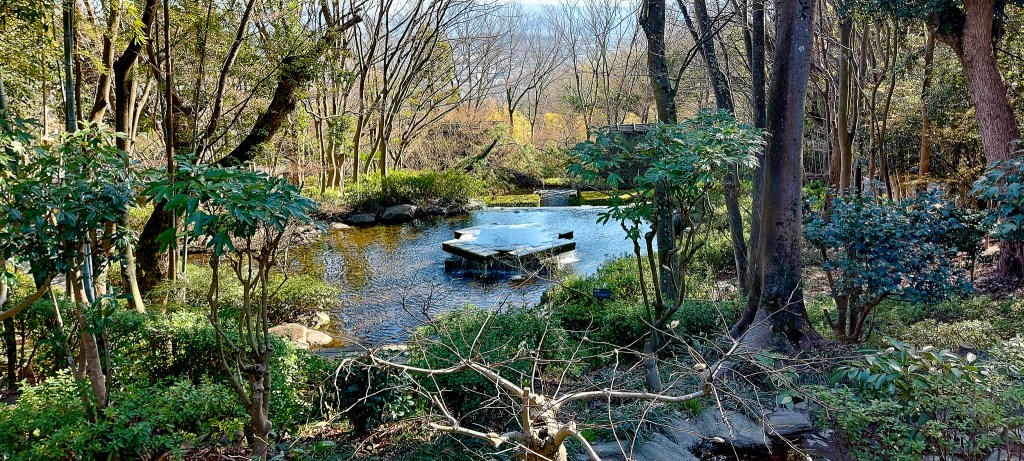
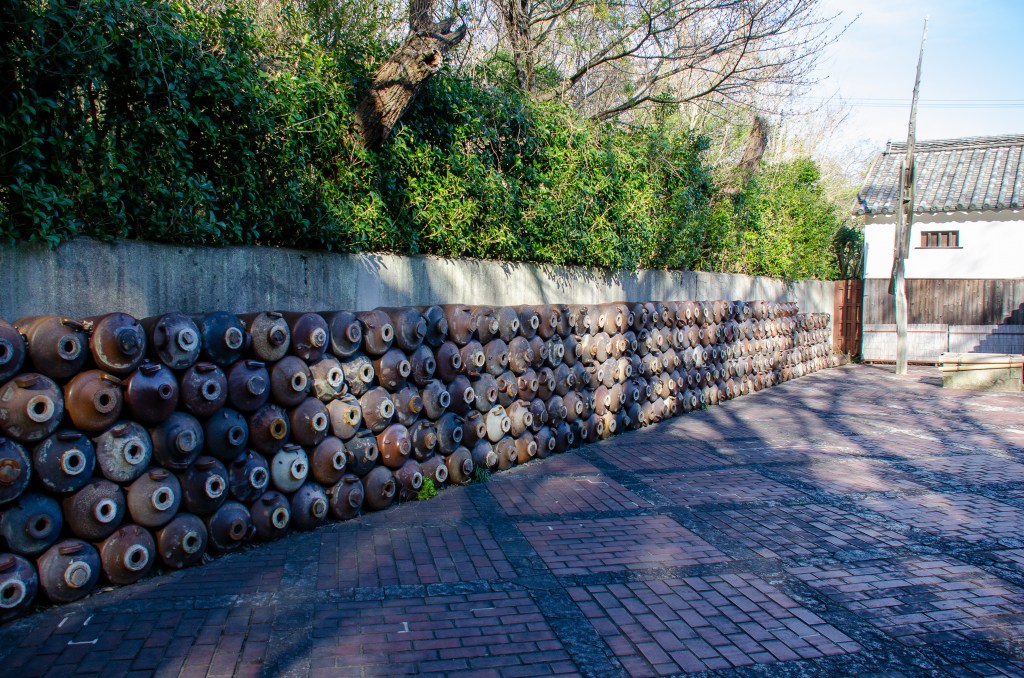
We enjoyed exploring the various structures scattered across the lovely garden setting, with lots of interesting old tools and food preparation items to see. One of my favourites was the row of huge ceramic pots once used for fermenting soy sauce — hard to believe how much they held, but they added a nice glimpse into everyday life back then. The natural contours of the land gave rise to a gentle water feature, which was especially beautiful and calming.
That said, one of our tour members had a serious fall here and injured her knee, which sadly affected the rest of her trip. Some paths are steep and uneven, so do take care — it’s easy to get distracted by all the things to look at!



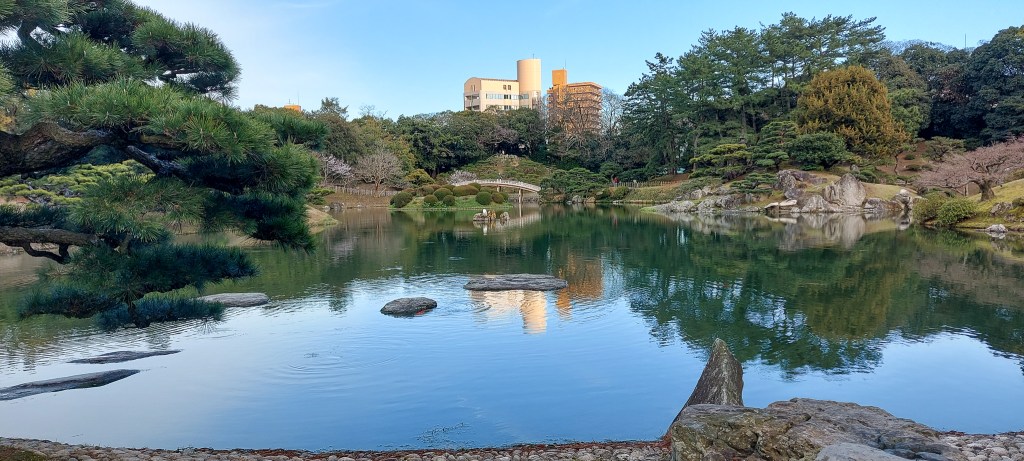
Ritsurin Garden: Ritsurin Garden is a beautiful example of traditional Japanese landscape design, dating back to the early Edo period. Its carefully arranged ponds, graceful bridges, and seasonal flowers create a peaceful retreat that shows the artistry and balance valued in Japanese culture.
We got so caught up exploring and hunting for the perfect photo spot of the bridge, we nearly missed our coach! A quick jog saved the day, but honestly, this garden deserves much more time to really take it all in. If you visit, try to give yourself plenty of time to enjoy this stunning and historic garden.


Beppu
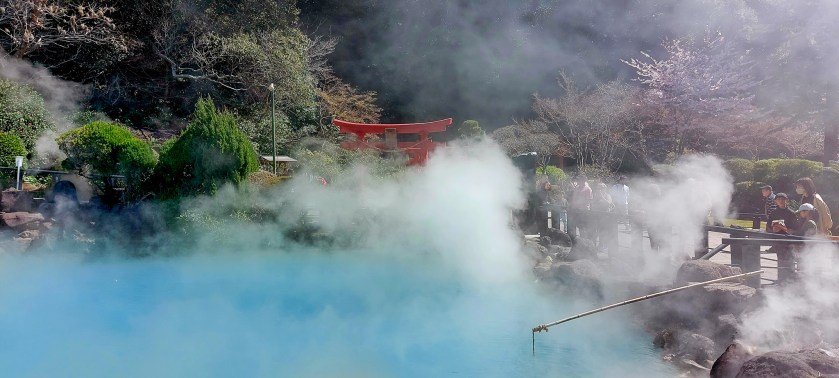
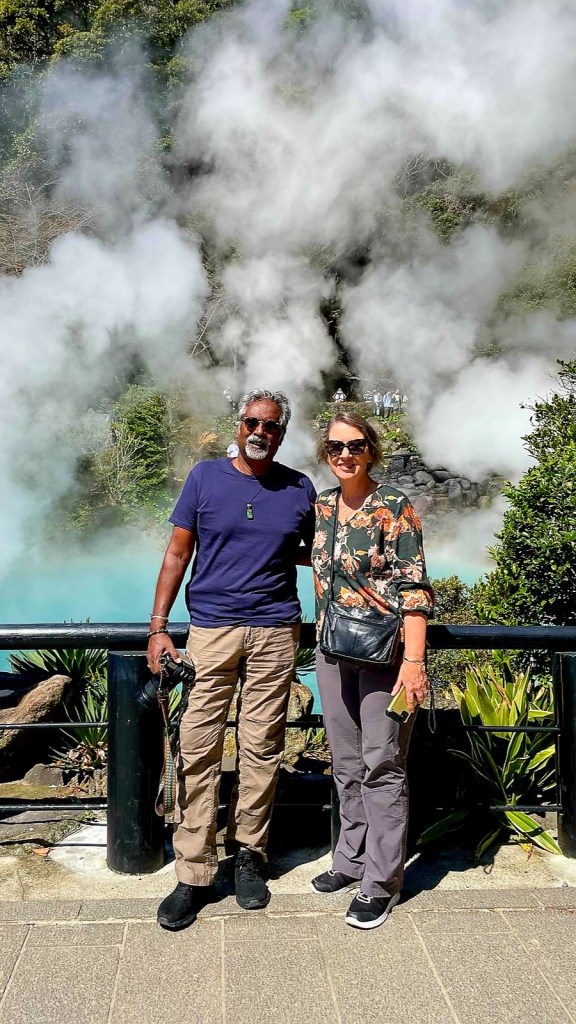
Hells of Beppu (hot springs): The Hells of Beppu are a fascinating glimpse into Japan’s geothermal power, with each hot spring offering unique, colorful, and otherworldly sights. The gardens were especially lovely, and we were lucky to catch our first cherry blossoms in full bloom there—truly breathtaking. While the hot springs themselves didn’t wow us as that much (we’ve got some impressive geothermal spots back home in New Zealand), the whole experience was still a memorable part of the trip.
The rain kept us indoors for the rest of the day, so we relaxed at our hotel and enjoyed a cosy dinner there. The hotel was fantastic, and we had fun dressing up in the kimonos found in the room wardrobe. It made for a special evening despite the weather—a lovely way to soak up Japanese culture even on a wet evening.




Nagasaki
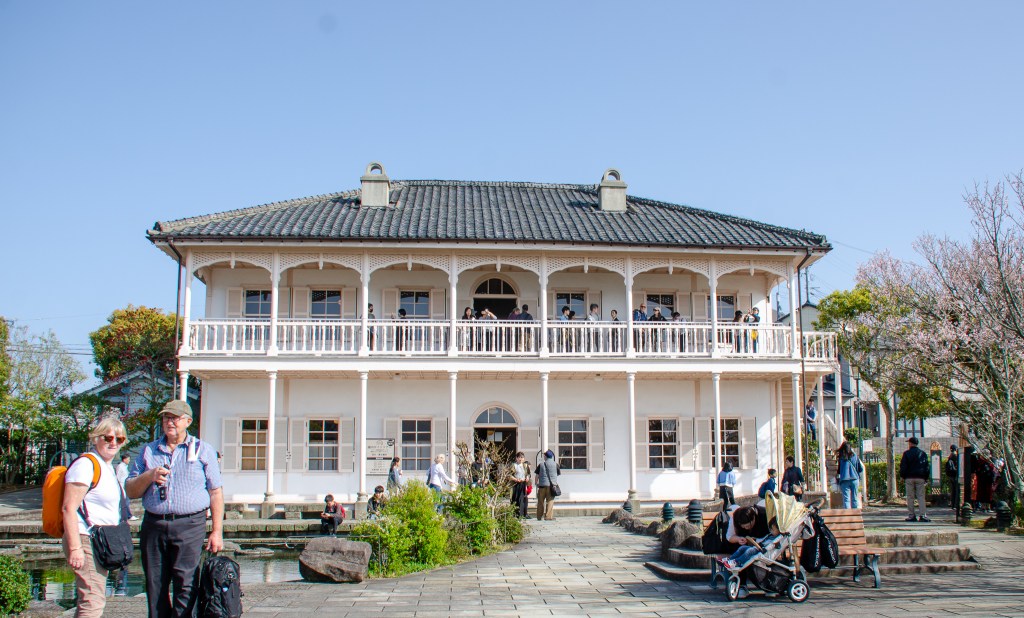
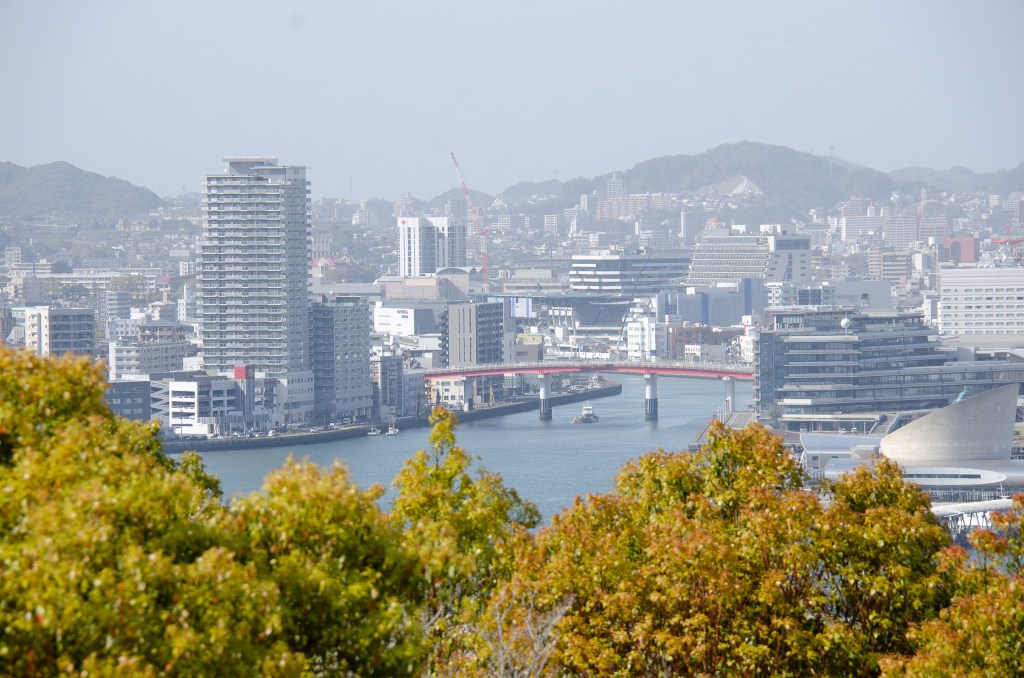
Glover Garden and Oura Church: Exploring Glover Garden and Oura Church gave us a real feel for Nagasaki’s rich history. These sites showcase the early Western influence in Japan, dating back to the 19th century when Nagasaki was one of the few ports open to foreign trade. The charming European-style buildings and the stunning views over the harbour made it a peaceful, memorable stop that highlights this unique cultural blend.


Nagasaki Atomic Bomb Museum and Peace Park: Visiting the Nagasaki Atomic Bomb Museum and Peace Park was a deeply moving experience, offering a powerful reminder of the devastating impact of war and the importance of working towards peace. The museum’s exhibits tell the story with quiet dignity, inviting visitors to reflect on the past while holding hope for a better future.
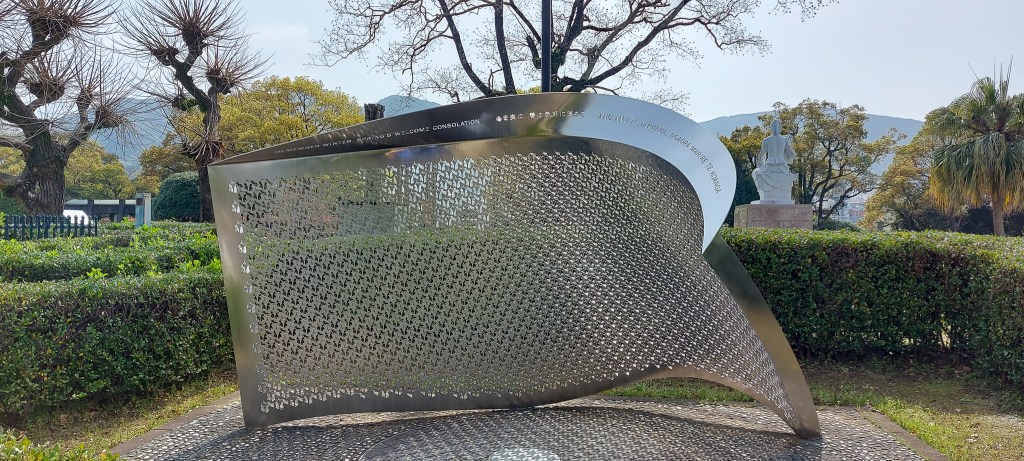
A particularly touching highlight was the Cloak of Peace, also known as Te Korowai Rangimarie, created by New Zealand artist Kingsley Baird in 2006. The plaque reads: “REMEMBER WINTER, SPRING’S WELCOME CONSOLATION.” This artwork is more than just a beautiful piece—it stands as a symbol of friendship and a shared commitment to peace between New Zealand and Nagasaki. Standing there, I felt a strong connection between the two countries. The intricate designs and heartfelt message truly capture the spirit of healing and hope.
Seeing it in person was a special, moving moment that made the visit all the more meaningful. Ka pai tō mahi!
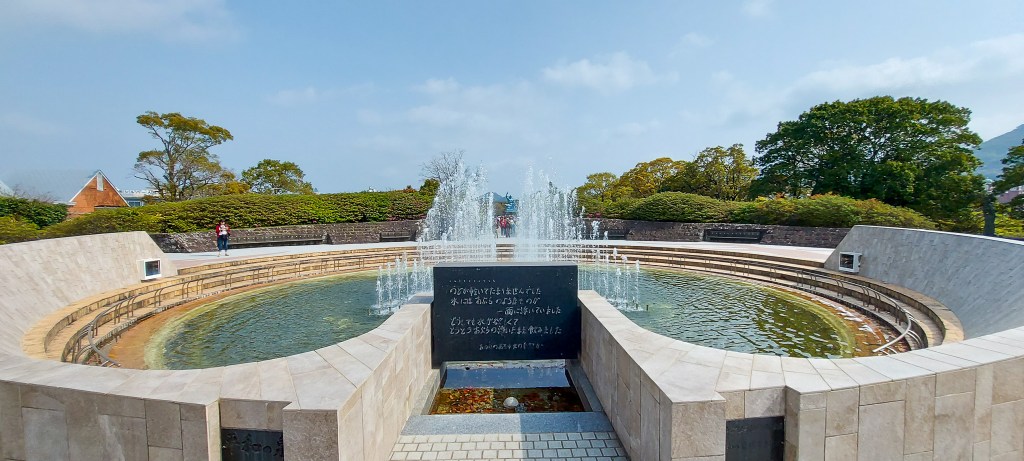

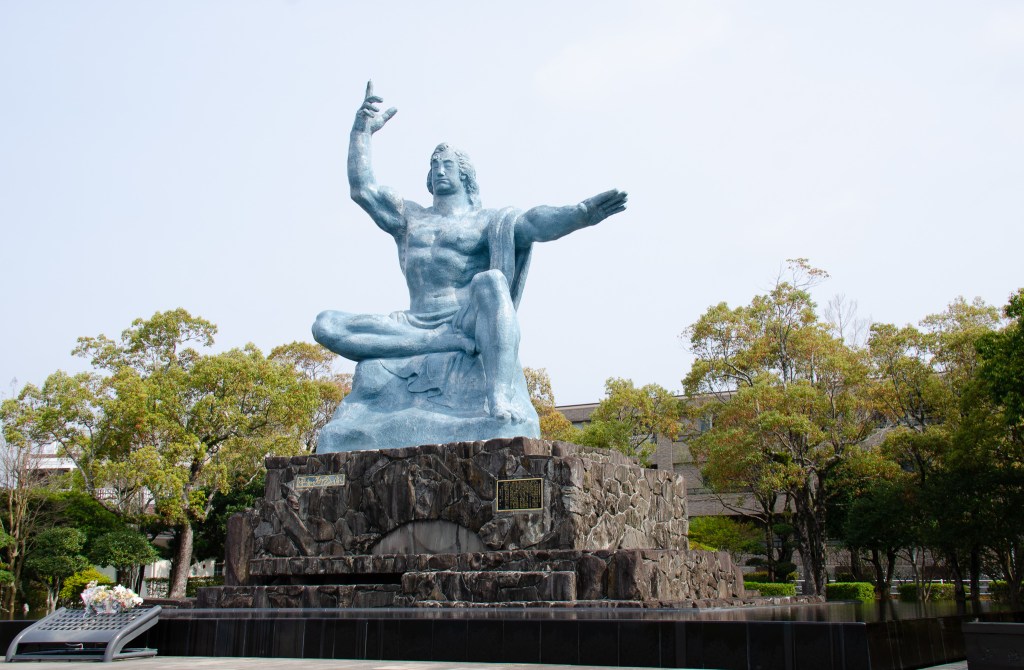


Dejima Wharf: While walking along Dejima Wharf, you can take in the beautiful waterfront and think about the history of this important Dutch trading post. It was pretty crowded when we visited, and we found it impossible to place our lunch order, so in the end we decided to skip it. Instead, we grabbled some hot chips from a nearby takeaway bar to have outdoors— something we don’t do often, but hey it turned out to be a lovely treat! Pivot and enjoy!

Hiroshima
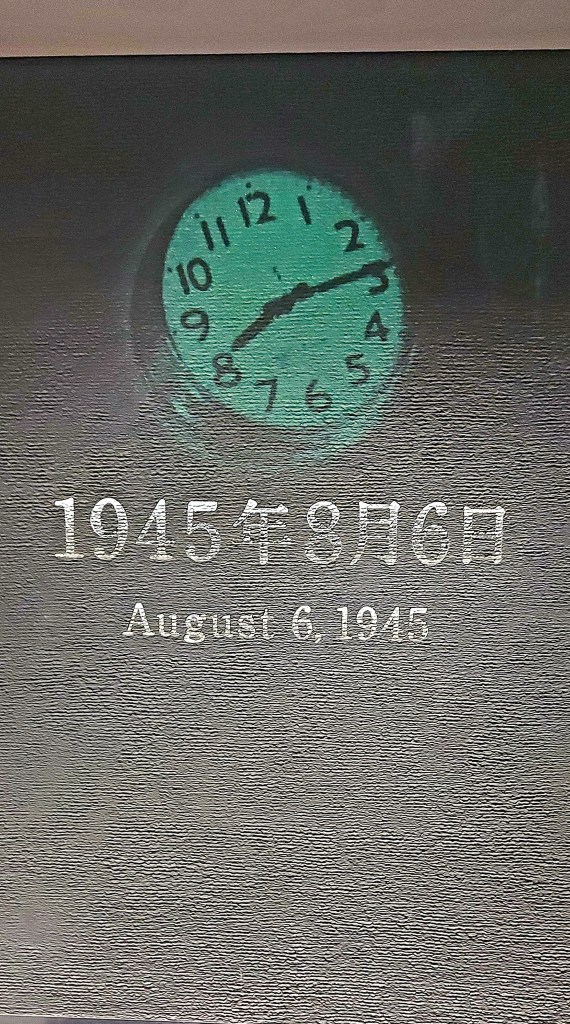
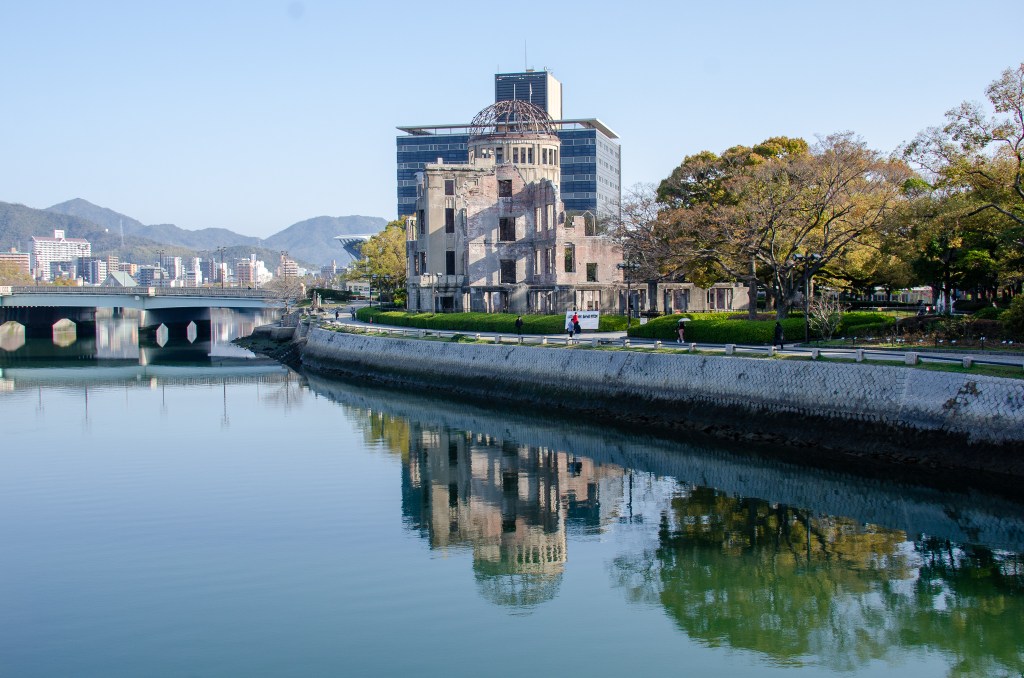
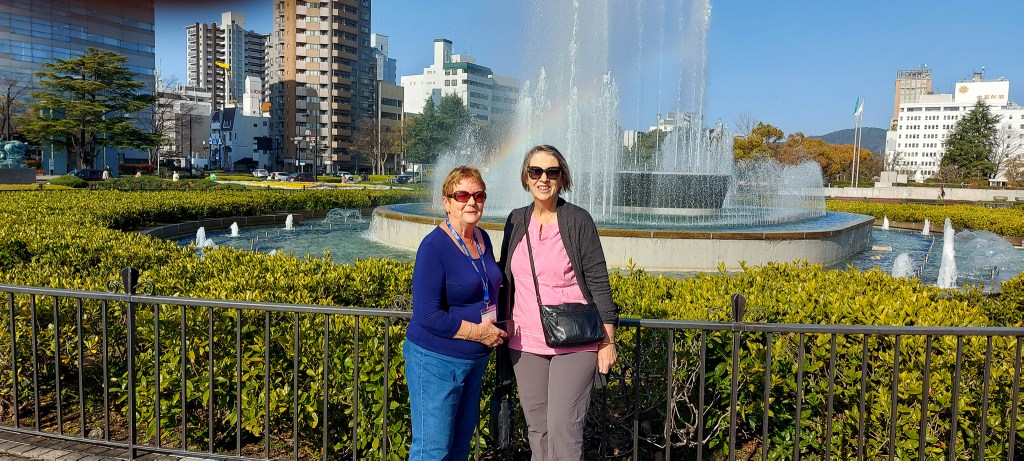
Hiroshima Peace Memorial Park and Genbaku Dome: Visiting Hiroshima Peace Memorial Park and the Genbaku Dome, a UNESCO World Heritage Site, is a truly emotional experience. It’s a powerful reminder of the city’s strength and the hope for a future without nuclear weapons.
Actually, it was one of the hardest days for me. I found myself in tears the whole time as I walked through the museum, absorbing the devastation shown in the photos. It was tough to face such a painful part of history and see the impact it had on so many lives, especially the children. Of course we all know about it but this was especially confronting.
While it was a sad, sad day, I certainly know it’s an important part of history that we should all remember.


Miyajima Island
Ferry to Miyajima Island: I understand that taking the ferry to Miyajima Island is usually a pleasant journey, with scenic views of the coastline making it a relaxing start to your adventure.
However, my experience was a bit different due to rough waves, wind, and rain.
Struggling with seasickness, Basker dragged me out onto the exterior deck, where I could focus on the horizon… that helped a little. Then Basker found a sleeping platform inside the boat—genius! I lay down on the bamboo matting, wrapped myself in my puffer jacket, and soon felt much better. If you’re feeling seasick, finding a place to lie down can really help! Whod’ve thought!

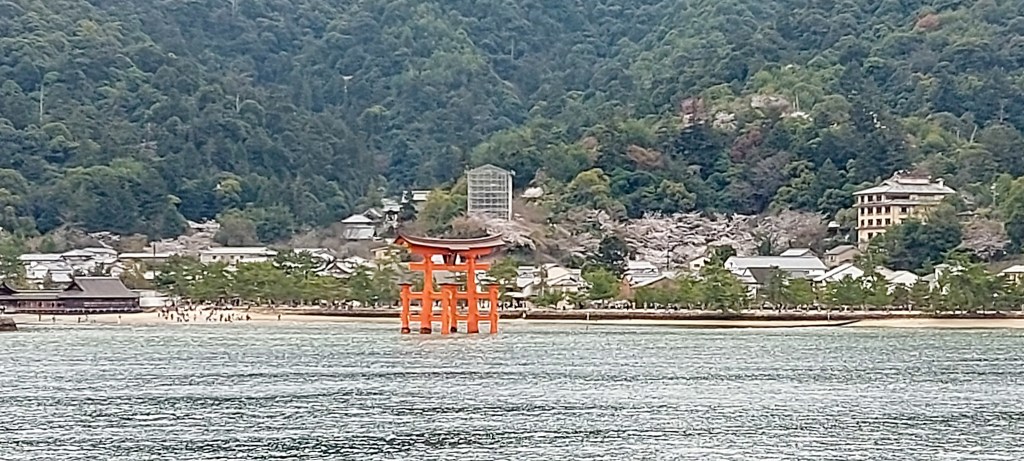
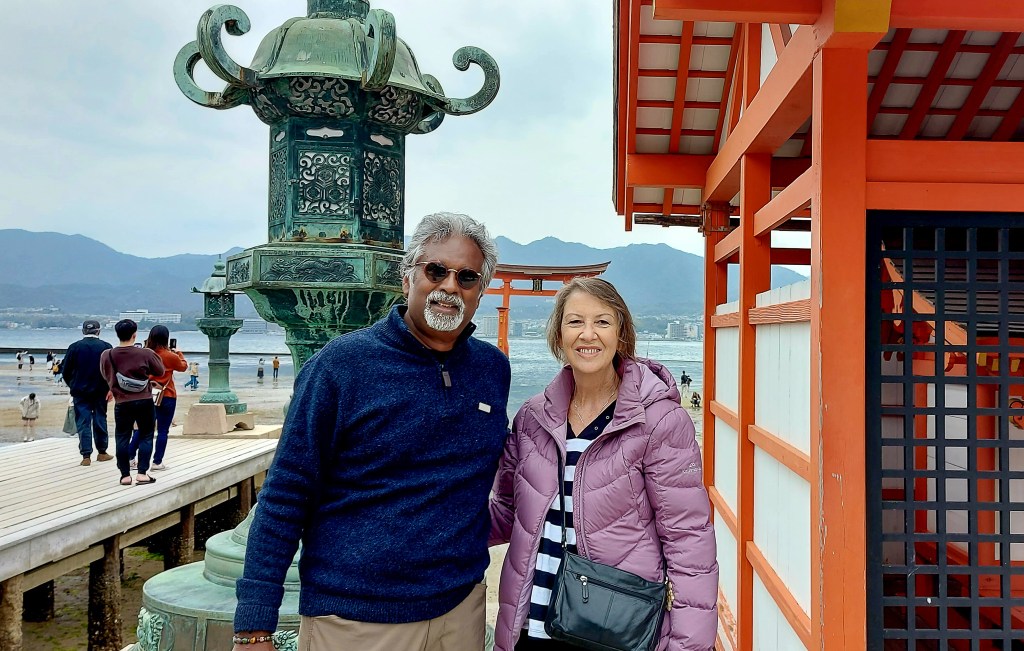
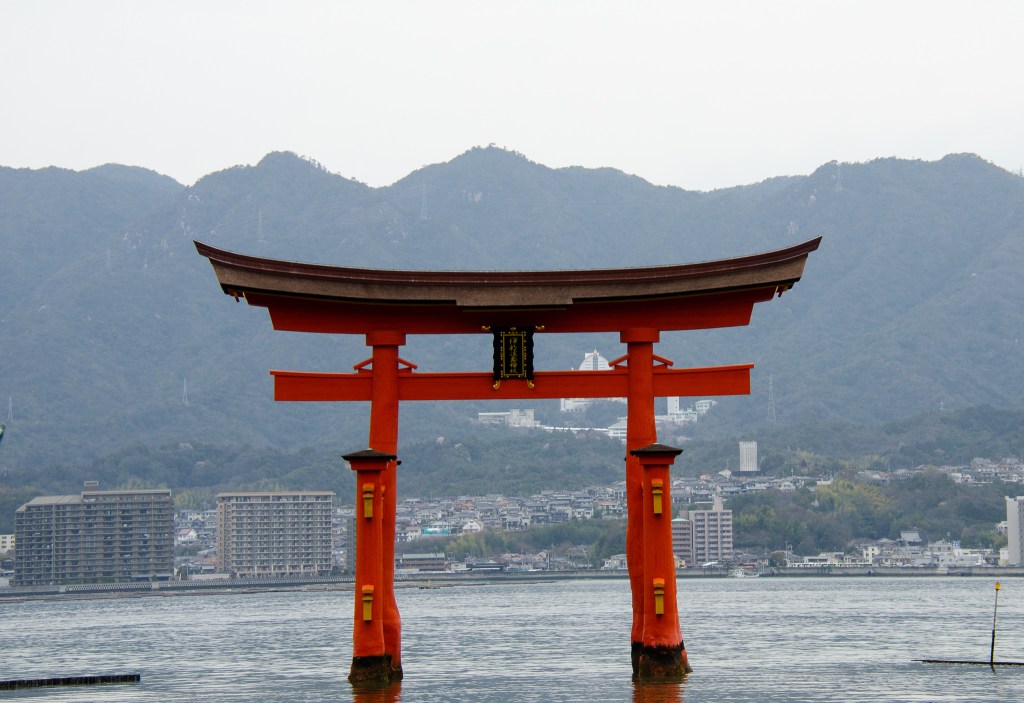
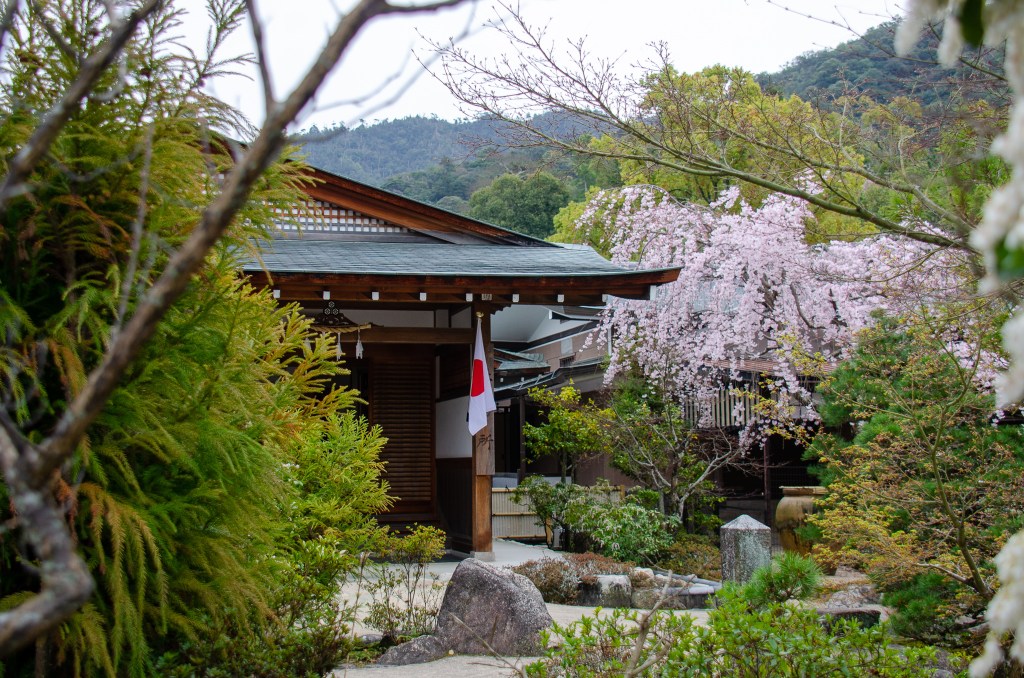
Tour Itsukushima Shrine: Touring Itsukushima Shrine, a UNESCO World Heritage site, was a real highlight. It’s famous for its iconic red torii gate, which appears to float in the sea at high tide — very impressive and great for photos. The shrine itself is dedicated to the three daughters of the Shinto sea god Susanoo, and it’s been standing in this spot in one form or another since the 6th century.
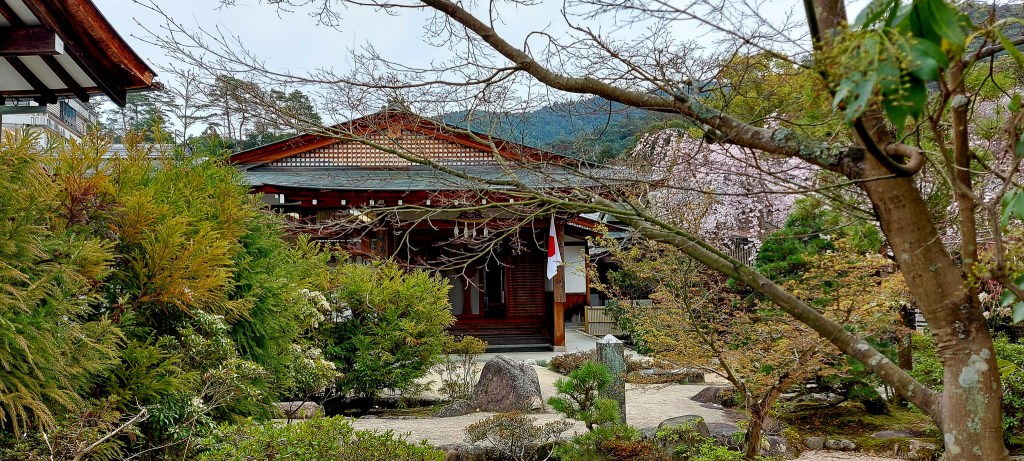
The whole place has a peaceful feel, with covered wooden walkways, views out to the water, and a lovely mountain backdrop. It’s a bit touristy with lots of shops selling souvenirs, but still very special. Even with the crowds, it didn’t feel rushed or overdone — just a calm, beautiful place with plenty of space to take it all in.
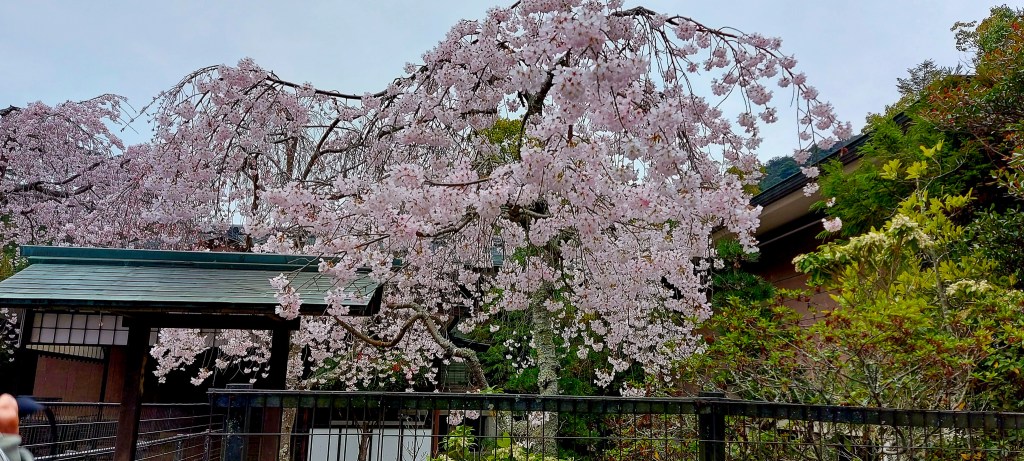
We absolutely loved wandering around Miyajima Island! It was such a joy to explore, browse through the cute shops, and admire the cherry blossoms in full bloom. The atmosphere around the shrine was simply captivating, and it felt like every corner we turned was a picture postcard view. When we first arrived, the famous red torii gate was surrounded by sand and mud flats — but before long, the tide came in and suddenly it looked like the gate was floating in the beautiful green ocean. Wow!





Himeji
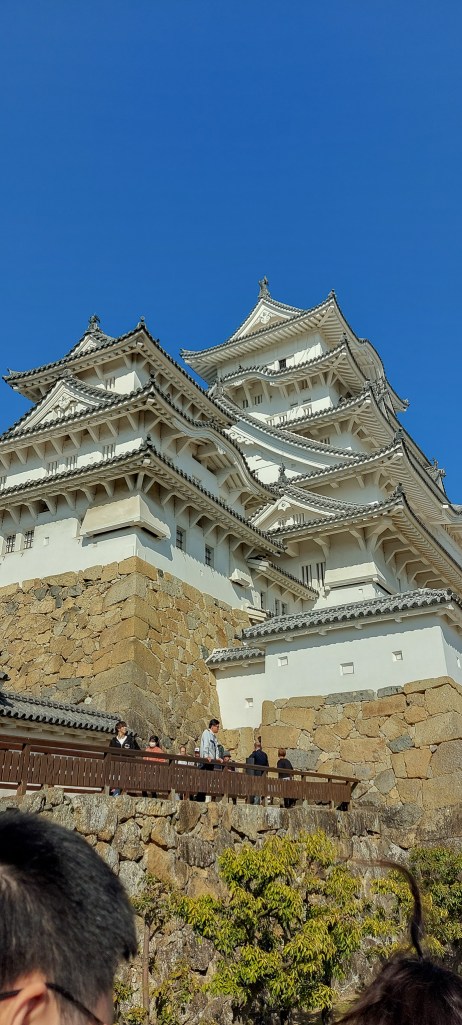
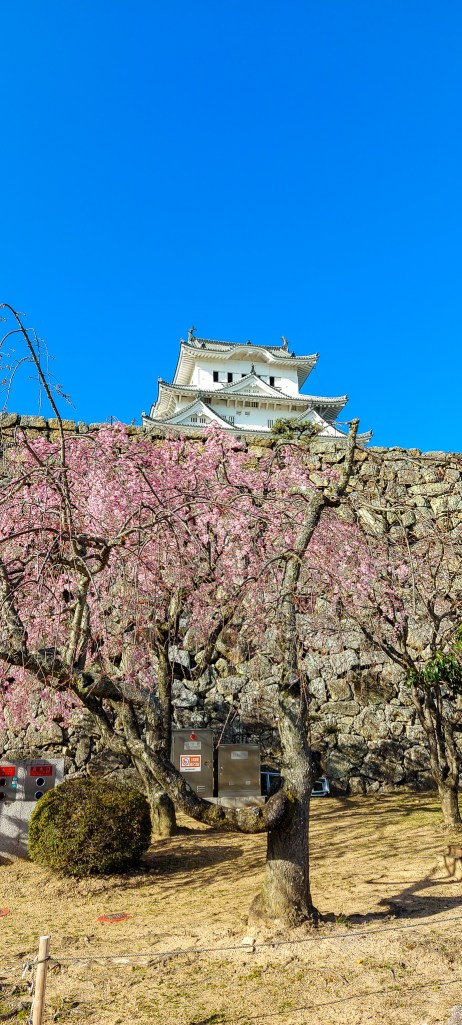
Himeji Castle: This UNESCO-listed site is one of the most visited in Japan. The popular name is ‘Shirasagi-jō’, meaning White Heron Castle. Exploring Himeji Castle feels like stepping back in time, with its striking white facade and detailed defenses reflecting the grandeur and elegance of Japan’s feudal era.
We were dropped at the gate and given 1.5 hours to explore. In hindsight, I would have hired an audio guide, but we didn’t think of it at the time and only learned more about the place afterward. Still, it’s considered one of the most elegant white castles in Japan, with beautiful grounds, an elevated and imposing position, and a stunning wooden interior.
Later in the day, we took the Shinkansen (bullet train) to Osaka. It was a scramble through the crowds to reach the train, a quick hop into our seats, and then—whoosh! An exciting experience!



Kanazawa
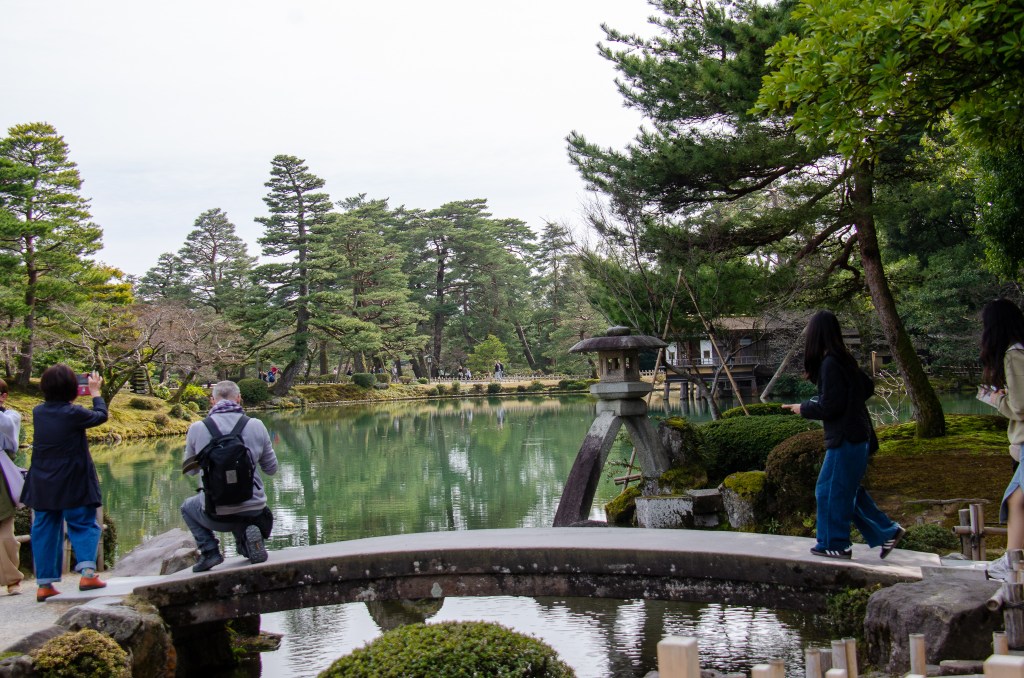
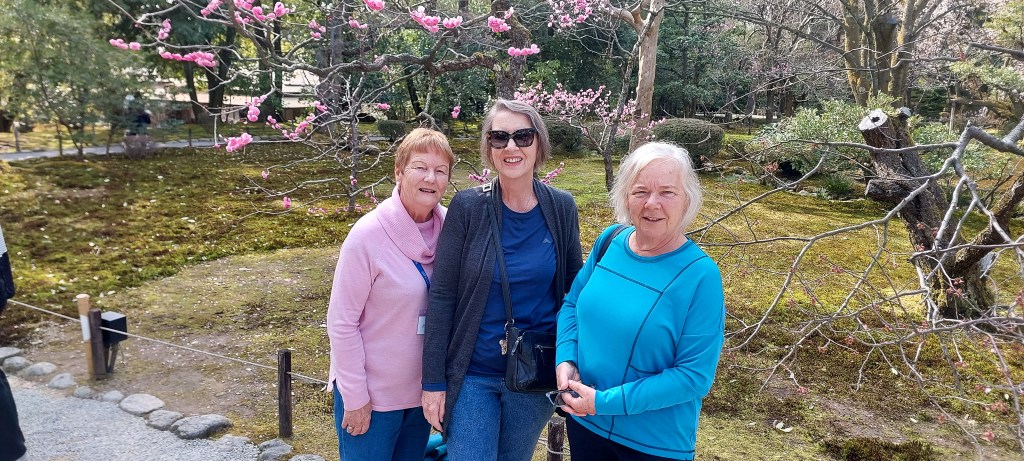
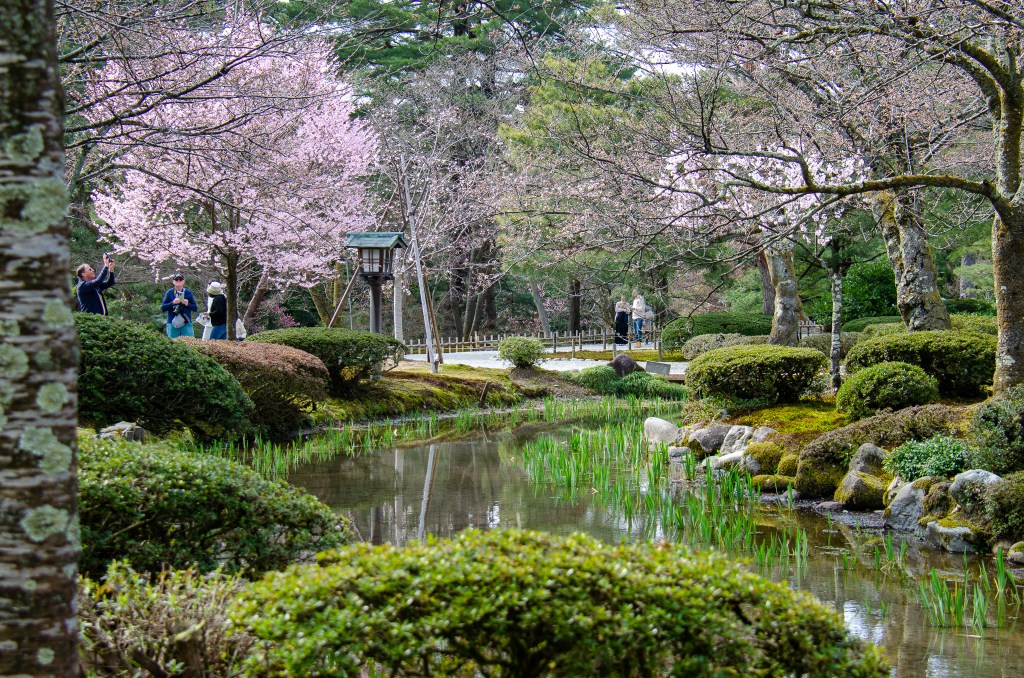
Kenrokuen Garden: Kenrokuen Garden is one of Japan’s most celebrated landscape gardens, renowned for its beauty and classic design that perfectly balances the six traditional attributes of a perfect garden: spaciousness, seclusion, artifice, antiquity, water features, and panoramic views.
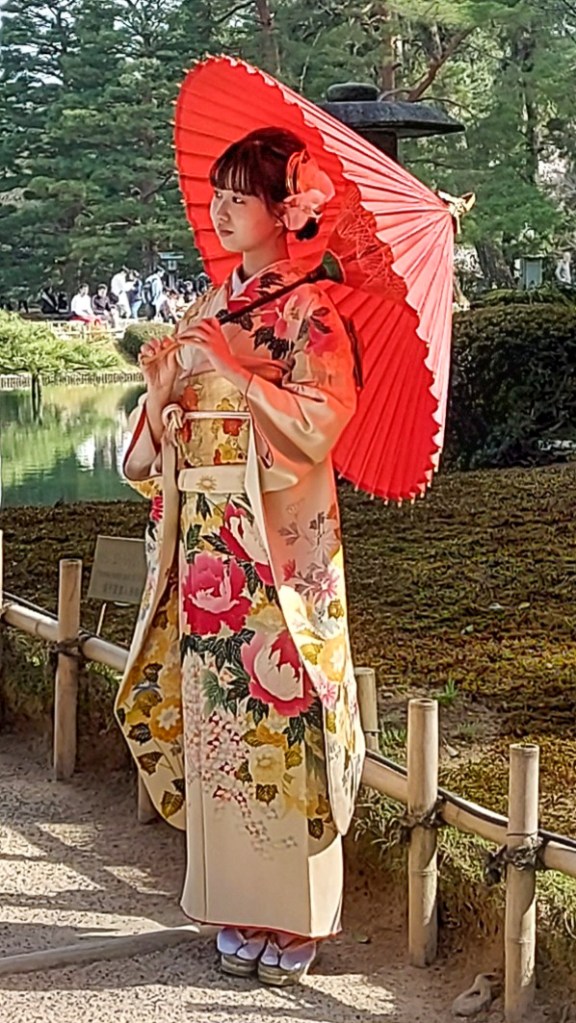
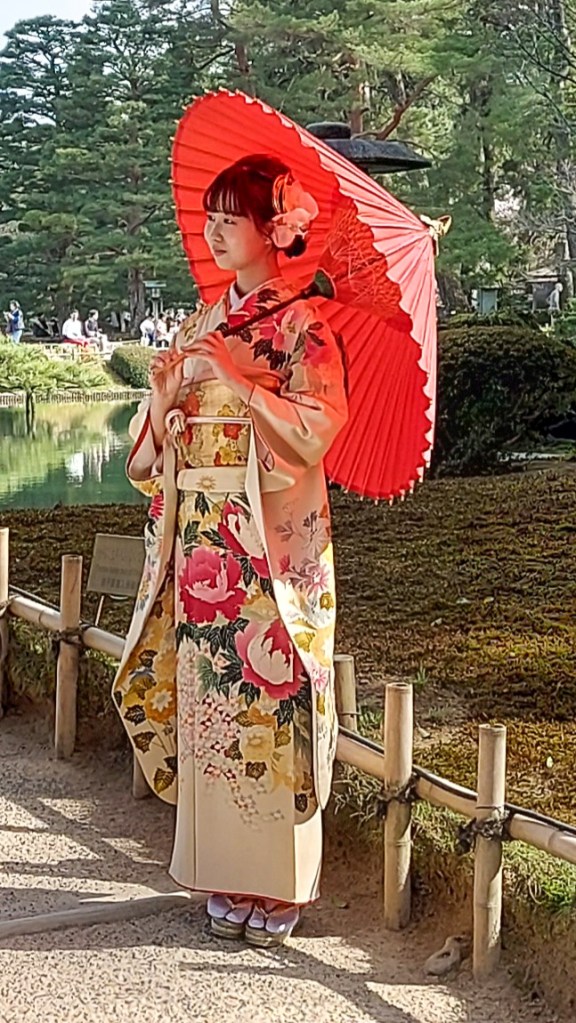
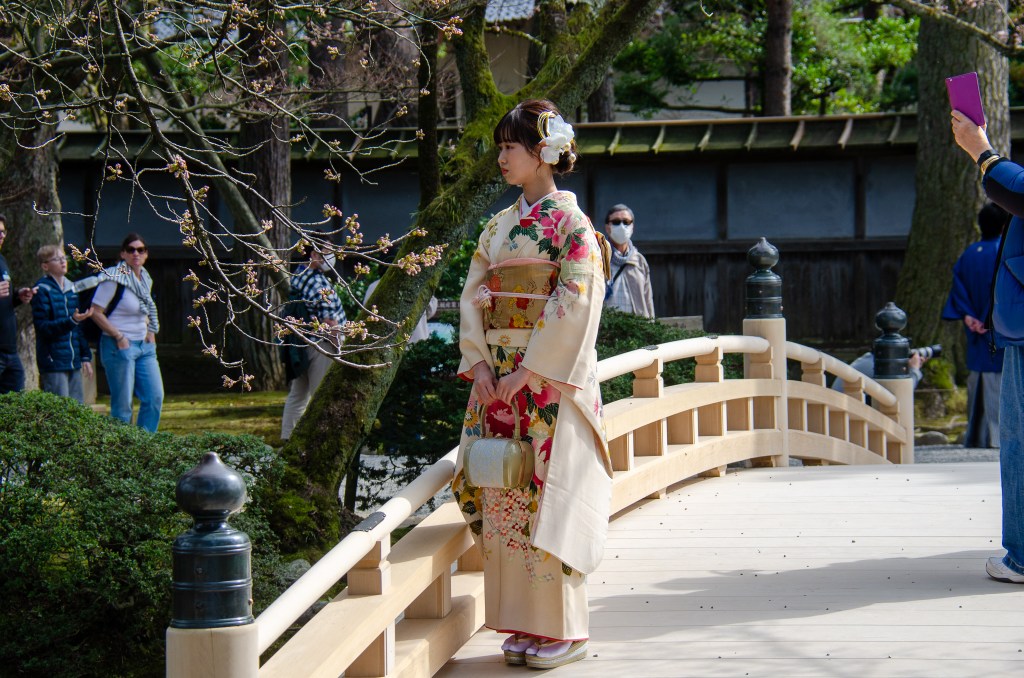
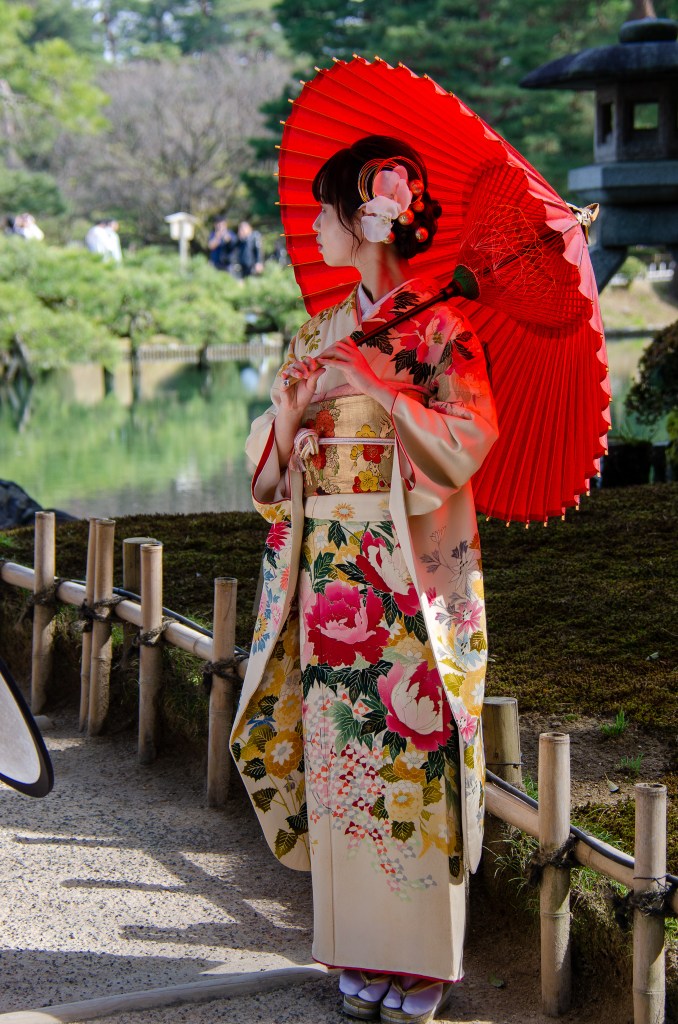
It was a peaceful place to wander — very pretty and well looked after, with lovely seasonal flowers and scenic views. While we were there, we were lucky enough to catch not just one, but two photo shoots featuring models dressed in elegant traditional kimonos. One model carried a striking red parasol and looked absolutely stunning. This charming scene was a lovely bonus and kept us captivated so much that we almost forgot about the gardens and had to prod ourselves to get on with the walk. It was quick but we made it!




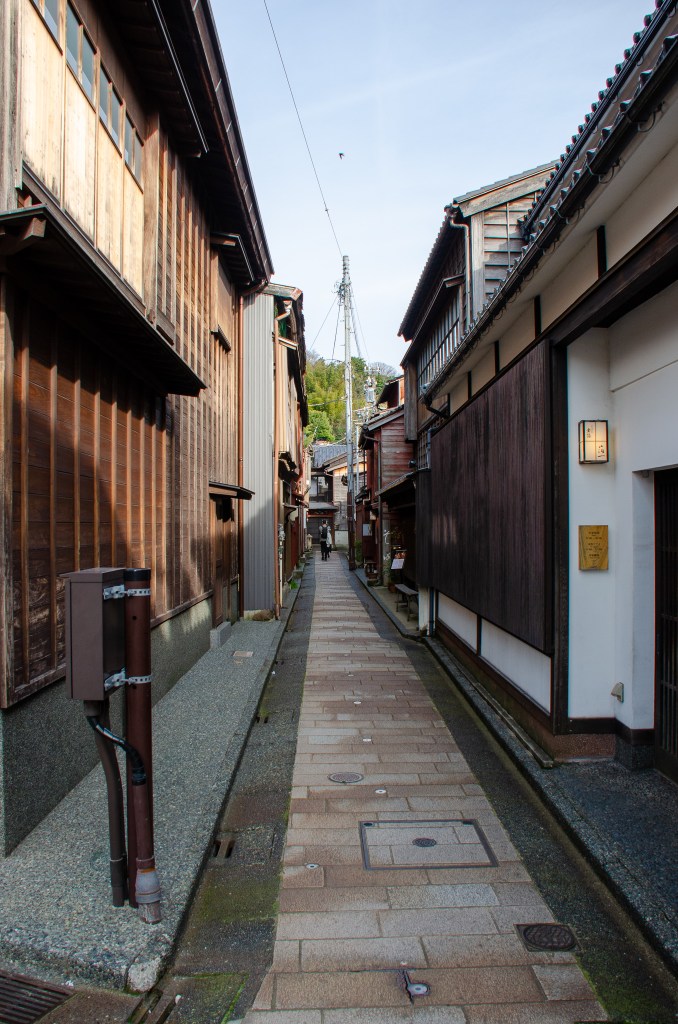
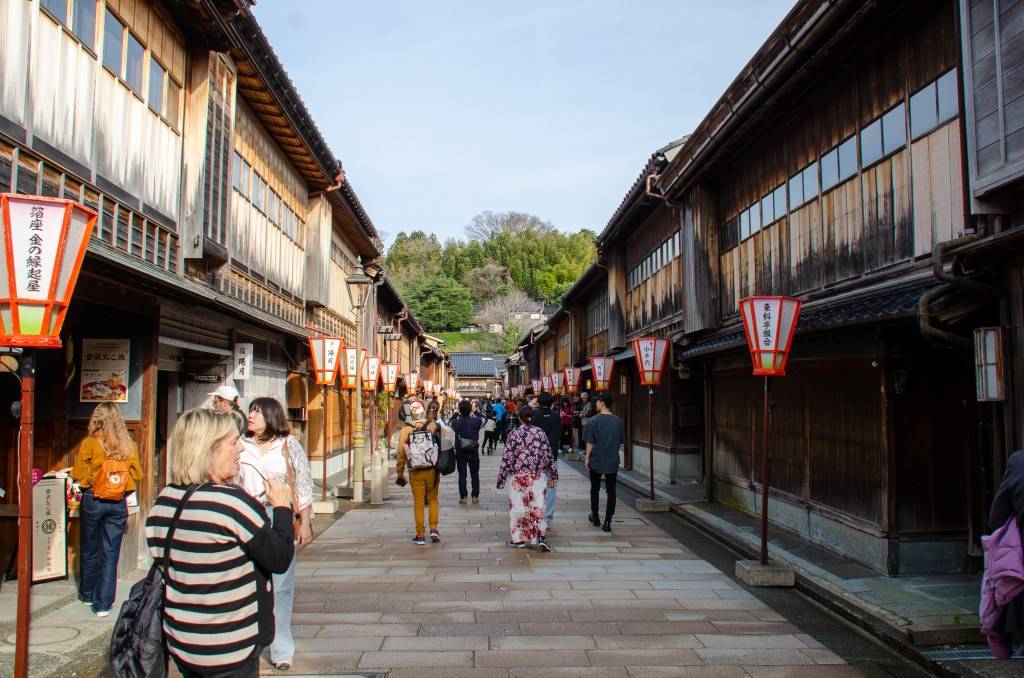
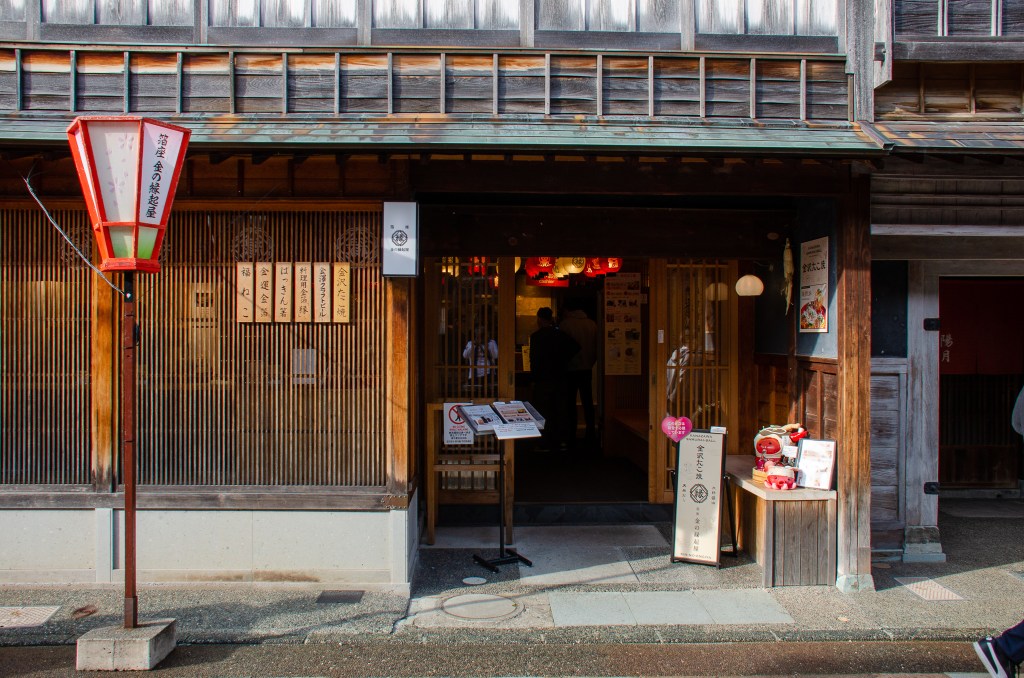
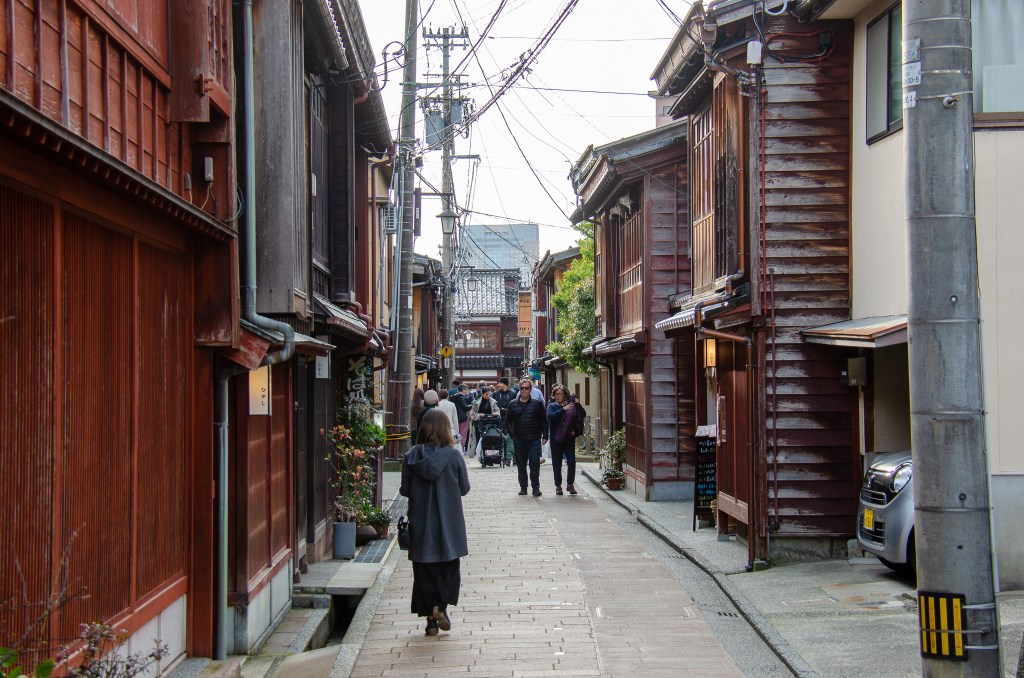
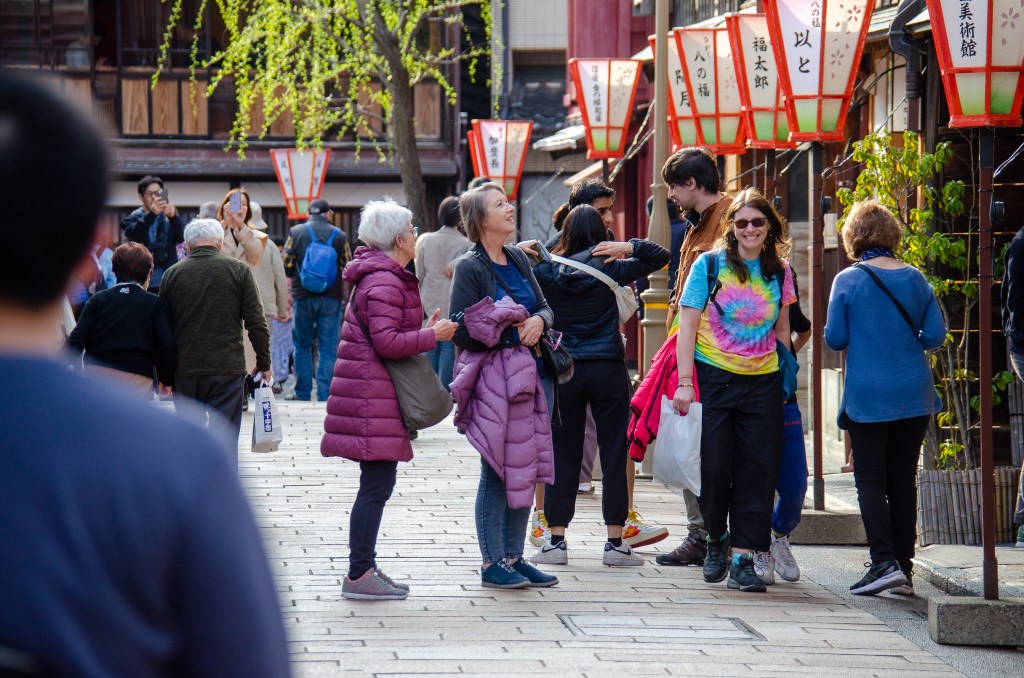
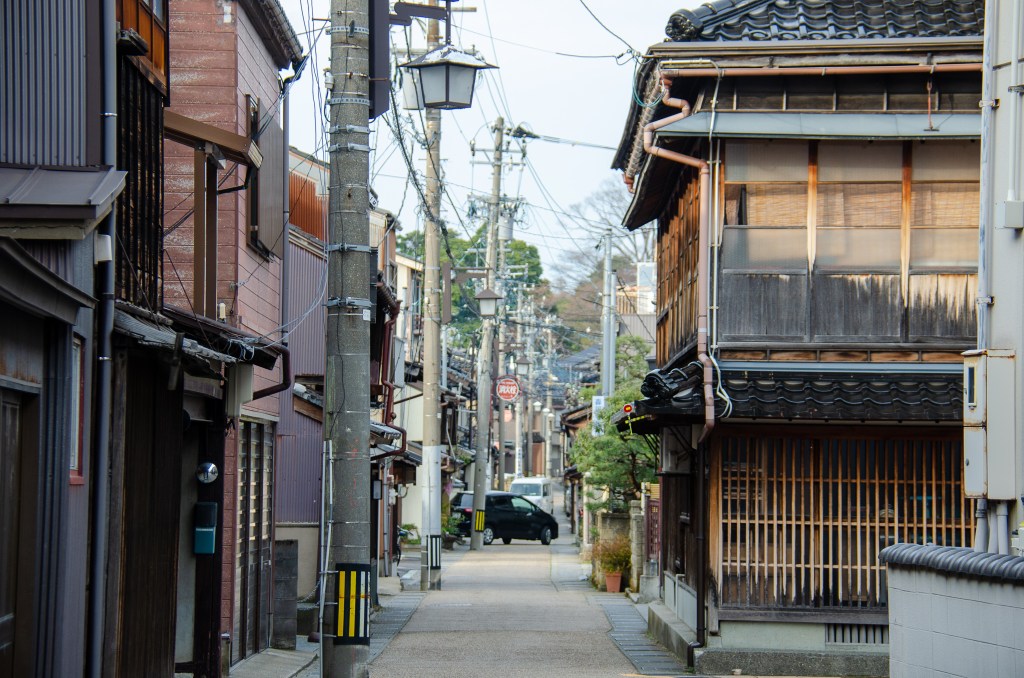
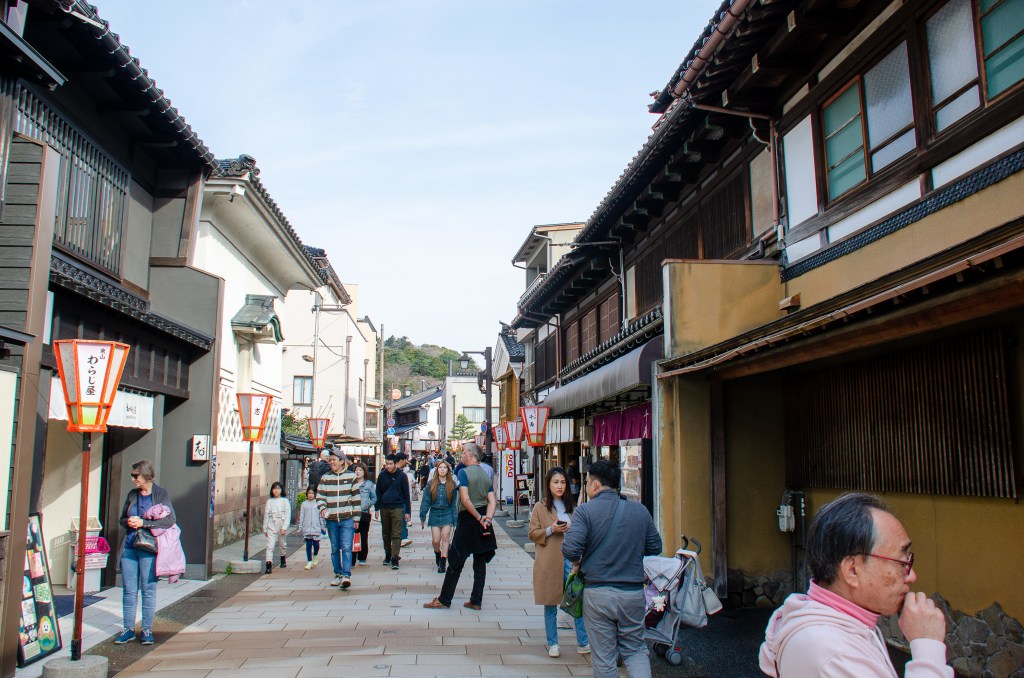
Walk through Nagamachi Samurai District and Higashi Chaya District: The Nagamachi Samurai District and Higashi Chaya District are two of Kanazawa’s most treasured historic areas, offering a rare glimpse into Japan’s past.
Nagamachi was once home to samurai families and still preserves the atmosphere of the Edo period with its old wooden houses, narrow lanes, and earthen walls—reflecting the lifestyle and social structure of feudal Japan.
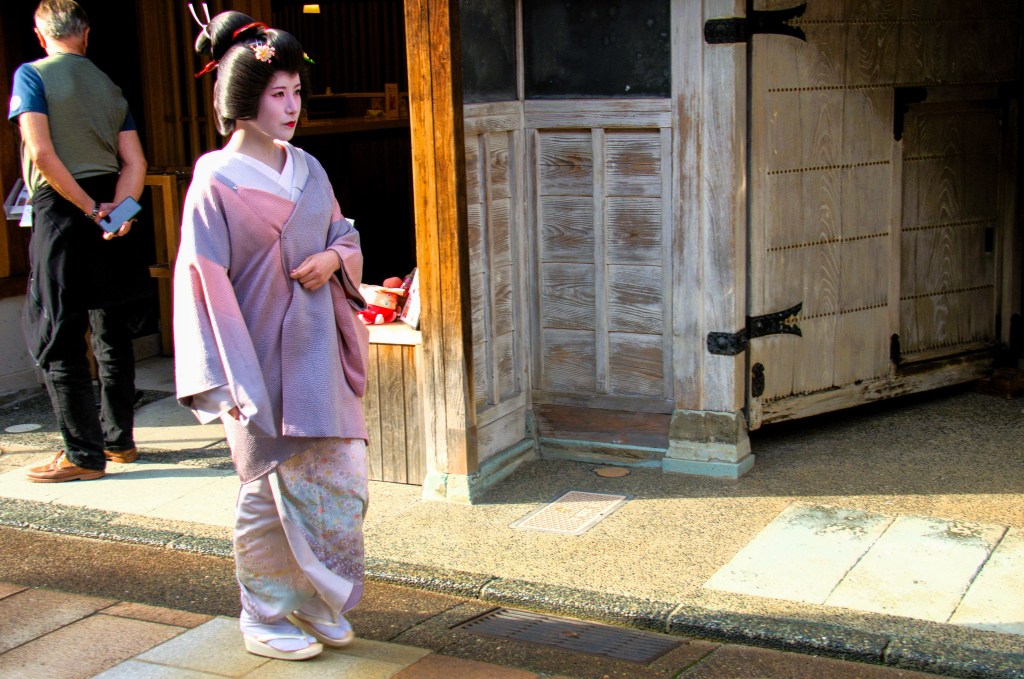
Meanwhile, Higashi Chaya is famous for its traditional tea houses, where geisha once entertained guests, preserving a refined cultural heritage. Walking through these districts feels like stepping back in time, surrounded by authentic architecture and history.
We were lucky enough to spot a geisha walking along the street, and Basker even managed to capture a rare photo of her—such a special moment that added extra magic to our visit.
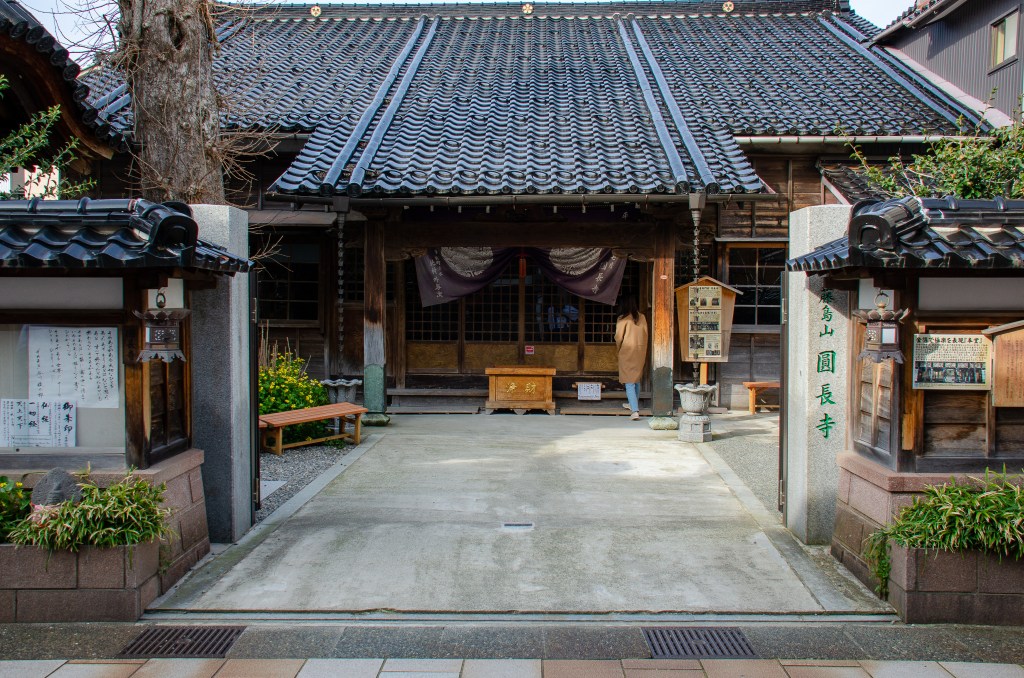
As you’ll see in the photos, I was pretty focused on exploring the shops and soaking it all in—a quiet, charming part of Japan that beautifully captures its rich traditions. Lots to see.







Matsumoto
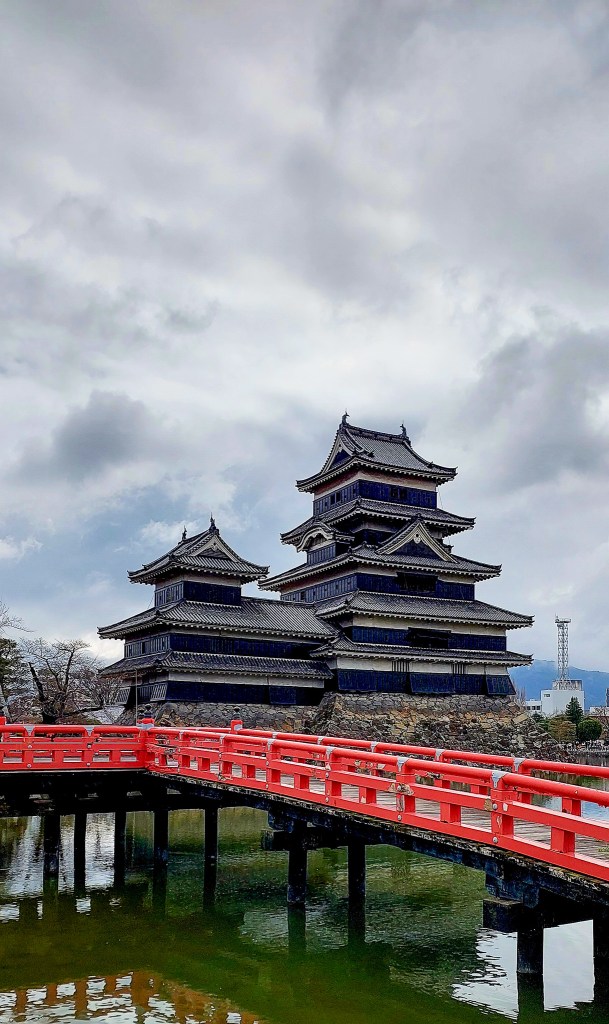
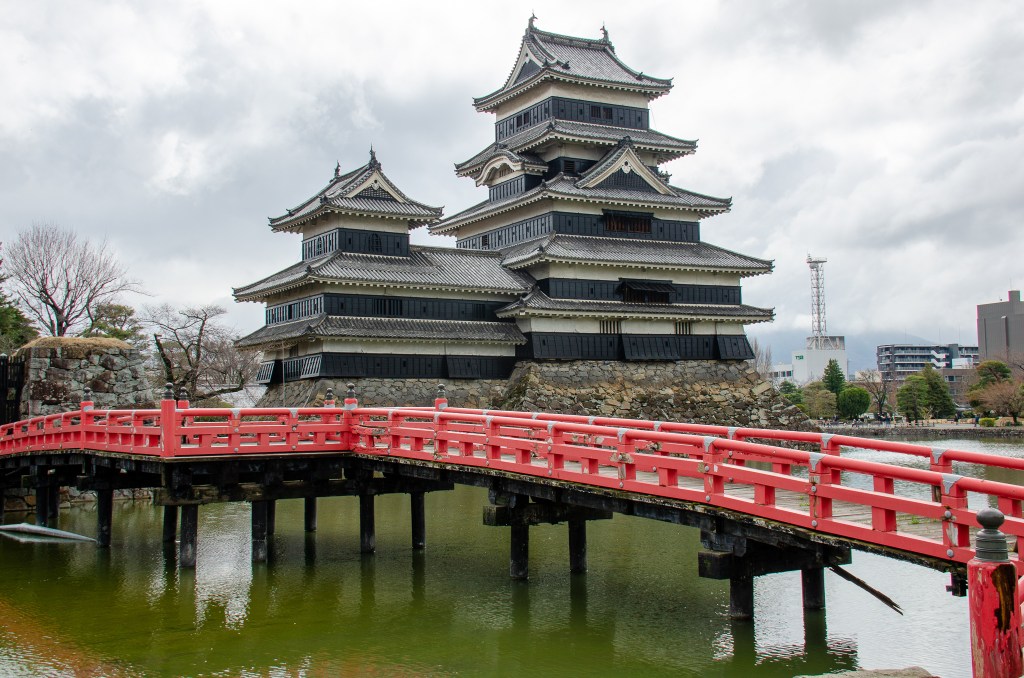
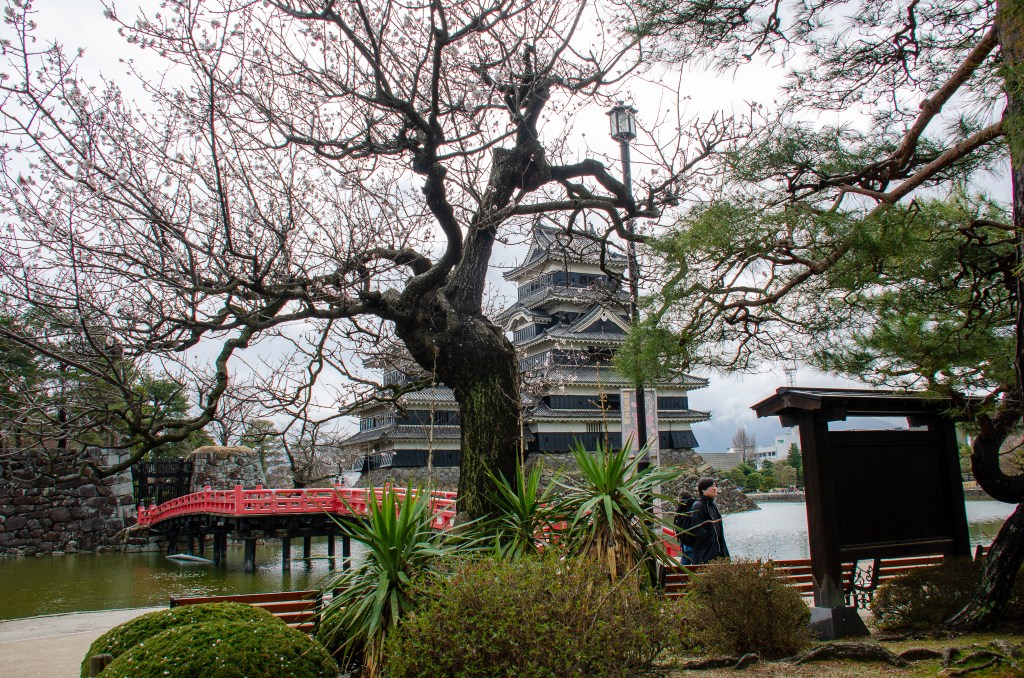
Matsumoto Castle: We visited Matsumoto Castle, one of Japan’s oldest and most well-preserved castles, known as the “Crow Castle” because of its striking black exterior. Set against the backdrop of the Japanese Alps, it really feels like stepping back in time. The castle played an important role during Japan’s feudal era as a stronghold and is a great example of traditional Japanese architecture and defensive design.
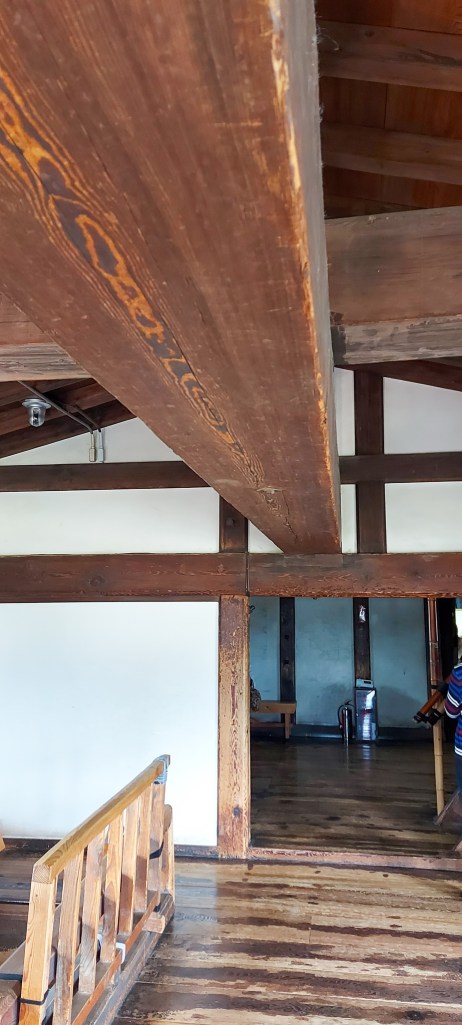
I went inside to explore, but the narrow, steep wooden stairs weren’t for everyone—Basker wisely stayed downstairs! If you’re up for the climb, the view from the top is lovely, overlooking the castle gardens and the surrounding town. Just be prepared for a good workout on those steep steps!


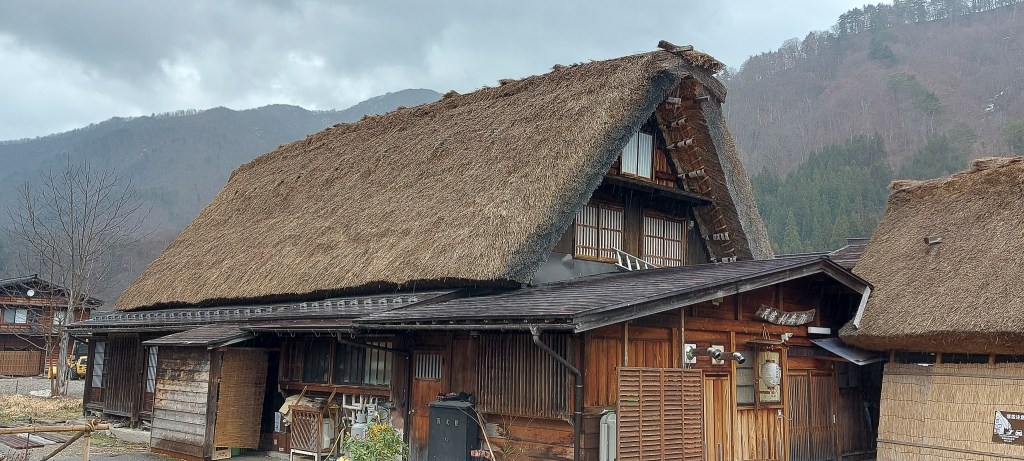
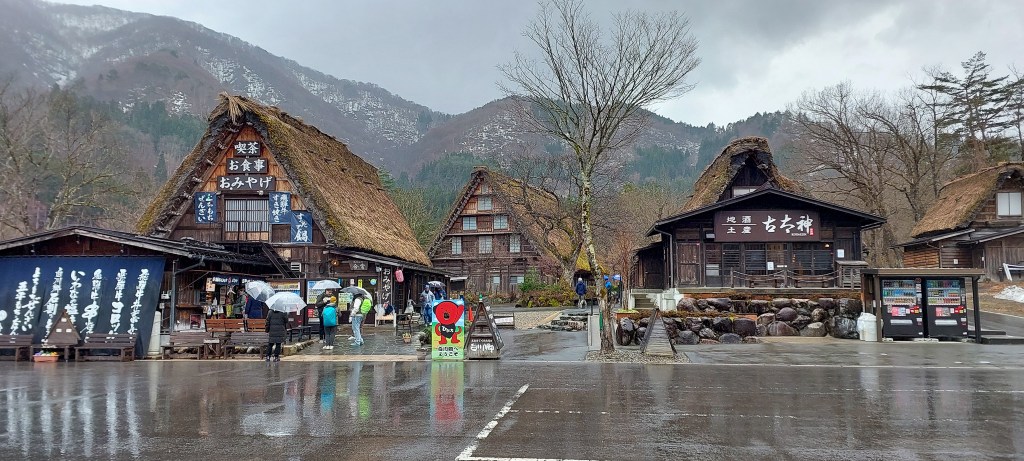
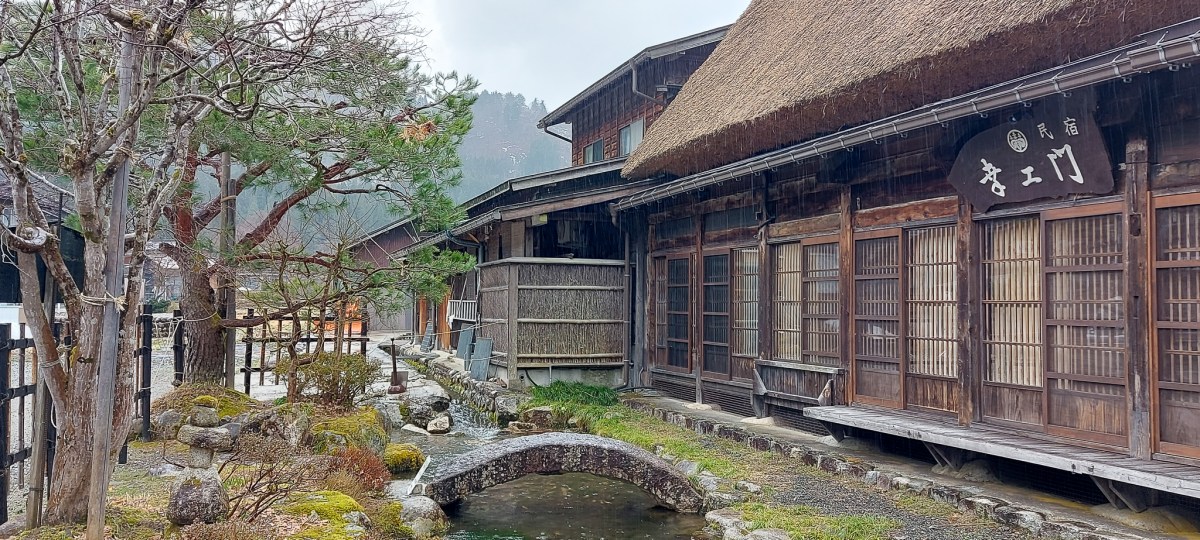
Shirakawa-go: We visited Shirakawa-go, a UNESCO World Heritage Site in the Japanese Alps. It’s well known for its traditional gassho-zukuri houses with steep, thatched roofs designed to handle heavy snow. The place really feels like stepping back in time.
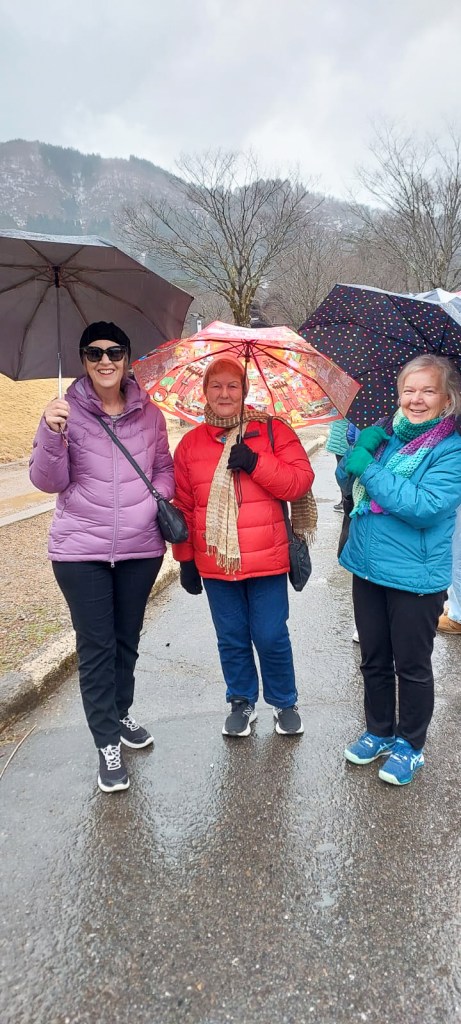
The weather was cold and rainy, and it got chillier the higher we went. Even so, we enjoyed wandering through the little town, admiring the cute houses and the peaceful river nearby. The scenery was lovely, even with the rain. A cute mountain town where time seems to stand still.






Kawaguchi Ko
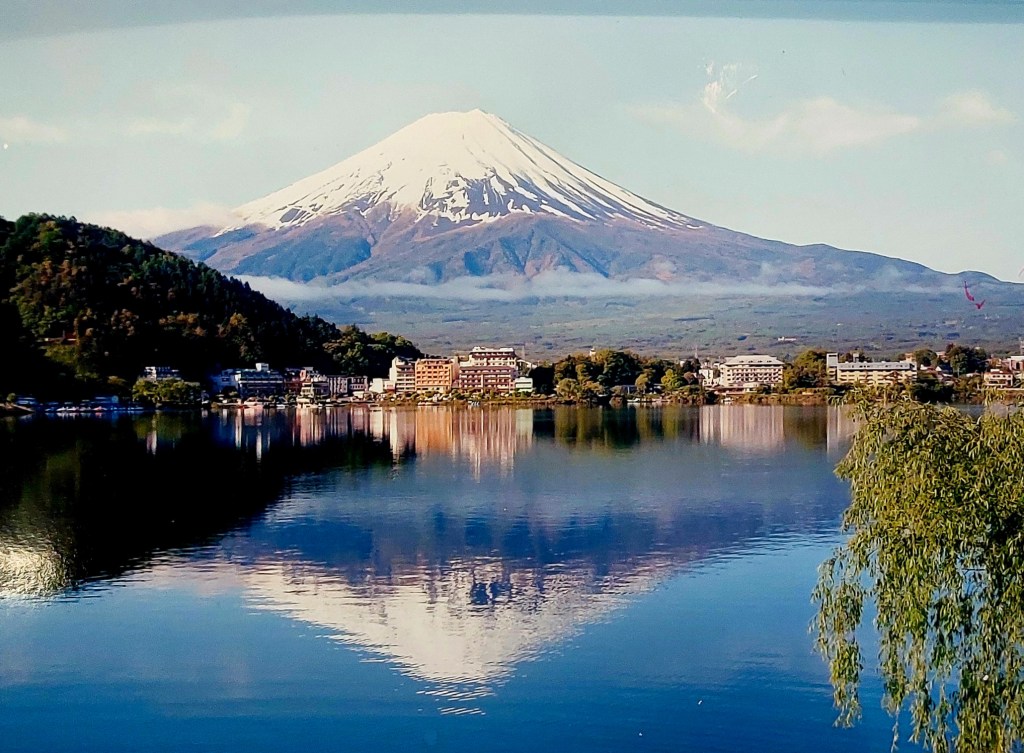
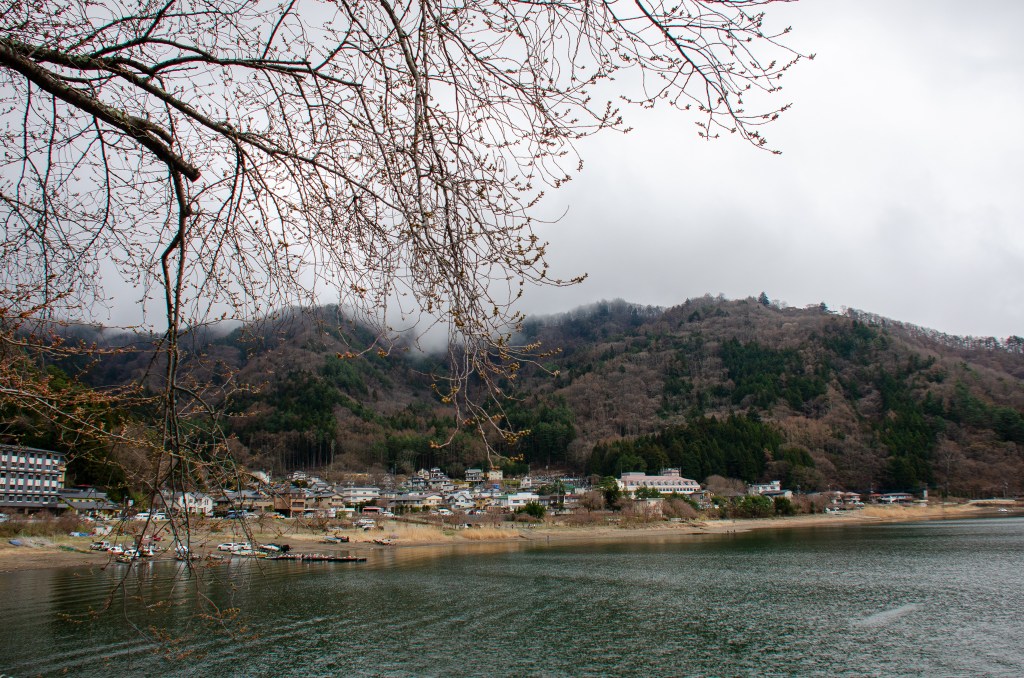
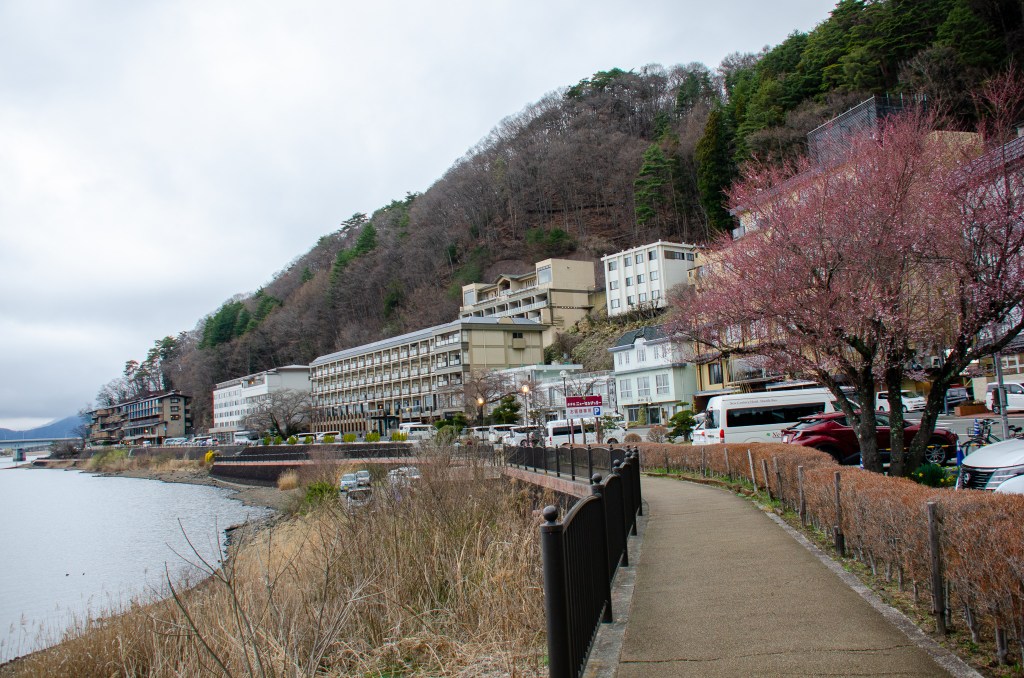
Sightseeing Cruise on Lake Kawaguchi: We had a sightseeing cruise on Lake Kawaguchi, which was supposed to offer stunning views of Mount Fuji, a UNESCO World Heritage Site, along with the surrounding mountains and peaceful waters—making it a perfect way to take in the natural beauty of the region.
Unfortunately, we didn’t see a sign of Mount Fuji because of the thick cloud cover. Such a shame we missed it—what a bummer!
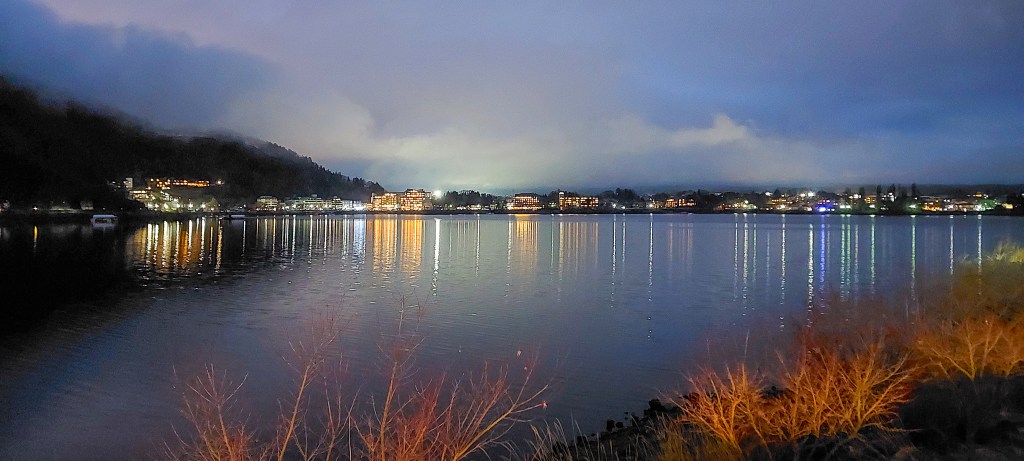
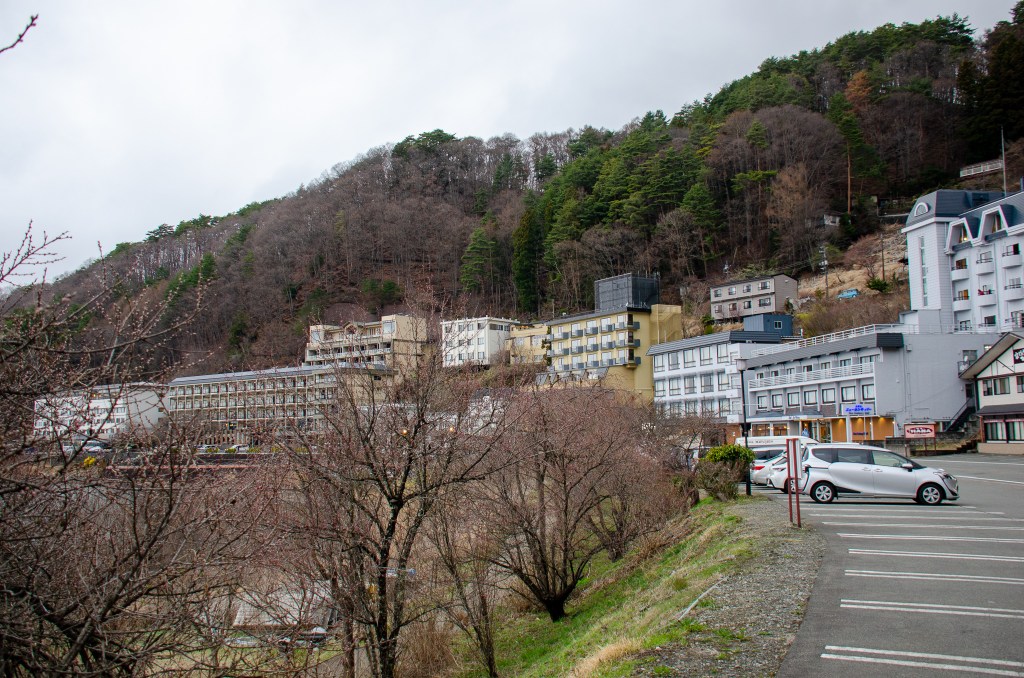
However, the town was pretty especially in the evening and the hotel was wonderful with great views to the water.





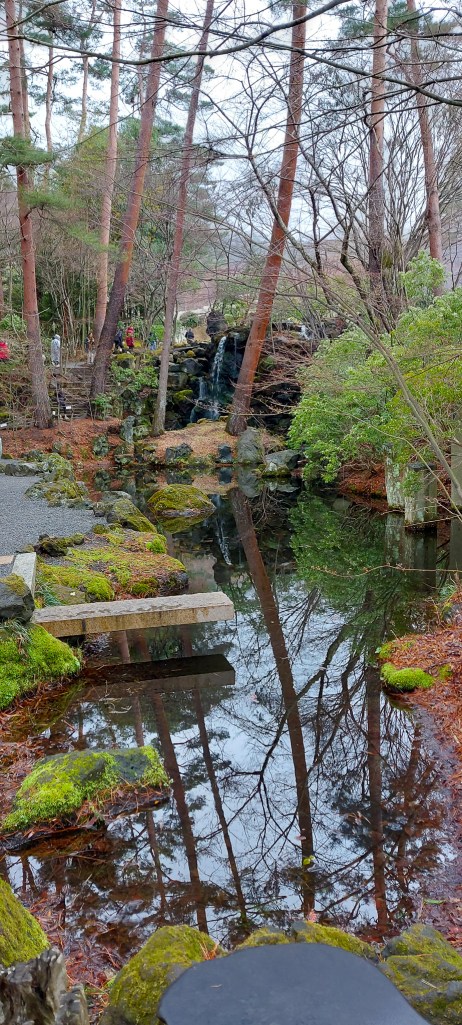
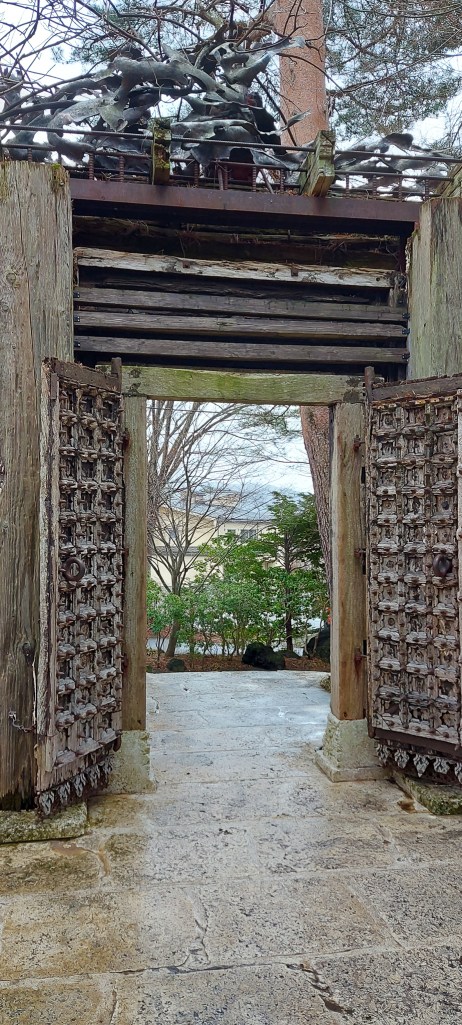
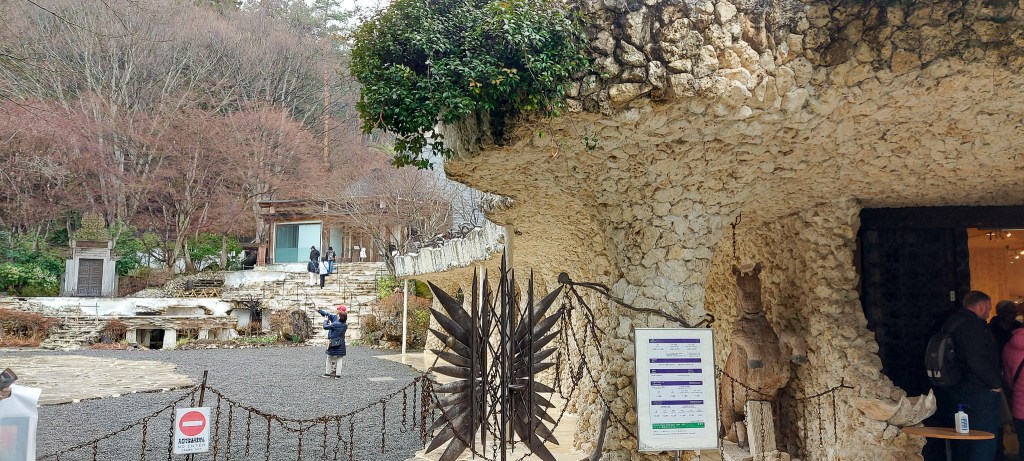
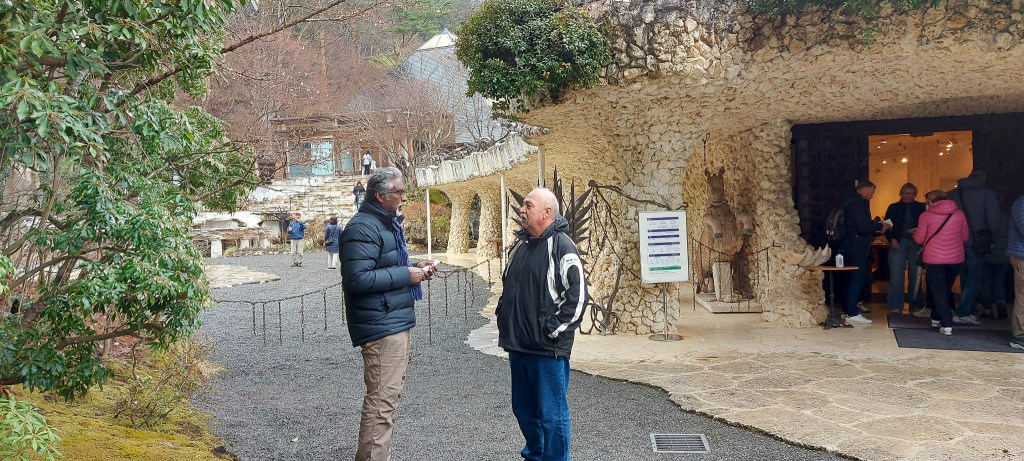
Itchiku Kubota Art Museum: We visited the Itchiku Kubota Art Museum, which was a real treat. It’s special because it showcases the incredible craftsmanship behind traditional Japanese kimonos, especially the artist’s own spectacular textile creations. The museum celebrates the art of kimono-making keeping alive an important part of Japan’s cultural heritage in a beautiful and inspiring way. Set in lovely gardens.



Tokyo

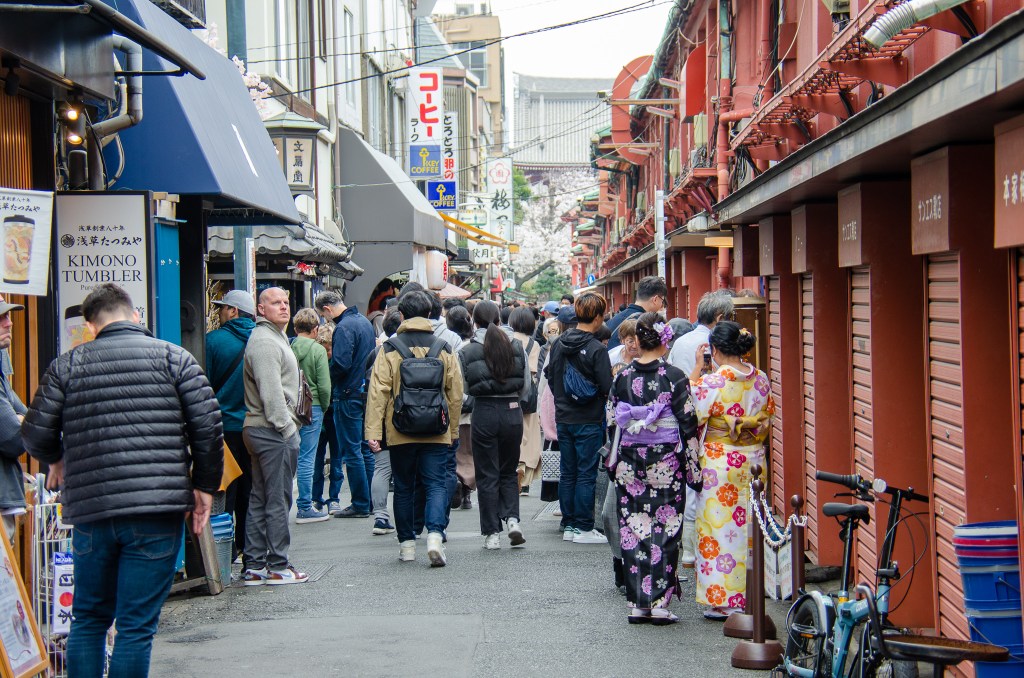
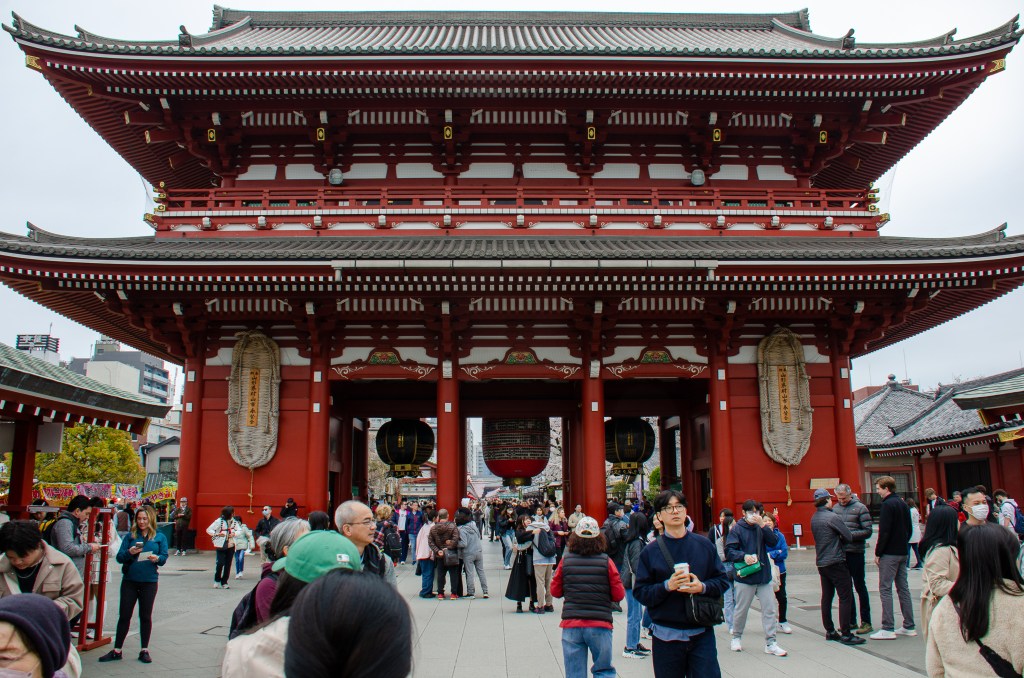
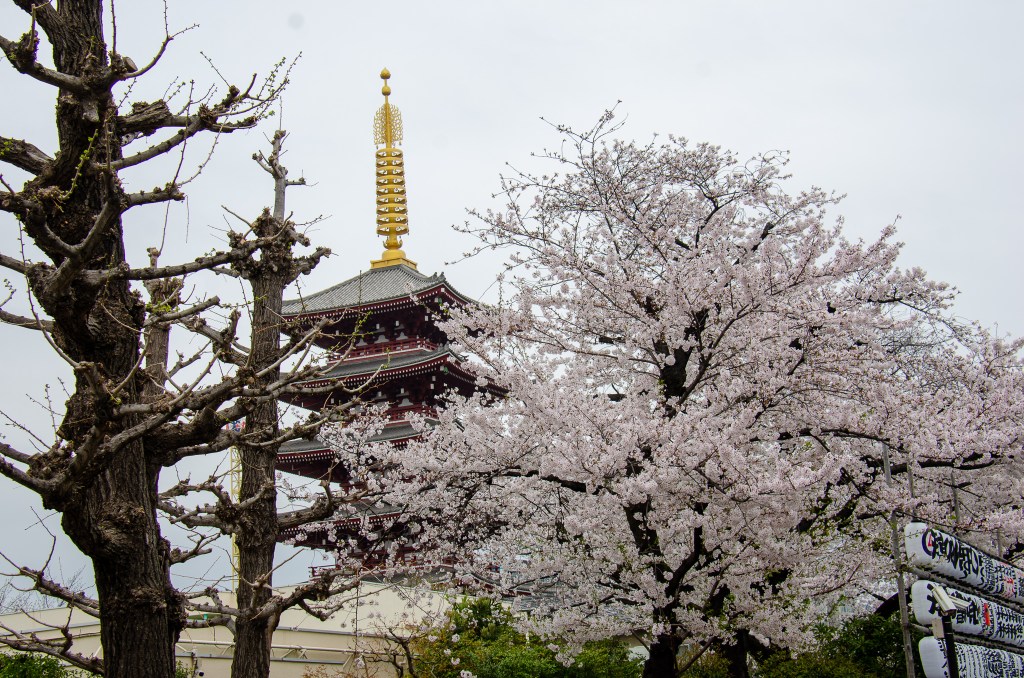
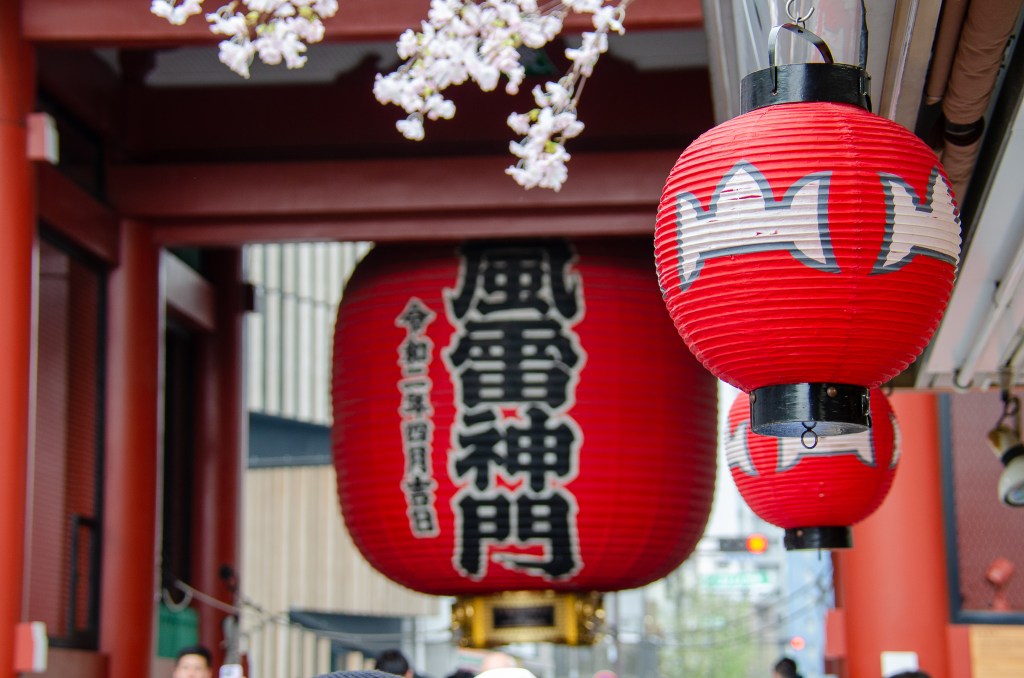
Asakusa – Sensō-ji Temple and Nakamise Street: We loved Asakusa and spent time exploring Sensō-ji Temple and wandering down Nakamise Street. It was busy and full of life — lots to look at, smell, and taste. I tried a few traditional snacks and, I’ll be honest, ended up buying quite a few souvenirs along the way. Hard to resist!
This was also where I came across Kokeshi Dolls for the first time🎎 — lovely little wooden dolls, all hand-painted with different designs. I bought a few (some for me, some for my daughter). They’re simple but really charming, and no two are exactly the same. A nice little find.

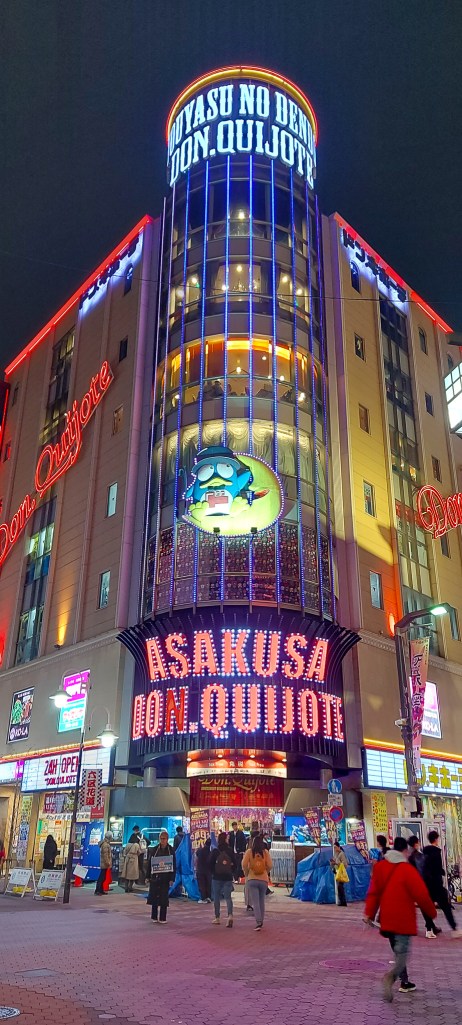
We enjoyed it so much, we went back to Asakusa again in the evening. Sensō-ji Temple was all lit up and looked completely different at night. It was much quieter, and the whole area had a peaceful feel to it. We strolled around without the daytime crowds and just soaked it all in. A lovely way to end the day.







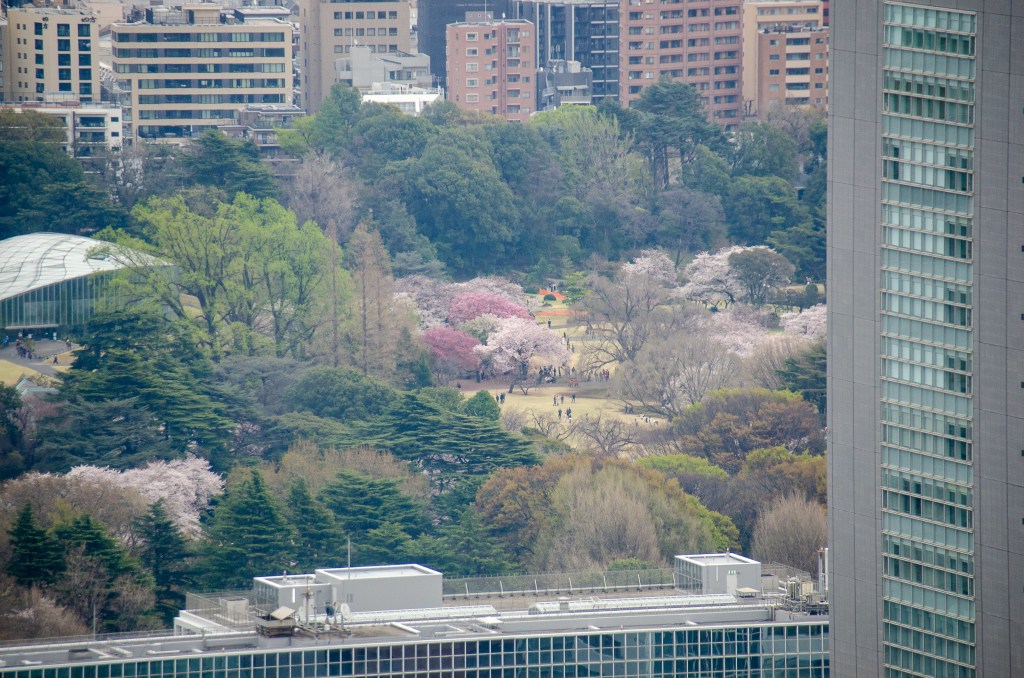
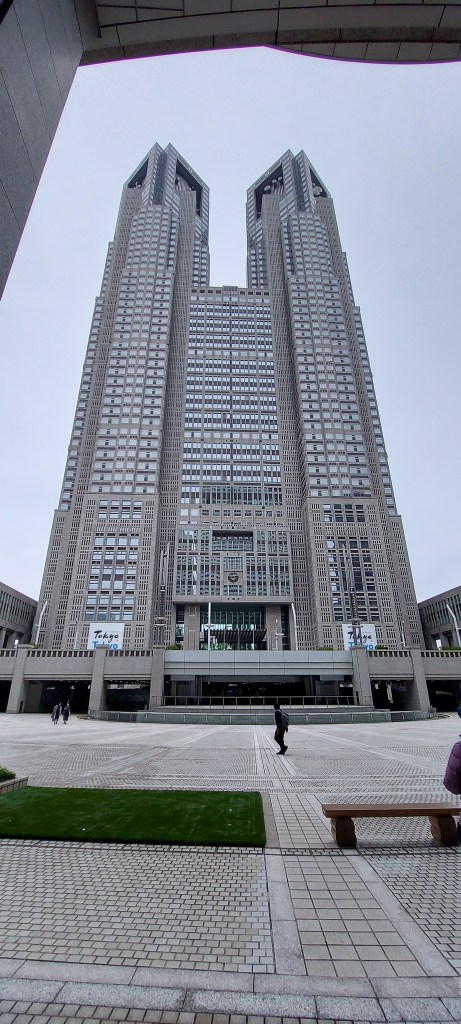
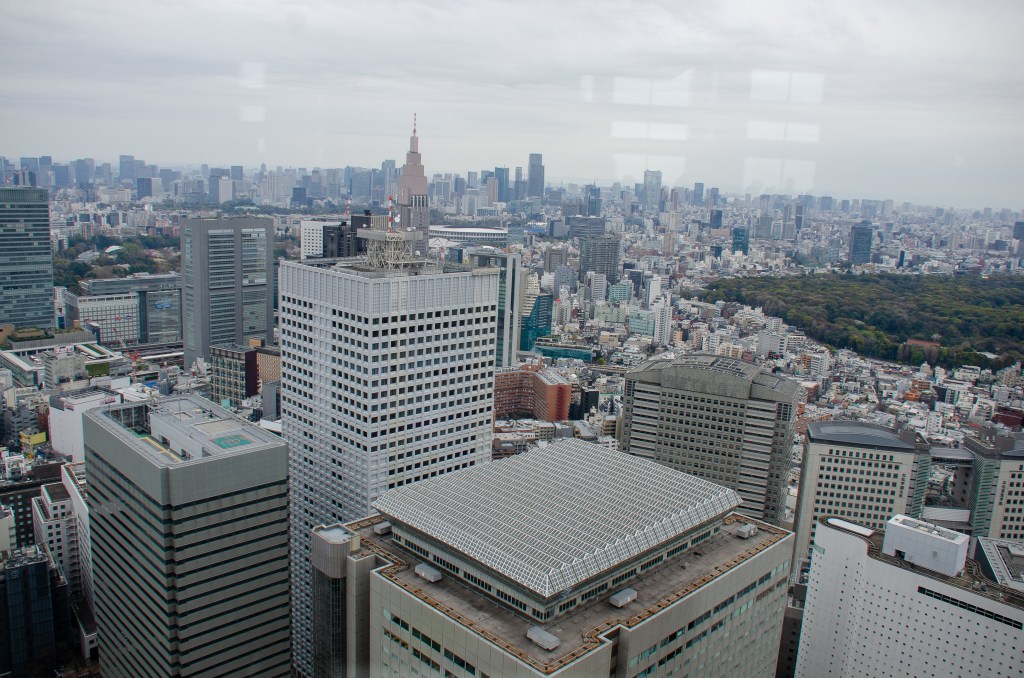
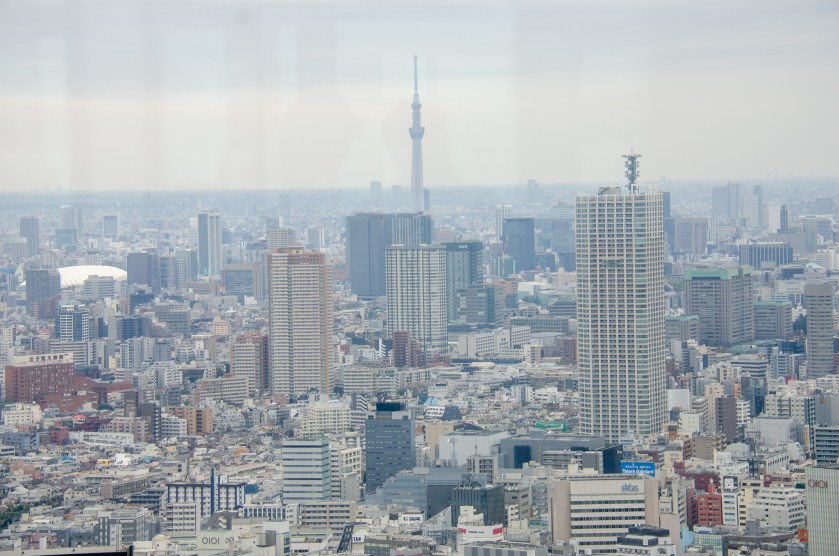
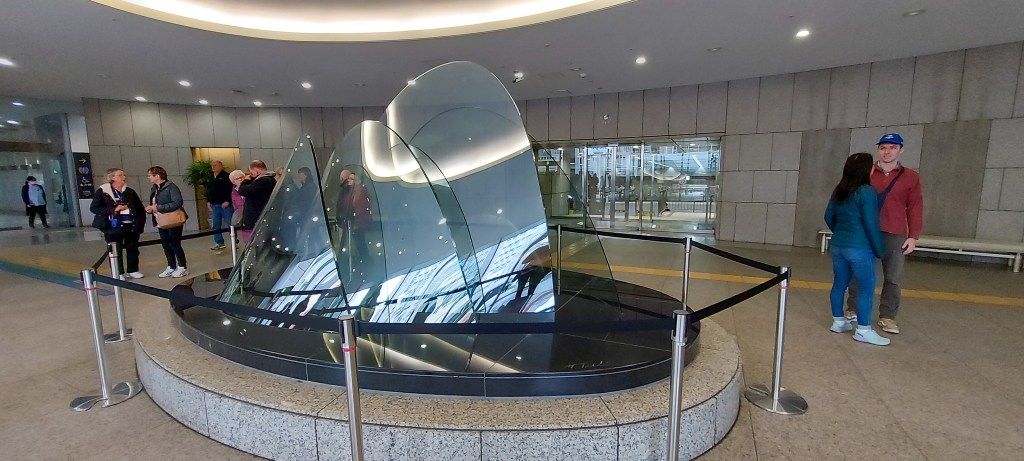
Metropolitan Building, Tochō: We popped into the Tokyo Metropolitan Government Building in Shinjuku in the afternoon to check out the free observation decks. They’re on the 45th floor of both towers and easy to access. It’s a nice spot to take a break and get a look over the city.
They say you can see Mount Fuji on a clear day, but we didn’t catch a glimpse — still, it was interesting to see how far the city stretches out. Not too crowded when we went, and it didn’t take long. Worth a quick visit if you’re in the area and want to do something free.

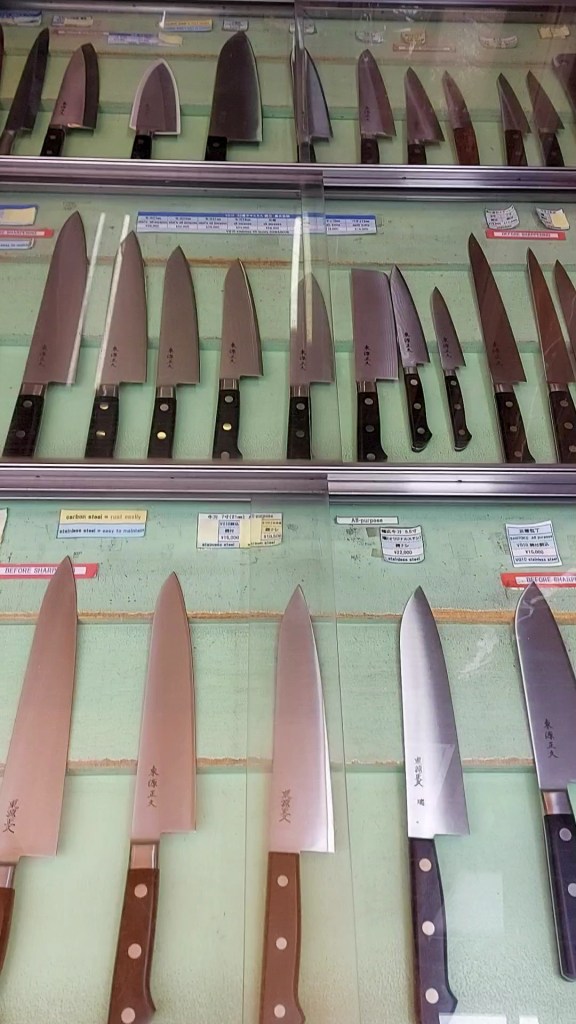
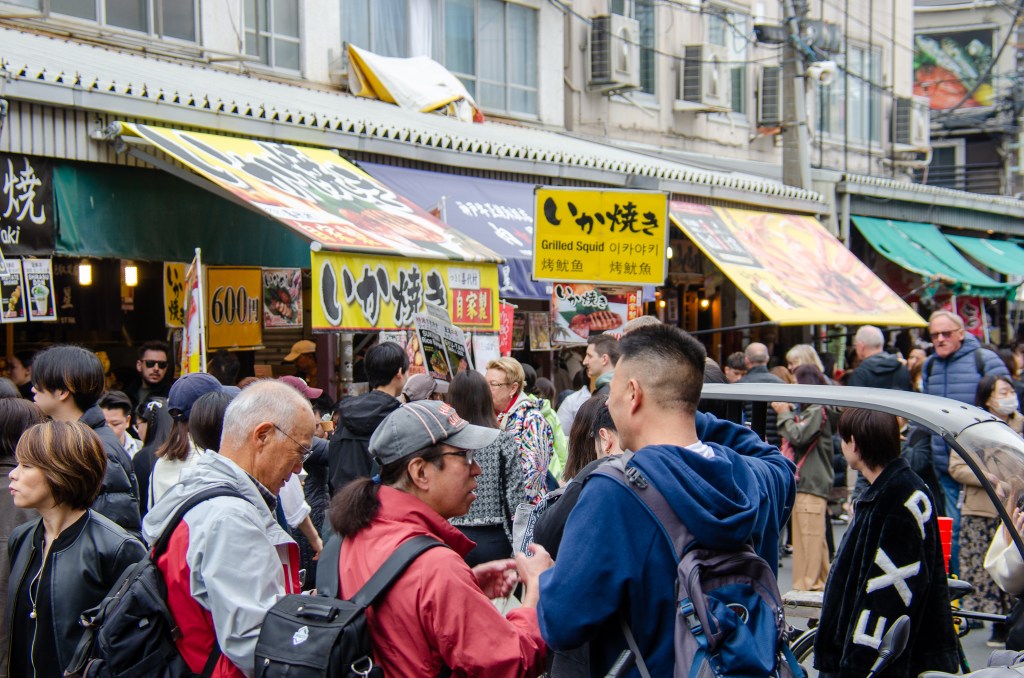
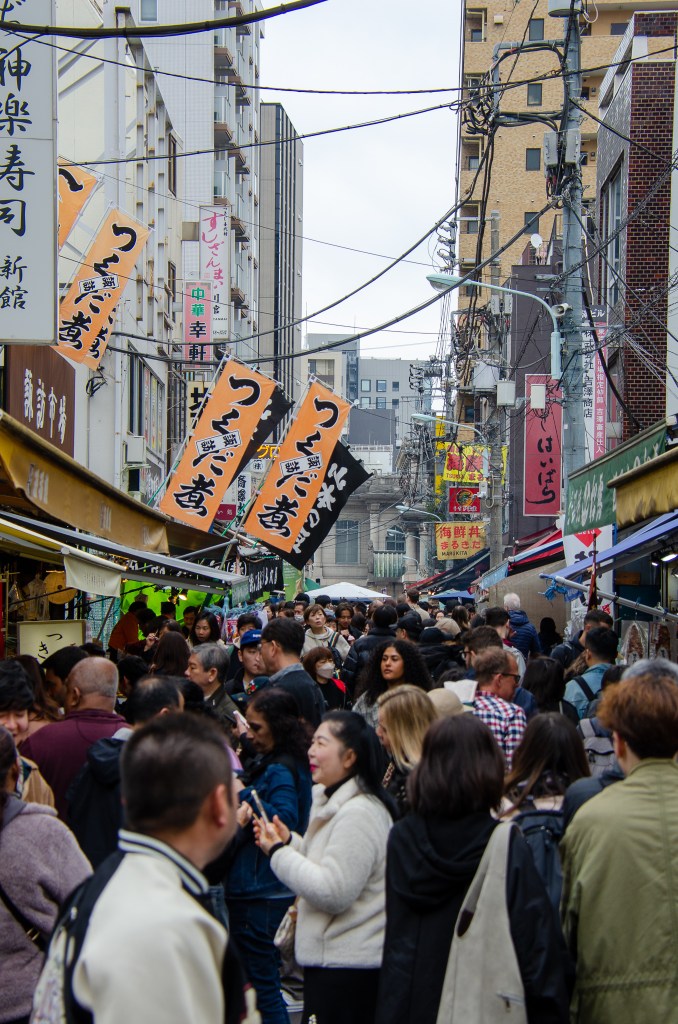
Tsukiji Outer Market: We had a good wander around the Tsukiji Outer Market — lots of fresh seafood, fruit and veg, and all sorts of street food. It’s a busy spot but fun to look around.
Basker got completely sidetracked by the handmade Japanese knives. He found a lovely little shop called Arigatsu, a family-run business that’s been making knives for over 90 years for the local fishmongers. He ended up buying a Nakiri carbon steel knife for vegetables and spent quite a while choosing the right one. He even had his name engraved on it!!
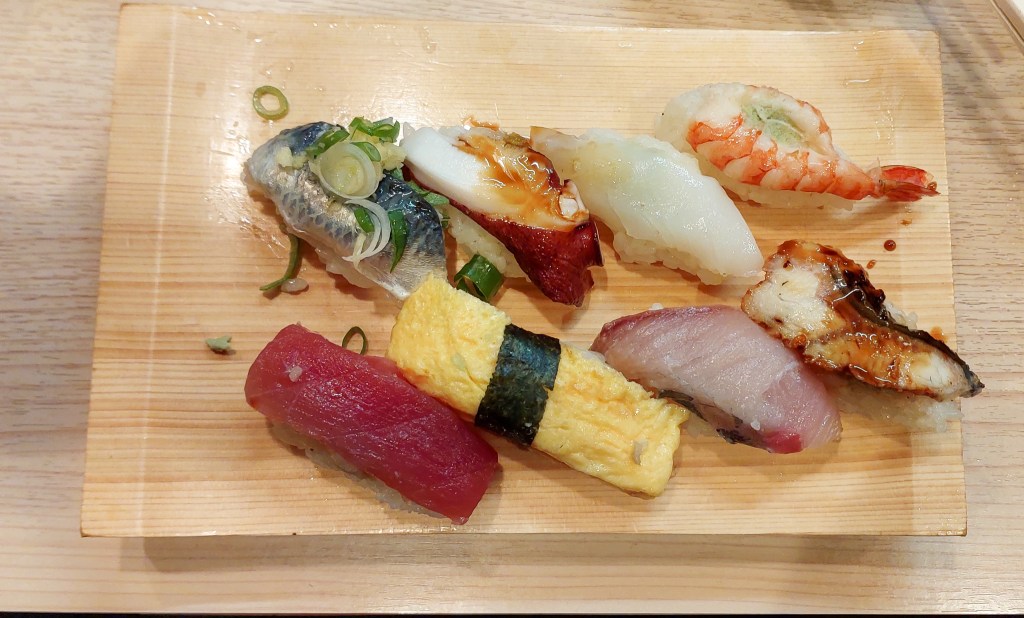
By the time he was finished, we’d run out of time for lunch — just one of those days when there’s too much to see and not enough time to fit it all in. Time to pivot again and this time we grabbed some sushi to eat at a standing table. Normally, I’d snack on the go if we were in a rush, but as you probably know by now, eating while walking just isn’t a thing in Japan!


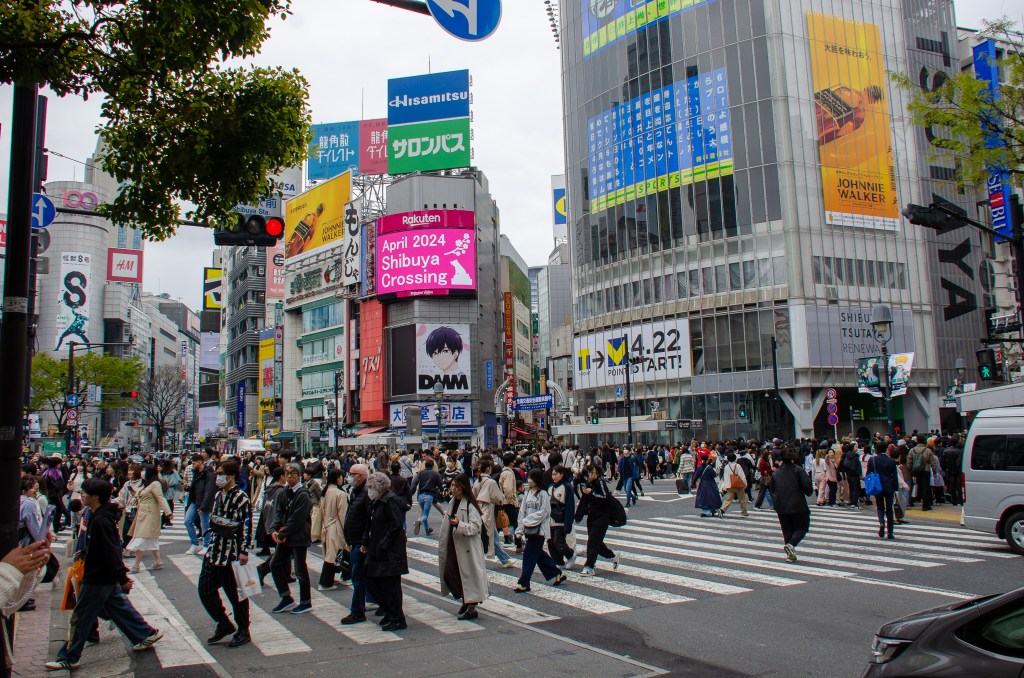
Shibuya Area: We had a bit of fun in Shibuya, especially at the famous crossing. We crossed a few times, took a video, and probably spent too long just standing around watching it all happen. It felt a bit silly, but we had a good laugh. Lots of noise, bright lights, and trendy shops — very Tokyo!



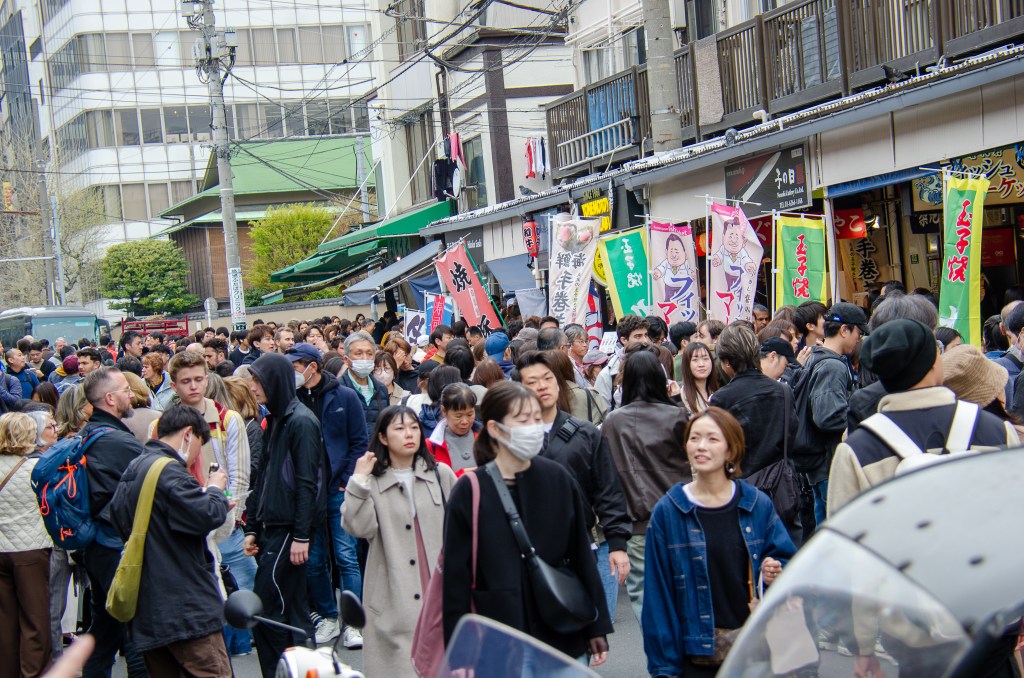
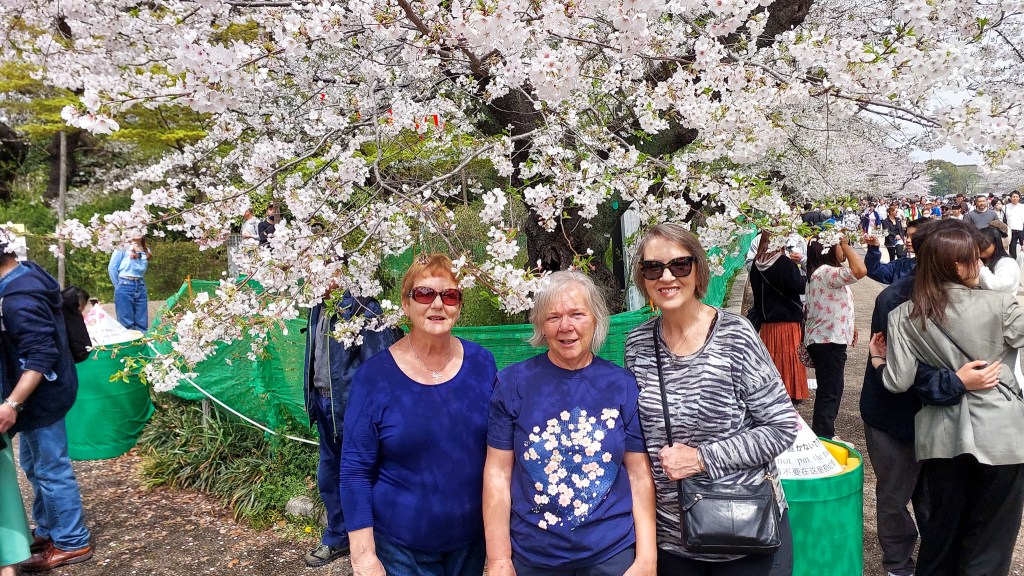
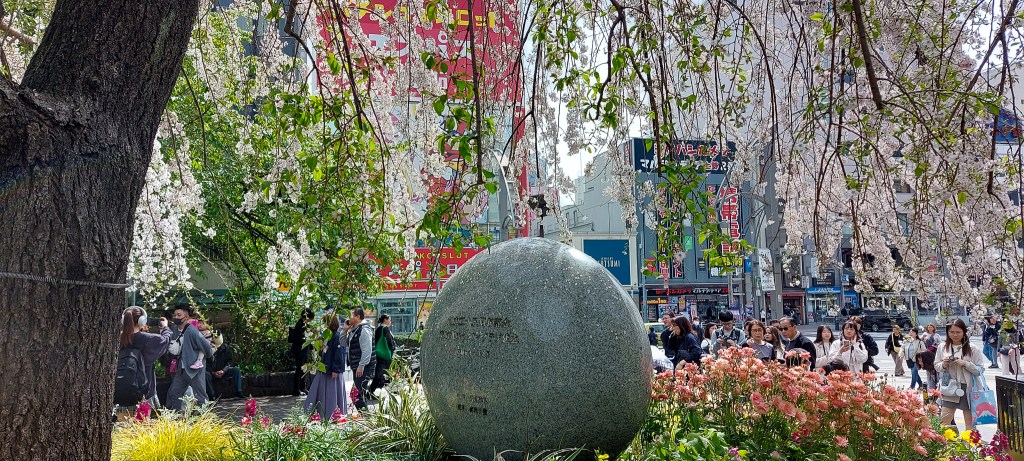
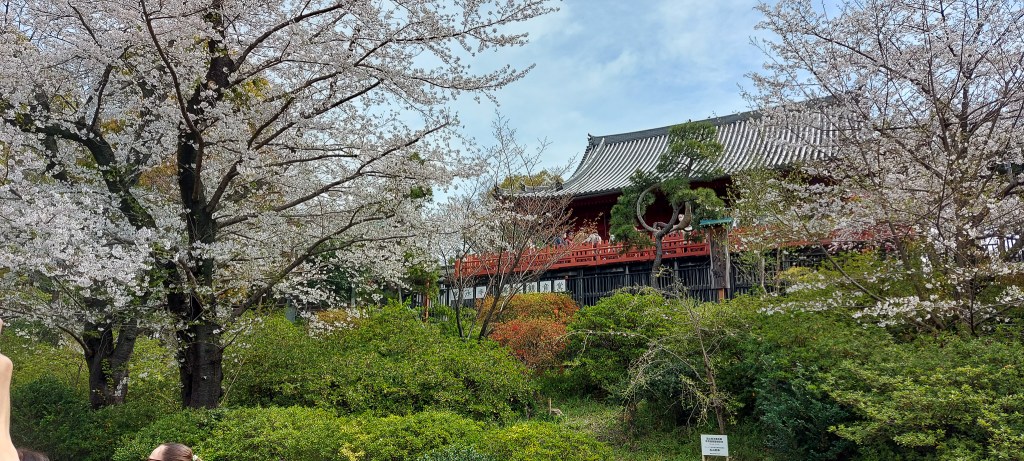
Ueno Park: Visiting Ueno Park was a real highlight for us — we were lucky to be there right in the middle of cherry blossom season. We went on a Saturday, so it was absolutely packed with crowds of people. But the blossoms were beautiful, and it was nice to see everyone out enjoying the day. Lots of families, couples, and groups having picnics under the trees, and of course, plenty of people taking photos.
We even saw a few little dogs dressed up and being pushed around in prams — only in Japan! 🐶🌸
Even though it was a huge crowd, no one pushed or shoved. It felt relaxed and cheerful. A really lovely afternoon.




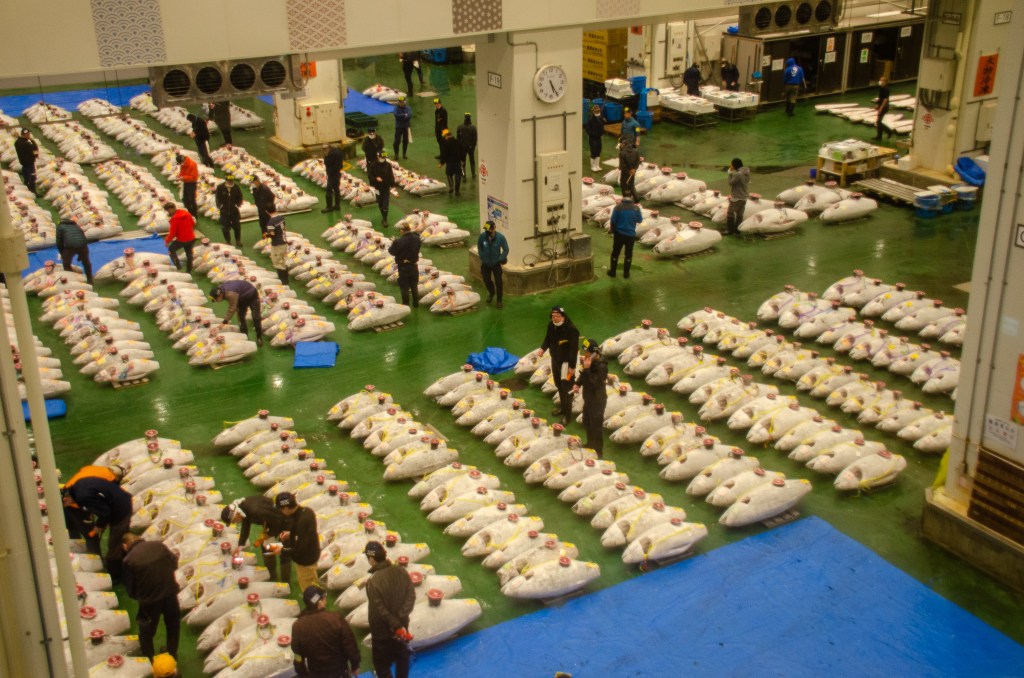
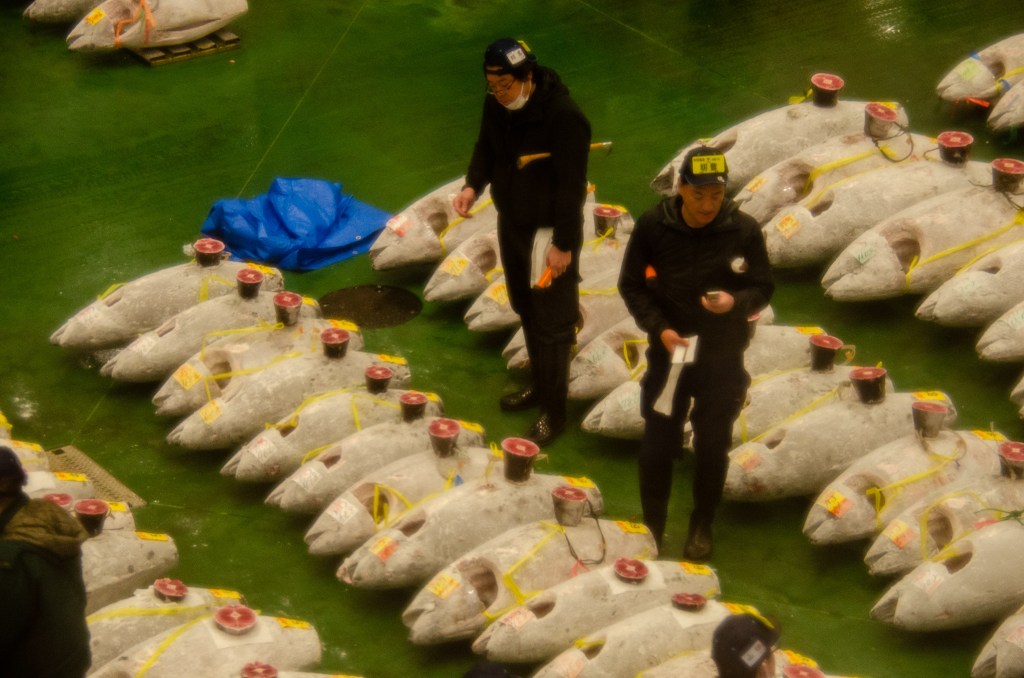
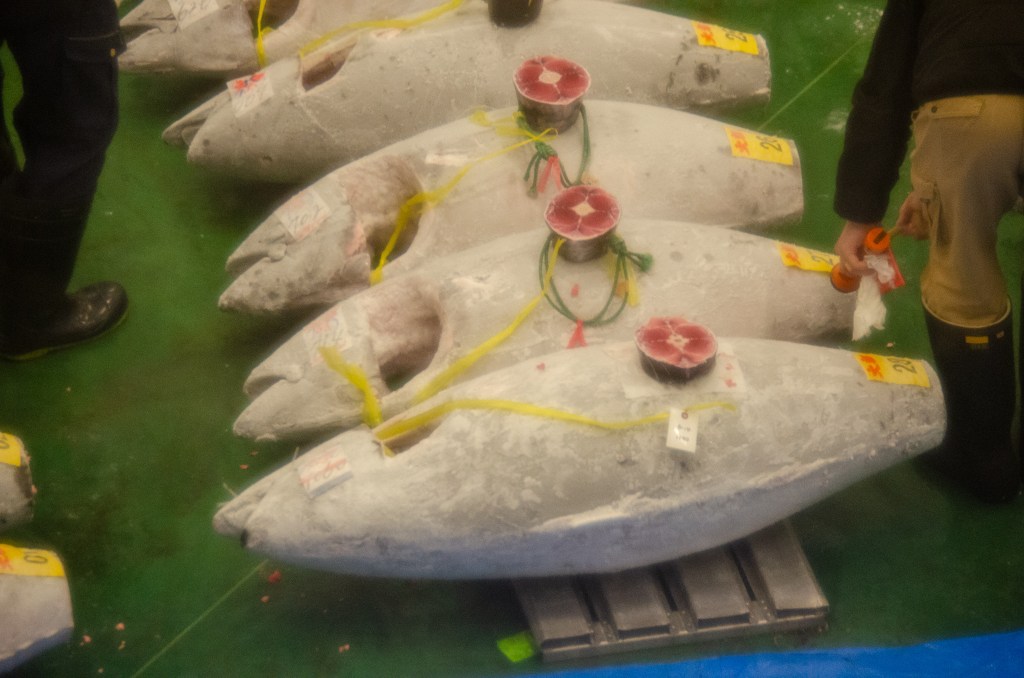
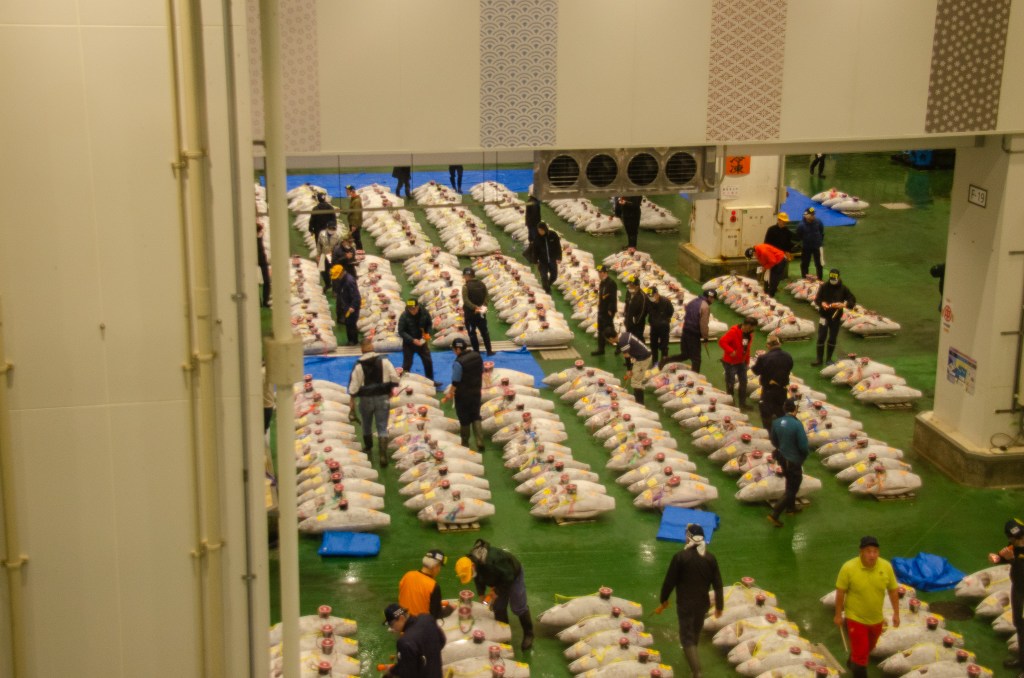
Toyosu Fish Market: While I stayed in bed, Basker was up bright and early — 5am! — and off in an Uber to the Toyosu Fish Market in Tokyo. He was keen to see the famous tuna auction, and you can watch it from a free public viewing gallery. It’s all very organised, and even though he was there ultra early, there were quite a few other tourists there too, many with guides. Basker managed to follow what was going on just by listening in — a bit of eavesdropping here and there gave him the gist of it.
He really wanted to buy some fish and eat it fresh, and while you can’t buy directly from the auction, there are restaurants inside the auction place that serve incredibly fresh seafood. He said it was fascinating to watch the huge tuna being handled and bid on so quickly — a real behind-the-scenes look at Japan’s fish trade. Definitely worth the early start… for him!


My Reflections
Looking back on our trip to Japan, I was really taken by the mix of rich history and vibrant culture we experienced in every part of the country. From the peaceful, old-world charm of Kyoto’s temples to the bright lights and buzz of Tokyo, each place had its own feel — a lovely blend of old Japan and new.⛩️
Even though Japan is incredibly popular with tourists — nearly 37 million people visited in 2024 — we found it very well managed and easy to get around. One thing that really stayed with me was how polite and respectful everyone was. Even at Ueno Park during cherry blossom season🌸, on a packed Saturday, the atmosphere was calm and friendly. People were quietly enjoying the flowers, taking photos, and having picnics with family and friends. We even saw little dogs dressed in jackets, sitting in prams — very cute, and nobody batted an eye.
Some of my favourite moments were the simple ones — like the elderly lady who sat beside me in a food court and struck up a cheerful “conversation” using gestures and smiles. Moments like that made the trip feel warm and personal.
Japan surprised me in a few ways — it was easier to get around than I expected, and the food was much more affordable than I’d heard. I loved the gentle, artistic feel of the culture.🏯
One thing that really struck me was how quiet and empty the countryside felt — a real contrast to the buzzing cities. Japan is so urbanised that most of the population lives in large towns and cities, with Tokyo, of course, being the biggest hub. It really stood out to me after visiting India earlier in 2024, where life plays out everywhere — in the streets, along the roadsides, and right through the countryside. In Japan, by comparison, everything felt more tucked away and orderly, with a clear separation between city and rural life.
The food in Japan was definitely a highlight. We tried so many different things — fresh sushi at Tsukiji Market, steaming bowls of noodles, homely local meals in little restaurants. What stood out was the care that goes into every dish. Nothing rushed, everything beautifully prepared and full of flavour. I really enjoyed trying regional specialities too — it made every stop feel fresh and interesting.
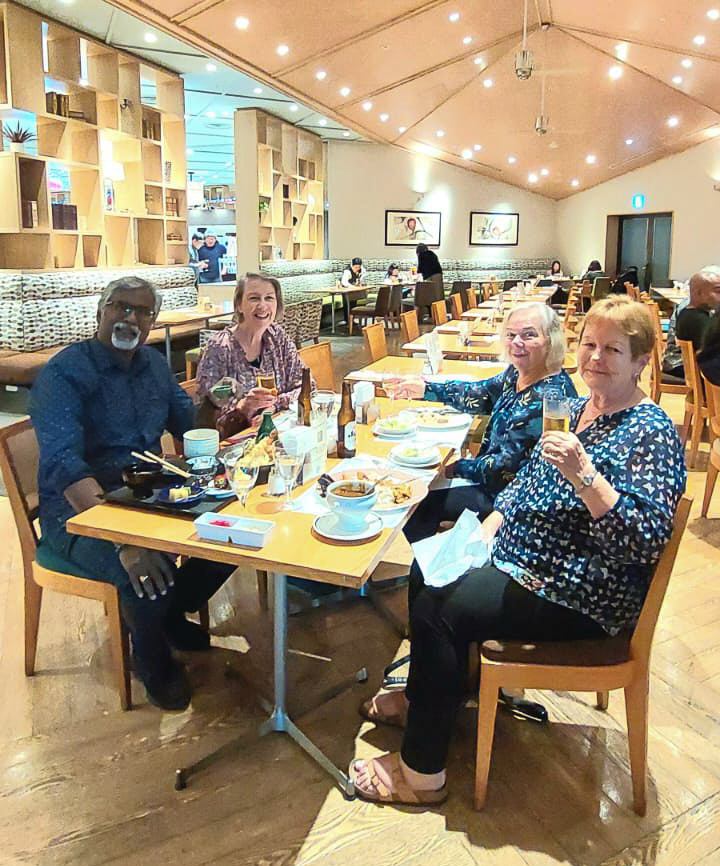
Because we were part of a large group, we didn’t get to interact with many local people, but those we met in shops, hotels, and restaurants were unfailingly polite and welcoming.🎌
We spent our last night at Hotel Nikko in Narita. It was quiet and comfortable, a nice way to wind down after such a full and busy few weeks. It gave us time to pause, take a breath, and think about all we’d seen and done.
All in all, it was a wonderful trip — full of beauty, calm, surprises, and lovely little moments I’ll remember for a long time. I’m so glad we went.
Arigatou gozaimasu for reading! Sayonara from Japan– ♡ Janet
Discover more from Life With Janet
Subscribe to get the latest posts sent to your email.


Hi Janet. I really enjoyed this post as it brought back memories of two trips we made to Japan as independent tourists, one in the late 1980s and the other about a decade later. On both occasions we were based with friends from the UK who were working in Tokyo, but would take off for days at a time to explore other parts of the country.
Many of the places you visited were on our itineraries too, including Kyoto, Himeji, Hiroshima and Miyajima. It was wonderful. I chuckled to read in your post that, a quarter of a century after our last visit, the Japanese obsession with vending machines remains…we would come across them in the most obscure places, chugging away happily to themselves! And they were never vandalised, which sadly would not have been the case here in the UK.
You say that you didn’t have much chance to interact with the locals because of the nature of the organised tour. For us, inevitably, it was a bit different but you’ll be reassured (although probably not surprised!) to learn that we found them to be lovely – friendly, kind and anxious to help gaijins…you only had to open a map in the street (this was way before maps on smartphones!) and someone would dash up to us, keen to help find our way.
We’ve travelled to various parts of the world, and Japan is one of our favourites. We loved it, and I’m glad you loved it too. We also loved our visit to New Zealand in 2019 but that, as they say, is another story!
LikeLiked by 1 person
G’day Mr P,
Thanks so much for your kind comment. Really pleased you enjoyed the post about Japan—it’s always lovely when something like this brings back happy travel memories. Sounds like you’ve had some unforgettable experiences there.
The vending machines really gave me a chuckle too. They’re everywhere, aye? Very orderly.
I really enjoyed hearing about your interactions with the locals. That’s something I missed a bit on my organised tour. The way people would step in to help just because you looked a bit lost— that’s one of the fun things when on tour.
Japan definitely leaves its mark. I can see why it’s one of your top spots. Oh, and I’m glad to hear you enjoyed your visit to New Zealand in 2019—we’re lucky-as to live in such a beautiful little corner of the world.
Really appreciate you taking the time to write. I’m very much enjoying your blog too—keep it coming!
All the best, Janet
LikeLiked by 1 person