

We traveled to Morocco in 2017 with Intrepid Journeys, and it was an amazing trip! Along the way, we picked up some great tips and suggestions.
I always choose light and comfy travel clothes for tours. I prefer Kathmandu pants and cotton tops, shirts, or t-shirts—nothing too tight or restrictive.
I opt for ¾ sleeves or short sleeves instead of string tops or sleeveless outfits. I also wear long pants, although some women on our tour wore ¾ pants, and that seemed to work well too.
In Morocco, where both Arabic and Bedouin people are Muslim, dressing respectfully is important if you want to connect with people on the street. That’s often where you’ll meet locals, start conversations, and have the best experiences.
My favourite tops are Ruby Yaya but I also like Just Jeans tops and Kathmandu travel shirts.
My favourite shoes are Kroten Travel Walkers. It’s a good idea to take 2 pairs of sneakers in case of rain, and a pair of jandals to use around the hotel. I usually skip dress shoes unless there’s a formal evening planned.
Morocco has a large French population, so you’ll come across some stylish French restaurants. In these places, you might see elegant French diners, so it’s a good idea to bring an evening outfit for this type of occasion. However, we generally didn’t dress up for dinner.
Be sure to take a light merino cardigan for cool evenings out.
Nowadays I also tend to take along a uv sun umbrella as well as a sunhat, it just helps to have your face and neck well protected from the sun particularly on long hot walks to view historic sights.
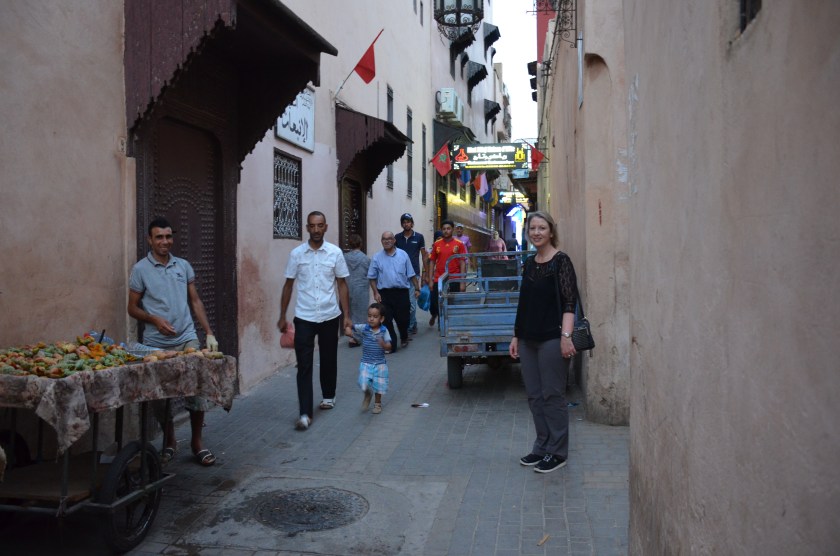
It’s a good idea to carry a scarf with you. You can use it to cover your shoulders and head when you visit a mosque. Plus, you can dampen it with water and use it as a cool face-wipe on hot days.
You can see in the photo that I always carry a sunglasses case… When in and out of buildings & monuments those sunglasses have a way of walking, so a handy pouch around my neck is invaluable.
Basker and I love picking up local clothing on our travels. He bought a dish dash, a long robe, which he wore frequently—both during the tour, especially in the desert, and at the hotel for dinner. It’s cool and perfect for the climate, and it often brought smiles and grins from the locals, along with a few comments about skinny ankles!
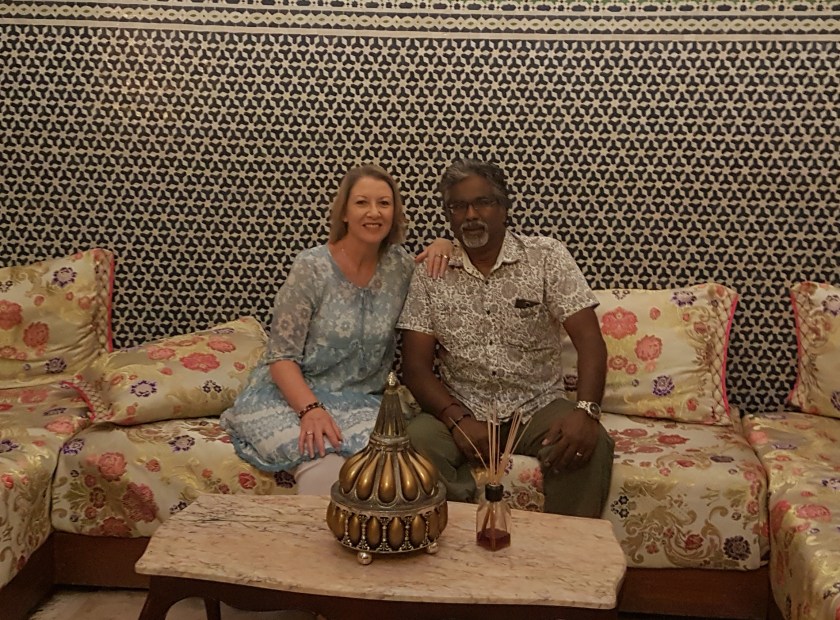
He also bought some pretty groovy shoes— handmade Moroccan pointy Babouche slippers!!
You’ll def want to keep an eye out for a pair of these.
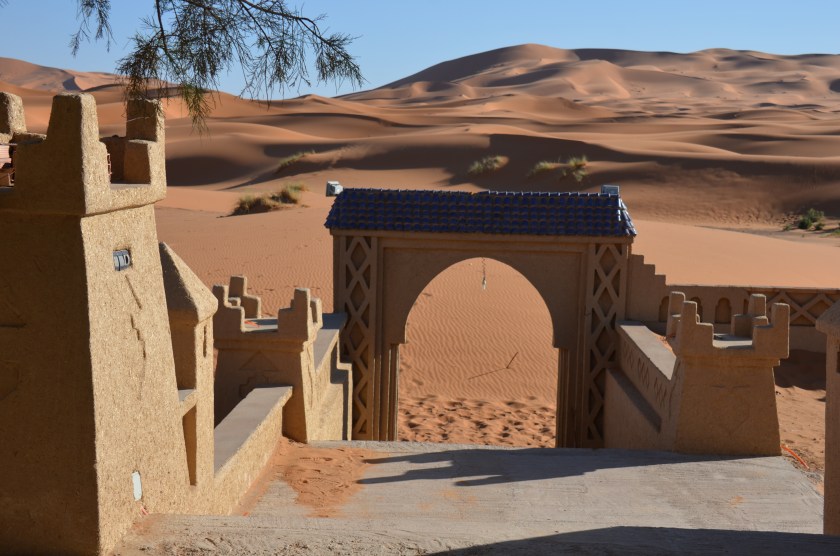
If you’re heading into the Sahara desert for an overnight camp, the guides will help dress you in the right clothes, including the proper head covering.
…It all adds to the magic of the experience as you climb up onto a camel and head out into the desert in a long caravan.
A quick note about the hammam: it’s similar to a Turkish bath but can be quite rough. If it’s too harsh, just let them know to make it gentler.
Be prepared—it’s a fully naked experience! Despite that, it’s relaxing and soothing. Just try not to roar with laughter while having a serious but fully naked conversation with your tour mates. The mint tea afterwards, wrapped up in a fluffy cotton bathrobe on a sunny terrace, makes it all worthwhile.
Some suggestions about food:
Food was good on our tour but not super extraordinary. We had a lot of couscous and tagine, and the meat didn’t quite match the quality we’re used to in NZ. Goat meat was more common than lamb. It’s lean but can be tougher and is often served with the bones still in.
One of our tour activities was a cooking class where we spent the day making a tagine and couscous. This food was beautiful, the best we had tasted on the entire tour. An added bonus was a guided walk through the village while the food was cooking. We met lots of locals on the way and chatted to groups of kids. Great memories!
Mint tea is served everywhere and is very popular. It’s refreshing and delicious, so make sure to try it as often as you can.
Beware the pigeon pie!! It’s called pastilla and it’s made with filo pastry, stuffed with pigeon and scrambled egg, and the finished dish is sprinkled with icing sugar and cinnamon. It’s a great delicacy and much loved in Morocco but unfortunately I really didn’t like it.

I don’t know what it was, perhaps a bug, perhaps an aversion to the pie, but this day was the first and only time I have ever landed up in hospital while on holiday.
What an experience! I became dehydrated but luckily the hospital was fantastic and I quickly recovered so I was able to carry on with the tour the next day without missing a beat. And it was free although Basker did have to walk across the road to the small pharmacy and buy a saline drip for me.
Above: couscous image on the left, pigeon pie on the right.
We usually avoid eating at markets or street stalls because it can be risky, we prefer to stick to proper restaurants or the hotel for a safer option. However, on our last night of the tour in Marrakech, we decided to give the market a try. I thought it’s the last day, what’s the worst that could happen?
Surprisingly, it was okay! The stall next to us was selling goat brains, which was quite a sight, but we stuck to the cooked veggie dishes and kebabs. Everything was fine the next day on the plane—no problems at all.
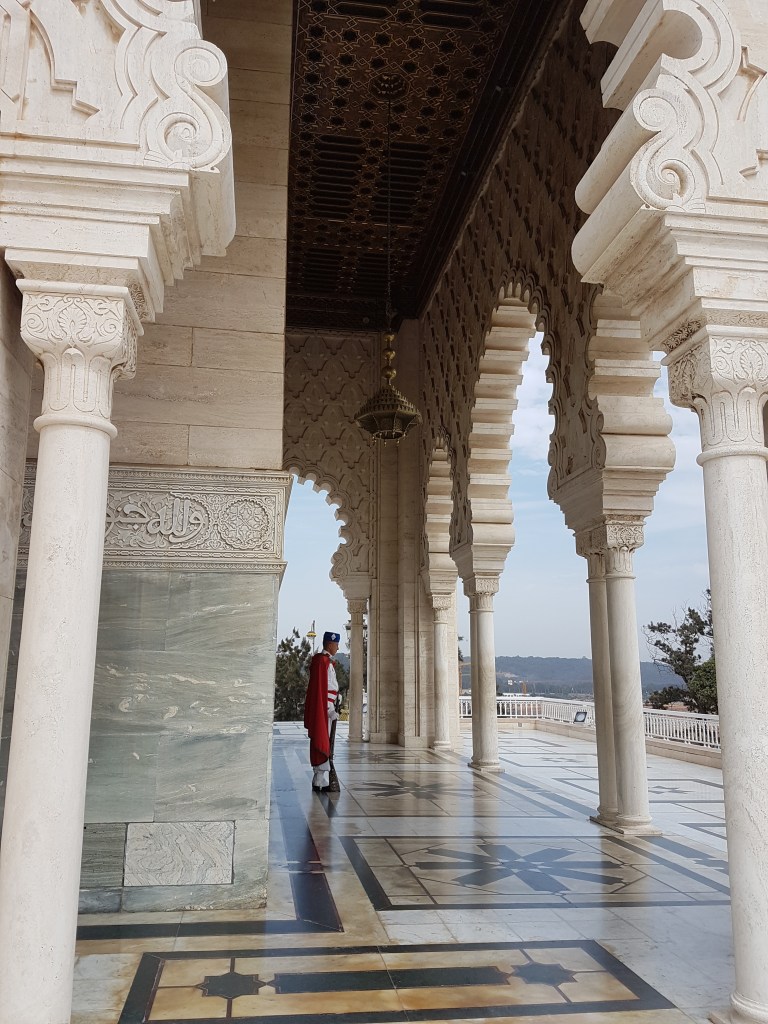
Overall, we loved Morocco—the mosaics, art, pottery, Berber rugs, mint tea, dish dash, boutique riad style hotels, vast history, Kasbah, Islamic architecture, Roman ruins & mosaics in Volubilis near Meknes, and even the huge mall in Casablanca. Just a tip: if you visit the mall, skip the beach outside. It’s not great, and with ongoing construction, it’s quite dangerous. Better to stay inside the mall and enjoy the shopping and aquarium!
From one travel lover to another – happy exploring ♡ Janet
Discover more from Life With Janet
Subscribe to get the latest posts sent to your email.


